Most Popular Post

Showing posts with label farm equipment. Show all posts

Wednesday, 2 June 2021

Traffic jam on the 106

It is a busy time around Prince Edward Island. The spring lobster fishery is underway and the waters of the north shore are dotted with fishing boats as they check their traps and ports are busy with lobster tails/tales. The fields are busy too. For several weeks, we’ve watched as farmers prepared the fields and now planting is underway. The season of PEI traffic jams in upon us.


Last Friday we headed to the north shore with our family to visit a friend whose cottage is along the coast. It was a beautiful day and many of the fields we passed along the way showed recent activity. The roads were busy too. Huge pieces of farm equipment were on their way to another location for Saturday. On Route 106, it converged, pieces headed in both directions. The result was an island traffic jam.


We had a huge piece of farm equipment a few vehicles ahead of us on the road. The on-coming wide loads made for an interesting few minutes.
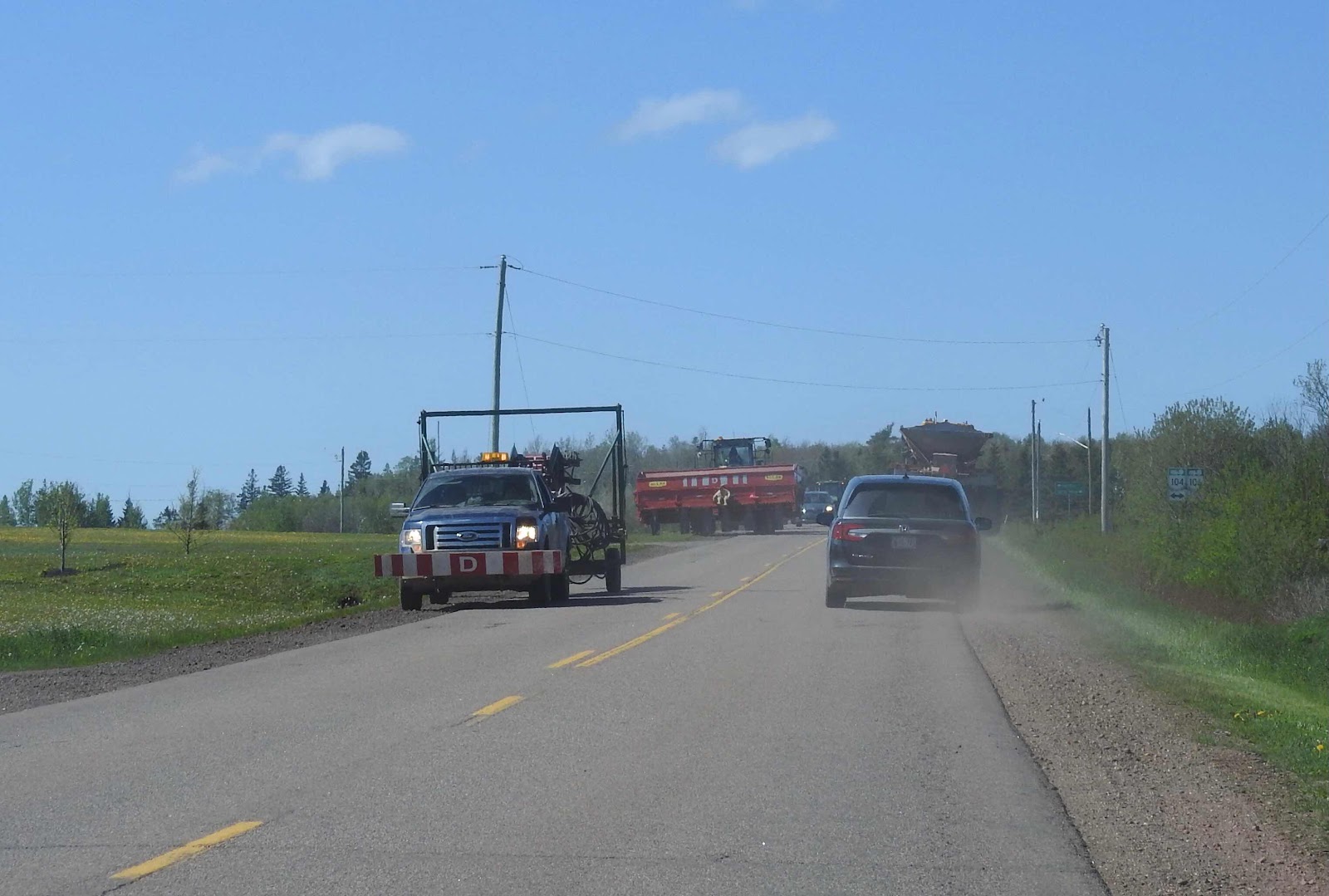


One of the vehicles had a Hulk doll attached to its front.  It was an uncommon sight for sure!
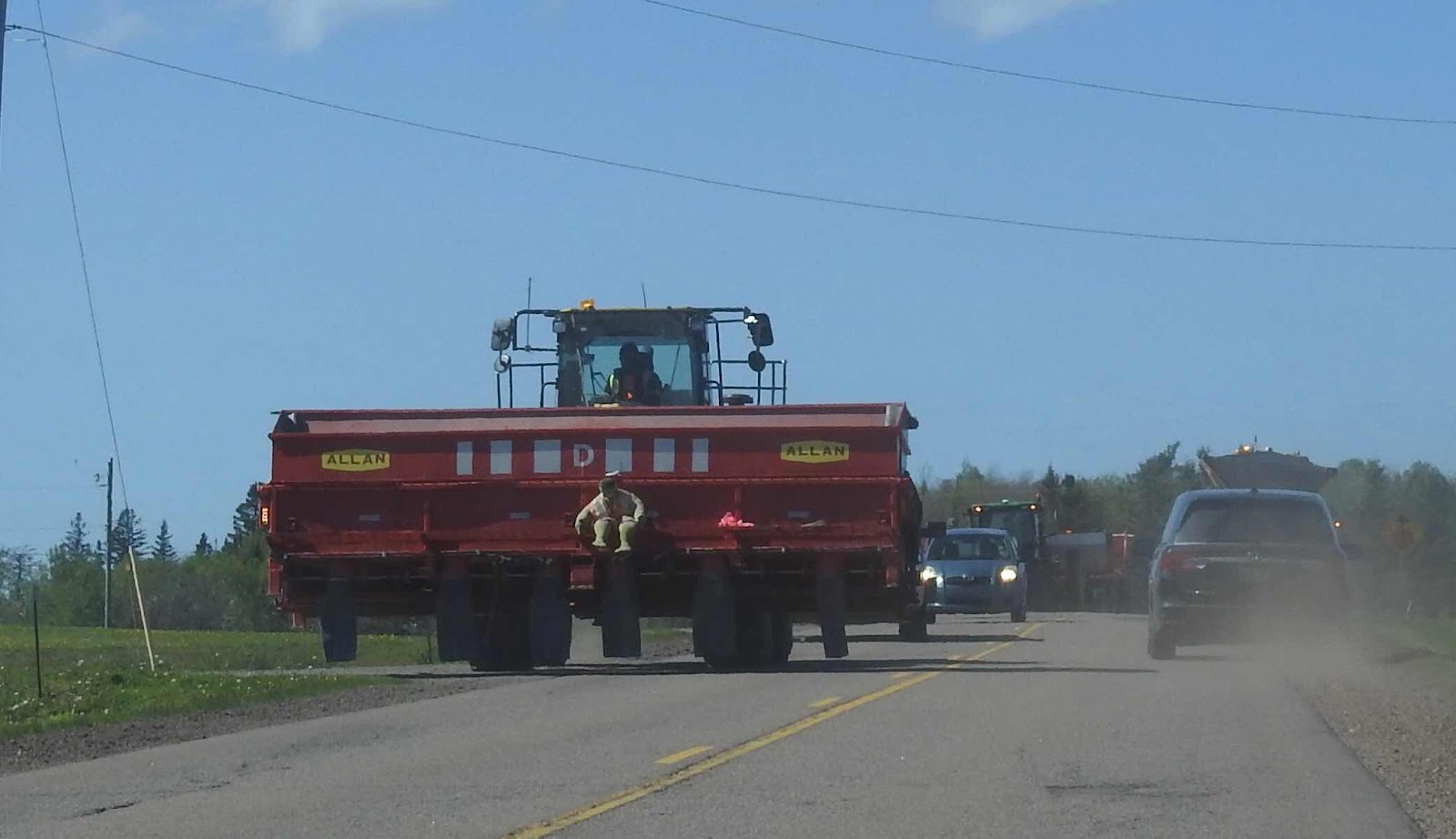


My husband and I were fascinated with the road traffic. 
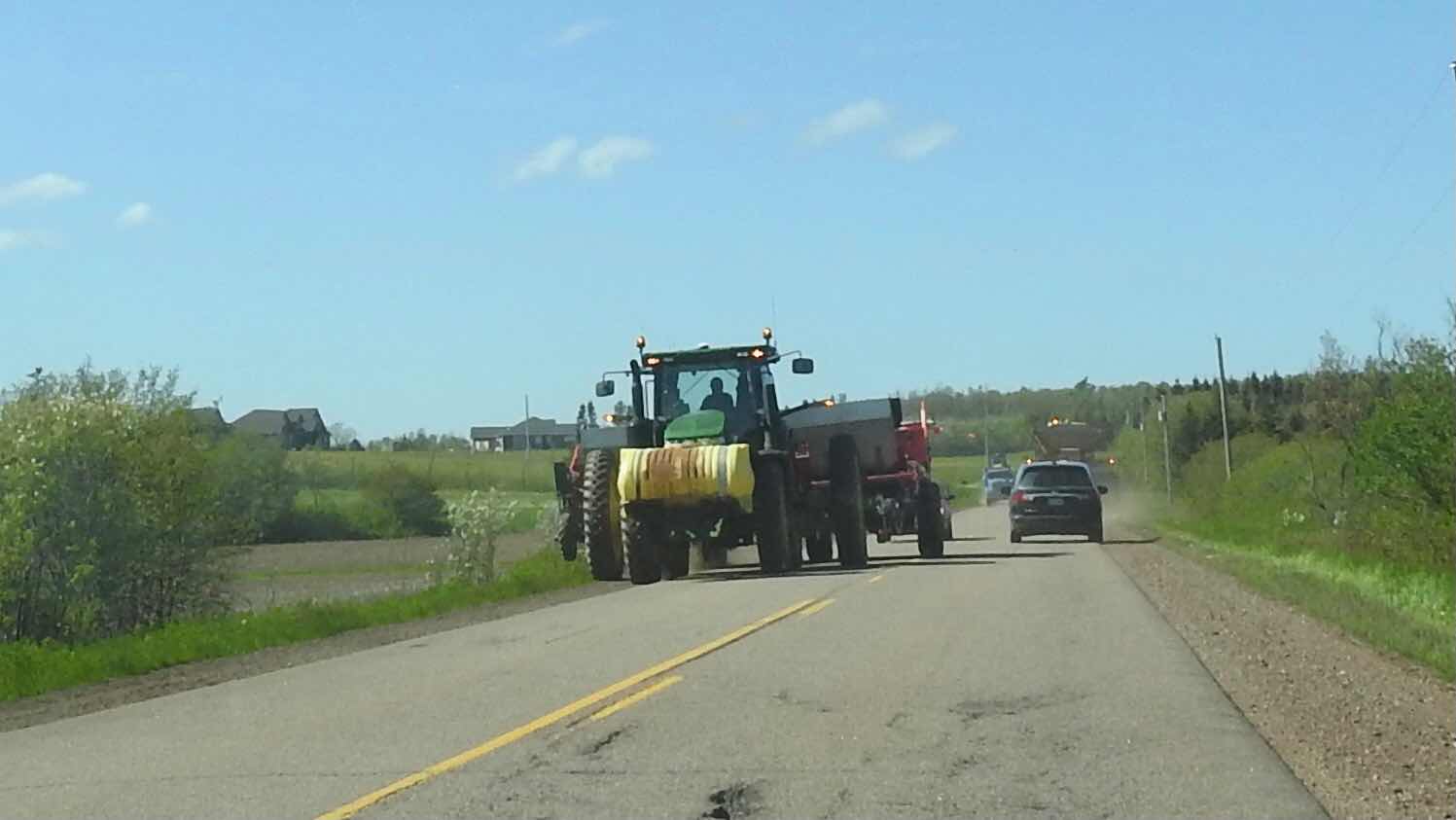


Our only experience with any amount of traffic on this island is when we visit the capital, Charlottetown, or there is an accident on the road. Having to stop briefly for farm equipment is a seasonal occurrence, spring planting or fall harvesting. It isn’t a problem.
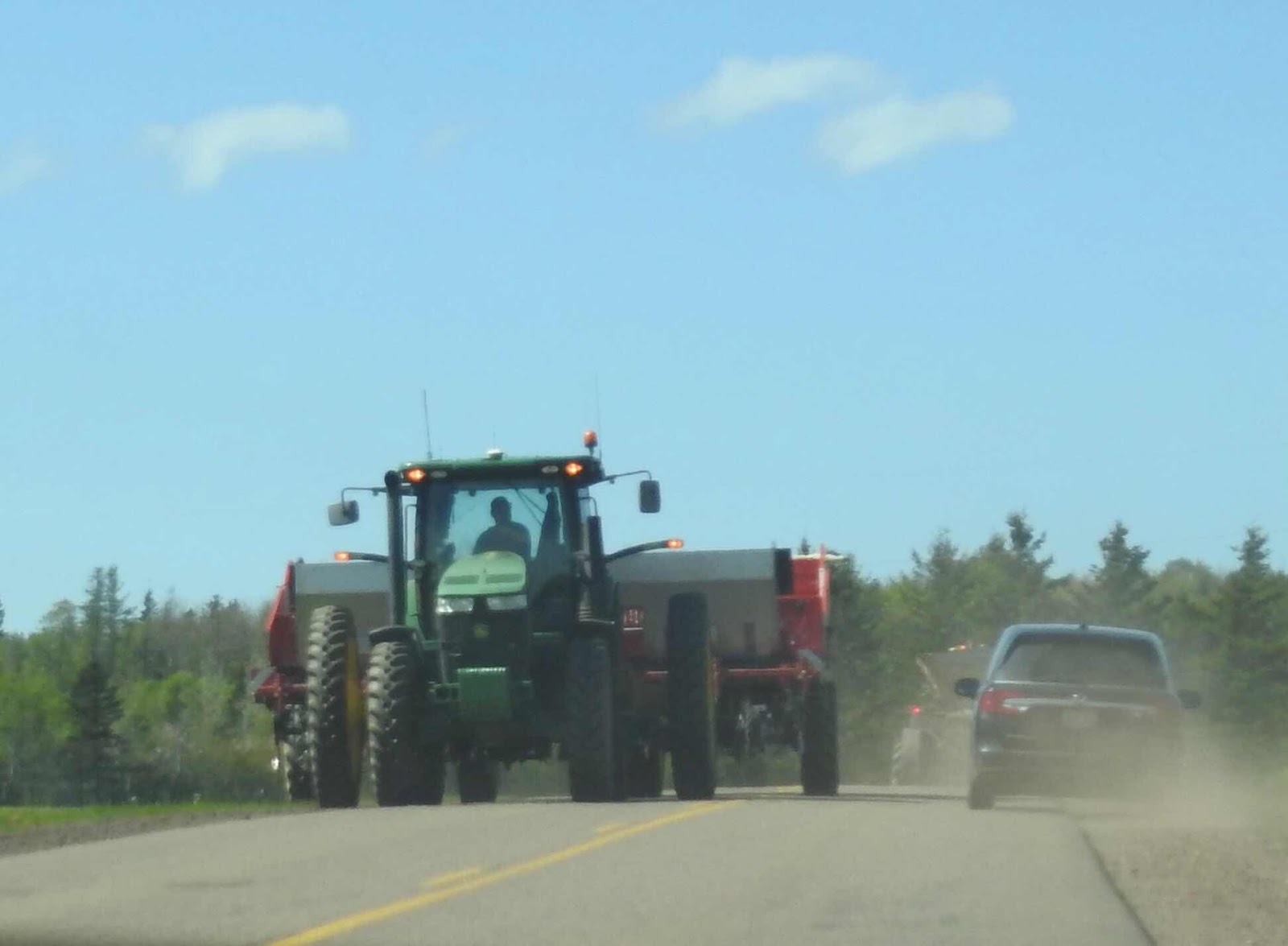


Such is life on this gentle island.


Tuesday, 19 May 2020

The land

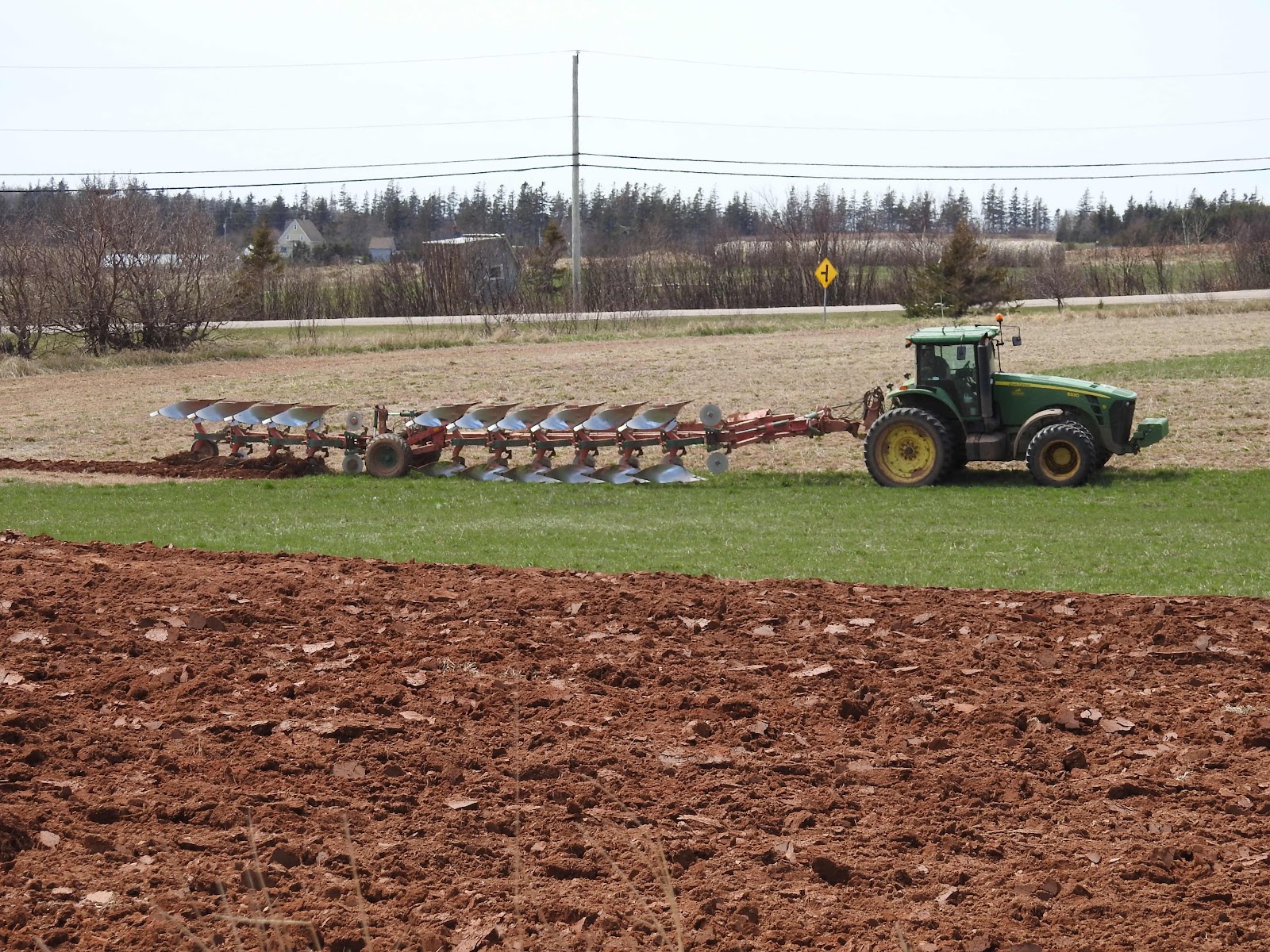
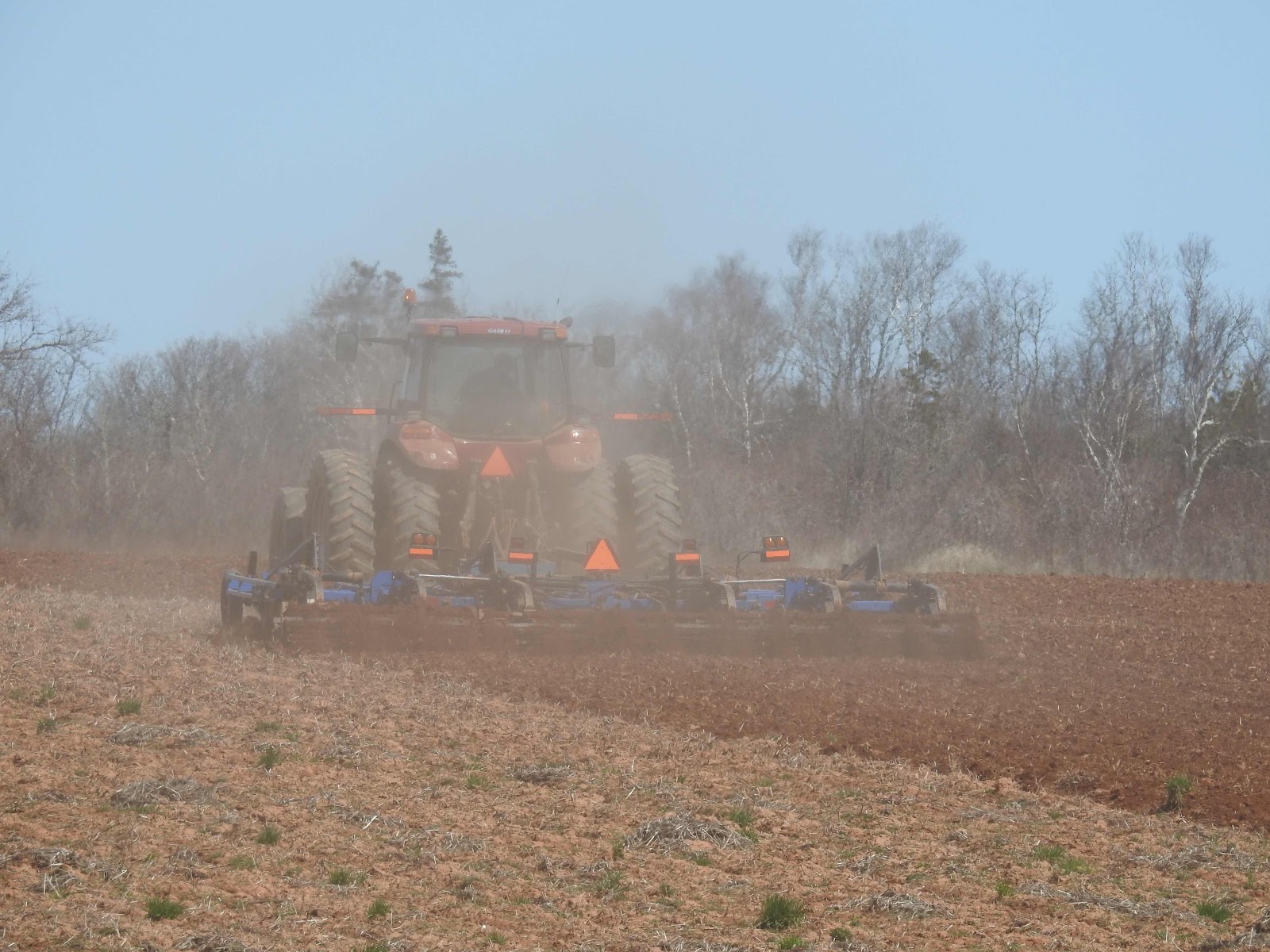
Last week on the way to the beach where we saw fishers off shore setting their lobster traps for the season, we passed numerous fields where farmers were turning or had turned the soil for this season.


I was surprised to see the dust from this field. We have had so much rain recently and lots of snow this winter which has only melted in the last month. It is an indication of how much water is needed to keep the soil hydrated.


Of course we are never far from the sea on Prince Edward Island. You can see Malpeque Bay in the background at the right of the photo.


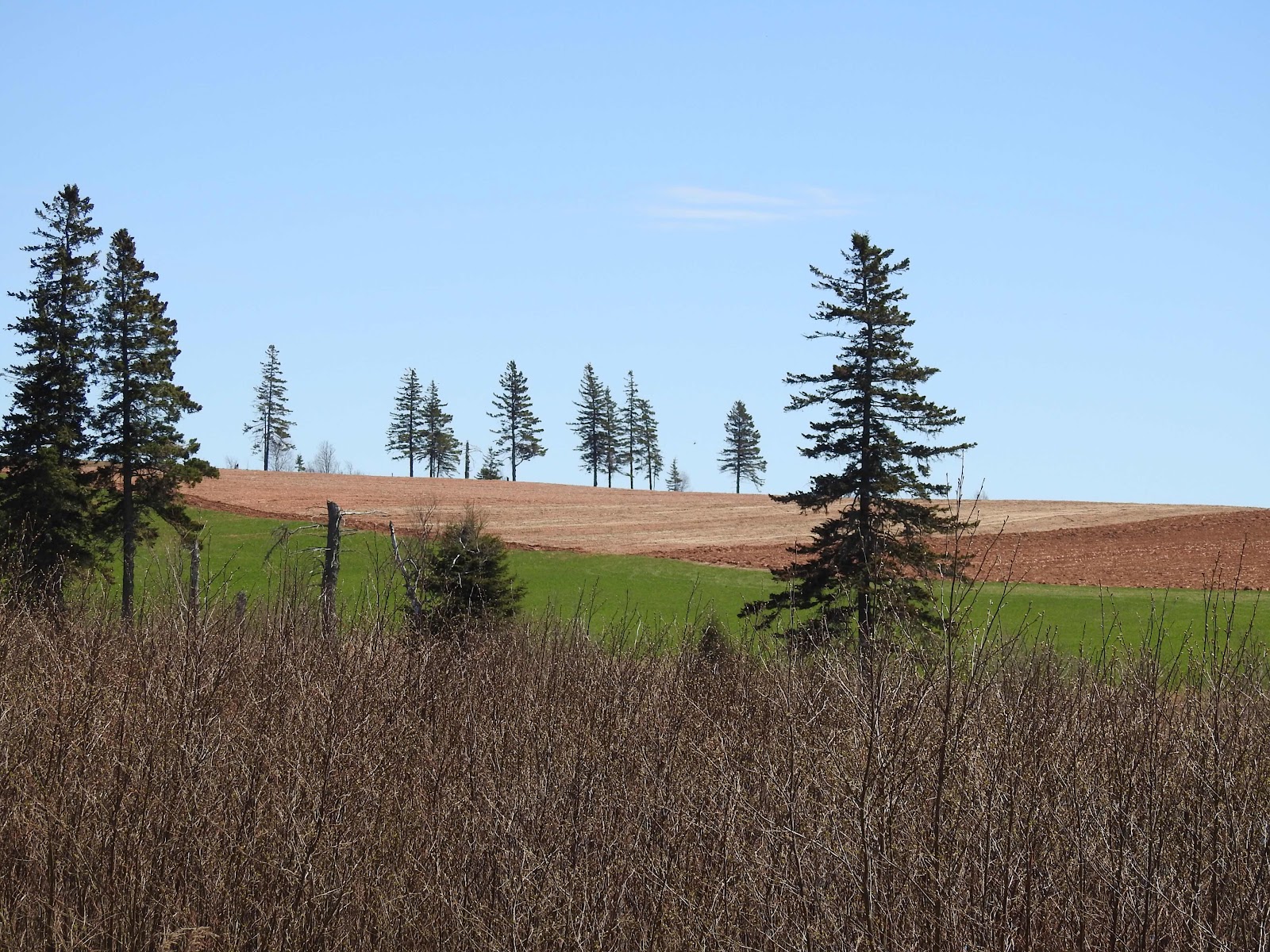
This field was on a hill above Brander’s Pond.


The road to the beach runs alongside the field. This equipment was more modern than the previous tractor. I remember my grandfather with a horse and plough which he manoeuvred holding two handles as he walked behind. A part of history now!


These fields off the Confederation Trail 


and beside Scales Pond appear to be ready for planting this year.


Land and sea are woven into a rich tapestry which make this little island so special.


Friday, 9 February 2018

Farm equipment

The plows and salt trucks have been busy the last few months and they are not finished yet. This is not the type of equipment we like to see. My husband and I look forward to the first of the farm equipment on the roads and in the fields for another season. 


That time is months away.


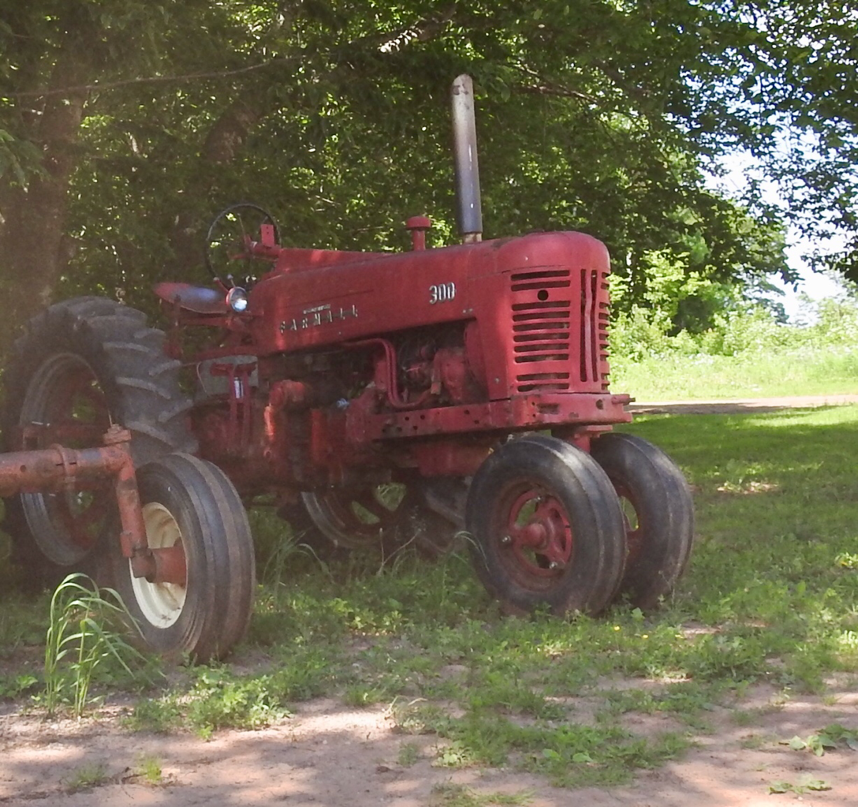
Going through some photos last week, I found pictures of old tractors which were on display in a yard in St. Chrysostome, Prince Edward Island last summer. 


The tractors are part of a history which illustrates an economic and some would say political problem.


Two companies which made tractors, Oliver and Minneapolis-Moline in the United States were each formed from a combination of smaller companies in rural parts of the country. A third company, Cockshutt Plow was a family owned Canadian business.


Beginning in 1960, the White Motor Company of Ohio bought the Oliver Farm Equipment Company, expanding its business to agriculture as well. Later, in that decade, White purchased Minneapolis-Moline and Cockshutt. Small manufacturers disappeared as larger companies gobbled them up. Jobs disappeared from rural areas to larger centers.


Over time, the same occurred across manufacturing and has become part of the problem we see today in the western world. Middle class jobs have disappeared from rural areas and job training for a new economy has not kept up. Now, as computers and automation take over, the problems will multiply. Before long for example, automated trucks will work at mining sites and eliminate the need for truckers there. The problem is further complicated by companies sending jobs overseas where costs are lower.


In St. Chrysostome, the display includes the Cockshutt 20, a row-crop tractor, built in Brantford, Ontario. There were only 4,000 of them built and in 1953, they cost $2300 U. S. 


An Oliver 1655 by White, in production from 1969-75, is also displayed. In 1975, it cost $10,000 U. S.


Also on display was the Farmall 300, built by Farmall, a branch of International Harvester of Illinois, from 1954-56. In 1956, the cost was $2900 U. S. 


Today International Harvester, itself formed from a two company merger,  is known as Navistar International Corporation, a holding company based in Illinois. The company is also in the defense business and has developed hybrid and electric vehicles as well, far beyond the agriculture business where it began. It has facilities on six continents and dealers in ninety countries, globalization at work.


This Zetor tractor is made in the Czech Republic. It found its way to rural Prince Edward Island, evidence of such globalization.


We saw a farmer on a tractor at the harvest display at Kool Breeze Farm in Summerside. He looked a bit tipsy.


Is it any wonder?