Most Popular Post

Showing posts with label moss. Show all posts

Friday, 20 August 2021

A new trail at Bonshaw

On a recent visit to Bonshaw Park, my husband and I walked the new trail called Howel’s Hallow. This trail is well constructed and a great addition to the trail system at Bonshaw where 20 kilometres of such trails await visitors.
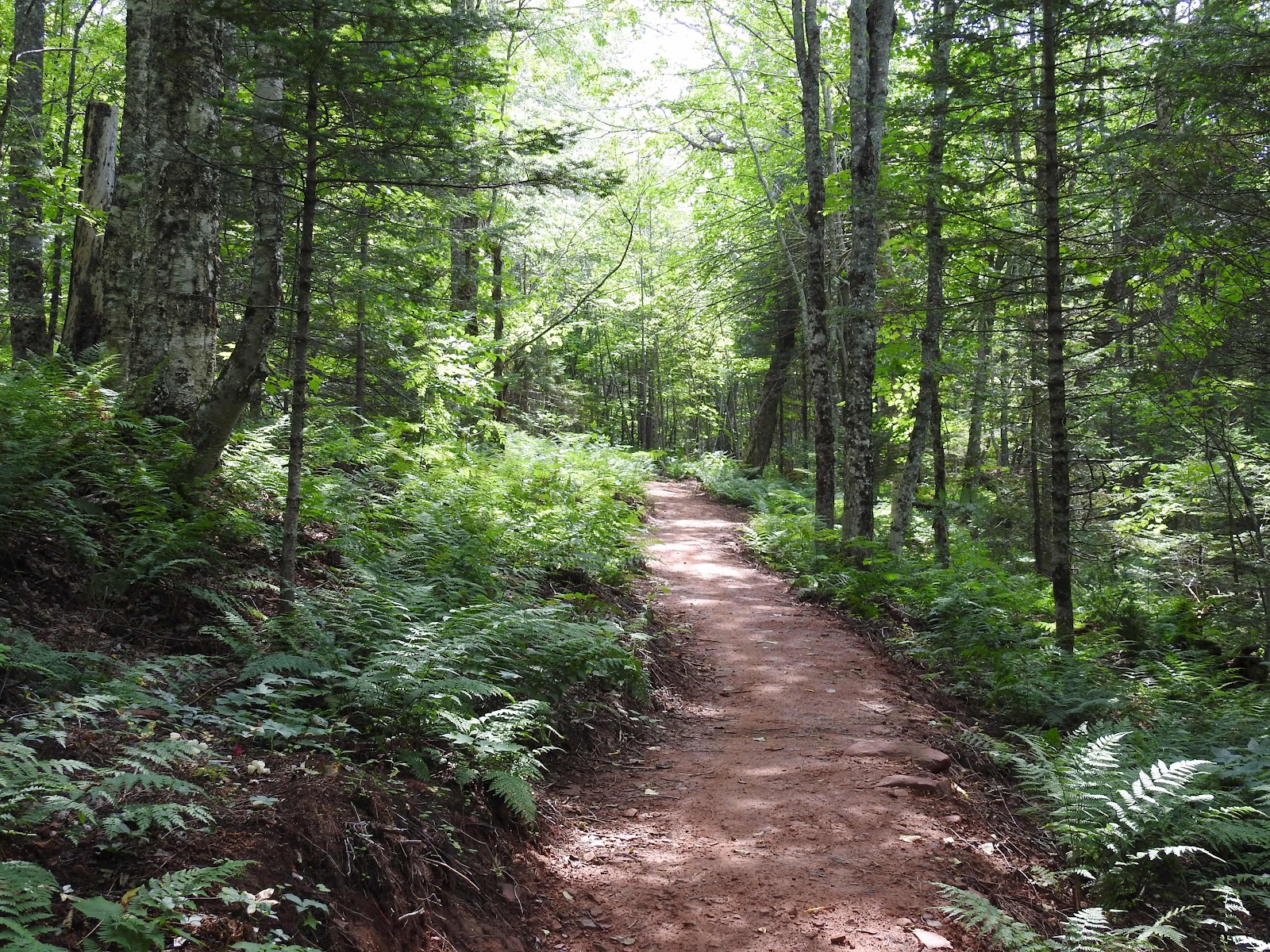


It was a hot humid day but the breeze made it bearable. The new trail is great for mountain biking as well so in areas, it has waves and berms which make the walking interesting too. 
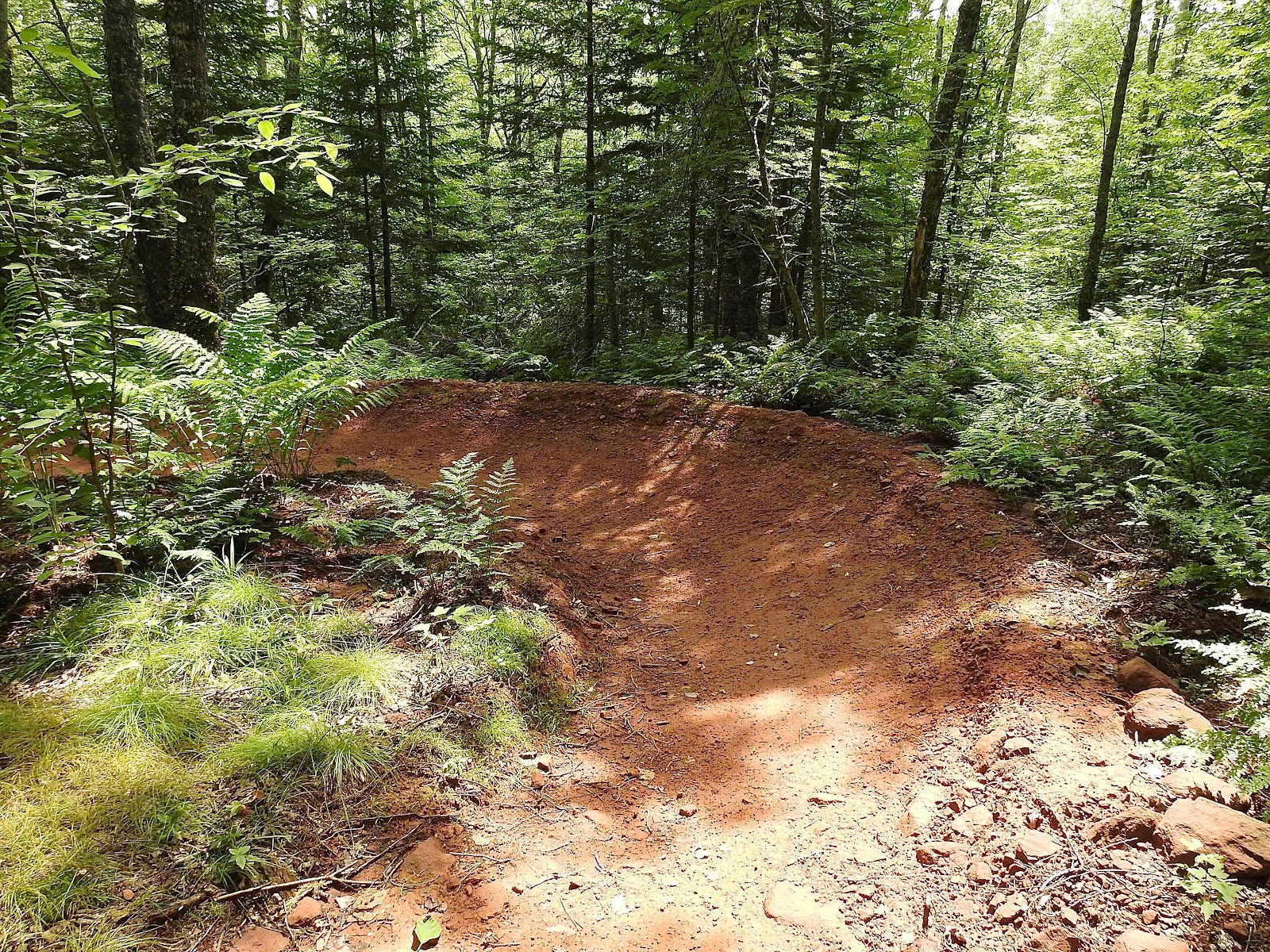


The trail crosses one stream, then  meanders down to the West River and loops back.


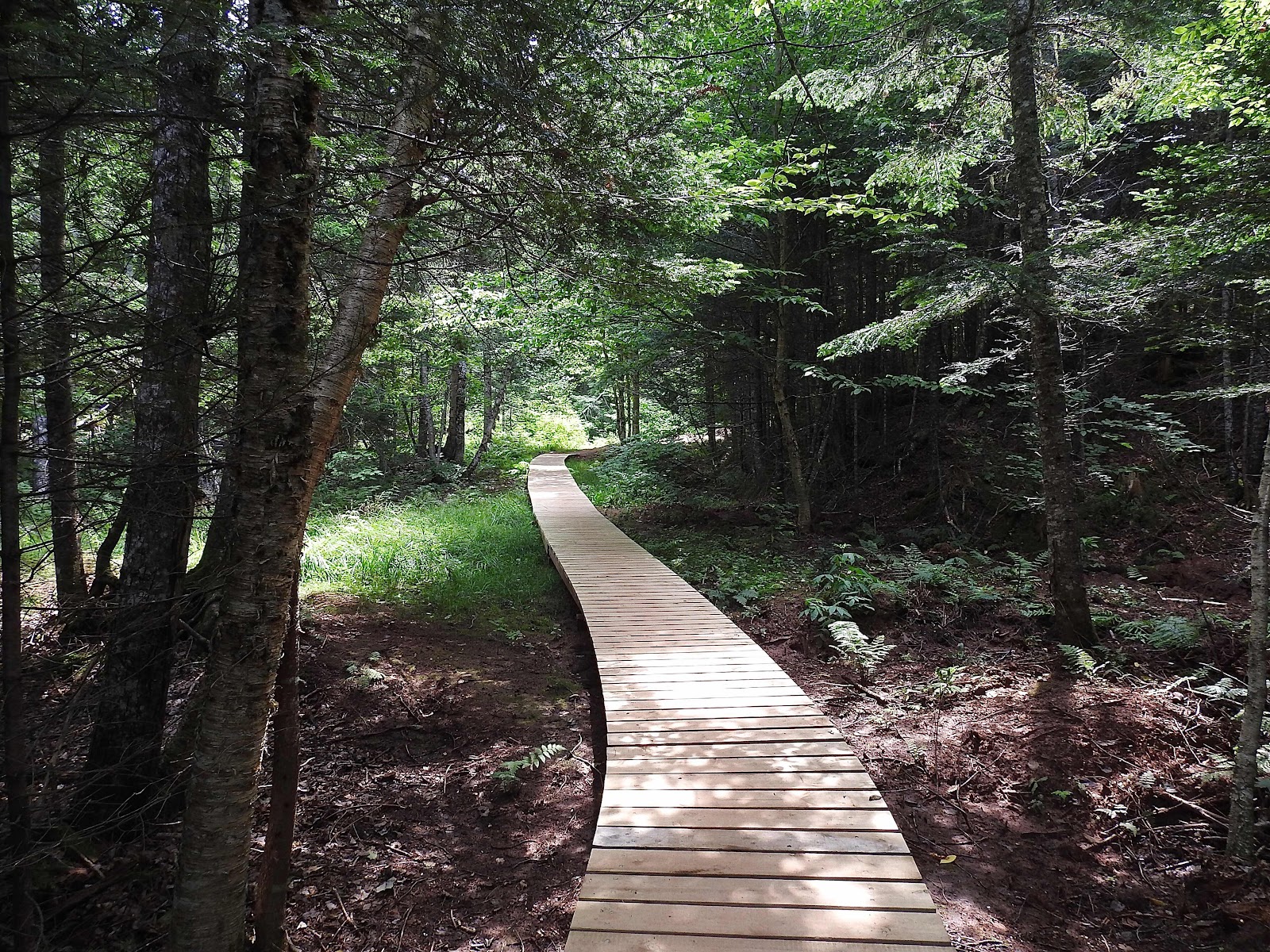
The new boardwalk made the going easy in some areas. 


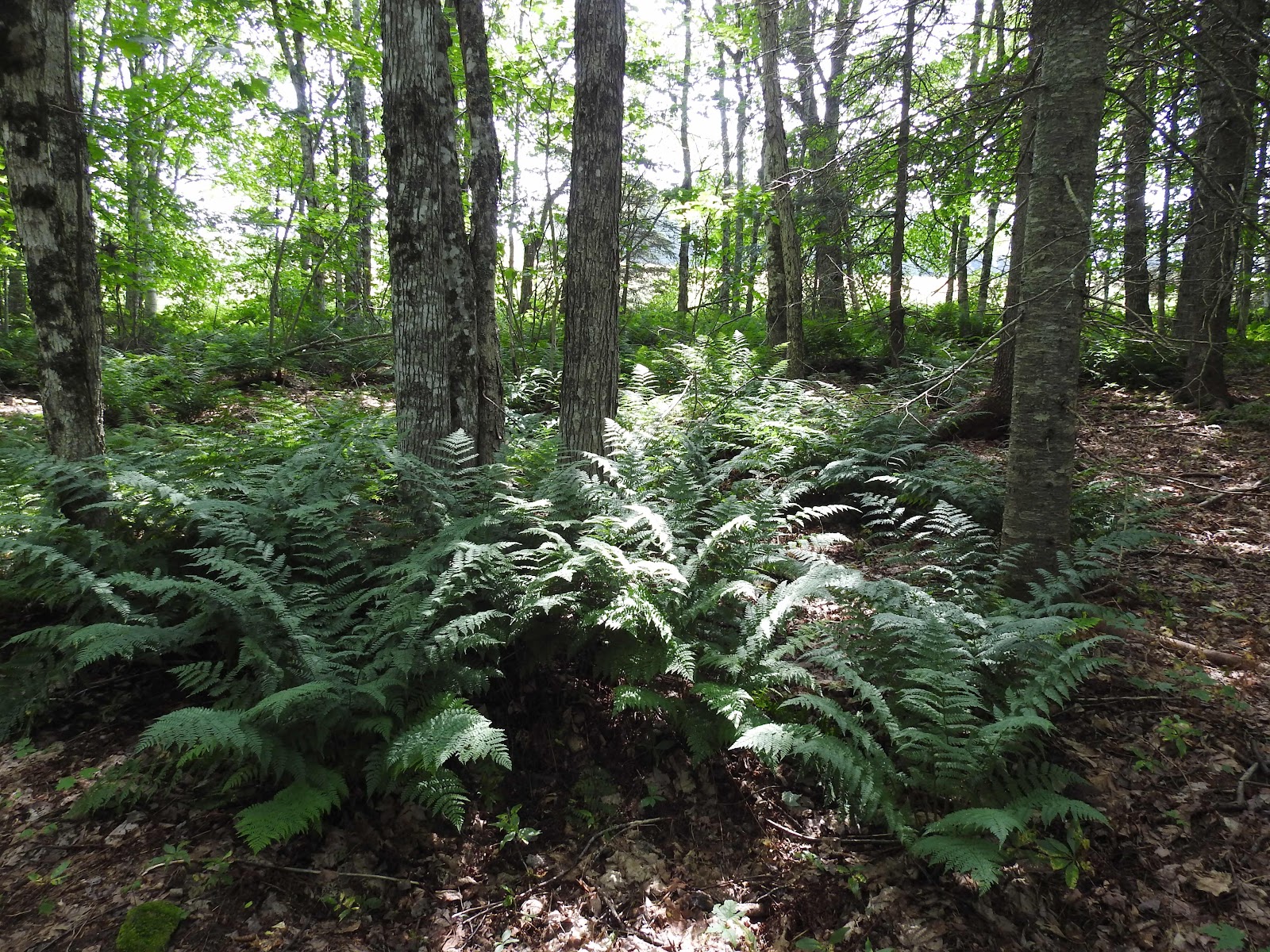
Ferns were luscious, catching the light occasionally through windows in the trees. 


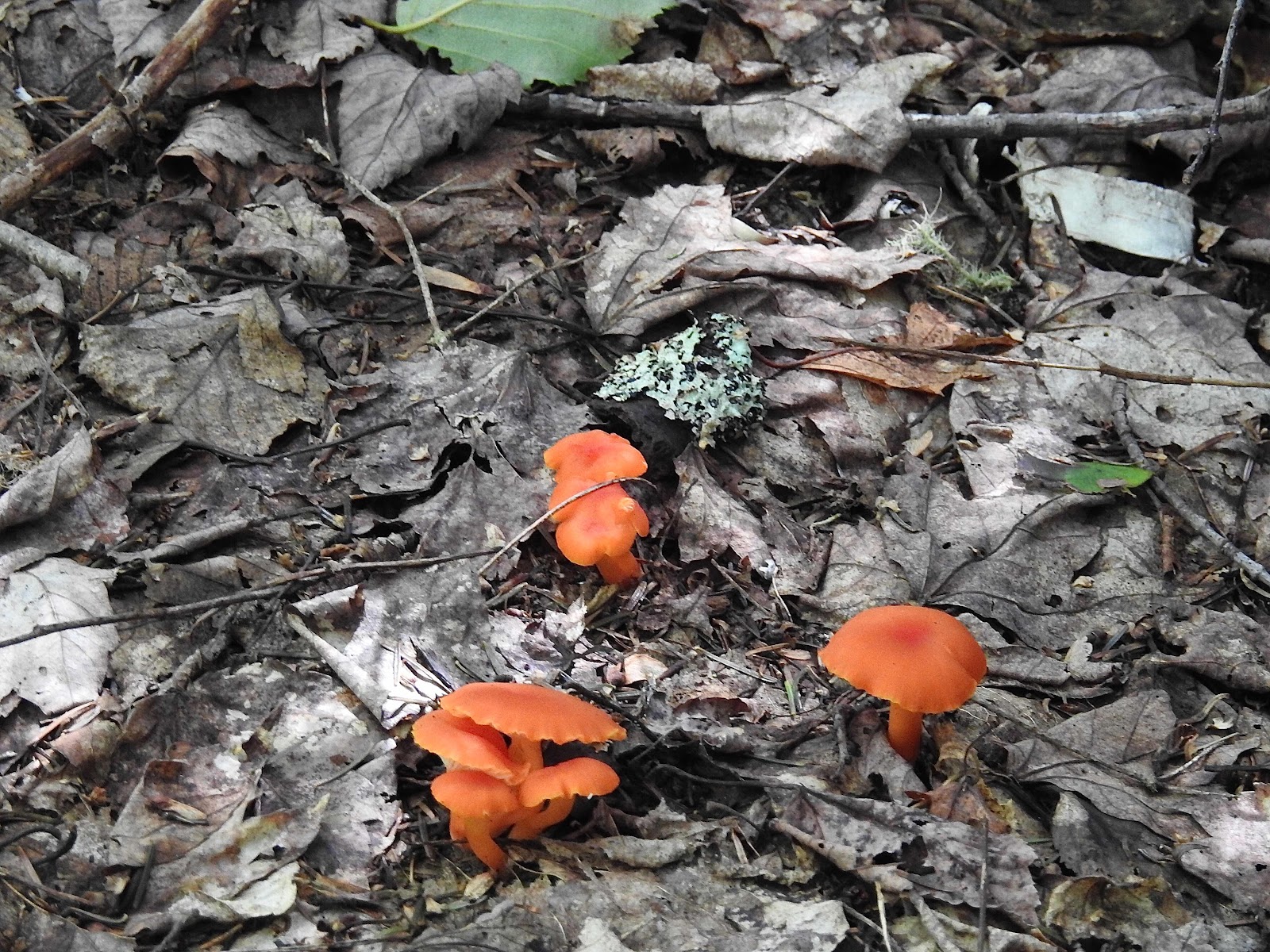
We noticed several types of mushrooms, the most obvious among them, the Orange-gilled Waxcap. 


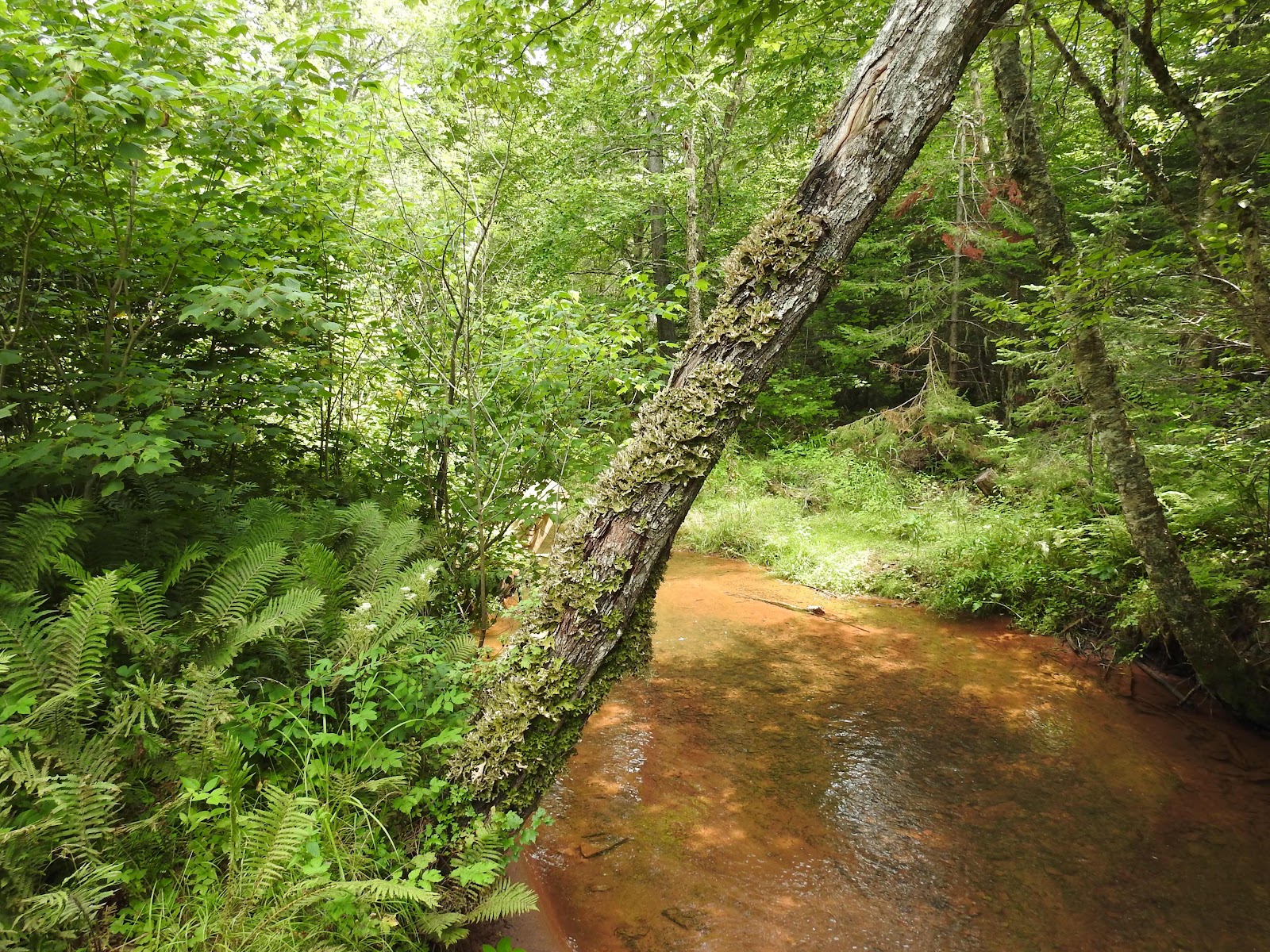
Lungwort, a lichen, was well established on this tree 


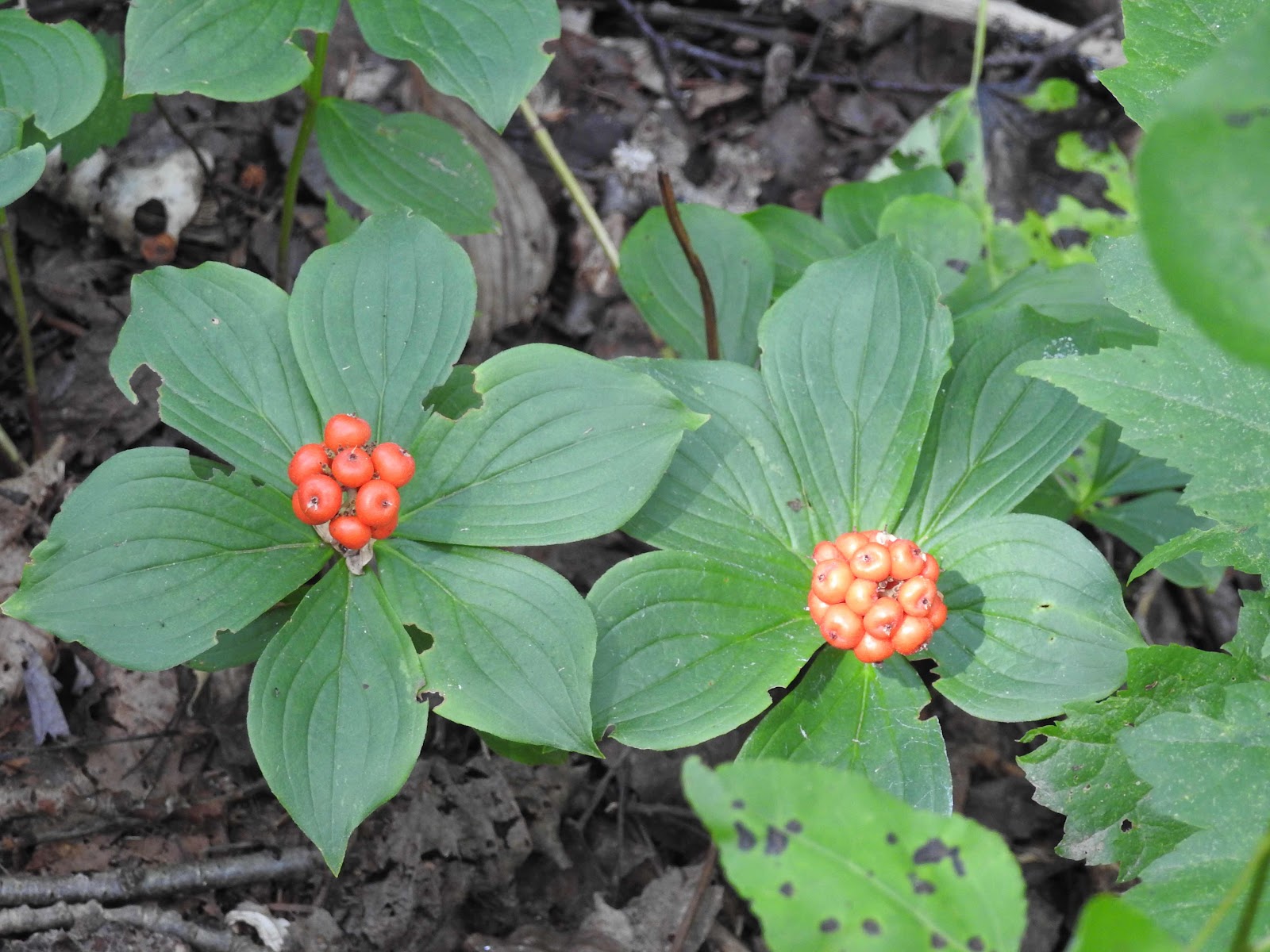
while bunchberries were available for picking. These bland berries are a good addition to other berries for jam.


We sat on a bench by the West River and listened as the sound of the water-filled hollow created by nature. 


A few deep breaths later and we continued on the loop. 


Nature takes back what she gives as moss covers the fallen trees in one area. 


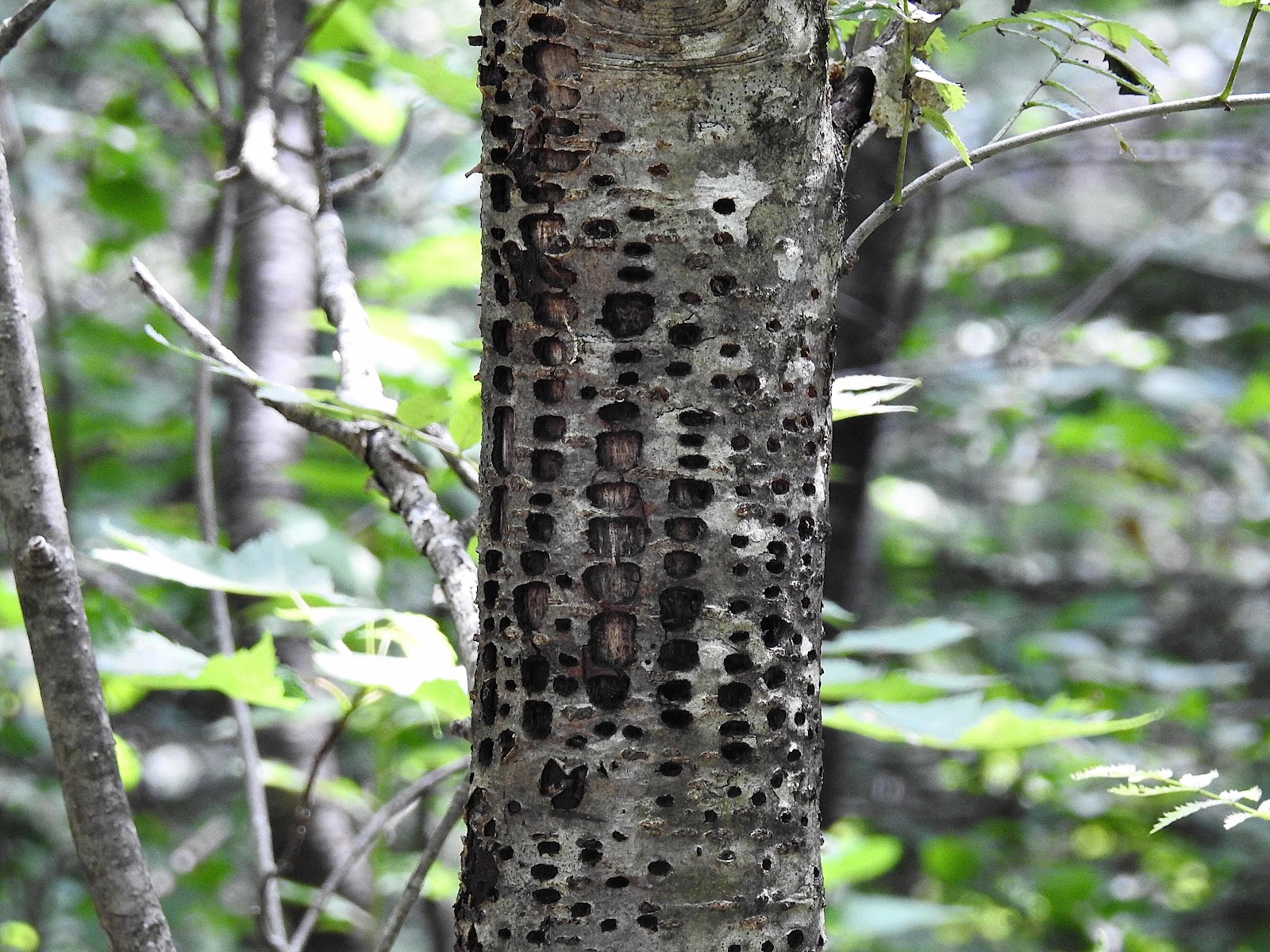
Though we didn’t see or hear them, Yellow-bellied Sapsuckers had been busy along the way.


Headed back through a meadow to the car, we passed these beauties, 
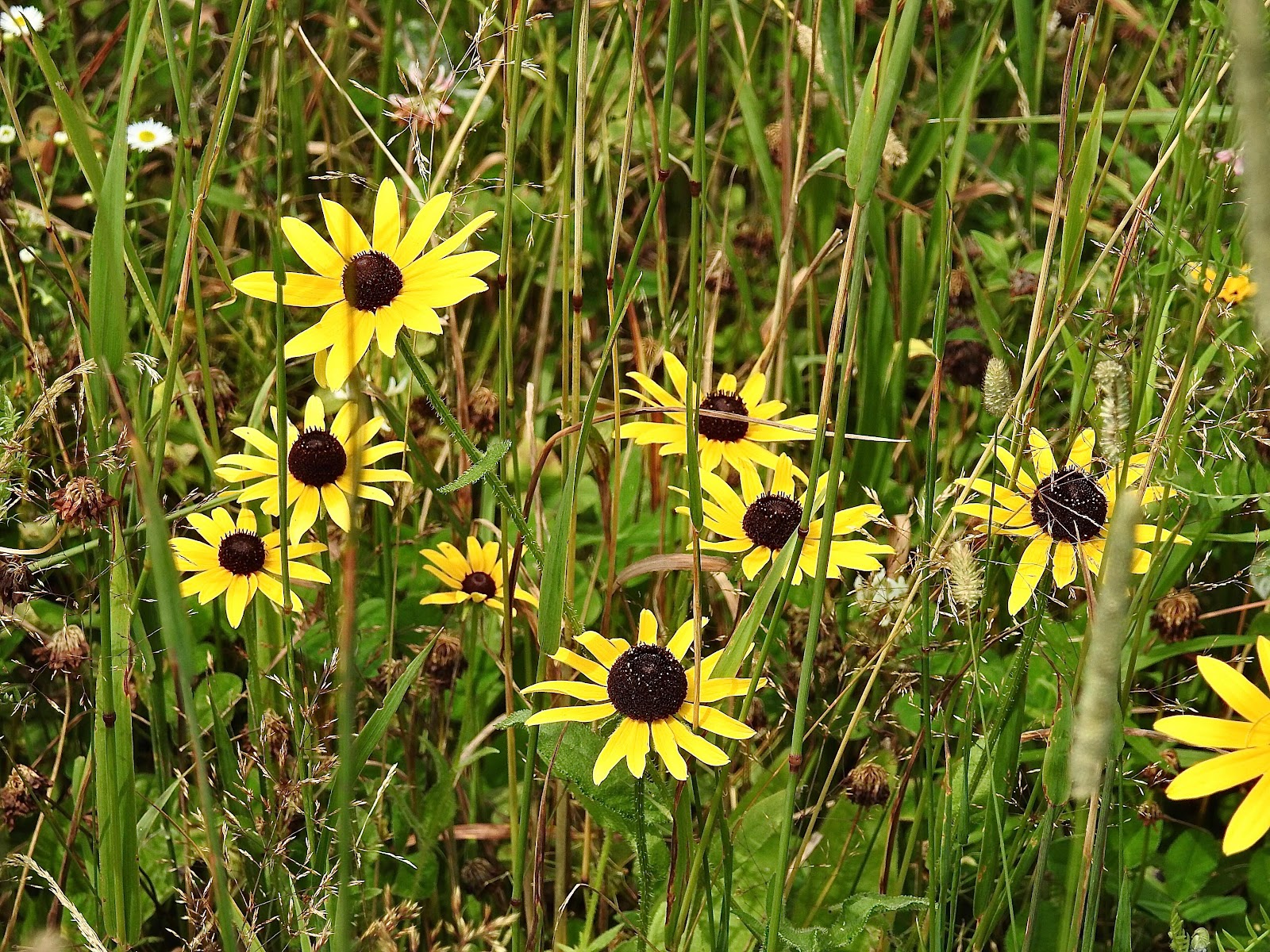


smiling through the grasses into the glorious sun. Perfect.


Friday, 25 May 2018

Life force

The roots on the paths over the Bonshaw Hills are sacred. They are the vessels of the planet bringing the life fluid up to the leaves where oxygen, our breath of life, is produced. They are a reminder of the interdependence of humankind and nature. 


And again this spring, as the deciduous trees begin to leaf again and the coniferous trees become a more vibrant green, 


these vessels have been busy, the fluid has been pumping. The woodlands are alive now, awake from the long winter nap. Everything is in high gear as the forest awakens.


She doesn’t have long to switch into high gear either but she is glorious already. The leaves are beginning to appear so that hint of green is everywhere now. 


The forest floor, which will soon be darkened by the overhead canopy, has taken the opportunity these last few weeks to turn green too.


Last year’s ferns are flattened into the earth but fiddleheads are reaching skyward.


Mosses are hard at work on old tree stumps returning them back to the earth.


Birch trees are further along with leafing than other trees. 


As we climb the hills and look down through the woodland, the hint of green through the trees is invigorating. Being here in the heart of nature is good for body and soul.


Wednesday, 30 November 2016

Back to nature

A forest is one place where reduce, reuse and recycle are all done in an exemplary manner. Plants, or parts of plants, having lived their span of days or years, decompose into the earth or become a substrate for other organisms to speed up decomposition. All goes back to nature.

Leaves of the deciduous trees never go to waste in a forest. Neither do needles of mature coniferous trees like pine, all of which add to the humus or organic material in the forest floor.


Fallen trees or parts of them become homes for moss, which, over time, breaks down the tree, returning it to the earth.


Bark mushrooms take their place on trunks of dead or dying trees, breaking them down further as well. 


The curious jelly-like slime mold also does its part on old branches and tree trunks. One such mold is called Witch's butter and according to Eastern European legend, if it appeared on one's door or gate, it meant one was targeted by a witch's spell.


Animals take advantage of the environment too, as insects invade trees and woodpeckers dig holes in search of them.


Then there is Usnea, or Old Man's Beard, which hangs from branches and trunks of old trees. It is a non-plant, consisting of algae and fungi in a mutually beneficial relationship. Its presence in a forest indicates the air is clean since Usnea absorbs pollutants and will die in extreme cases of pollution. Our ancestors used it for its antibiotic and anti-fungal properties and, even today, it is used in emergencies in the forest. 


In my youth, I studied biology in university. Over my teaching career, I left teaching science and biology for administration and counselling. This past year, I have come to realize how much I enjoyed biology and missed it. I, too, am back to nature.