

It is knotted and gnarled. The wood is weathered and the grain is exposed in areas.
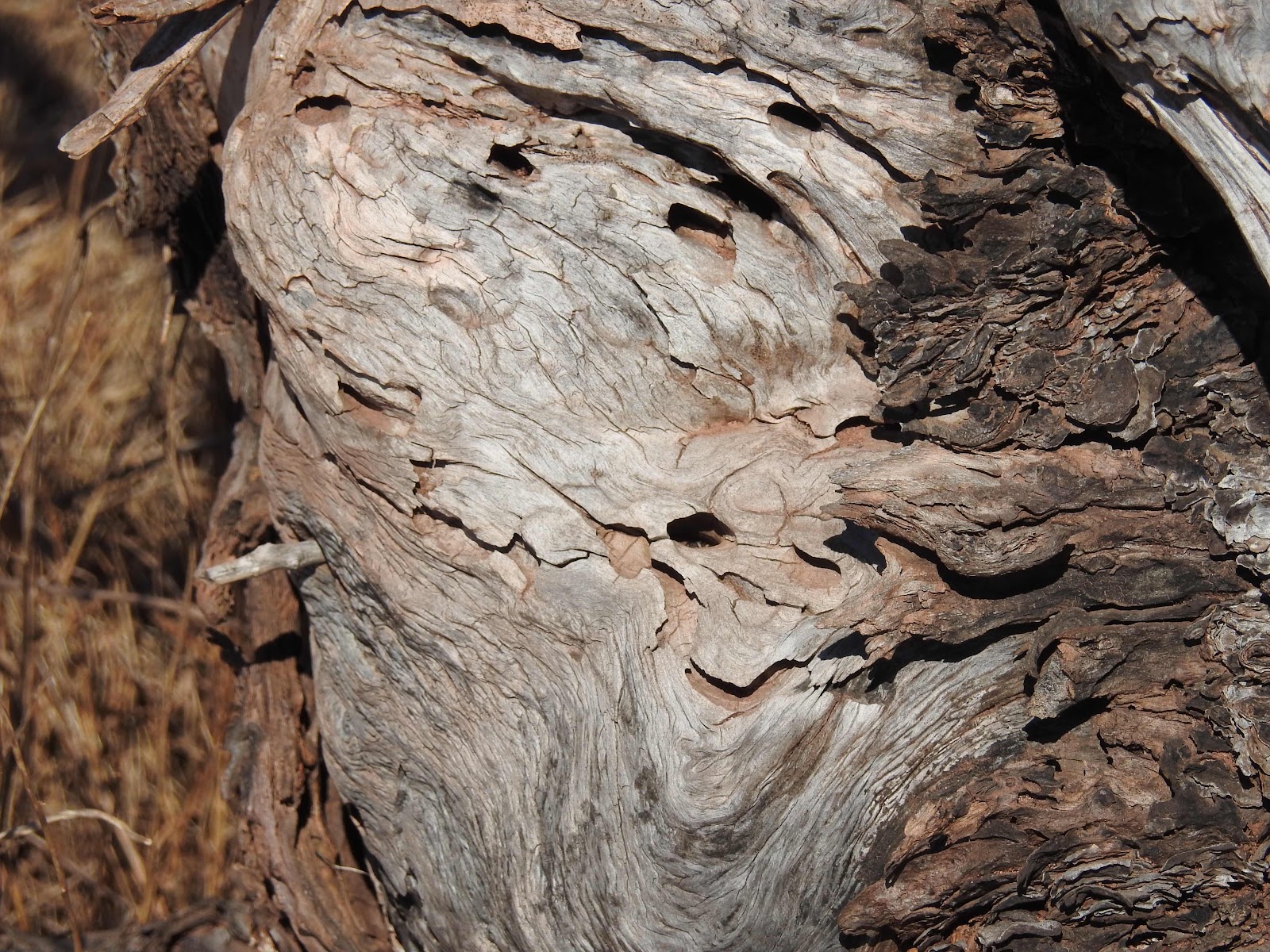
Insects or other animals have had their way with it too. It has little resemblance to a tree but the old twisted trunk and the spruce boughs stretched along the ground are distinguishable upon closer look. In many ways it is a horizontal tree.
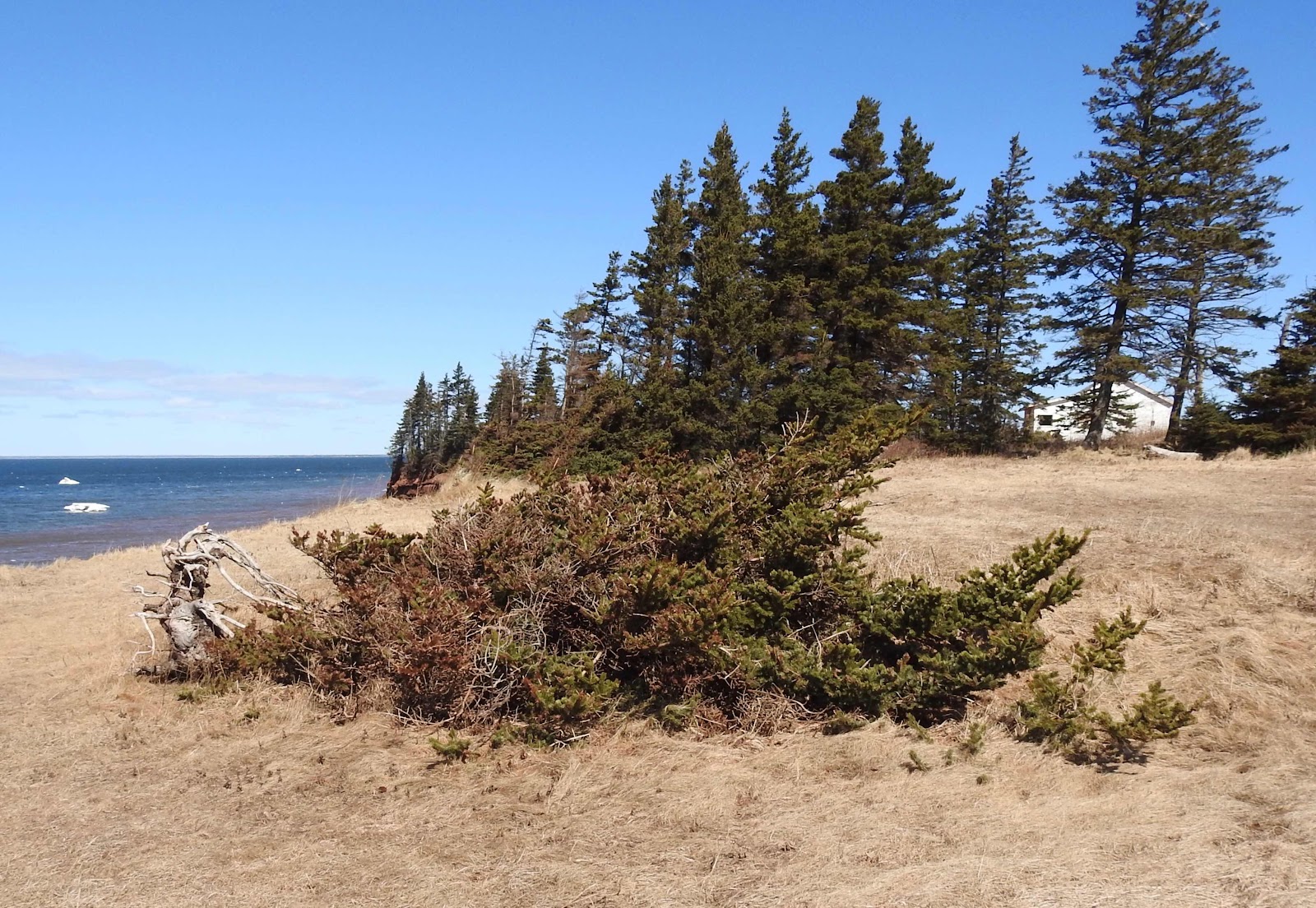
This curiosity sits in the shadow of the lighthouse at Seacow Head, Prince Edward Island. The only other vegetation around the base of the lighthouse on the seaward side is grass, with a line of trees behind the structure.
On the leeward side of the tree trunk, a few branches bring nutrition to spruce boughs. Its seaward side has nothing but stubs of branches which have long ago succumbed to the harsh exposure, drought and freezing salt spray, though it sits meters above the Northumberland Strait.
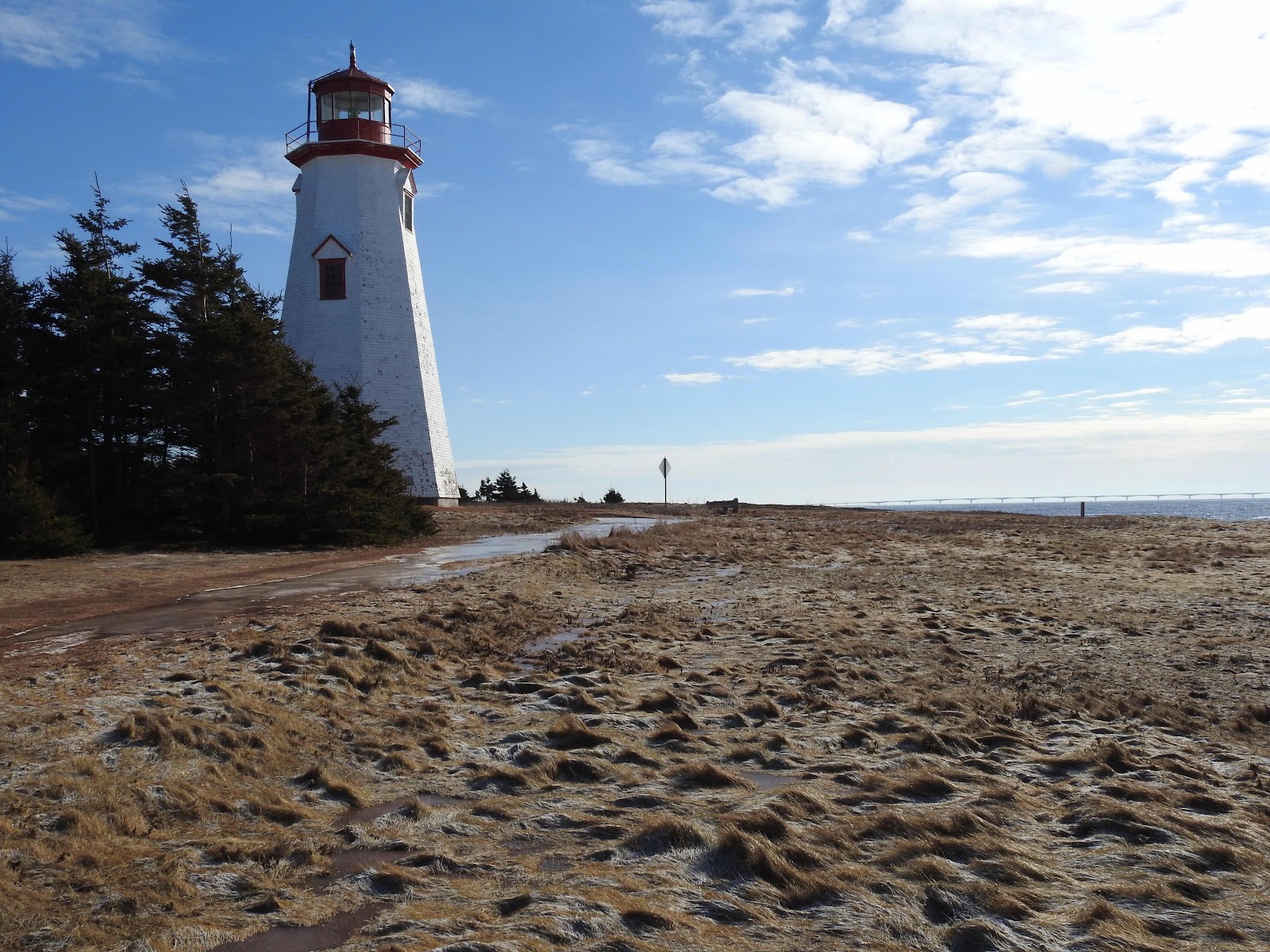
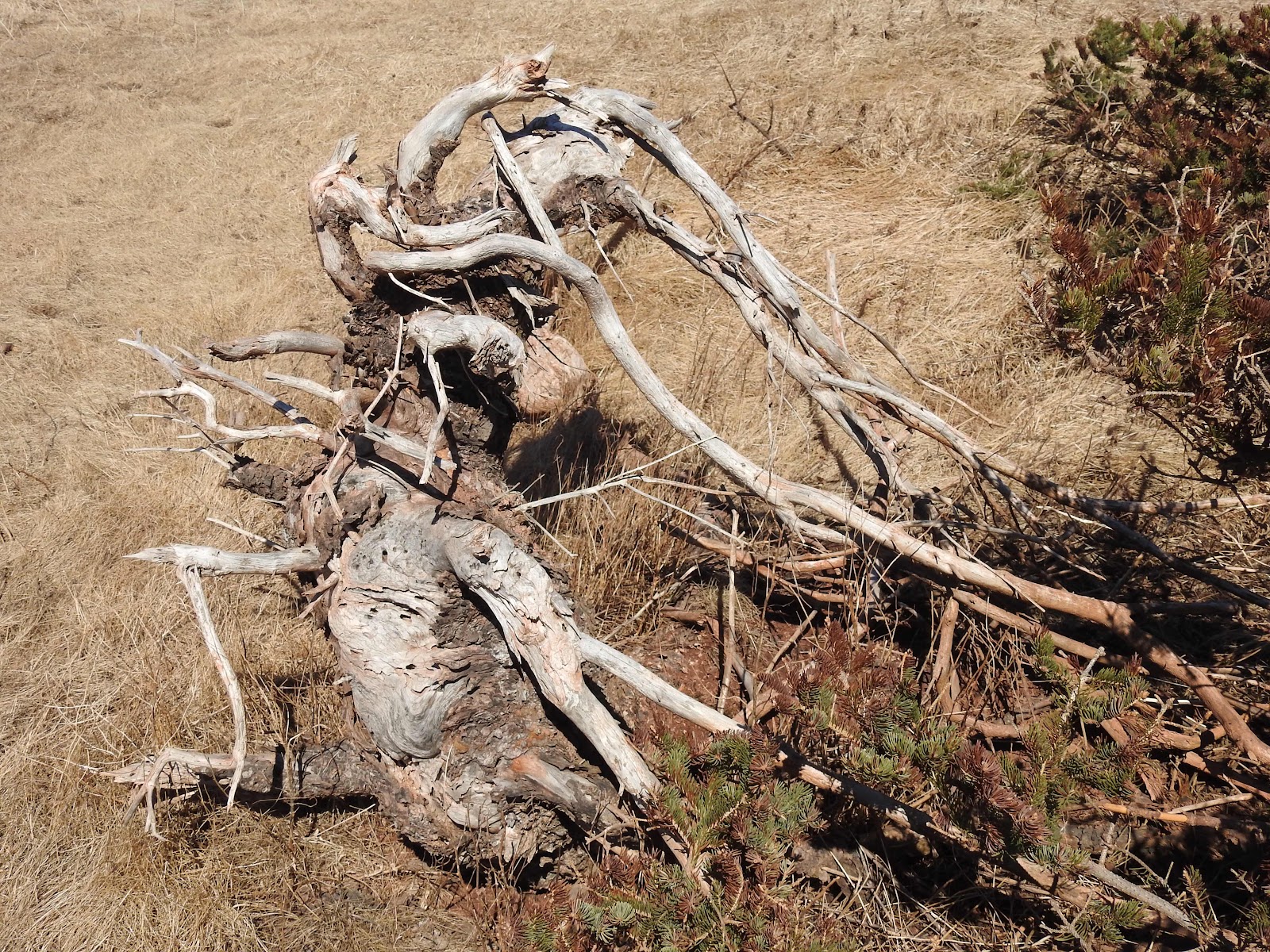
Two years ago, when my husband and I first saw this tree, the trunk was taller and all of the spruce boughs were green.
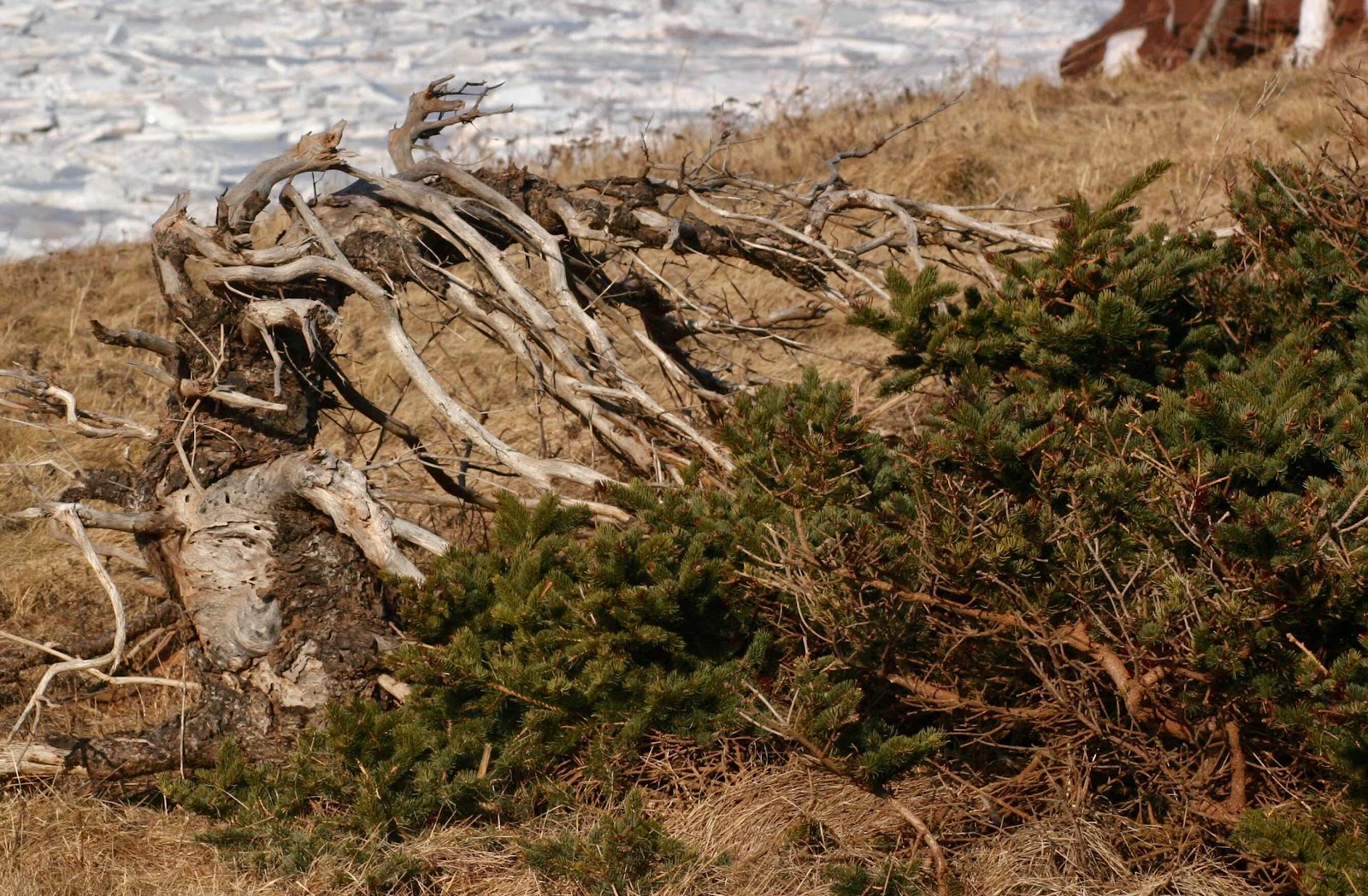
Now the trunk looks more shrivelled and the green of the boughs is limited to the tips. Time is ravaging the old tree although it looks like this survivor will hold its ground for another year.
How has this solitary tree withstood these harsh conditions to stand and eventually stretch across the Head?
There might be a lesson here.