Most Popular Post

Showing posts with label red dirt road. Show all posts

Sunday, 23 June 2024

Land and sea

On a lupin quest this past week, early one day ahead of the smothering humidity, we headed around Bedeque Bay towards the Indian Head Lighthouse on the shore opposite Summerside. As we neared the south side of the bay, a Great Blue Heron flew across the road about five meters ahead and above the road. Such a sighting was a great start to the day.


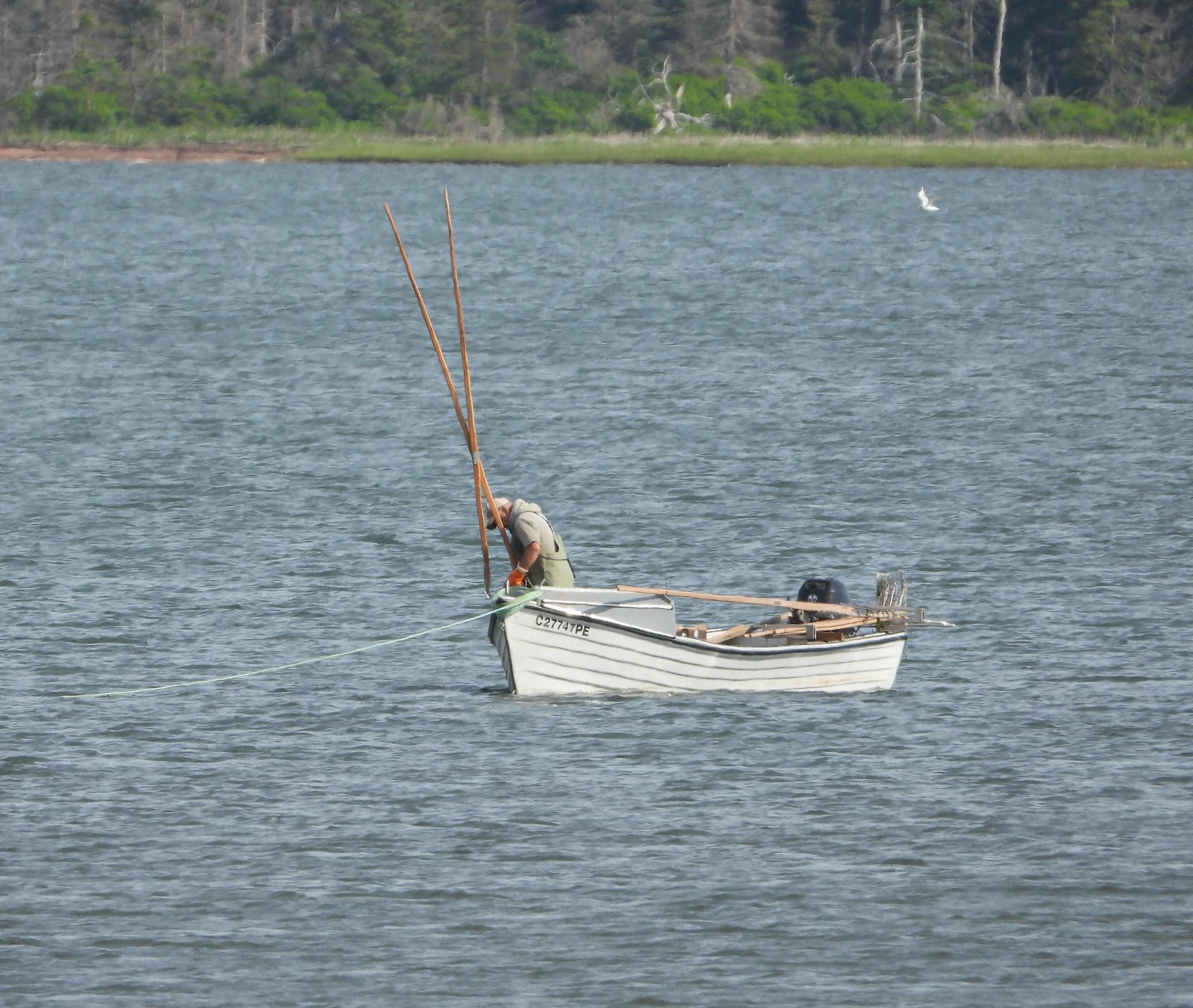
Along the way, fishers and farmers were busy. In the bay, on the south side of Holman Island, oyster fishers grasped the shellfish between the teeth of the tongs they held over the side of the boat. 


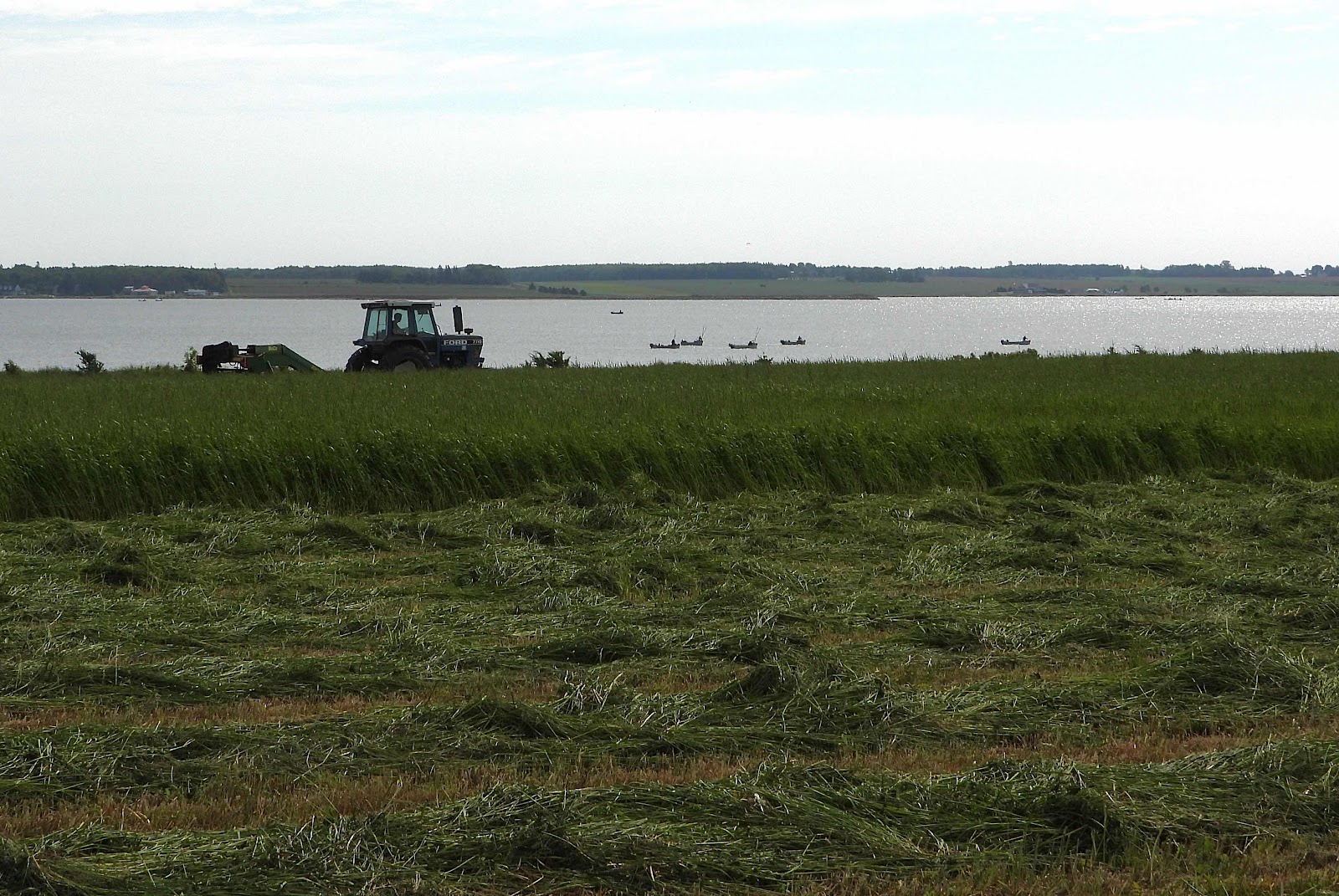
On land, the first cut of hay was underway in one field but cows nearby weren’t ready for breakfast.


In another field, an elderly farmer used an old tractor in his field near the road. I missed that photo and on our way back, he had stopped the antique and left it in the field. Tractor without farmer isn’t quite the same.


However, lupins lined the red dirt road near the lighthouse. 


Our first look at the breakwater was one of surprise. Had the breakwater been damaged by storms, removing some of the huge rocks along its length? 


After the requisite lighthouse shots, I walked out the road to see the lupins. The sight of the blooms in this seaside setting, though high above the waterline, is a favourite of mine.


The pinks, blues and purples, the mixes of colour along with an occasional white, always make me smile. 


Overhead, Bank Swallows flew their usual erratic way catching insects. They are an important part of the aesthetic of this place.


Islands by their very nature are linked to both land and sea. Earlier in human history the sea was our only means of transportation to and from an island. The sea also provides food as does the land of course. The vistas before me on Prince Edward Island are a combination of land and sea which I have known all my life on my island homes.


I wouldn’t want it any other way.


Monday, 8 November 2021

Just three weeks

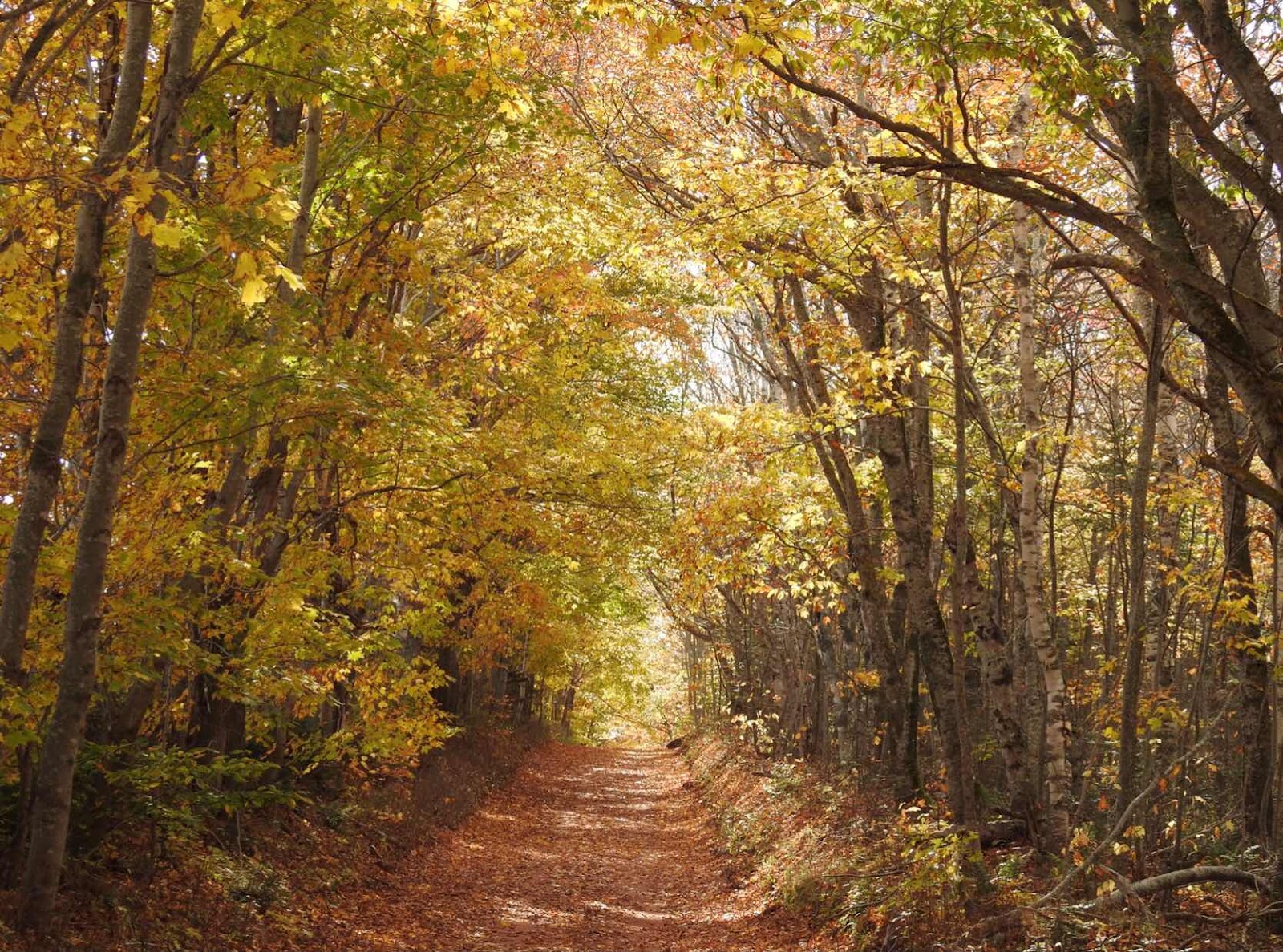
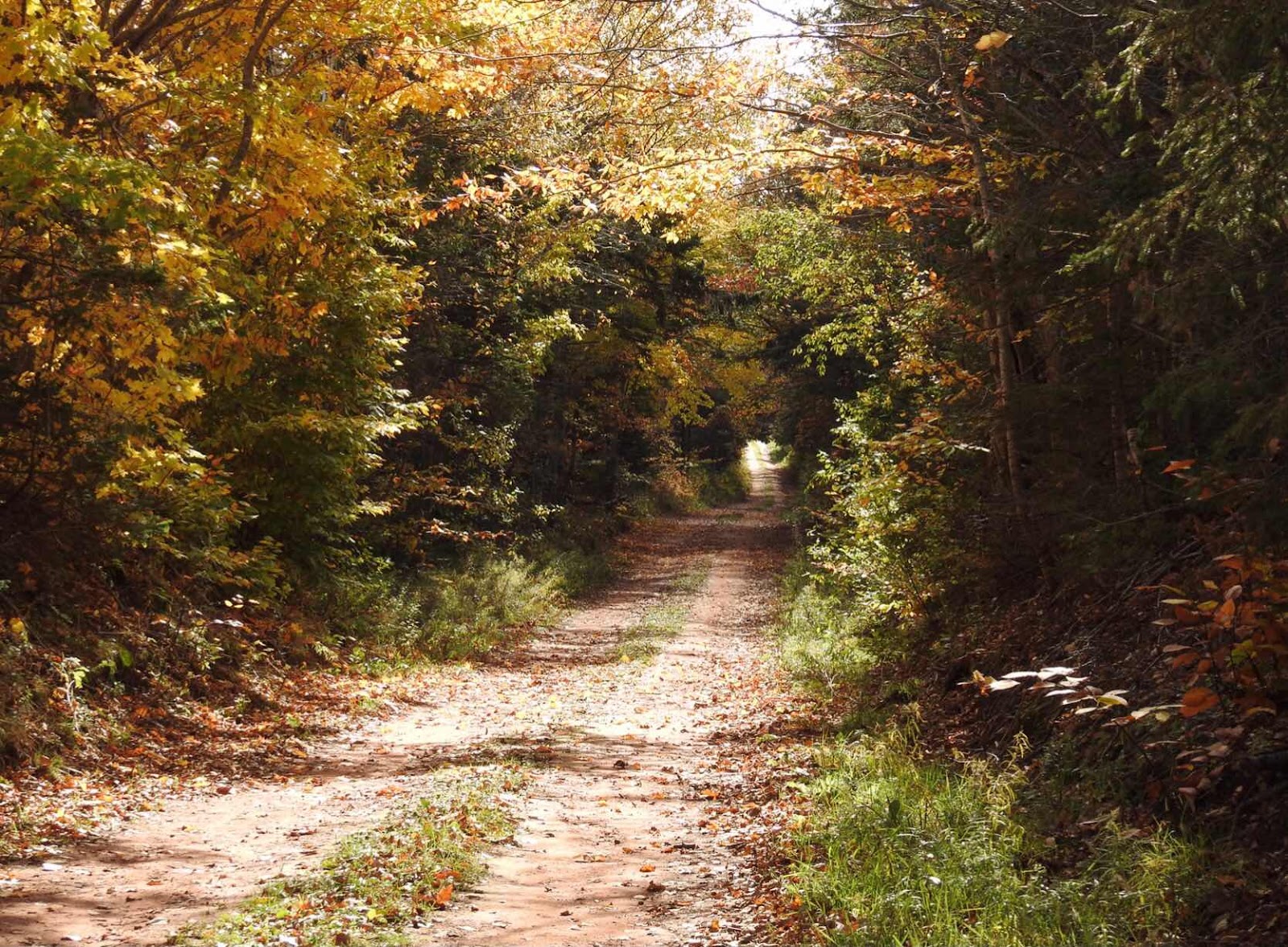
My intention was to photograph Millman Road over a period of weeks in October to have a photographic documentary of the change in the leaves this autumn. Unforeseen circumstances intervened and it was over three weeks before we returned to the Millman Road again for a short walk. In that time, the autumnal change along the road was massive.


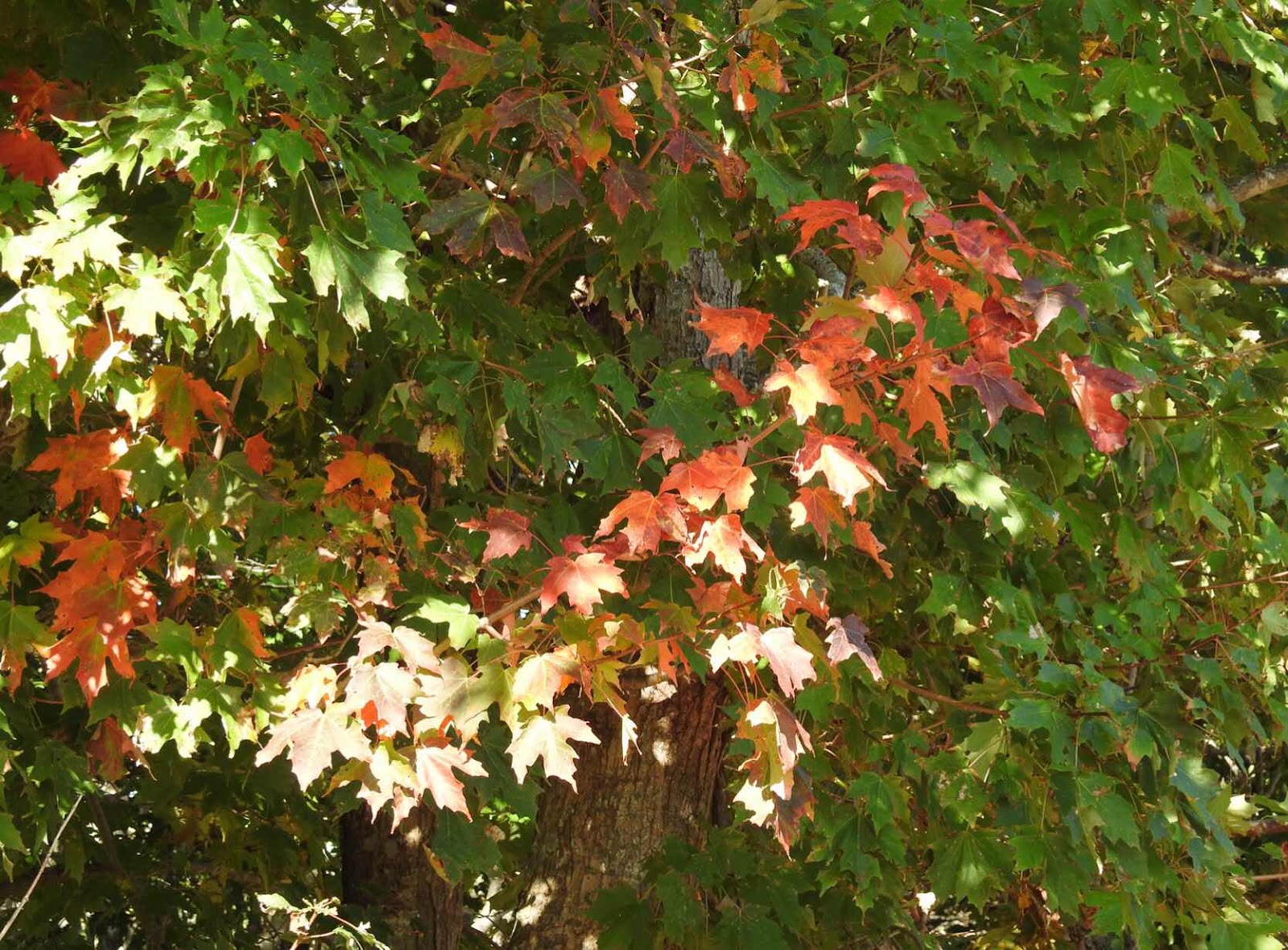
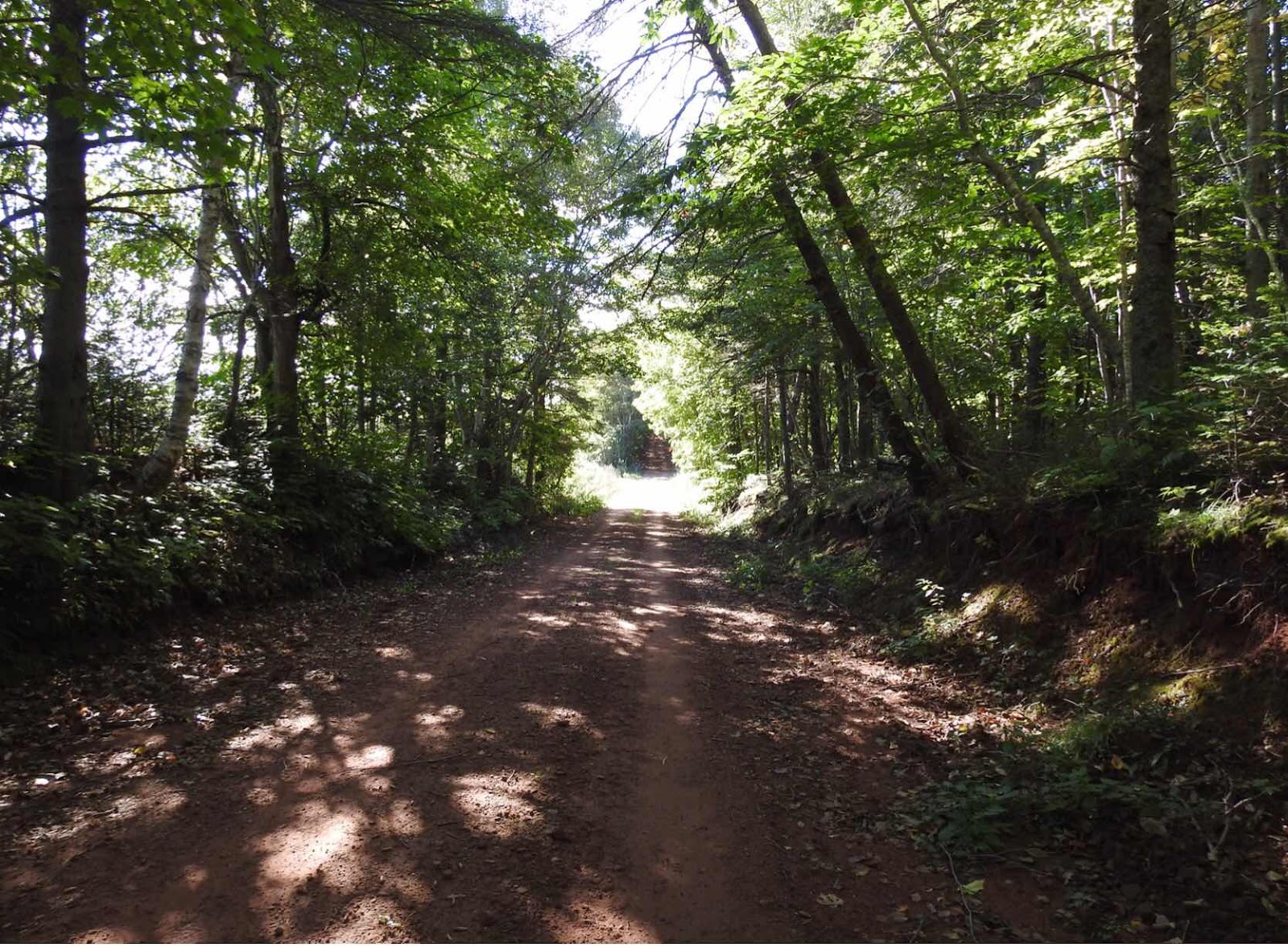
In the early days of October, the canopy was green. In a few areas shots of red were a highlight. 


The road had much the same look as it does mid summer.


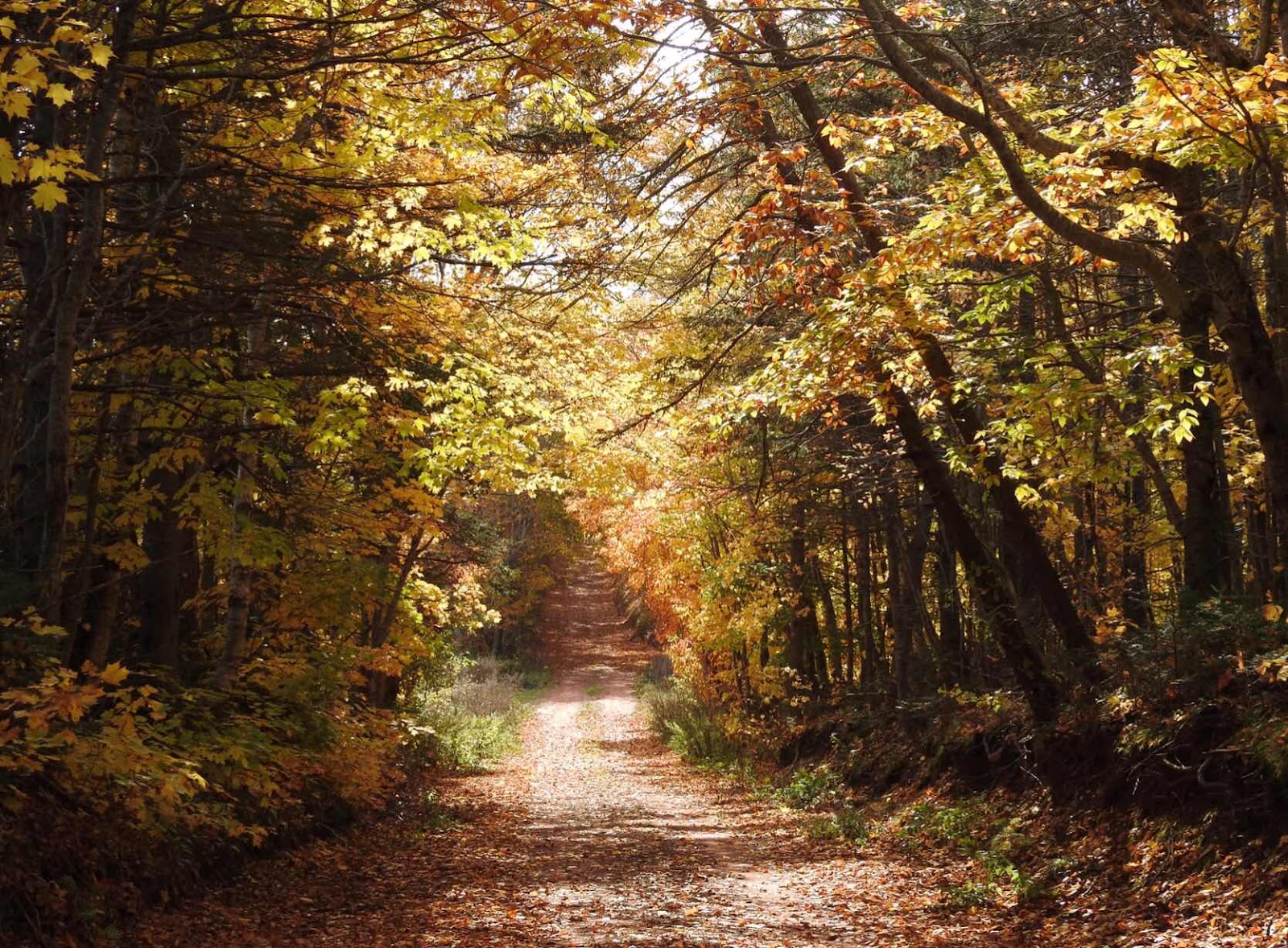
Just over three weeks later, a golden tunnel stretched over the red road which was leaf covered in places. 


It is easy to find a scientific explanation involving naturally occurring chemicals as to why leaves change colour.


However, the dreamer in me imagines nature’s awareness of the decreasing light and heat and in a desire to protect herself, she eliminates surface area to huddle against the cold. First though, she gives us a final present, one we will remember until the light and heat return next year and she stirs again.


So we walked amid the leaves, shuffling our feet for the maximum enjoyment of nature’s gift of this season. The old road, cut deep into the rich red soil has experienced many generations do the same, as passersby enjoyed the scenes around them. My husband and I walked in silence with only the rustle of the leaves beneath our feet and cameras clicking.


Words were unnecessary.


Monday, 8 June 2020

Two weeks

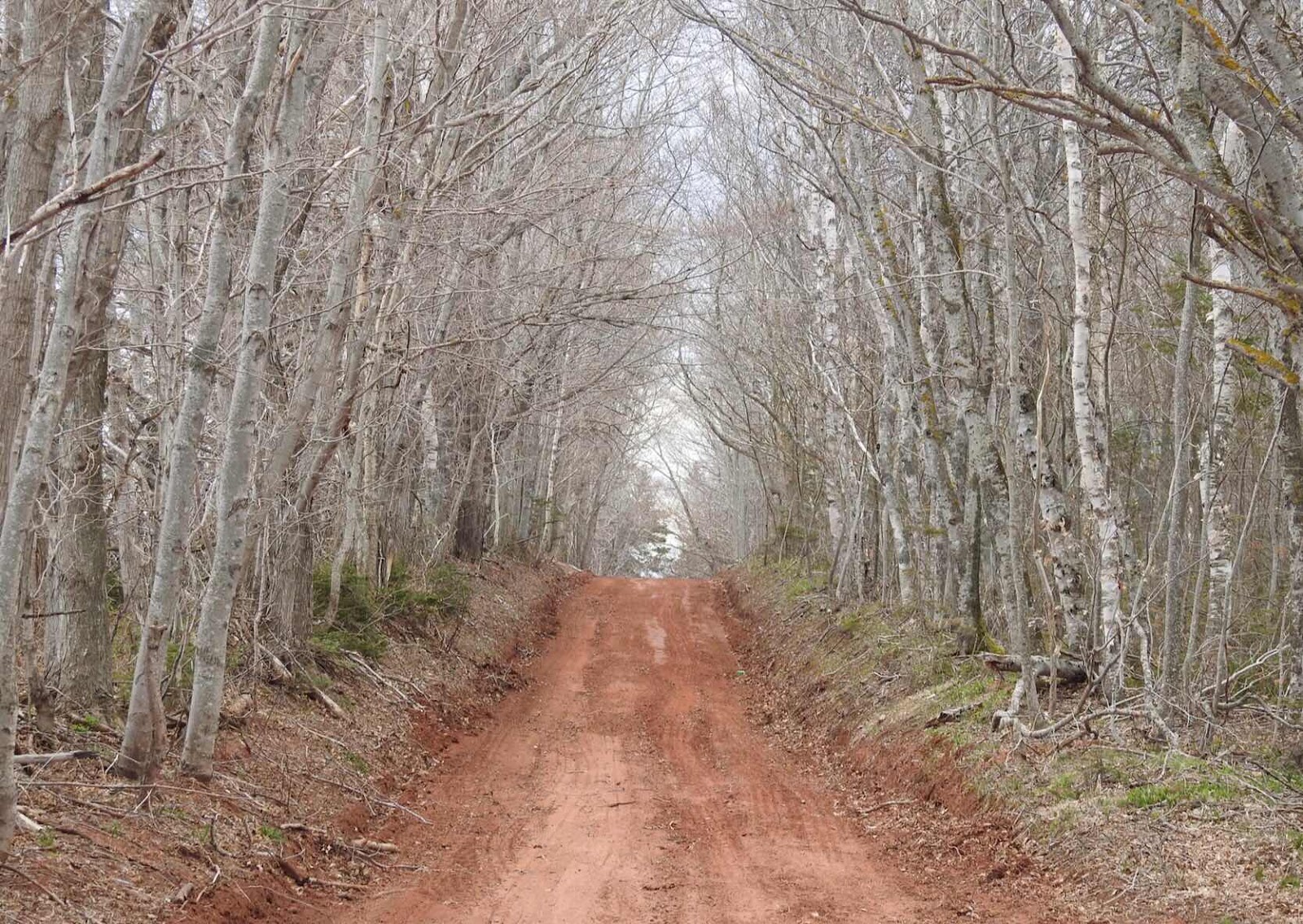
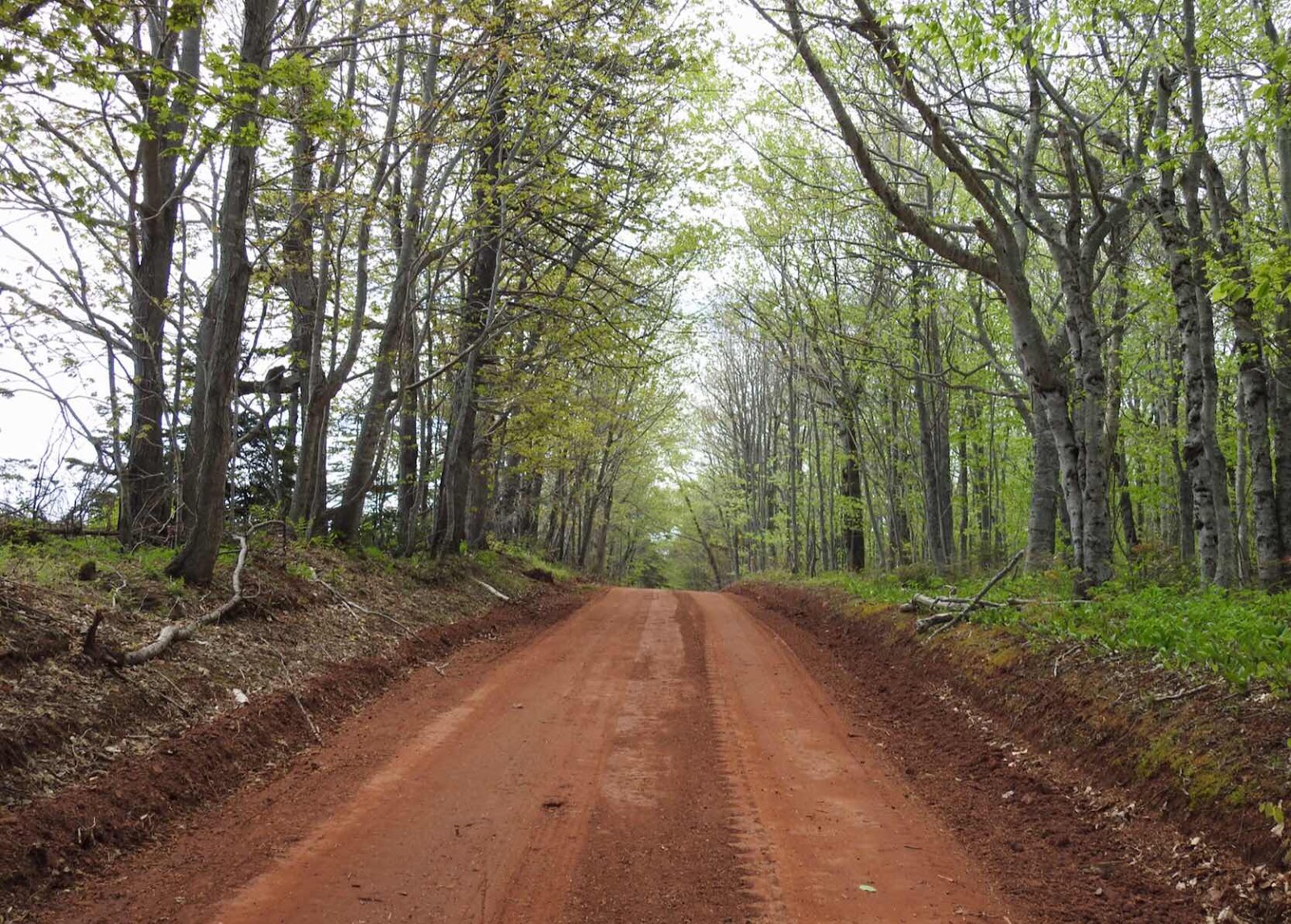
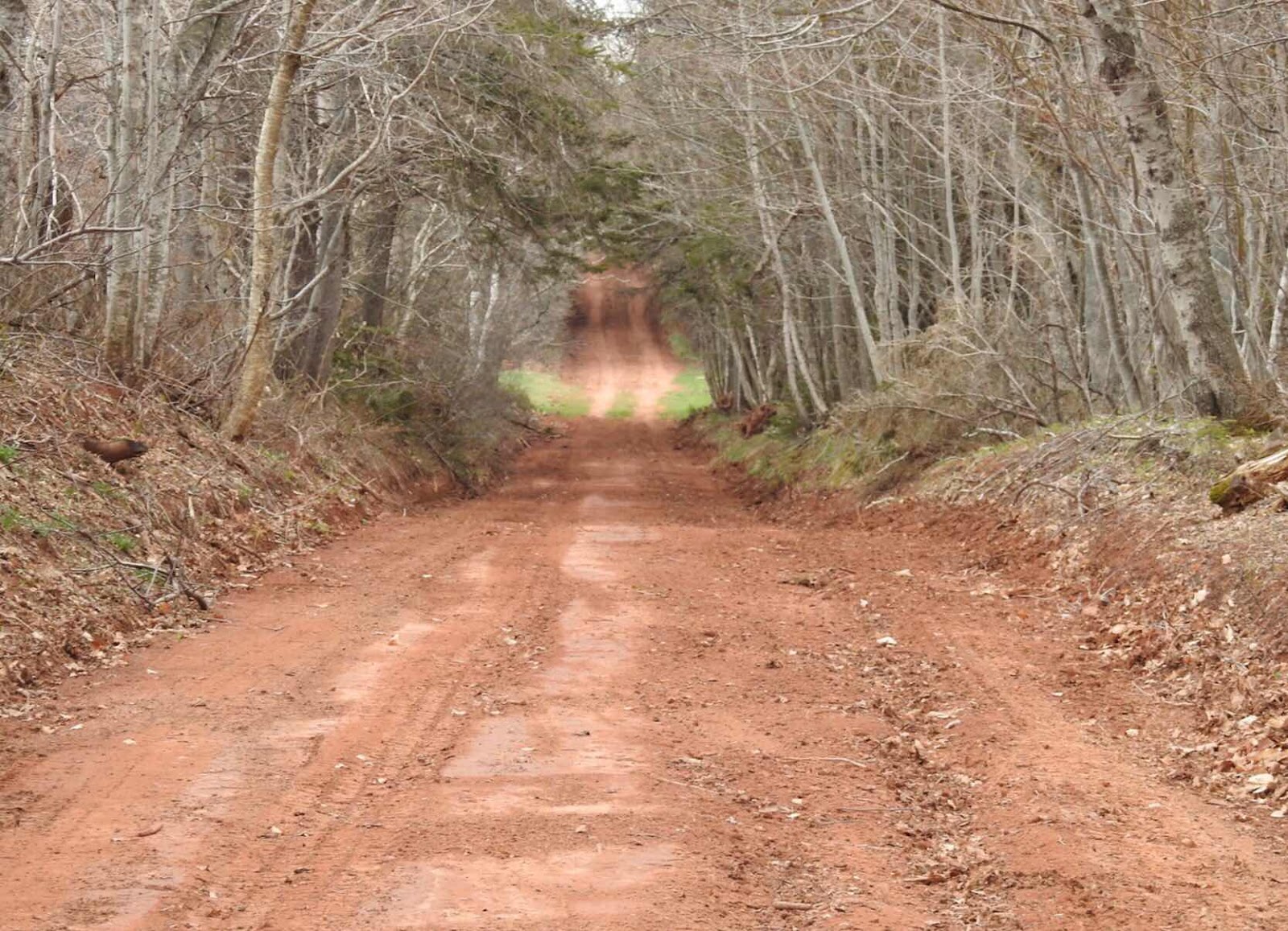
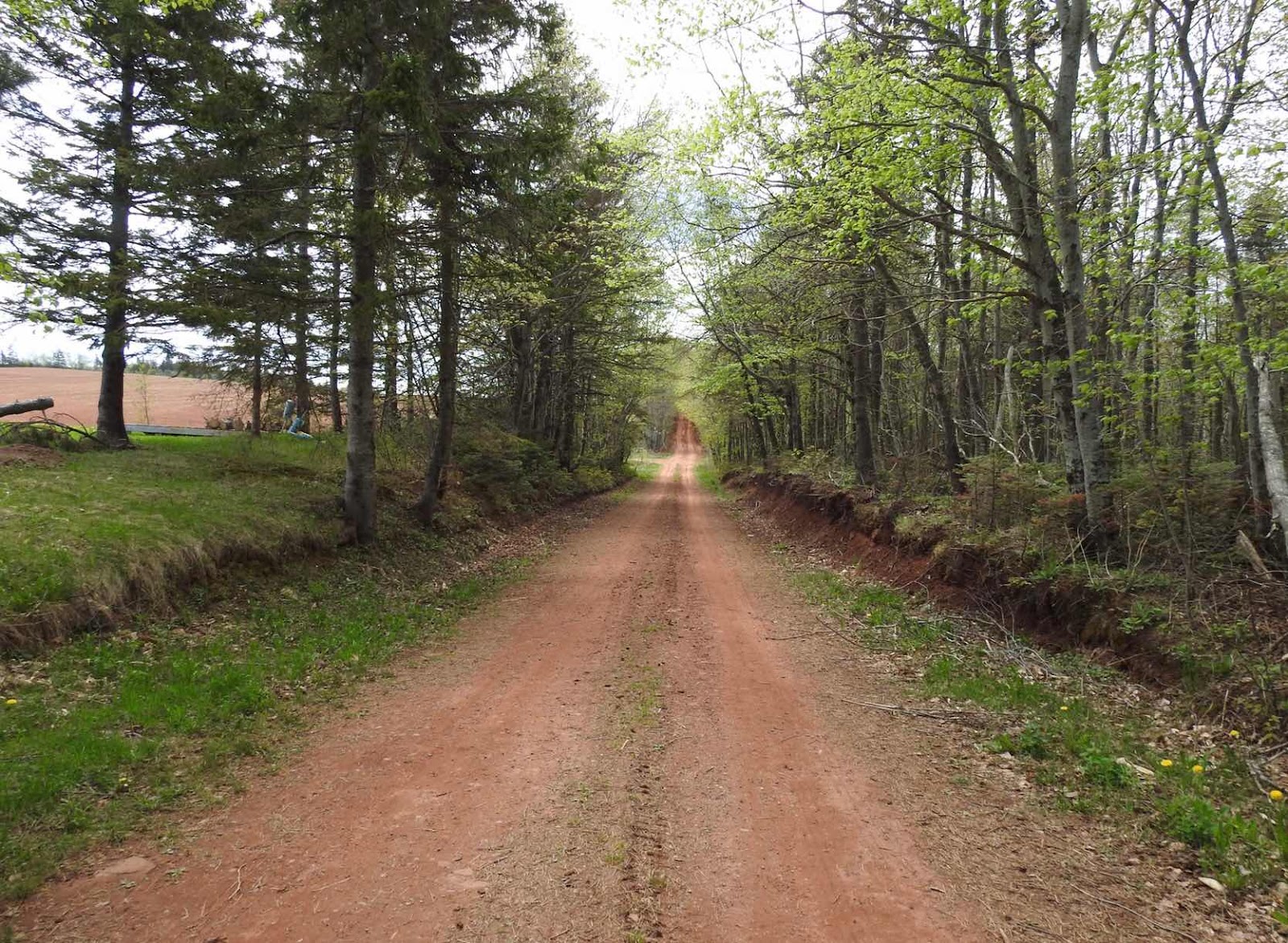
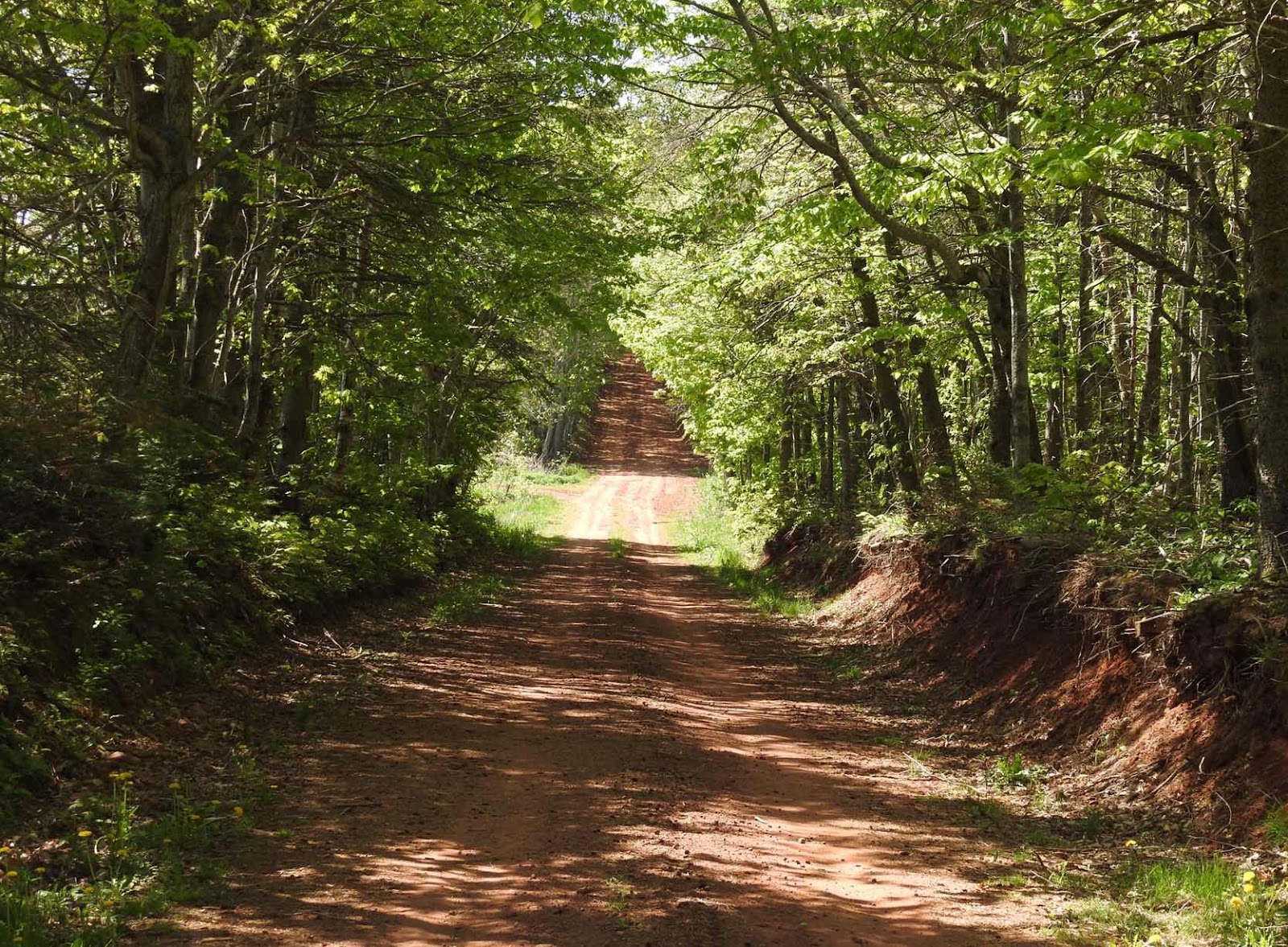
The third of our three visits to the Millman Road, a Heritage Road on Prince Edward Island happened this past Friday. The series of photos, taken May 22, May 29 and June 5, show how dramatically the setting changed in just two short weeks. This time of year sees incredible change on this island.


In those two weeks, trees went from a dormant-like stage, 


 to unfolding leaves,


and are now open for business.


On our first visit, my husband and I were in awe of the walls of grey. 


The grey had begun to disappear a week later. 


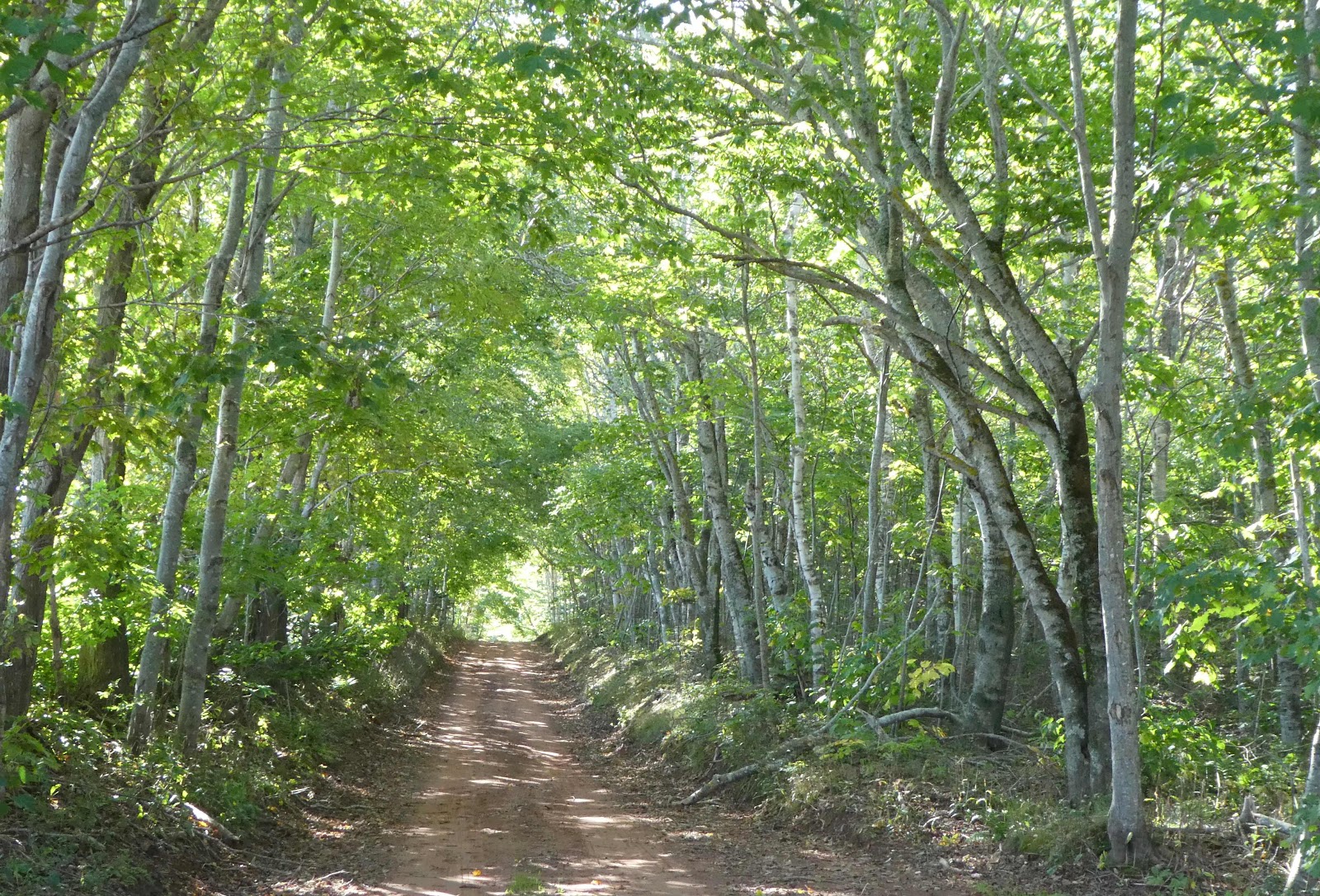
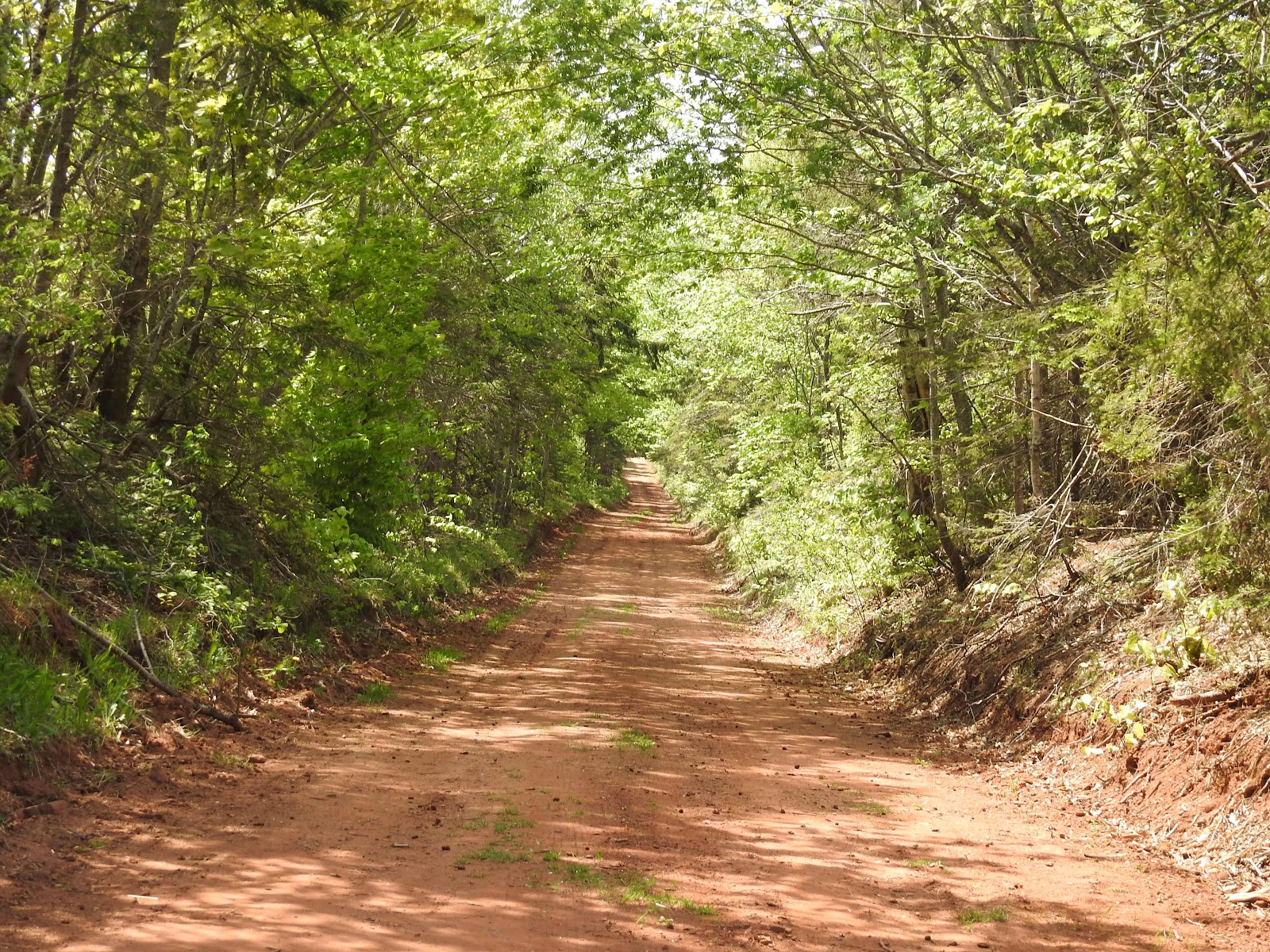
At the end of two weeks, walls of green had replaced the grey. Tree trunks looked black more than grey, shaded by the canopy.


It is interesting that the sun was shining on the last day as well, a great welcome to the leafy reality of summer.


Walking down that road now, one walks in a green glow through a tunnel in many places. 


The birds are singing or calling to one another but are invisible among the leaves. It is busy under the green canopy.


Watching nature express herself the last few weeks has been good for the spirit in these trying times.