Most Popular Post

Wednesday, 24 October 2018

October shadows

It is after 11:00 a.m. and there are long shadows across the boardwalk. 


Soon, time will fall back an hour and the dark will close in earlier every day until it is dark at 5:00 p.m. Before long, the harbour will freeze as December’s cold overcomes the sea. For now though, geese still chat to each other and float around at high tide.


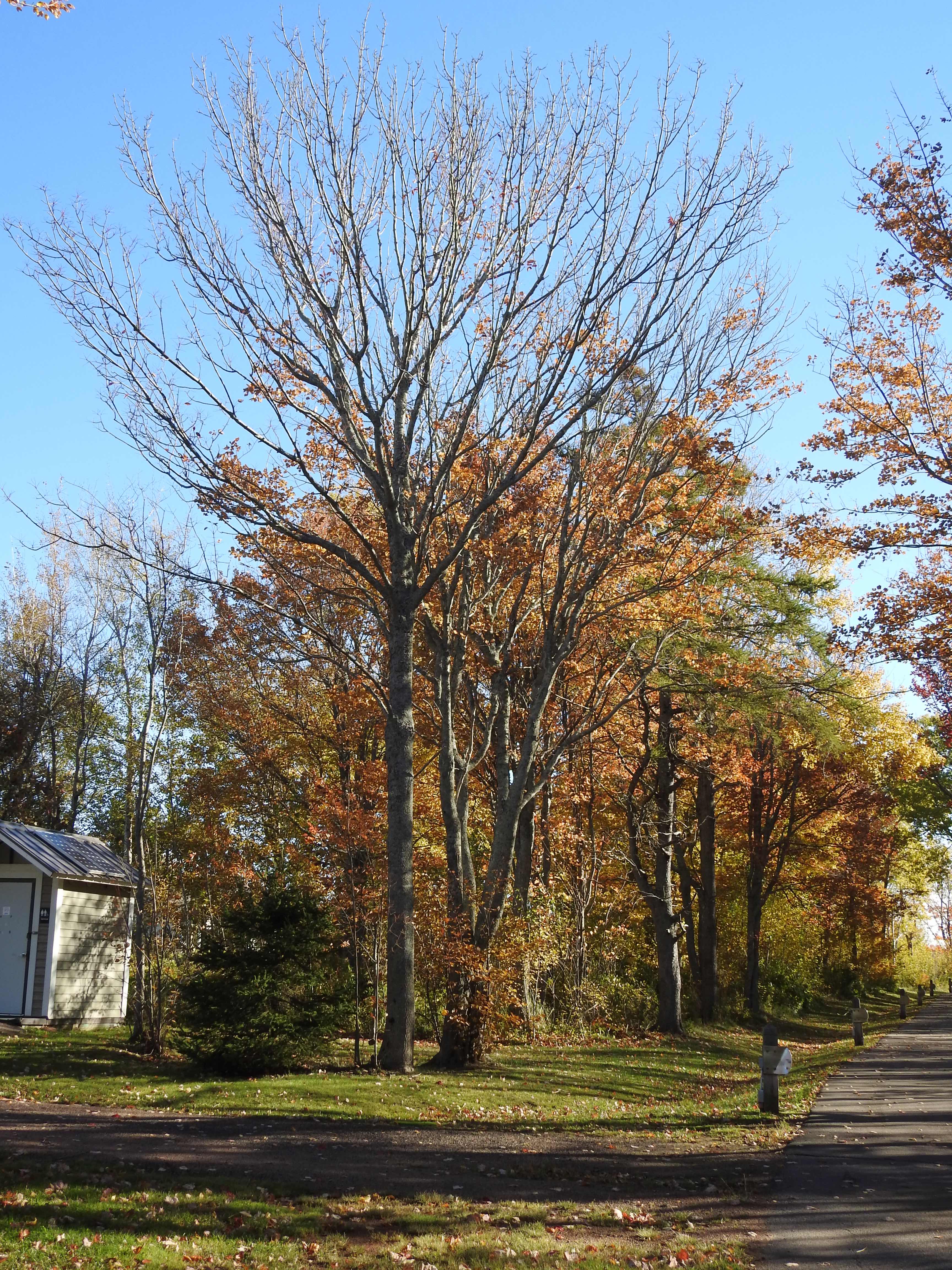
Today, the shadows distract from the colour overhead, though some of the trees are bare now. However, stripped of their colour,  the intricacy of limb and twig is filigree against the blue sky.


A side path to the harbour draws us in as the shadows show limbs 
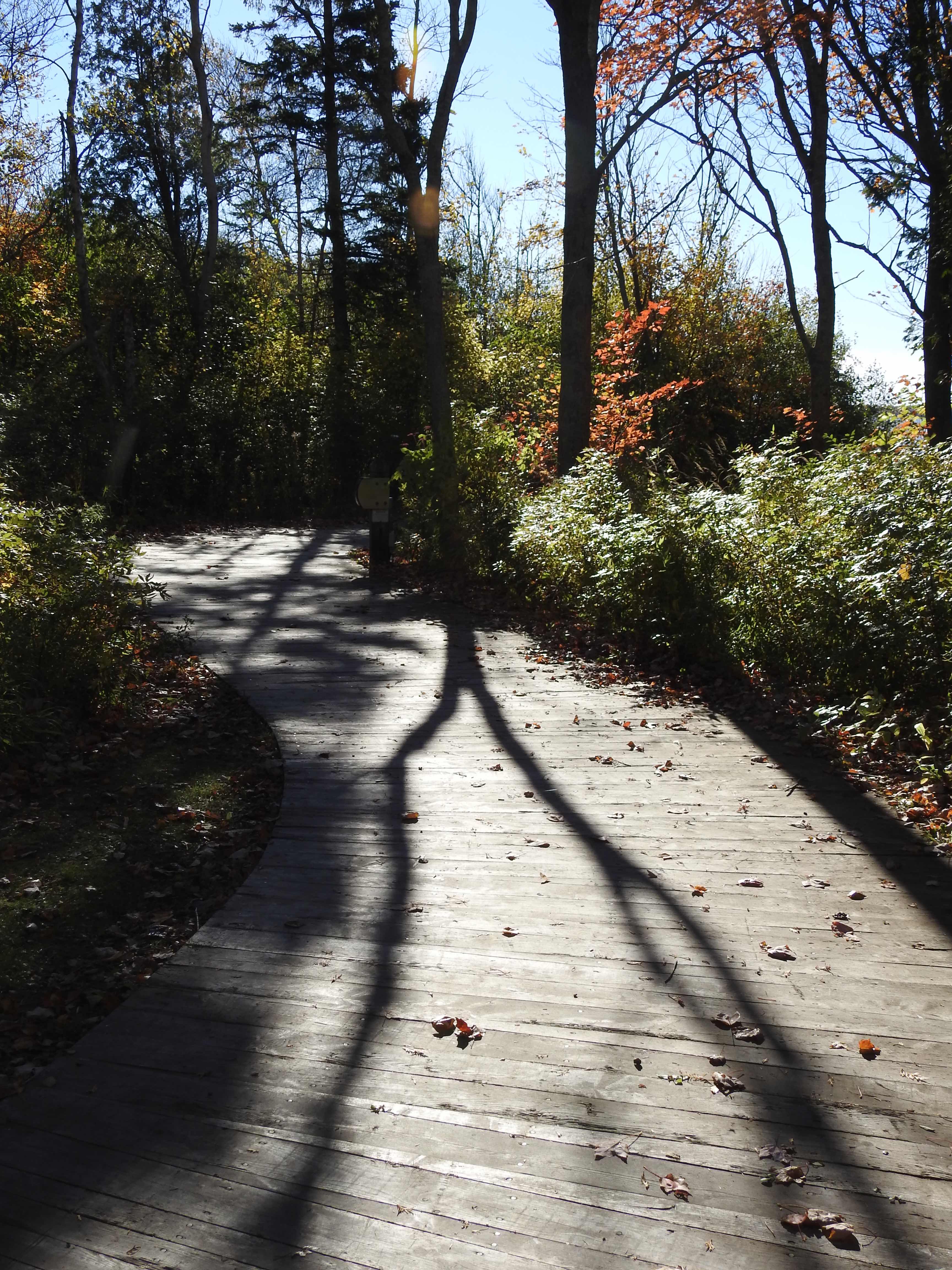


and leaves. 


In the undergrowth, a play of light on fern 


and rose bush creates glowing colours.


Along the main path, a person in the distance is about to emerge into the light.


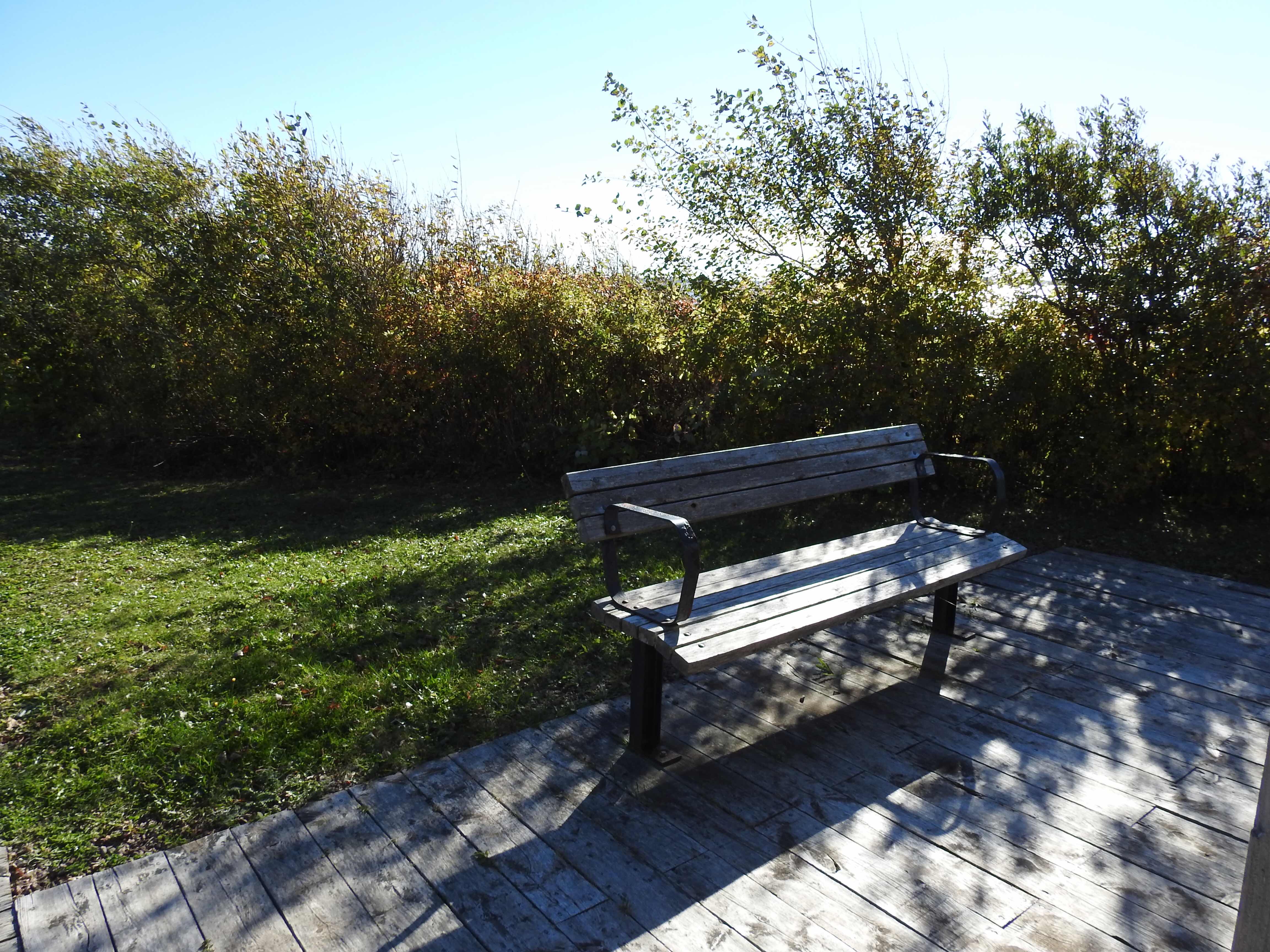
The bench, in partial shade, provides enough sun to be comfortable to sit for a time and listen to the birds.


They are particularly busy today.

A small flock of cedar waxwings is busy munching berries by the stream.


They are new to the area.  

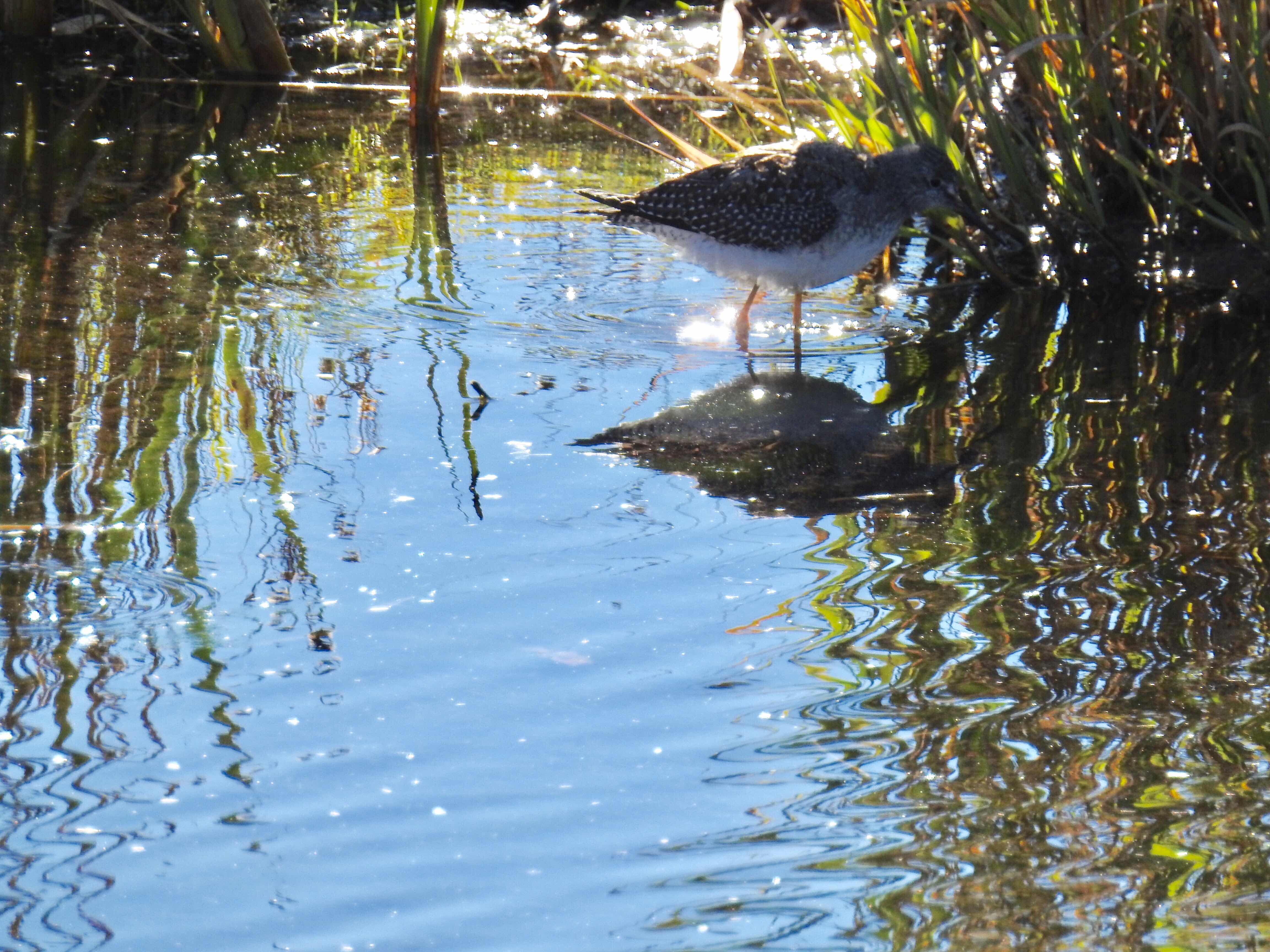
In the stream, a yellowlegs is busy in the shallow water along the shoreline. 


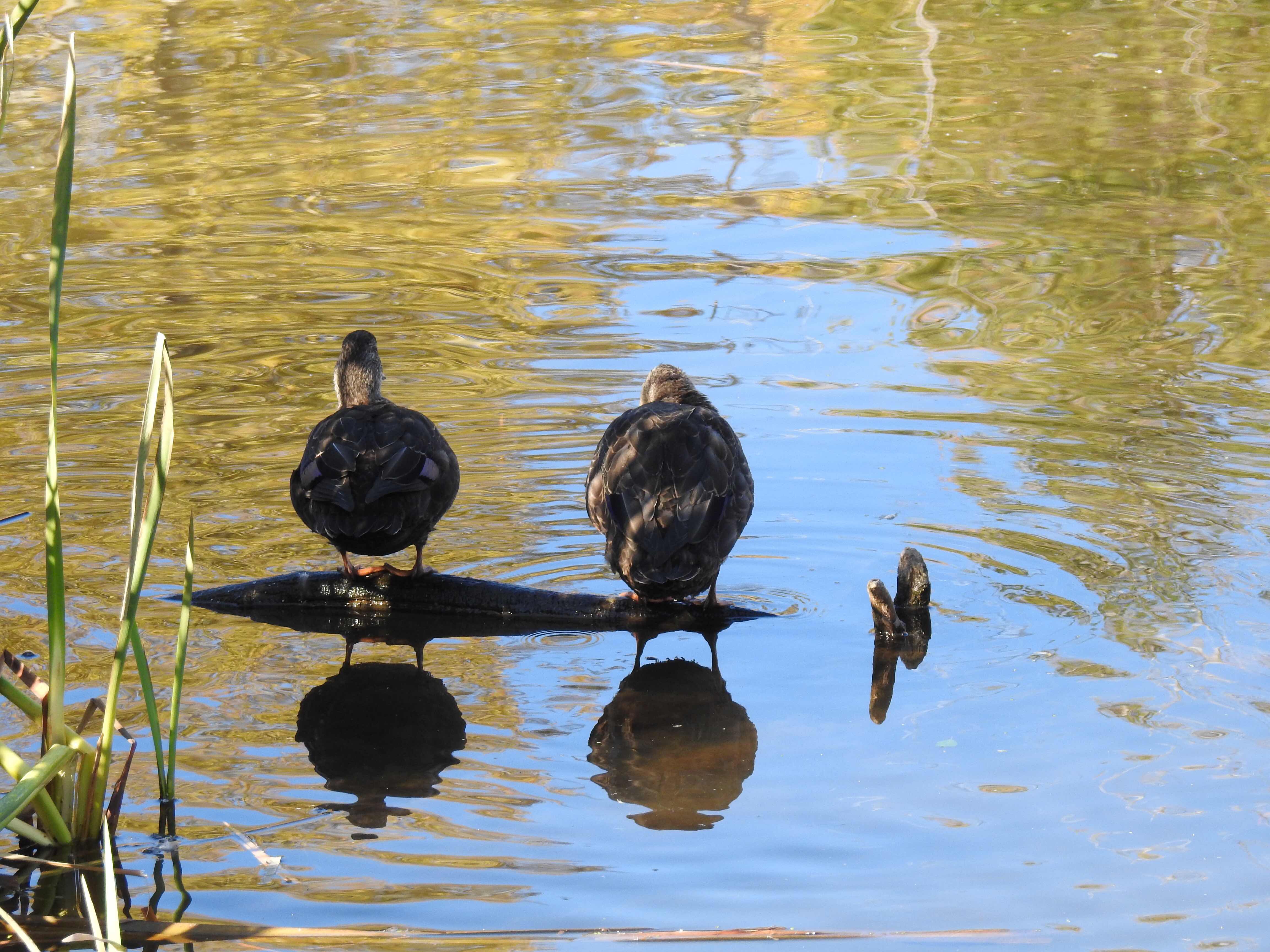
American black ducks sit on a log in the shadow of the bulrushes. 


The lengthening shadows are changing the flora and fauna along the boardwalk again as Autumn marches to meet her sister, Winter.
Monday, 22 October 2018

Dalvay-by-the-Sea

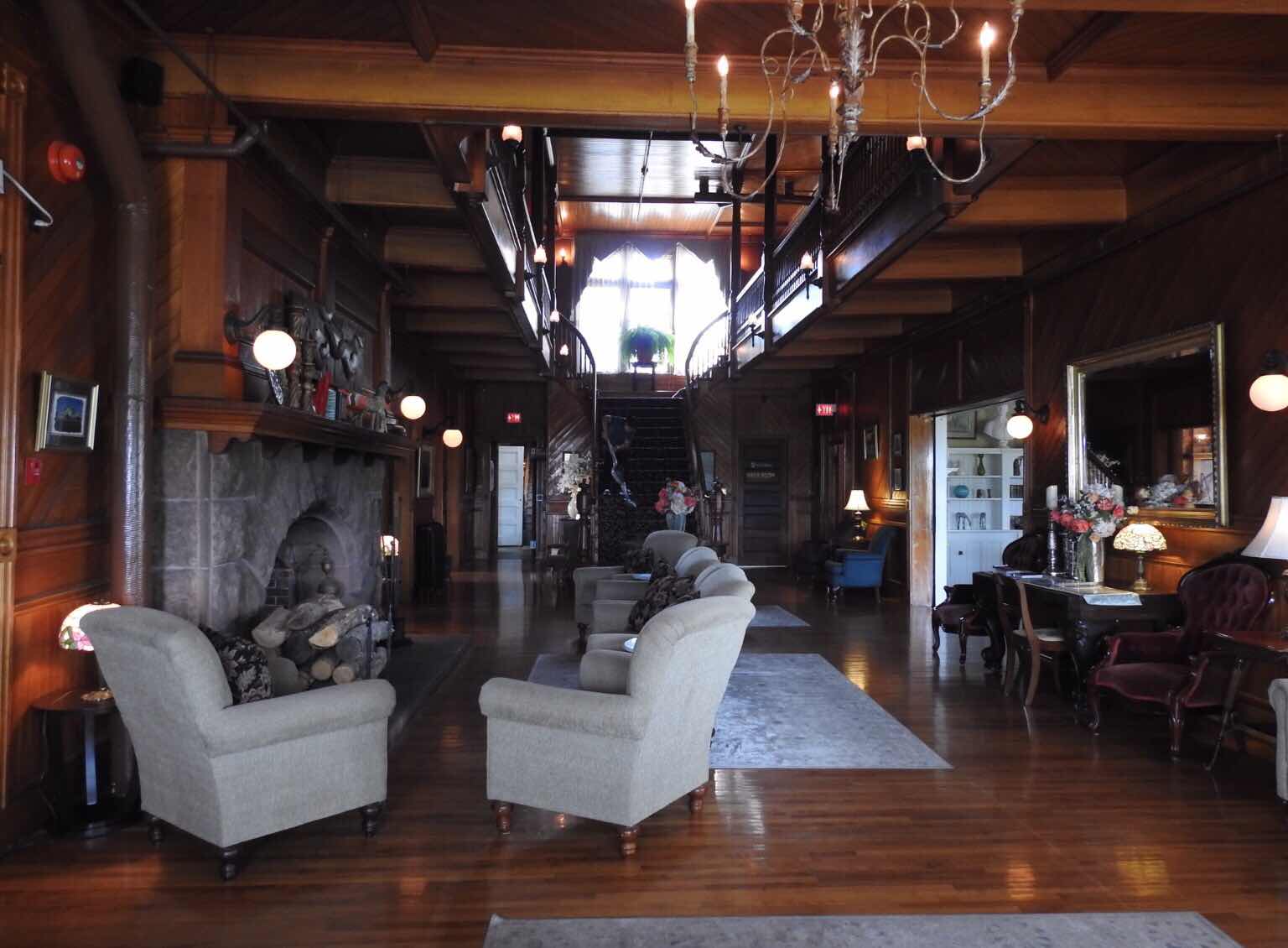
On a recent visit to the beach on the north shore of Prince Edward Island, we decided to have lunch at Dalvay-by the Sea instead of our usual picnic. Dalvay draws us once a year into its late 19th century charm. It conjures up images of Downtown Abby-like characters walking down the stairs, fans in hand, hats on, ready to take tea in the garden.


Dalvay is in the National Park along the central north shore of Prince Edward Island. It was built in 1895 by a Scottish American industrialist, Alexander McDonald. 


He named it Dalvay-by-the-Sea after his Scottish home and brought his family there every summer. 


Eventually it passed out of the family’s hands when their fortunes changed. After a number of owners, it was sold to the federal government around 1940 as part of the National Park. The hotel is beautifully maintained on the shores of Dalvay Lake, across the road from a spectacular beach.


The dining room, which attracts us, has great food. It is famous for its sticky date pudding, which we tried the last time we visited. This year, my husband tried the chocolate mousse which he enjoyed just as much. 


The semi-circular shaped restaurant has great views of Dalvay Lake and the gardens.

The lake is frequented by Canada geese. The spacious lawn has lots of seating and the geese conversations are the only sound breaking the quiet. 


Across the road, a beach invites footprints. 


One can walk for kilometers and depending on the time of year, not meet another soul.


This same beach belonged to the McDonalds a century ago. Today it is available to everyone.  


Friday, 19 October 2018

Hallowed space

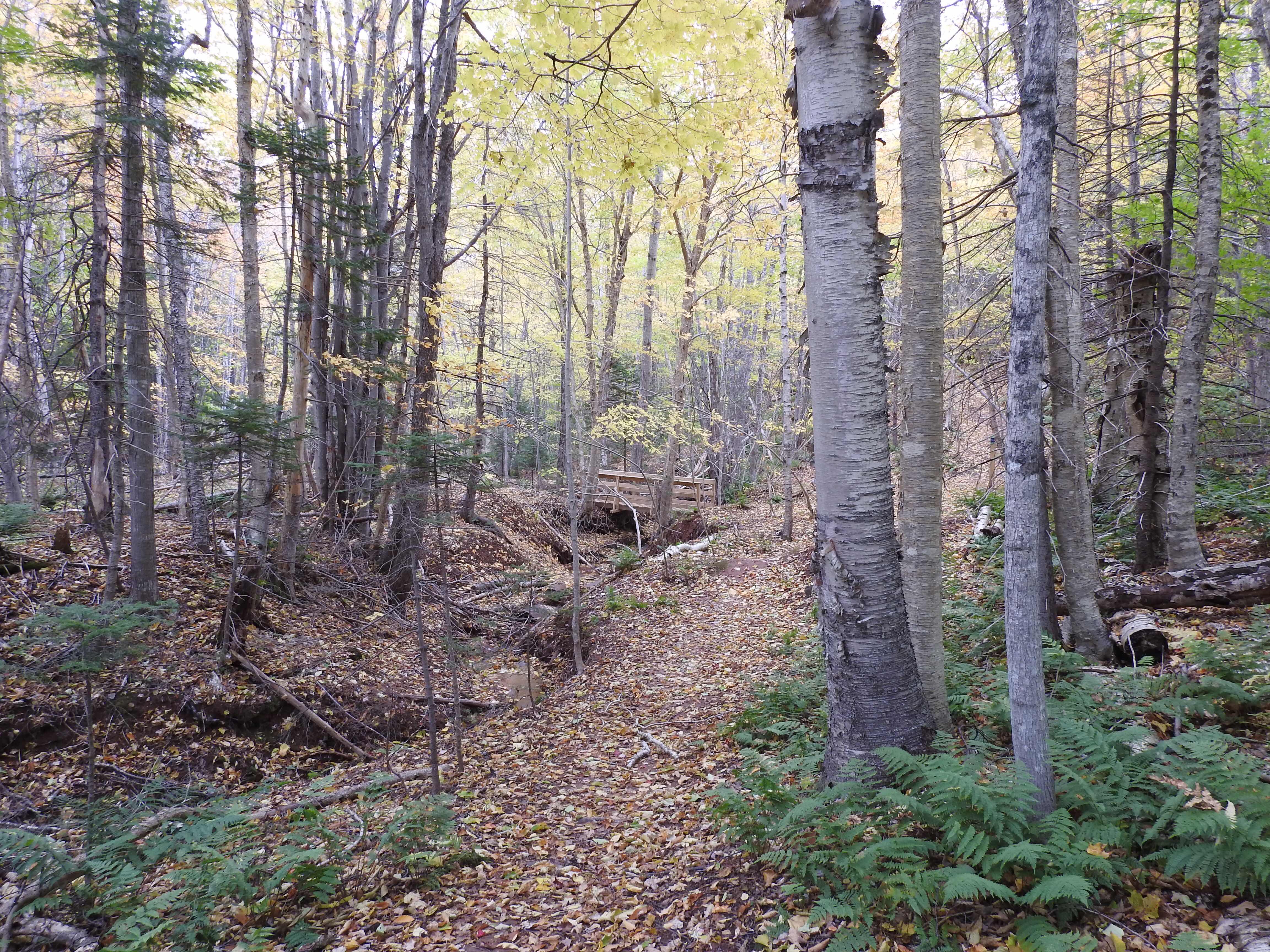
Trails at Strathgartney were decked out in their autumn glory. Leaves covered the ground 


but many remained on the trees despite the high winds the previous day. 


A week of miserable weather had kept us inside and my husband and I were glad to be hiking again. The golden grand-dog was as delighted as we were.


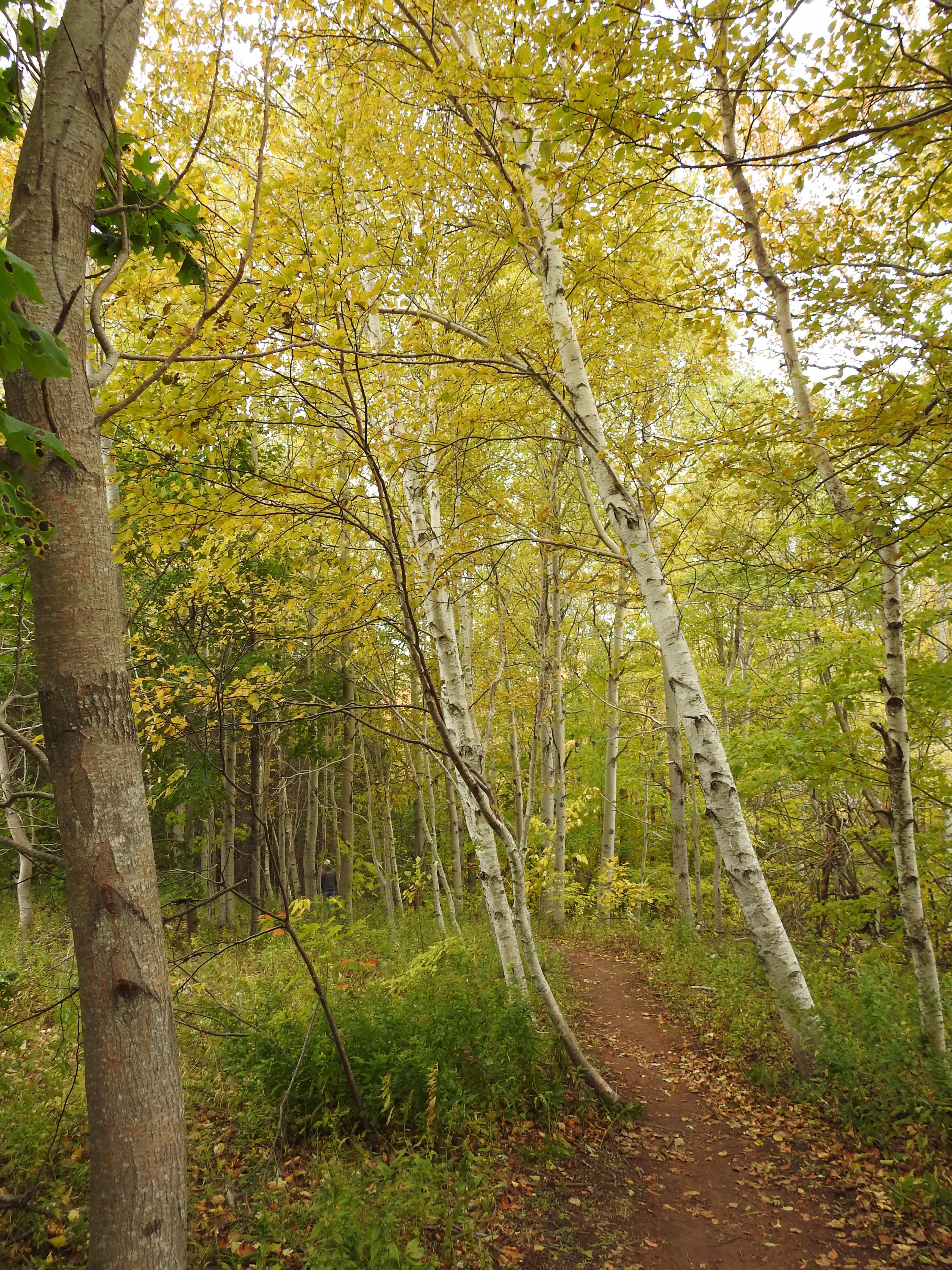
Our pilgrimage to the Creekside trail descended the Bonshaw Hills through the gold-leafed birches. 


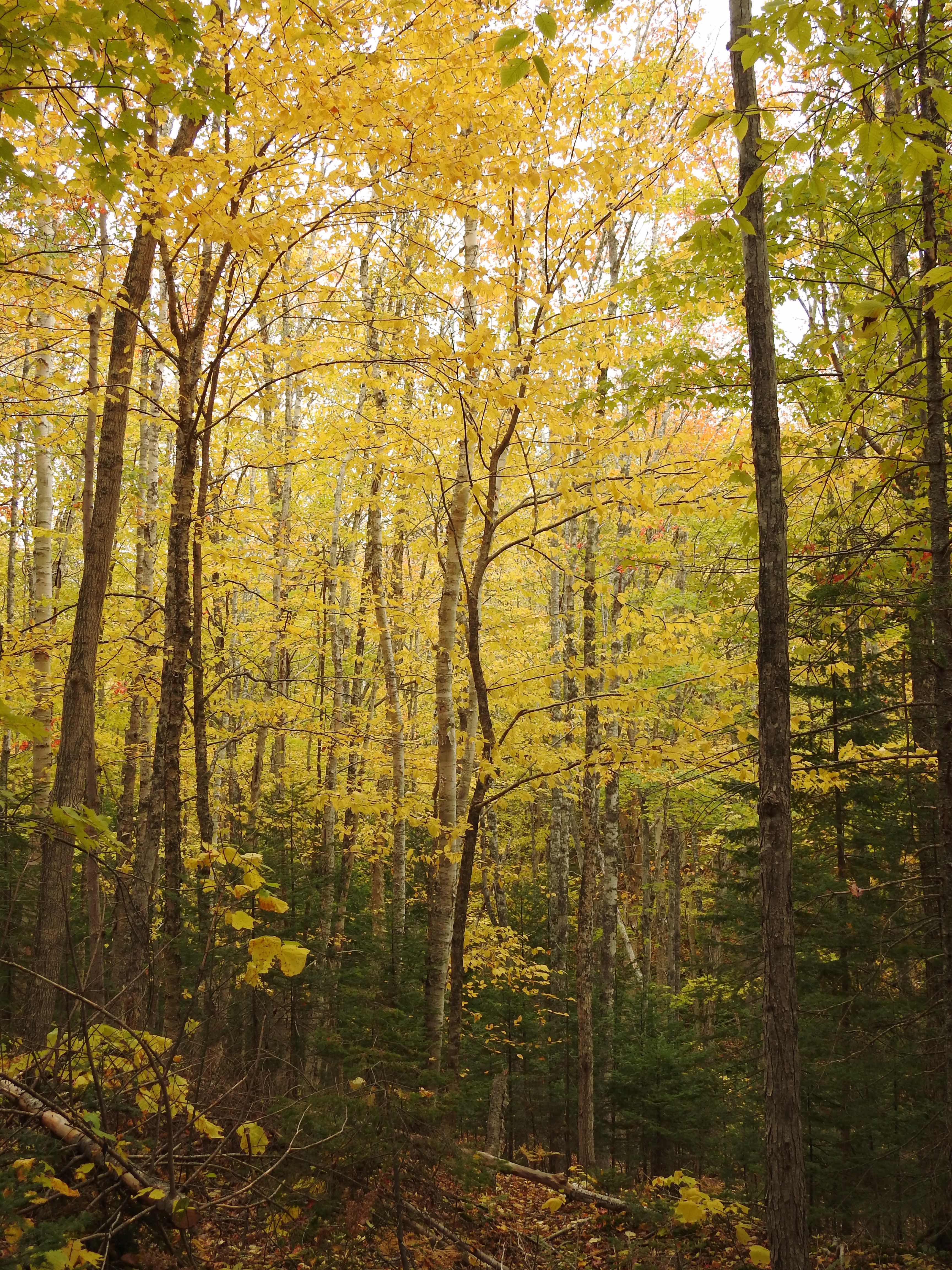
At the beginning of the trail, young maple trees in their yellow finery filled the spaces at ground level. 


Though it lacks colour, a path through dense coniferous trees is always a favourite.


Red adds to the foliage along the trail 


while the predominant yellow creates a glow in places. 


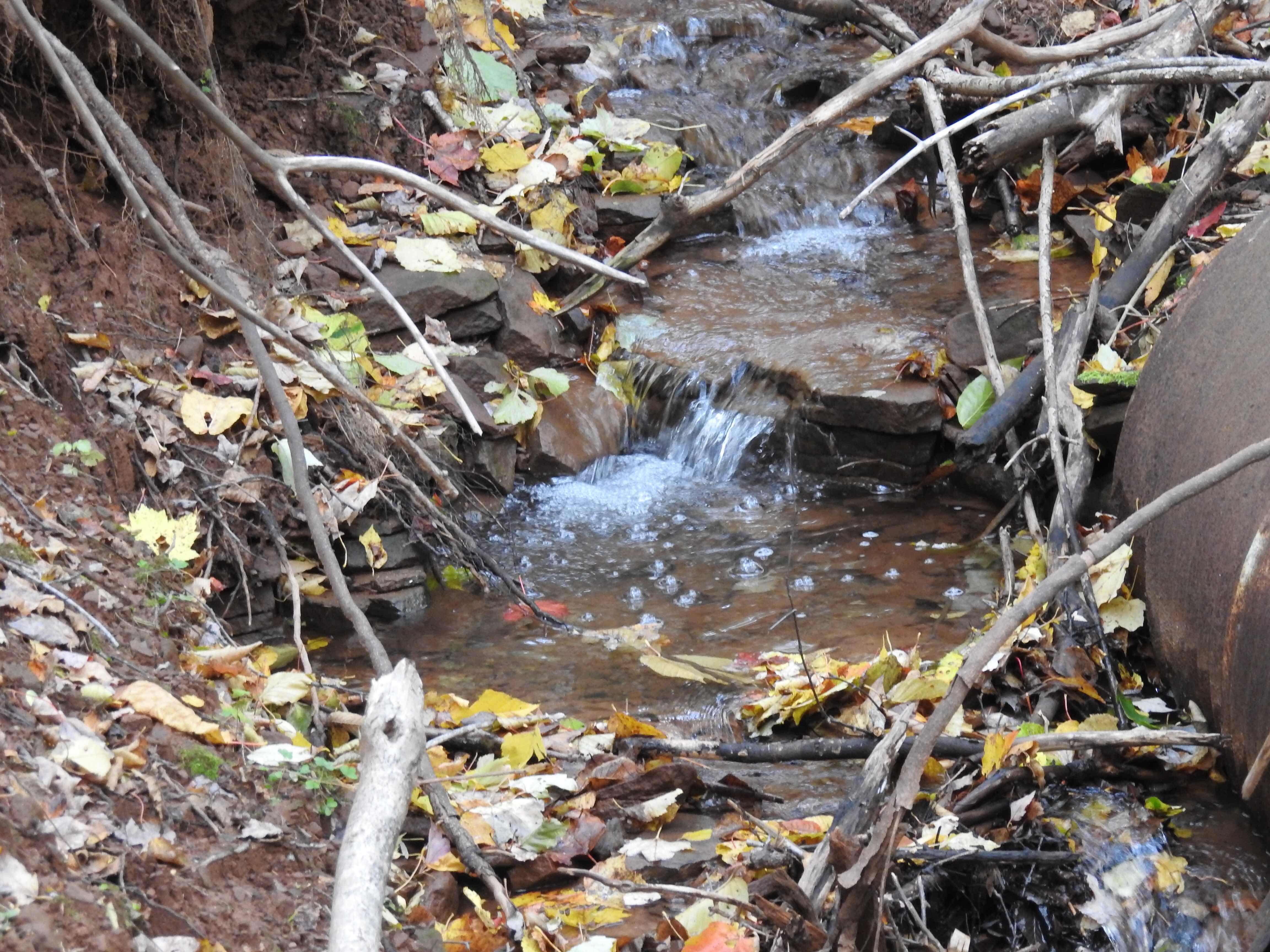
Late last month, the creek was dry but after a week of rain, it now had a gentle stream. The sound of the water filled the space.


The area around the creek looked like a naturally open space topped with deciduous trees high above.


It has the feel of a cathedral’s nave, the ceiling of which was crafted by the Master’s hand. 


The openness of the area, the colours and sound of the water could only be imagined or dreamt.


A hallowed space indeed!


We continued on out of the valley and along the creek to the Rock and Roll and Hemlock Trails, buoyed by a sense of well being which nature at her best provides!


Wednesday, 17 October 2018

Root dragon

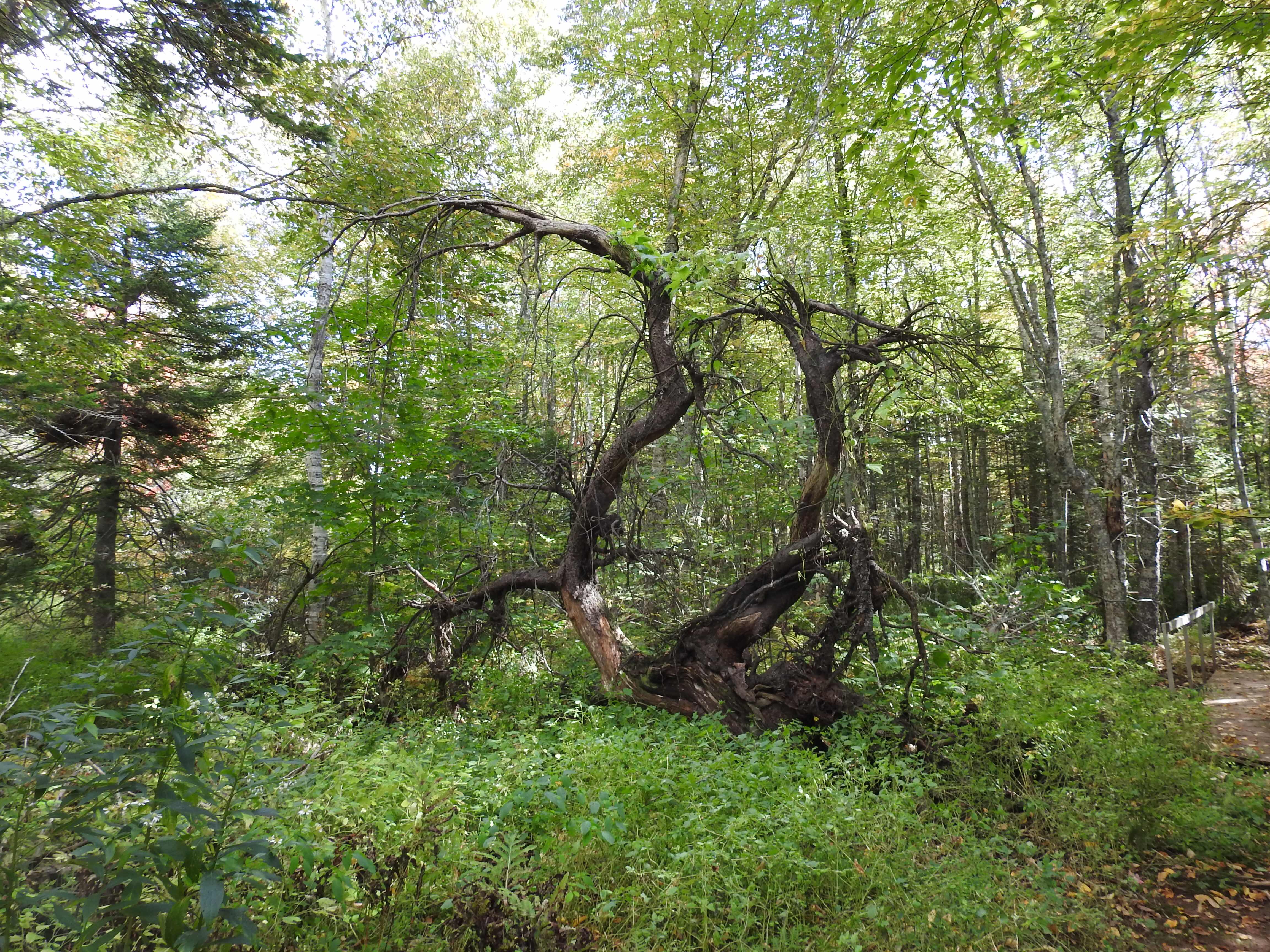
The forests have many overturned trees. Some are young trees which have toppled in the wind, crashing to the ground or into other trees. Sometimes old trees have rotted out and toppled in the wind. The bigger trees take much of the topsoil around the root system with them when they fall.


Over time, the soil around the roots dries out and falls or washes off the roots. 


On our recent hike around the John Hogg Trail, my husband and I saw some of those exposed roots from huge old trees which had fallen to the forest floor. Such a setting stirs our imaginations to work overtime. On this trail, there was a dragon, if we were quick enough to catch a glimpse of him.


He has a good disguise. 


You can only see him if you catch him from a certain angle. 


I happened to capture him once on camera but he was wily and hid himself well despite my best effort to catch him from different angles. 


My husband was not able to photograph him despite numerous attempts.


Can you see him?


Monday, 15 October 2018

At the orchard

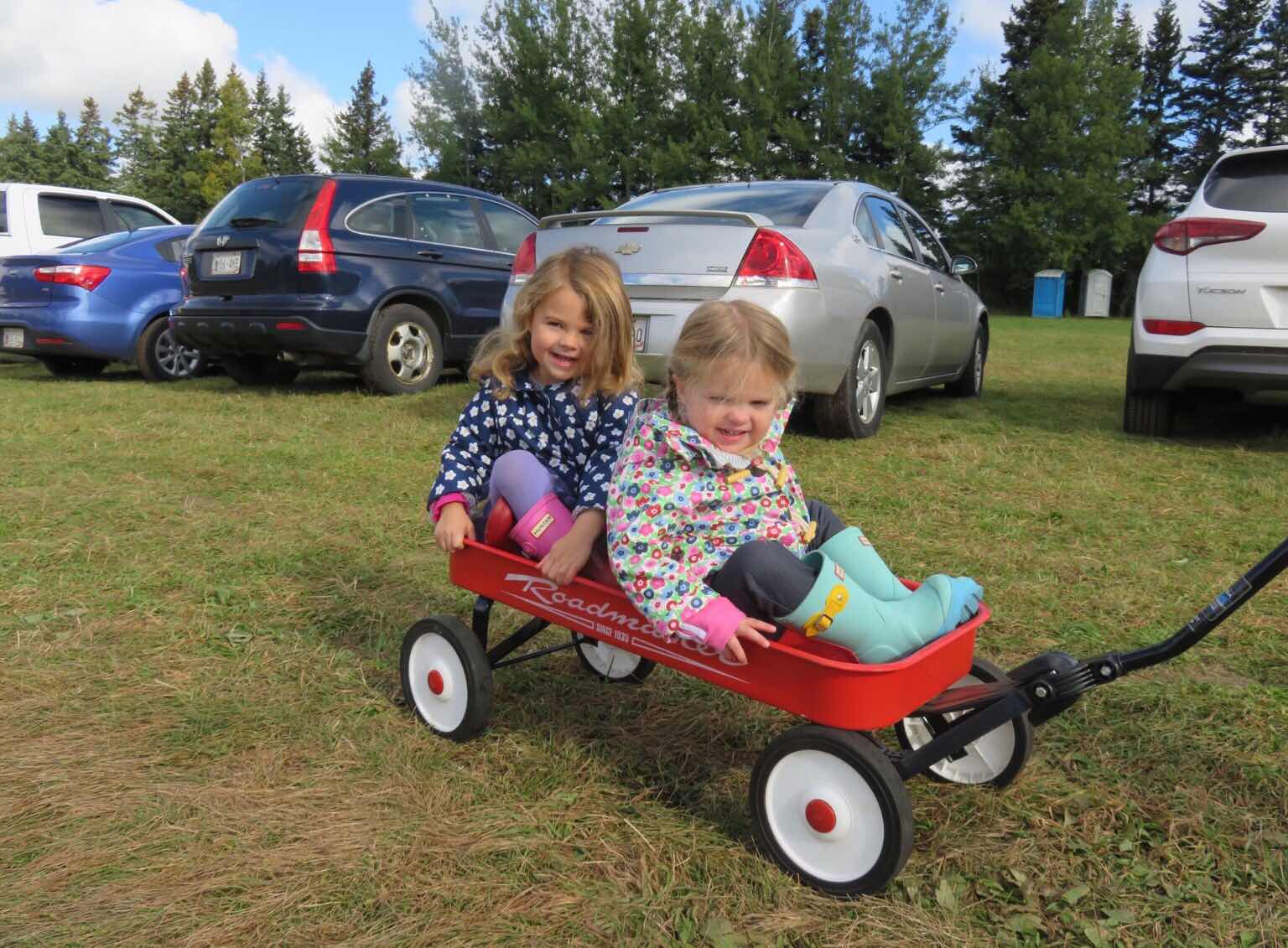
The apple orchard at Arlington Prince Edward Island is one of our favourite places for a family outing. Nothing beats the taste of fresh picked apples or the fun picking them with our grandchildren.


We have visited the orchard since before our first grandchild was born. However the real fun began with the birth of our granddaughter Sylvie, and continued with Caitlin and now Owen.


Simple pleasures have made great memories.


2011


2012


2013


2014


2015


2016


2017


2018

H

Apple picking makes a great growth chart.

Friday, 12 October 2018

The old wharf

These pilings are well weathered though I don’t know their age. They are the remnants of a wharf long abandoned to the sea. This old wharf is one of the reasons my husband and I love St. Peter’s Harbour.


From a distance, the pilings don’t look like much. 


However, up close, the weathering of the posts make them unlike anything we’ve ever seen. 


These look nothing like firewood or trees rotting in the forest. The sea makes a huge difference to this wood. 


Individual pilings remain solid in the sand. 


The bleached wood shows the remnants of the limbs which once spread out from the trunk, holding leaves which kept the tree alive. Now the trunk is like a sculpture in the sand.


These are not nails from recent history. They go back decades. The salt clinging to the rusty metal indicates the sea spray or water which has covered this nail, though not today at low tide.


The wood which is high and dry today is covered in salt as well.


The texture of the wood is visible and the knots break up the linear nature of the piece. The light gray and rusty brown colouration are curious too.


Even at low tide, the sea is relentless in its crafting of the pilings. 


One can imagine what it’s like on a stormy day at high tide or when the ice has settled in for the coldest months of the year, encasing the wood in its cold blanket. The fact this wharf has lasted so long is a wonder of nature.