They drift silently along the coast, the icy offspring of the North Atlantic, birthed from glaciers. They float past the coast of Labrador and then further south to Newfoundland, our first island home, floating into warmer water in an area known as Iceberg Alley.
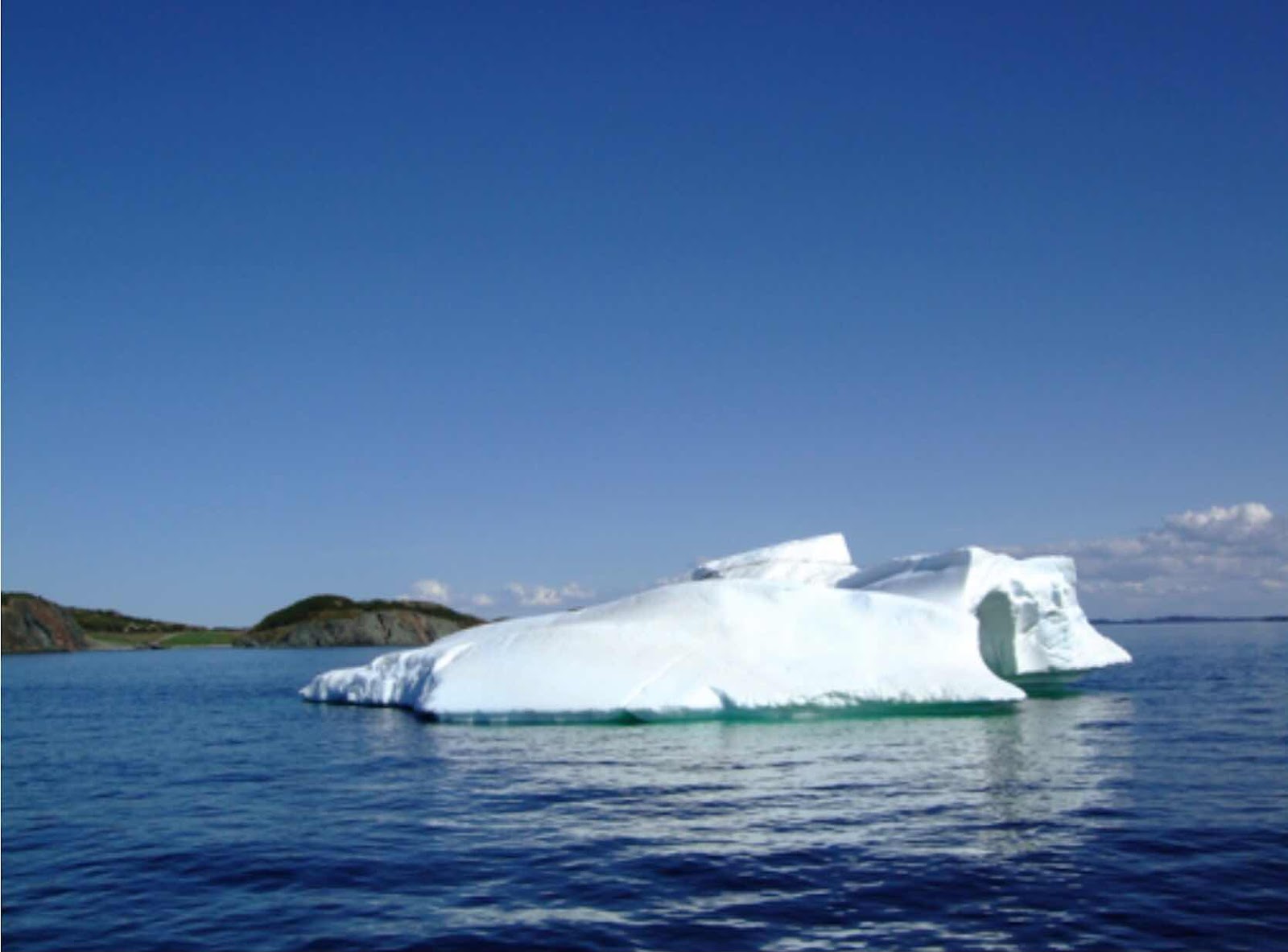
Over the coming months, many icebergs will be visible from shore there, some running aground, carried shoreward by the tides. The bergs usually appear in April and May, spring visitors after their long journeys. The vast majority originated from the glaciers of western Greenland and some from the Canadian Arctic.
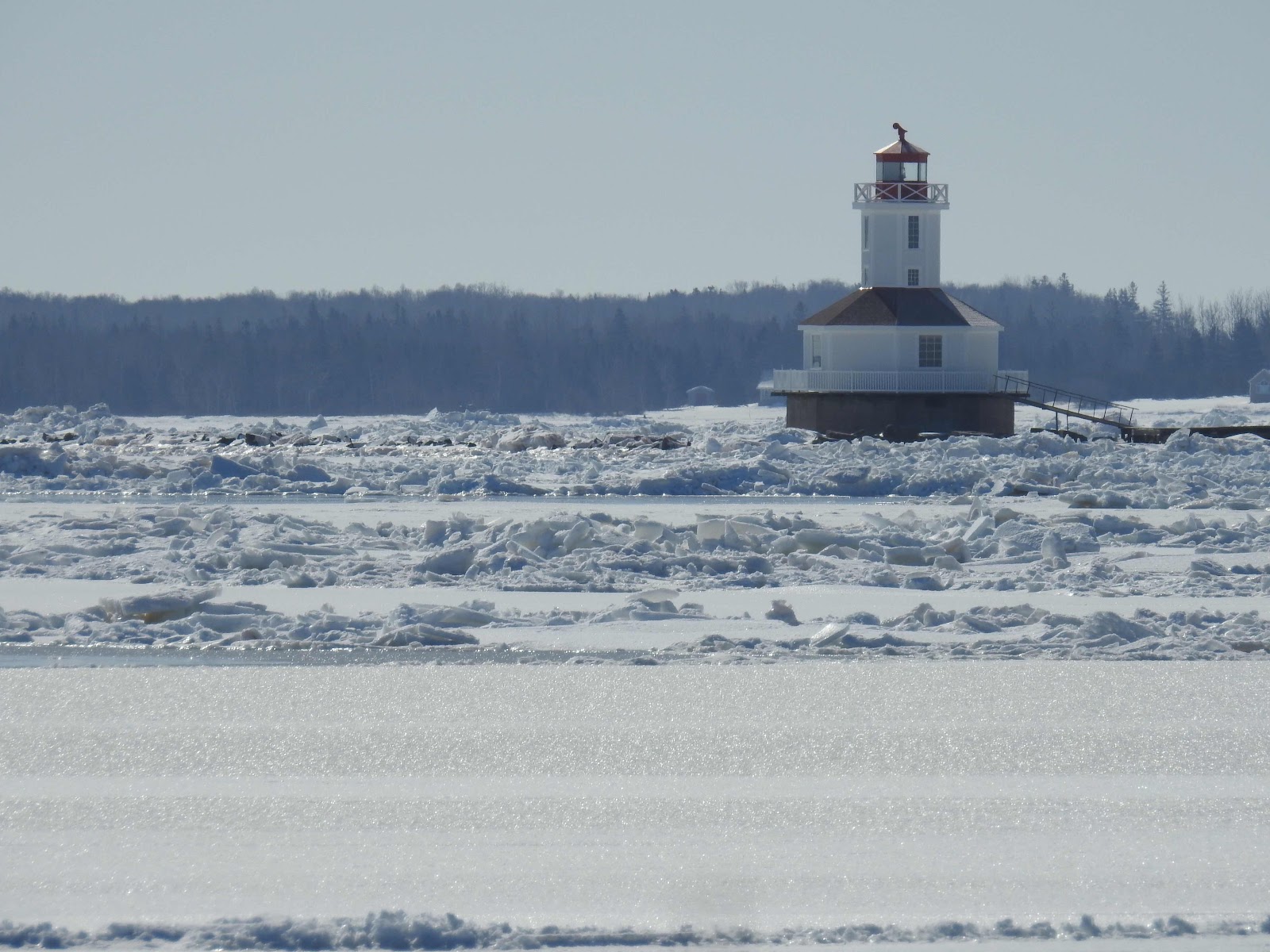
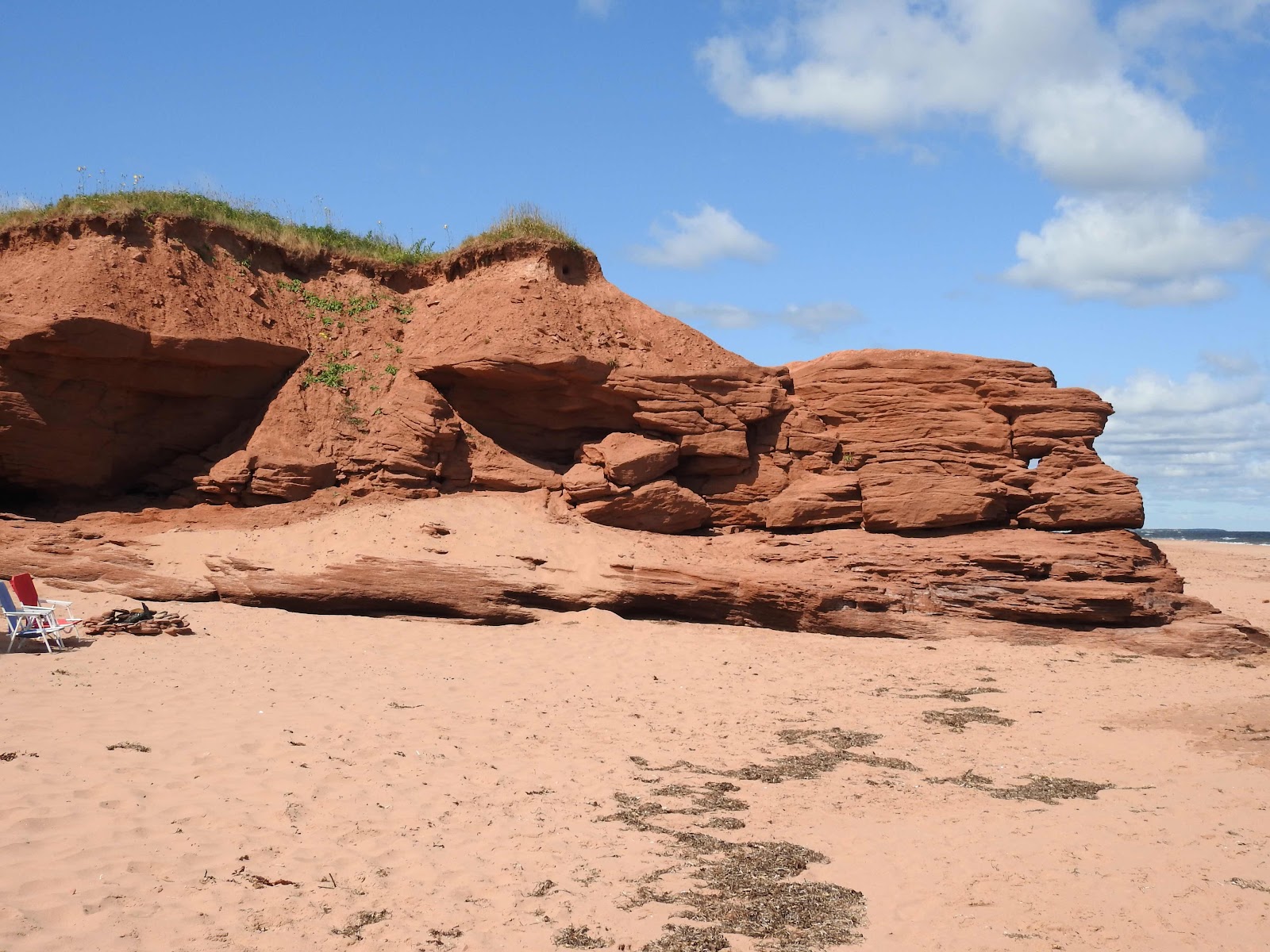
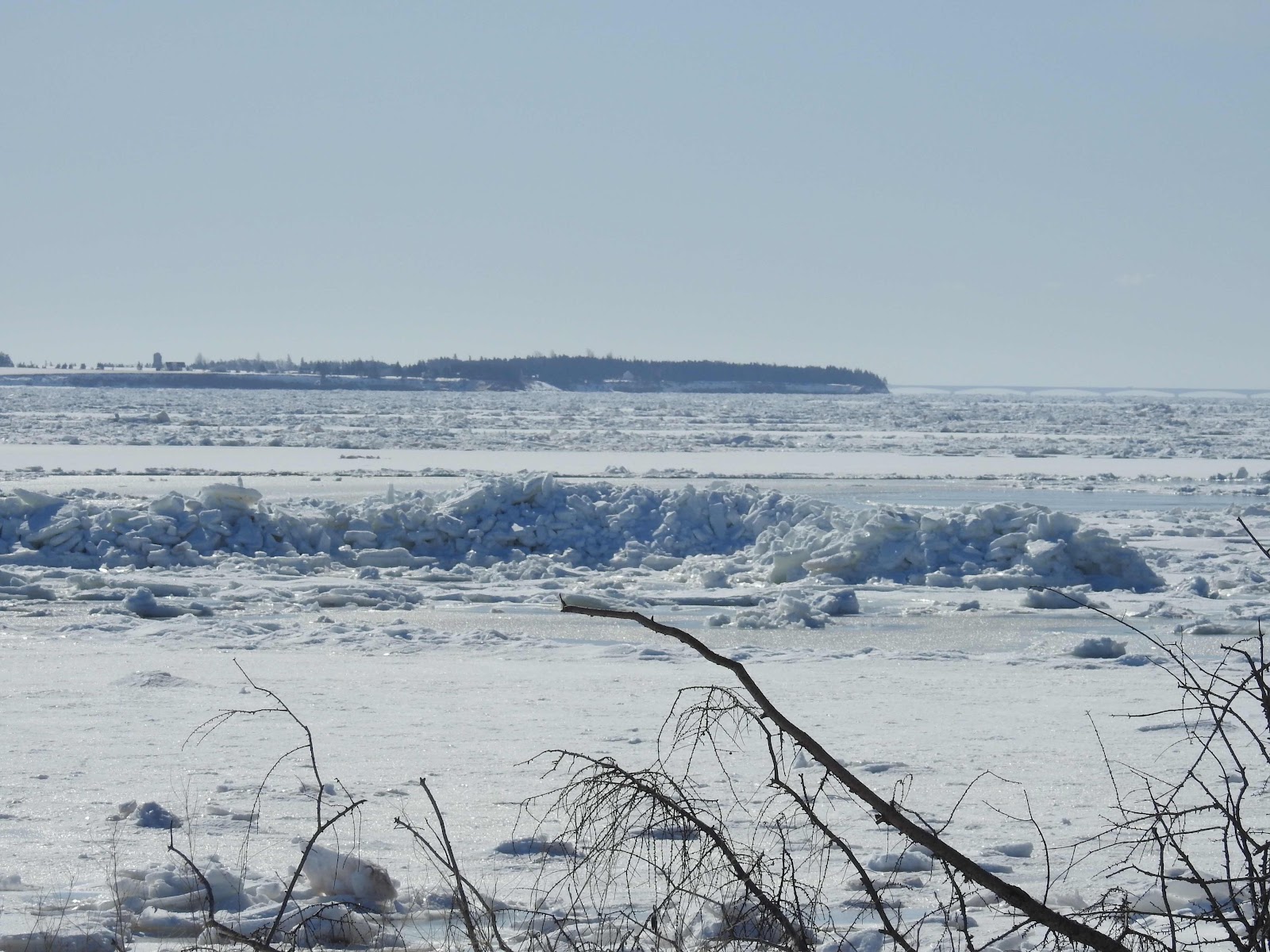
Berg ice is different from the surface ice we see rafted into piles as the ice breaks up around our current island home of Prince Edward. No icebergs here, just wave action which causes rafting of surface ice. Piles of rafted ice can last for days after the ice disappears from the surface of the sea.
We lived in Newfoundland when our daughter moved back to Canada from London in the spring of 2009. We visited Twillingate, Newfoundland, the iceberg capital of the world, to see the icy giants. From shore, we saw numerous bergs in the distance. Close to shore, several floated around, spending their last few days subject to the tides taking them towards shore.
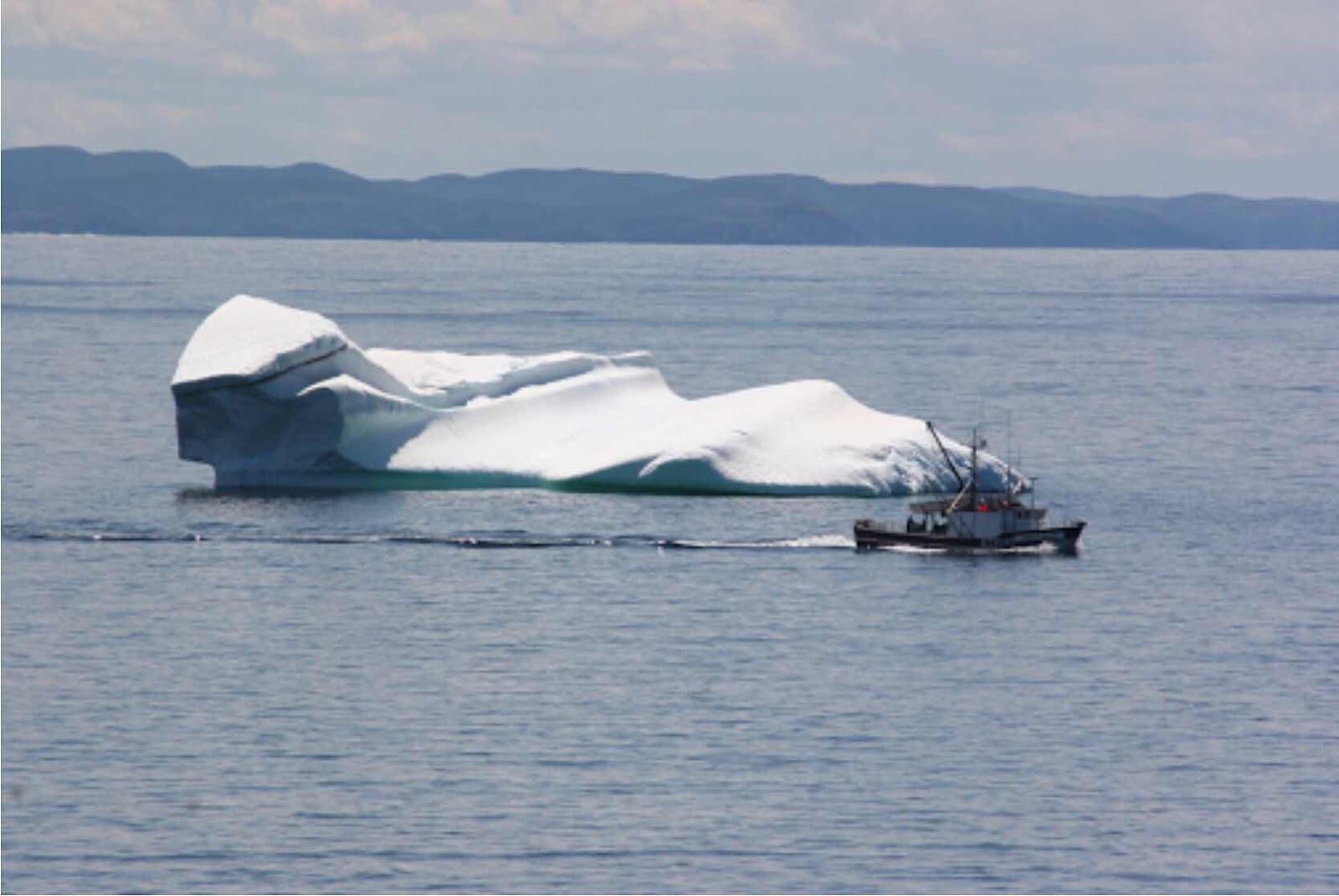
The display of icebergs offshore has been spectacular the last decade but I remember them from my youth as well. However, global warming has sped up the melt and break-away from glaciers. Iceberg Alley is their brief, watery home.
Numerous boat tours along the coast of Newfoundland take adventurers near the majestic giants as they make their way south with the Labrador Current. The bergs make the tour and fishing boats look miniature in comparison.
It was a lovely day in June on Twillingate Island when we visited, and the boat tour was a highlight, though the area has some significance for our family as well. My husband's paternal grandmother was from Durrell, on Twillingate Island.
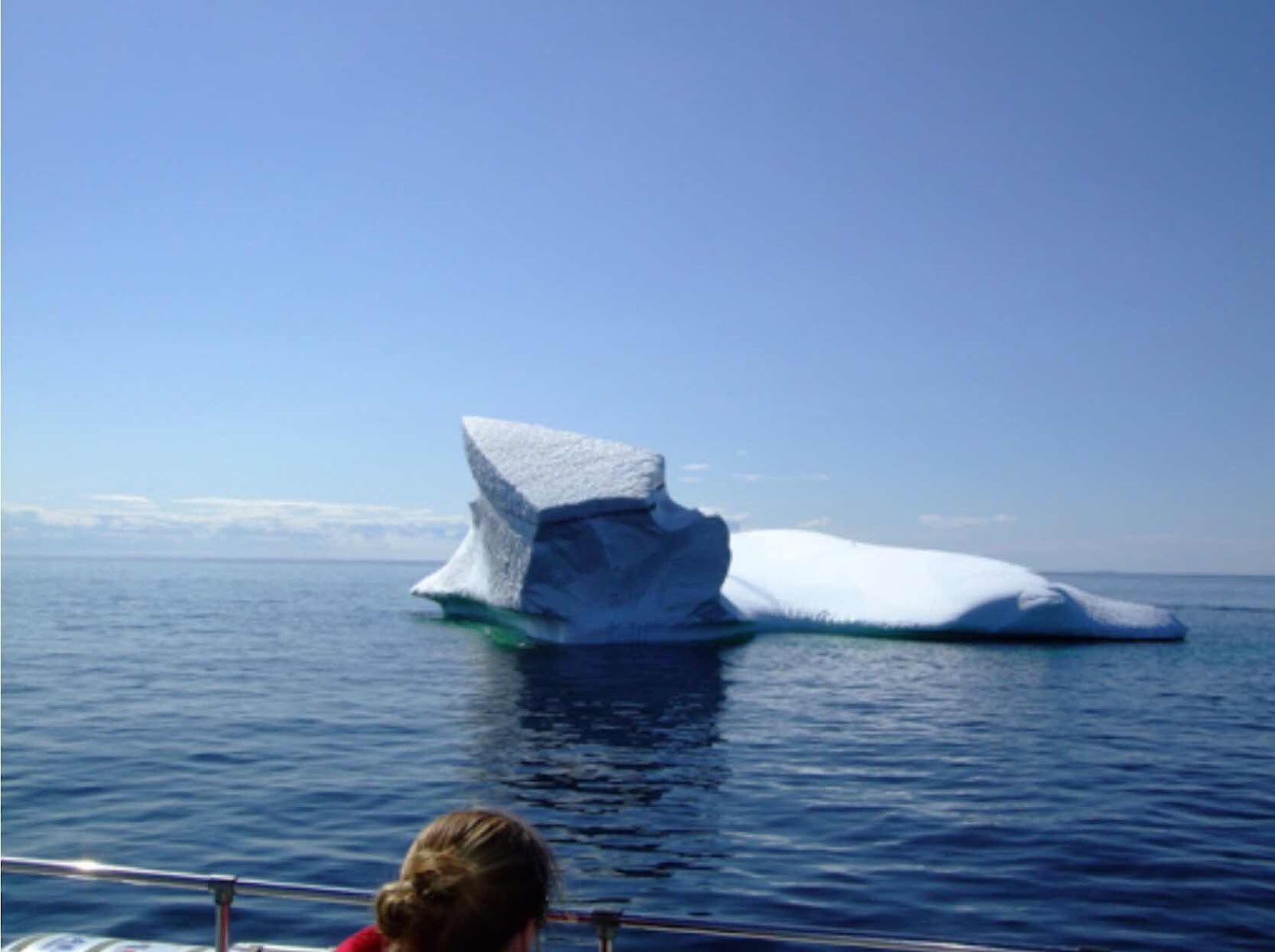
We tasted the ancient berg ice after some crew members grabbed floating bits from a nearby iceberg. It was refreshing. Enterprising people collect berg ice and use the water to make various products, including Iceberg Vodka.
While the ice around Prince Edward Island is not from icebergs, we watch every year for its evolution and eventual disappearance. It will be a few weeks before this ice is gone this year.