Most Popular Post

Showing posts with label sandstone. Show all posts

Wednesday, 19 October 2022

The north shore

We were slow to return to our excursions around the island after Fiona. Trees are down everywhere and trails are slowly being cleared. Two weeks post storm, we returned to the boardwalk and later to beaches where we love to walk and have picnics. My husband and I will enjoy autumn as much as we can since we will be limited by the weather soon enough.


On one recent outing we went to the north central shore, first to the New London Lighthouse which I have featured numerous times on this blog. The old sentinel made it through another storm unfazed by the look of it. 


Not the beach and sand dunes however. In June this year, you can see the extent of the beach across the channel.

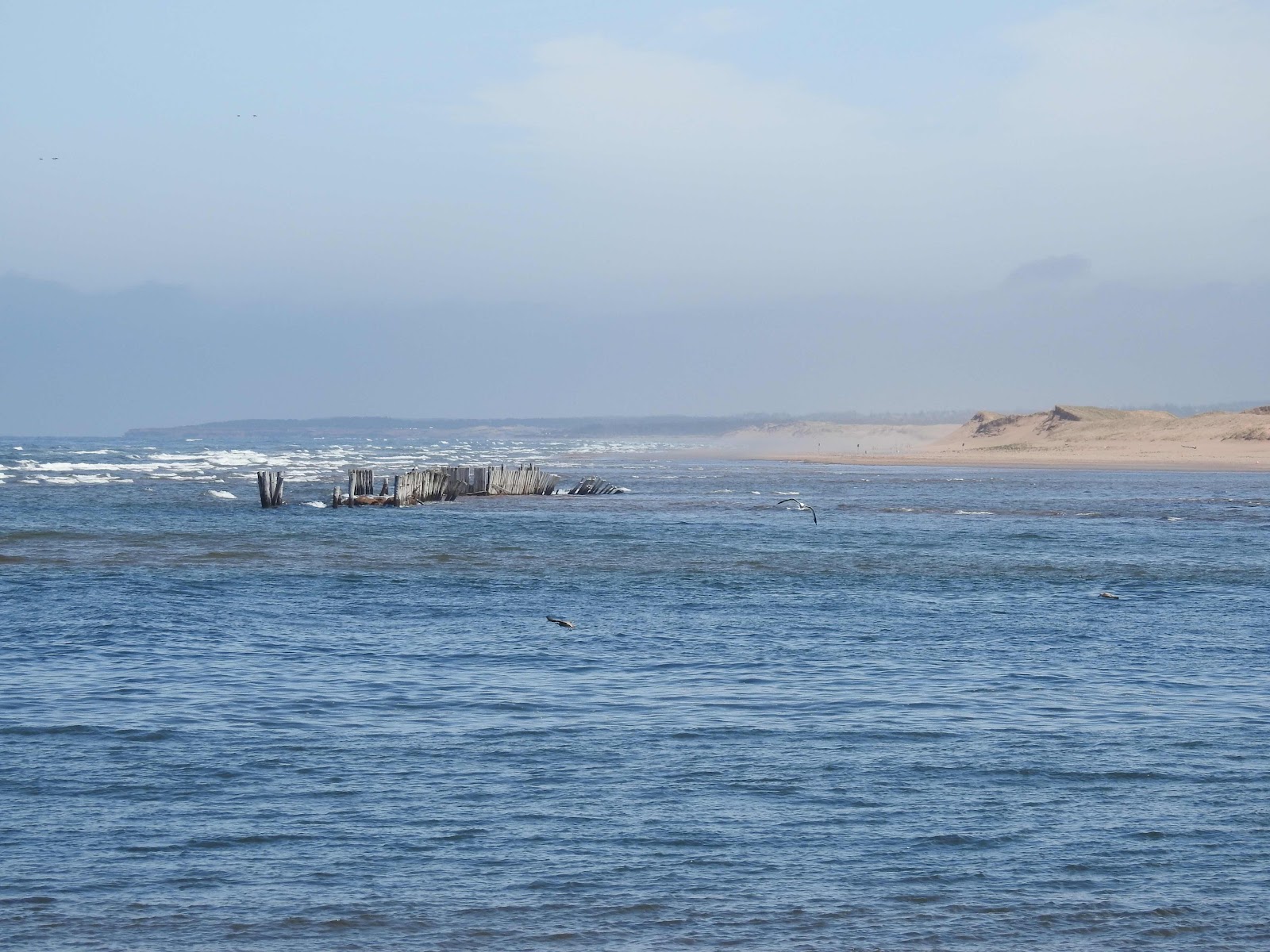


Post Fiona, the dunes are greatly reduced and the sand washed out to sea. It will be a slow return.
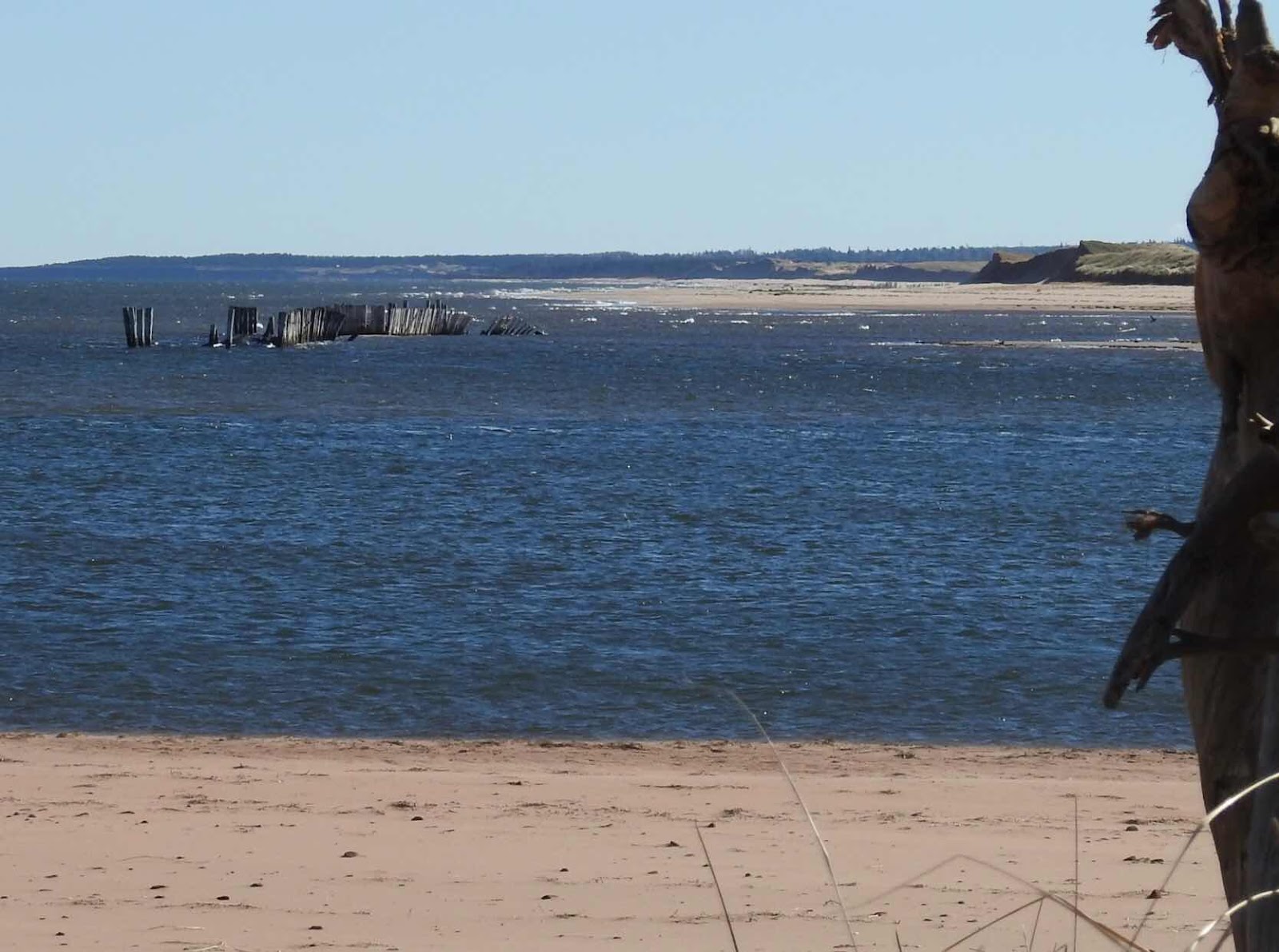


Closer to the lighthouse, the storm surge destroyed the Marram Grass and dumped sandstones over the area.


We walked the beach towards the cliffs where our daughter fishes for bass. We had never been to this area before and on such an autumn day, it was the perfect time to check it out.
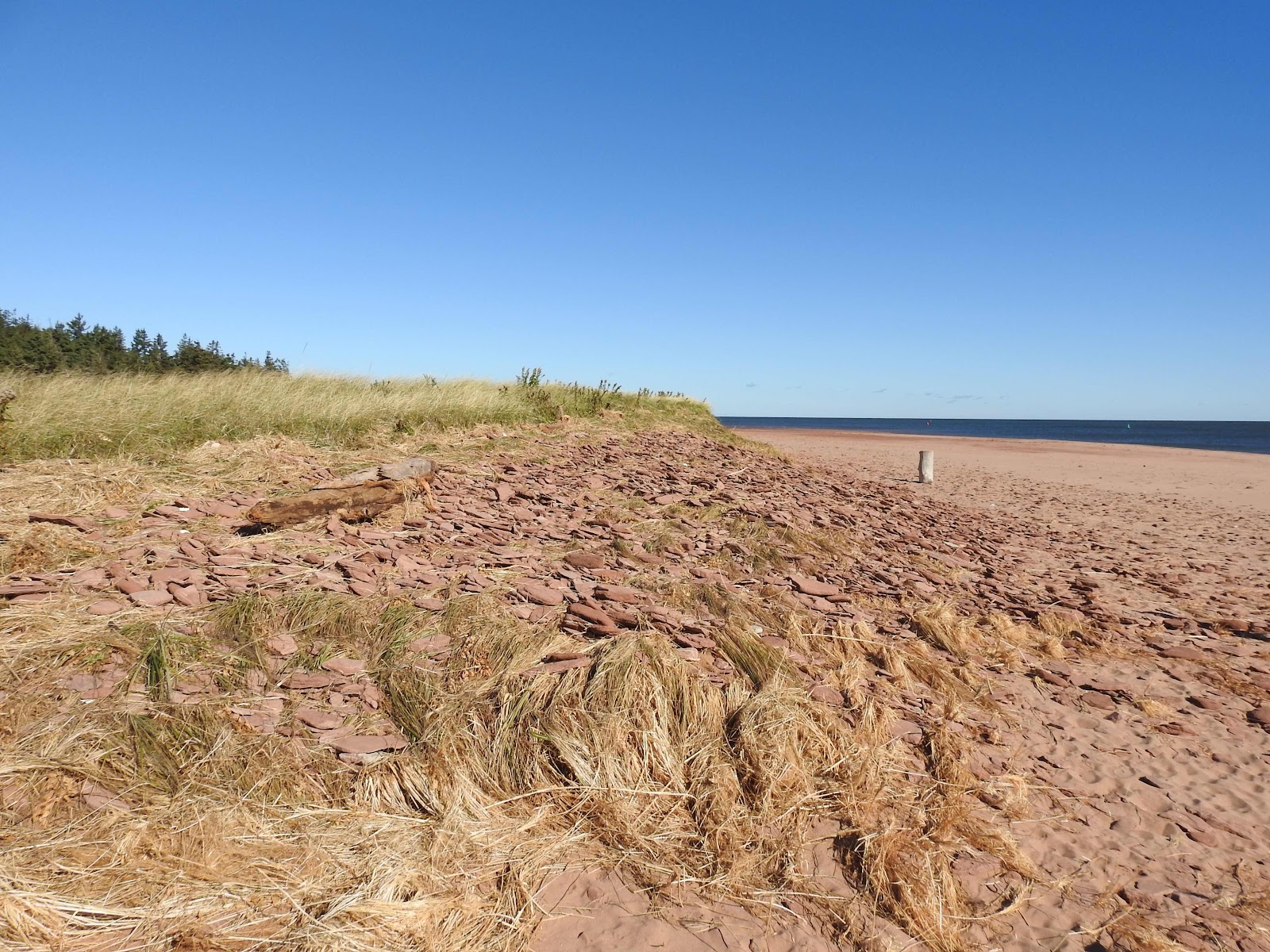

The red sandstone stood out against the natural blues. 
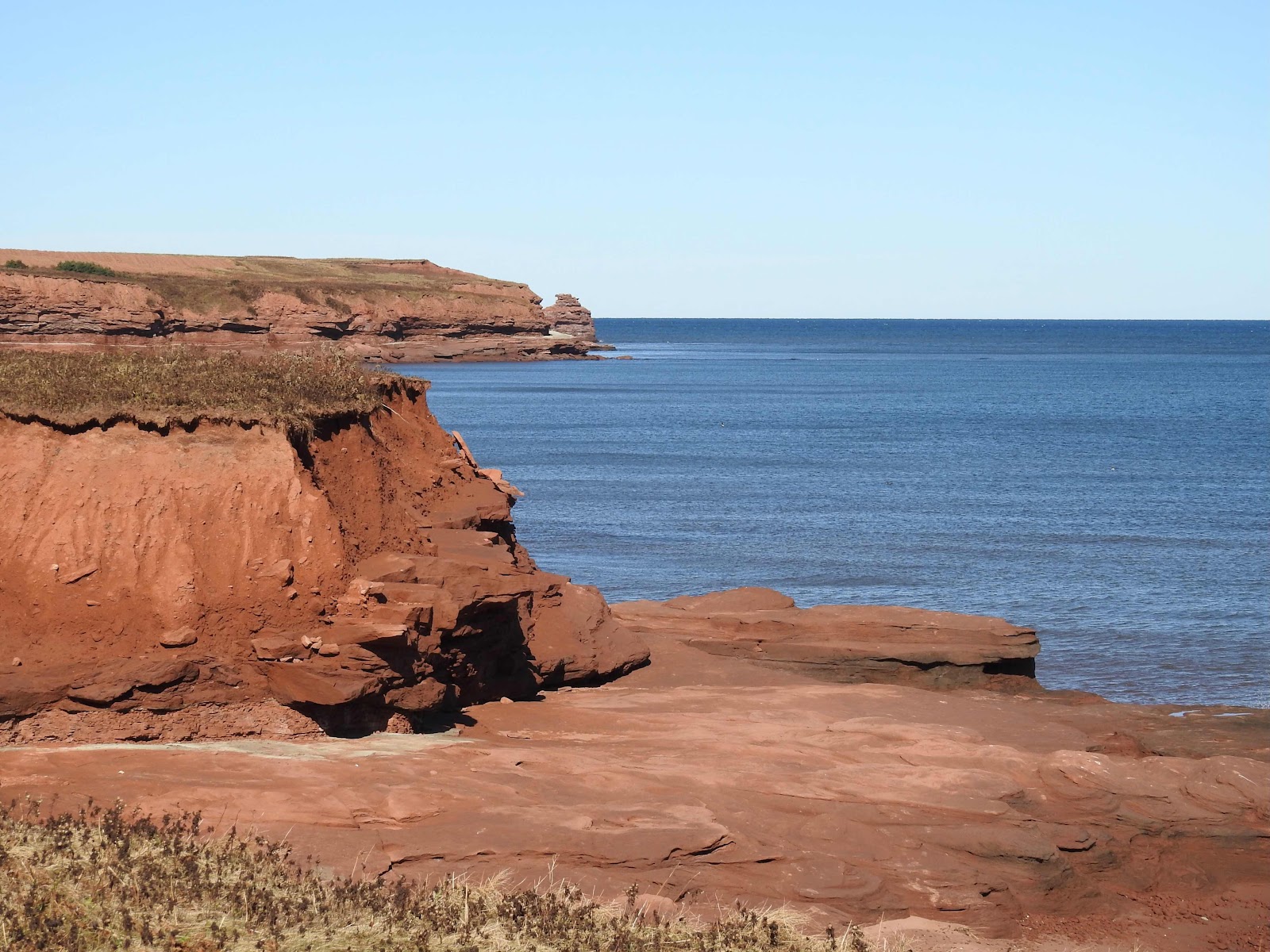


The faded October grass and wildflowers at the edge of a farmer’s field cling to the red soil as long as possible, hanging over the edge as more soil washes or falls away.
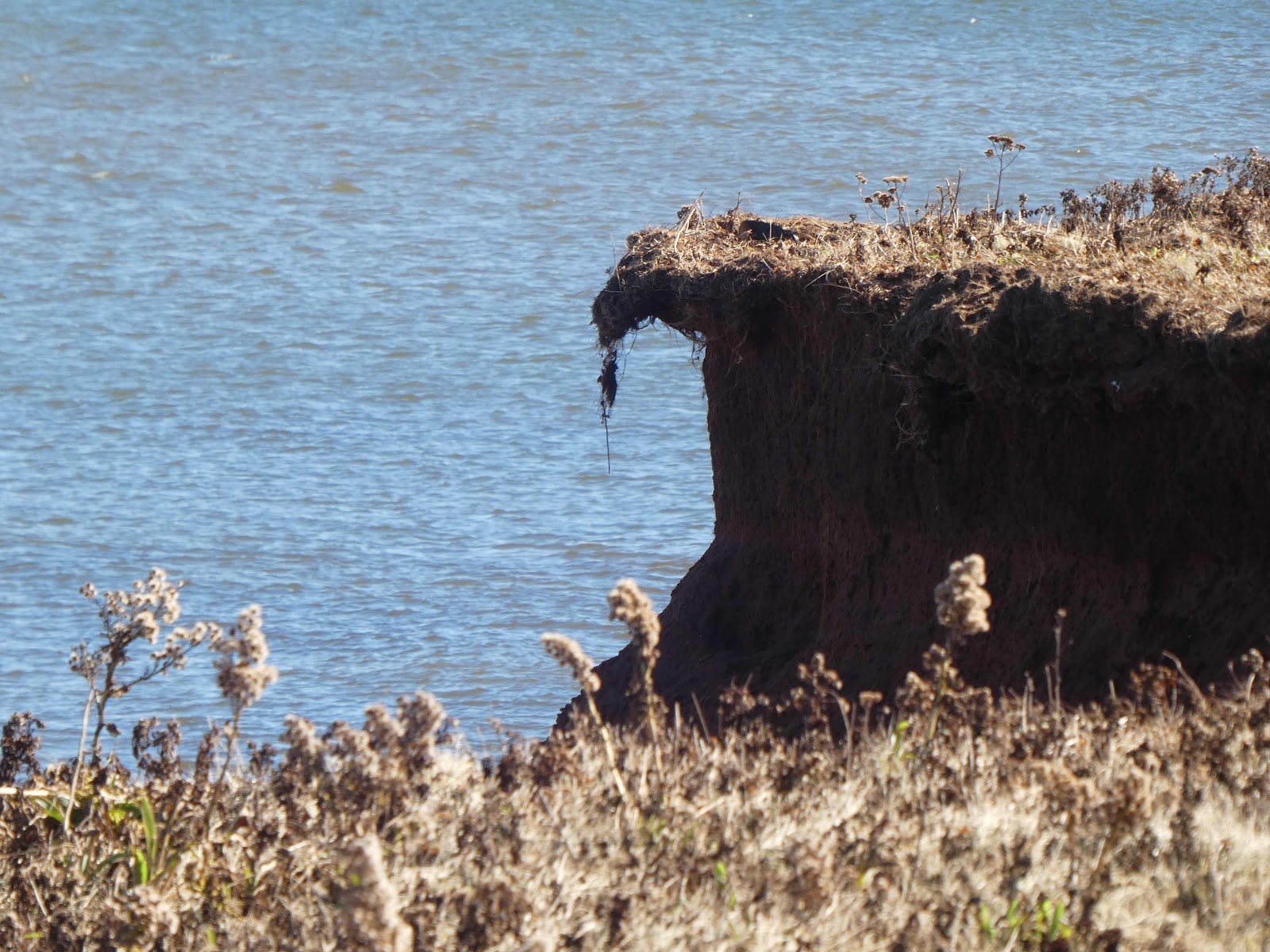


A lone tree nearby shows the direction of the prevailing wind and withstood the wind speeds brought by Fiona.


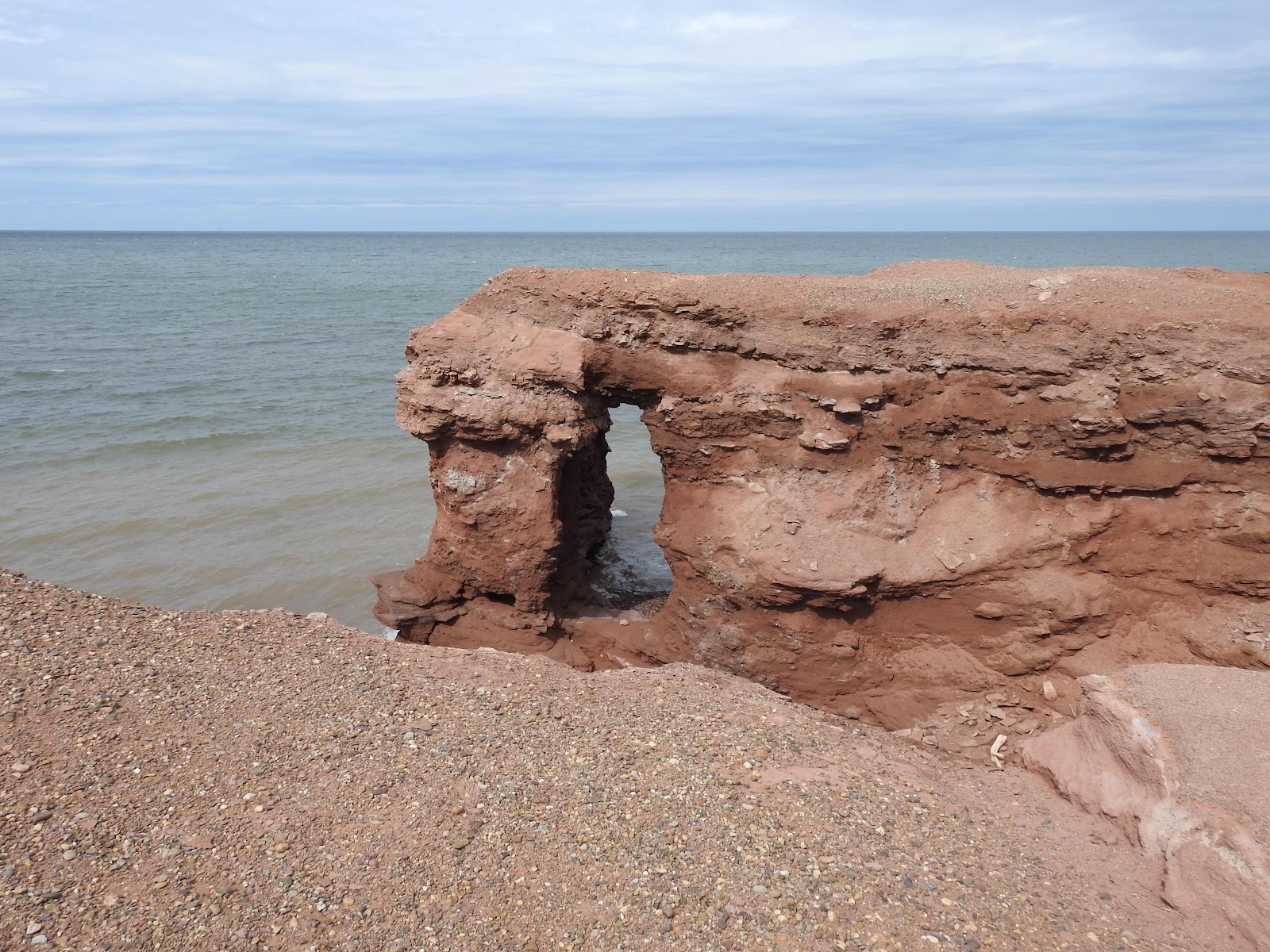
A sea stack, difficult to see in its entirety from the path, is beginning to become a sea arch. If you look closely, you can see two glimpses of sea blue through the sandstone.


Anglers park along the cliffs and take a path down to the shoreline below  It is too treacherous for these old legs to attempt such a walk. We will return when our daughter is fishing there one day.


The wind was cold requiring gloves and a hat so we decided to have our picnic in a more sheltered area. On our way to North Rustico, we passed a flock of mallards enjoying the day at French River. I hadn’t seen mallards in some time, so it was a treat to watch them for several minutes 
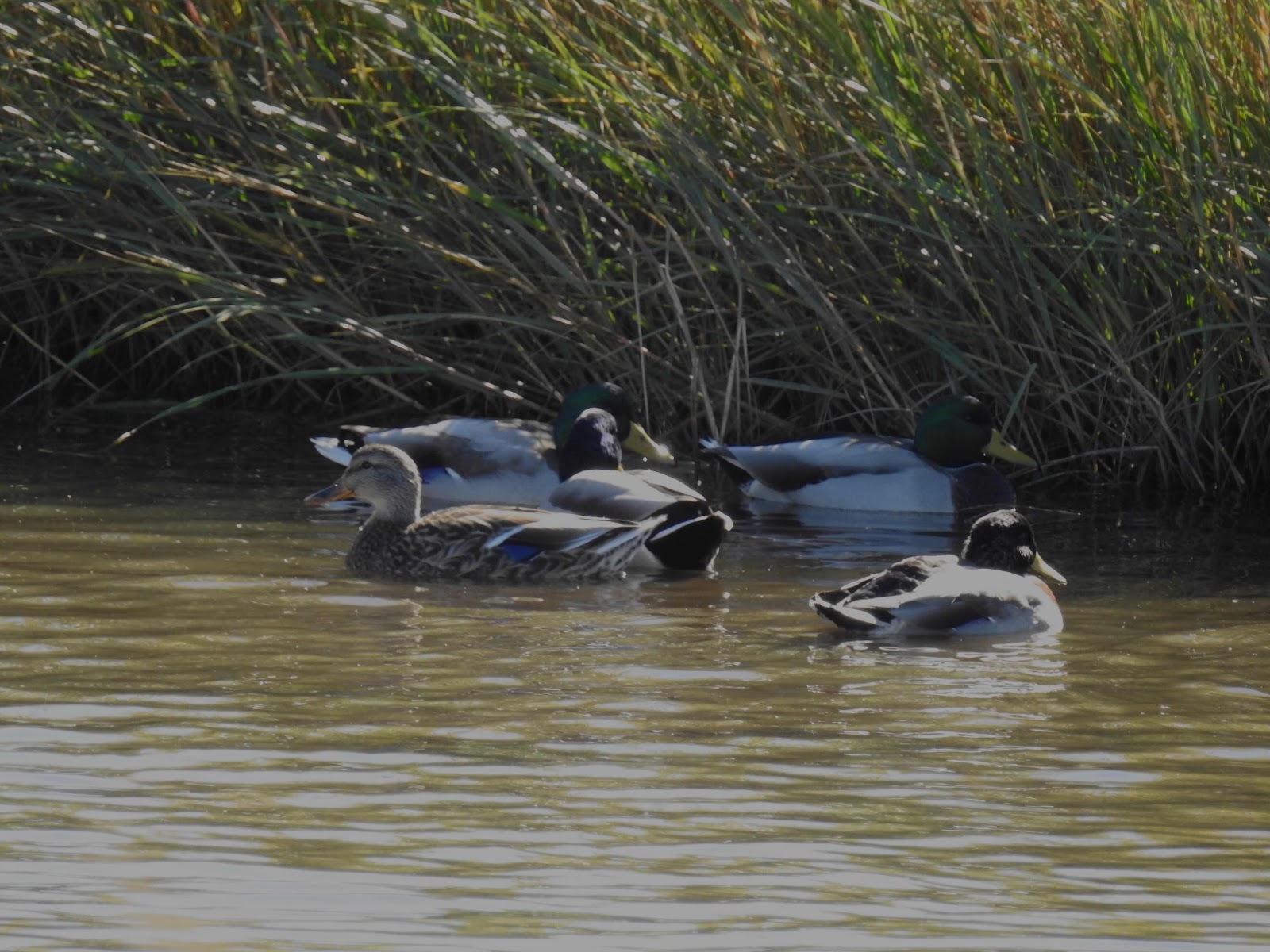


and meet a new friend too.


The gazebo at North Rustico has a view of the harbour and is a great place to have lunch. Our turkey soup hit the spot, warming us to our toes.  
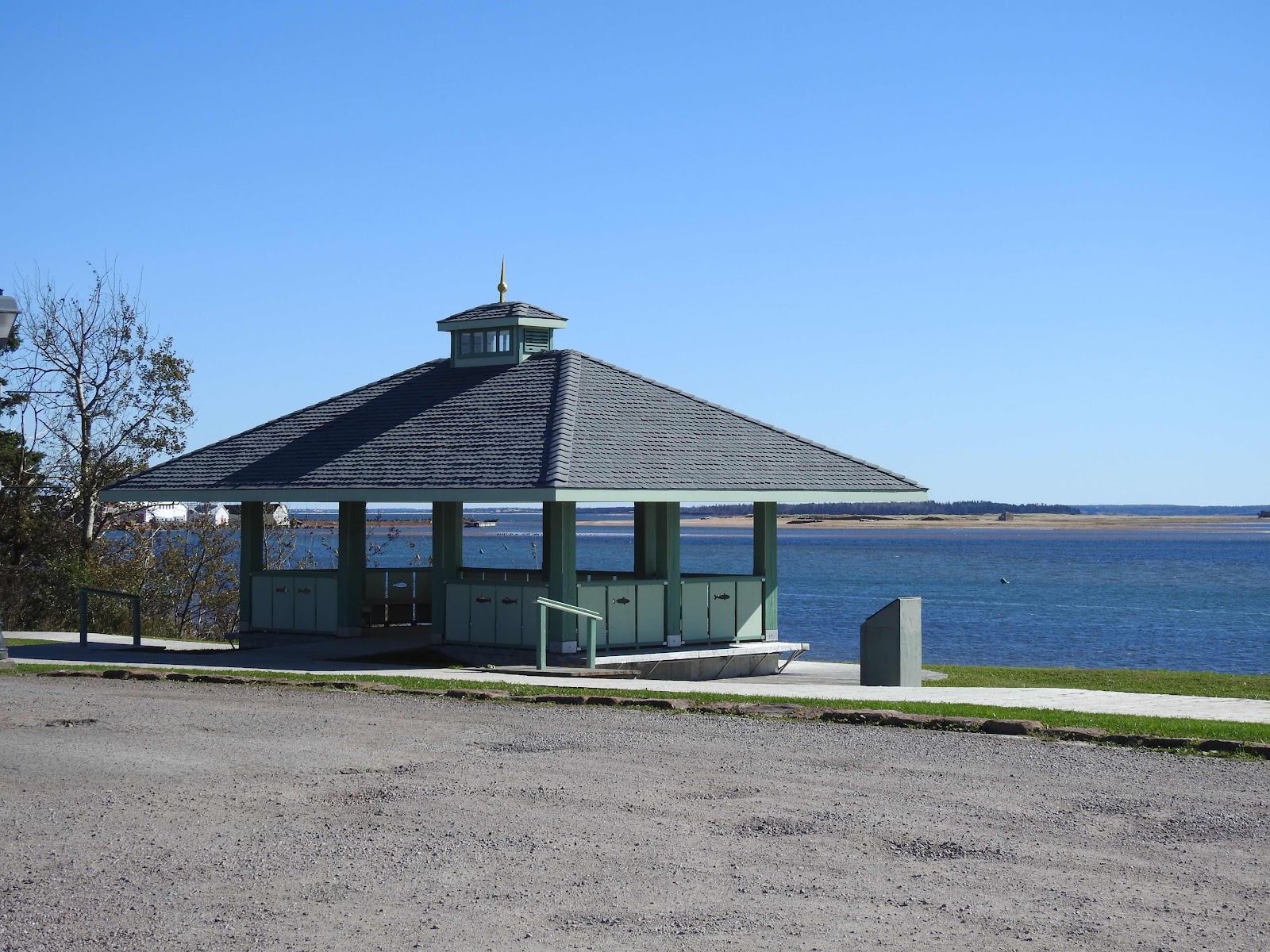


Our excursions will continue as long as possible this autumn and a hot picnic lunch will be on the menu.
Monday, 9 May 2022

To the Cape

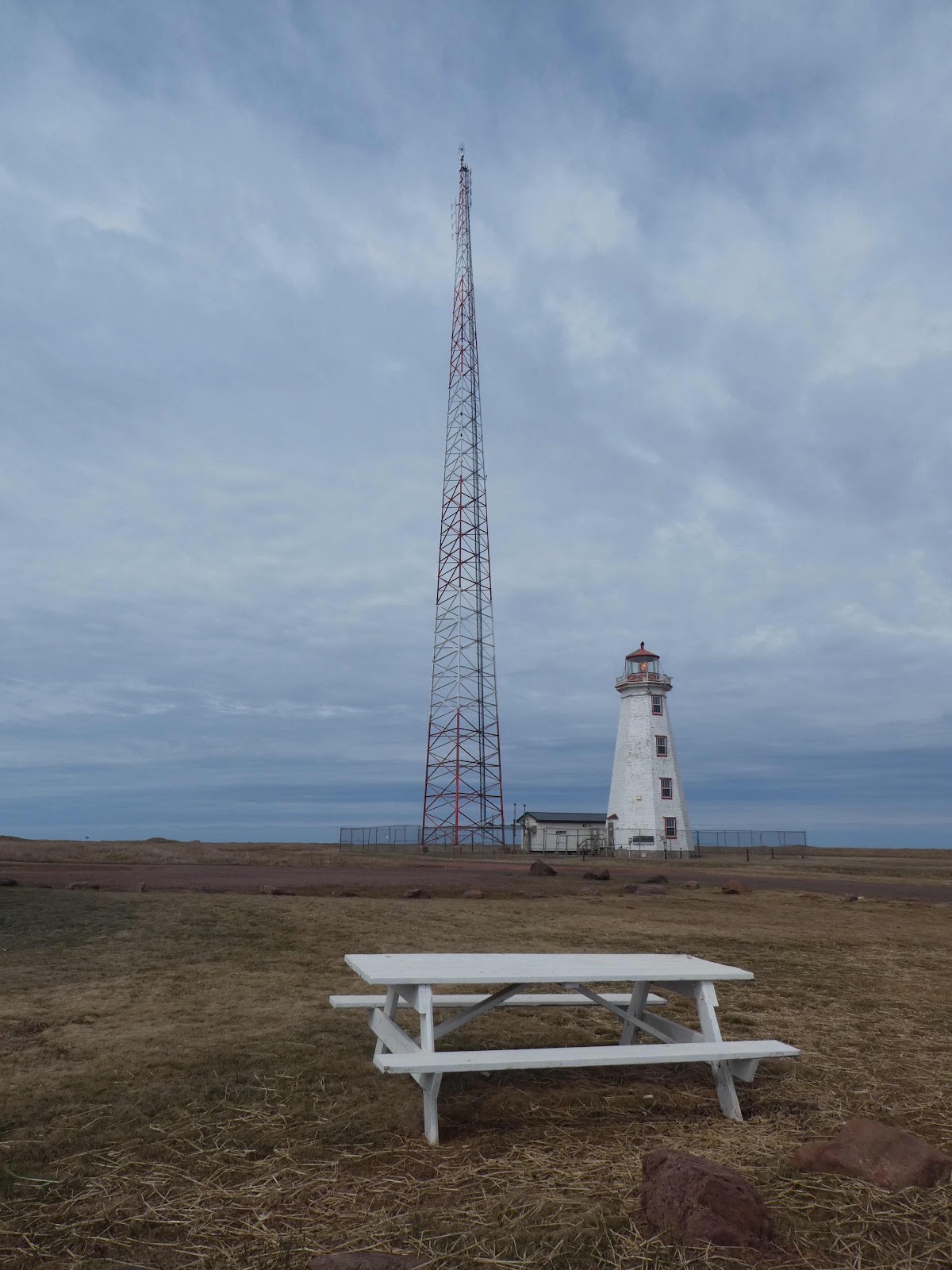
At North Cape on Prince Edward Island, the lighthouse keeps its silent vigil at the tip of the western end of the north coast.


A small flock of Common Eider ducks hangs out on a sand bar formed where the waters of the Gulf of St. Lawrence and the Northumberland Strait meet but the birds are difficult to photograph in the high winds.


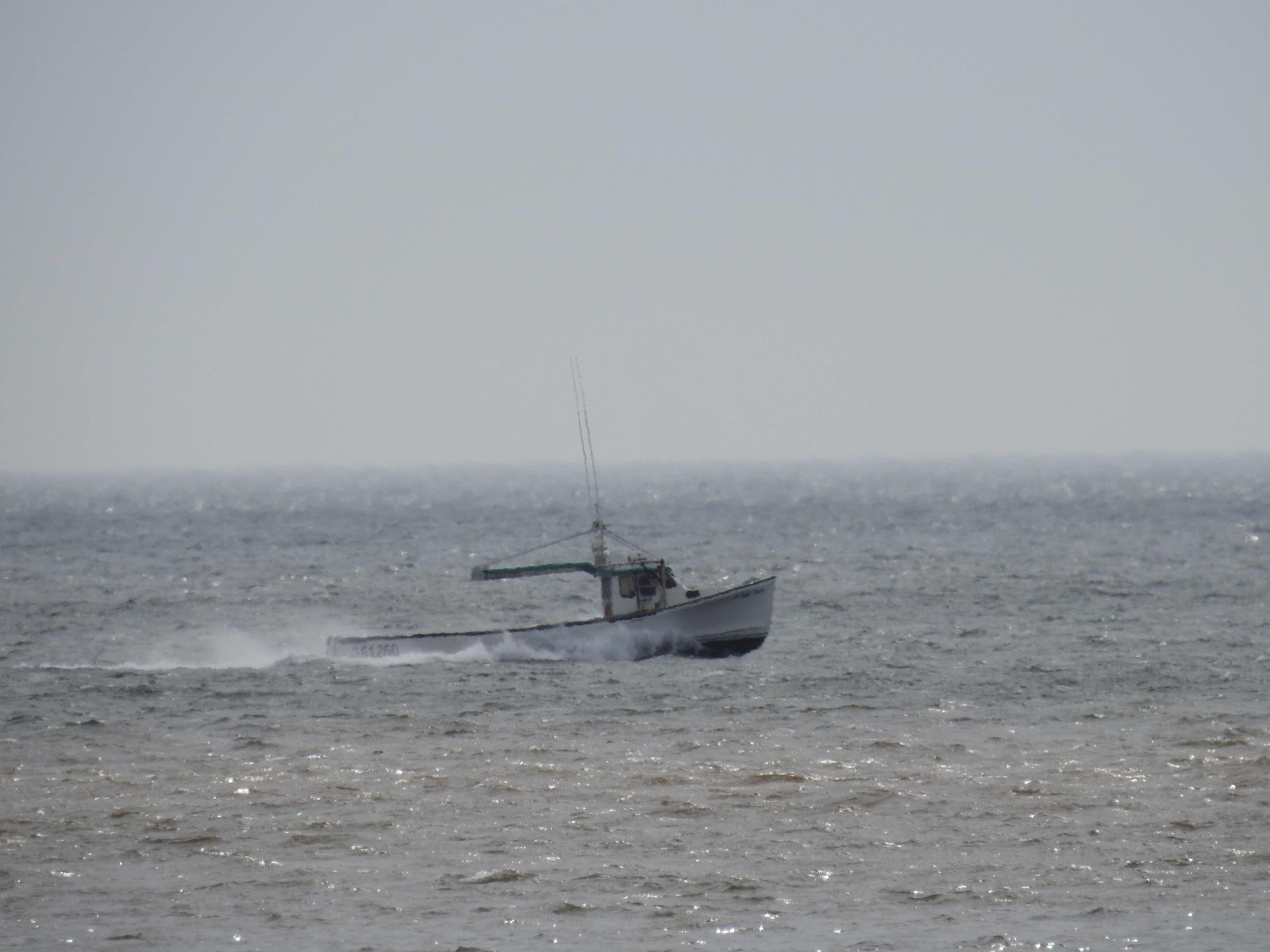
Offshore, boats are on the water again after months in storage. Preparation is underway for the lobster season.


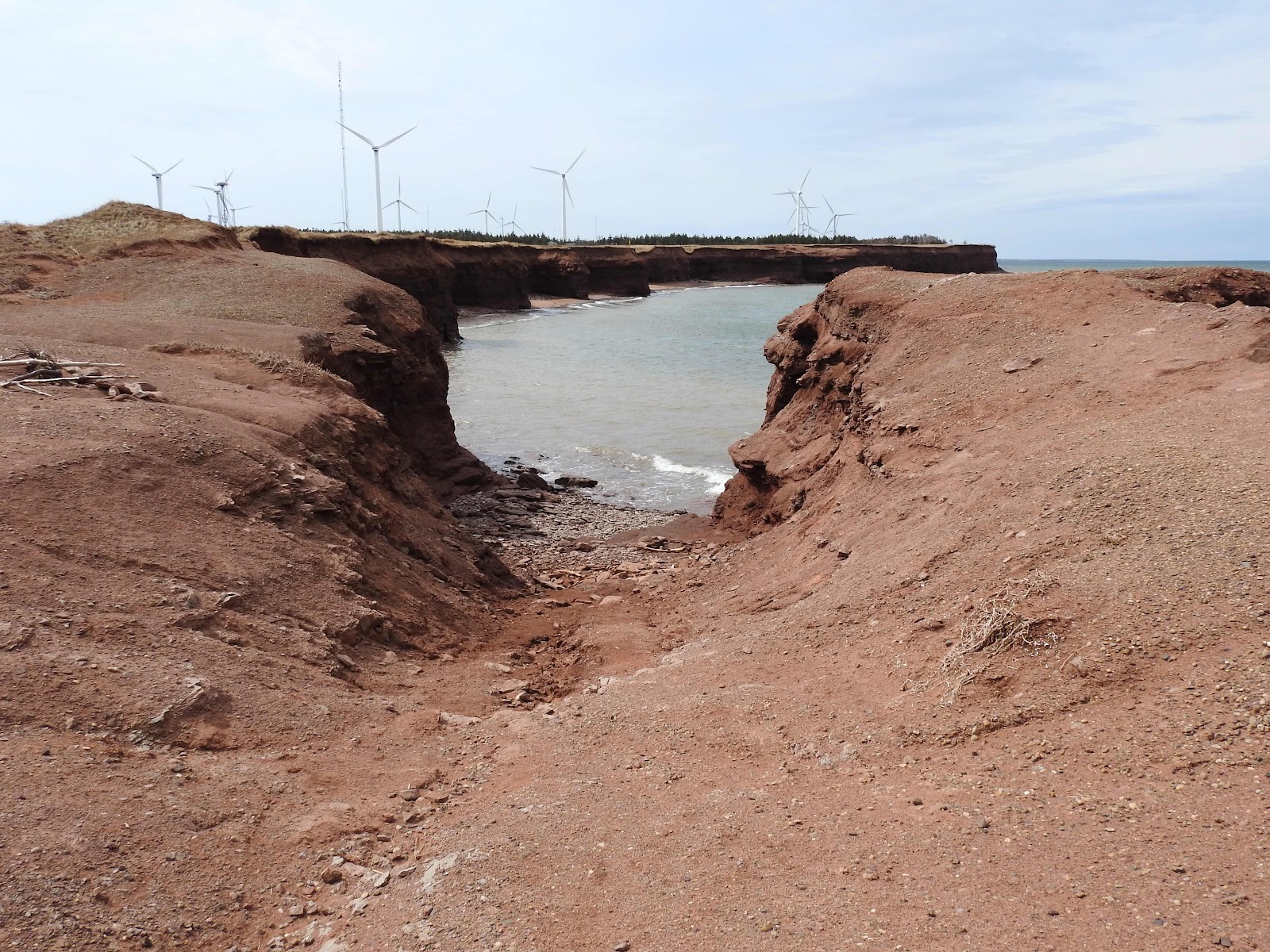
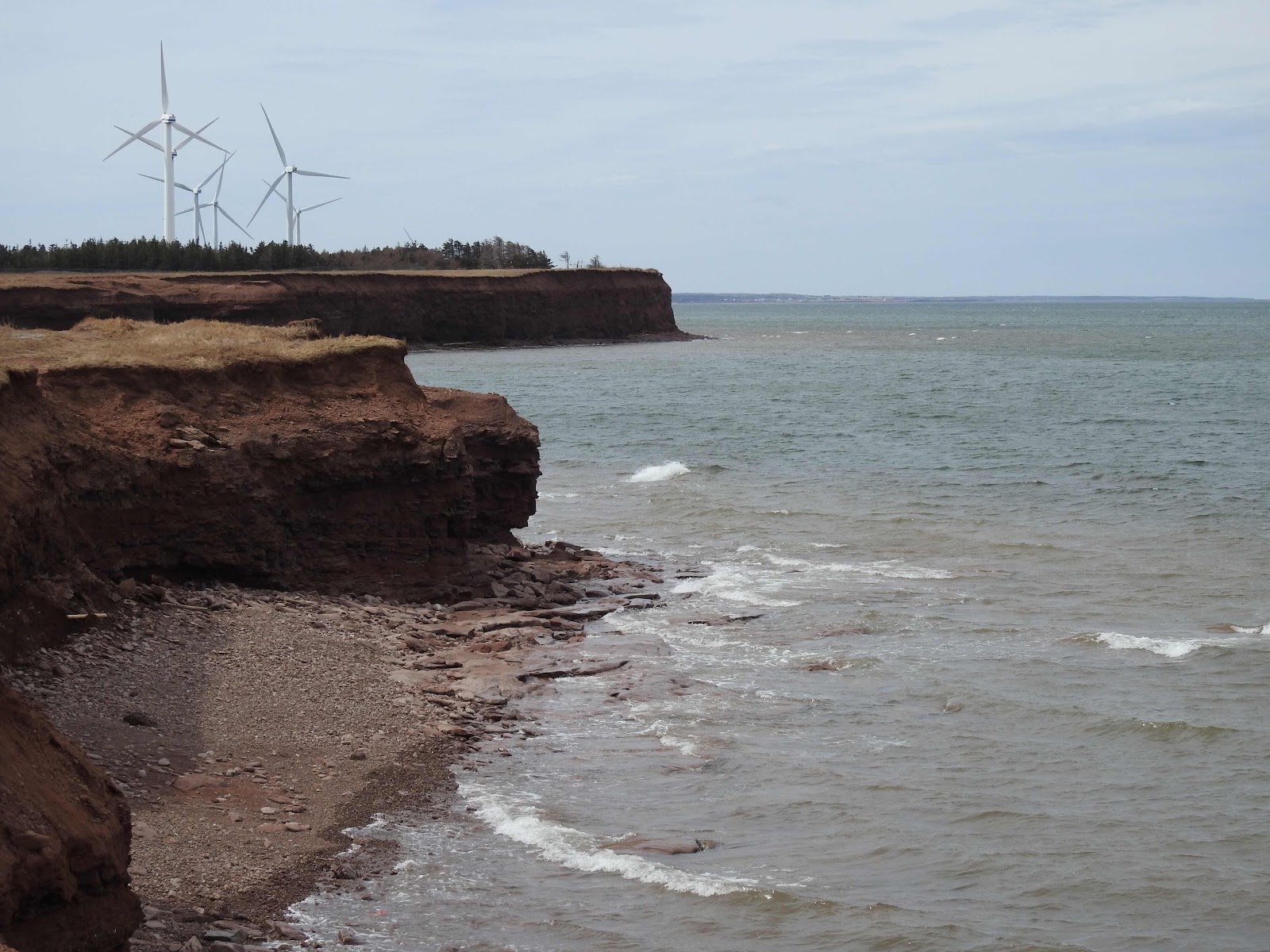
Along the shoreline, a wind farm turns its vanes into the wind, generating electricity without major environmental impact.


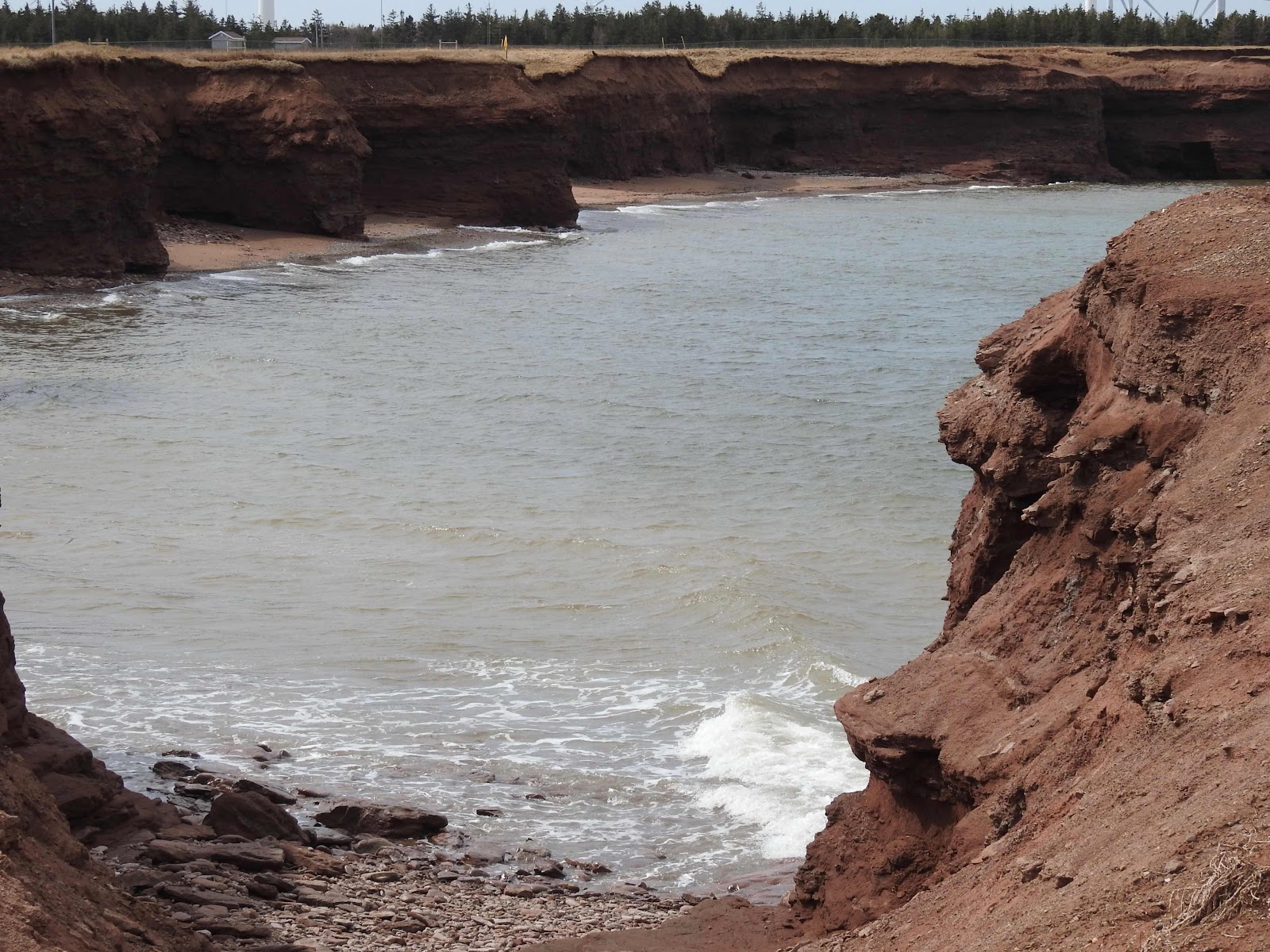
The shoreline itself is sculpted by the wave action, the sandstone giving way to the rhythmic action and constancy of the sea in this exposed area. 


gully to the beach 


is bordered by a sea arch well on its way to becoming a sea stack.


At Tignish Shores, a lone walker is looking for sea glass. She searches there every day the weather conditions and tides allow. 


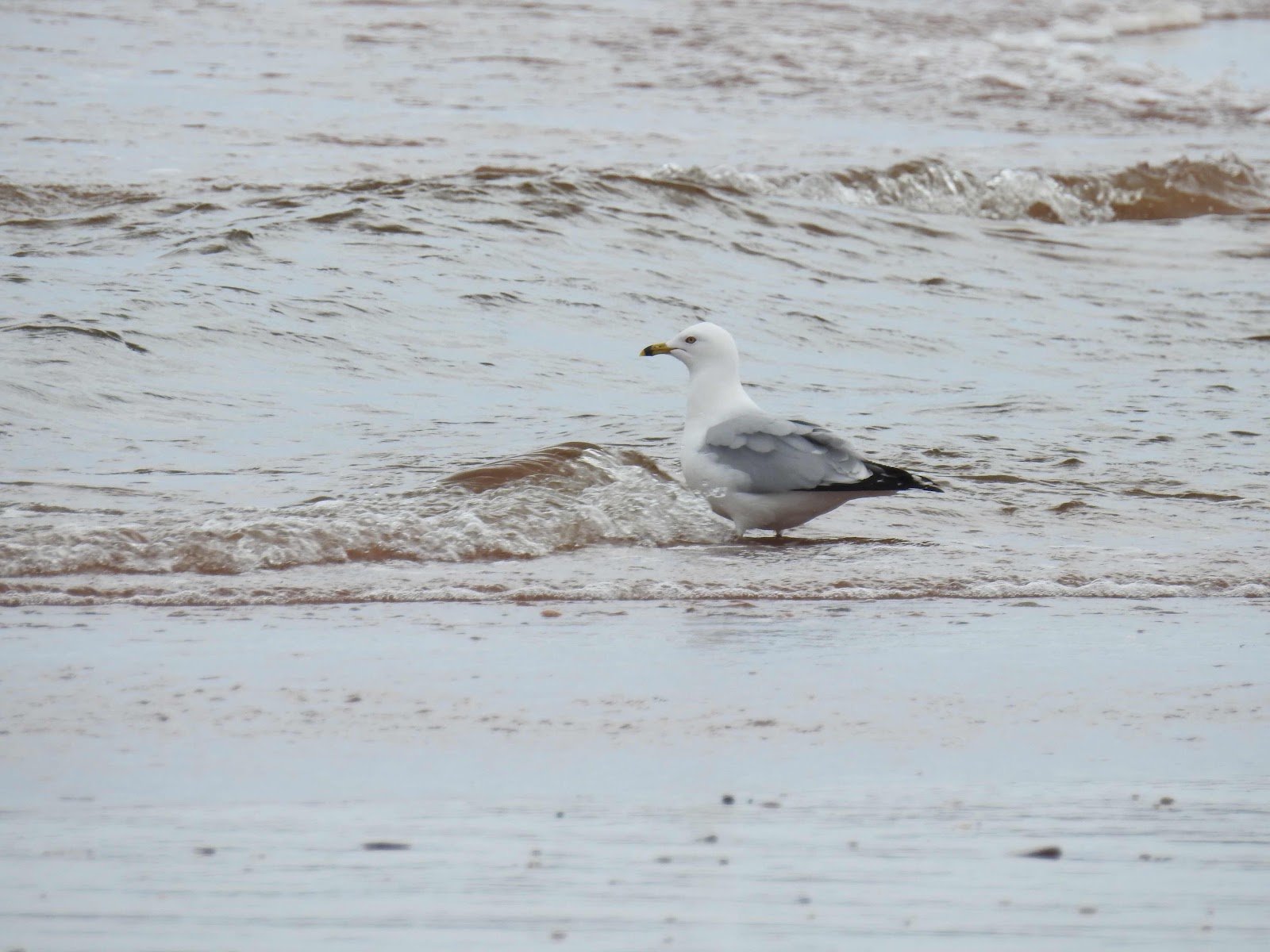
Gulls are her only company most days.


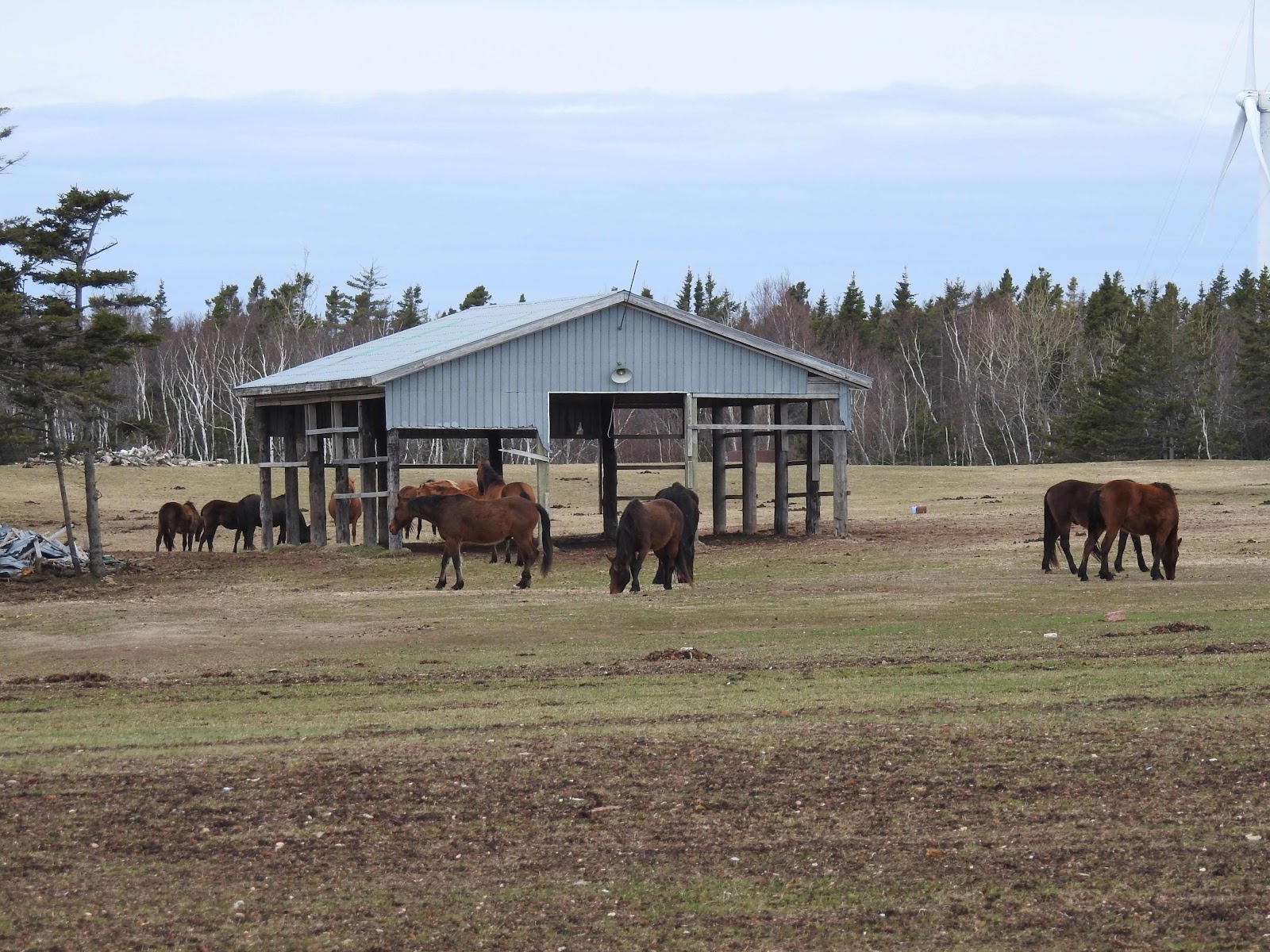
In a field along the road, horses graze while the wind turbines work nearby and the sound of the sea is carried on the breeze.


One’s senses awaken with a visit to the North Cape after what feels like a long winter sleep!


Thursday, 21 May 2020

The beach at Brander’s Pond

The beach at Brander’s Pond is one of our favourites and every year we visit at least once. This year few of the cottagers have returned to the area and we were the only people on the beach. Non resident cottagers haven’t been granted entry to the island yet due to the Corona virus.


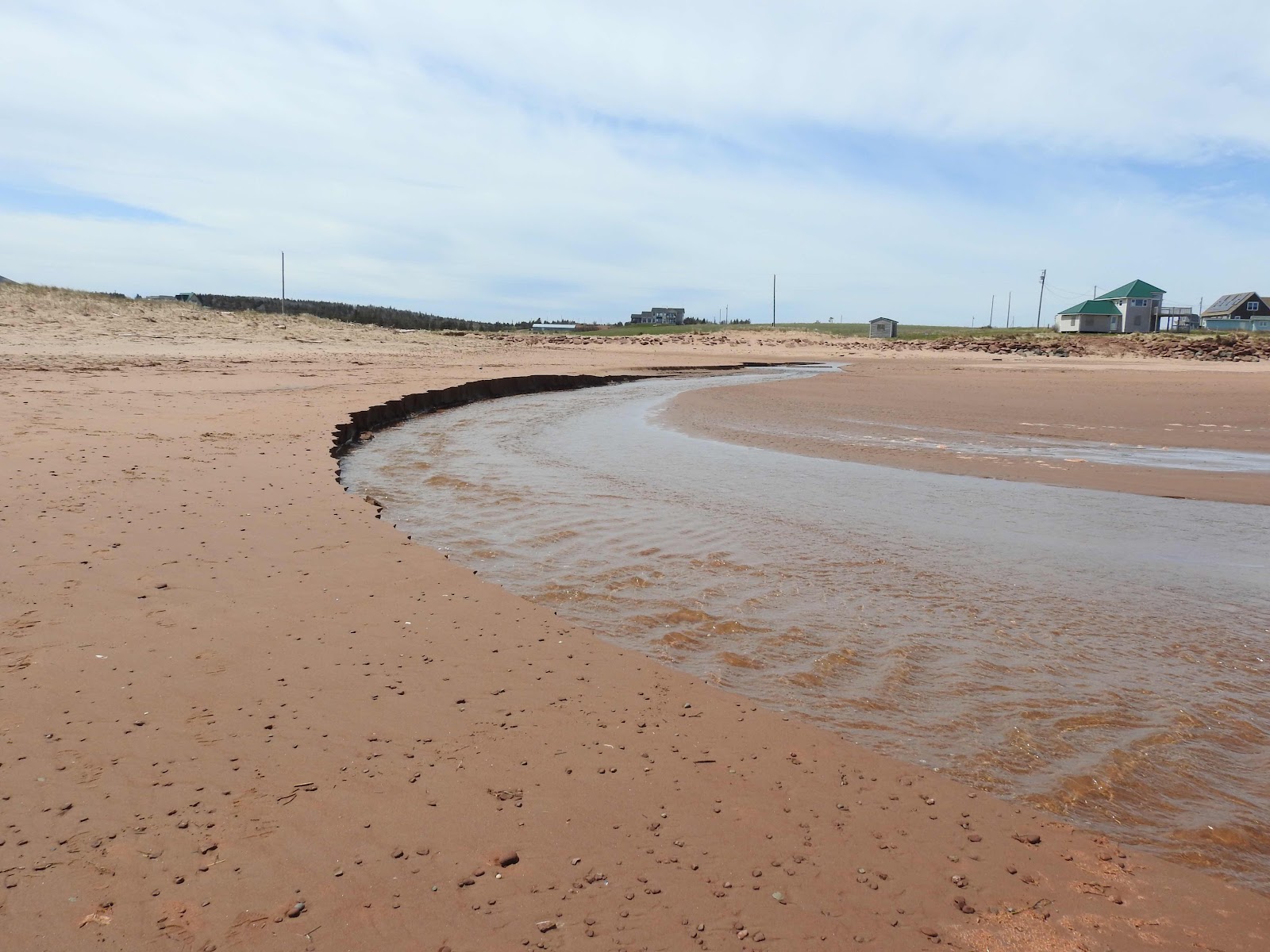
The pond empties into the Gulf of St Lawrence and the water is crystal clear. 


Nearby ducks played in the pond though I couldn’t get a good photo.


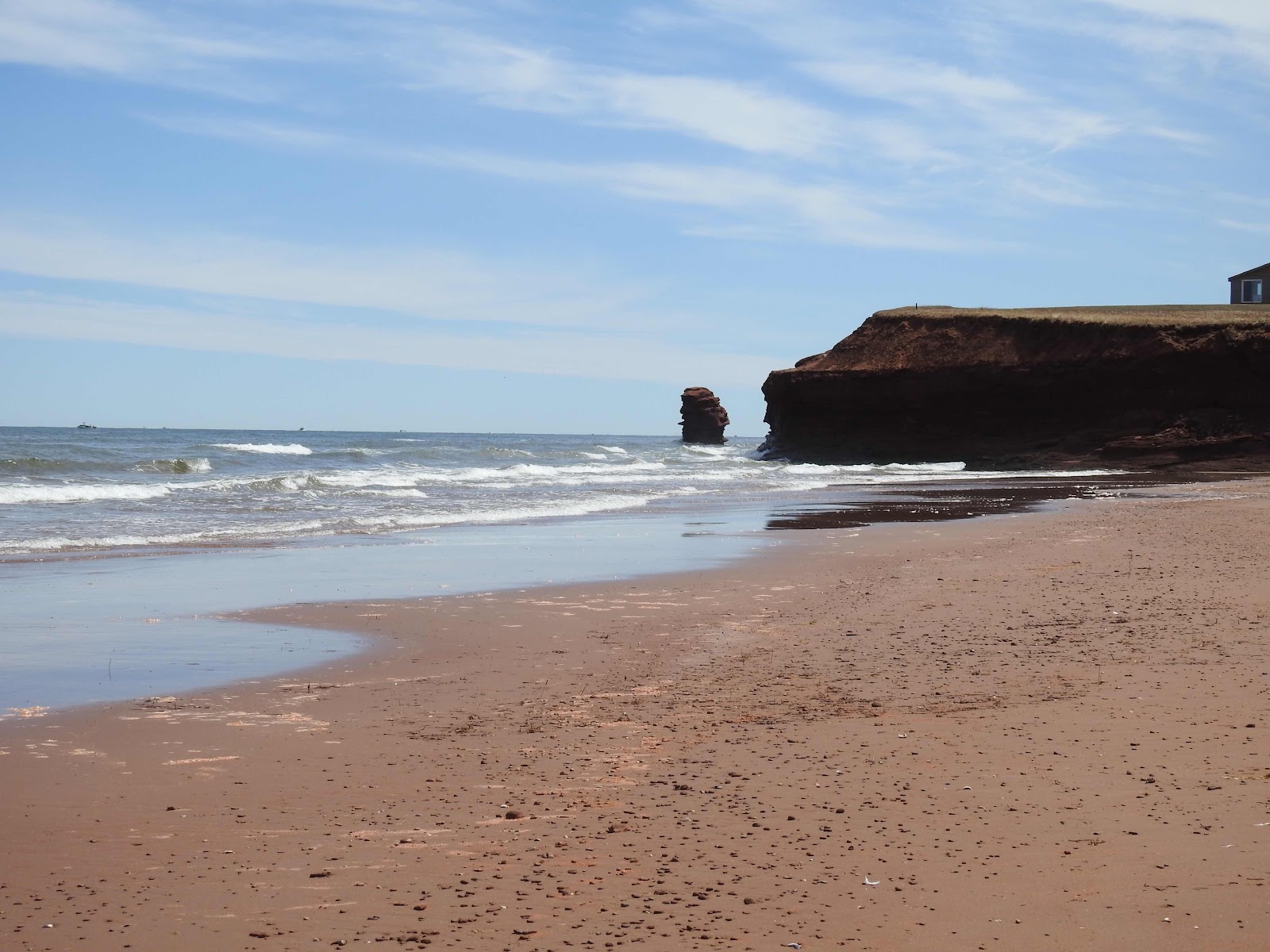
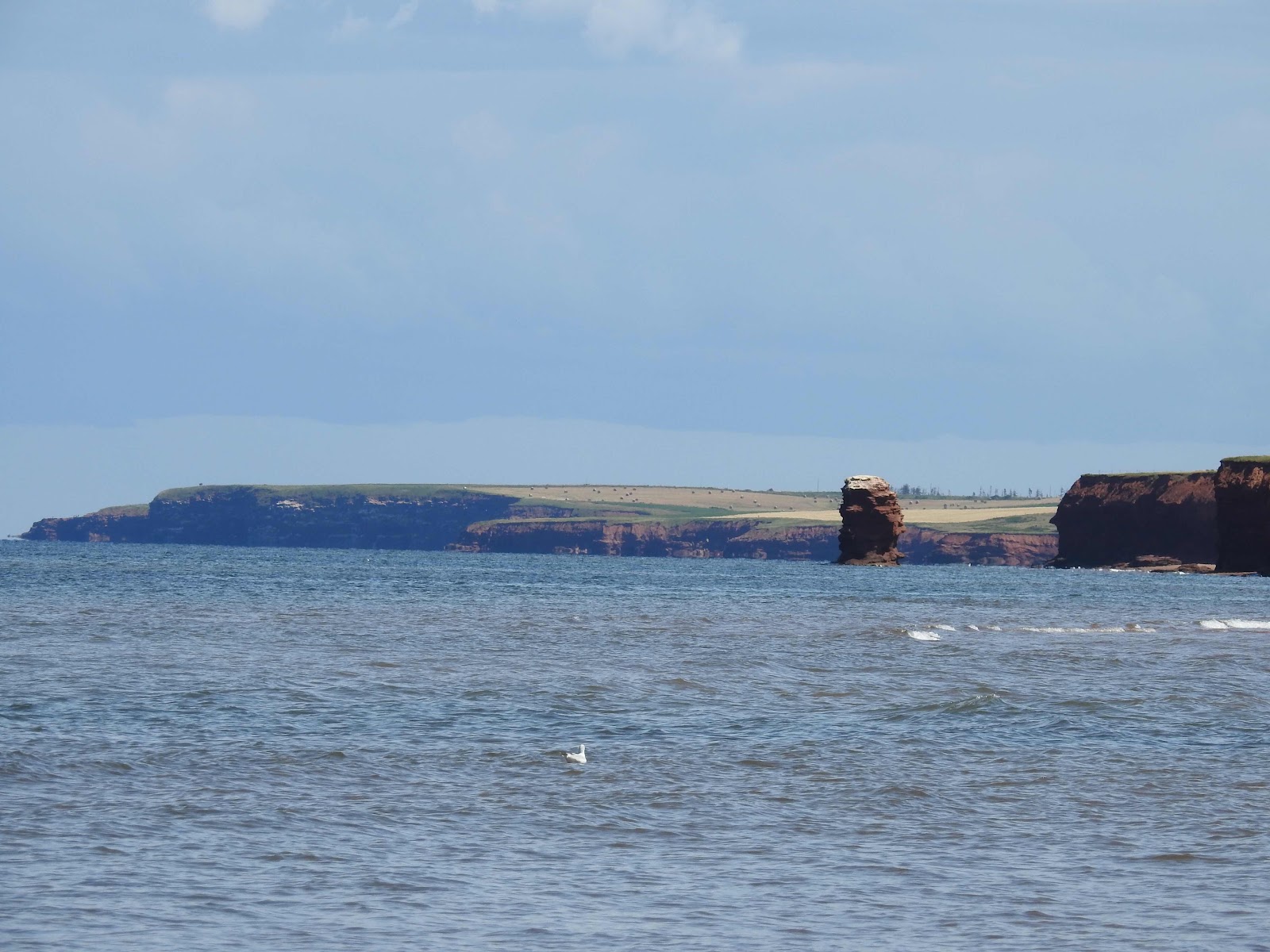
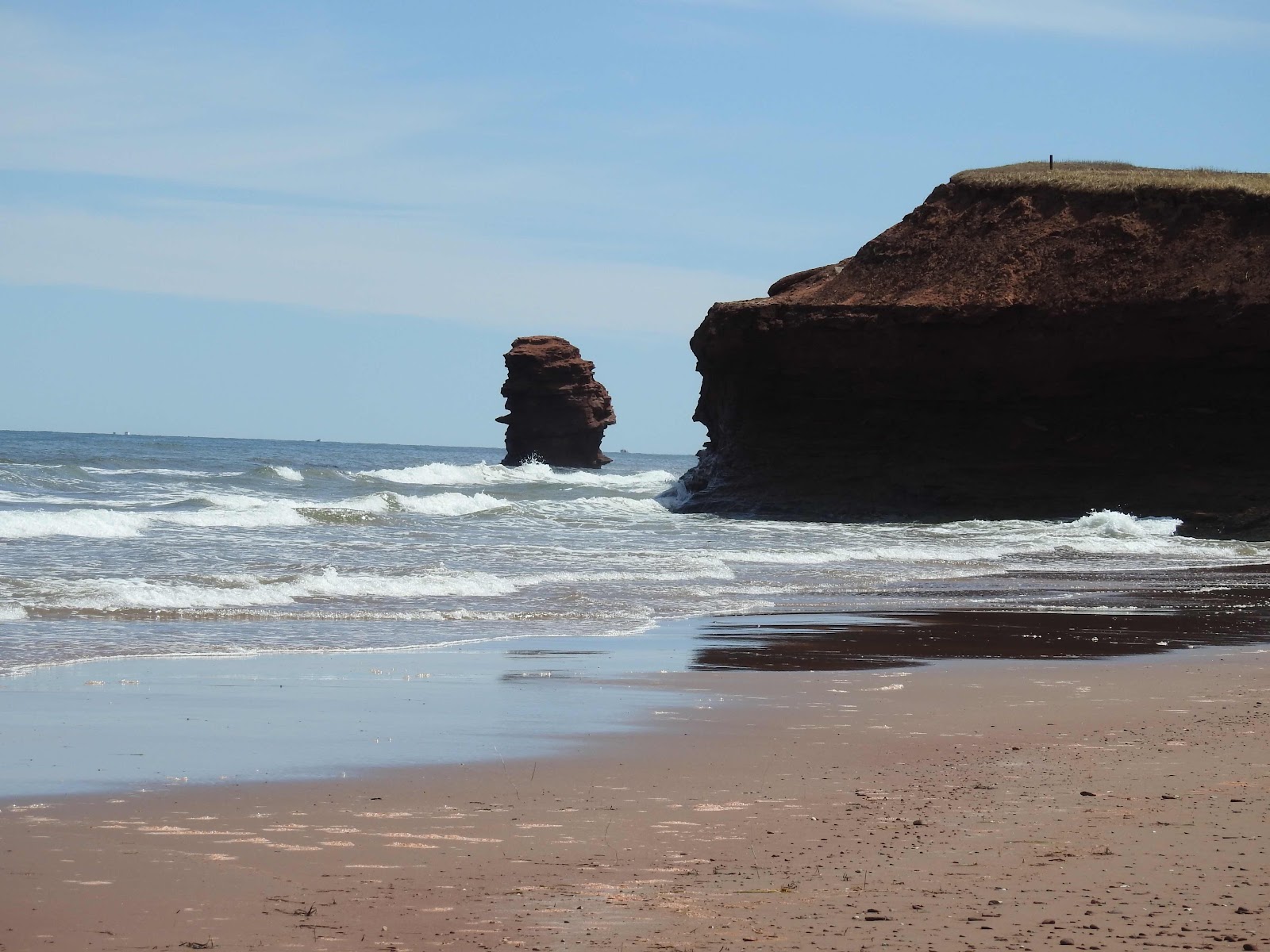
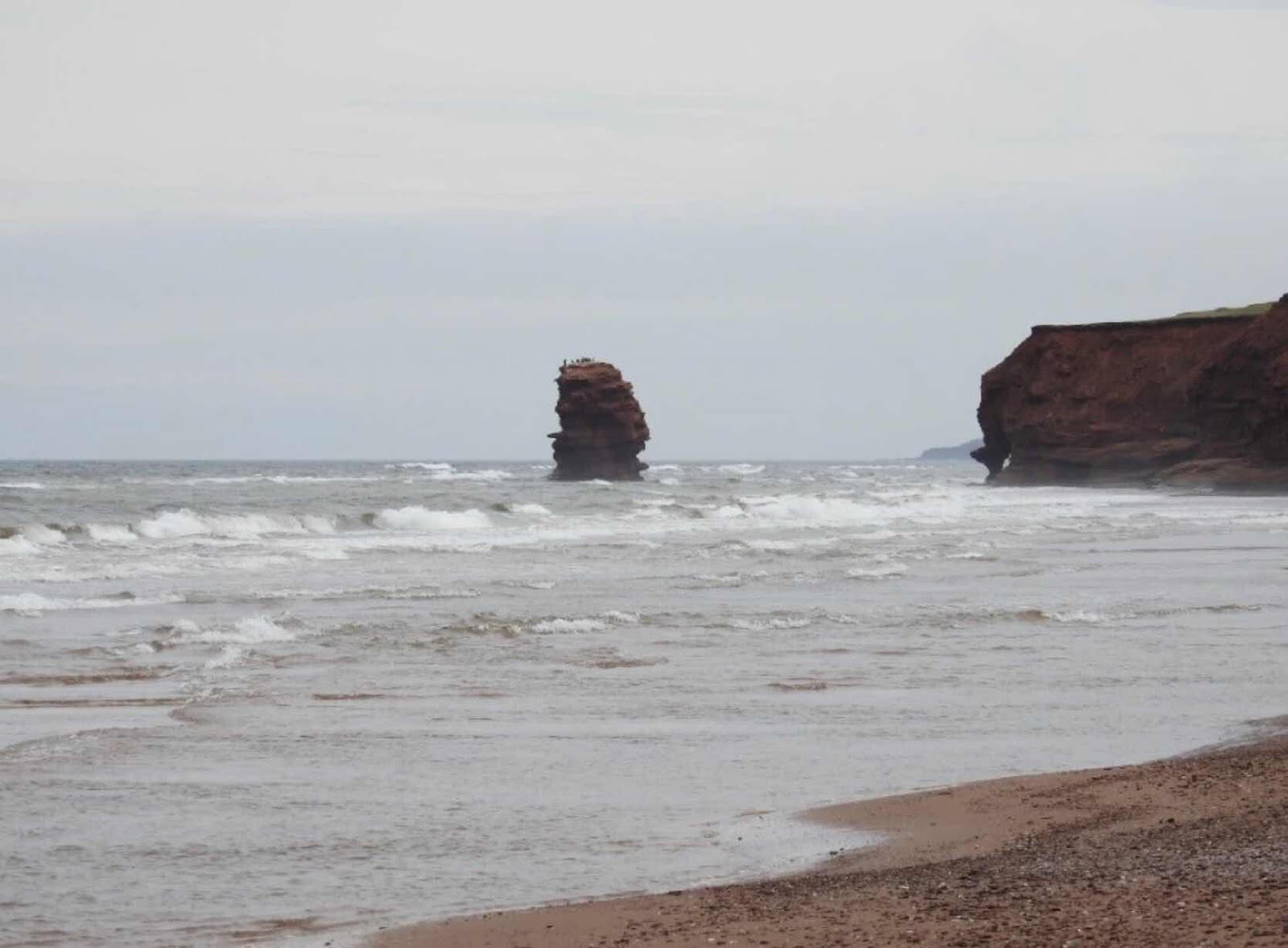
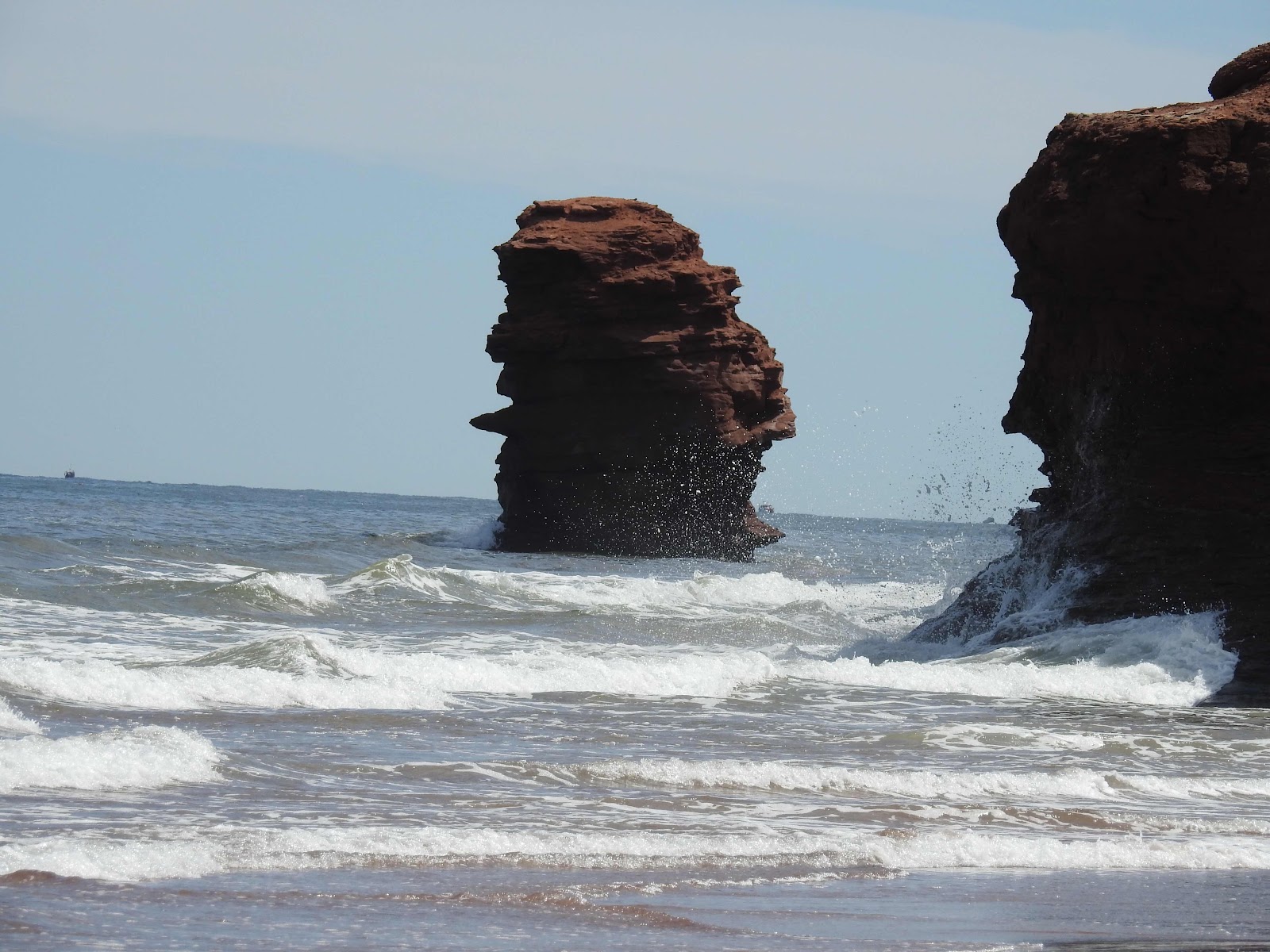
The sea stack along the shoreline is one of the attractions of this area.


Our visit in August of last year resulted in one of my favourite photos of the year. 


The white atop the sea stack is guano of the Double-crested Cormorants who enjoy sunning themselves there. They haven’t returned to the stack yet this year though there were plenty flying along the coastline while we had lunch and watched the fishing boats.


                                                                                2020

The sea stack has eroded over the last three years though not as much as I expected. The shoreline has taken a bigger hit you can see.


                                                                             2017

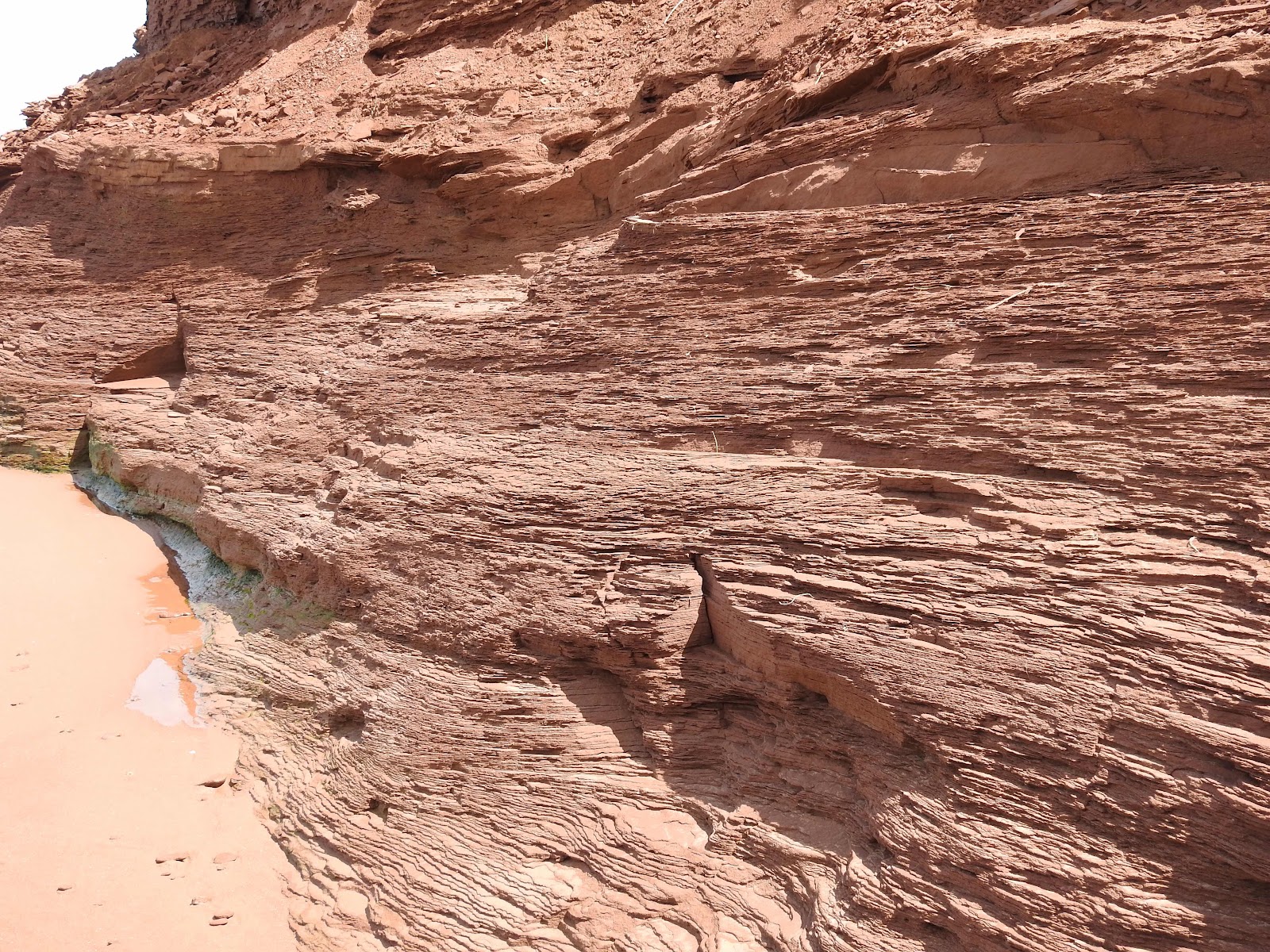
The beach is pristine, with the exception of some fishing gear which washes ashore every year. The red sand and sandstone cliffs are in sharp contrast to the sea. Looking closely at the cliffs, 


one can see the layers of sand deposited and hardened over time which are easily eroded.


The view up the beach draws us onward.


The reality of the pandemic is light years away for a few hours.


Monday, 19 August 2019

Going home

One of my favourite settings in the world is a beach. This feeling about beaches developed during my childhood by the sea. At that time, it was the North Atlantic and a beach with smoothed beach rocks rather than sand. For me, the sound of the sea is like music, the smell of the sea takes me back in time and the sight of its gentle lap or waves of various heights comfort me. It is one of the reasons I love Prince Edward Island so much. Though it is part of my psyche, the sea is also physically near wherever I am on this island. 


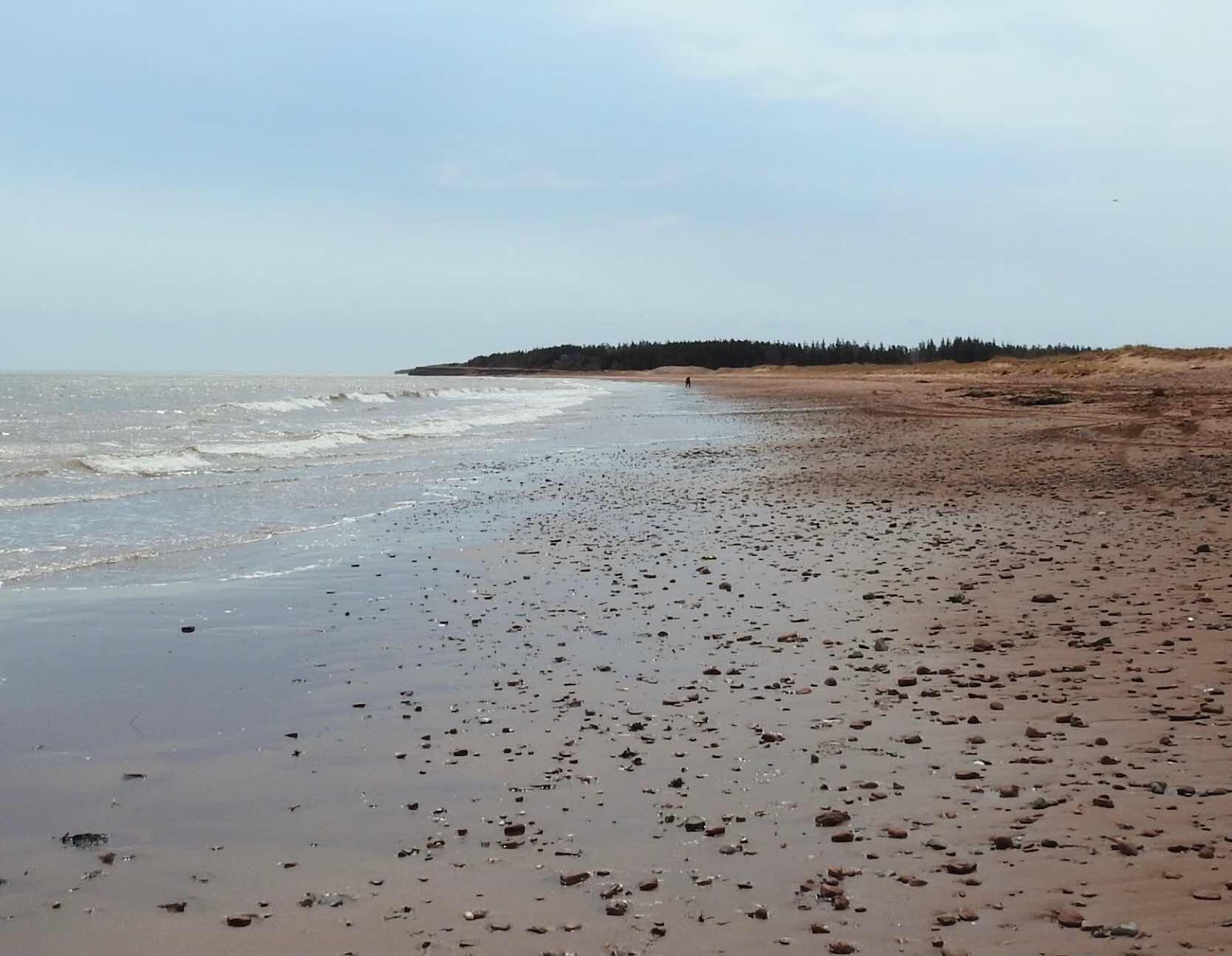
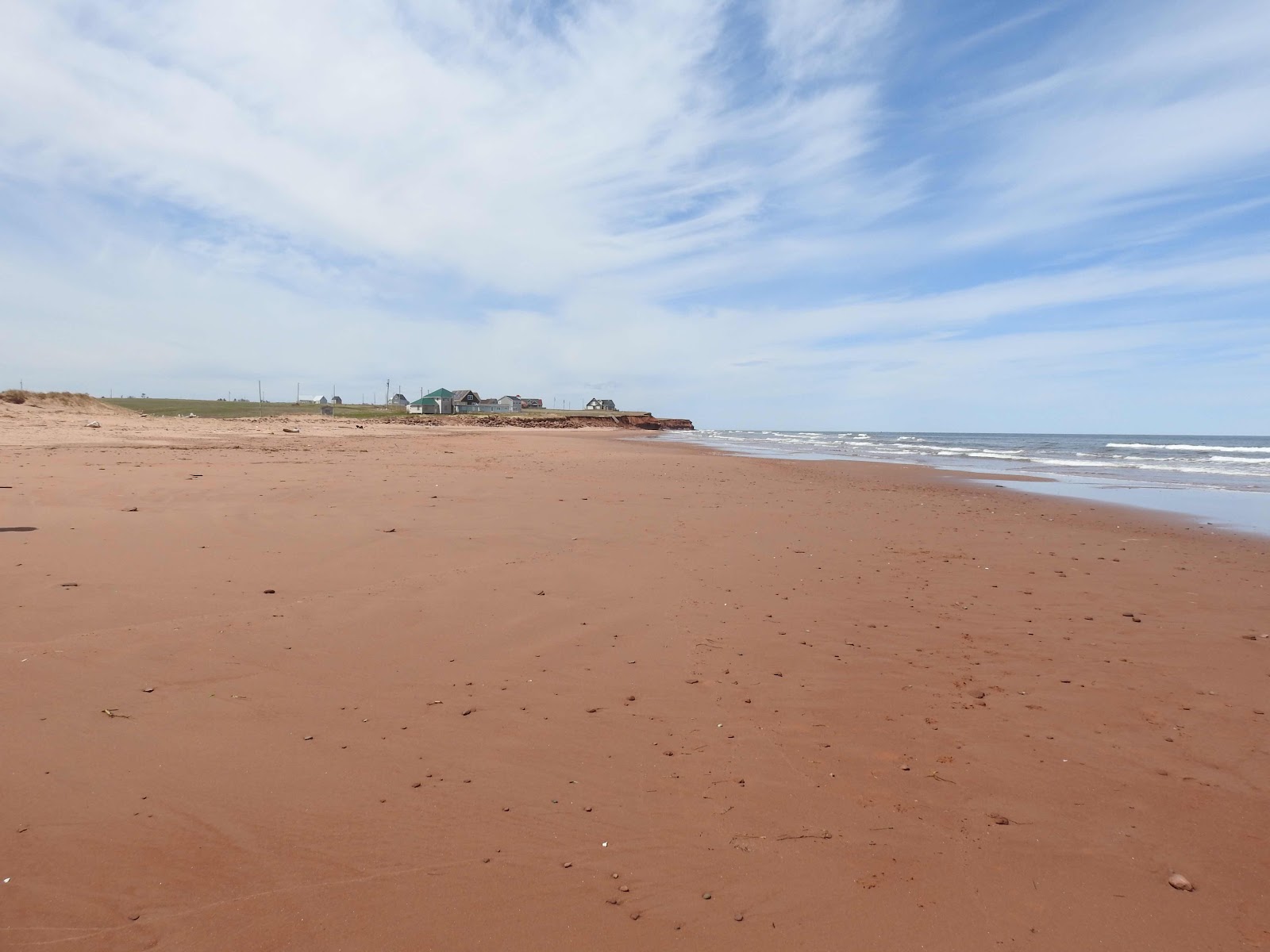
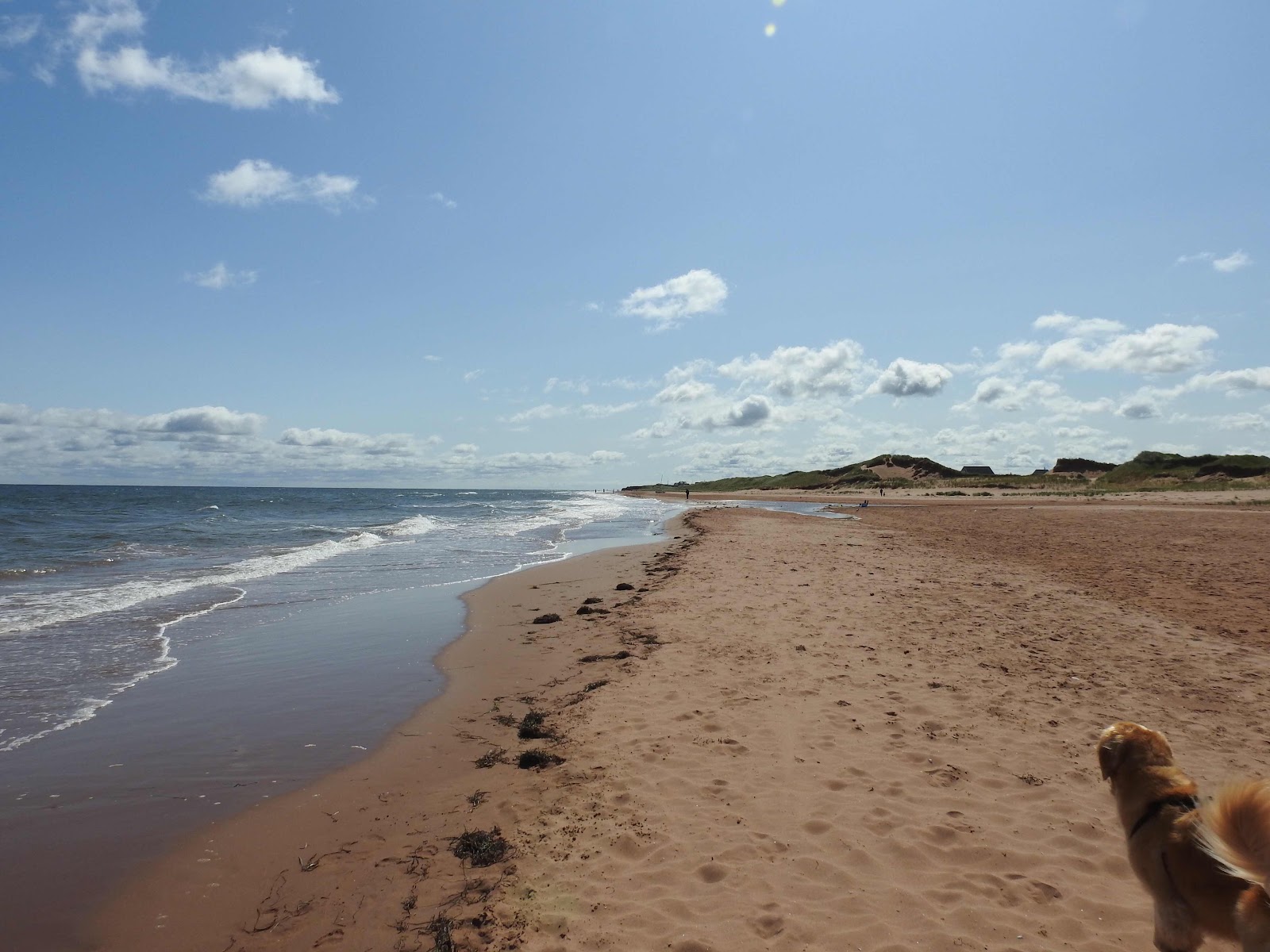
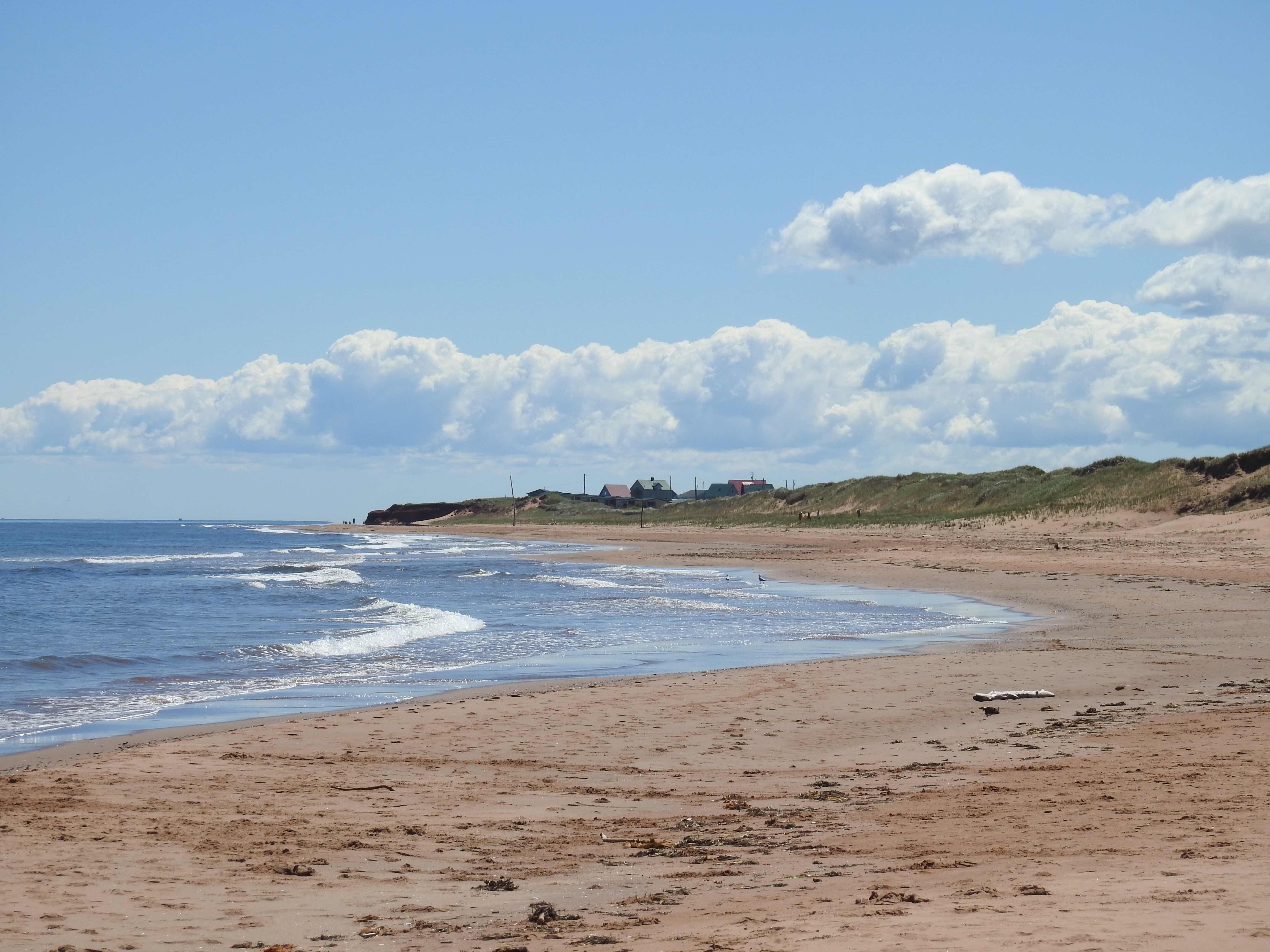
A recent wander brought my husband and I to Thunder Cove, on the central north coast. The beach there feels like it goes on forever.


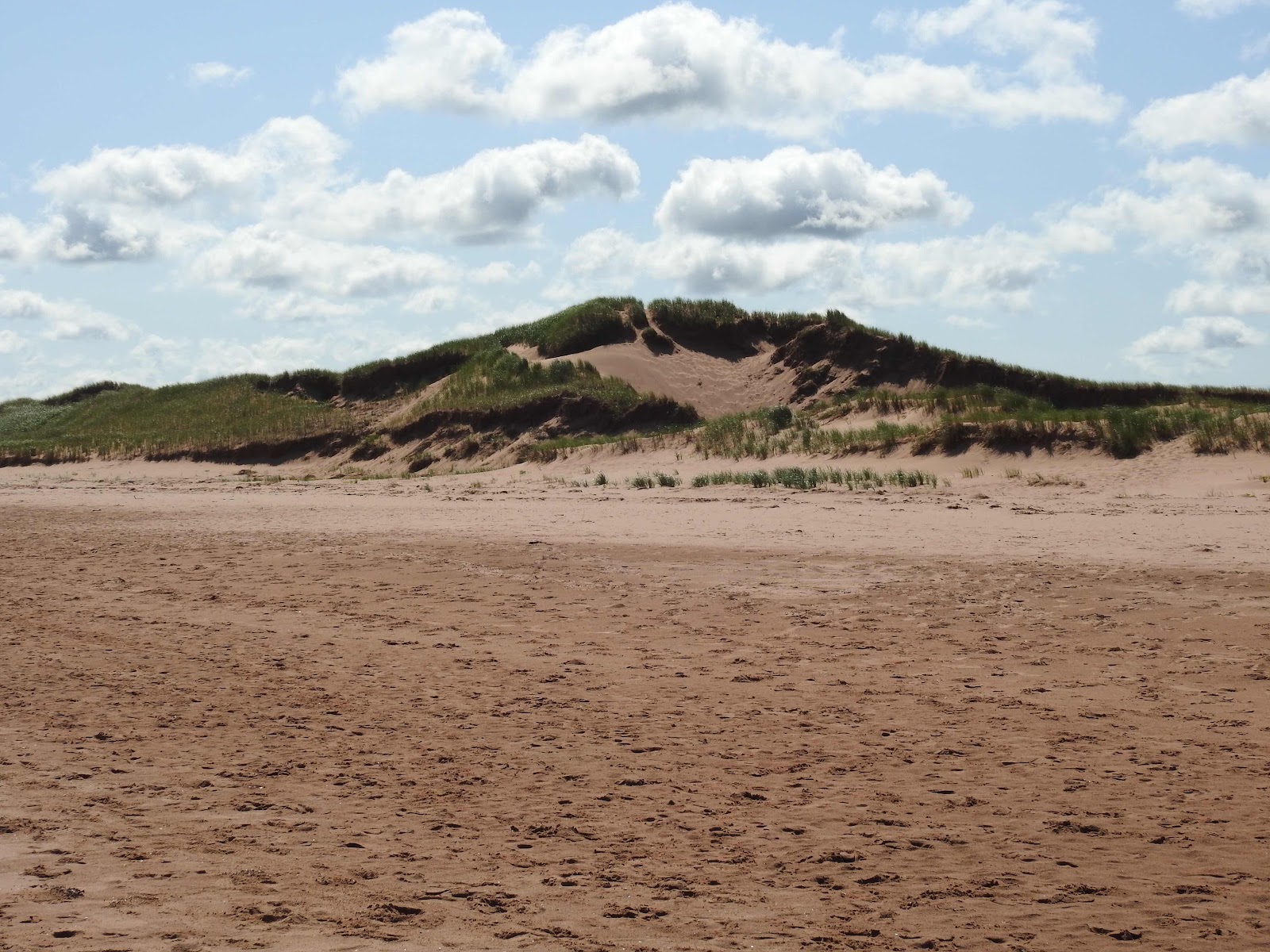
From the red cliffs near the parking area, the shoreline becomes sand dunes covered in Marram grass behind which are several areas with cottages, though few are visible from the beach. This beach is pristine, beautiful red sand with little seaweed at the high tide mark.


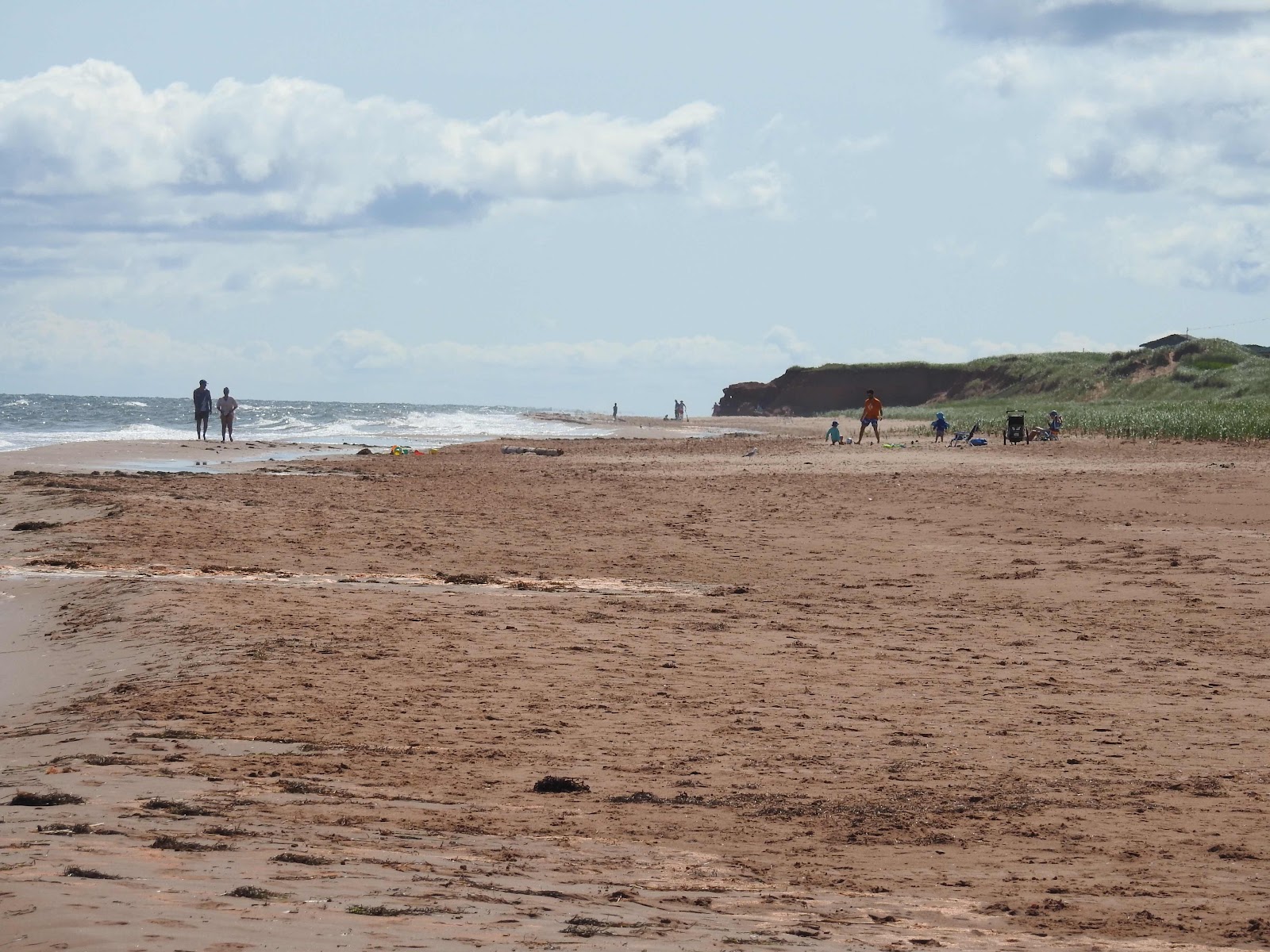
It wasn’t crowded. The further we walked, the more likely the beach goers were cottagers accessing the beach via an occasional trail through the dunes or stairs.


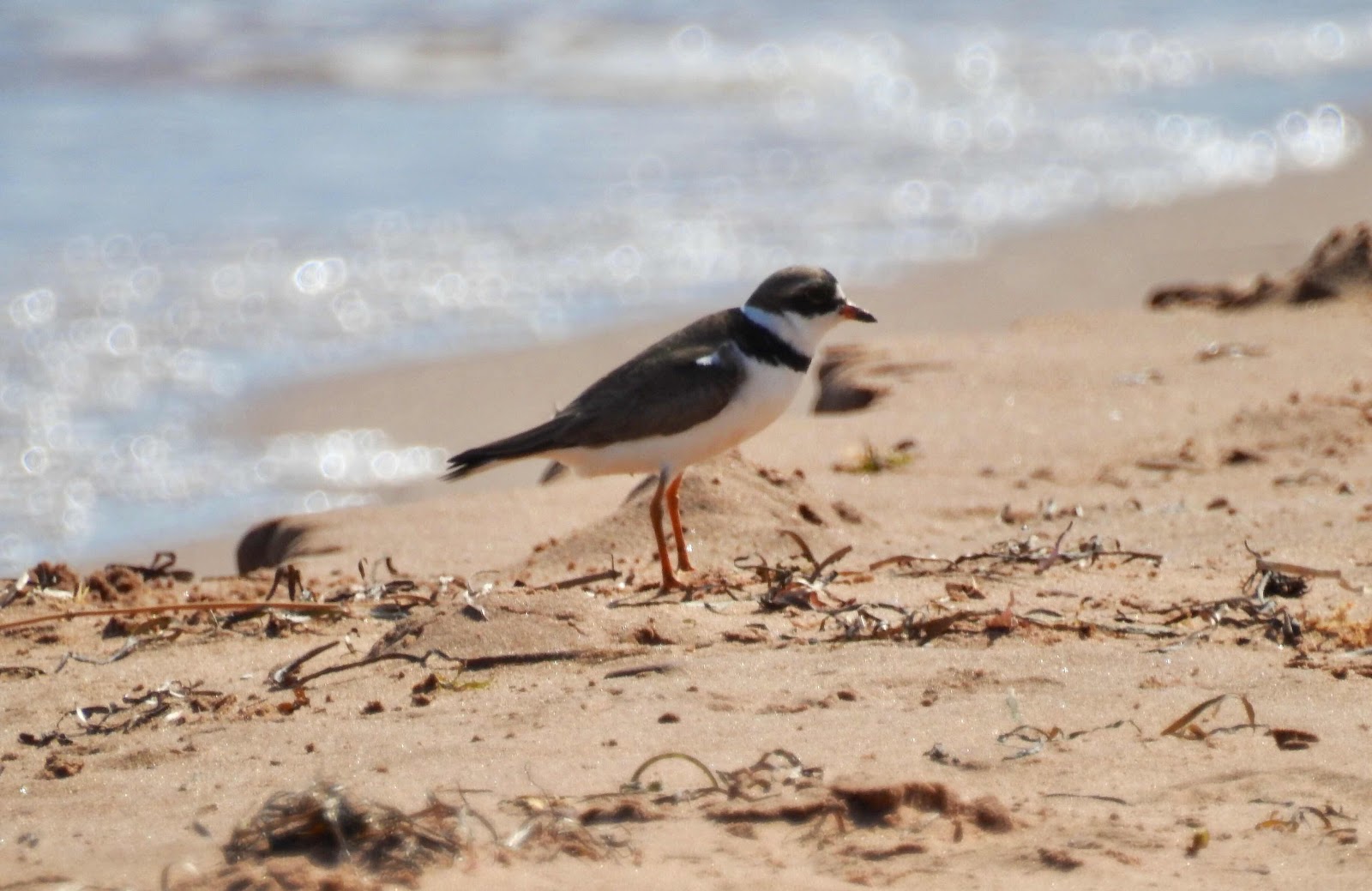
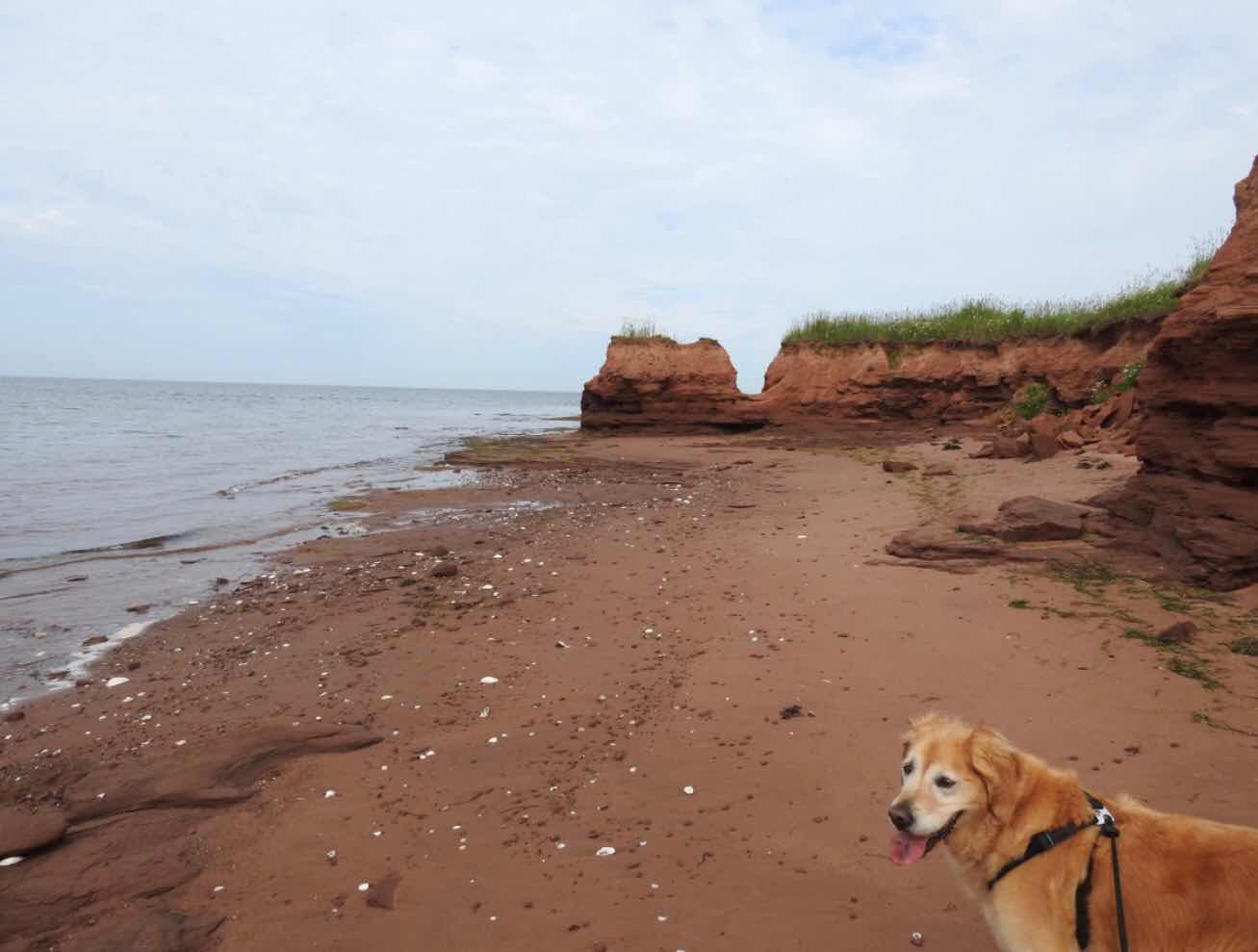
We kept the golden grand-dog on lead because Semipalmated plovers darted along the sand as the waves lapped the beach. 


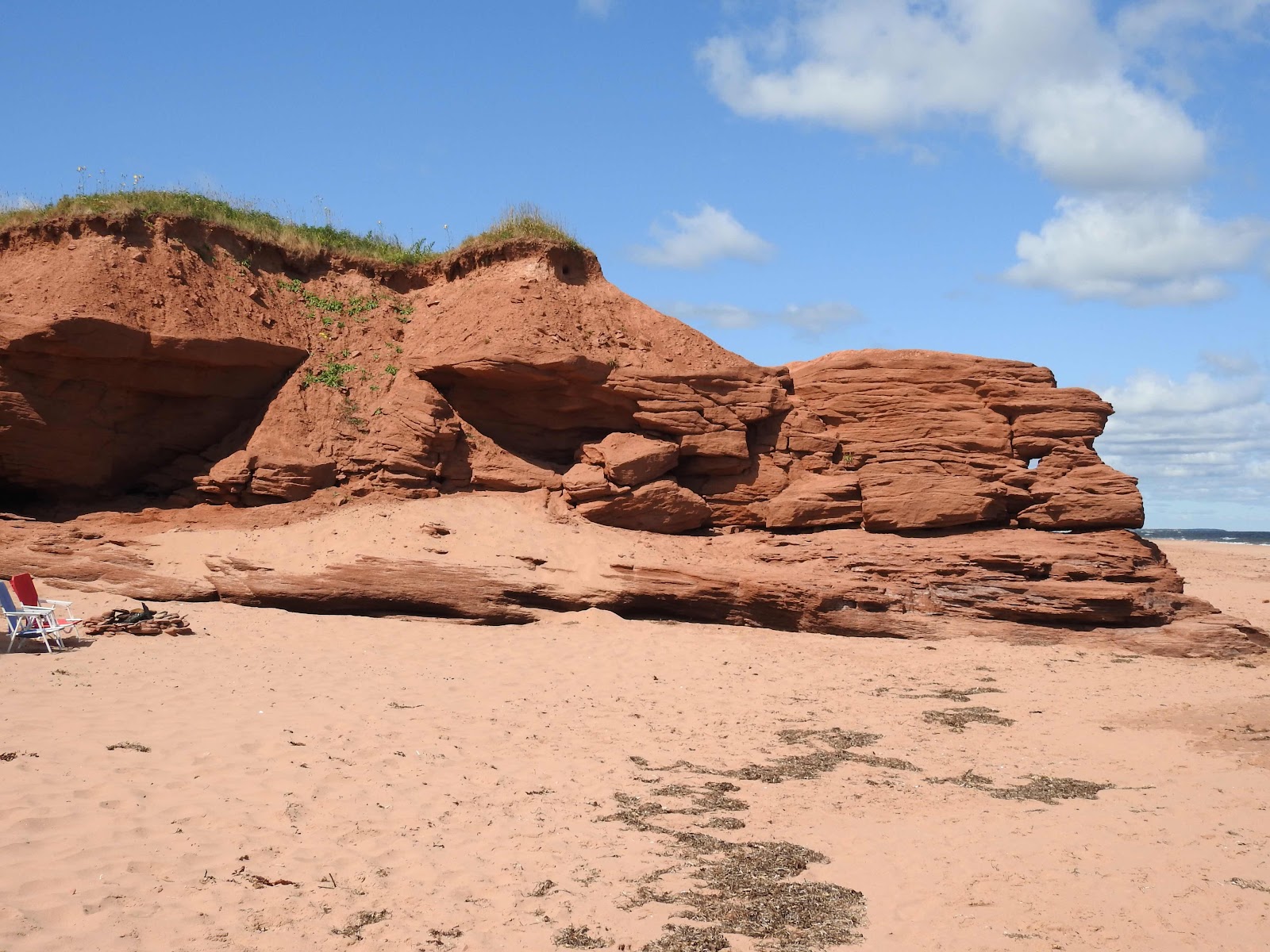
At the east end of the beach, more sandstone cliffs separate Thunder Cove from the next beach, a shorter though equally beautiful one. 


The sandstone here is well weathered and doesn’t look stable. It is not an area for climbing though one might be tempted to do so. Above in the earth over the sandstone, a hole indicates a bird might be home, probably a bank swallow.


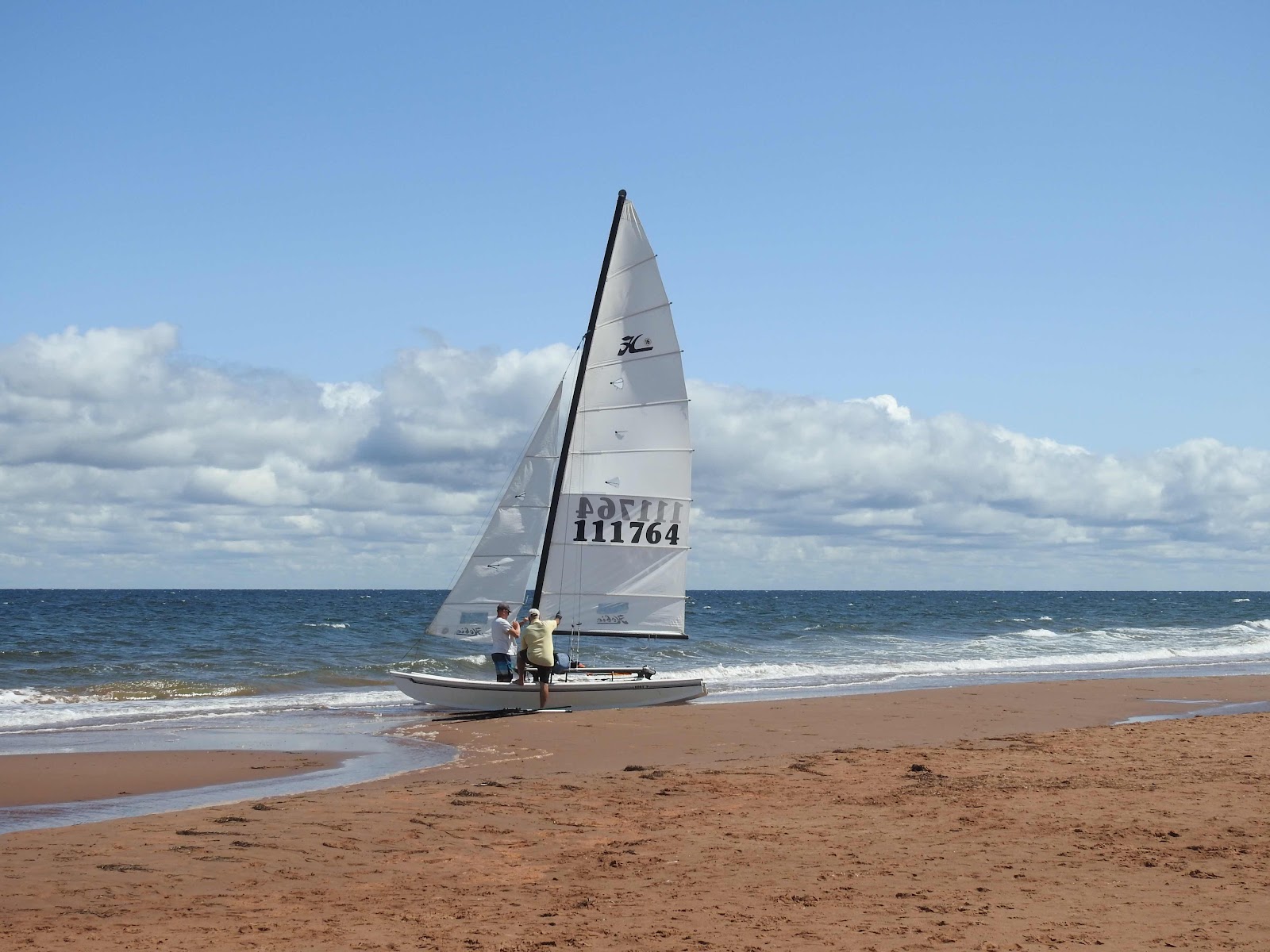
Two men prepared to launch a catamaran into the on-shore breeze as the tide receded. We watched as they hoisted the sails but didn’t see them leave.


This beach is nothing like the beach of my youth, however, the essentials are the same. The sound, smell and sight take me back to another time and place but one just as beautiful. The truth is when the sea is in your blood, you are never far from home.


Thursday, 25 July 2019

At the beach house in southeast King’s

The beach house is on the southeast shore of Prince Edward Island in King’s county. We rented the house, about an hour and a half from home, for a week recently with our daughter and the grandkids.


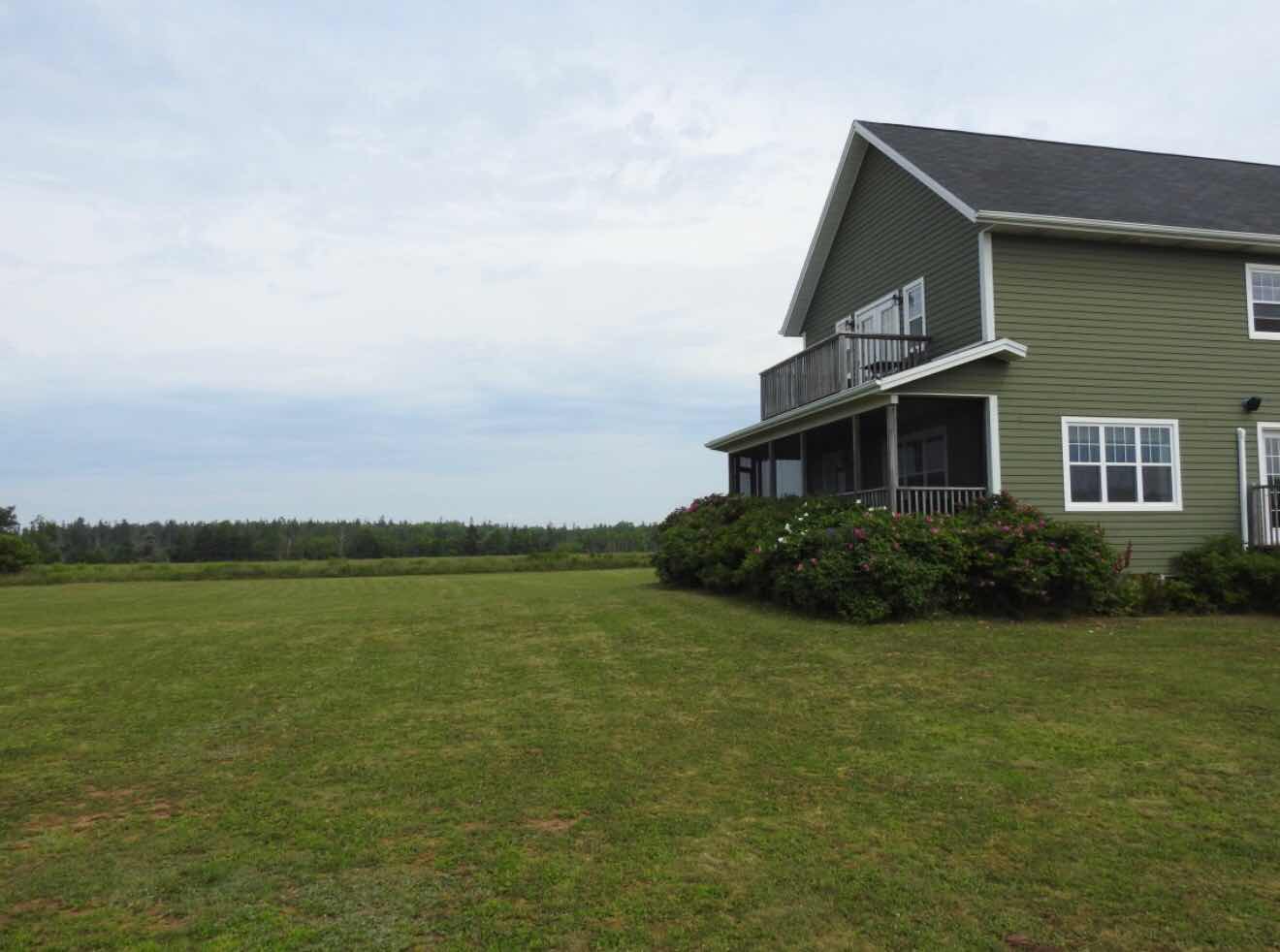
The house is down a long, narrow, tree-lined, red dirt road to the sea. It sits at the end of farmed fields, which grow soy beans this year. Decks on the house overlook the sea and a screened area with a hot tube makes for relaxation and comfort away from insects.


We only saw four other people walking the beach the entire week. It is pristine, the red sand lapped by the waters of the Northumberland Strait. The gentle breeze cools the body enough to be comfortable in the summer heat.


The shoreline shows evidence of erosion along its length. The soft red sandstone which breaks apart if you drop a piece is easily washed away. In places, the ocean can take a meter of shoreline every year.


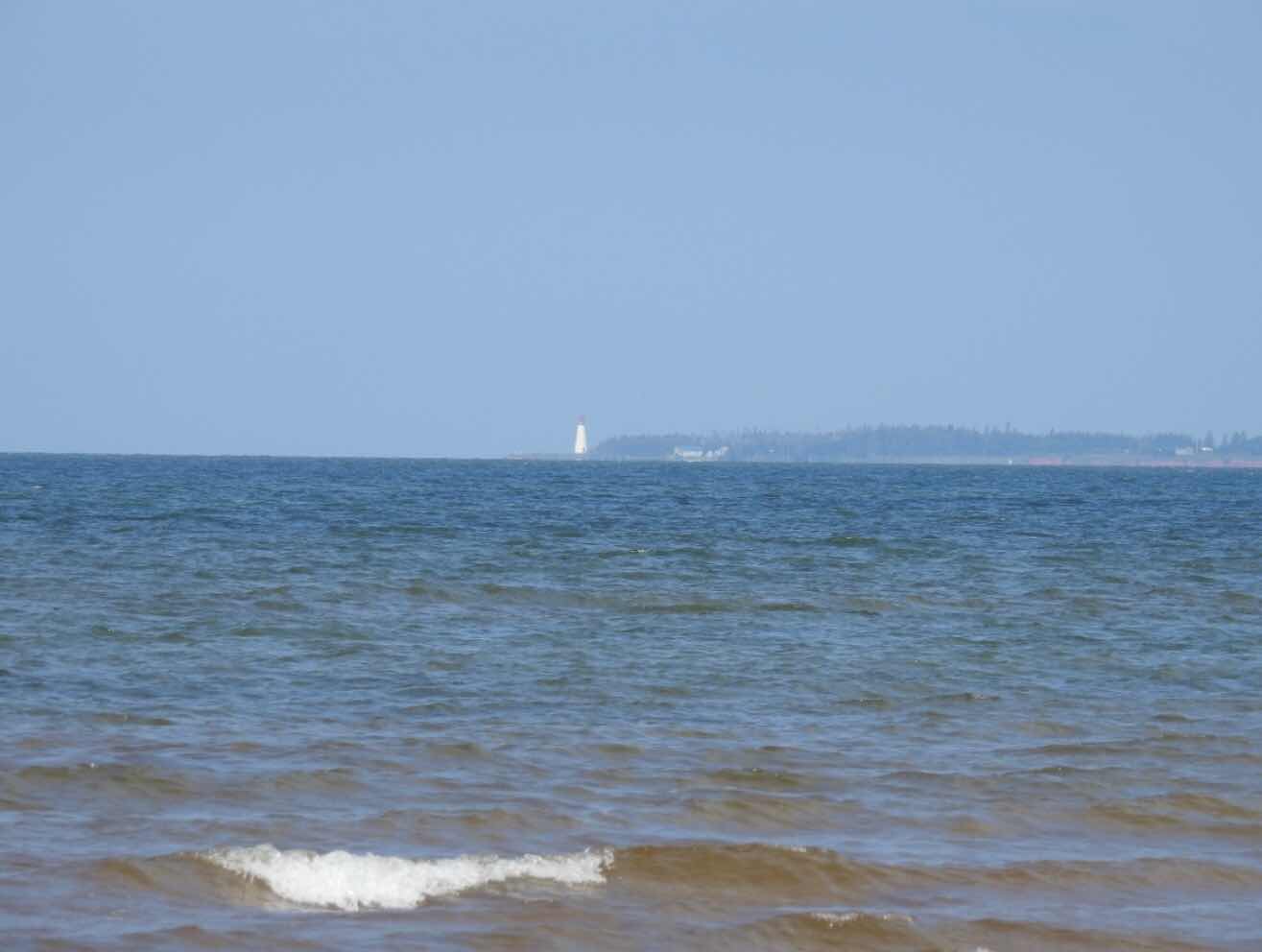
Walks on the beach fill the morning with the golden grand-dog enjoying every minute off lead, sniffing every nook and cranny. She, my husband and I walk further than the kids who prefer to play in the sand. Off in the distance, the Point Prim Lighthouse stands watch as it has for more than a century.


Sea life abounds, as rock pools appear at low tide, revealing moon snails, crabs, hermit crabs, clam and mussel shells, whelks and limpets.


Suppers are later than usual and fires on the beach fill the evenings as the kids roast marshmallows. 


The rhythm of life slows down as the rhythm of the sea takes over for a few days every summer. 


Friday, 13 July 2018

Rock faces

At Thunder Cove the beach is pristine. The eastern side is lined with sand dunes. 


To the west the sandstone cliffs line the beach, and the wave action forms interesting features such as sea stacks. However, the cliffs themselves are worth a look as the sea works its erosive magic on them every year.


Sandstone erodes easily. Today, the cliff looks a long distance from the water’s edge. 


Not so during seasonal storms, especially during high tide, when the water licks at the sandstone and erodes it easily. 


When we visited the beach last year, one place had a phone booth sized opening in the cliff. This year, the change is dramatic as a huge area of sandstone has disappeared, creating an area more than ten times the size it was last year. This beach is eroding at an alarming rate.


The sandstone itself shows the rounded profile of water action. 


A developing sea cave shows how high the seas are sometimes, more than a meter above the sand.


A tunnel may erode into existence here. Could another sea stack, albeit a small one, follow?


And all along the cliffs, faces look out from the sandstone.


As nature does its work, their expressions will change or they’ll disappear over the next year,


 like the humans who gaze upon them. 


Monday, 2 October 2017

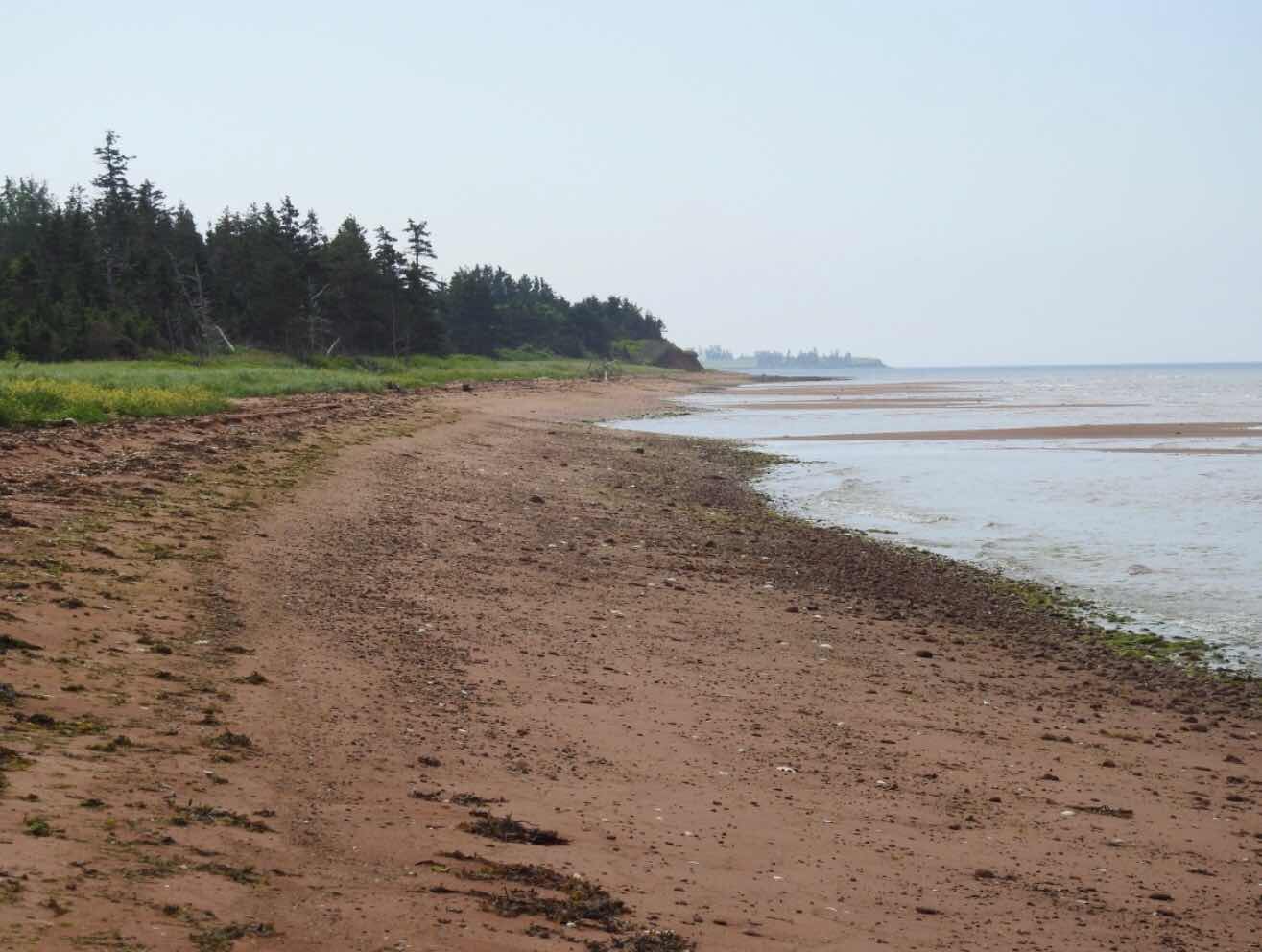
Comedy by the sea revisited

Every September we take in a comedy show at the village of Victoria by the Sea, Prince Edward Island. The little village does not change much from year to year. A new house on the corner, 


a new paint job for another house are among the changes this year. But, the village looked different because of our new vantage point.


This year, the tide was low, so we ventured along the beach 


and onto the exposed sand bars to see the village from what has been the sea on our previous visits. 


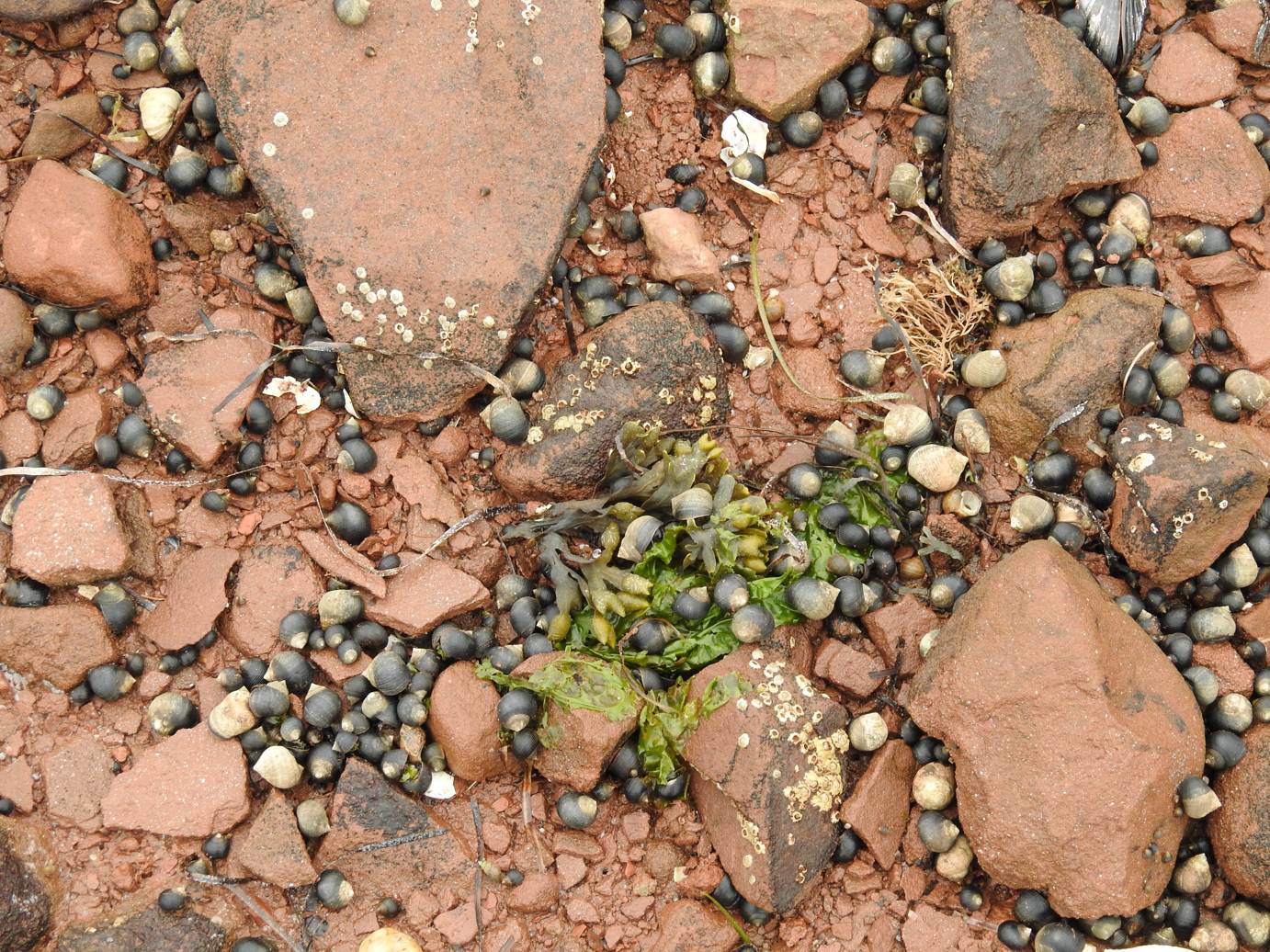
The red sea floor was covered with sea snails or periwinkles, seaweed and barnacles. 


Along the water, a yellowlegs foraged for lunch, while a flock of cormorants rested nearby.


Exposed sandstone looked like sand.


Looking to shore, the wharf, with its restaurant and gift shops appeared small in the distance. 


Later, on the way to the theatre, this colourful door caught our attention 


as did this plant stand.


It was the end of the theatre season for 2017.


Now the village will return to the quiet lifestyle the residents enjoy for the remainder of the year.