Most Popular Post

Showing posts with label canola. Show all posts

Sunday, 14 July 2024

July beauty

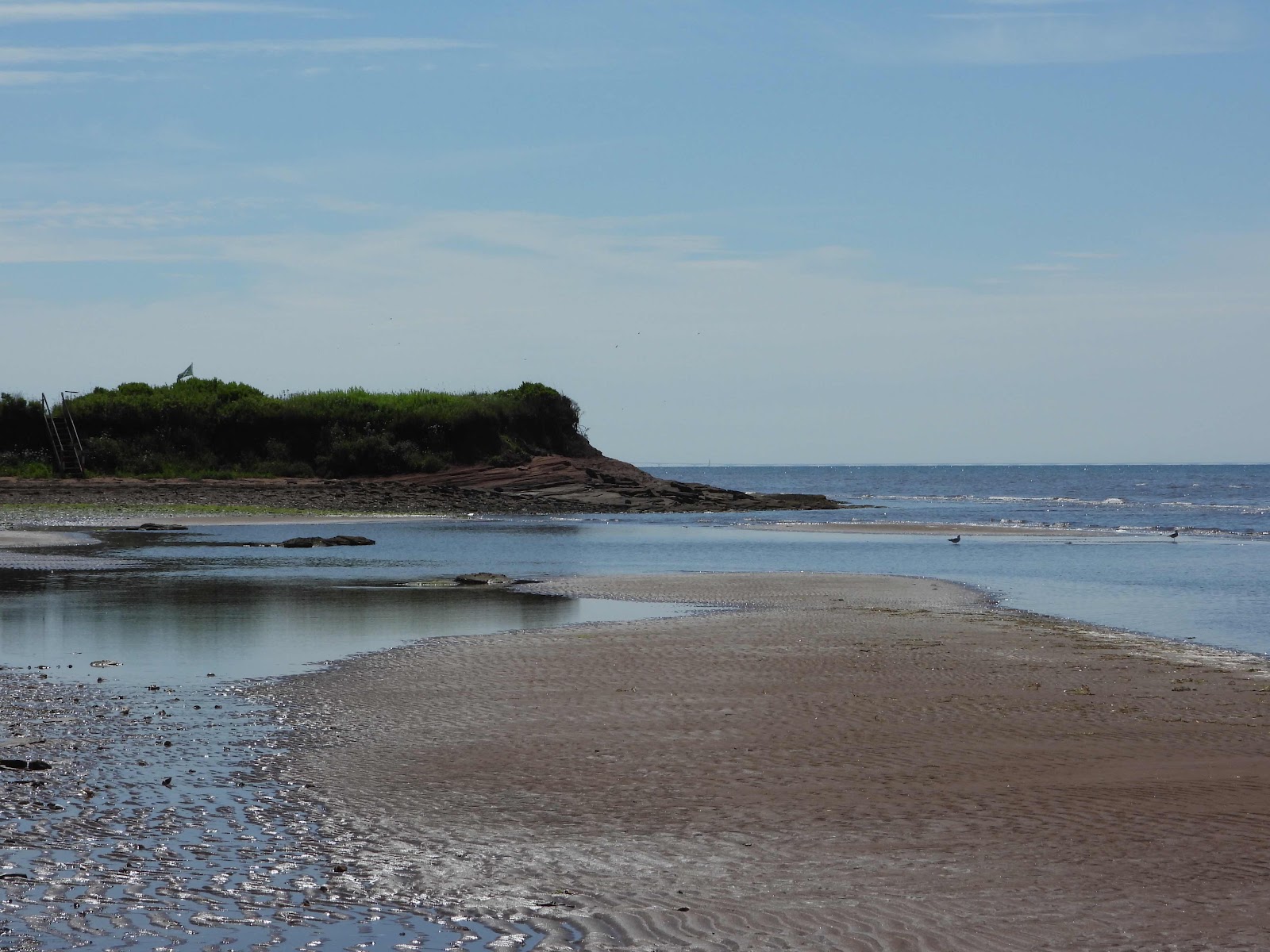
The golden grand-dog stayed over last week and my husband and I took her to beaches for morning walks before the worst of the heat and humidity. It has been hot, humid and wet from bouts of rain between beautiful sunny periods. Farmers are loving it.


On the beach, 


Daisy, the golden retriever is in her element. 


Toss a ball in the water and that dog will return it endlessly. 


We always tire before she does. 


Driving through the countryside this time of year, one is struck by the bounty of food growing in the fields. Already the potatoes are in blossom, 


much earlier than I remember on my grandfather’s farm when I was a child.


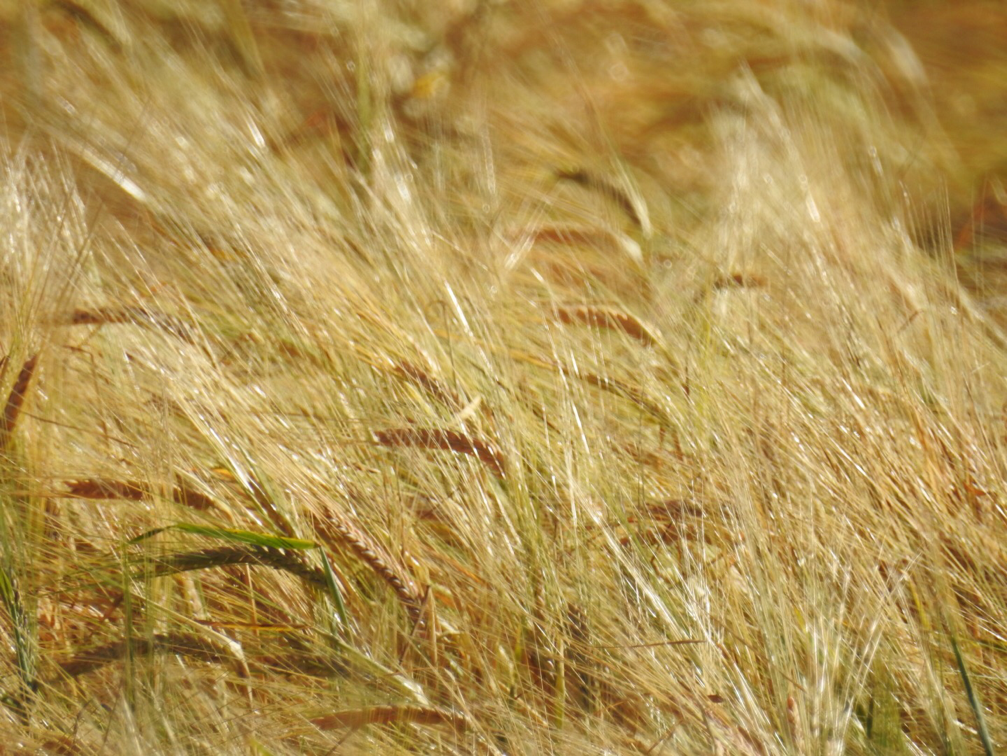
Fields of grain are waving in the breeze. 


Yellow blossoms of canola and mustard spread across the countryside and make us smile.


Another day along the boardwalk, we noticed the raindrops cling to the vegetation after the rain stopped briefly. 


The drops are reluctant to leave too.


On the home front, a family of four foxes lives in our neighbourhood. When the young ones were finally out and about, we often see them near our house. I especially love this photo showing but two tails of the young ones and the red and black foxes which were more completely visible. 


The black variation of the red fox is commonly known as a silver fox.


July has much to offer which the rest of the year cannot quite match.


Monday, 14 August 2017

Fields in August

On a recent drive through the countryside on Prince Edward Island, my husband and I stopped to observe the colour and appearance of crops on both sides of the roads. 


Rural Prince Edward Island is farmland, rolling hills or flat land and along the coast, the sea is the backdrop. 


Haying has been underway for some time now


and potato fields are in bloom, 


as are the canola plants.


 Or is it canola? It is hard to tell these days, as farmers are also planting mustard which looks like yellow blooming canola to the untrained eye. 

Mustard plants are a natural fumigant to pests such as wire worm which damage potato crops. Farmers grow the brown mustard plants, then plow them under. During decomposition, the plants release the bio-fumigant into the soil which controls and kills insect pests. Such natural pest control is great for consumers.


We recently saw another unusual plant in the fields as well. This one is buckwheat, 


which has the same effect as the mustard plants. Both buckwheat and mustard plant blossoms are attractive to bees. Honey production is increased in areas where these plants grow. 


Meanwhile, wheat is a dusty straw colour 


and so is barley. 


I find it impossible to identify them from a distance.


Clover, a cover crop used in crop rotation to help restore nutrients to the soil, is in bloom as well. The purple fields line roads and shoreline.


The most curious discovery was a field of peas, a new crop for the island, to supply a new processing plant in western PEI.


These are a fraction of the crops grown on the island. However, the expansion of the industry to include peas and the bio-fumigant properties of and bee preference for mustard and buckwheat plants are all great news. Now if we only had some rain!