Most Popular Post

Showing posts with label cemetery. Show all posts

Sunday, 13 December 2020

Sunny and zero

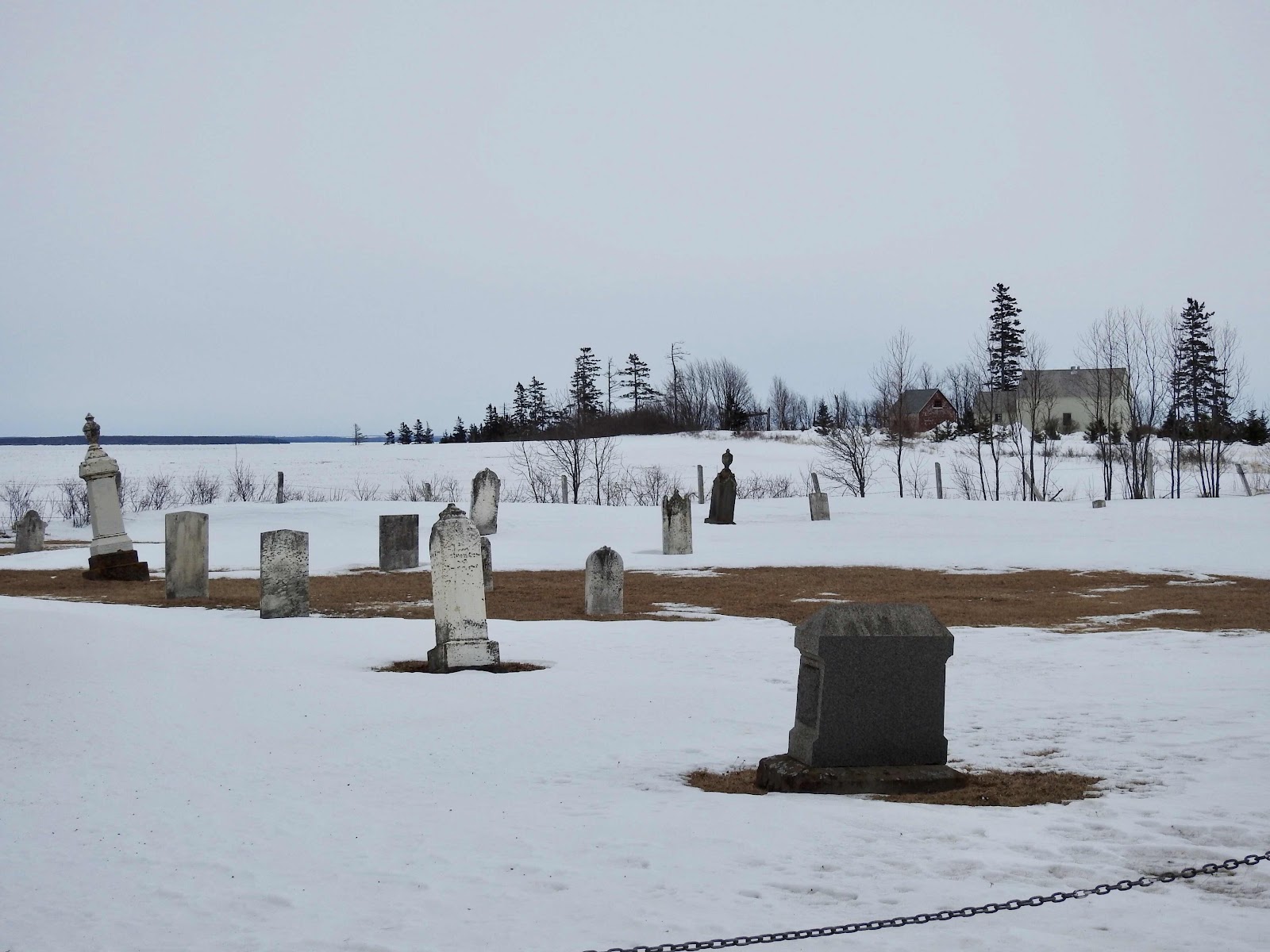
Mt. Royal is a small farming community in the centre of western Prince Edward Island. We visited the area to see the grave of a local World War 2 veteran I have been researching recently. The cemetery borders a road through farmland, a fitting place for an Islander to rest. 
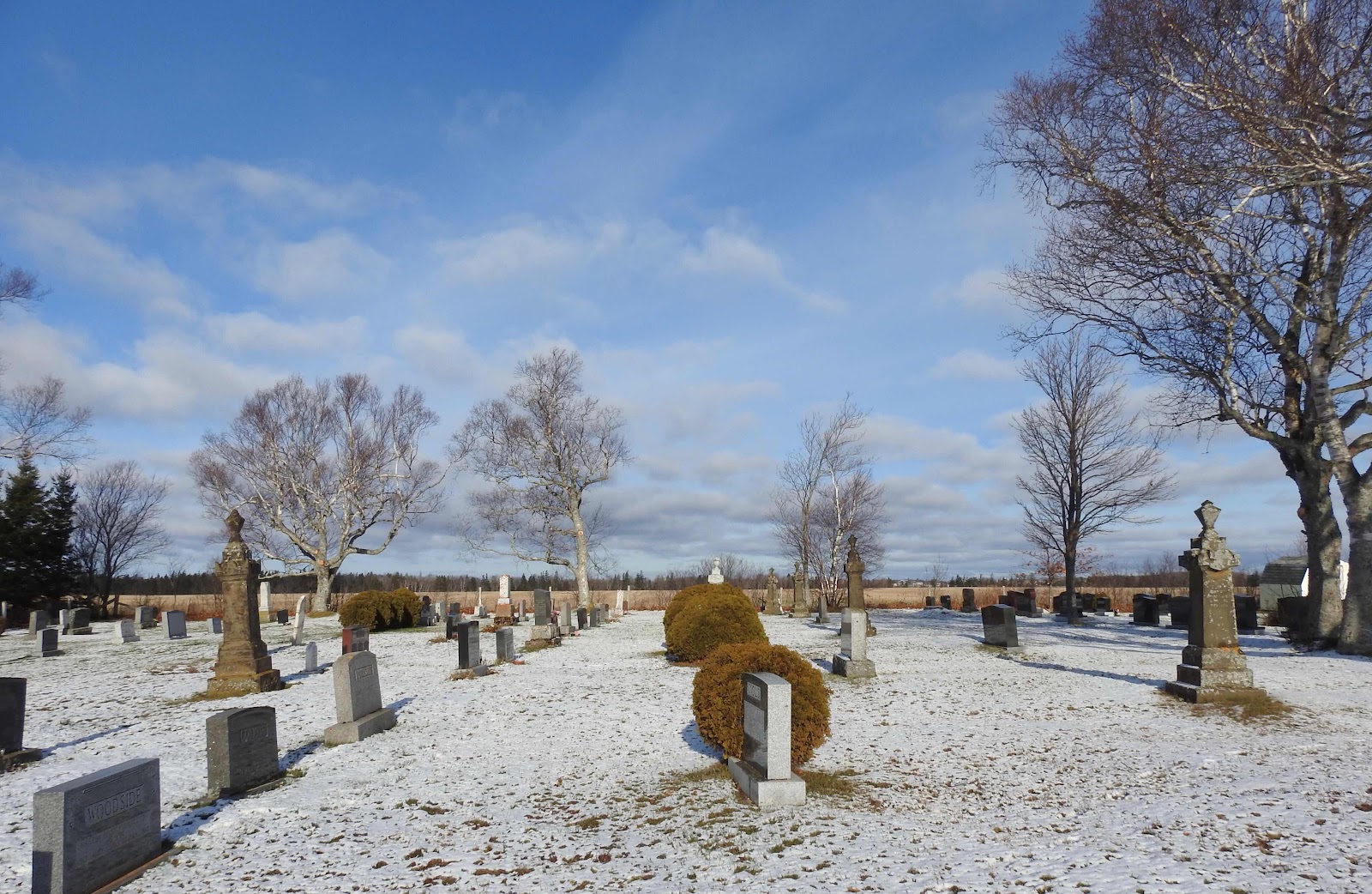


It was a cold but sunny day with the temperature hovering around zero. The freezing air meant the light covering of snow hugged the grass.


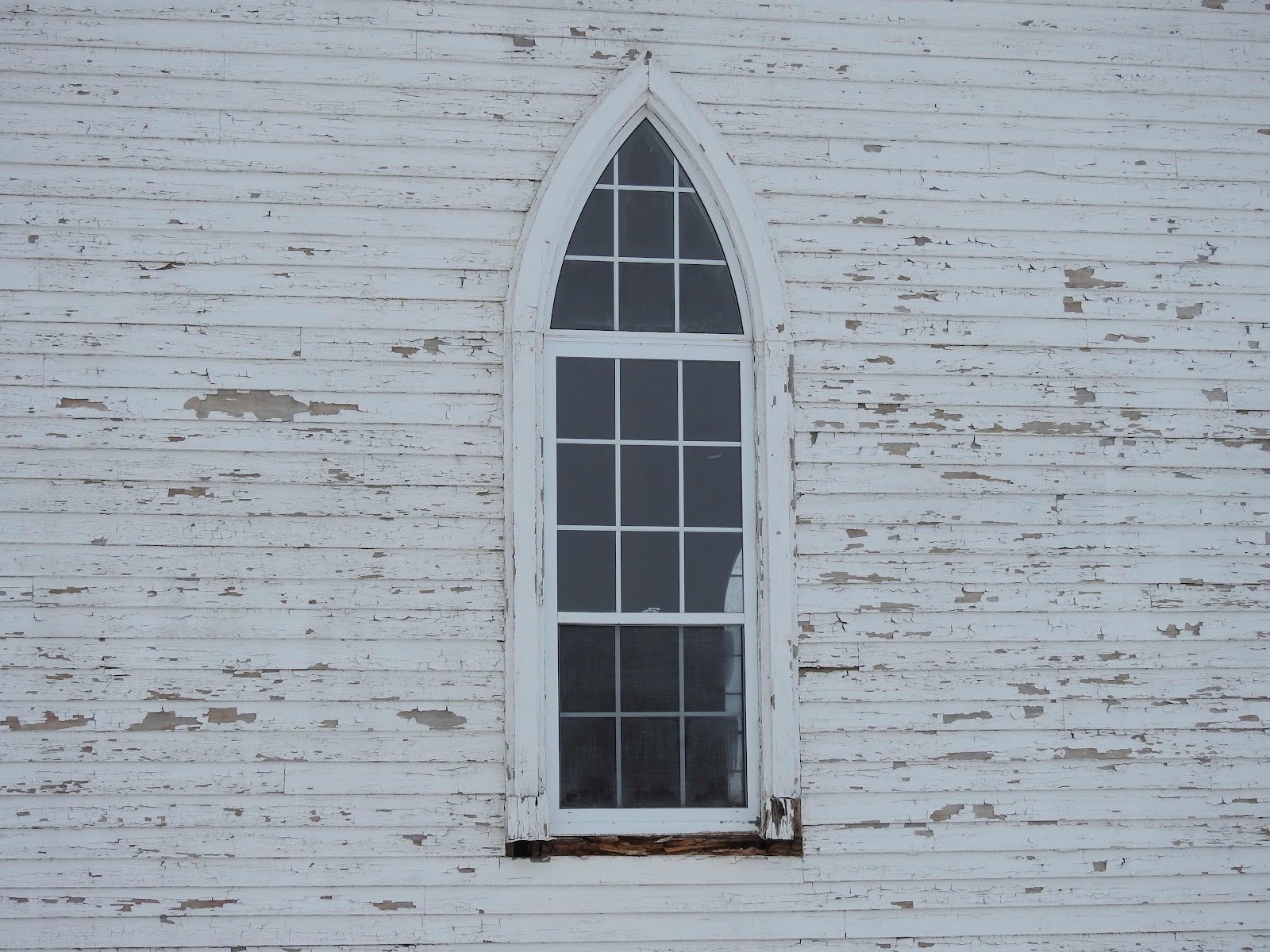
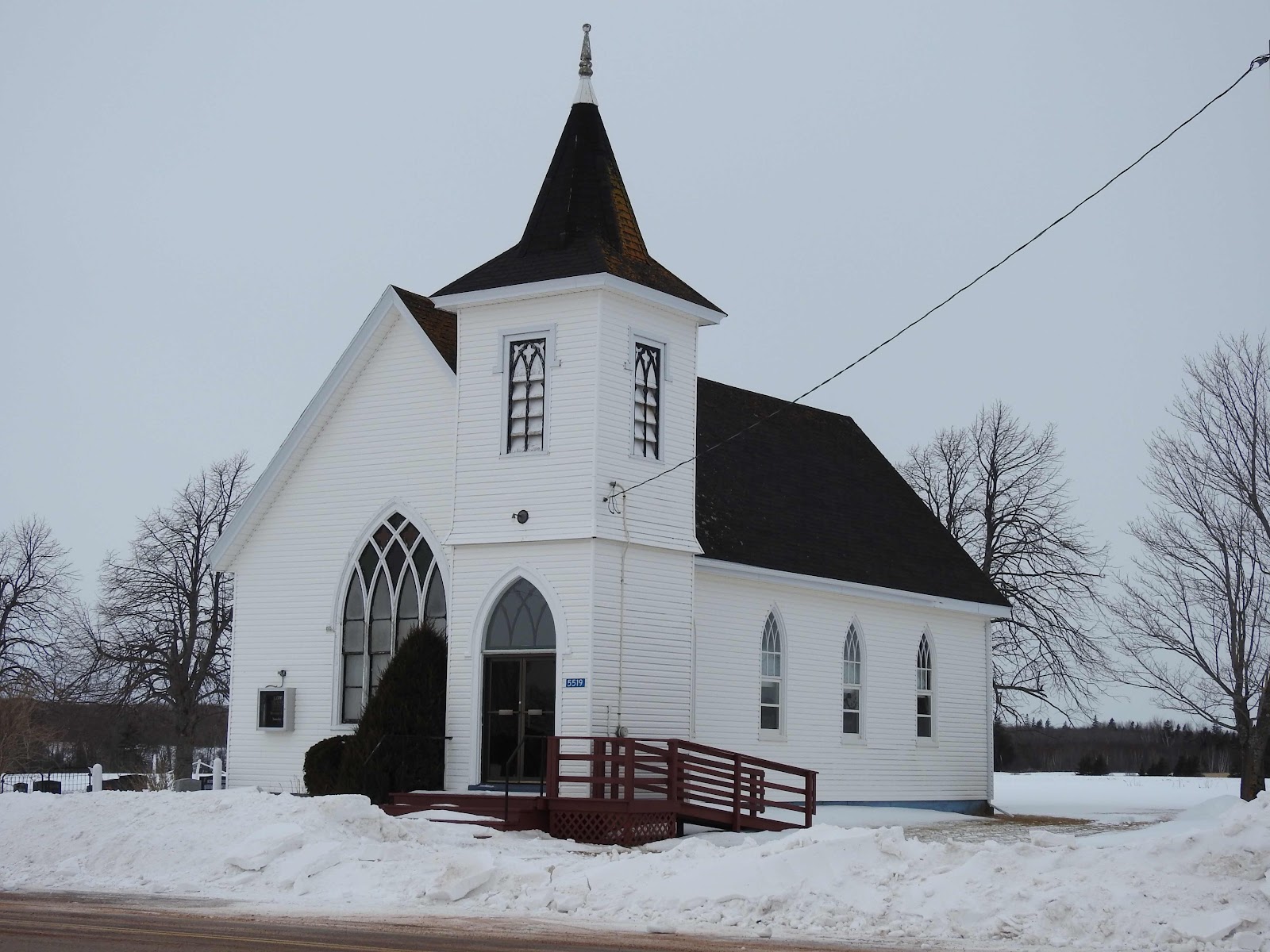
To get to Mt. Royal you drive through Coleman where this little church keeps a silent vigil. 
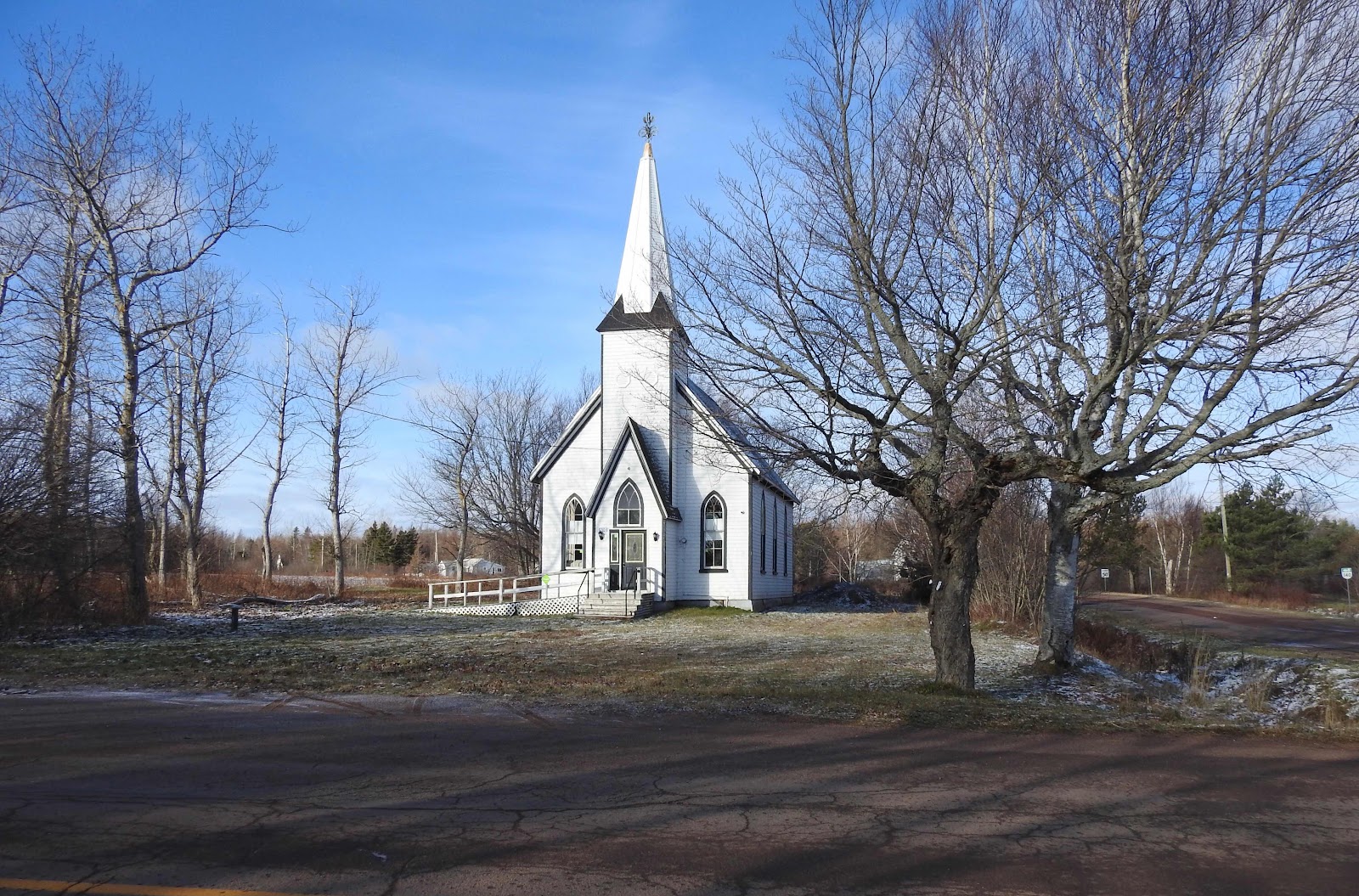


It doesn’t look like the church is in use now but a search on-line reveals it was the Free Church of Scotland, built around 1900.


The spire looked unique but I didn’t get a clear photo. In this area settled by Scottish immigrants generations ago, 


it is not surprising to learn the spire consists of a thistle. The church was in use at least until 2012.


While the population of the island has increased, mainly due to immigration, rural parts of Prince Edward Island are seeing an increase in the number of empty properties. Seniors are moving to larger centres and fewer people are left to support the local churches.


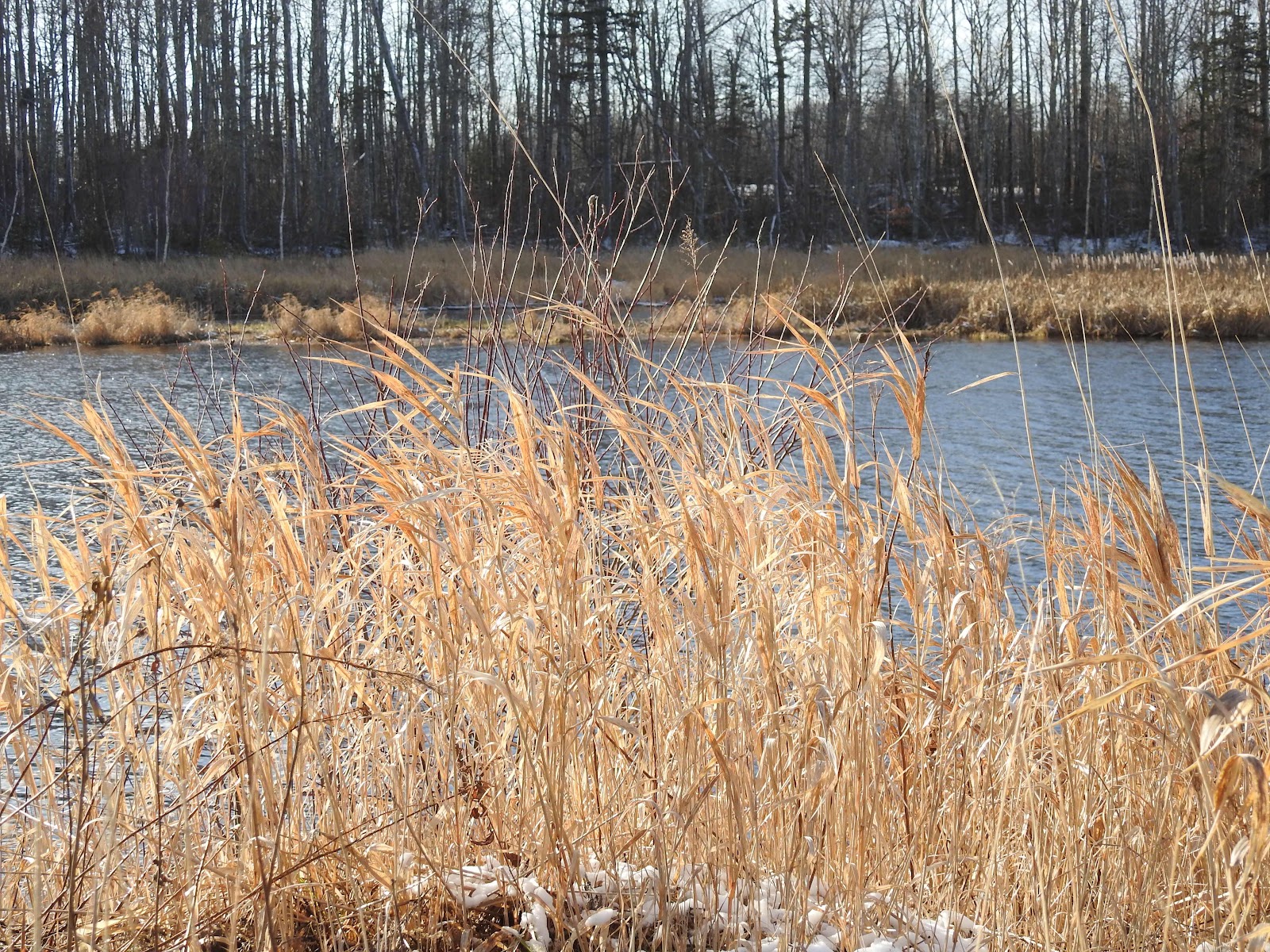
Leard’s Pond in Coleman has a picnic area where my husband and I hope to picnic in the spring. The pond looks cold this day as the slight breeze ripples the surface of the water.  
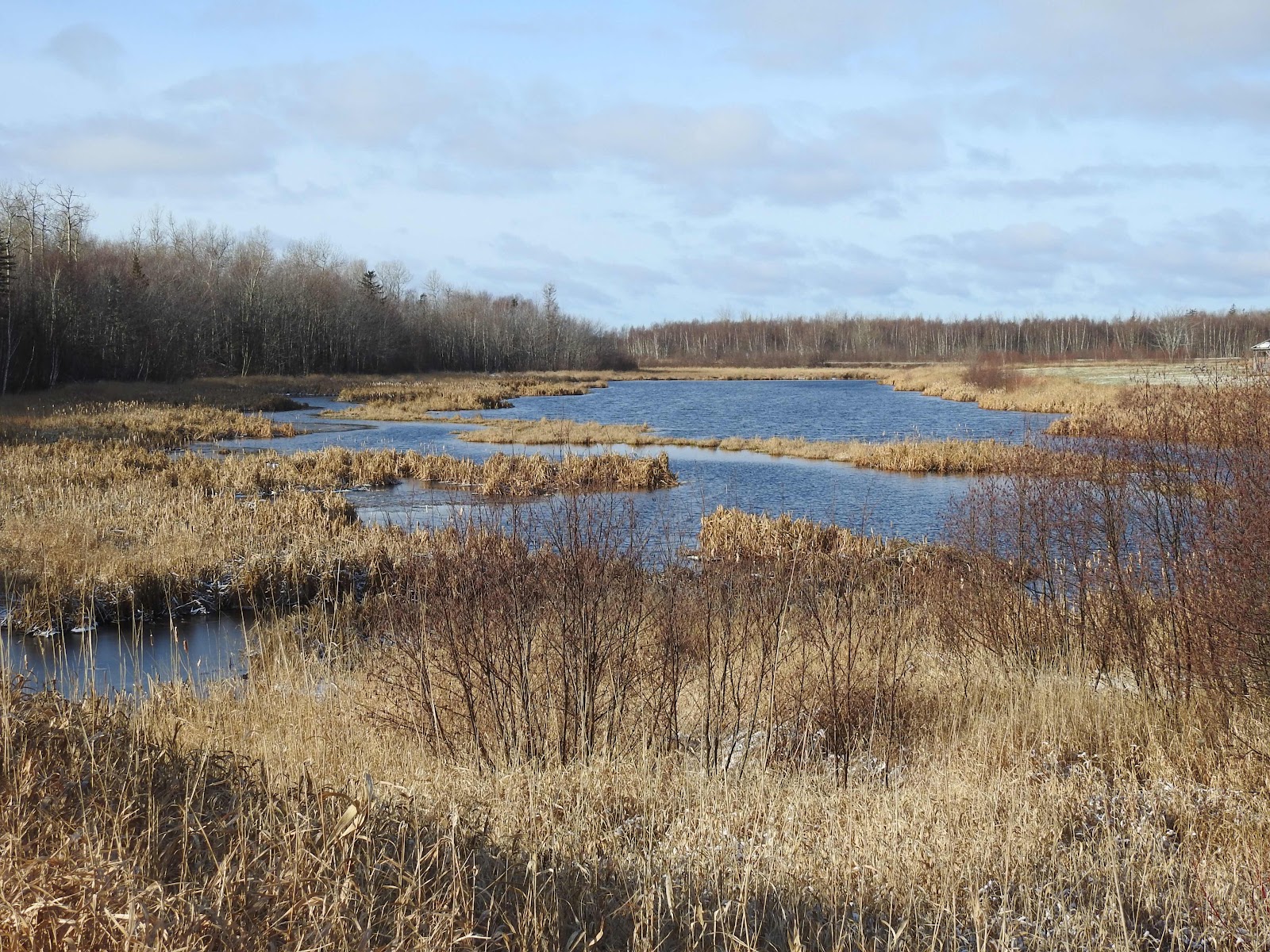


The yellowed grasses around the pond, moved ever so slightly by the breeze,


whispered as I stood and took in the scene. An occasional vehicle happened by but the peacefulness of the setting with the sound of the breeze in the grass made the cares of the world disappear. 
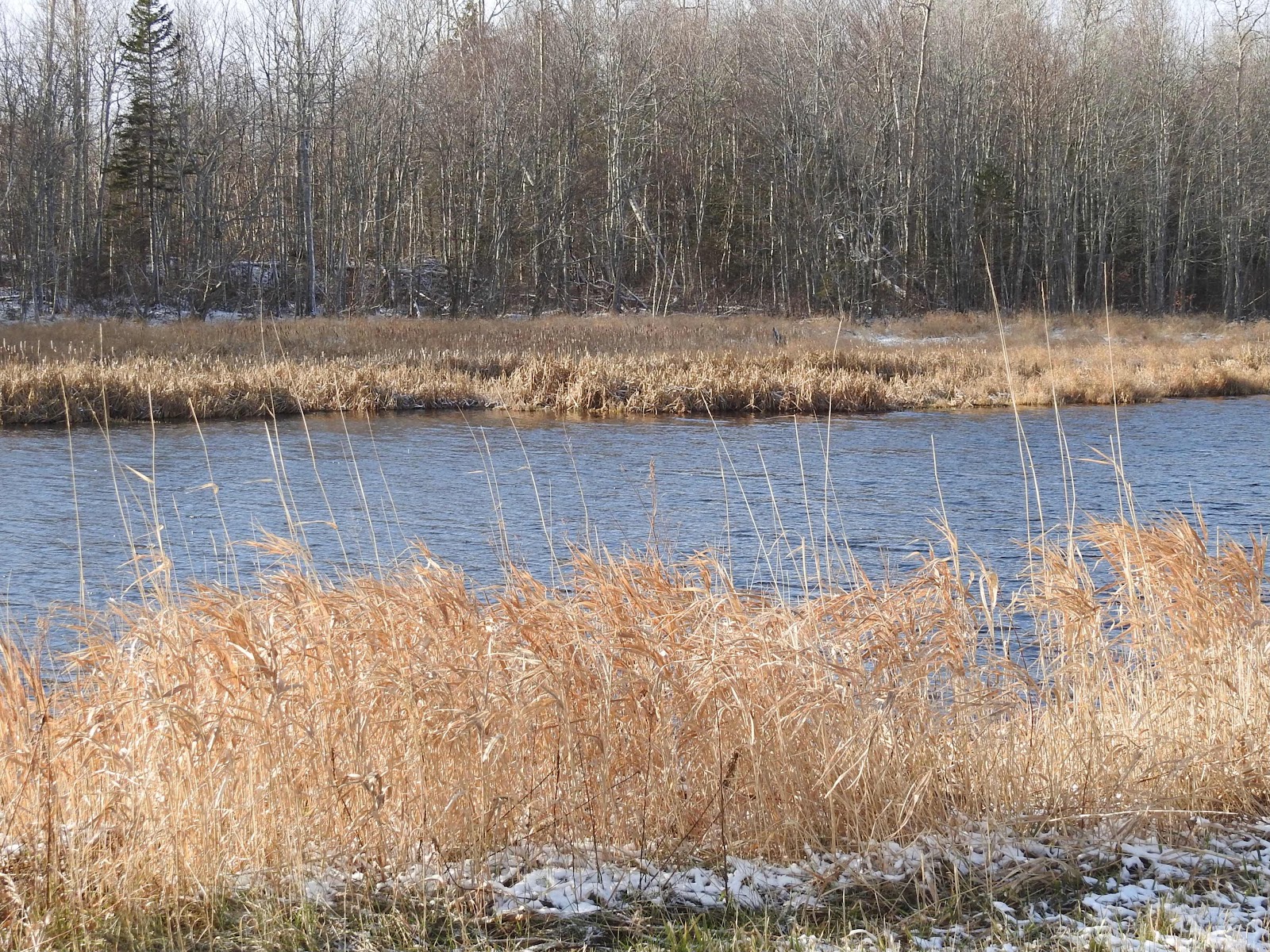


Sunny and zero made a perfect combination for a December drive in the country.


Sunday, 16 February 2020

Ghosts

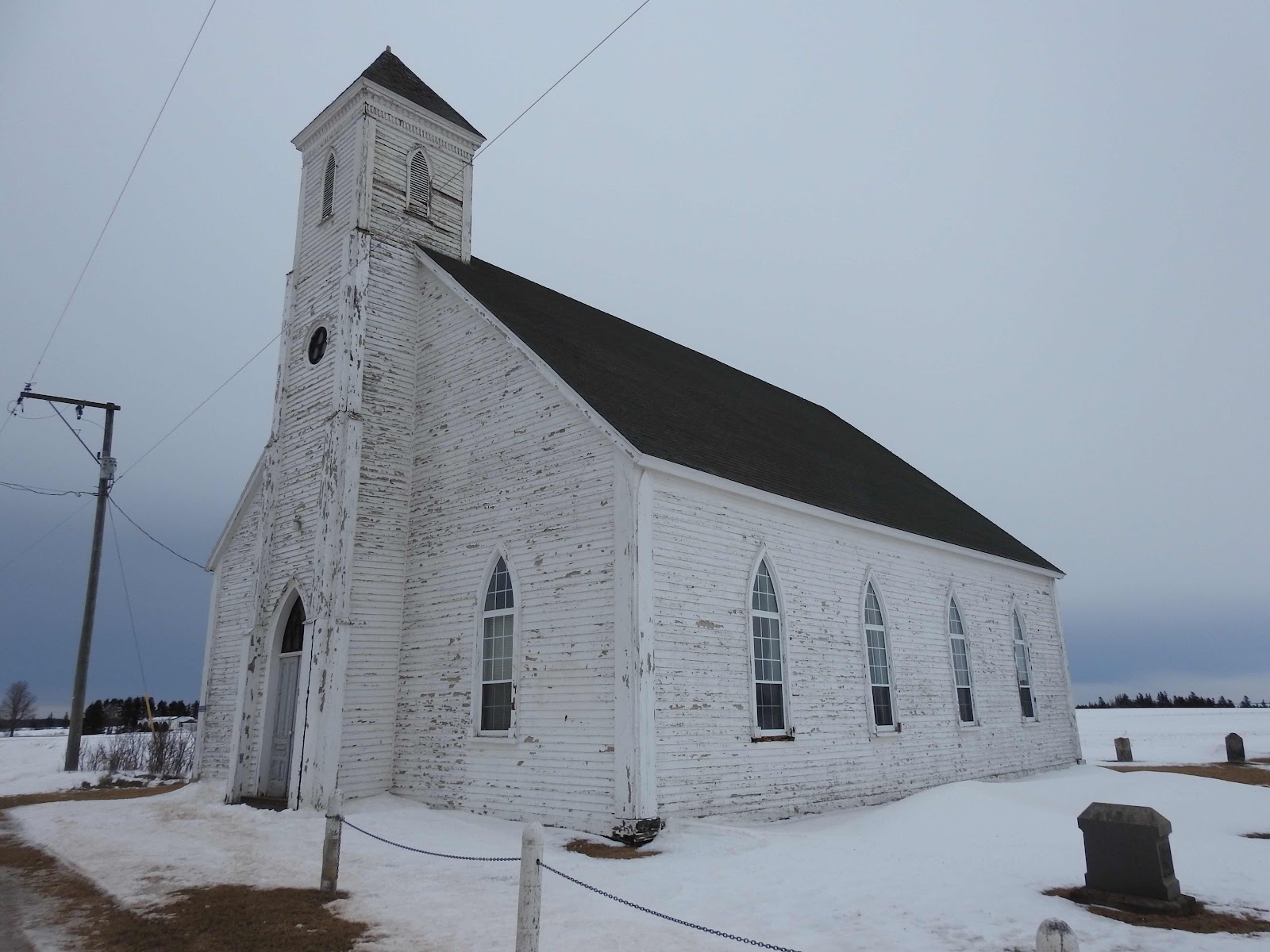
They dot the countryside, these old buildings, once places of congregation where people prayed and sang hymns of praise for all the big occasions in life and the times between. Now they are decommissioned and up for sale, some bought and repurposed, others left to disintegrate. This is possibly the fate of the old church on a country road west of our city.


It is slowly falling apart, peeling paint and rotting boards, 


without a time of service posted or even a name. There is nothing welcoming about this building. Former congregants, having passed to their eternal rest, fill the yard, the old headstones doing the best they can to stand vigil. 


Someone has placed the fallen ones to lean against the walls. On this cold day in February, as I walk around the building and through the cemetery, the silence and cold envelop me like a shroud.


This was a Presbyterian Church, the second here in Birch Hill, the congregation having outgrown the first built in 1800. This building was started in 1858. In 1925, when the United Church of Canada formed from four Protestant religions, including Presbyterian, the congregation of this church split, some joining the United Church. They built a new church in 1928, across the road from the Presbyterian building. The United Church is still in use and in good repair. 


Meanwhile the older building is crumbling.


Behind the church, among more headstones, three white birds which looked like Willow ptarmigan, flew off as I approached. We surprised each other. 


However it was not surprising but somehow fitting to see such beautiful white creatures here among the ruins.


Monday, 12 June 2017

Unspoiled


In the Evangeline region of Prince Edward Island, my husband and I had a picnic in the shadow of the cemetery in Egmont Bay, a peaceful area overlooking the ocean. 


Afterwards, we walked the beach as we usually do, combining a walk with a new area to explore. We were not disappointed.


There are a few homes and cottages built back from the shoreline. As we walked east along the shore however, we approached an area without homes and cottages. There was an estuary where the Jacques River flows into an inlet of the Northumberland Strait. It was wild and unspoiled.


Spotted sandpipers were busy along the shoreline but scurried ahead of us down the beach. 


Ring-billed gulls stood in the receding tide as unidentified small fish came to the surface of the water nearby. The gulls munched on some of them as we watched.


A pair of osprey nested in the forest beyond the beach, alternately circling overhead and perching in the trees.


Along the shoreline, a willet, a large shorebird, had its mottled brown plumage, which announced it was breeding season.


A beaver pond, positioned between the beach and the forest was an interesting discovery when we looked over the bank. Again, the beavers were elusive.


Along the beach, at the mouth of the estuary, raccoon tracks elicited images of marauding raccoons at sunset, ready to snatch anything they encounter.


We paused along that shoreline to absorb the wilderness feel of the place.