Most Popular Post

Showing posts with label estuary. Show all posts

Sunday, 30 October 2022

At the estuary


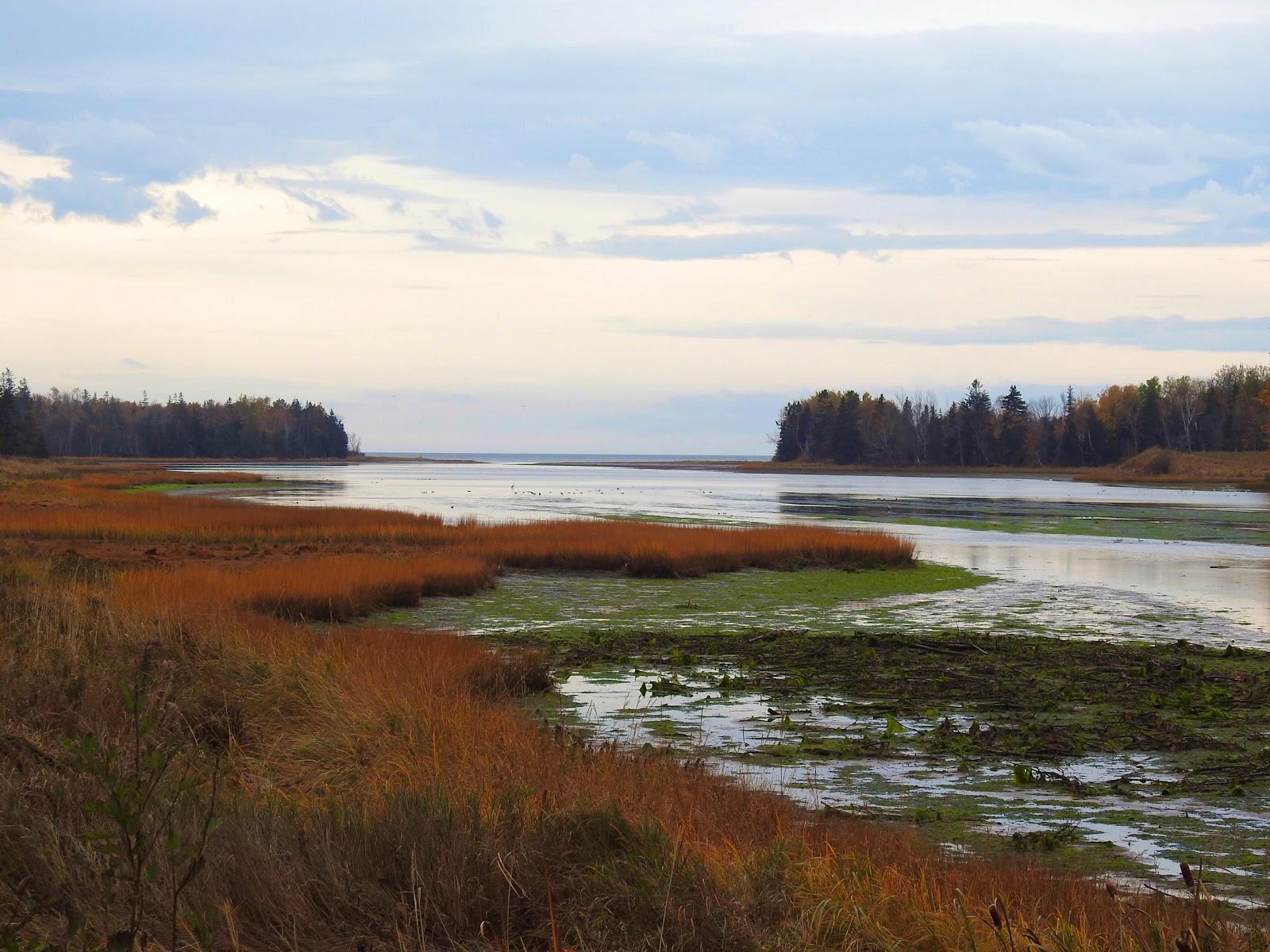
This autumn, my husband and I have been visiting various beaches and waterways of the Prince Edward Island which we haven’t explored before. Many of our usual haunts haven’t been cleared since Fiona blew through. Recently we went west to Alaska, passing the Brae River along the way. The river flows into Brae Harbour on the southwest coast of the island on the Northumberland Strait.
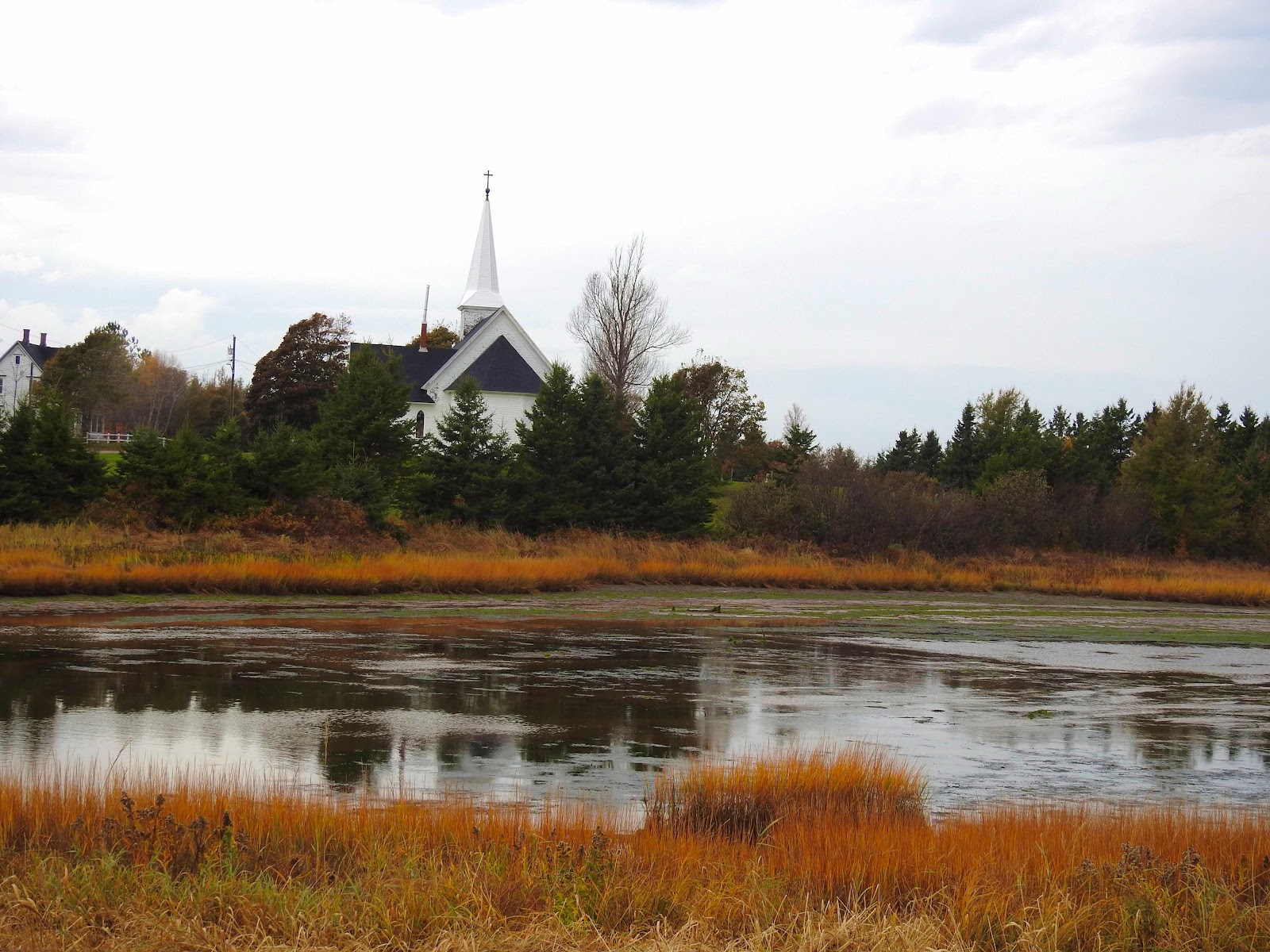


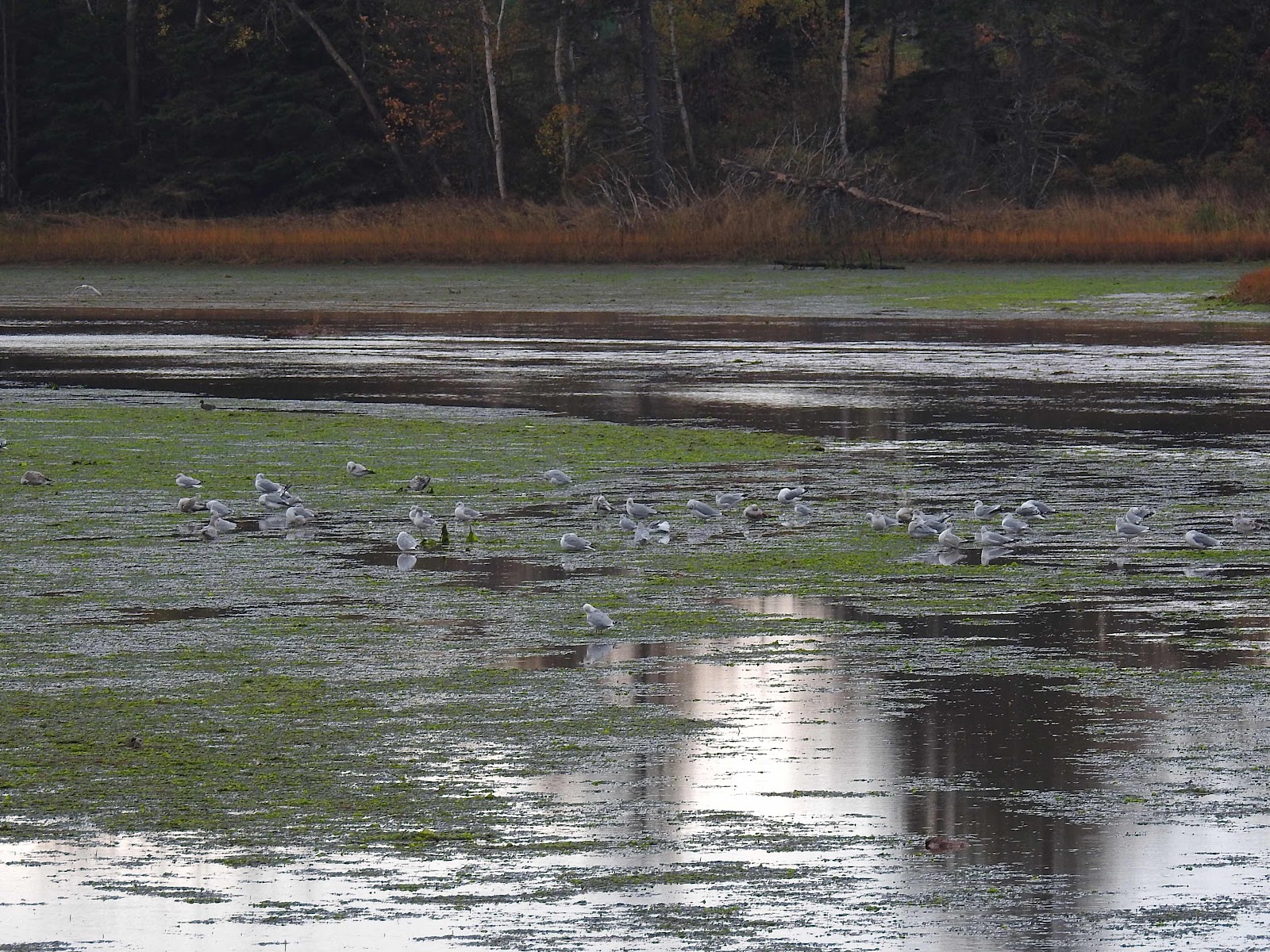
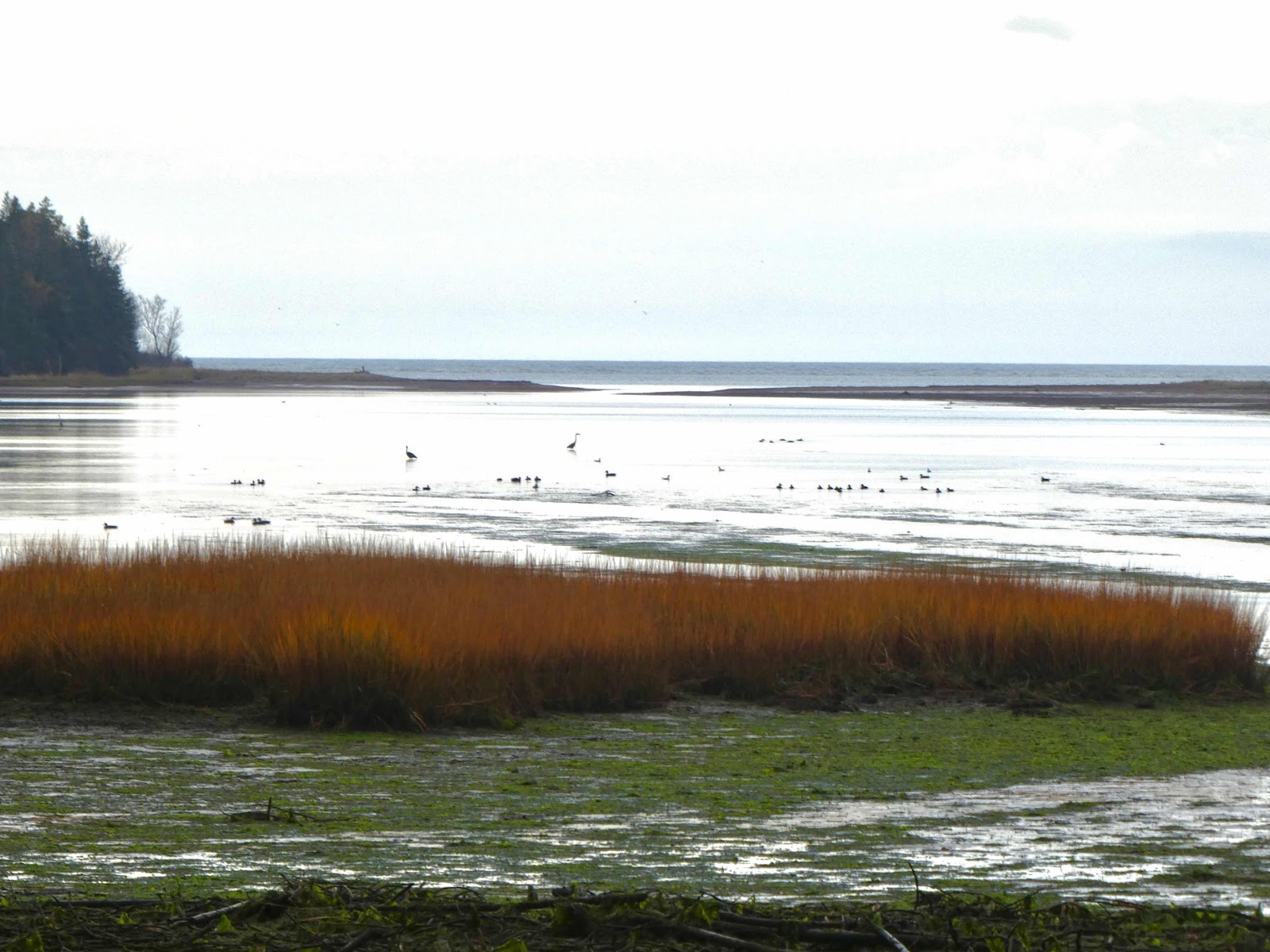
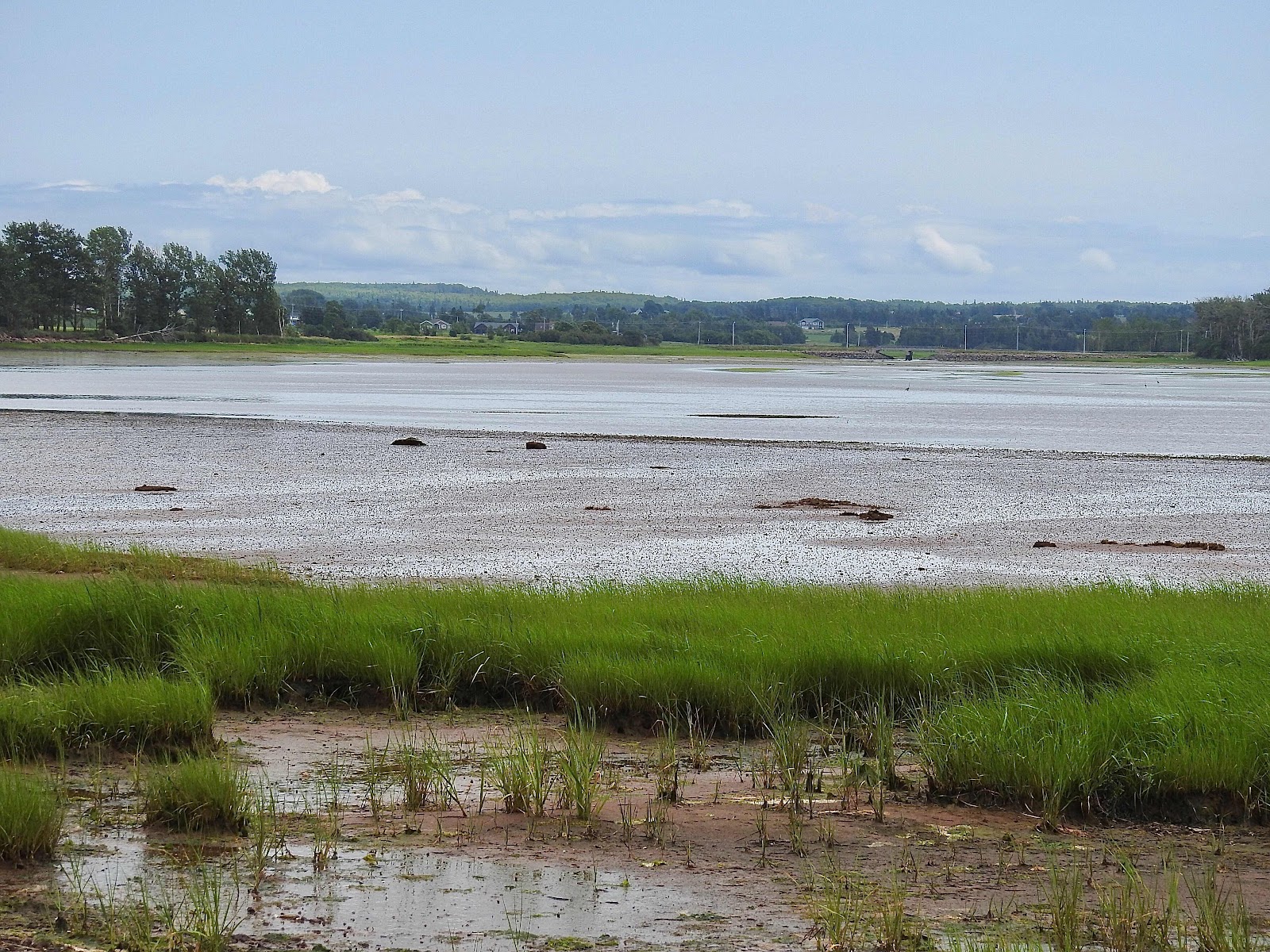
We were happy to see so many birds on the Brae River and the surrounding estuary as the tide was falling so we stopped for some photos.


The grasses in the estuary are golden this time of year 
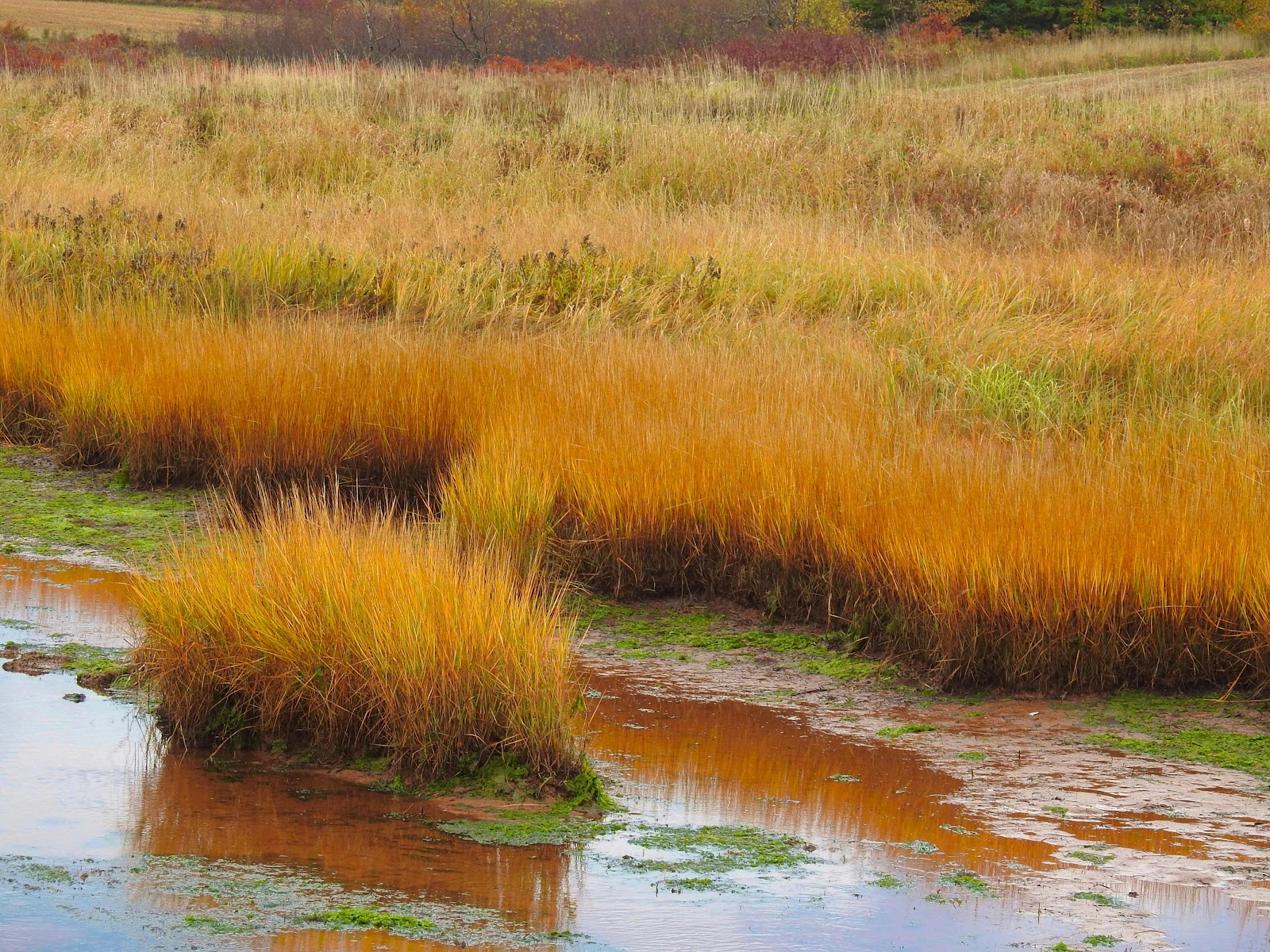


and since there weren’t many leaves on the trees to change colour this autumn because of Fiona, 
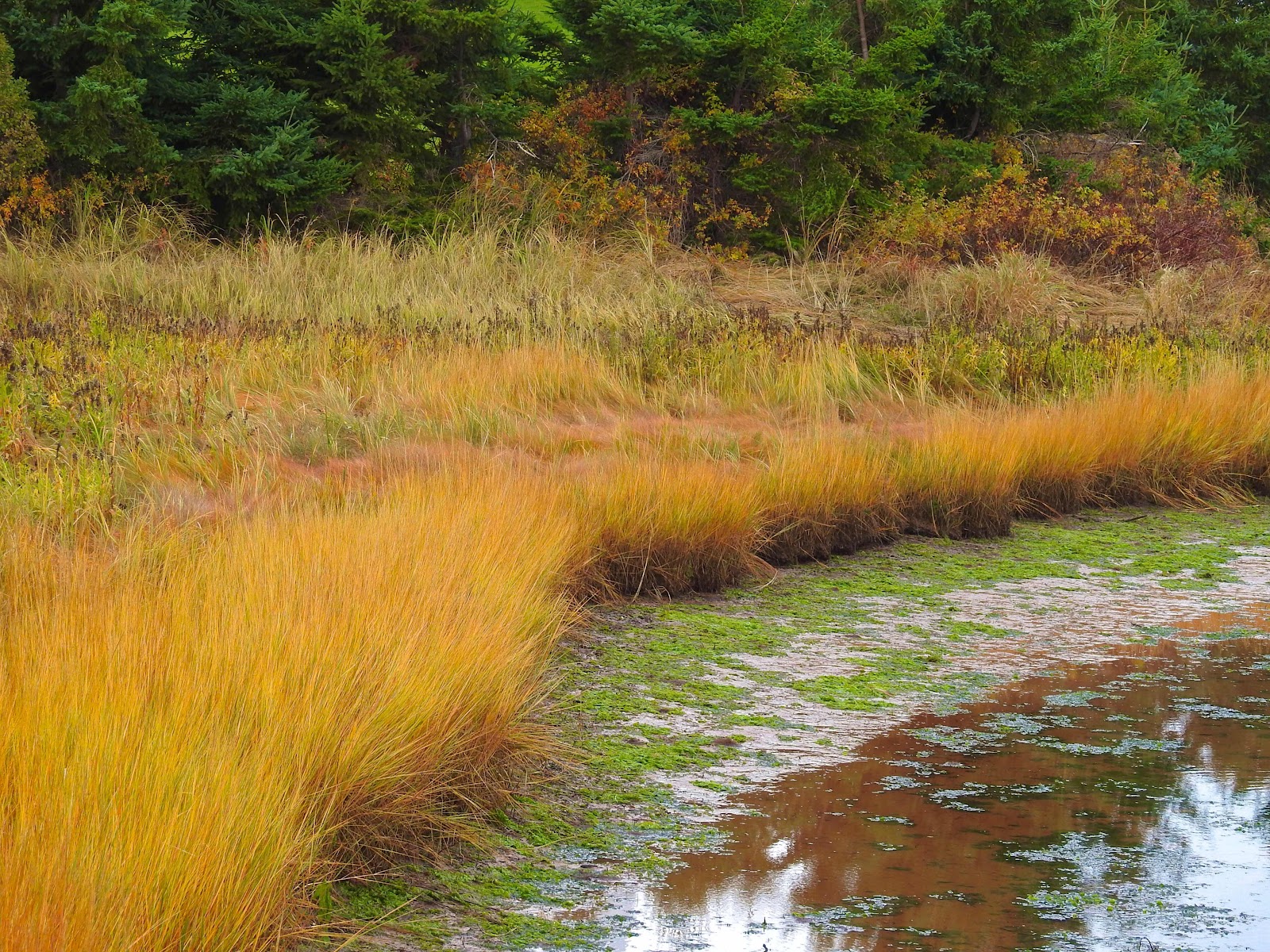


the colour of the grasses and the surrounding vegetation were a treat. We took lots of photos.


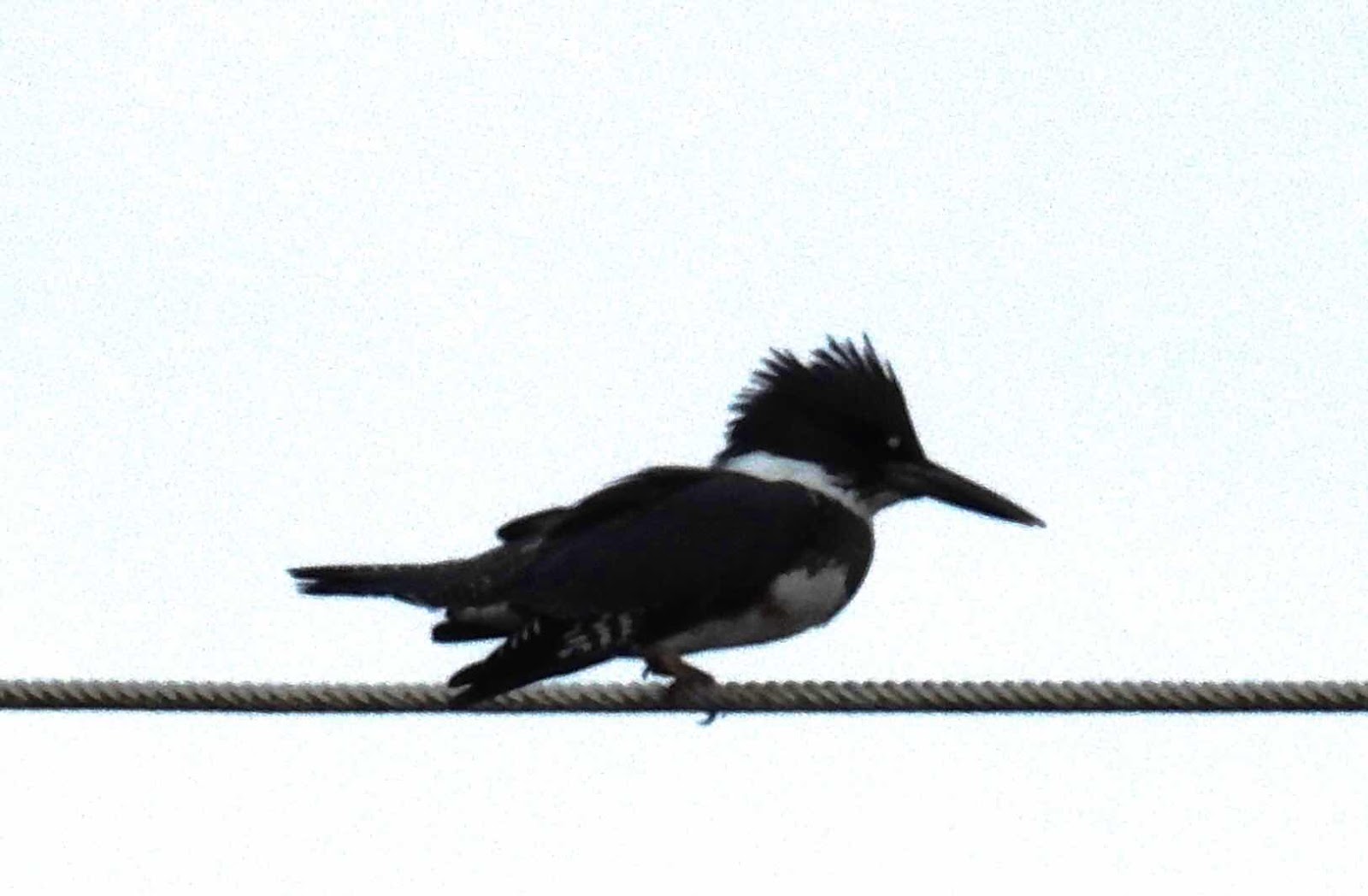
However, we didn’t totally neglect the birds. A Kingfisher,


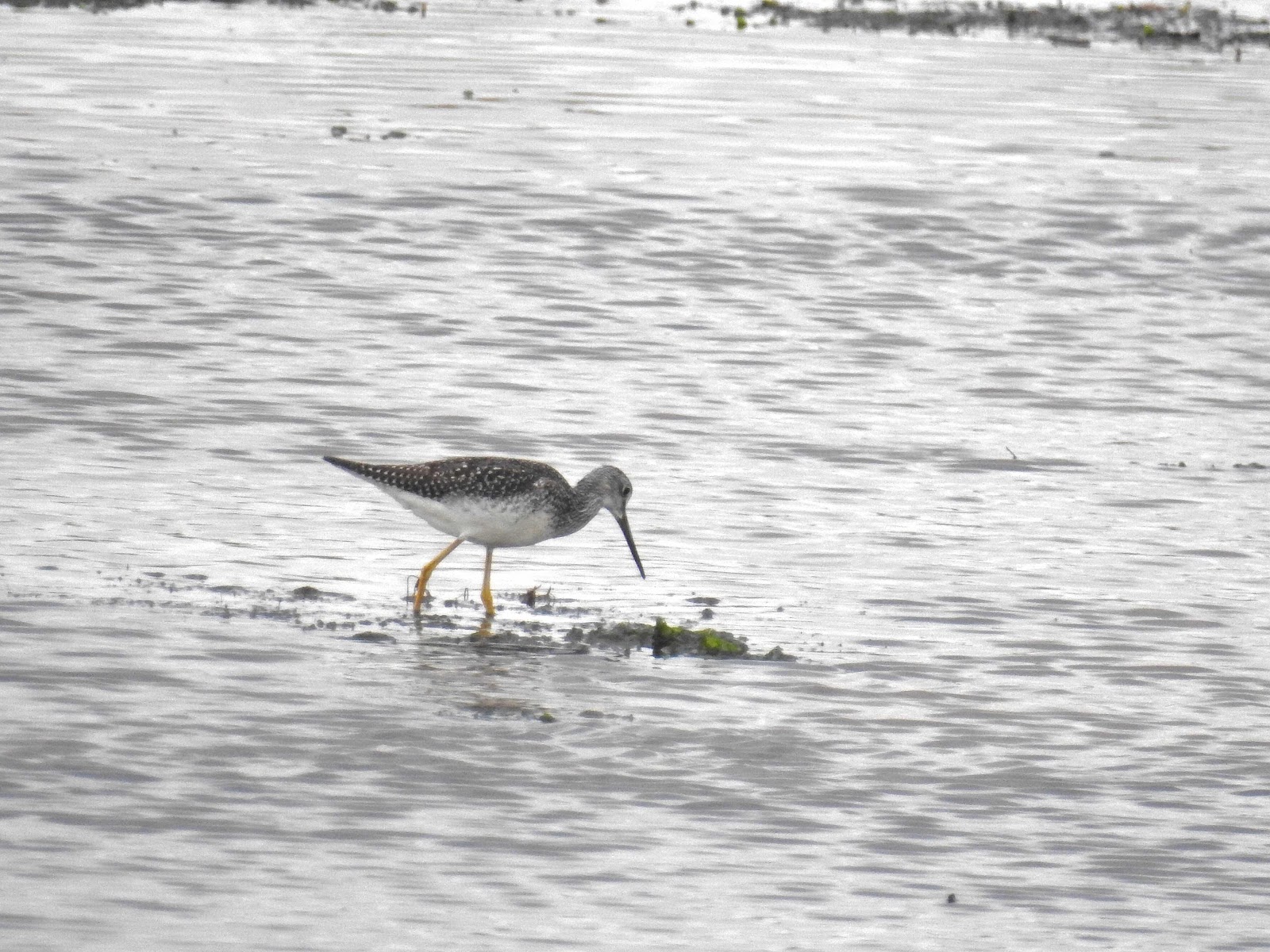
Greater Yellowlegs


and the small Bonaparte’s Gulls held our attention too. 
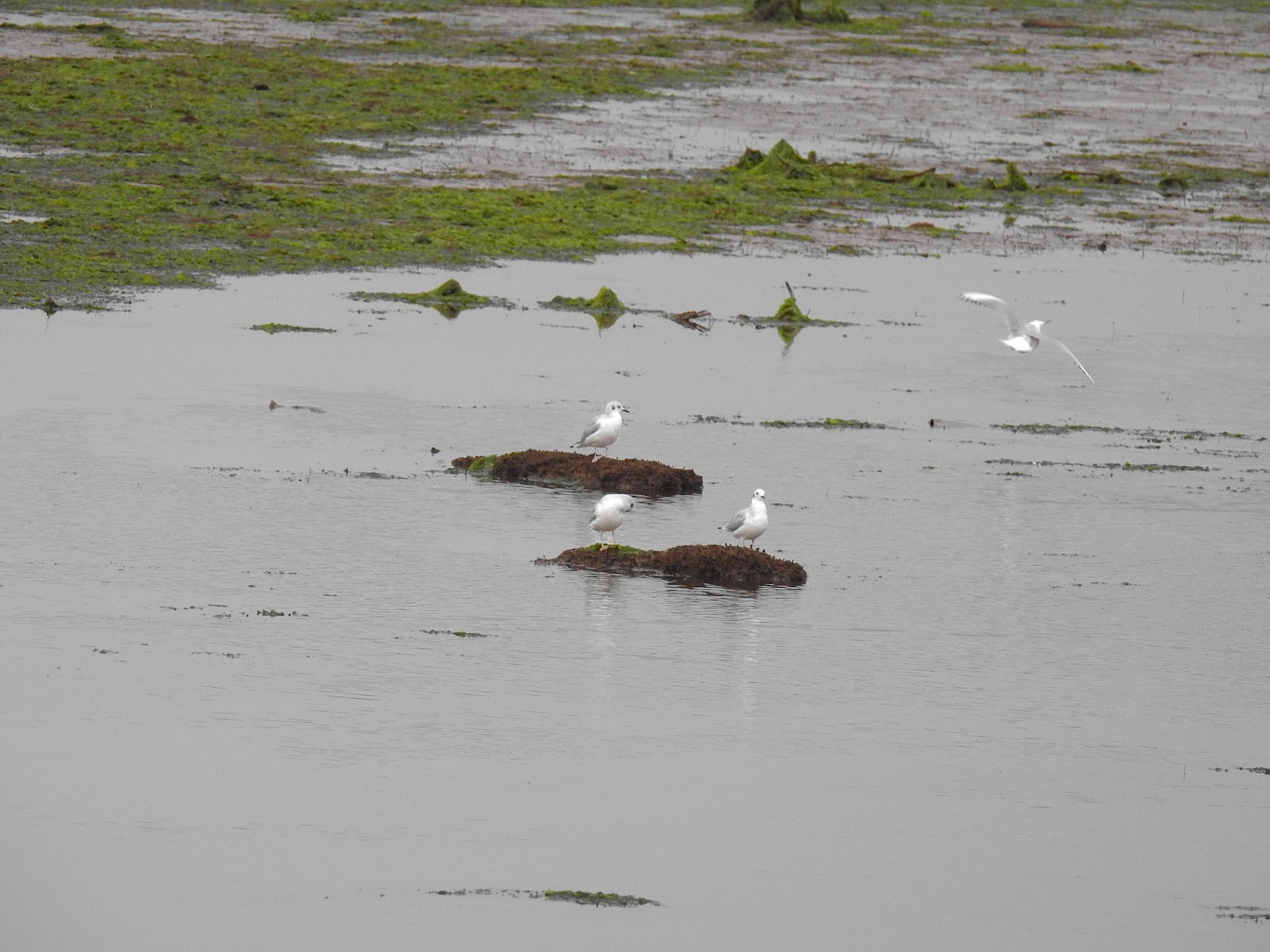


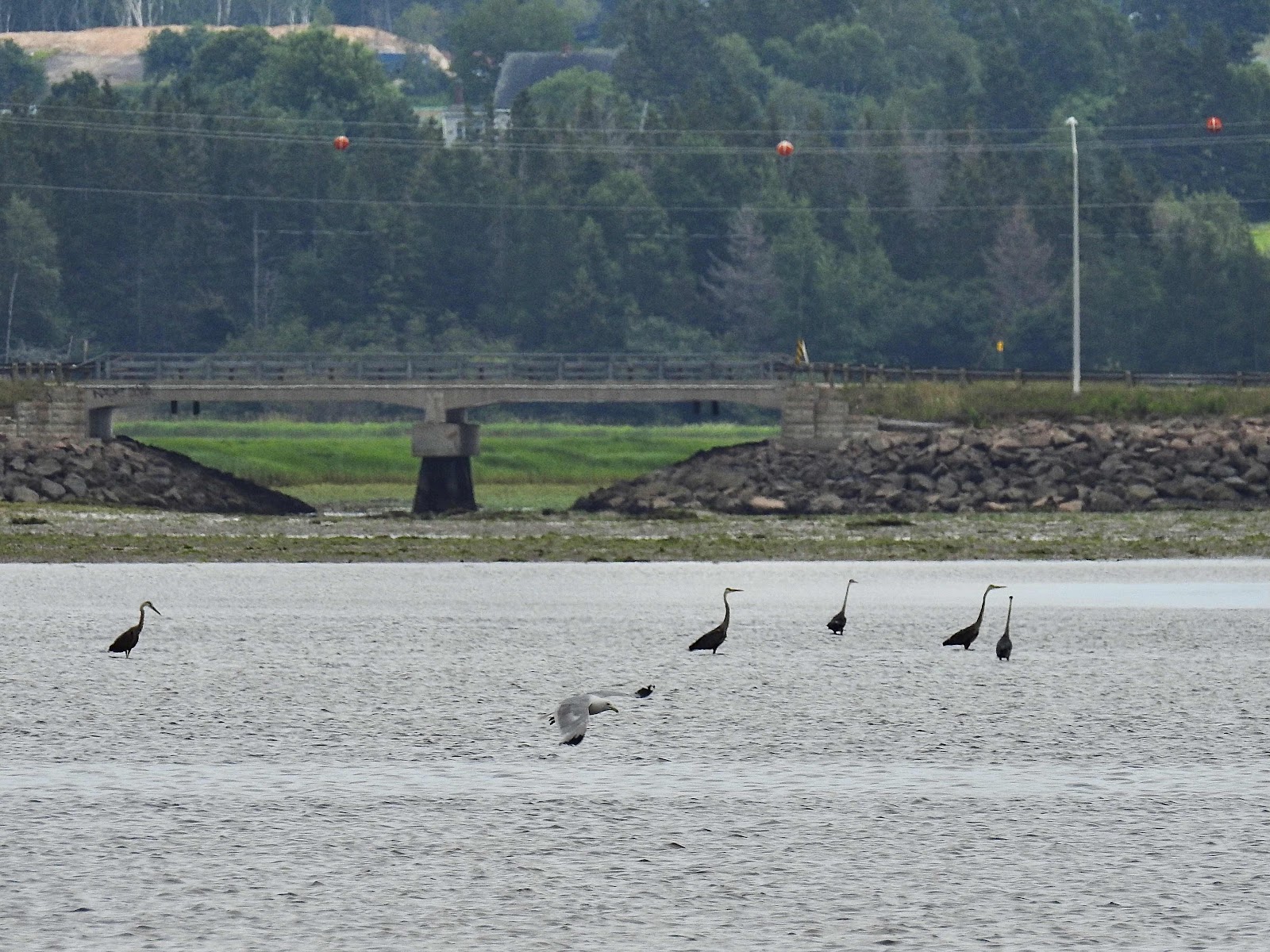
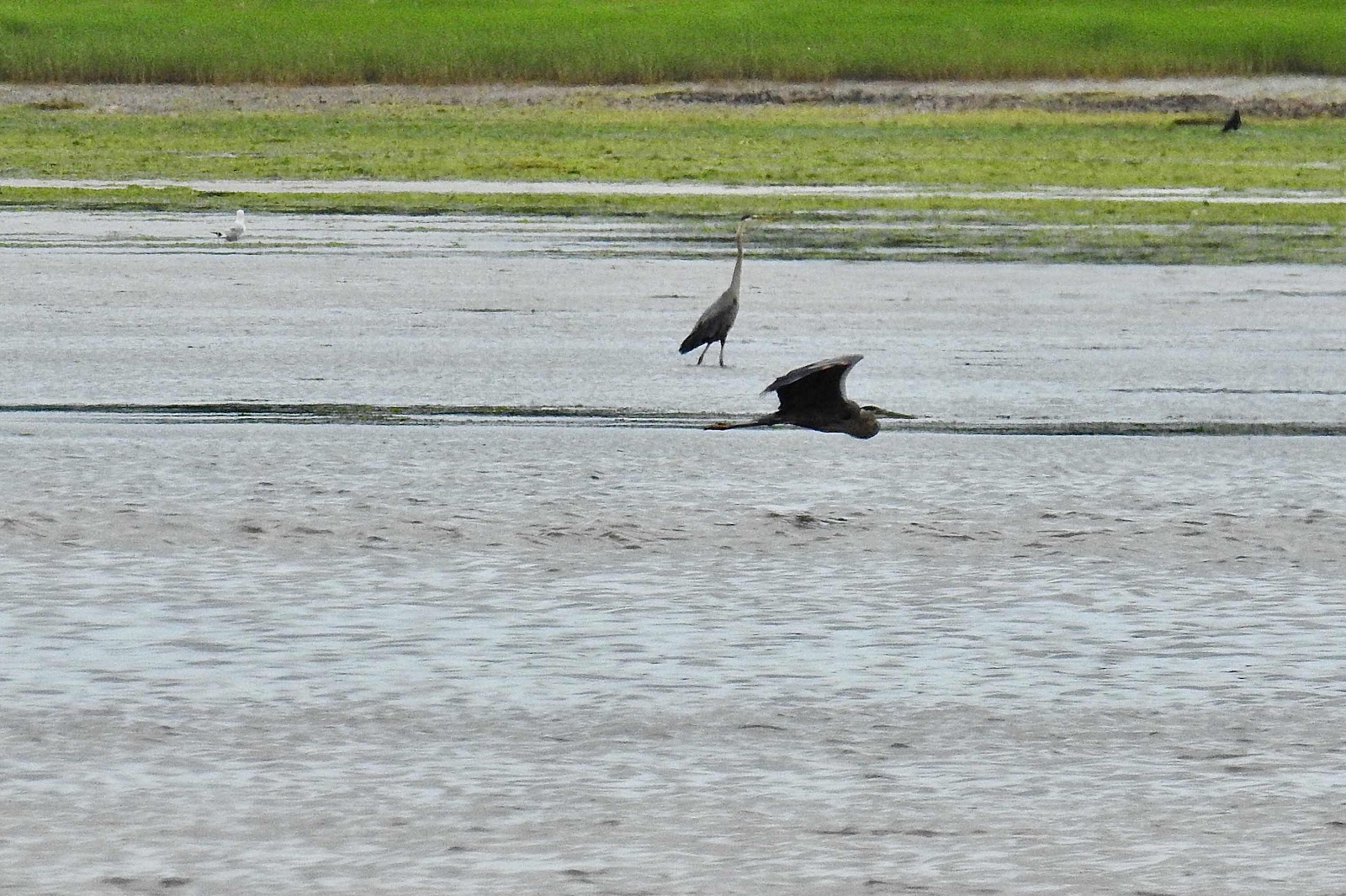
In the distance we could see ducks and herons.


We continued on to Alaska where we explored and had lunch. On the way back, a few hours later, we stopped at the estuary again. As we left the car, a huge flock of Starlings took off from the wire where they were sitting. Minutes later we watched a murmuration across the sky as somehow the starlings moved as one. 
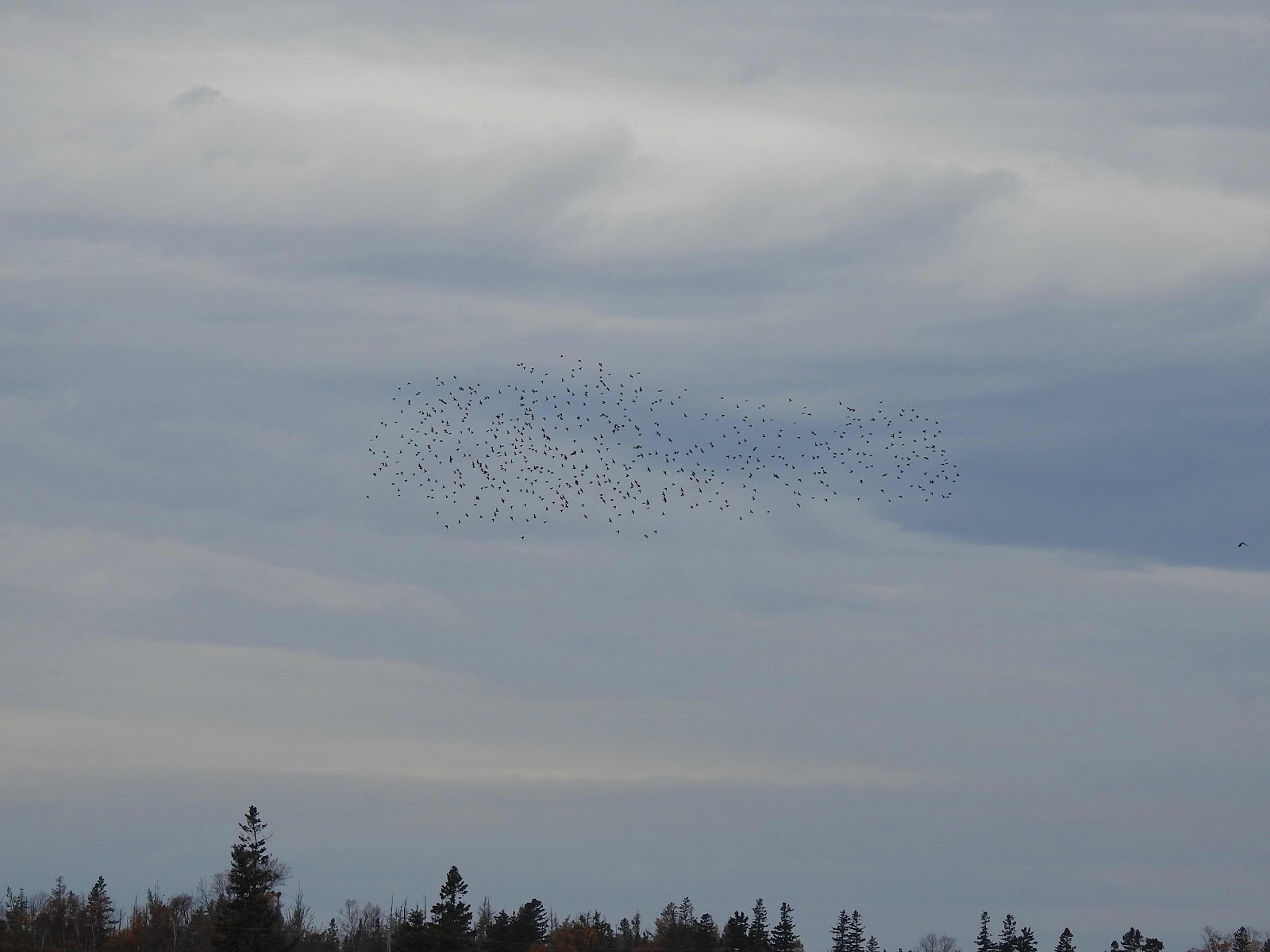


I was so excited to watch them, I neglected to take video. 


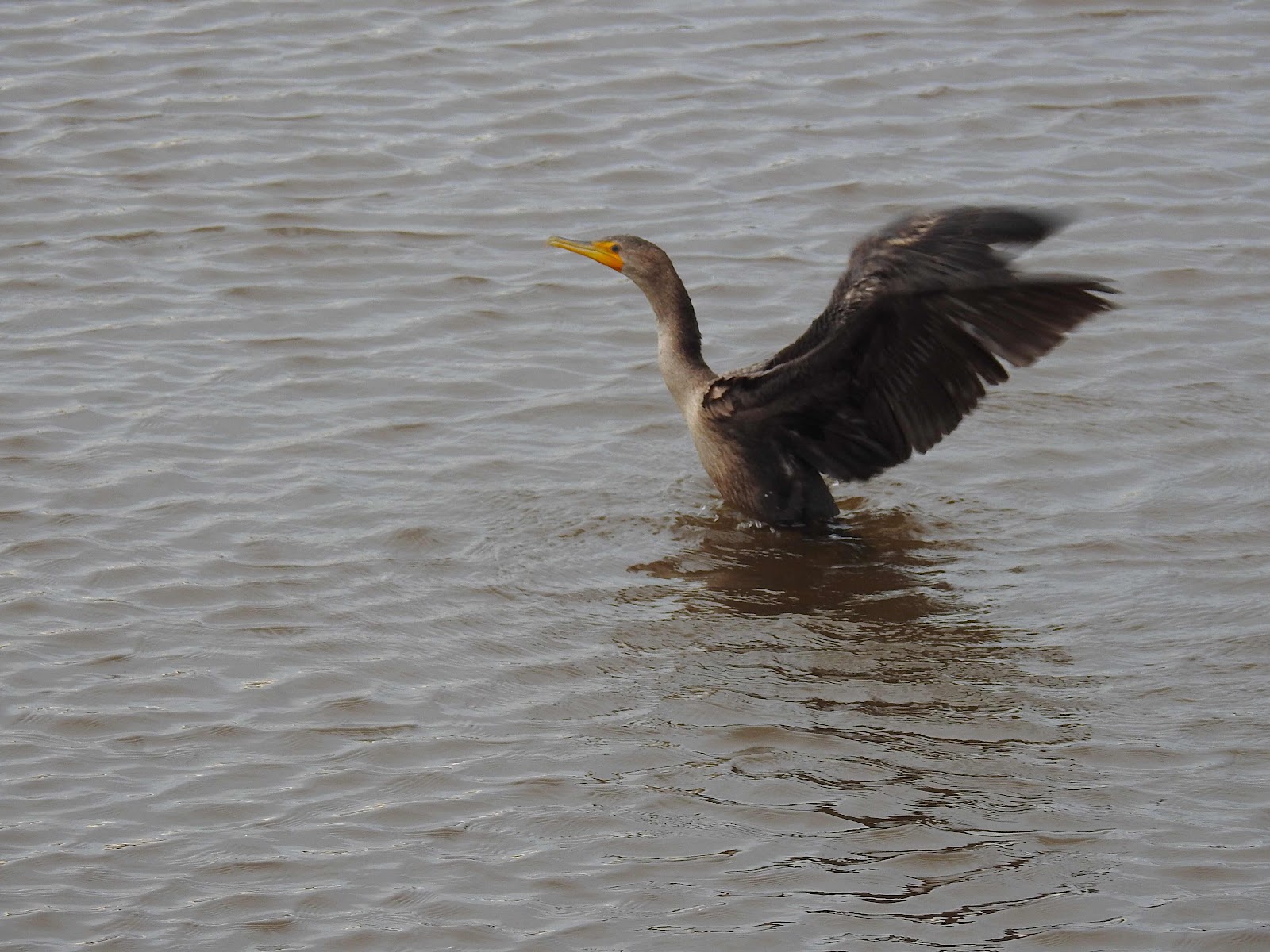
On the water, a cormorant dived for a meal and then spread his wings to dry. 


In the distance, the herons, gulls and ducks went about their business.


The overcast day gave a silver sheen to the water. 
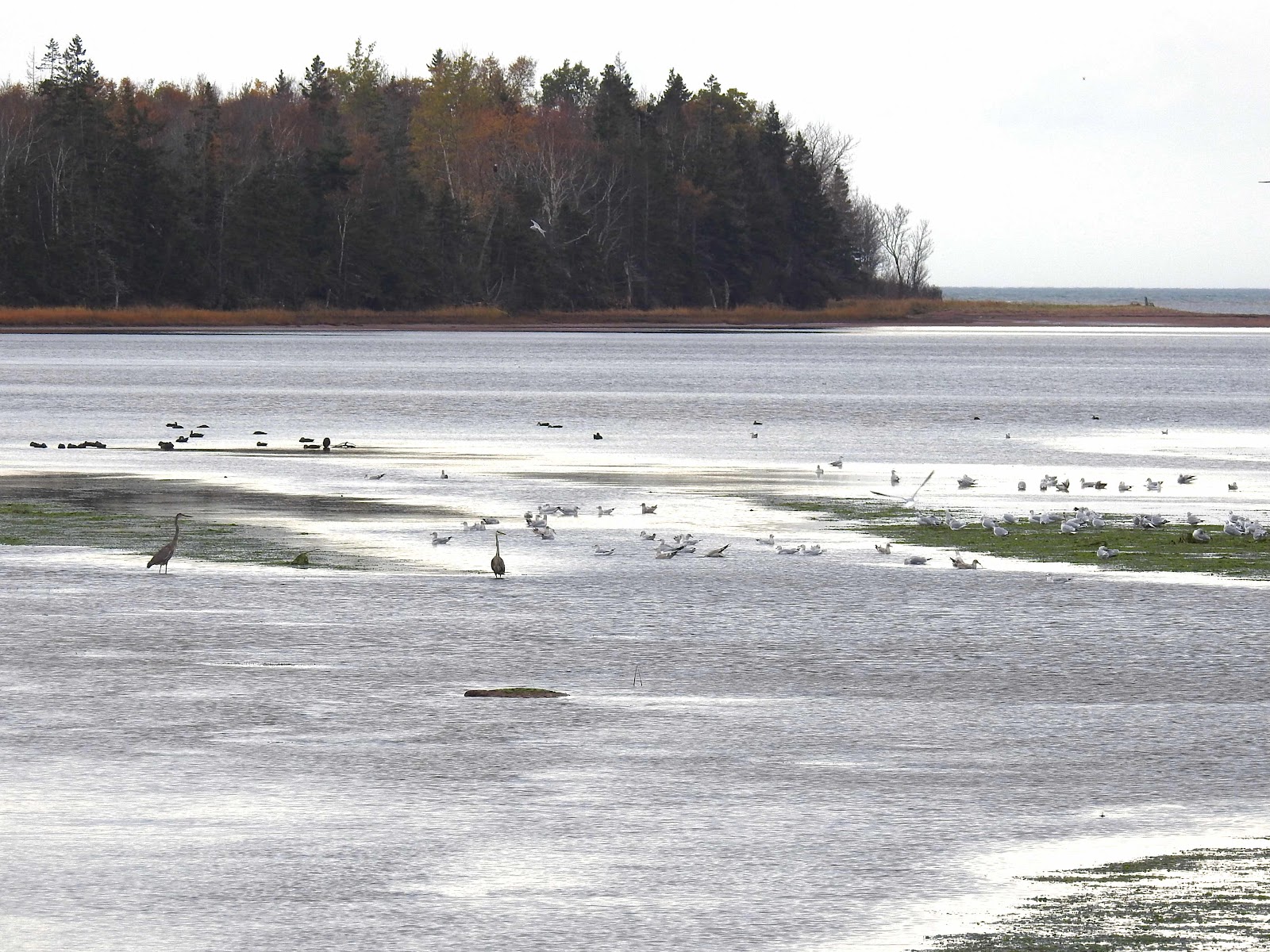


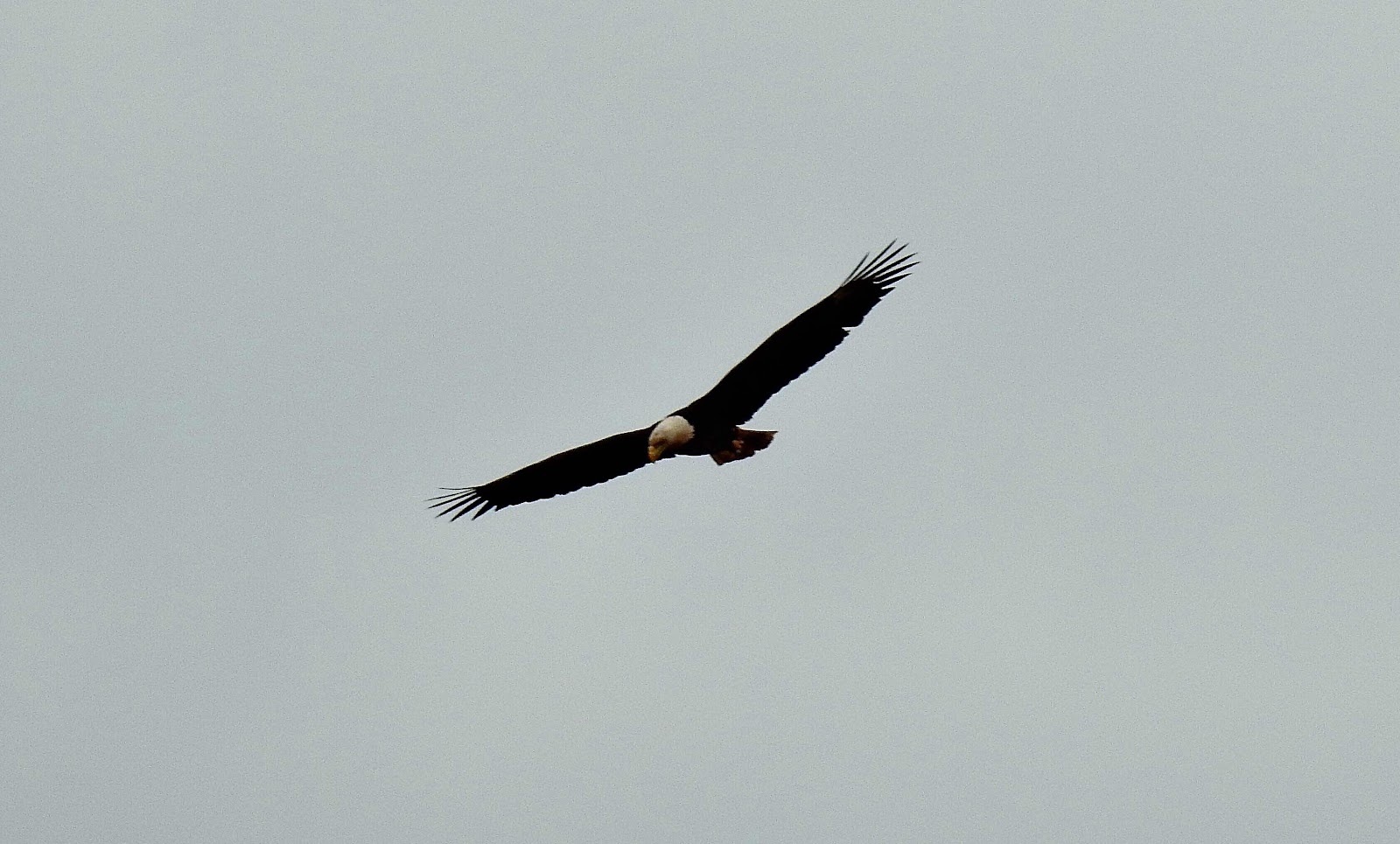
Looking across to the trees in the distance, a Bald Eagle sat watching the scene too. Had the starlings reacted to its presence?


We observed the setting for a number of minutes before we left for home. That time in nature was priceless! 


Sunday, 25 July 2021

Birds around the estuary

Slowly, over the last several years, a love of birds, their appearance and behaviour, crept up on me and seeped into my bones. My husband supports my interest in every way possible. Everywhere we go these days, we watch and listen for the birds in that area. Sometimes I recognize the birds by sight and/or sound, other times, I need the reference book or a website check at home for identification. Usually, the camera is nearby for photos.


Recently, we visited our family at a beach house on the estuary of the Hillsborough River near Charlottetown, the capital of Prince Edward Island. 


We spent the day on the beach with the kids and enjoyed every minute. Some of our time was spent birdwatching with the family.


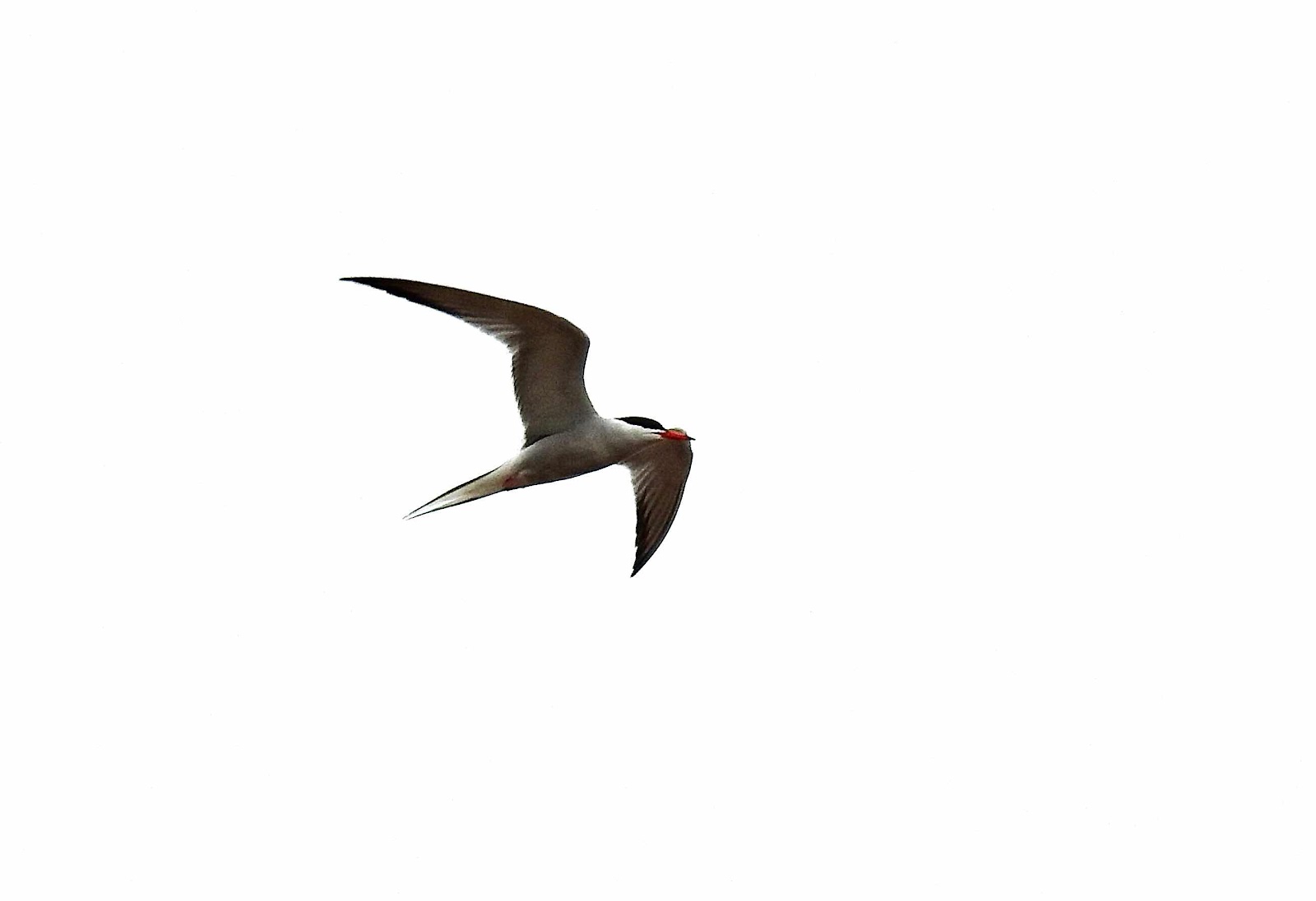
Bird listening is a better description when it comes to the Common Terns. 


The birds probably nest in the area and their in-flight acrobatics in the sky around the house and their voices were hard to ignore. In one area of the beach, they were loud and looked to be distracting us with aerial antics above our heads. I didn’t get any photos but their behaviour was amazing to watch.


One of the shorebirds, I later identified as a Willet, appeared to be nesting in the same area. We could hear noise among the grasses in the marsh and the bird put on a display a short distance from the noise. 


This bird stood on the beach and chirped its loudest as we approached and walked by. When we passed, it took to the air, the beautiful markings on its wings were easy to see but hard to photograph.


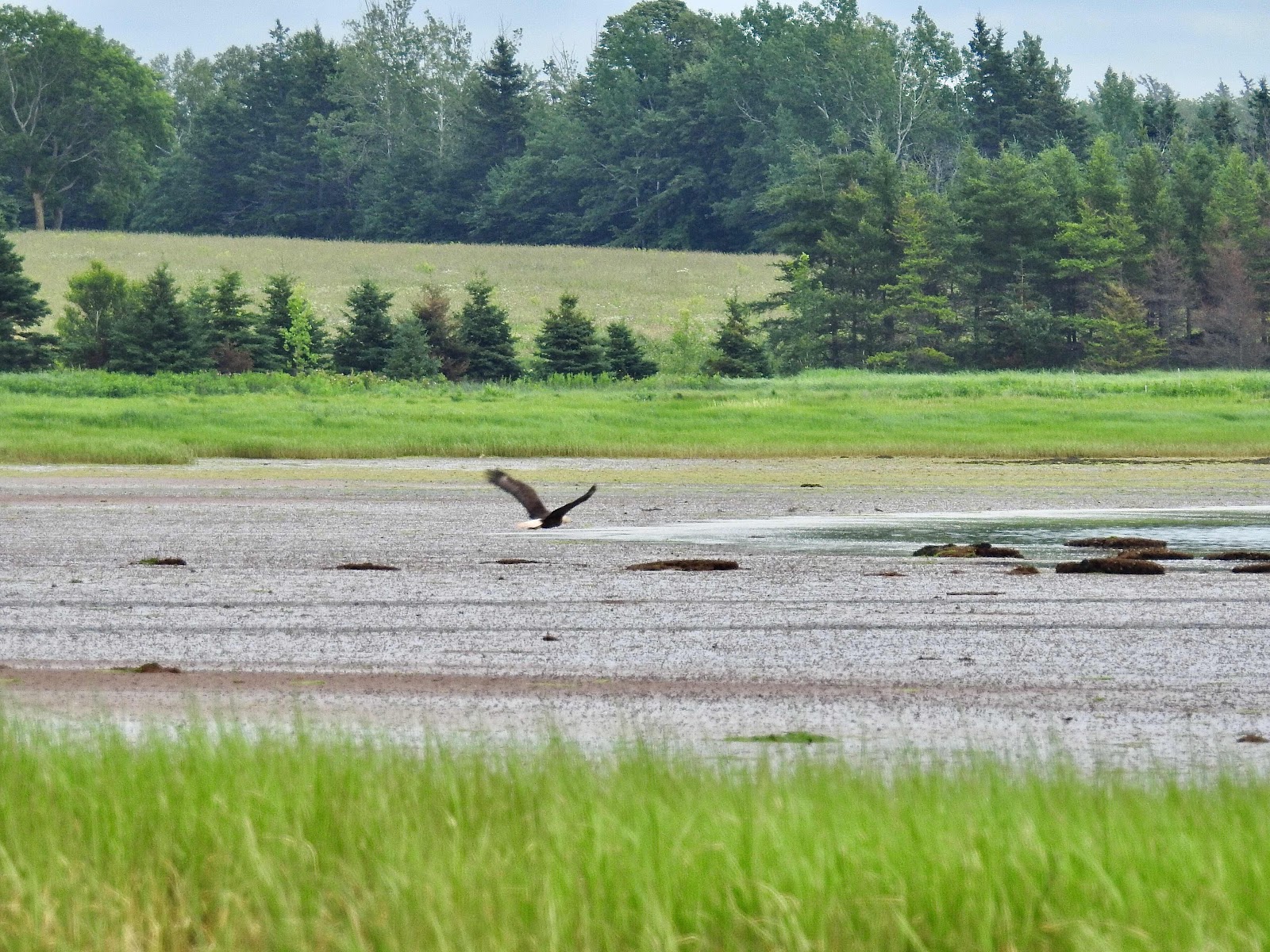
From our beach chairs, we observed the Willet and several terns being noisy and aggressive towards a Bald Eagle.


The birds flew towards the eagle, veering off at the last second. The eagle stayed around for a few minutes then flew to the trees a distance away. The smaller birds saw the eagle for the predator it was.


In the water, a flock of eleven Great Blue Herons caught our attention as well.


As the tide rose, the bird moved from one position to another, to shallow water. Eventually they flew off together. 


Watching the birds with family and sharing an interest with them was fun.

Friday, 4 June 2021

Songs for the ages

On our travels around our island home, I never tire of seeing these tiny birds, the Song Sparrows. While not on the beaches, they are in the woods nearby, the trees lining the trails and the boardwalk in Summerside, even among the hedges at home. You see them as you ride or walk along and everywhere, they sing their hearts out.


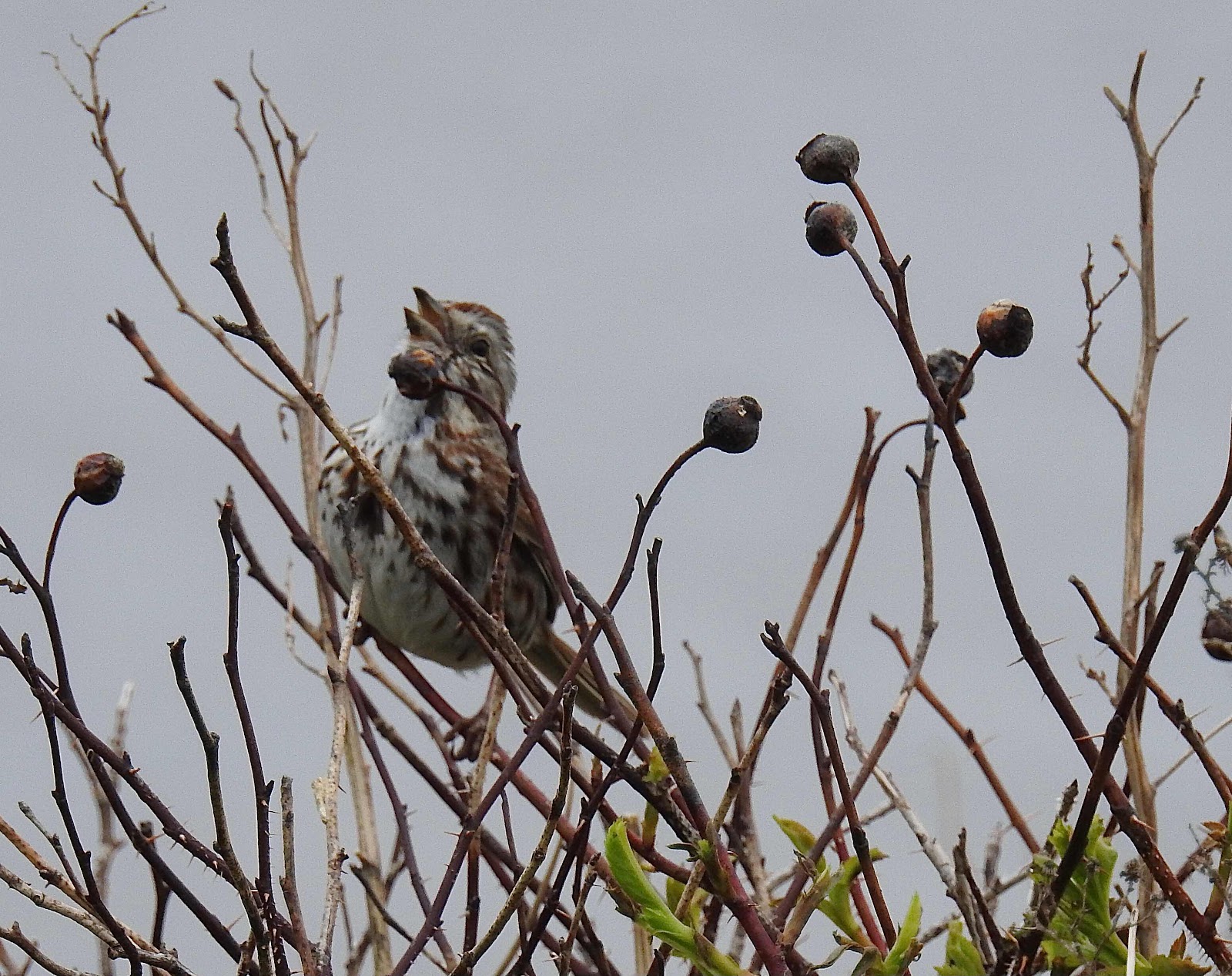
Their russet and grey back is not distinctive among sparrows. However the markings down the breast and the black mark in the centre make the breast of the Song Sparrow distinctive. 


For years Song Sparrows have nested among the hedges at the front of our house. Every morning, one stands on the balcony outside the bedroom and greets the rising sun with song. That brief interlude is my morning wake-up call. 


Earlier this spring, we had a feeder hung above our patio and our resident Song Sparrows visited regularly. The feeder is down now, so we don’t see the birds as often. However, if we work in the garden, they land on the house next door or the wires into our house and sing to distract us from the nest area.


The sight of such a sparrow in song is heart warming. The little birds often sing looking skyward, as if praising the heavens with all their might. They sing as if with emotion, loud and clear, recognizable songs from a repertoire only other Song Sparrows are party too, but people recognize. They inspire us with their performance and entertain us with their vocals. Our world would be a sadder place without these beautiful little birds.


In response:


Several people wondered about the reed grasses I featured on a recent post. I responded in that post but I am including the information here in case people didn’t see it.


The reed grasses were at the Cavendish Farms Wetland area. It is in an estuary which is under study to see the effect of farming on the waters in the area. I suspect the grasses are a native species, though an invasive species is on the island as well. The Wetland area is protected and it looks as if the grasses have been planted there as part of the on-going conservation project.


Friday, 27 October 2017

The Landing and beyond


The estuary looks different from above. 


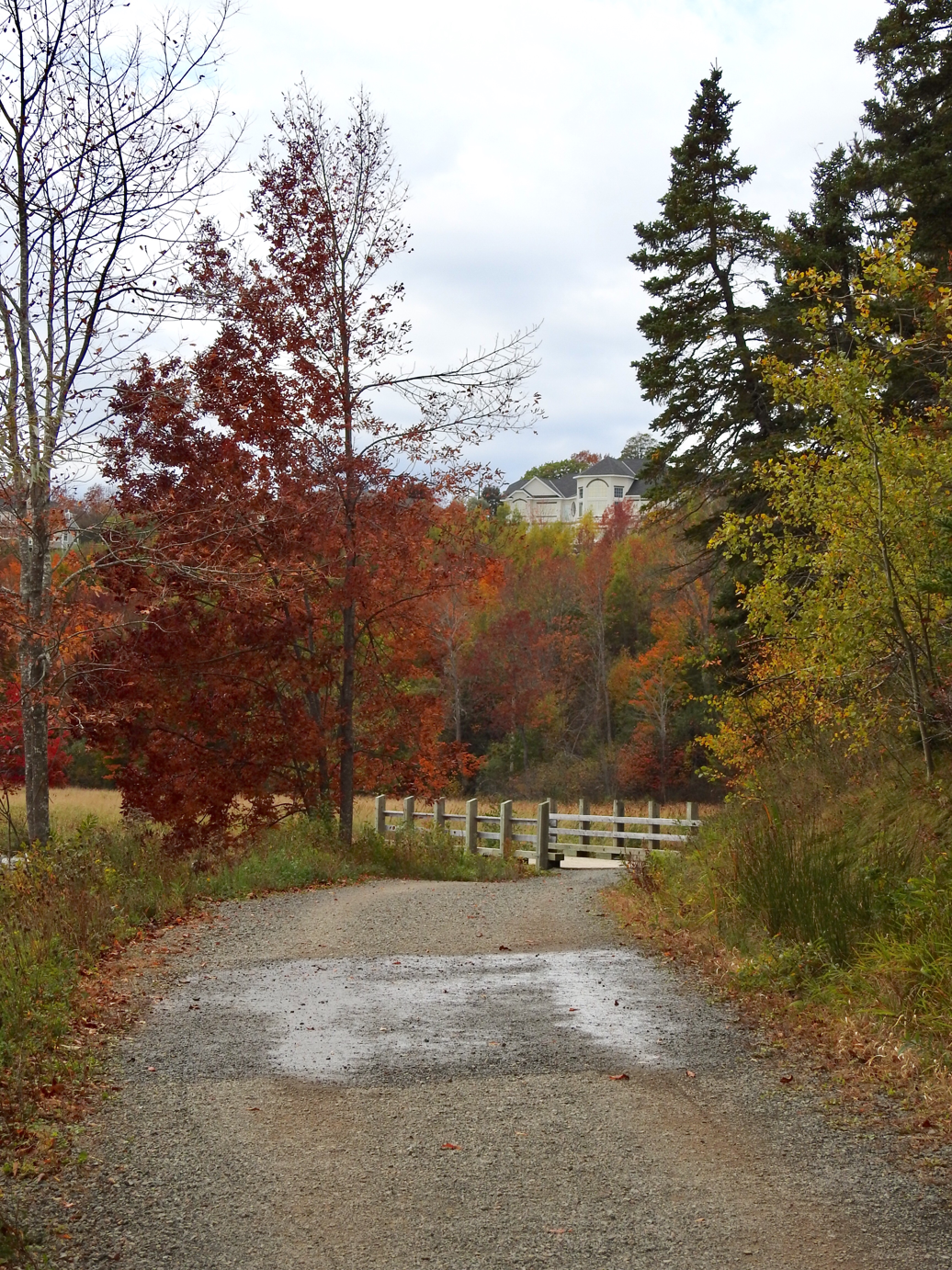
The water looks cold as the gray sky creates a mood which sunshine makes unfamiliar. The straw coloured grasses and bulrushes signify the season. Where there is enough soil for trees, they are changing slowly with the diminishing light.


We had walked The Landing, a dirt road which runs along the estuary and were headed back to our friends’ home in Antigonish, Nova Scotia. 


This is their daily walk in their new hometown. While it is challenging near the end, with the climb up from the lowlands, it is easy for Carlo and Hiltrud after their months of practice.


We need jackets this day as the northerly wind is cool. The trail along the water is well used by residents and we meet a number of them along the way. There are lots of dogs to make friends with. We take our time, rest on occasion, 


and take photographs. The grasses and bulrushes along the road provide a good border from the water which flows to and from St.George’s Bay.


Trees line the fields nearby and autumn colours abound.


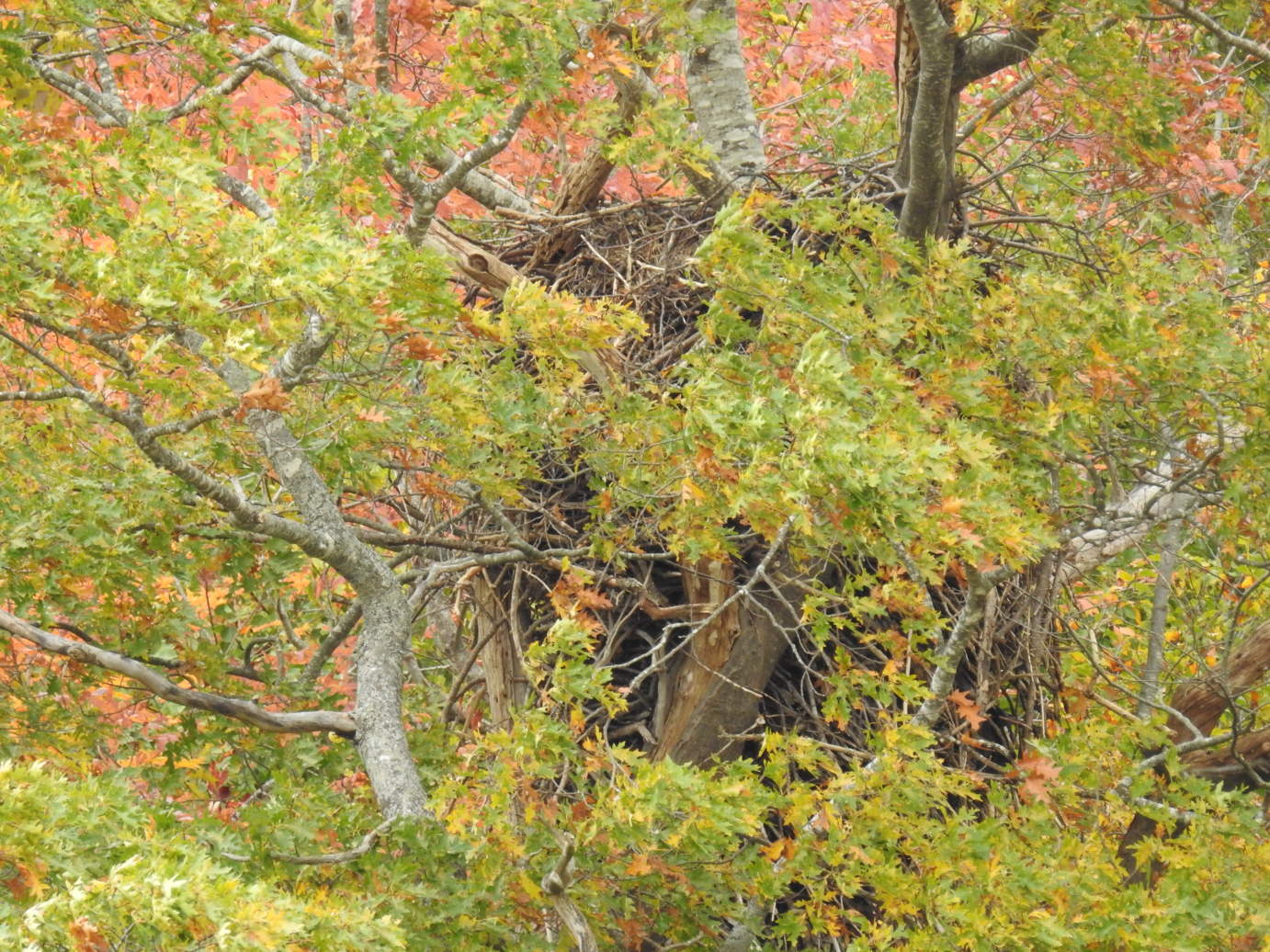
Carlo points out an eagle’s nest, partly hidden by the trees. 


Just beneath it, a bald eagle we name Sam, sits and surveys his domain. The detail in his feathers is impressive.


Along the way, we pass gardens where the autumn colour causes us to pause and take in the scenes. 


The next day, a deer was enjoying the plants in those gardens. Deer are an unusual sight for us as there are none in our native Newfoundland or on Prince Edward Island. My husband and I were excited to see her.


Autumn looks good in Antigonish

Monday, 12 June 2017

Unspoiled


In the Evangeline region of Prince Edward Island, my husband and I had a picnic in the shadow of the cemetery in Egmont Bay, a peaceful area overlooking the ocean. 


Afterwards, we walked the beach as we usually do, combining a walk with a new area to explore. We were not disappointed.


There are a few homes and cottages built back from the shoreline. As we walked east along the shore however, we approached an area without homes and cottages. There was an estuary where the Jacques River flows into an inlet of the Northumberland Strait. It was wild and unspoiled.


Spotted sandpipers were busy along the shoreline but scurried ahead of us down the beach. 


Ring-billed gulls stood in the receding tide as unidentified small fish came to the surface of the water nearby. The gulls munched on some of them as we watched.


A pair of osprey nested in the forest beyond the beach, alternately circling overhead and perching in the trees.


Along the shoreline, a willet, a large shorebird, had its mottled brown plumage, which announced it was breeding season.


A beaver pond, positioned between the beach and the forest was an interesting discovery when we looked over the bank. Again, the beavers were elusive.


Along the beach, at the mouth of the estuary, raccoon tracks elicited images of marauding raccoons at sunset, ready to snatch anything they encounter.


We paused along that shoreline to absorb the wilderness feel of the place.