Most Popular Post

Showing posts with label yellow bellied sapsucker. Show all posts

Sunday, 14 May 2023

In the park

The boardwalk in Summerside is where my husband and I most commonly walk. However, recently, since the trails have dried out this spring, we walk the Rotary Friendship Park, groomed trails through a wooded area near fields on the east side of the city. On a windy day, the trees provide a lovely wind break and we enjoy the change of scenery away from the bay occasionally.


In this park,


the trails tease you to follow…always just another few metres. Walkers share the main trails with bikers while and side trails, of varying difficulties, attract mountain bikers.


There the flat countryside has been supplemented with large boulders, making trails of various levels of difficulty. The rock features are unusual for the island.


Now the trails have a hint of green along the margins, as trees and underbrush are in bud,


grass is turning green and spring colour has begun. 


Soon these fiddleheads will spread out above the forest floor and along the trails, contributing to the verdure.


The tiniest life forms are on the move again. 


These woods have lots of birds too, such as Yellow-dumped Warblers, singing to greet people at the entrance of the trail. 


Robins check through the grass along the trail. This leucistic Robin was an interesting sight.


Woodpeckers love this area too, though it has areas of devastation from post-tropical storm, Fiona. 


Yellow-bellied sapsuckers are busy drilling as walkers enjoy the trails while the birds work around them. 


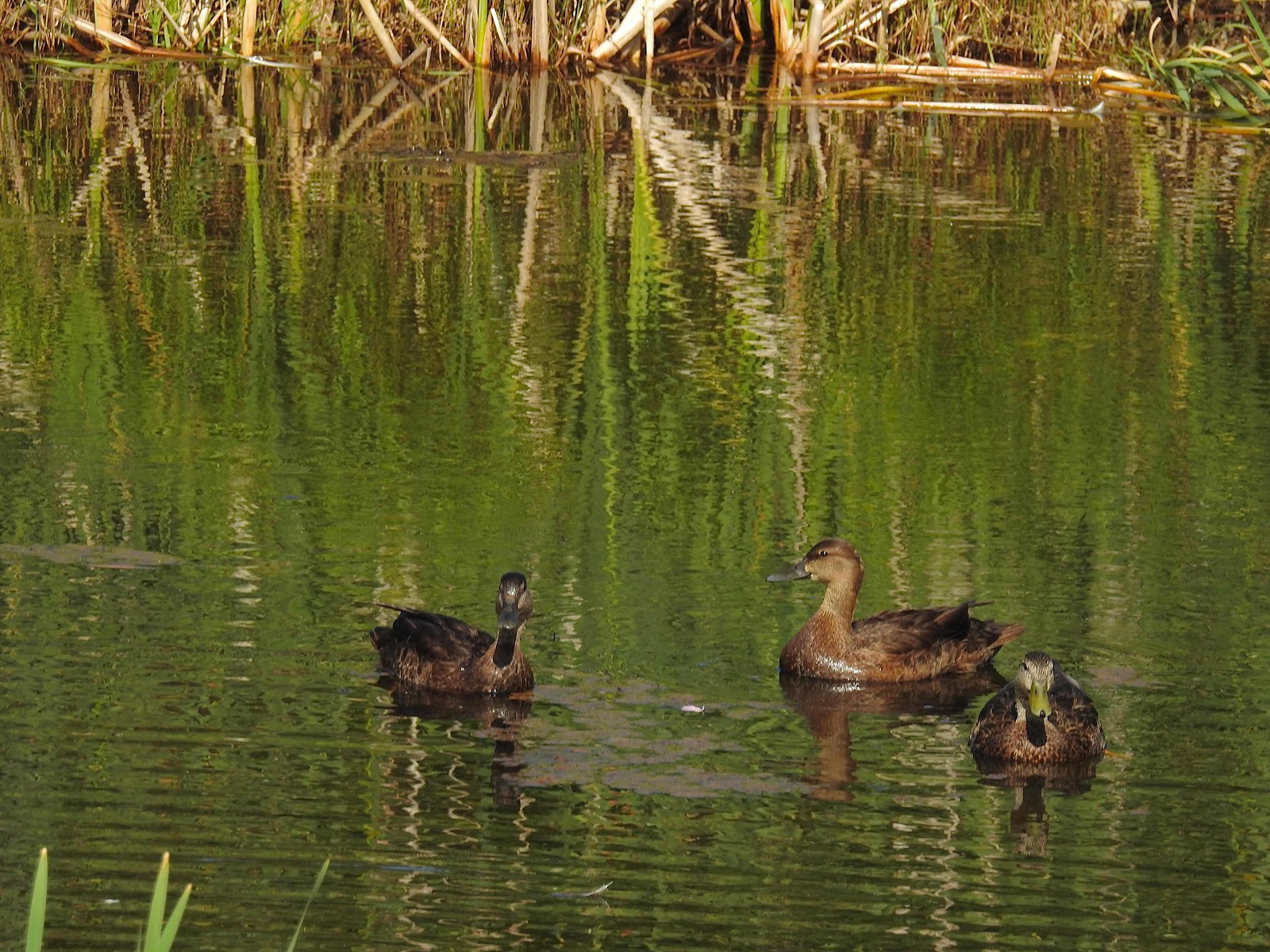
Through the trees we see two male Mallards swimming in one of the ponds. 


For a few minutes in a day, we are privileged to experience life in the park, not knowing what we’ll encounter any particular day. Spring there is a revelation!
Wednesday, 27 July 2022

Something new every day

My husband and I walk the boardwalk most days about mid morning, before it is too hot. One of the good things about the area is the breeze along the coastline which cools us as we go. The area which we frequent, is different day to day and my husband and I enjoy discovering what is new or different. 


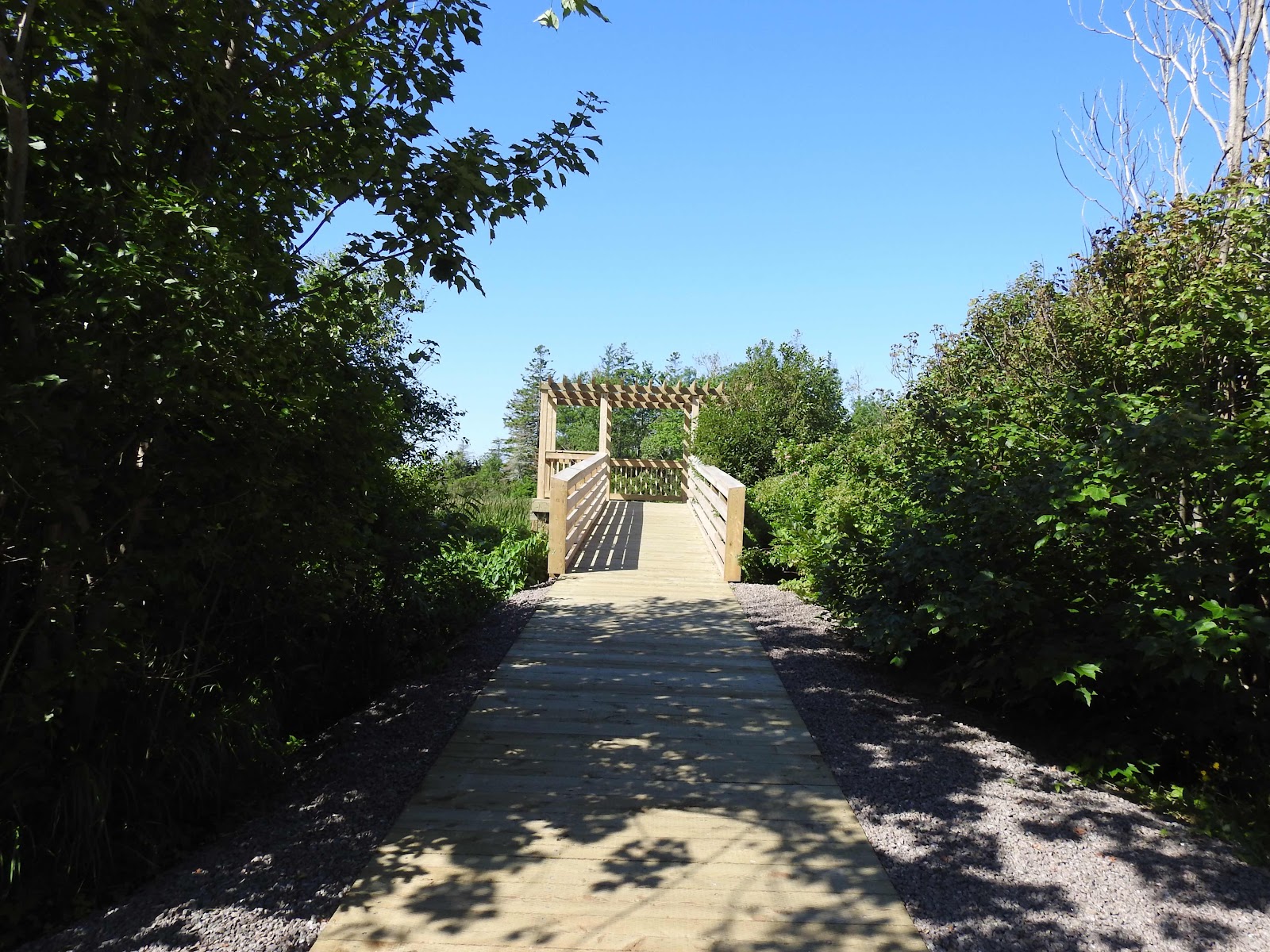
We always start at the gazebo to see what is happening at the salt marsh/pond that morning. 


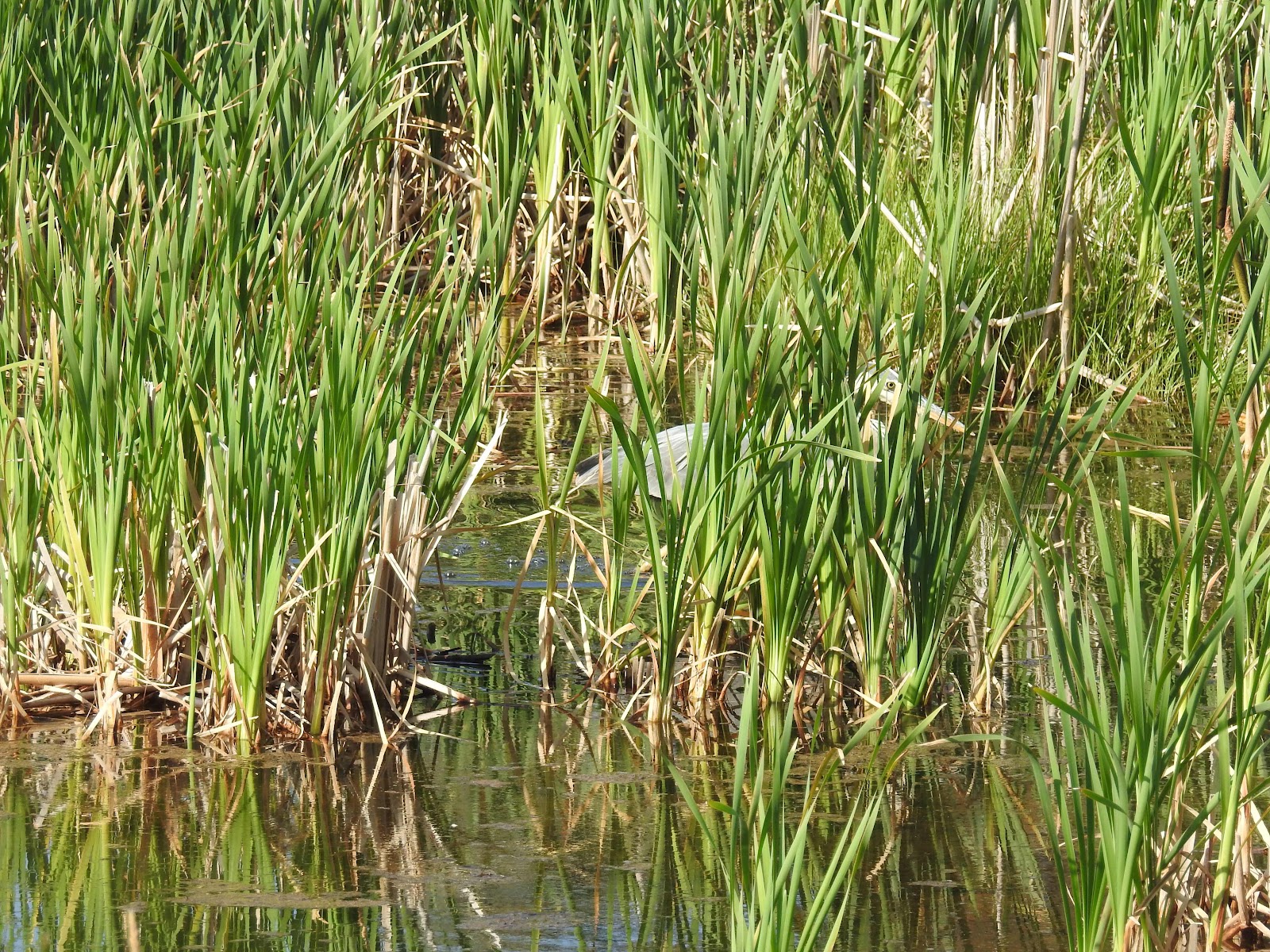
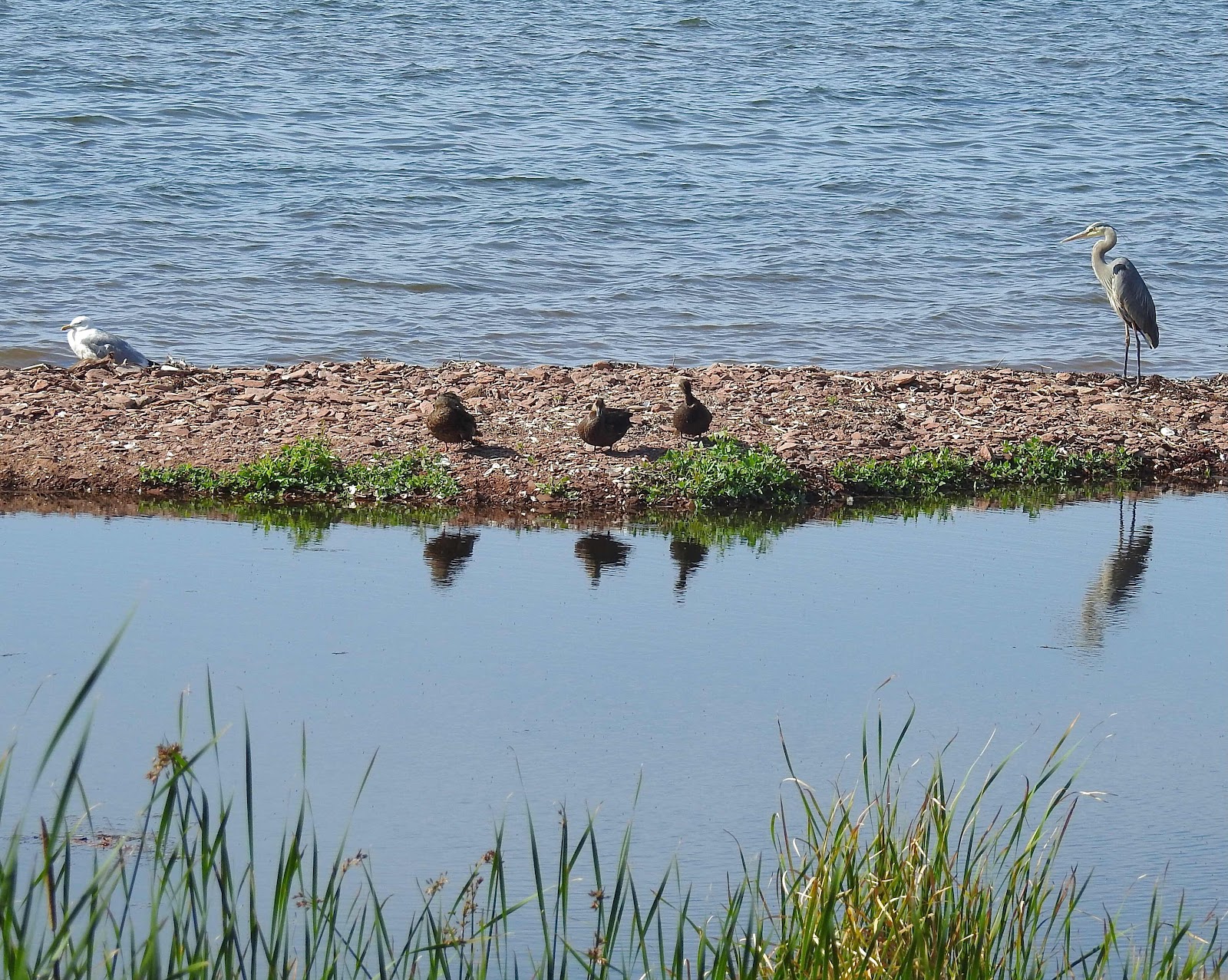
There are usually American Black Ducks but if we are lucky, one of the Great Blue Herons who return to Bedeque Bay every summer is visiting the marsh too.


Birds are some of my favourite animals. Birds of any size, shape and description are fascinating to me and I enjoy observing them. I take numerous shots with the hope of one good photo. I especially enjoy photos of birds when several species are in the frame. 


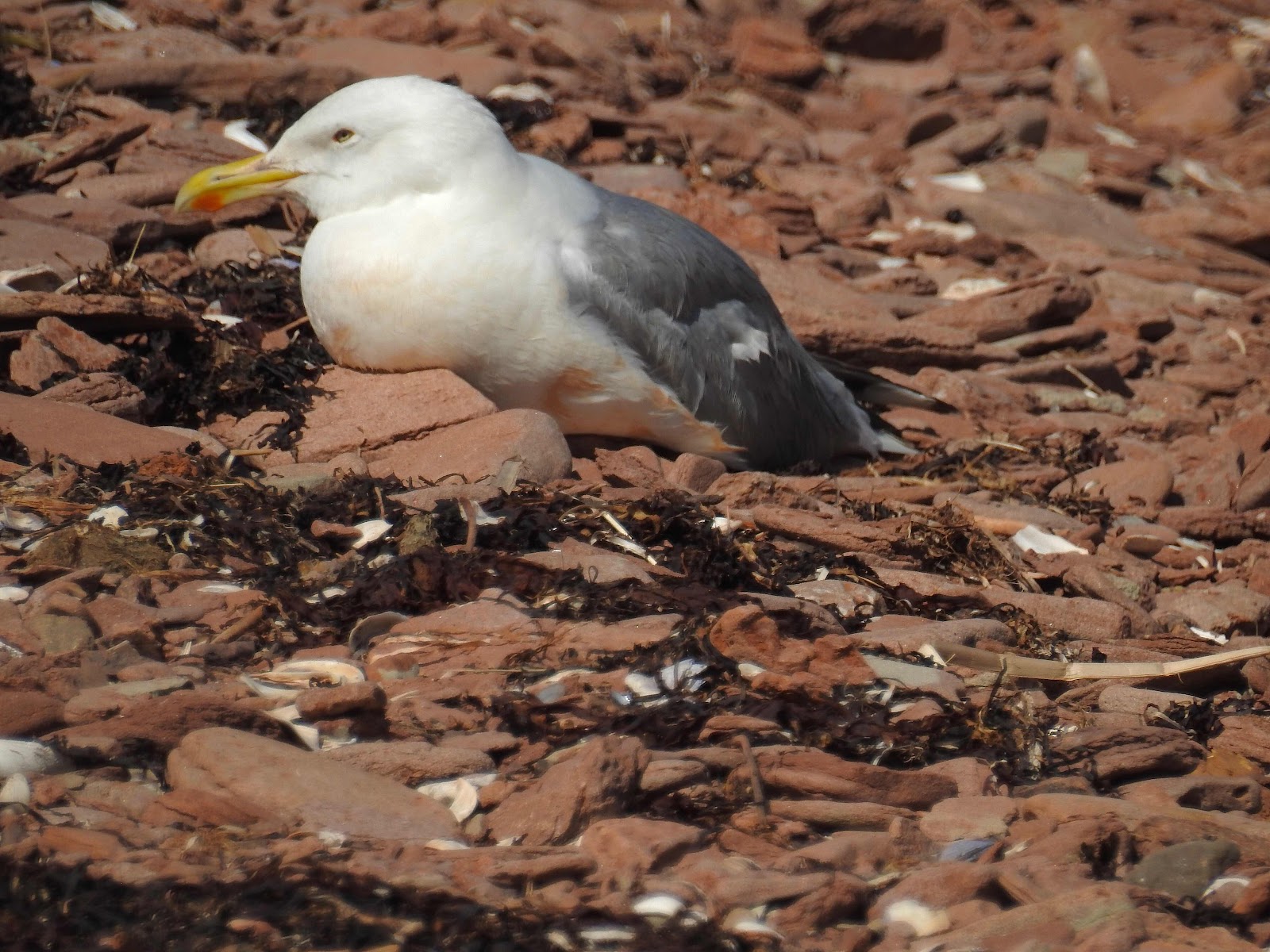
I was pleased this month to see these three species co-existing at the end of the marsh, with the sea in the background. 


The American Black Ducks live in the marsh, moving easily between the marsh and the bay. 


Gulls are always around the bay and this may be a Herring Gull. 


We watched the Great Blue Heron disappear into the bulrushes.


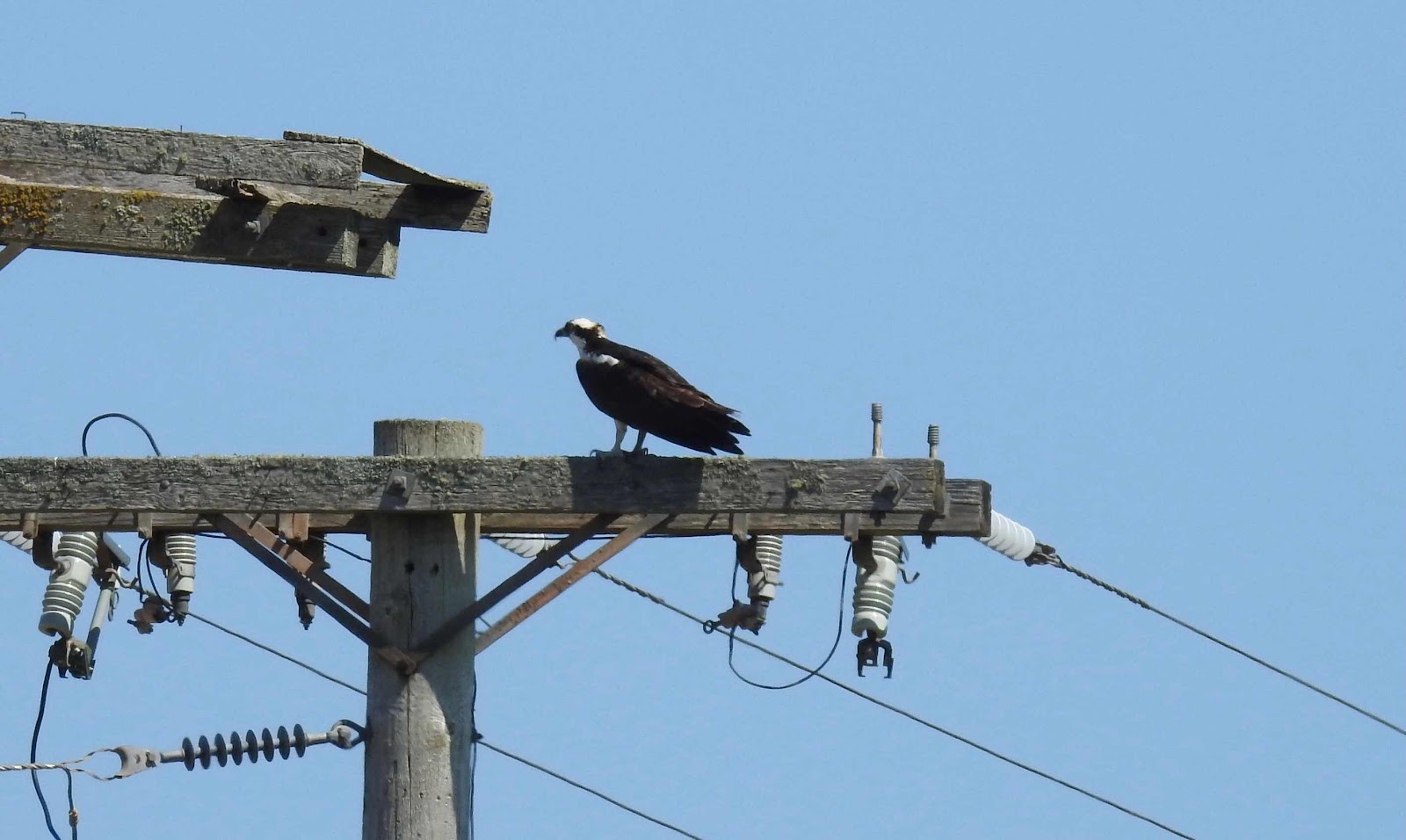
The same day we saw an Osprey that lives in the area perched on a pole which gives it a great view of its domain. 


We hear Osprey and see them hunting sometimes along our way.


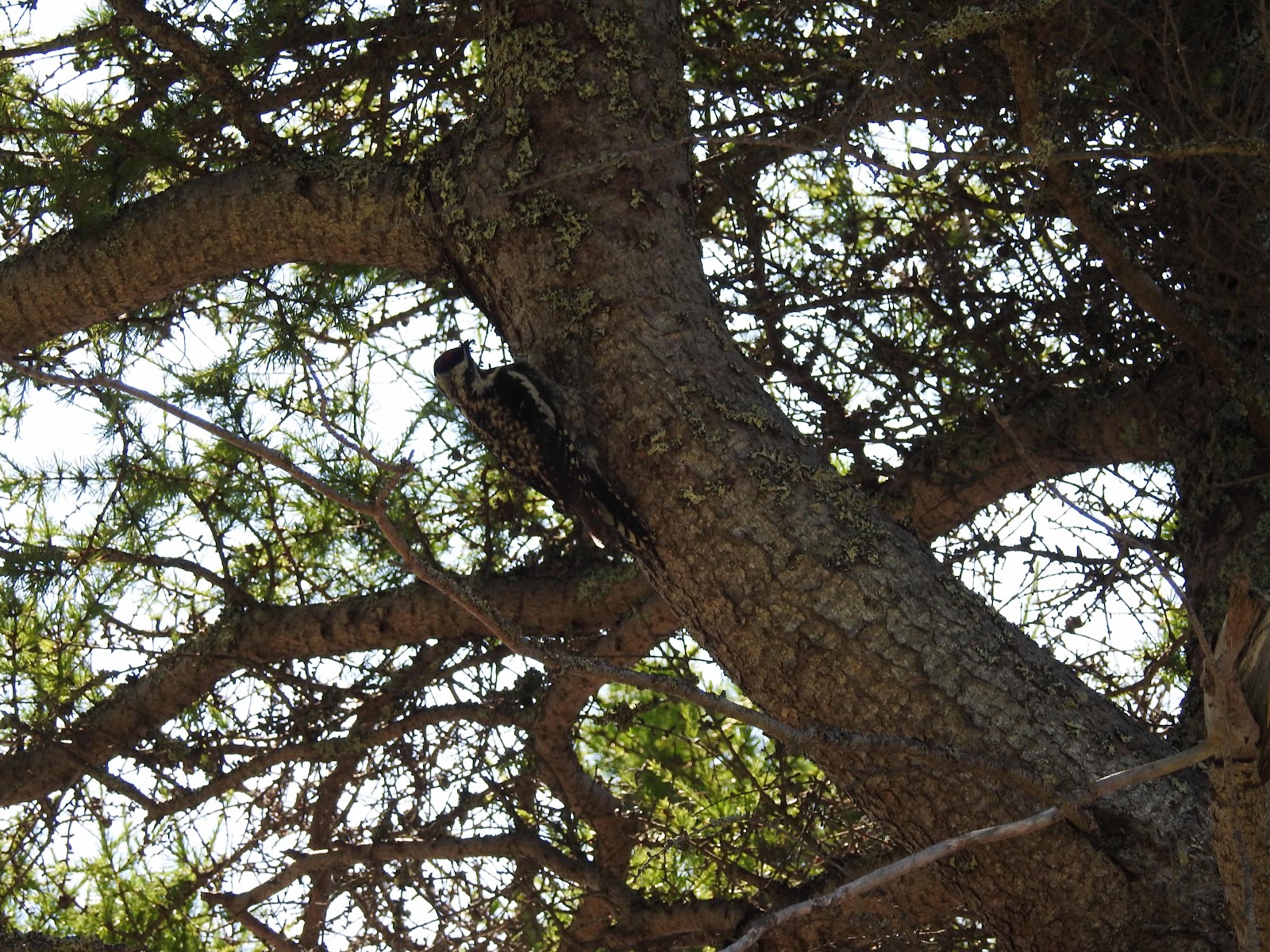
A Yellow Bellied Sapsucker was busy among the trees as well. This one stayed at this particular tree long enough for me to take a photo.


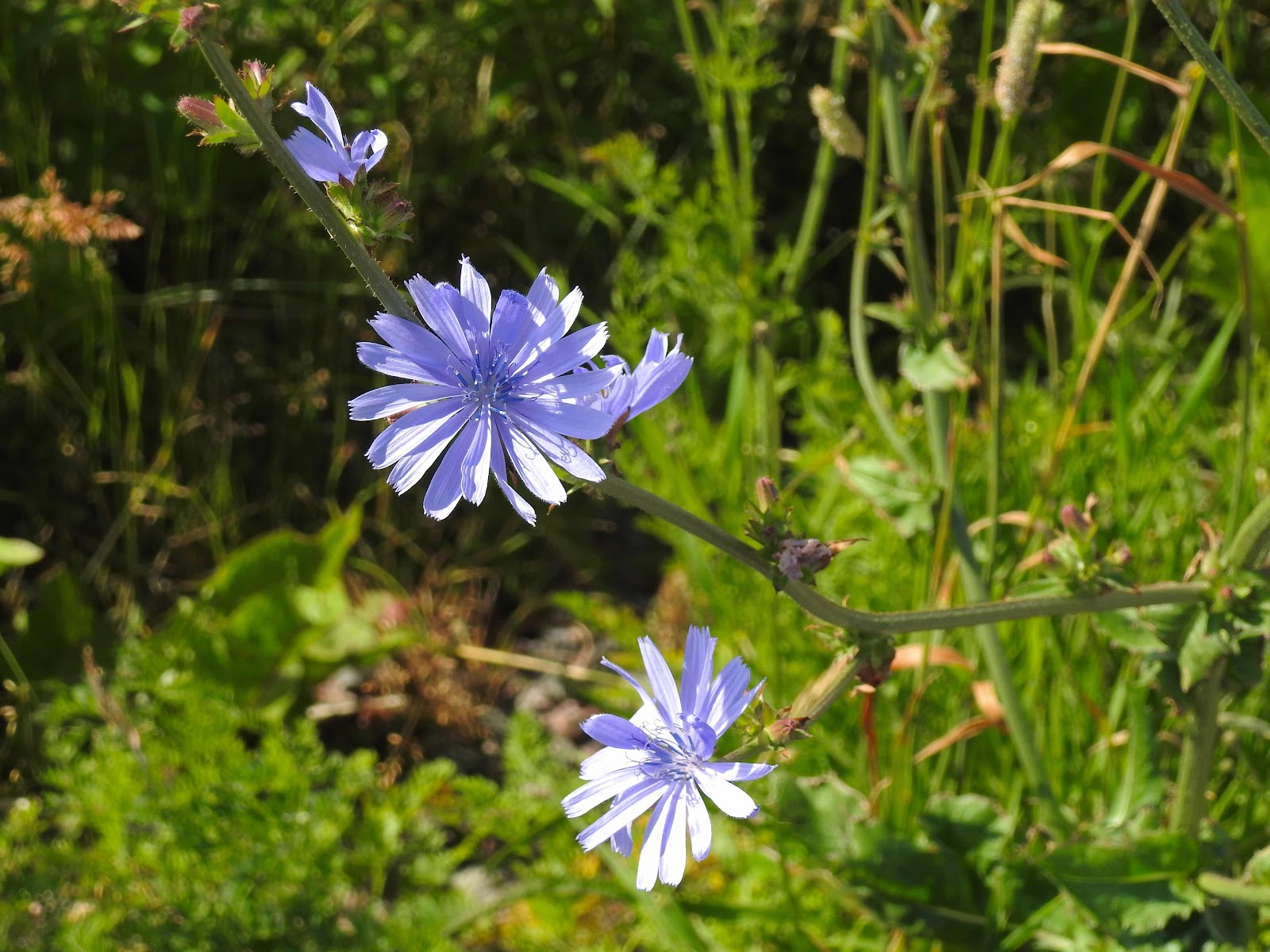
Another of the treats that day was the chicory plant which was blooming beside the trail.


It was the first such plant I’d seen along the trail and I’ve noticed it every day since. It is a pretty wildflower which is used in medicine and as a cooking spice.


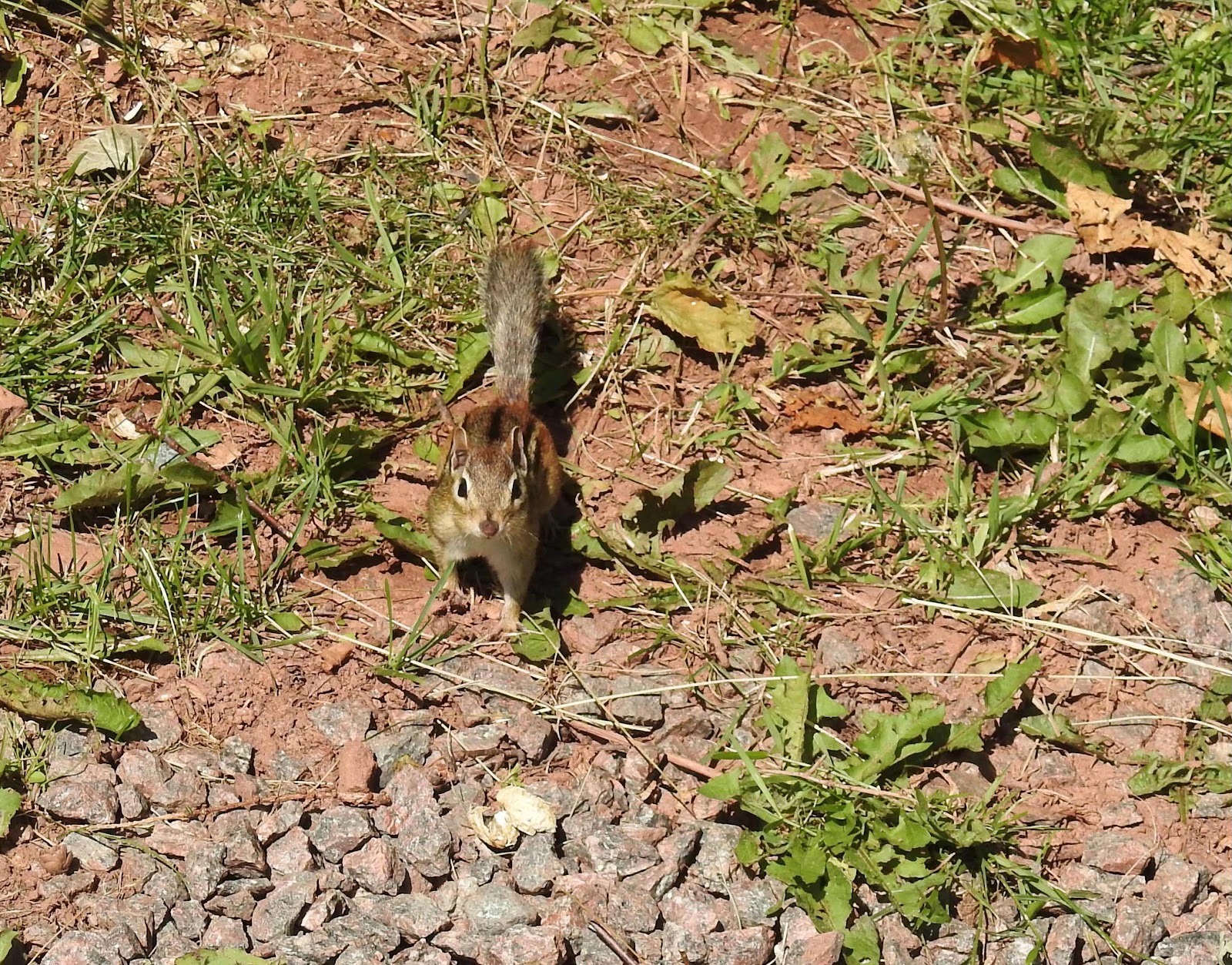
We always notice the chipmunks too. 


They are so tiny this time of year. Could they be any cuter?


Every day our favourite place for a walk has something which is picture worthy.


Monday, 18 June 2018

Waves of land

Mere feet above sea level, the countryside of western Prince Edward Island where we live is flat with gently rolling hills in some areas. As one travels east, the countryside changes to hills, formed by glacial till deposited between 10,000 to 15,000 year ago from melting glaciers. 


Looking over the central countryside, it looks as if the land attempted to mirror the motion of her sister, the sea, with waves as well. These waves are bigger than those of the sea in our part of the ocean however.


As we walked along a Heritage Road in the center of the island, these land waves were obvious as we crested the hills and walked through the troughs of these static waves. 


The vegetation closed over Perry Road prevents a clear view into the distance unlike the asphalt over the open countryside. 


This area provided a workout compared to our regular routes.


This glimpse of the fields in one area along the way was unusual as the road cut through forest along much of its length. 


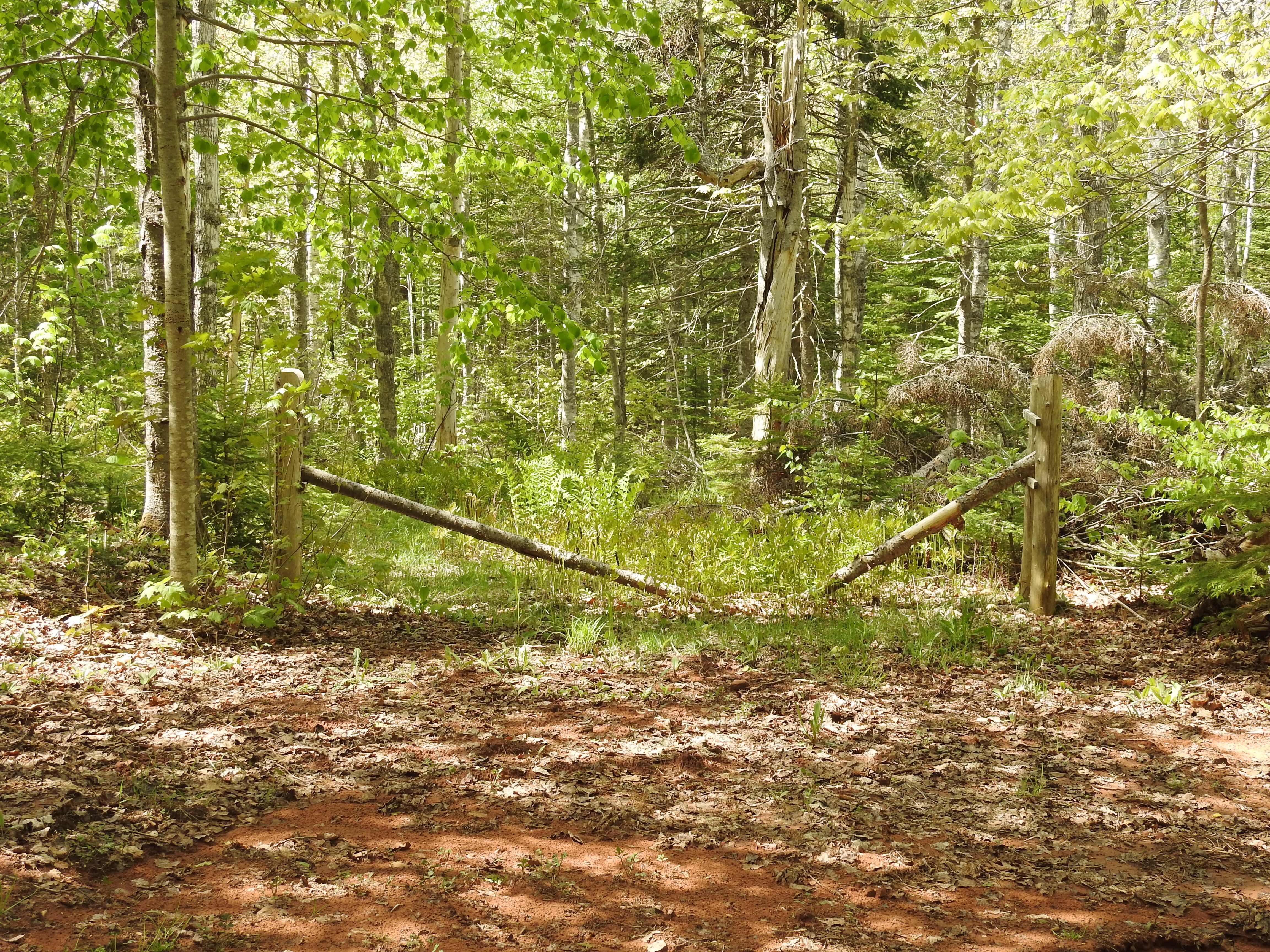
However, in several places, one could see the remnants of human habitation, an old gate or an old road, long grown over.


Bird greetings made us welcome but the only one we saw was this Yellow bellied sapsucker who was busy on a favourite tree.


Black flies were in abundance as the wind was calm but insect repellent helped. We check for ticks any time we’ve been outdoors these days since they are here too.


The incline on the treadmill will get a few workouts before our next walk among the waves in the center of the island.

Wednesday, 23 August 2017

Breakfast with the birds

It’s early morning at the stream which empties into the harbour


and the sandpipers are busy feeding. 


These birds are tall, with yellow legs, which gives them their name. The flock of starlings is busy nearby and some drop into the islands in the stream. Four of them are busy digging for grubs in the mud.


Then she appears out of the bulrushes, a female green-winged teal. 


She’s the only one of her kind here, but she swims around, up-ending into the water to feed, unconcerned about the others sharing the stream. At one point, she too is on an island with the starlings, as she checks through the mud. Her green spot breaks the camouflage.


In one of the old trees overlooking the scene, an immature yellow bellied sapsucker is busy drilling into the old trunk. By the look of the trunk, this is one of his favourite trees. He makes his way around the trunk, drilling as he goes. He is driven!


Then another bird crosses the stream and lands on a dead branch near the woodpecker. From the profile I can tell it is a kingfisher. The bird, with the unruly topknot, stands on the branch motionless, watching the stream. I couldn't see it at the time but the photo shows the female has a white cross in front of her eye.


Meanwhile the sapsucker drilled for its breakfast behind her.


In the stream below, everyone is busy getting breakfast. The starlings are on the islands digging, the yellowlegs walks on an island, dipping its long beak in the water and the duck is dabbling.


They each have a place in the environment and co-exist peacefully, a testament to the wonder of natural selection.


This time watching the birds is one of my favourite experiences along the boardwalk. 


Friday, 23 June 2017

Woodpeckers

Woodpeckers, especially sapsuckers love the old wood forest in Breadalbane. During our recent visit, we heard many bird calls, but the dominant bird sound was the tapping of woodpeckers


My husband and I stopped numerous times to look, trying to pinpoint the source of the tapping. On one occasion, there was activity inside a huge woodpecker hole and we waited, but to no avail. The bird was too busy to exit.


This old trunk, with its row of holes, was evidence of a yellow bellied sapsucker. 


I finally saw a yellow bellied sapsucker. 


He landed on a piece of plywood which was attached to a tree near one of the trail entries. 


He drilled at that sign, flew away and came back several times while I watched. I could imagine what he hoped to find in the old piece of plywood but how long would he continue without success? 


Later, I discovered that drilling on such structures by woodpeckers can be a way to mark territory. The sign was perfect for the bird's purposes as well. 


The more I observe and study birds, the more amazed I am by their intelligence and instincts.