Most Popular Post

Monday, 14 September 2020

Rice Point

We visit the Argyle Shore on the south central coast of Prince Edward Island several times a year. Canoe Cove, along that shore, is where we buy wildflower honey from our favourite vendor at his roadside stand. 
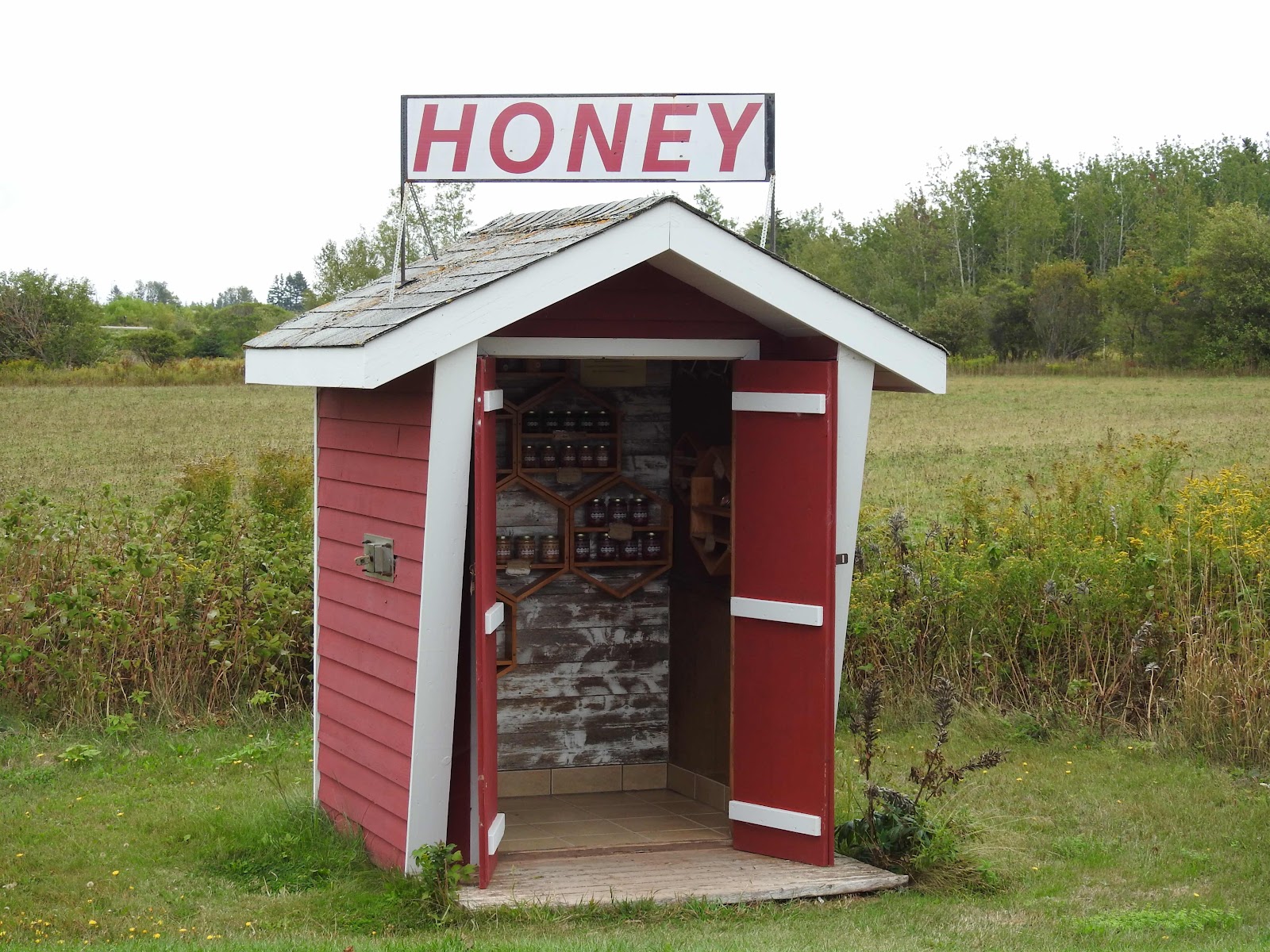


However, we’d never visited Rice Point until one day last week. We were hunting seals.


I recently posted a photo of a seal, the first I’d ever seen around the island though my husband and I always watch for them. Helen, a blogger from Brisbane, Australia, see below, told me where she saw seals with her family when she visited here. Sure enough, there were seals at Rice Point at low tide, just like Helen said. Thank you, Helen! Here.


The beach reminds me of Canoe Cove just up the road where the tidal pools at low tide are of great interest to our grandchildren. 
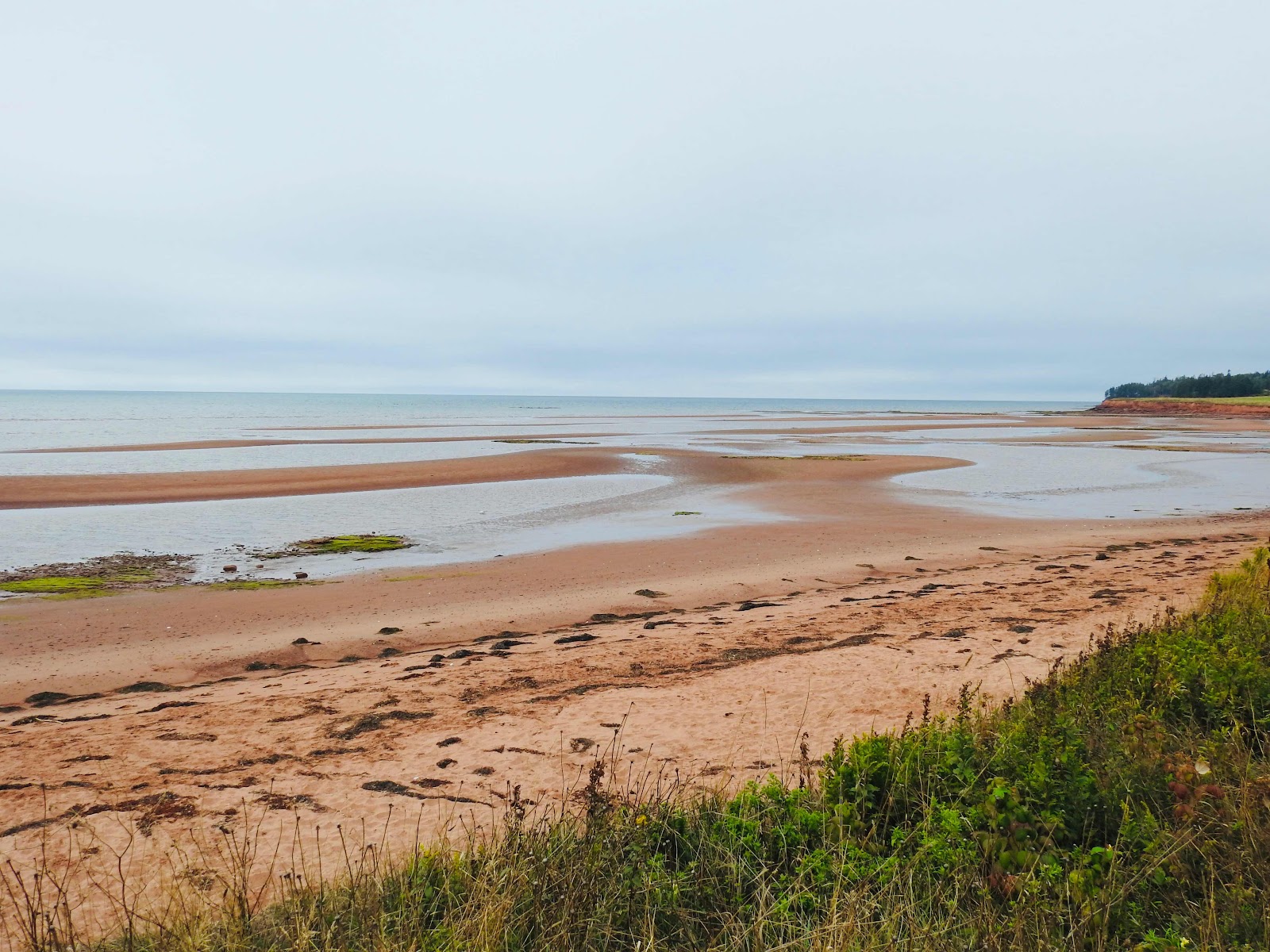


Here, at Rice Point, offshore on a small, barely exposed sand bar, I saw shapes which could have been rocks. 
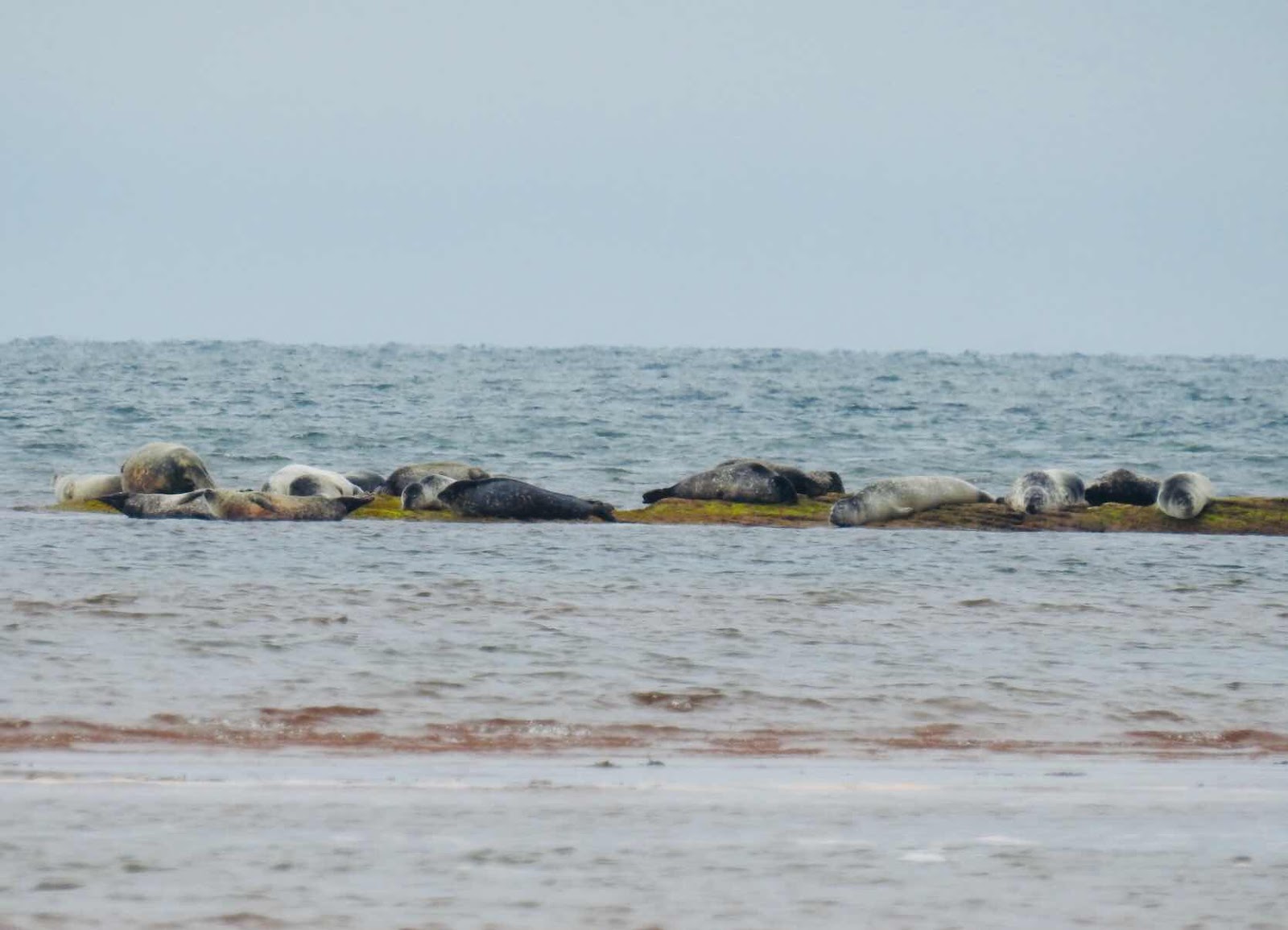


I recognized the familiar shape of cormorants along one part of the sand bar too.


I walked as far as I could and sure enough, the shapes were seals of various shades of grey and black and various sizes though all were big. Had I been prepared to wade in the water, I could have taken closer and had better photos. Another time.
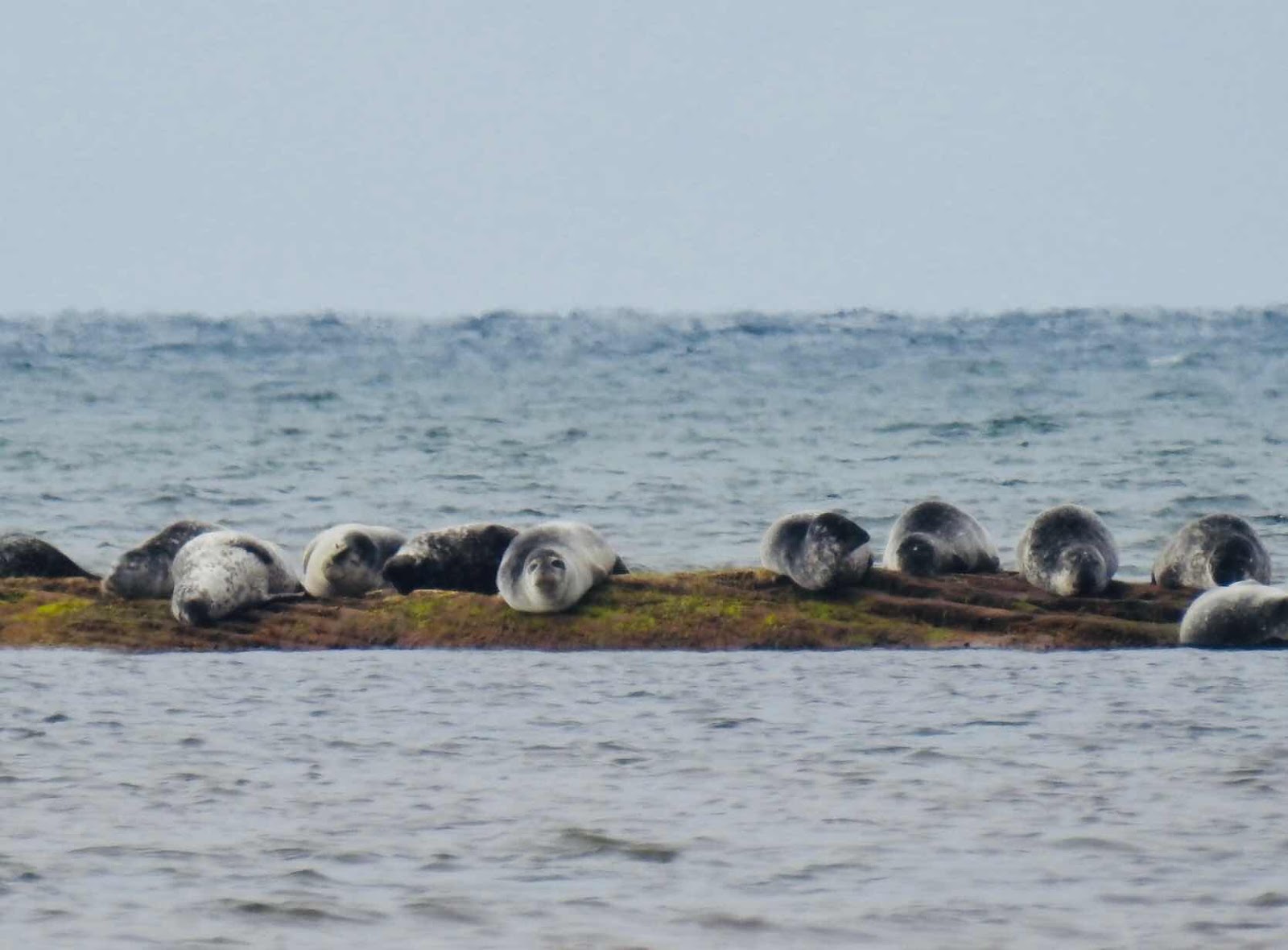


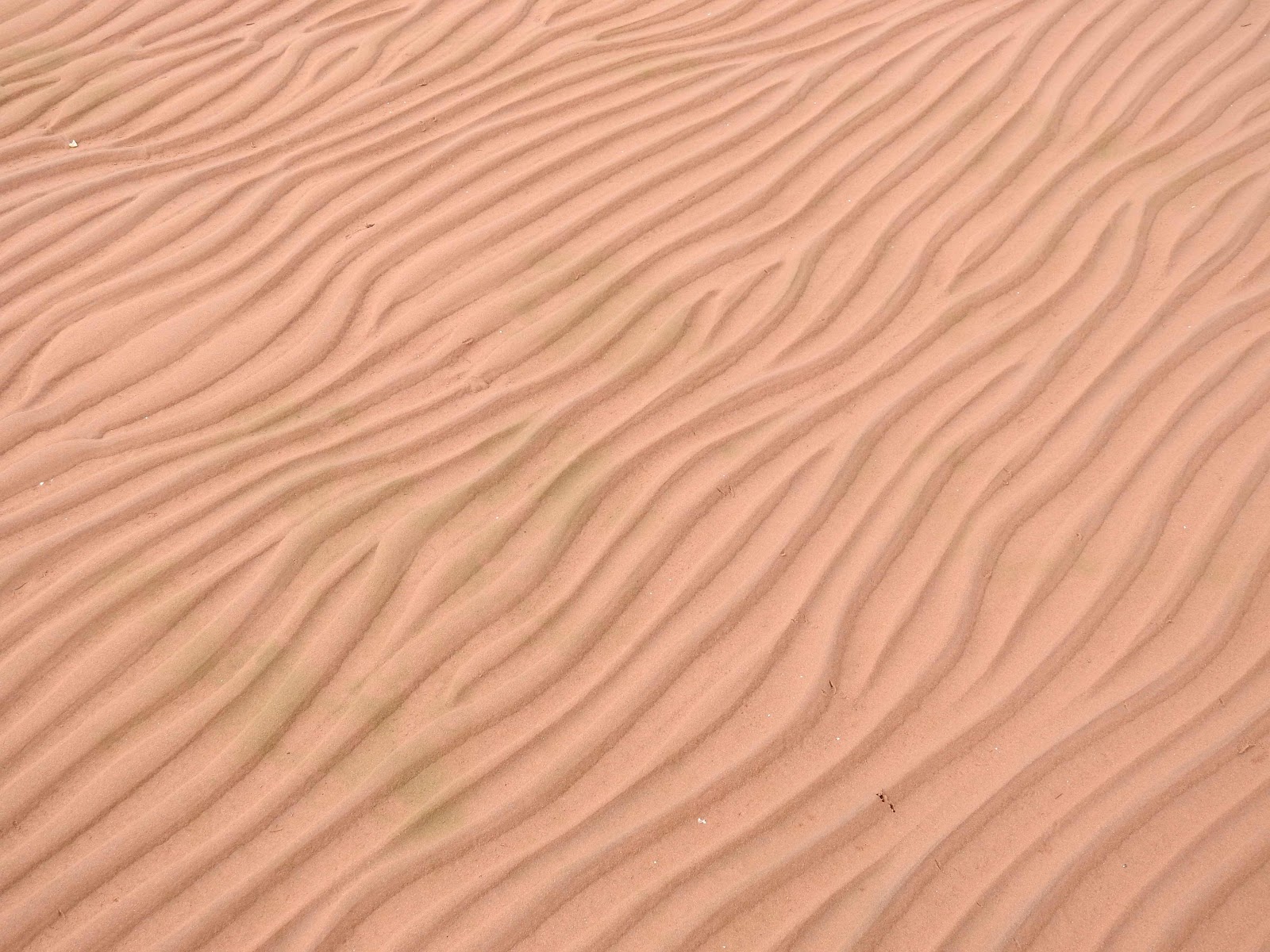
The sand itself has wave induced shapes which I find intriguing too. How does ebb and flow create these? 


Also, the sand was full of holes made by shelled animals.
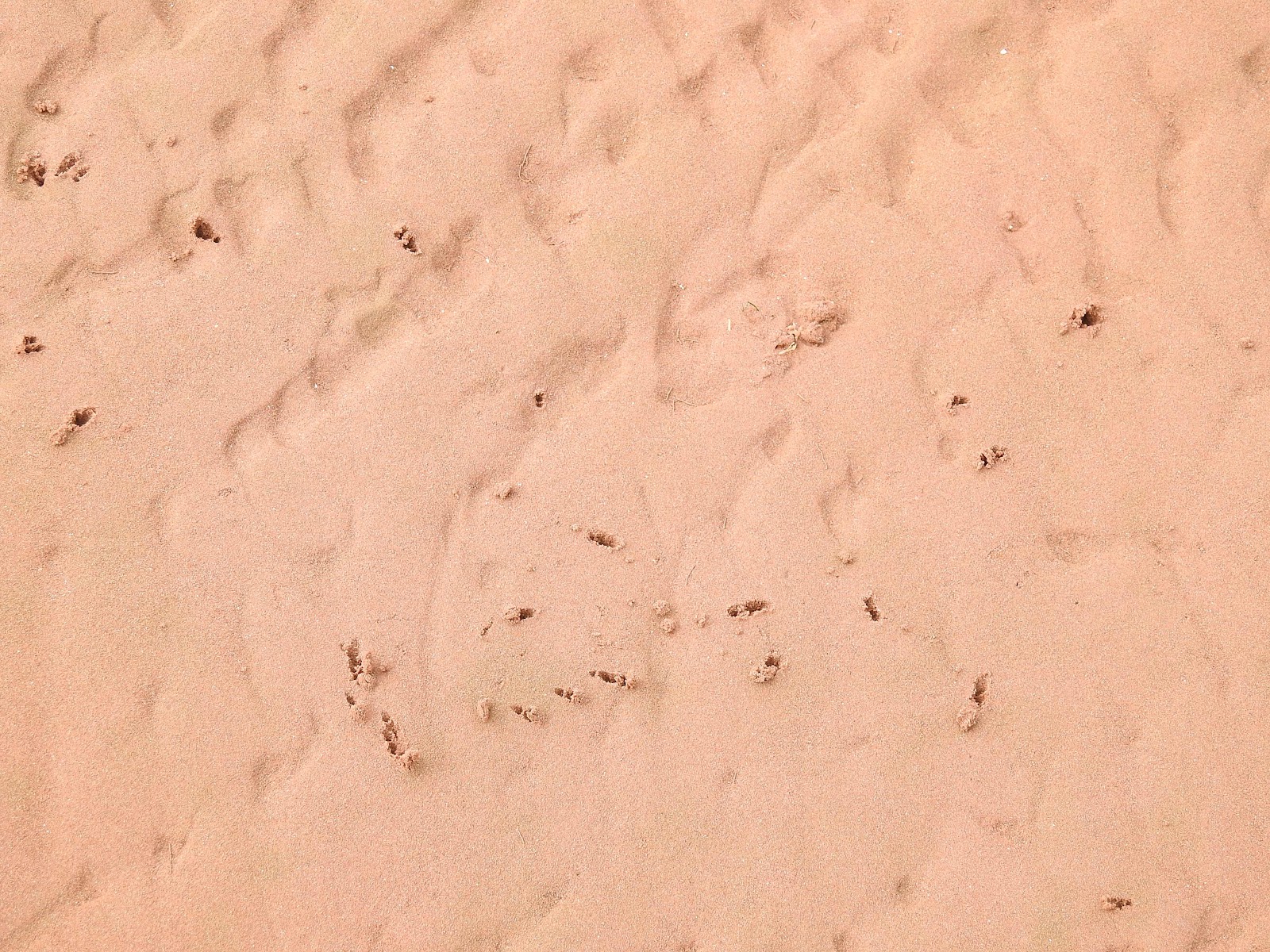


Our grandchildren would love to dig here. 


The beach, though not a huge one, is a beauty. 
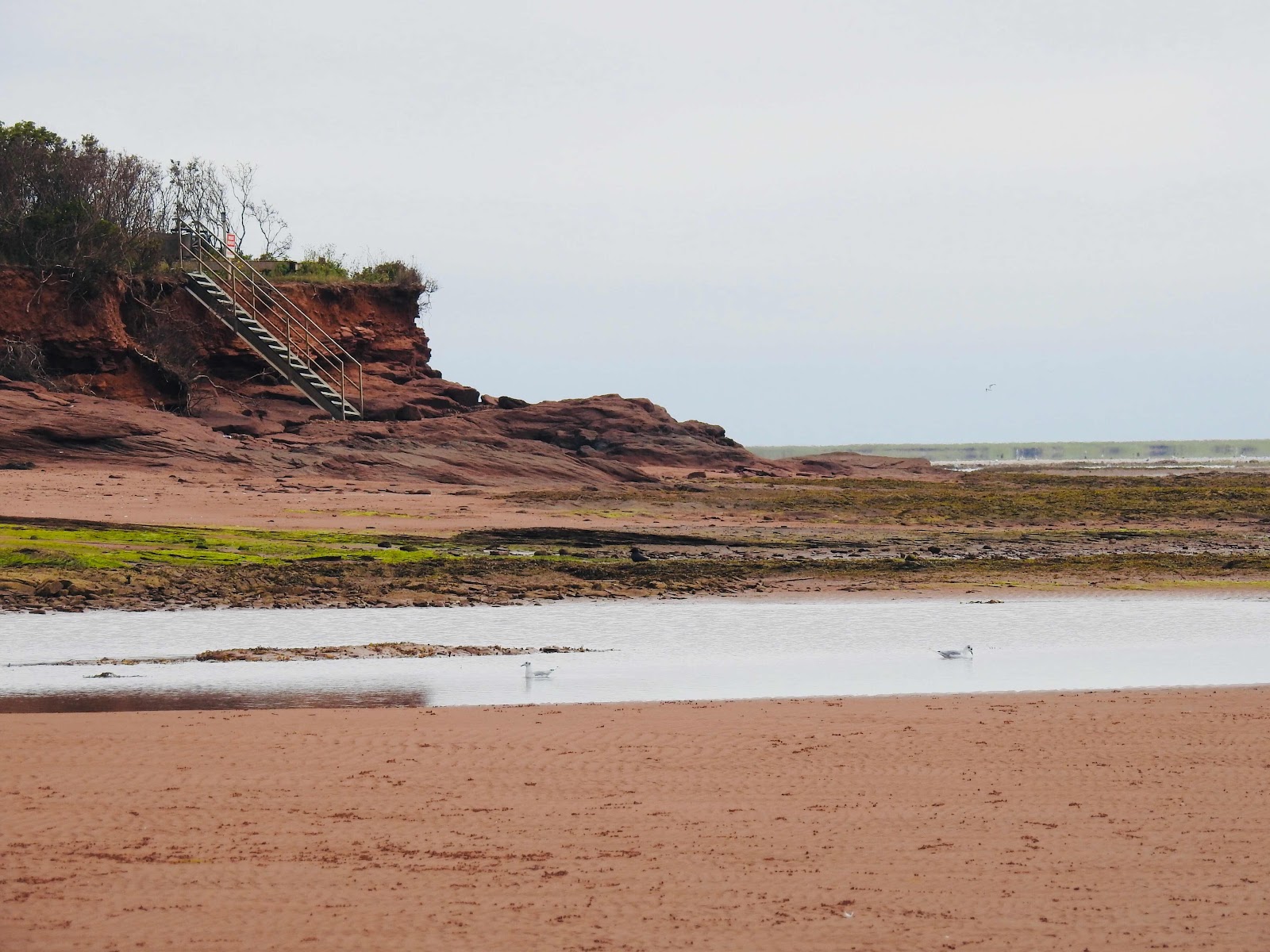


It sits between two points of land in a shallow cove. 
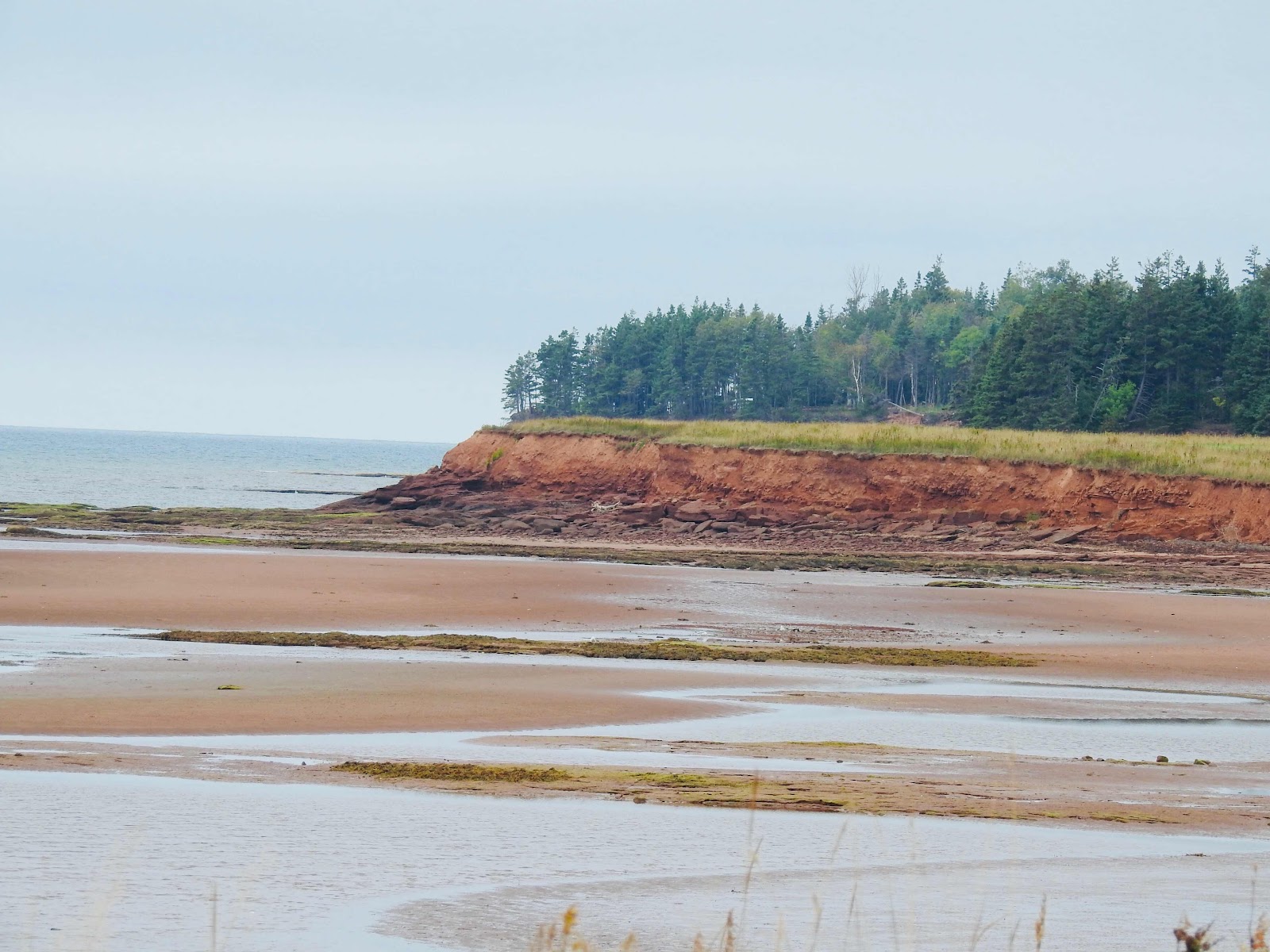


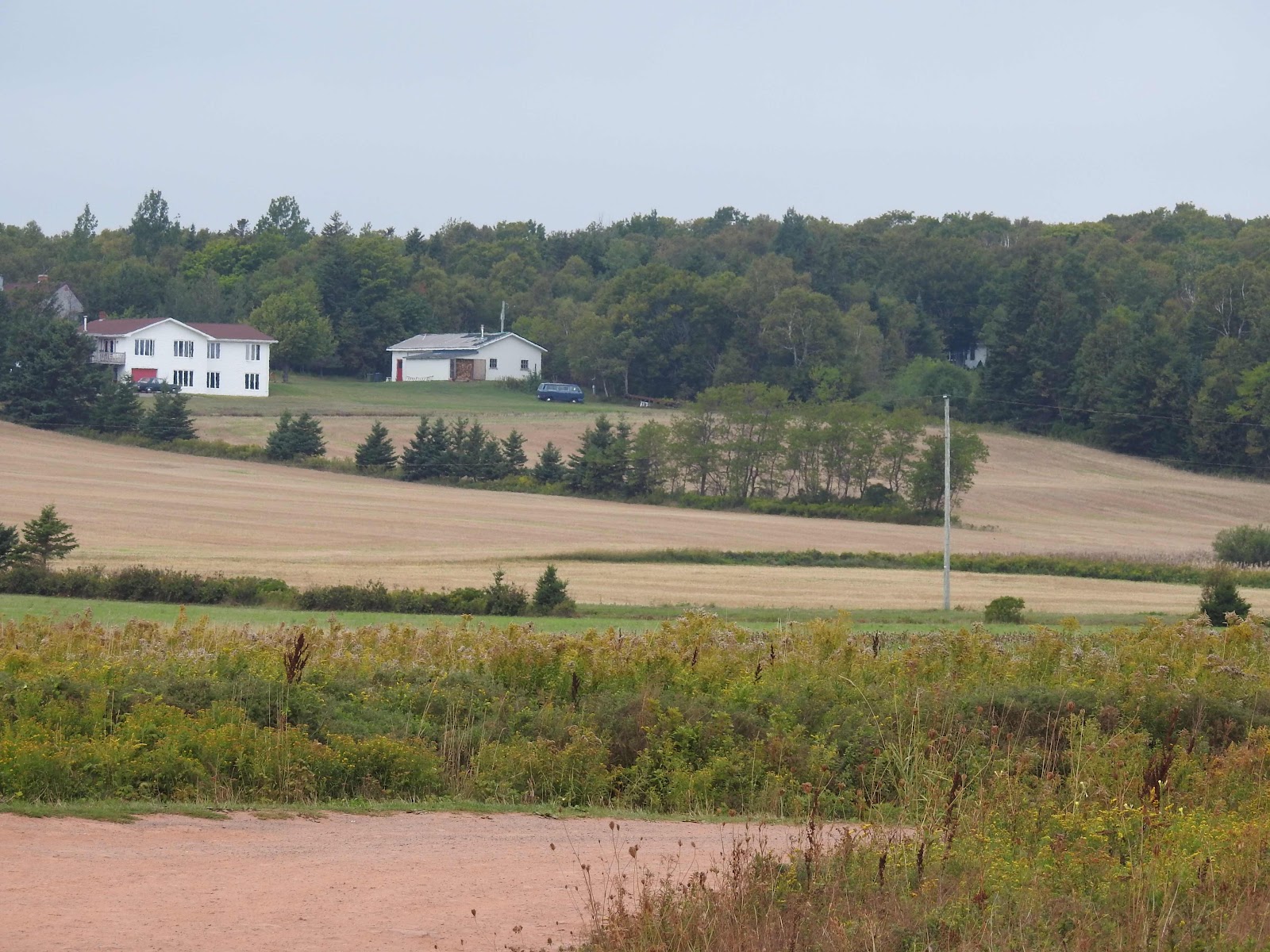
The countryside around is farmland and residential. 


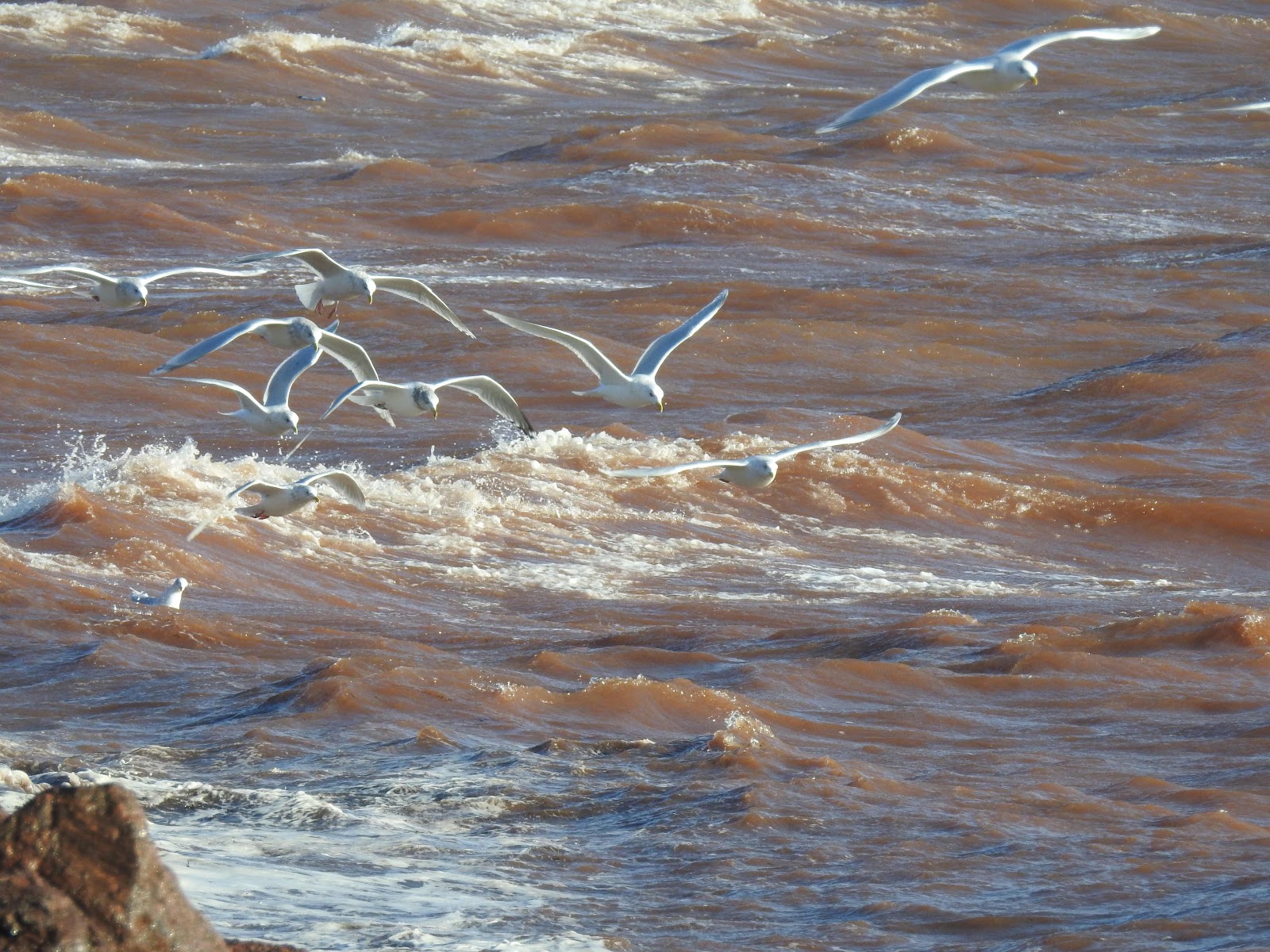
Gulls walked around the tidal pools, the ocean’s remnants easy picking for the scavengers.


We will visit Rice Point again and bring the grandchildren but it may not be until next summer.

Sunday, 13 September 2020

Uphill both ways

For one of our recent cycling experiences, my husband and I went to the Confederation Trail in the central part of the island, a bit further from home. The trail is on the old rail bed which was left after the track was removed when the trains stopped running in 1989.


The track ran through the center of the island rather than along the coast. At the various stops along the way potatoes from the farms were loaded into boxcars to be shipped to markets through Borden along the South coast of the island.


Though the island is relatively flat, it doesn’t feel like it when you’re cycling. There are long grades with a gentle climb which don’t feel particularly downhill on the way back when you are tired. To this person new to cycling, the trail feels uphill both ways. But fun!


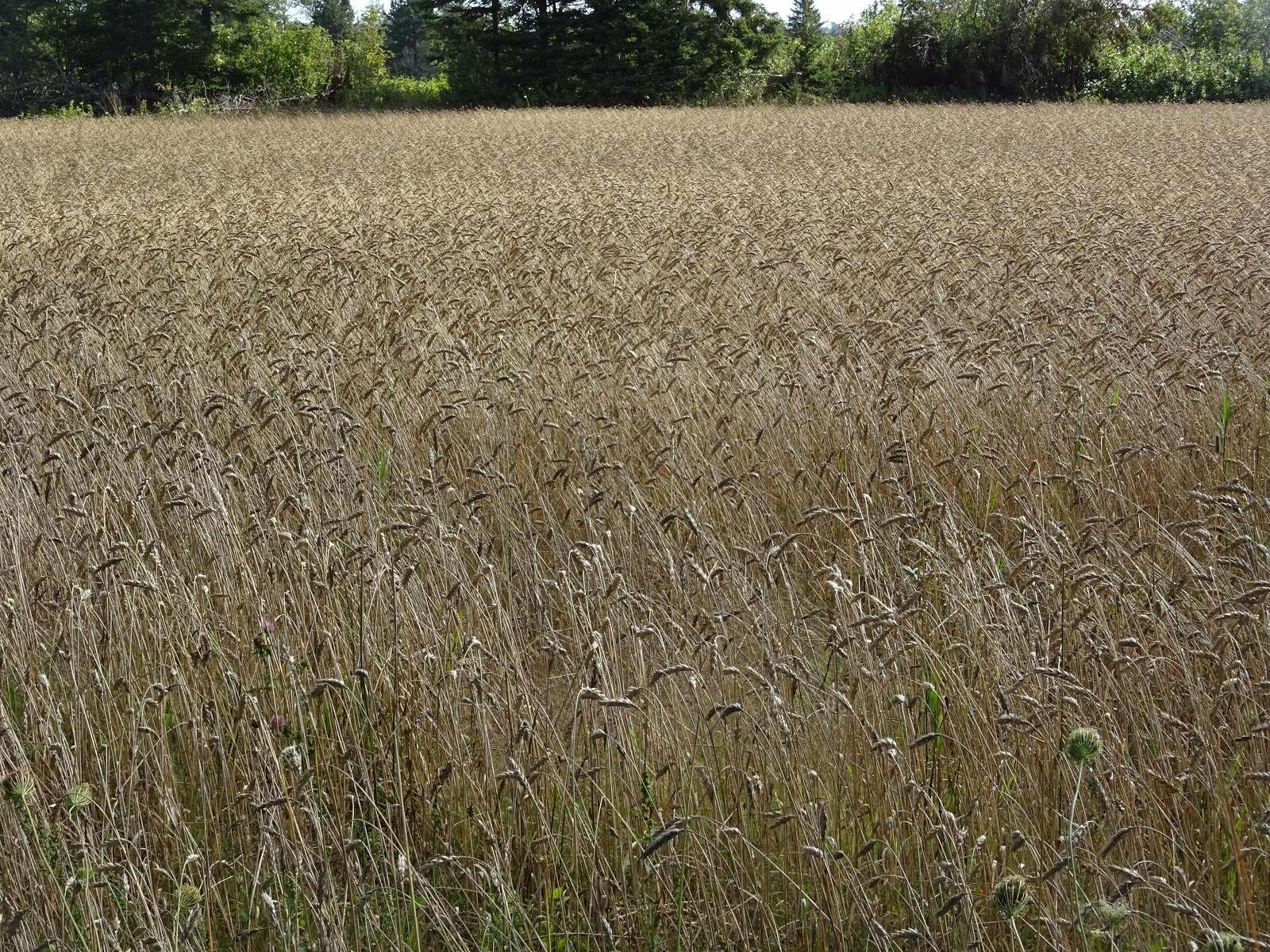
We went further again this time which is our goal with each outing. We passed fields of wheat 


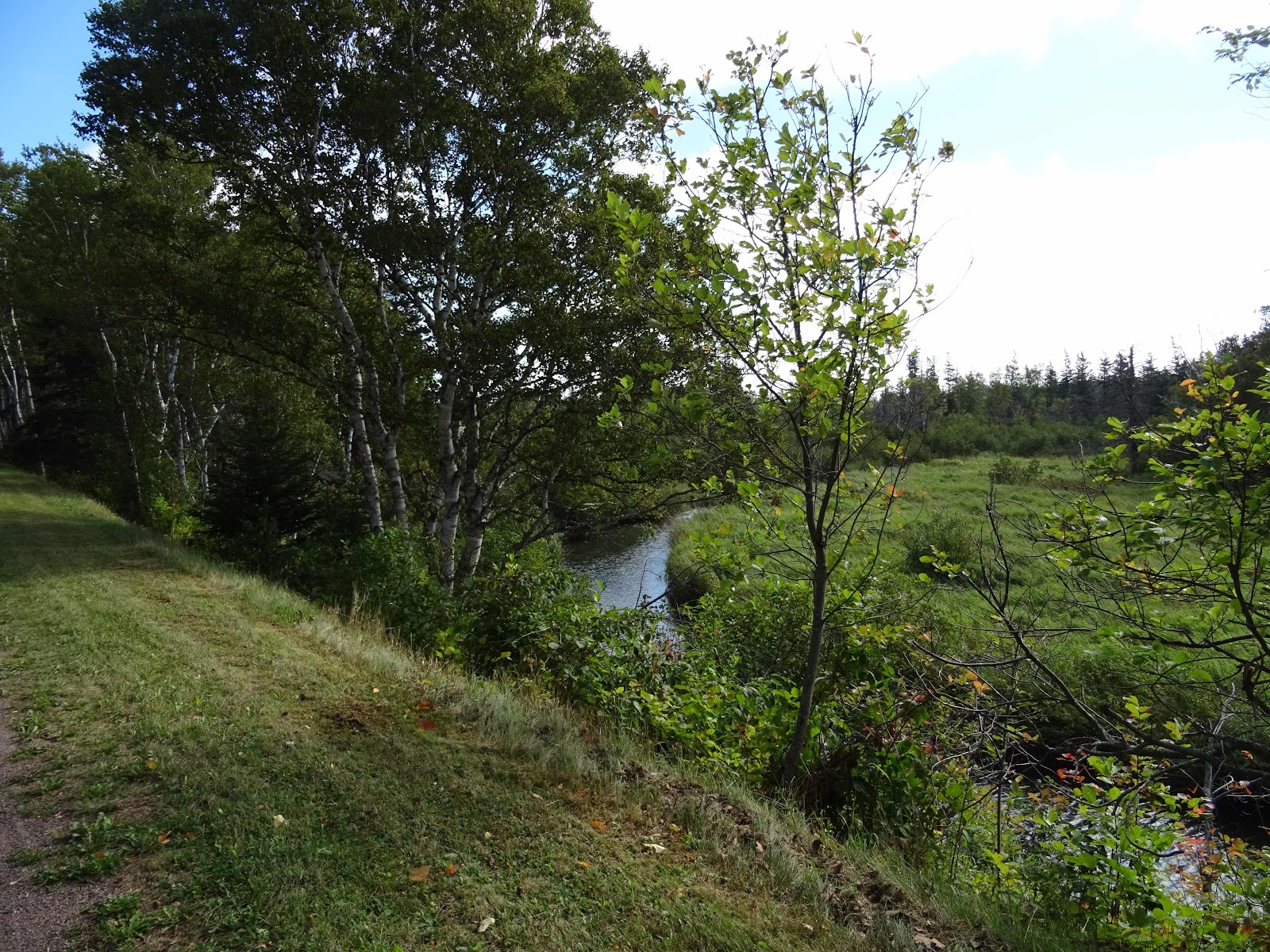
and potatoes ready for harvest, crossed two rivers 


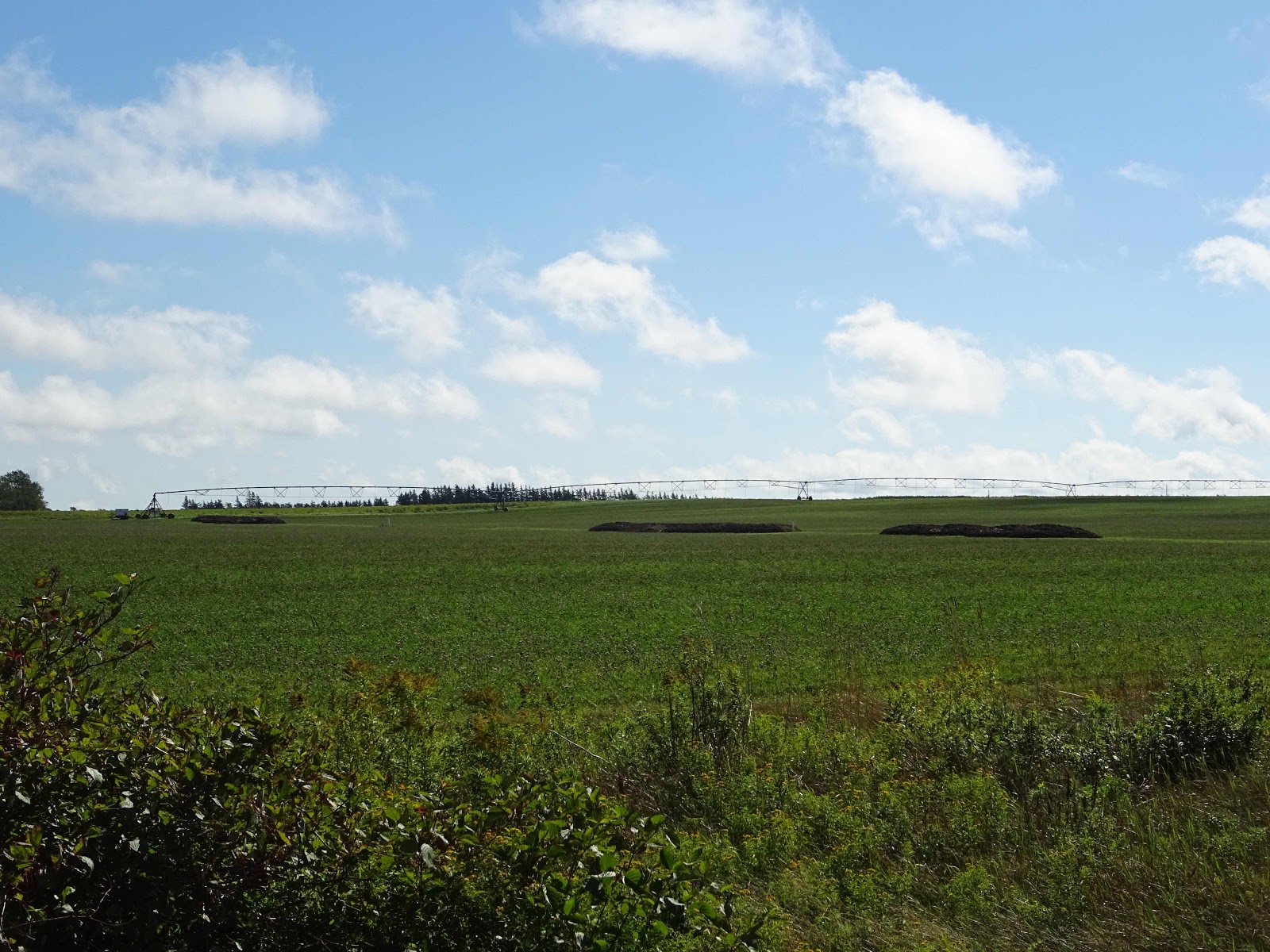
we had never seen before and fields with irrigation equipment.


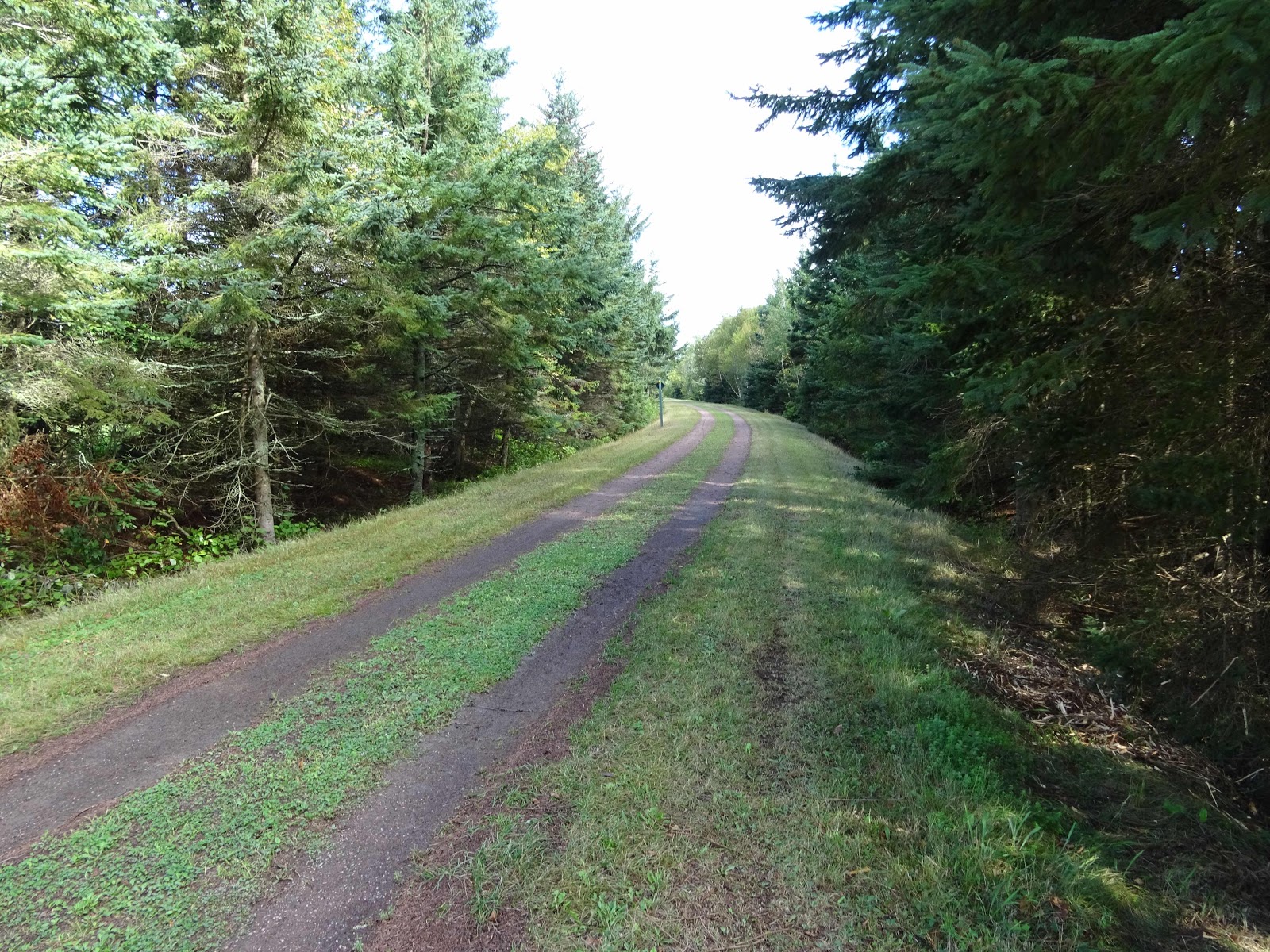
Around one bend the light through the trees shining on the birch trunks caught us by surprise. We stopped for photos. The green on the path with the strips of red earth, shadows dancing over them and the stately highlighted birches, made us want to stay and watch. However the trail urged us on to see more of its beauty.


Along the way, lots of pale green butterflies lifted into the air as we rode by and in several areas small brown grasshoppers hopped around us as we passed. Even though you ride by quickly, you can notice the little things when there’s just you and the bike in nature.


Every now and then we see birds, such as robins, among the trees or on the trail. By the time you stop, they are gone of course. You can hear them among the trees sometimes and familiar ones like blue jays or chickadees are easily recognizable. I like the idea of the countryside around us filled with the unseen avians though I would like to photograph them. However, the beauty of the trail and the countryside suffice.


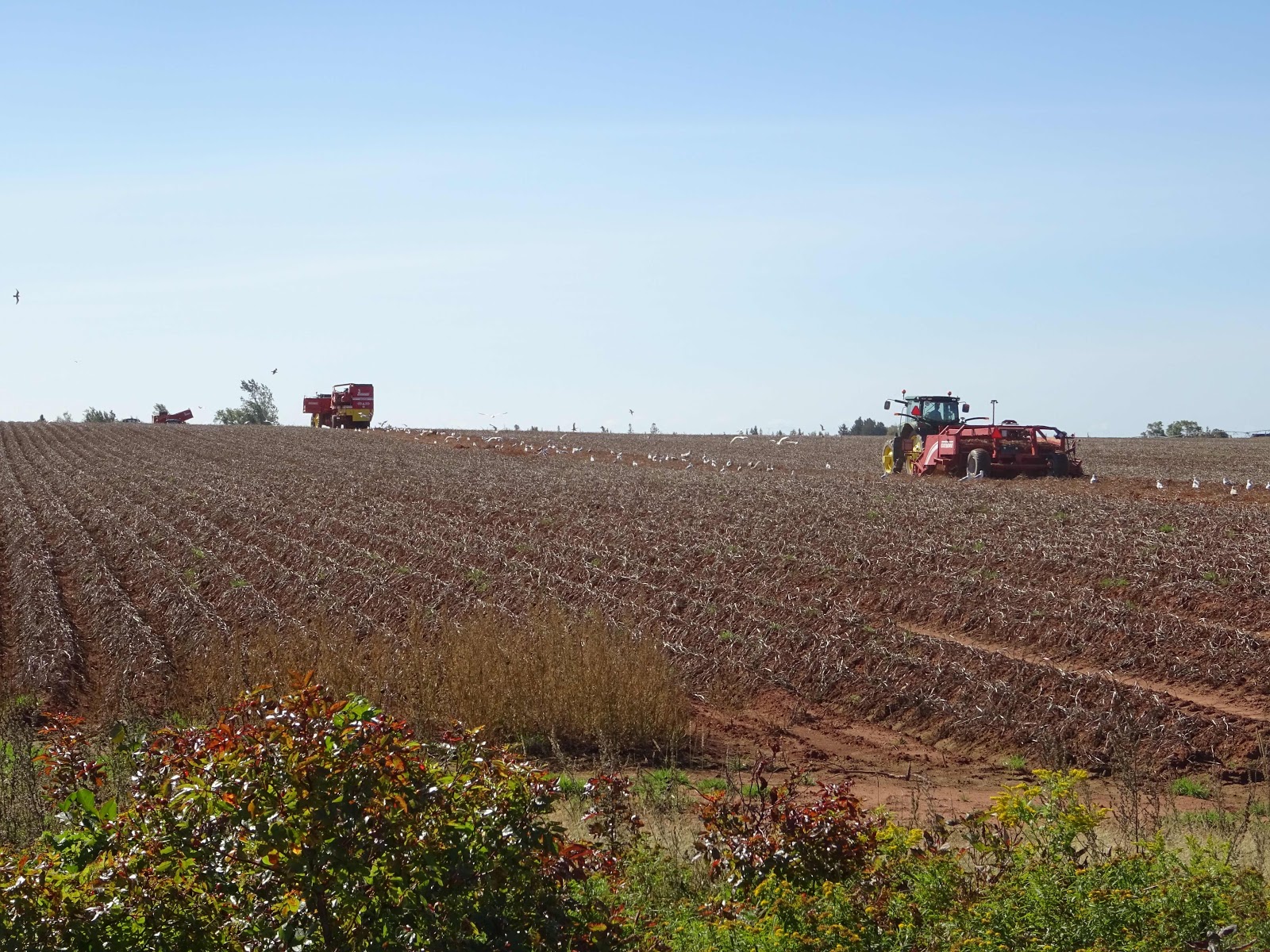
On another outing closer to home, we watched as a crew harvested a potato field. Never ones to miss a scavenging opportunity, dozens of gulls staked out places in the newly ploughed earth. They don’t miss much going on in the area.


Question and answer:


Red at http://hiawathahouse.blogspot.com/  who cycled himself until he was eighty, asked if we wear helmets.


My husband and I both wear helmets. Neither of us would dream of cycling without them. We were like children at the store trying on helmets and selecting our favourite colours.

Thursday, 10 September 2020

Tree hugging

The last hurrah of summer with our daughter and our grandchildren was on Labour Day at Cavendish. School started the next day. We had a picnic lunch at Cavendish Grove which was in its late summer beauty. 


The picnic area was busy but we had a great picnic table in the shade where we had a leisurely lunch safely distanced from others.


After lunch my husband and I played hide and seek with the family. The children love this game and we often play it when they visit our house. It is a favourite of our three year old grandson but the girls enjoy it too. This setting was perfect since it gave us space to run. We limited our hiding area to the trees within a certain boundary. The adults had to hug the trunks or kneel behind them to hide. This past spring, I hid behind a tree trunk here in an effort to photograph the birds in the pond below. Now, as usual, the pond is dried up and has been for months. This time the whole family hid and had fun. Everyone ran around including Nanny and Poppy which the kids loved.


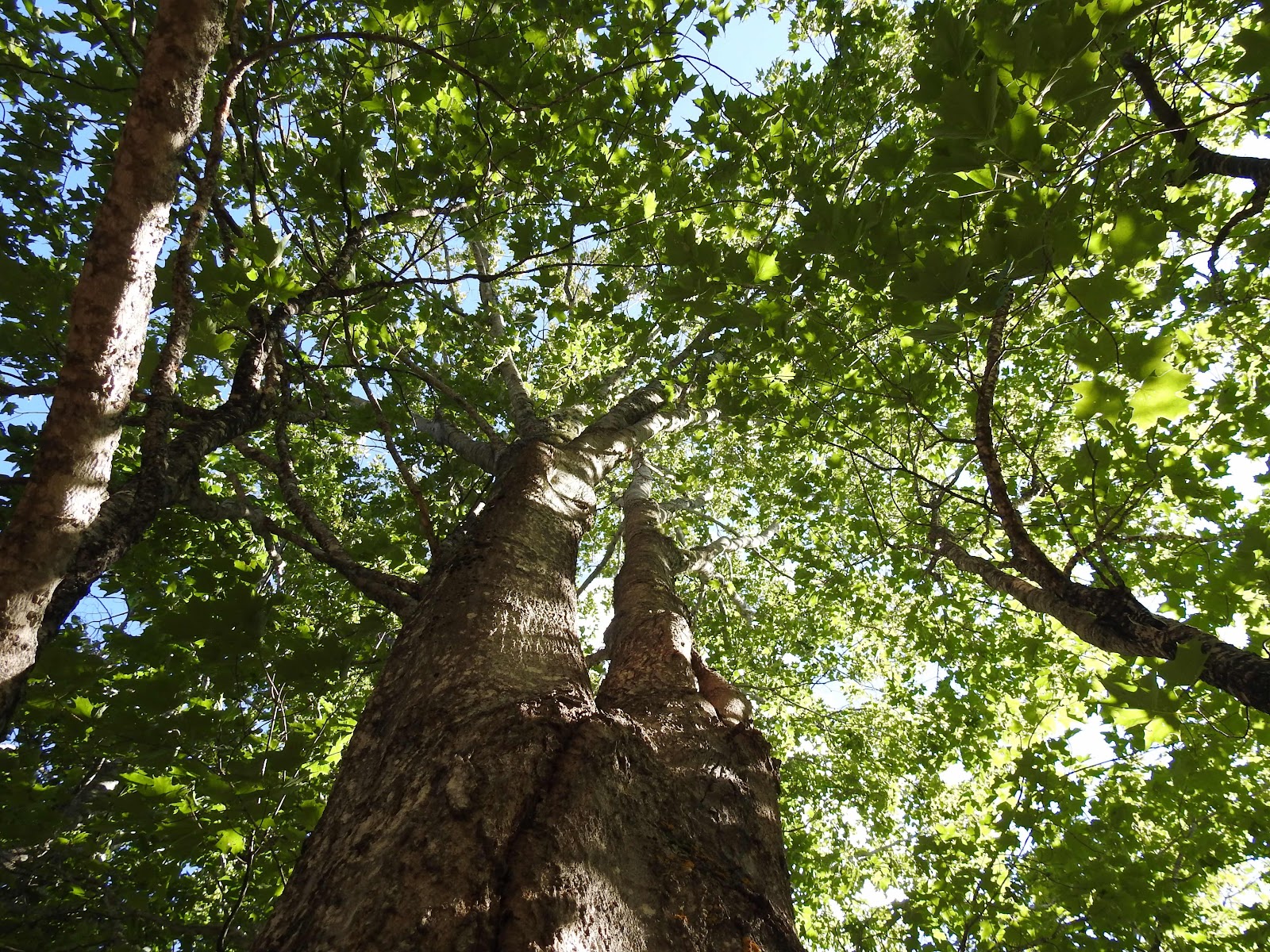
I leaned into the trunk of one huge maple as I hid behind it. Hearing the wind in the leaves, I looked up where light illuminated various areas of the trunk. 


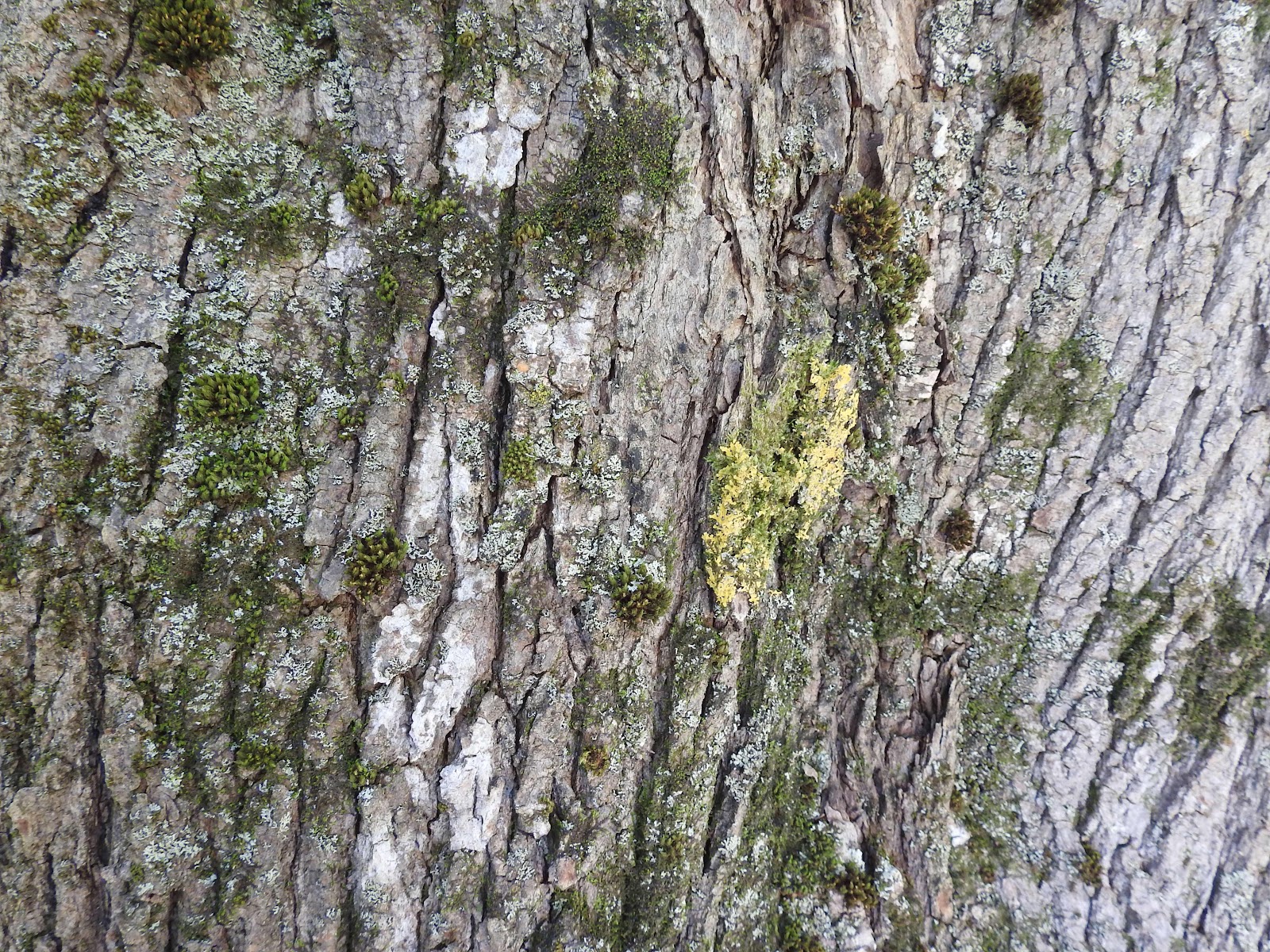
Movement to the right caught my eye as a woodpecker hopped upward. I couldn’t capture a good photo. However, it was impossible being that close to a tree without noticing the trunk which provided a home for moss and lichens and who knows what lies beneath.


This tree is a natural wonder.


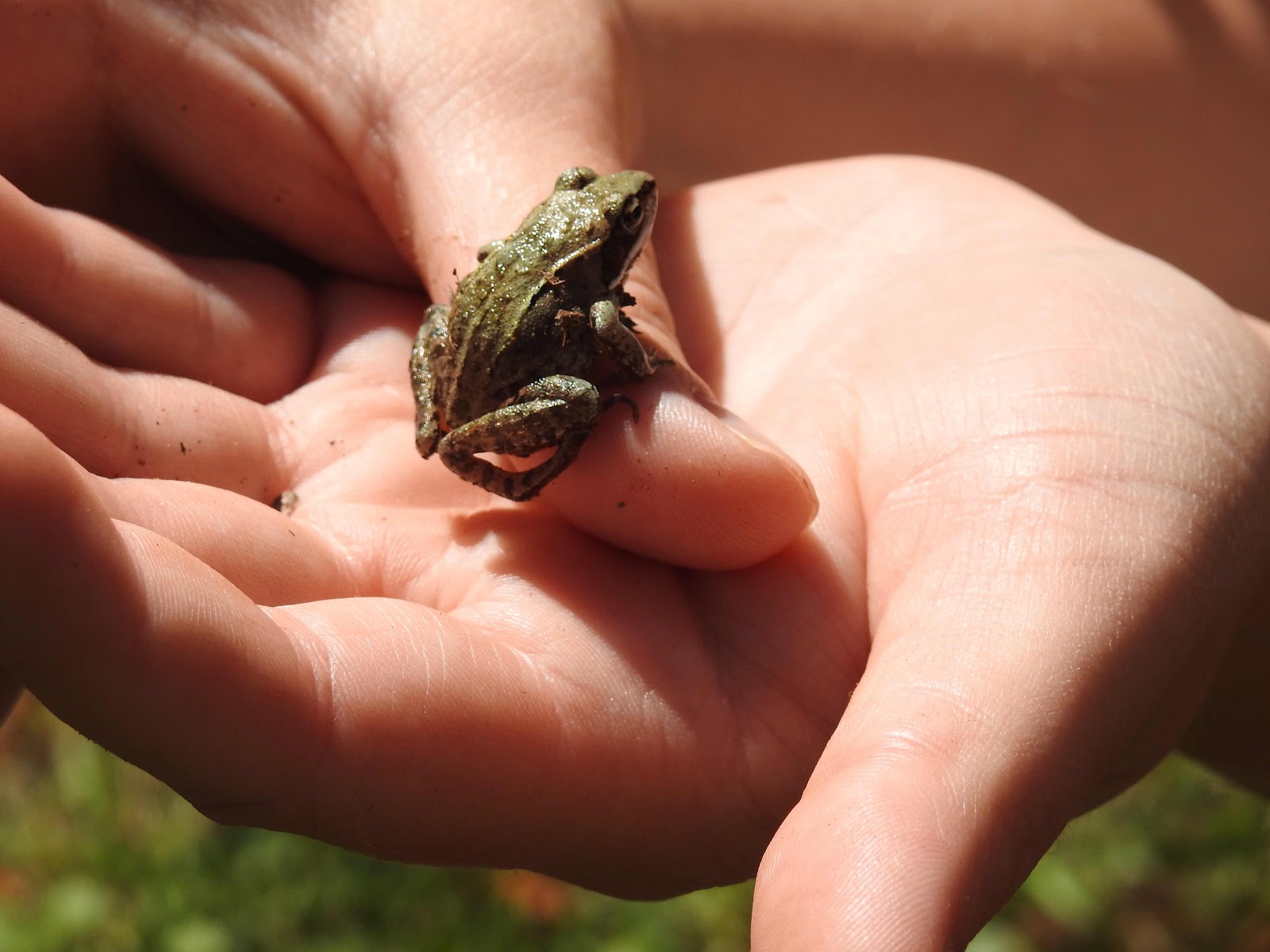
While we played, our daughter saw a frog jump near one of the girls and told the kids about it. All were interested in the little Wood Frog which their mom captured to show them.


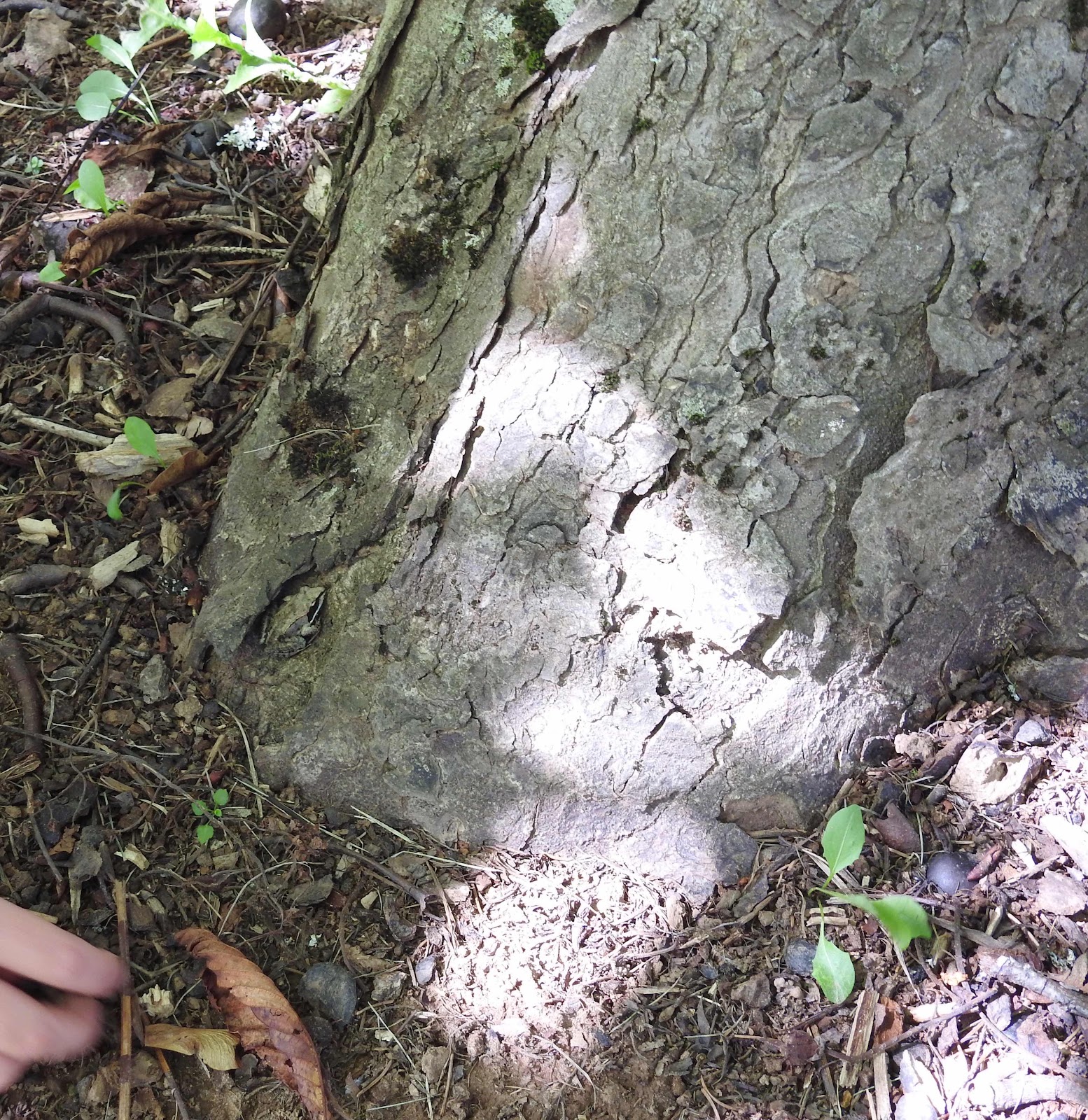
The middle child held the little frog too. She always wants to hold the creatures we find. The other two were curious but not eager to hold it. The brave one placed the little creature on the lower part of a tree trunk where it was camouflaged.


We checked later and it was gone.


Afterwards we went to the beach where the water temperature of 16 C and the wind made it too cold for the children to swim so they played in the sand. Everyone enjoyed the last grains of summer.


Tuesday, 8 September 2020

Heeling

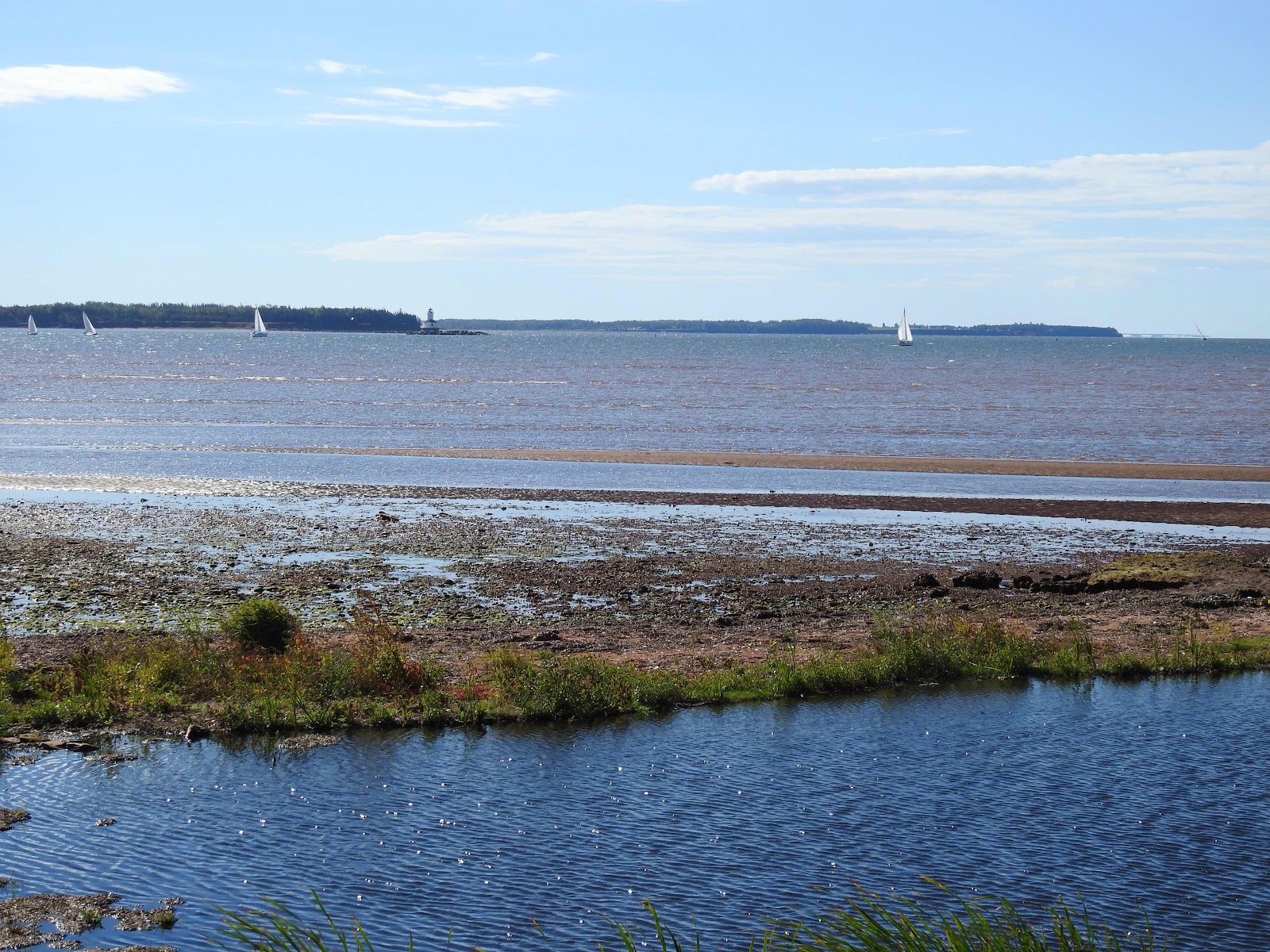
It was a beautiful September morning with a breeze and temperature in the high teens Celsius. The boardwalk was busy as families took advantage of a holiday to take the kids out to see the animals. The shoreline, busy with migrating birds for the last month, was quiet except for the gulls.


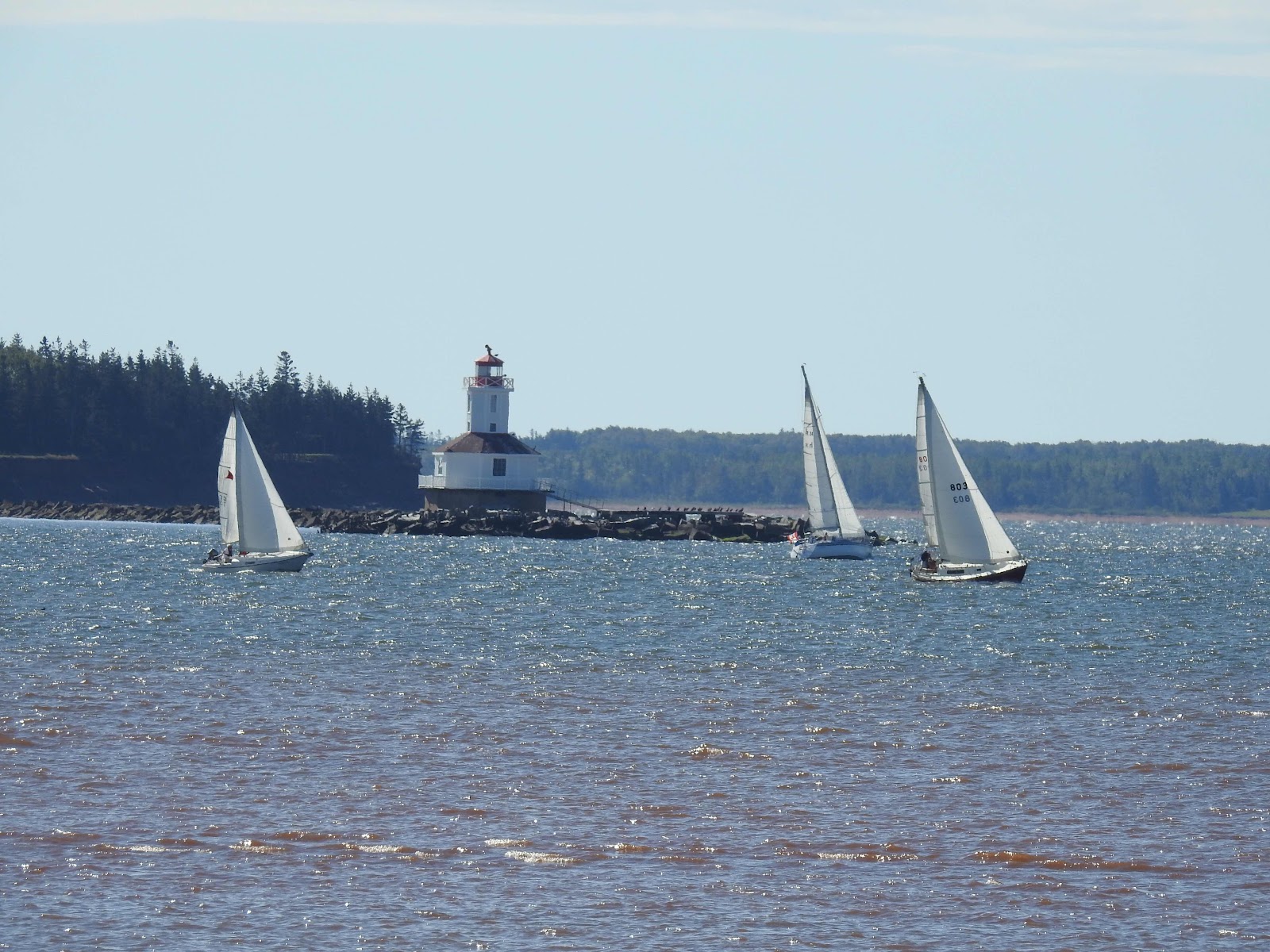
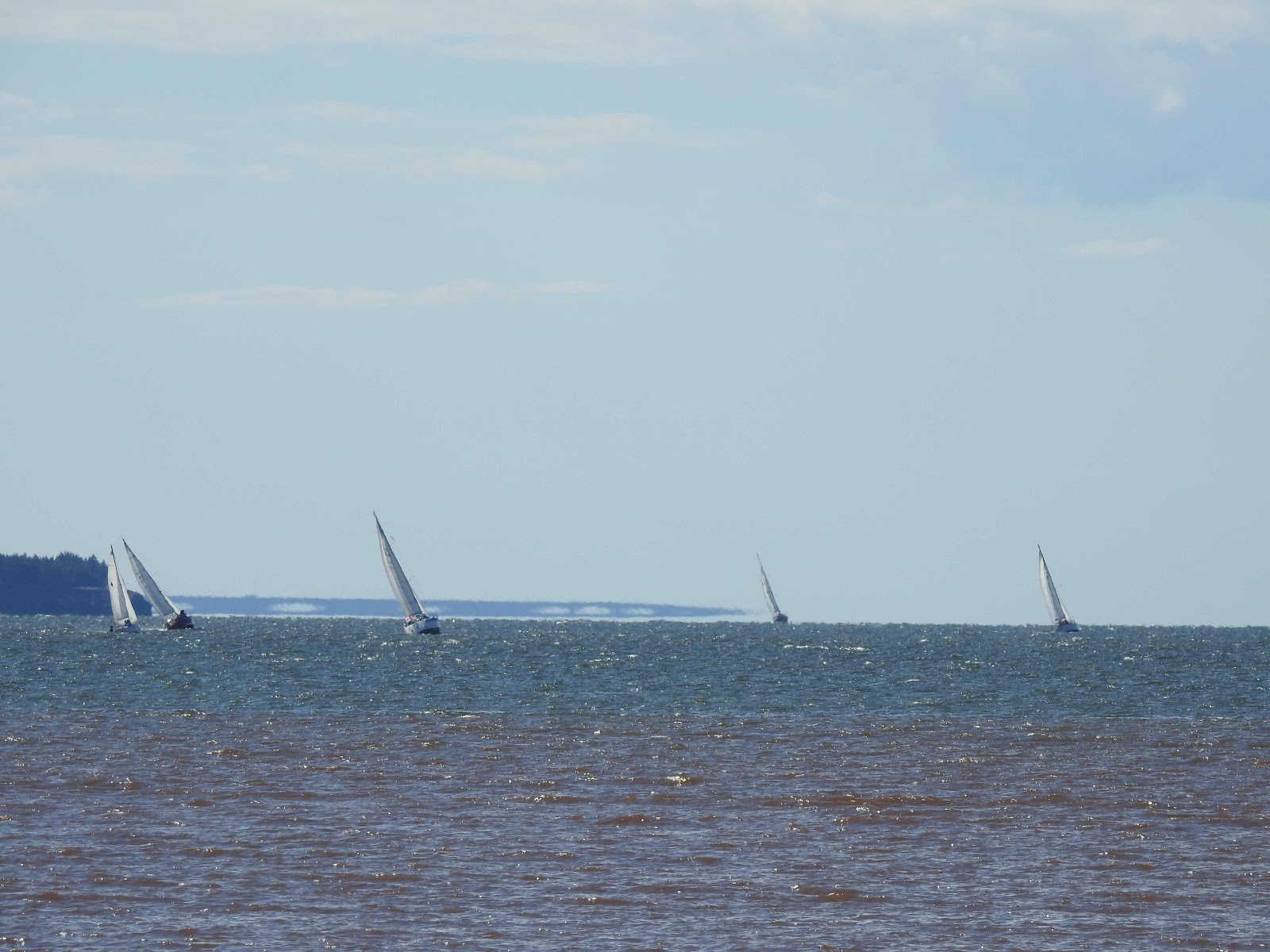
Out in the Summerside Harbour, a number of sailboats were headed out past the lighthouse and breakwater for the Northumberland Strait. 


My husband’s reaction to the sailboats was predictable. “This is close enough for me,” he said as he looked out at the boats while I took photos.


My husband had a close call in a fishing boat or rather out of a fishing boat when it capsized. He was lucky they were close to shore. The next year when he visited his uncle in Ontario, while out in his uncle’s sailboat, a freak storm caused anxious moments. Needless to say, he doesn’t go on anything smaller than the Titanic now, and we know how that ended. I concur. While I’ve never been in a sail boat, heeling looks frightening to me. Regardless, the sailboats were a lovely sight for these two seniors as long as others were in them.


Some of the boats looked small from the shoreline, barely visible but for their white sails. How many such boats or tall ships have passed beside the Indian Head Lighthouse since 1881 when it went into service?


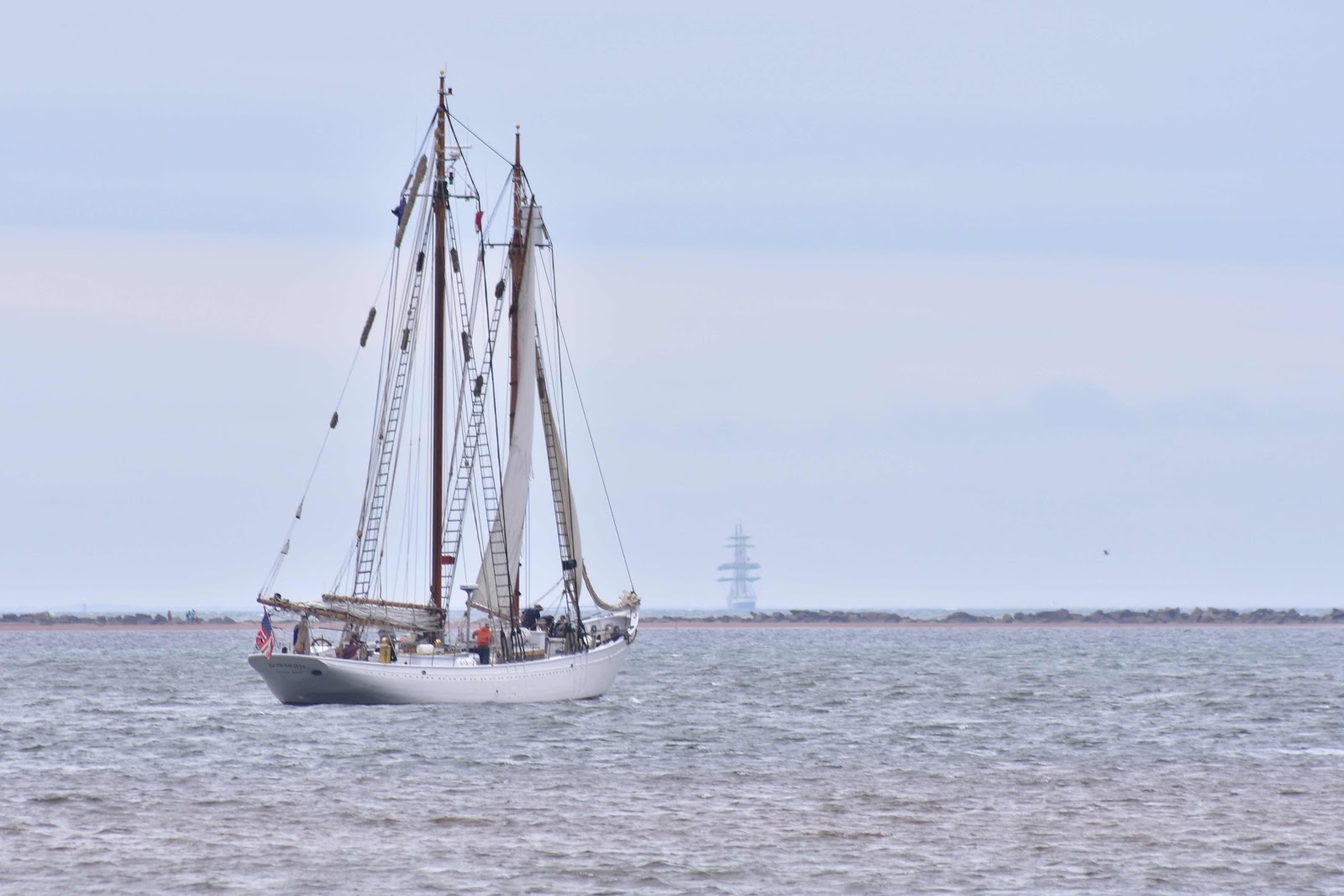
During the 150th anniversary of Canadian Confederation in 2017, tall ships came into the Summerside Harbour. We watched as some of the vessels left port. I love this photo of one ship beyond the breakwater as the other approaches it. 


The distant vessel looks like a ghost from the past. Back here in the present day however, the boats are smaller, the voyages much shorter and the sailing for enjoyment.


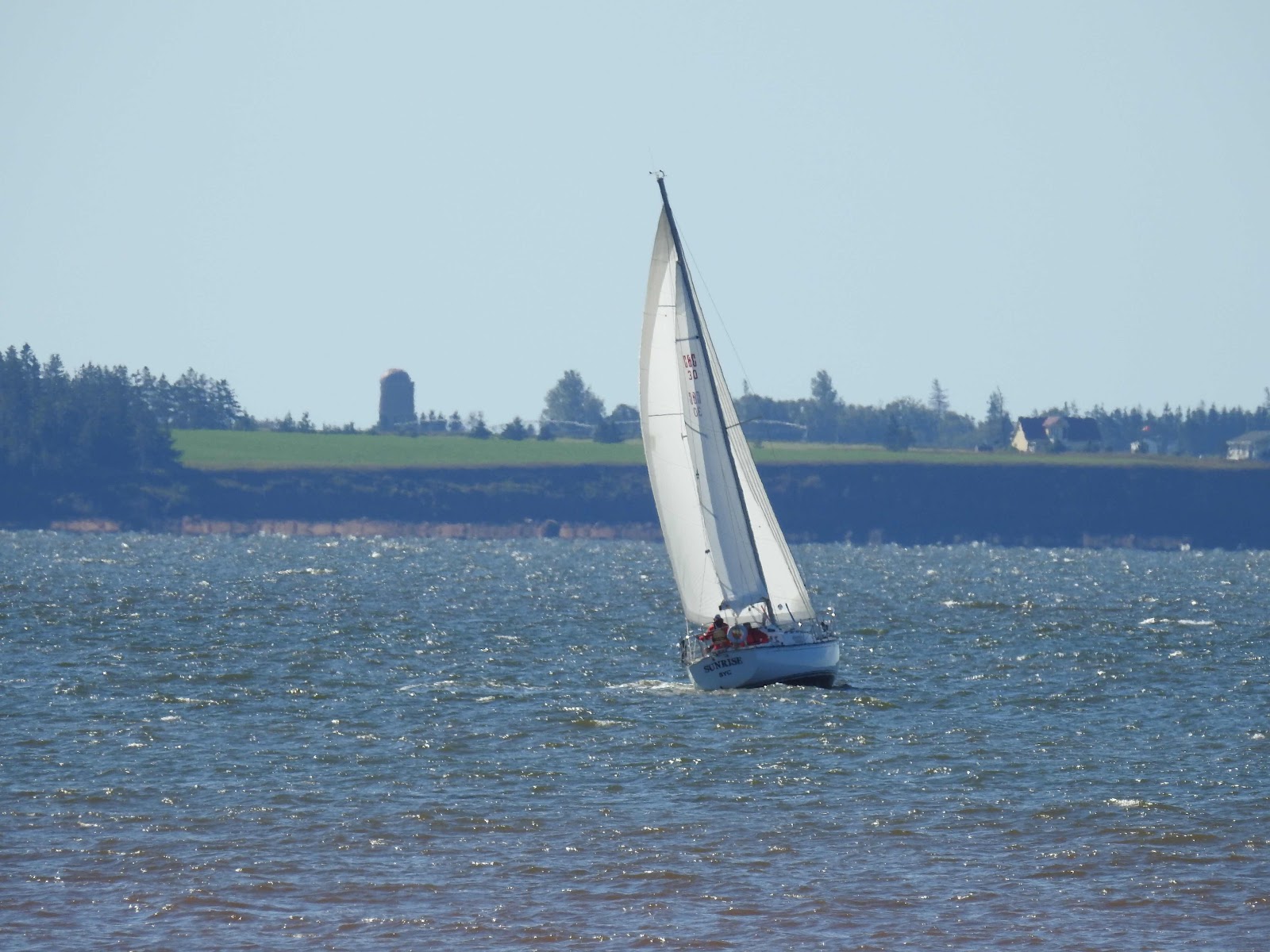
One of the boats, the Sunrise, catches the southerly breeze as she clears the lighthouse/breakwater and heads towards Confederation Bridge. 


The southerly wind causes her to heel to port. She was a beautiful sight as were the others when they joined her there.


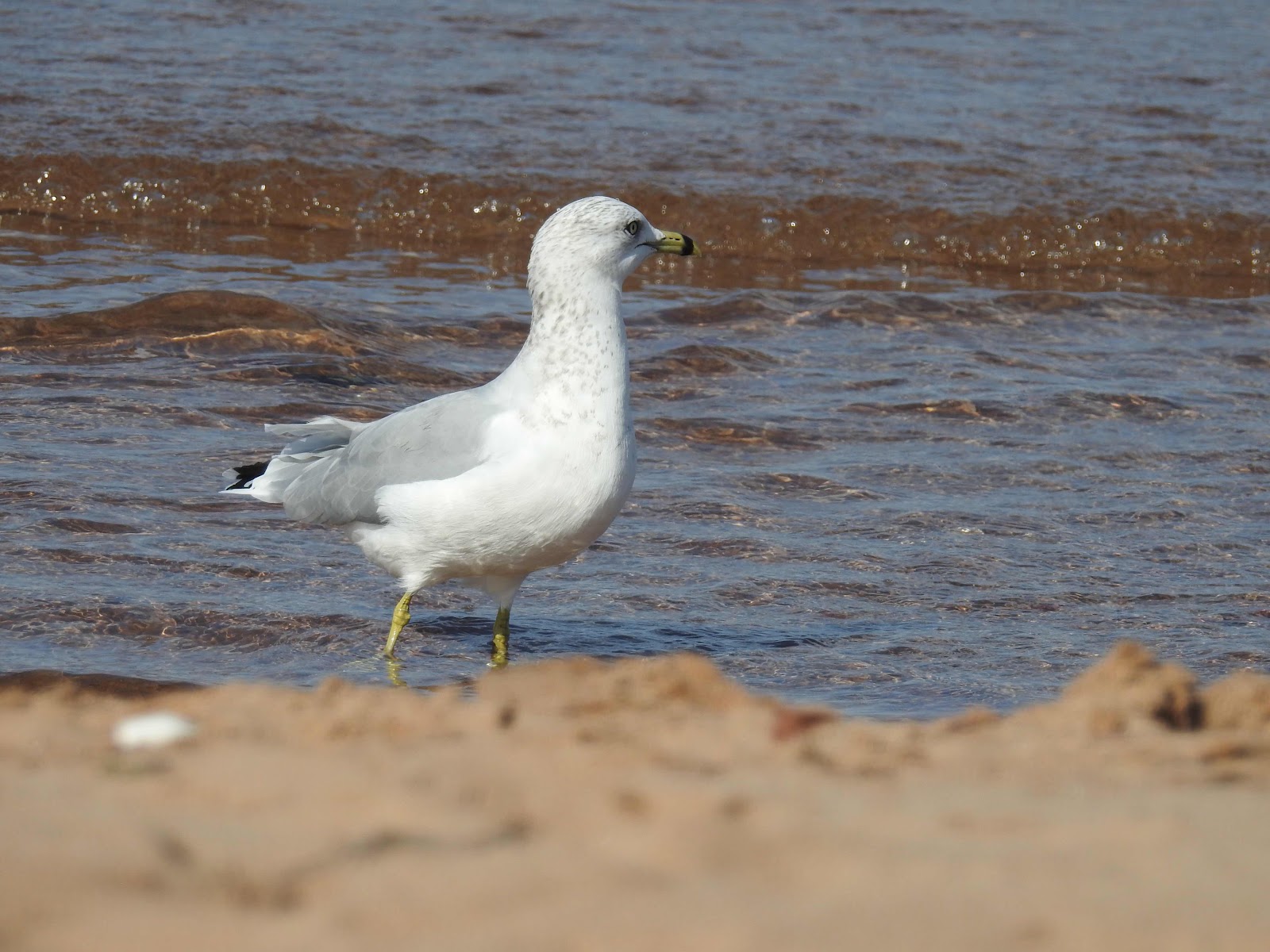
Along the shoreline a Ring-billed Gull looks out to sea as if watching the sailboats.


No canvas sails required here.


Answer to a question:


Anita from beautiful Norway at https://lastreasures.blogspot.com asked what kind of camera and lenses I use. 


My camera is a Nikon P900. The camera is 16 megapixel, user friendly, with excellent optical and digital zoom and allows automatic settings for various conditions. It is sufficient for my needs. I have no interest in anything beyond this point and shoot camera.


Monday, 7 September 2020

Lighthouse living

The most easterly point in North America, Cape Spear with its lighthouse, wasn’t far from my childhood home. However my mother lived even closer to the Cape when she was young and she visited there often and stayed at the lighthouse. Her parents were friends of the light keeper and his family.


You can see Cape Spear here.


Over the years when my husband and I travelled to St. John’s to visit my family, Mom and I often visited Cape Spear to sit and watch the waves or go for a walk if the weather permitted. The Cape is one of my favourite places on earth. My love of lighthouses comes from my mother’s stories of Cape Spear and my own experiences there. Now we live on Prince Edward Island where there are also many lighthouses so my husband and I have visited a number of them.


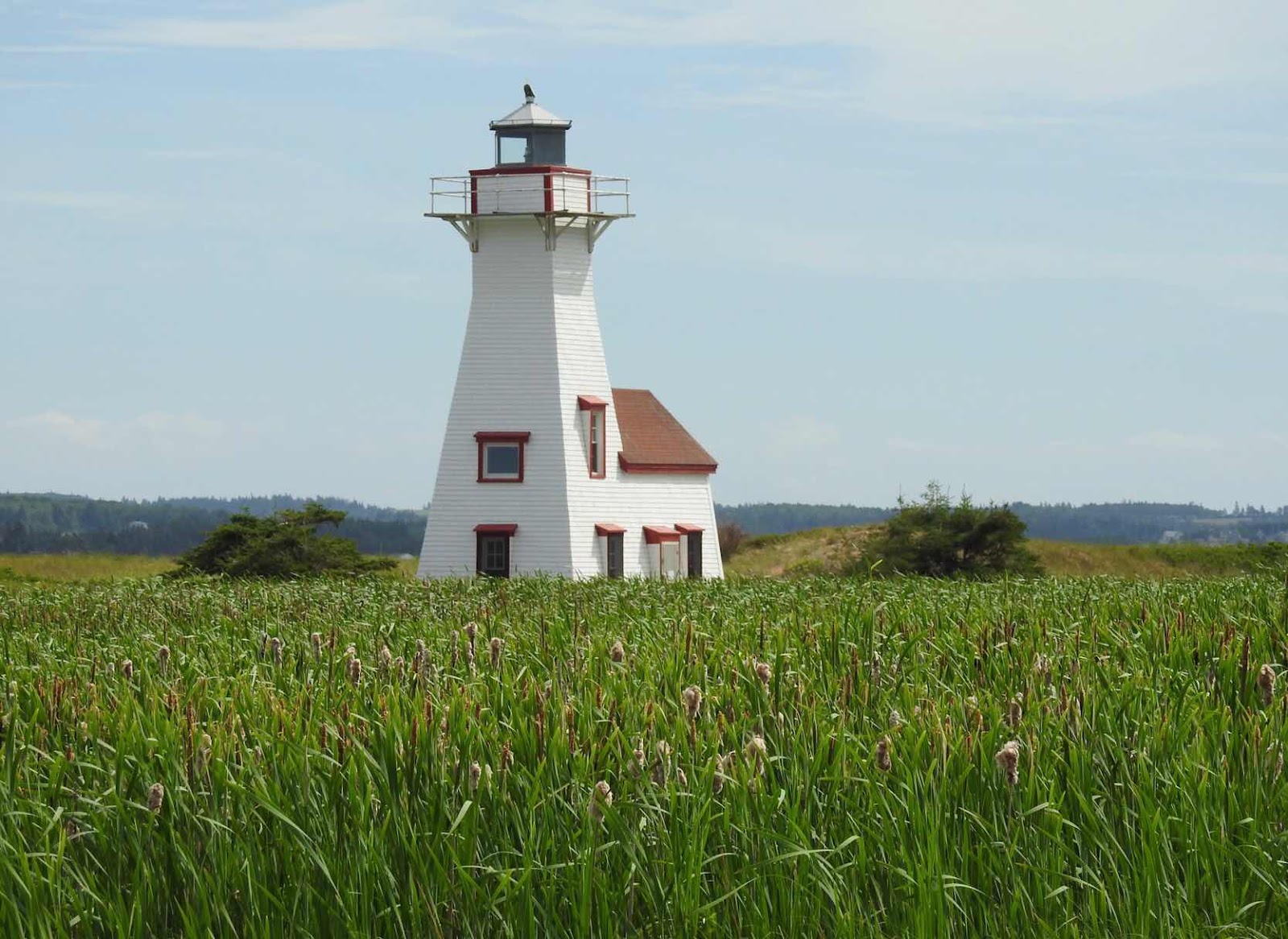
There are four lighthouses left on Prince Edward Island which have the light keeper’s residence attached to them. We wanted to see all four and made the rounds this summer.

One of these lighthouses we visit often in New London at the base of Yankee Hill. The lighthouse is tucked behind the sand dunes and though it looks small from the beach, it is more impressive when you stand beside it. It was the home and workplace of the first female light keeper in Canada, Maisie Adams.


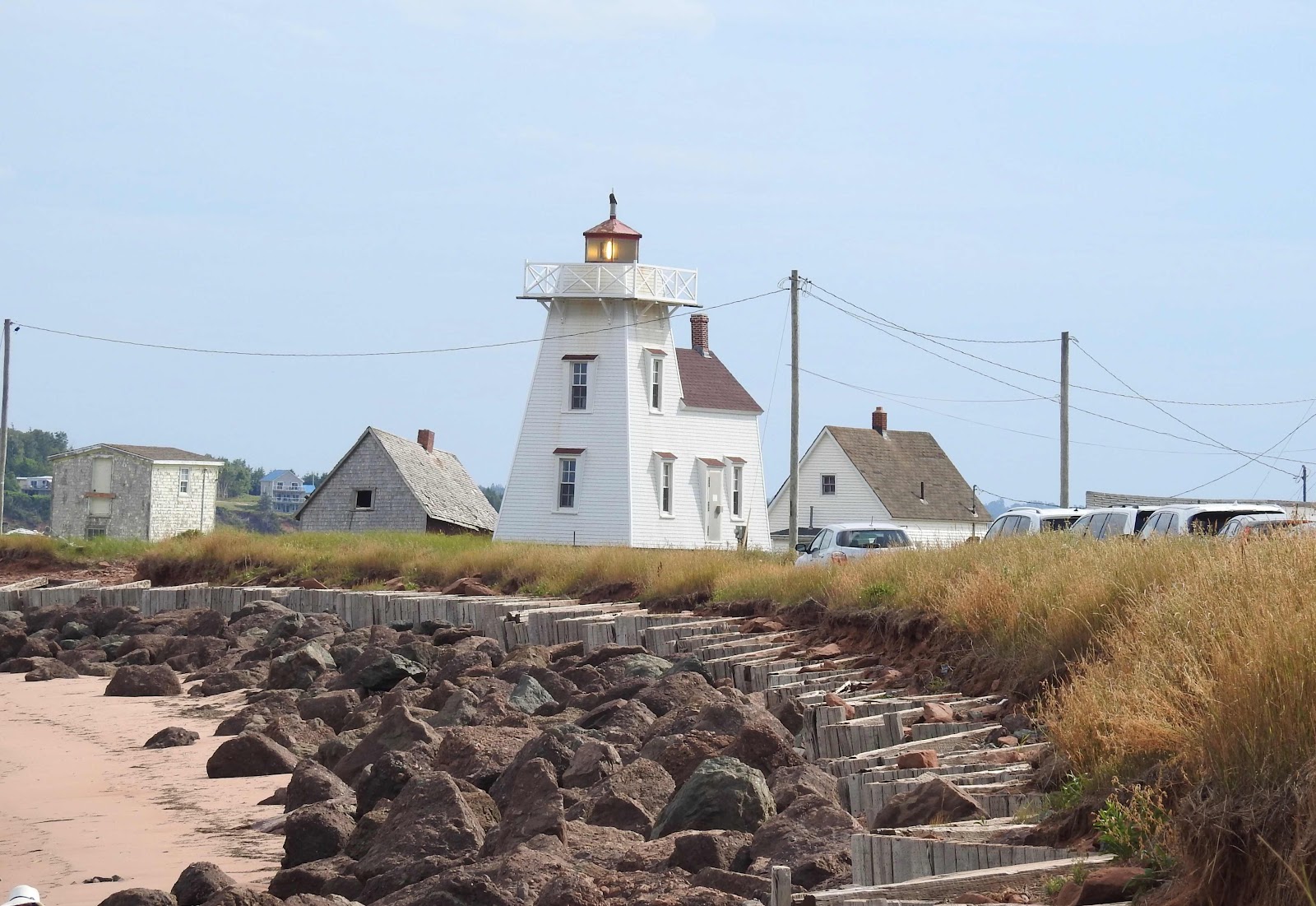
Not far from New London is North Rustico on the north shore of the island with its lighthouse down by the water at the entrance to the harbour. Here the shoreline is reinforced to prevent erosion around a building which already has been moved several times to prevent it from disappearing into the sea. It was built in 1876 for a cost of $1700.00. It presently sits in a busy part of the community near homes and businesses as it casts a shadow over the boats passing by.


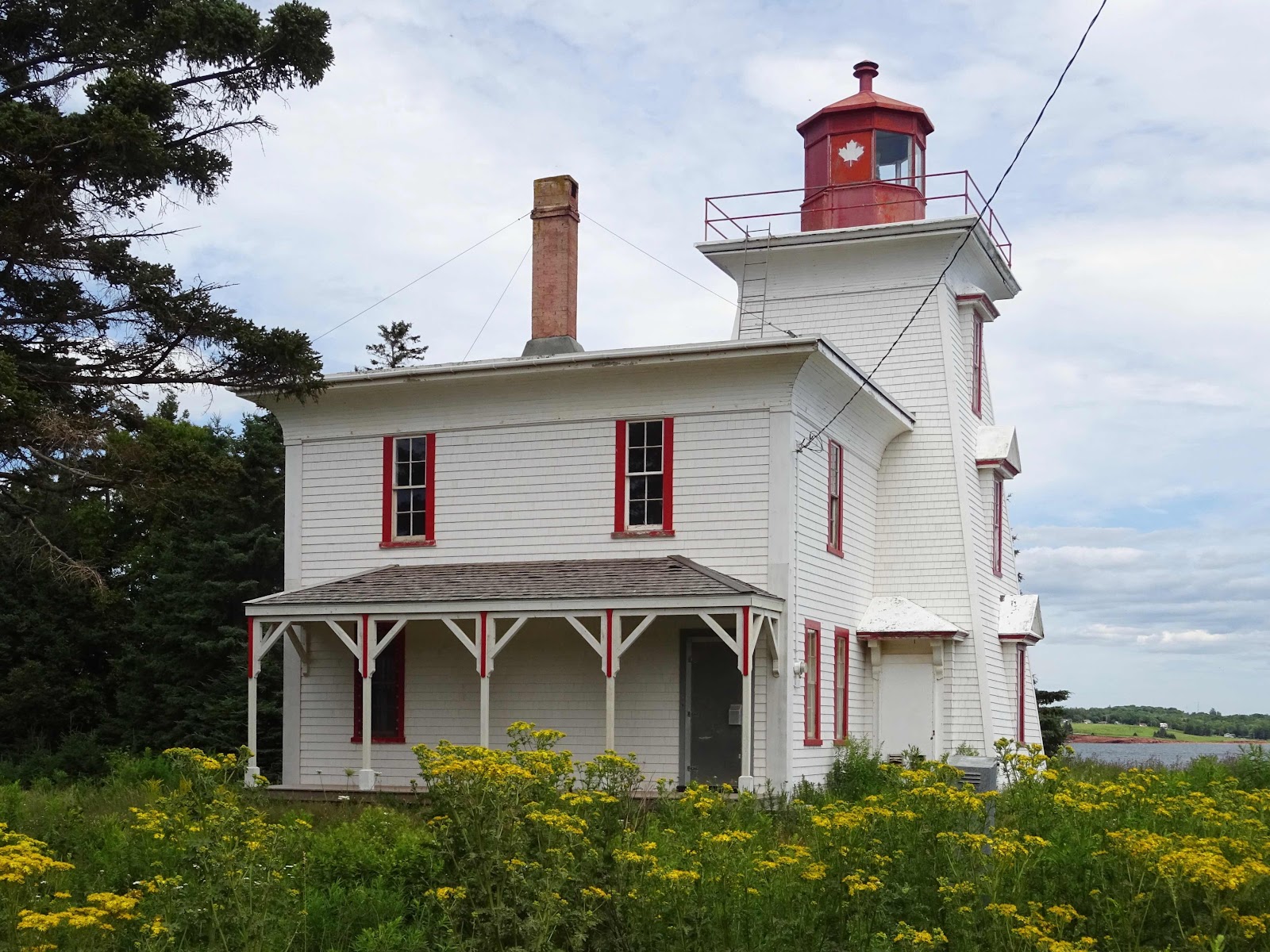
On the southern shore of the island at Rocky Point, across the harbour from Charlottetown, the capital city of Prince Edward Island, the Blockhouse Point lighthouse is one of the largest lighthouses on the island. This structure was built in 1876 but the original light in the area was established in 1846. This area was frequented by the original settlers on the island, the Mi’kmaq, and later, the French and the English in the 1700s.


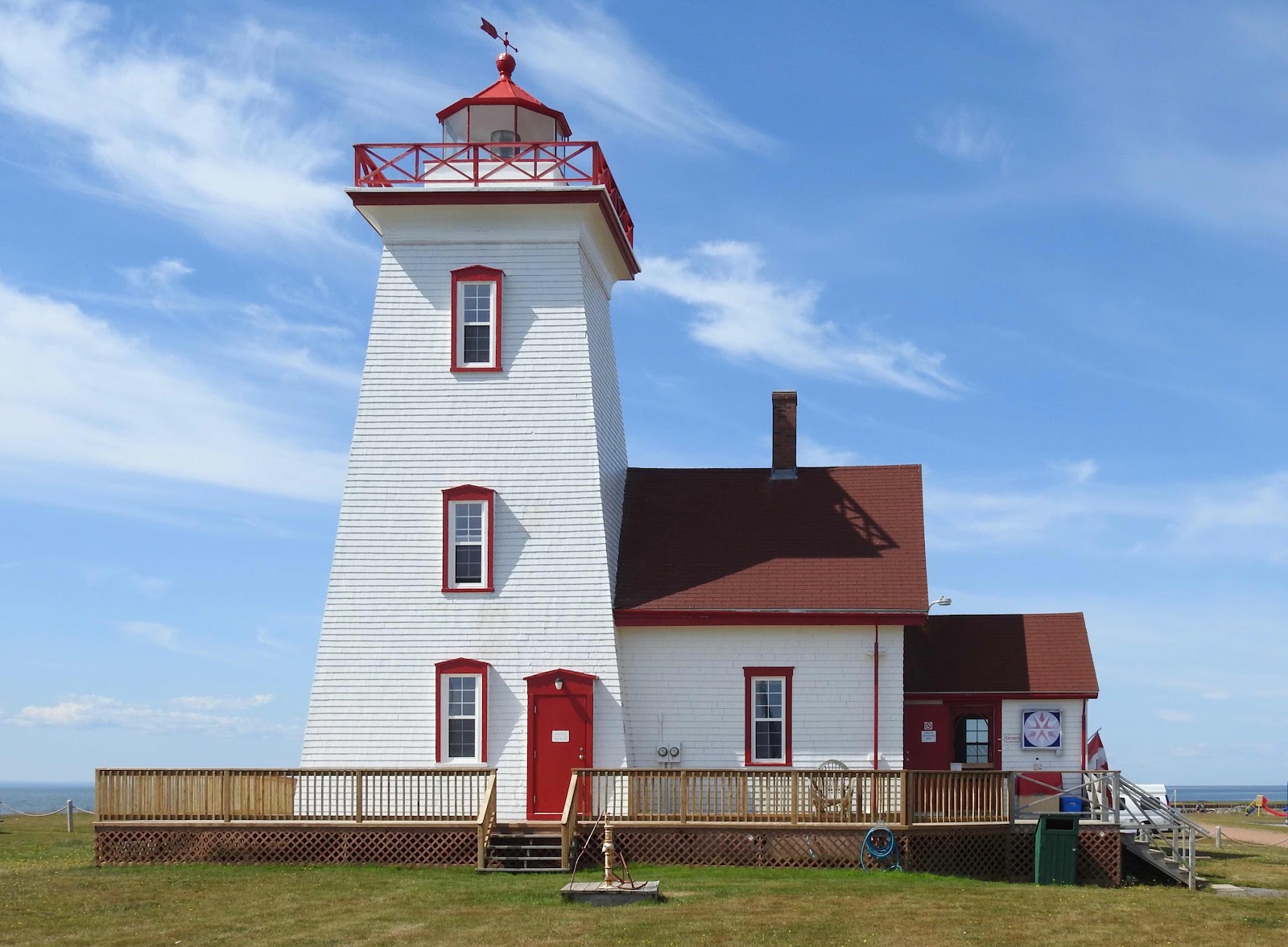
The final of the four surviving lighthouses with houses attached is at Wood Islands. We recently visited this structure at the southern most point of the island, near the Northumberland ferry terminal. The lighthouse has been moved 150 metres from its original position due to the threat of erosion. It has eight rooms and construction was finished in 1876.


These lighthouses are automated today and the one at Wood Islands is open to the public. It is well worth a visit.


Thursday, 3 September 2020

Joy of cycling

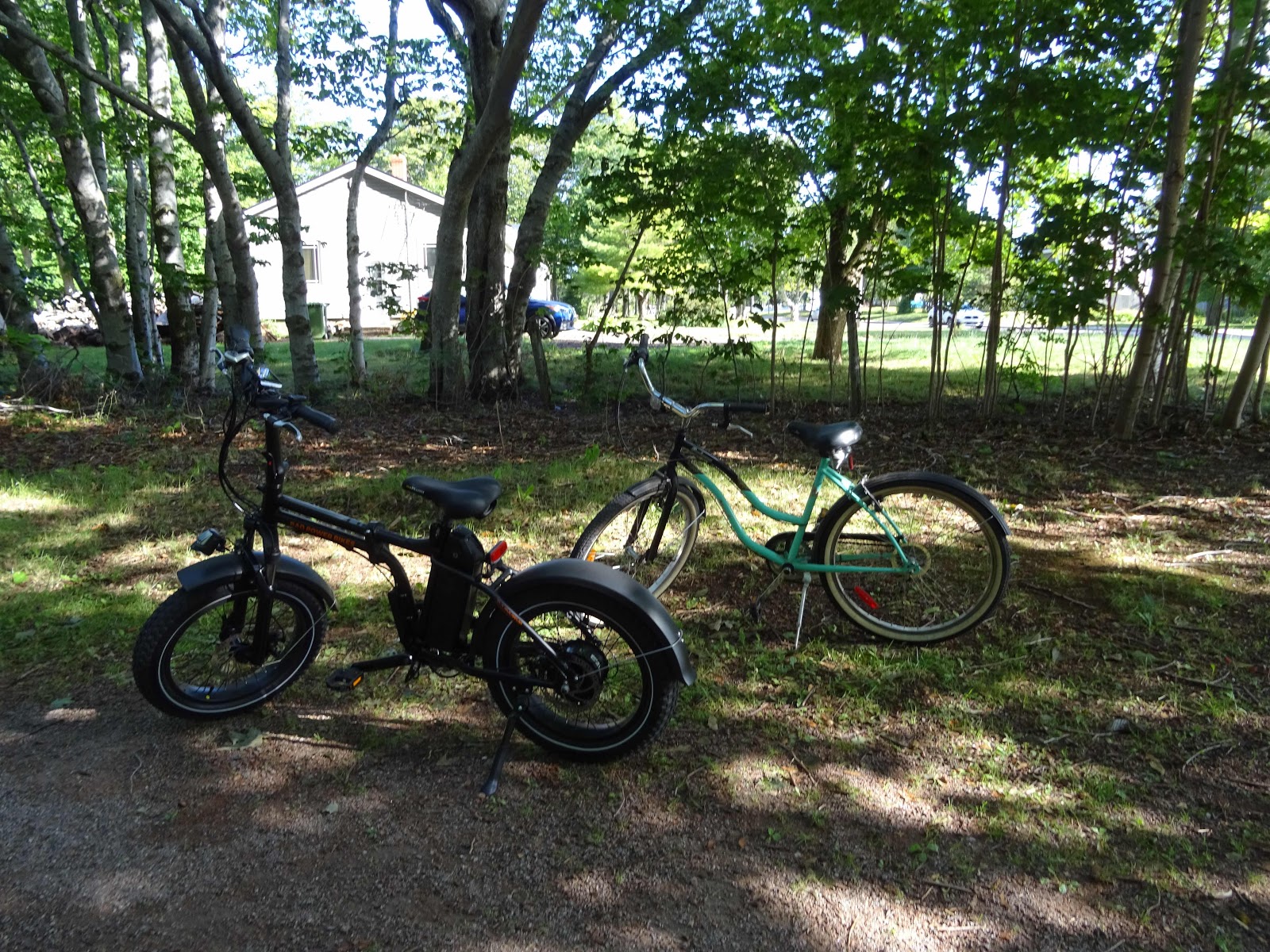
Cycling is one of the positive outcomes of the Covid era for my husband and me. Looking for a way to expand our lives during the Covid restrictions, we took up cycling. This week our cycling experience of the Confederation Trail was longer than last week and I felt more confident in my ability. I had started weight training to make it easier to lift the bikes to and from the bike rack on the car. 


I quickly saw a benefit for the effort and was feeling confident when I started on the trail.


We passed one other rider and several walkers but otherwise we had the trail to ourselves. Feeling more comfortable on the bike this week, I enjoyed the physical experience of the exercise.


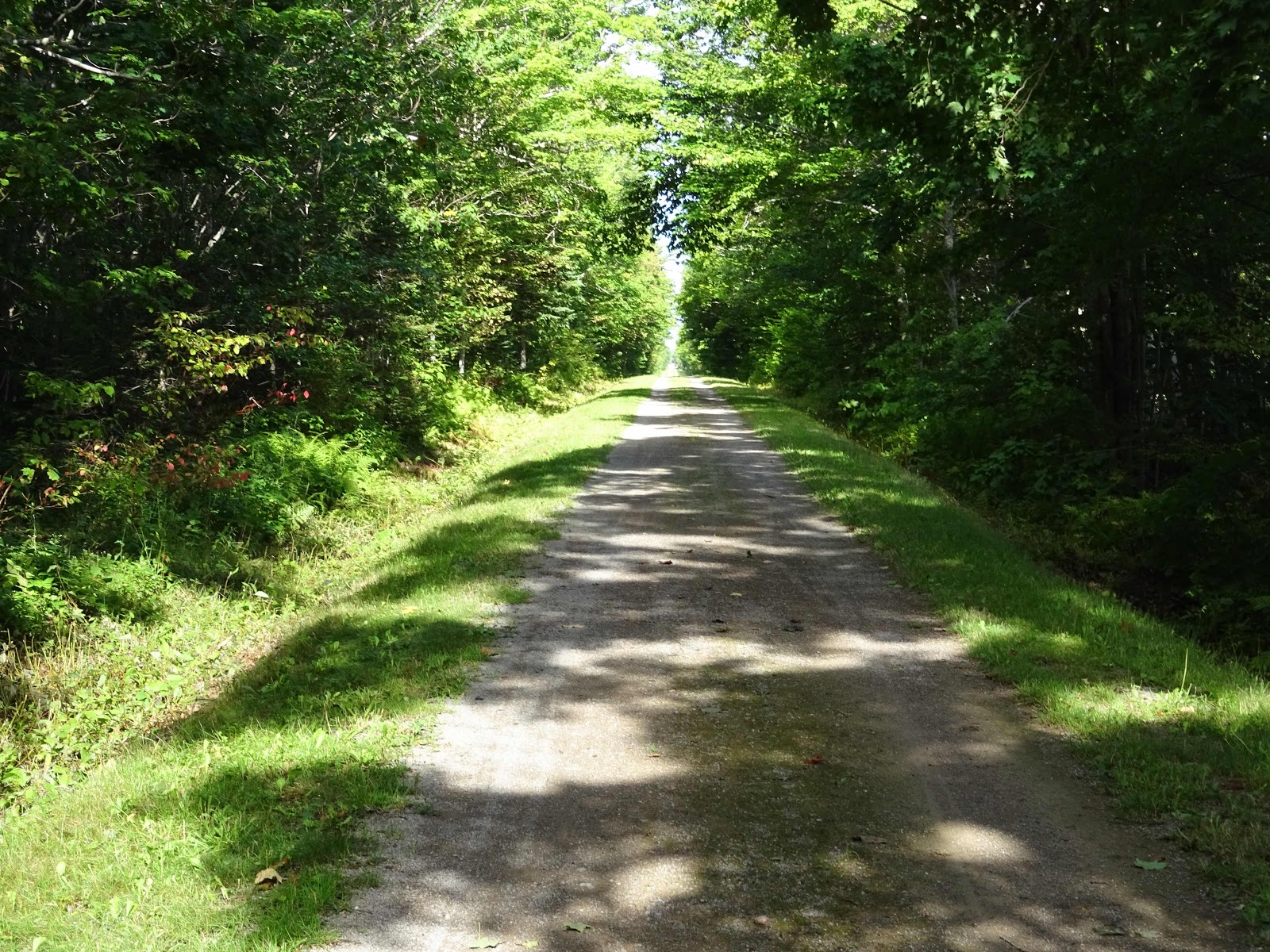
My husband and I stayed several meters apart on the trail so I could focus on the trail rather than having to avoid crashing into him. The day was cool and I wore a jacket which was perfect for the breeze. The sensation of the air on your face, the sound of your breathing in the quiet of your body as you push forward in tune with the bicycle and the beauty of the trail are a unique combination. Add in the dance of shadows where the sun breaks through the trees which overshadow the trail and the experience is perfect. 


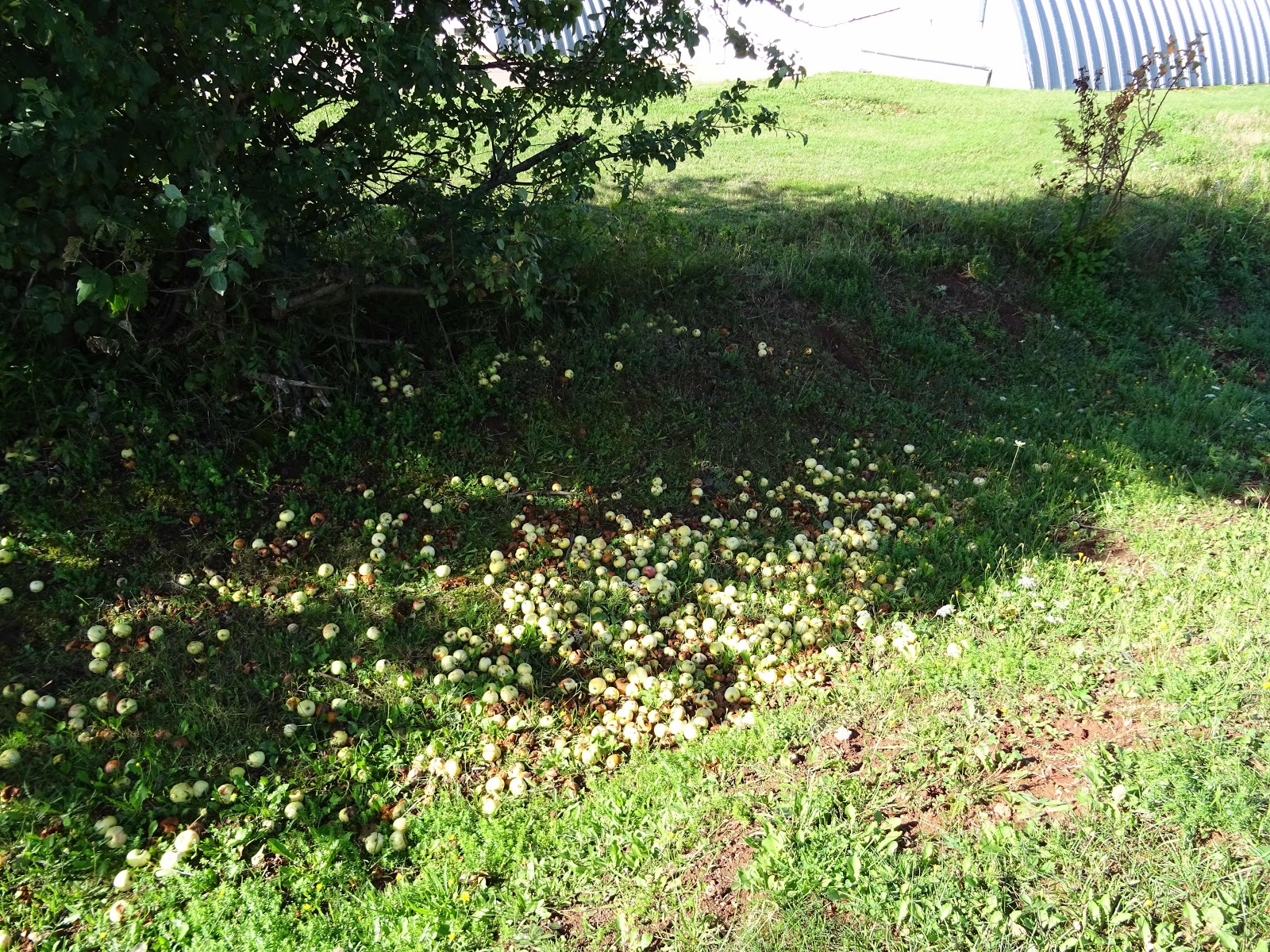
Meanwhile the trail itself always presents something new though we are familiar with the area from walking there. There are lots of apple trees along the trail and apples cover the ground in some areas.


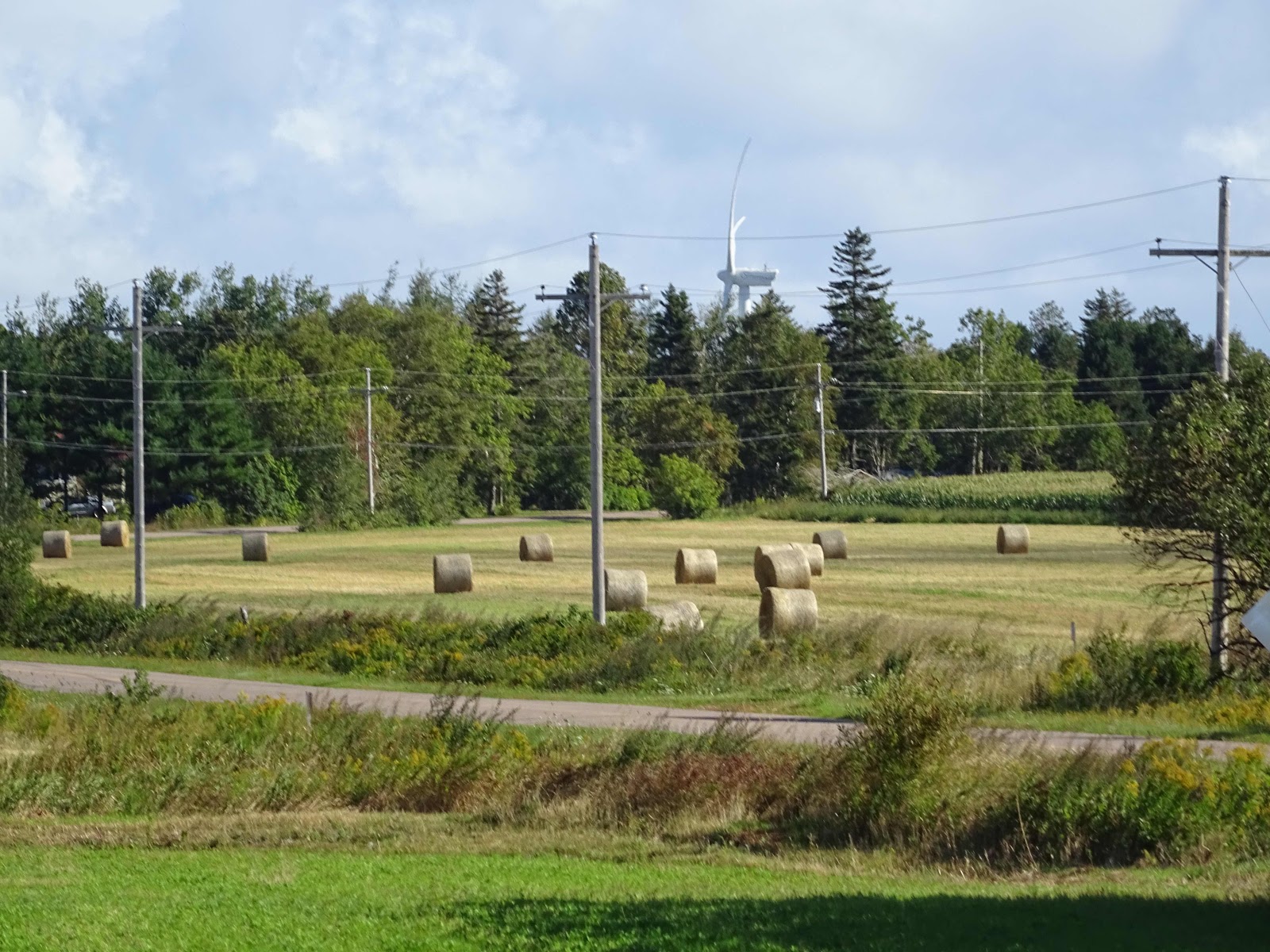
Harvest is beginning on the farms along the trail. One of my favourite scenes is the hay rolled into bales waiting for transport to the storage area.


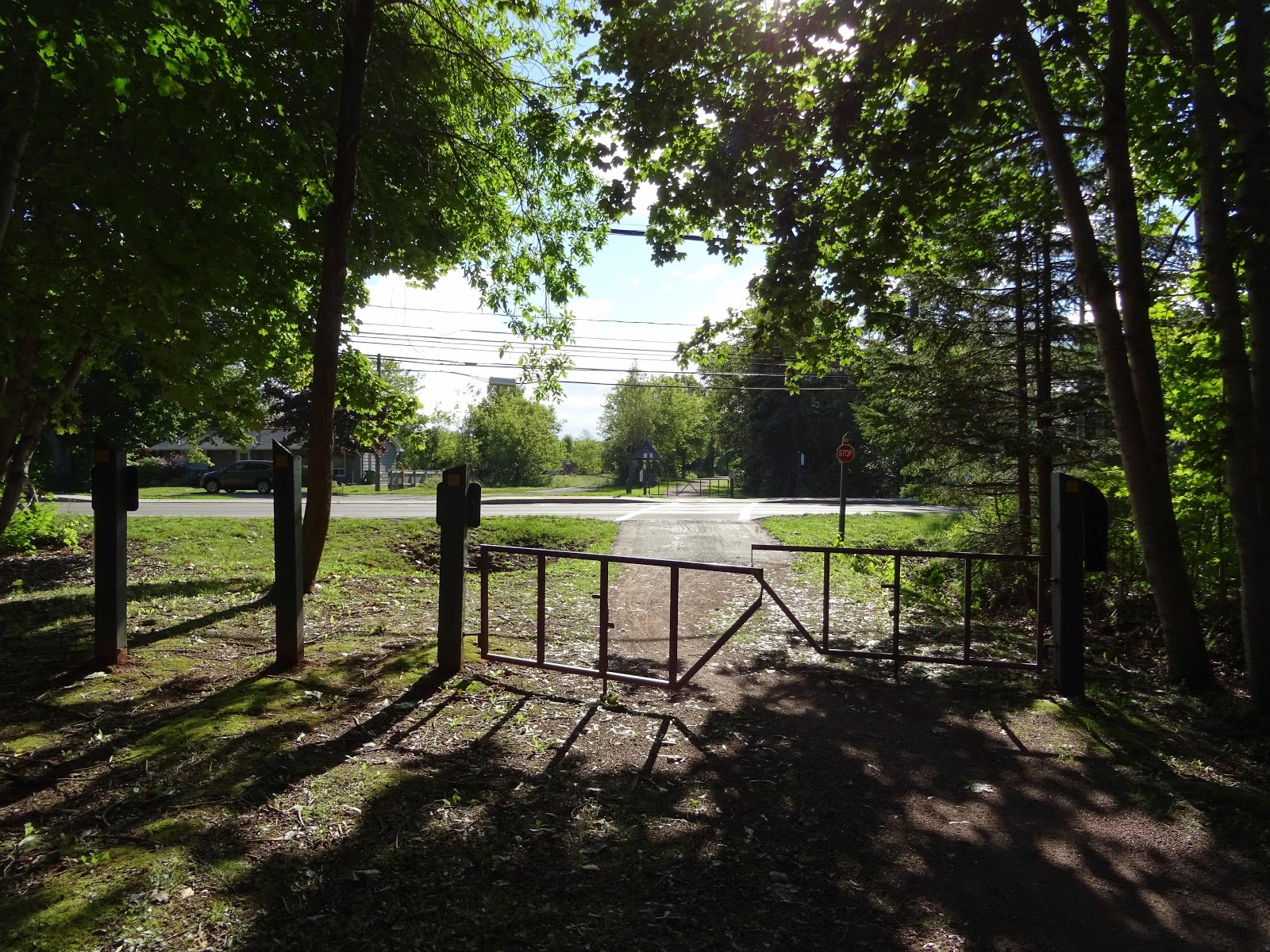
This time we rode from the horse farm to a place where the trail crosses a road in Summerside and back. 


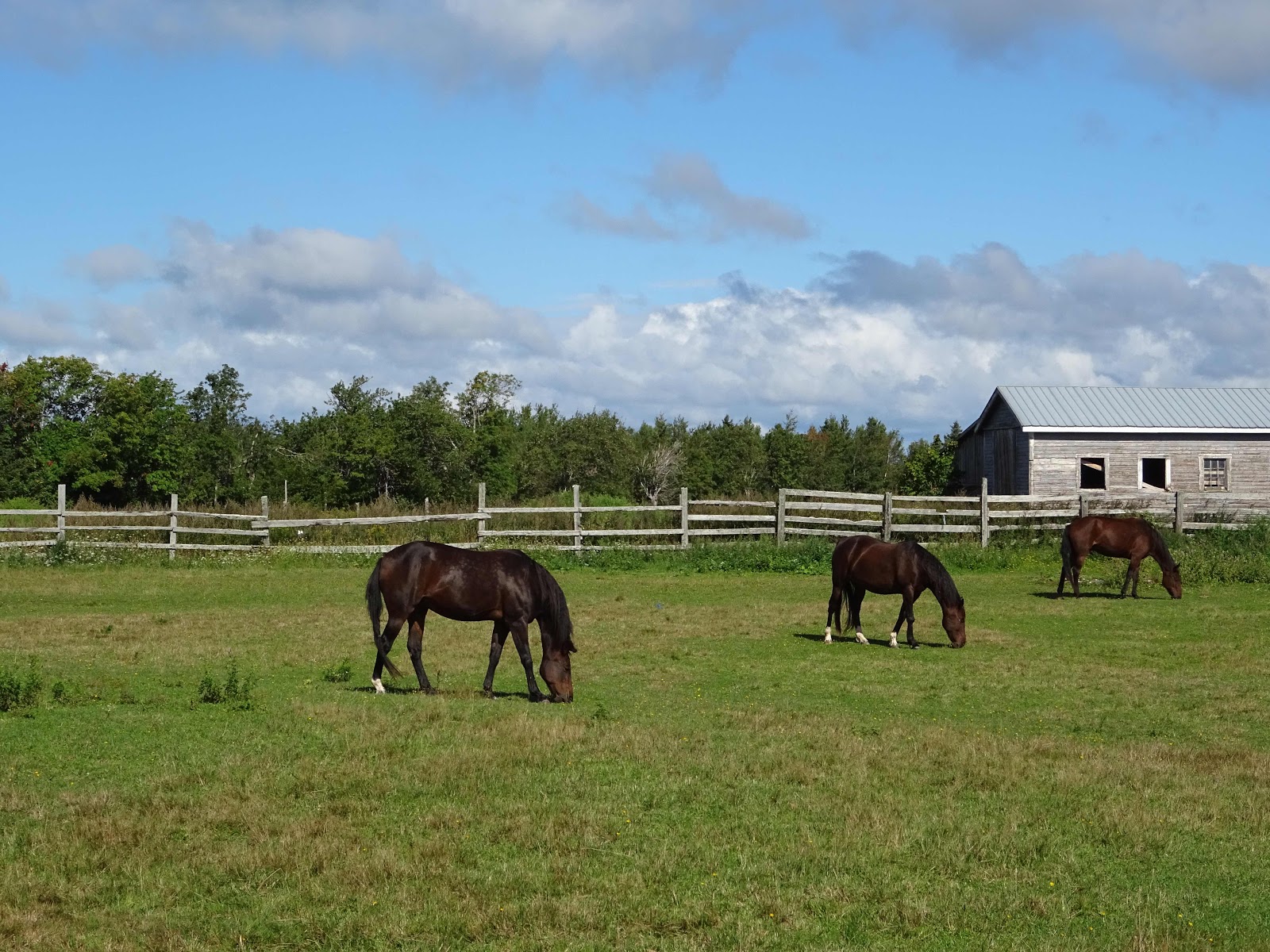
It was curious to see the horses social distancing in the paddock when we returned.


Everyone is feeling the negative effects of Covid but cycling has been a positive addition for us.


Wednesday, 2 September 2020

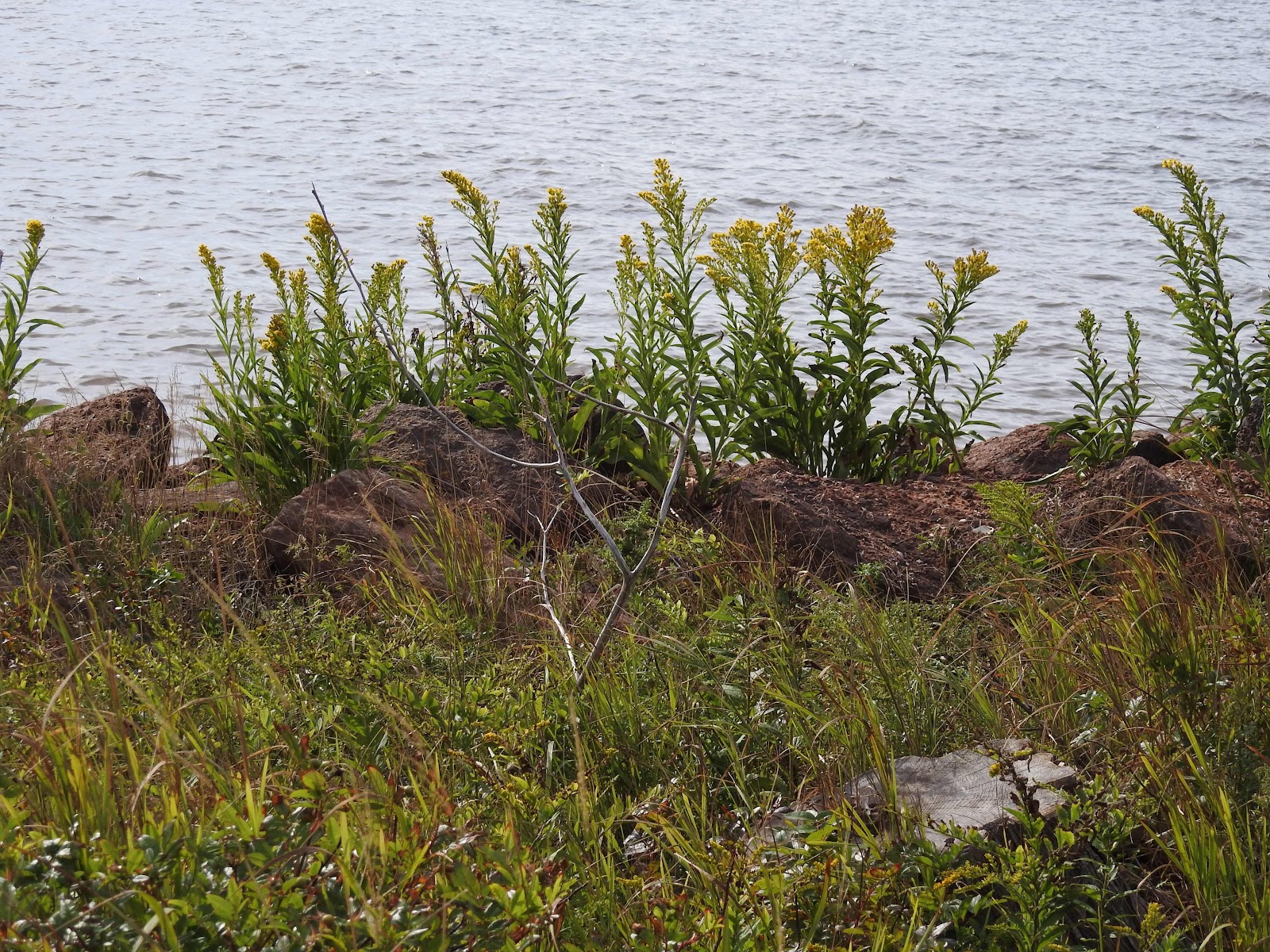
Golden sunshine

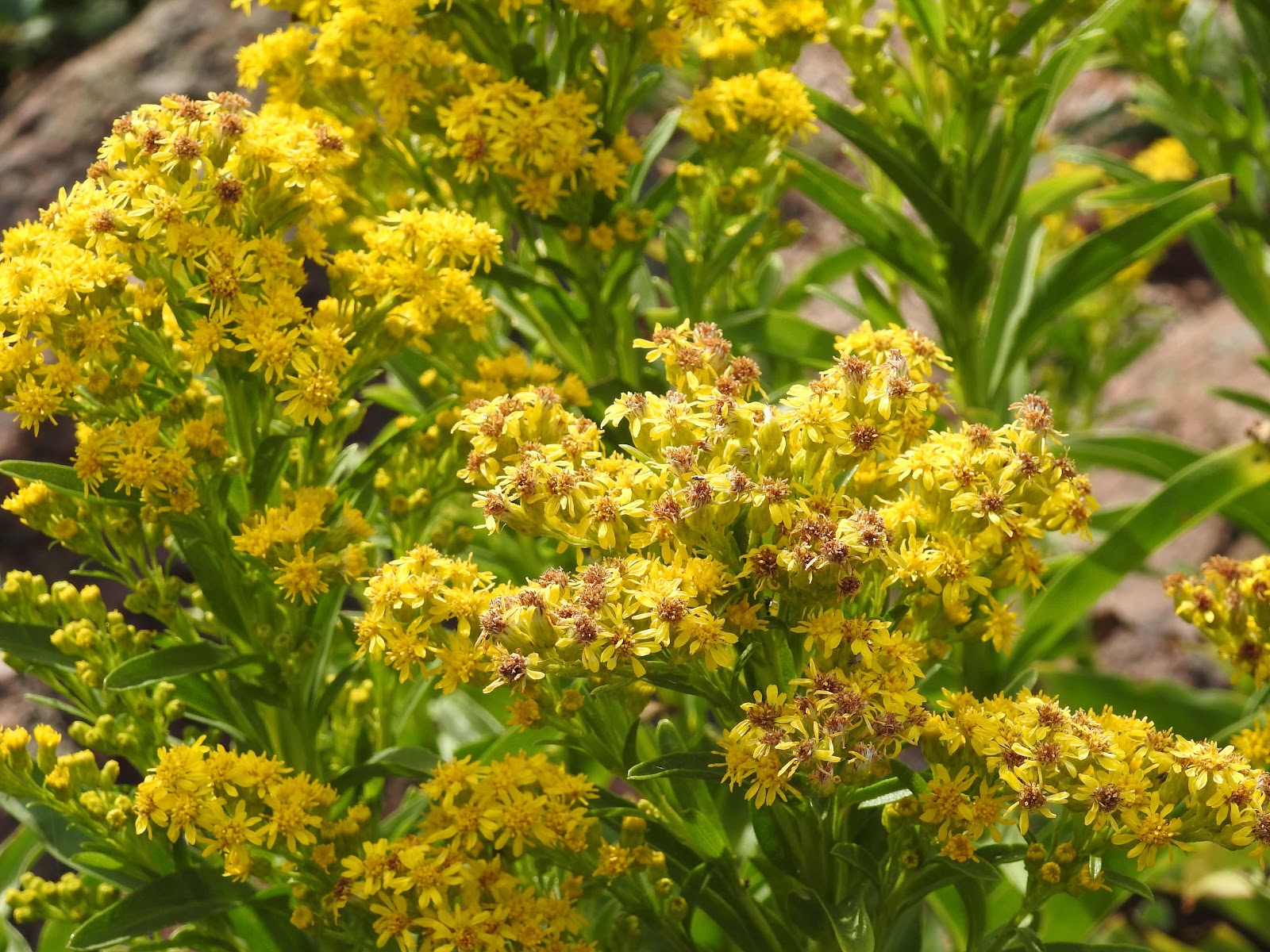
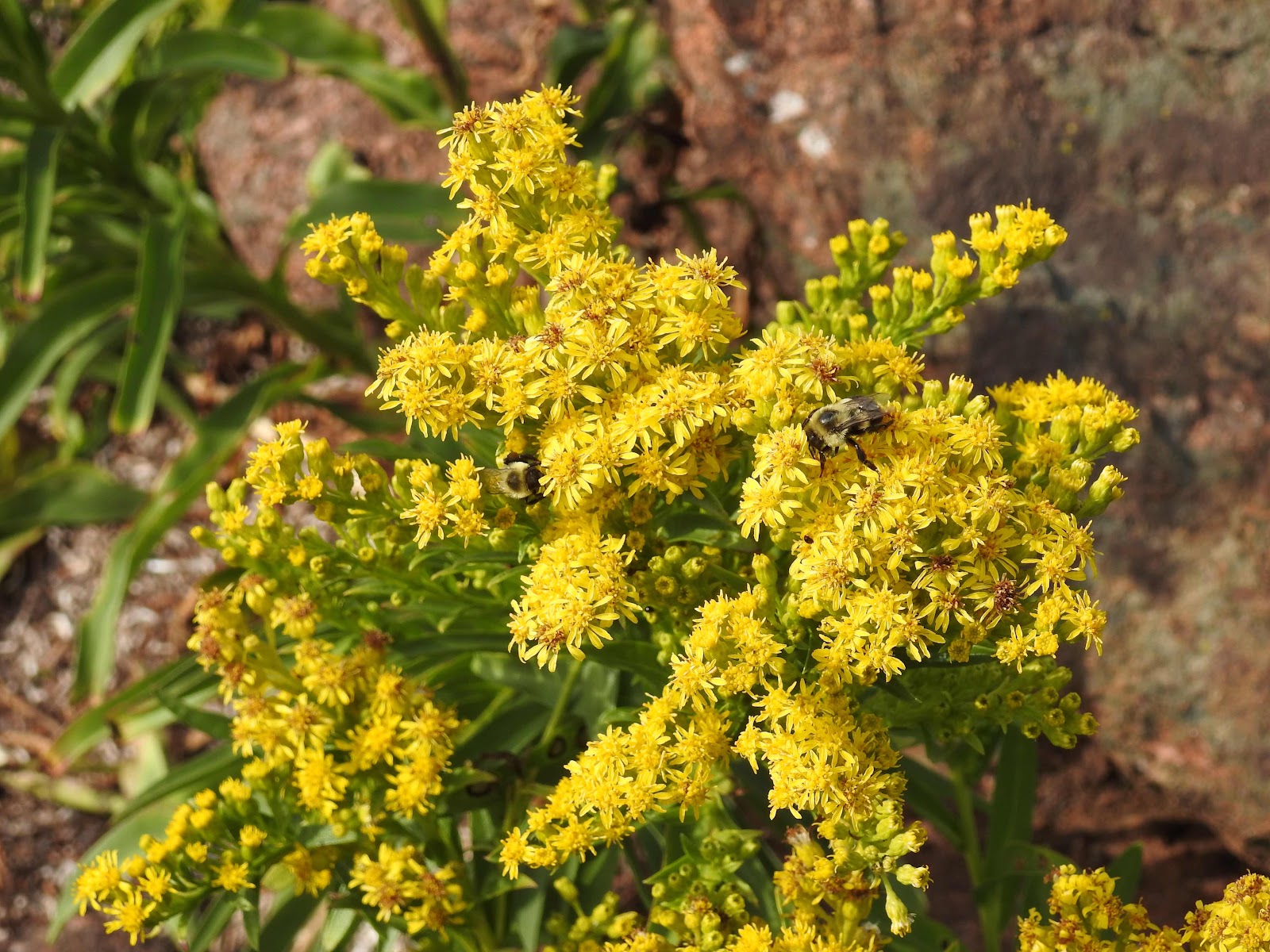
Each bloom is perfect,

Tiny rays reaching from a golden centre.


A bouquet on a stem named goldenrod,

The late summer wildflower which brightens our day.


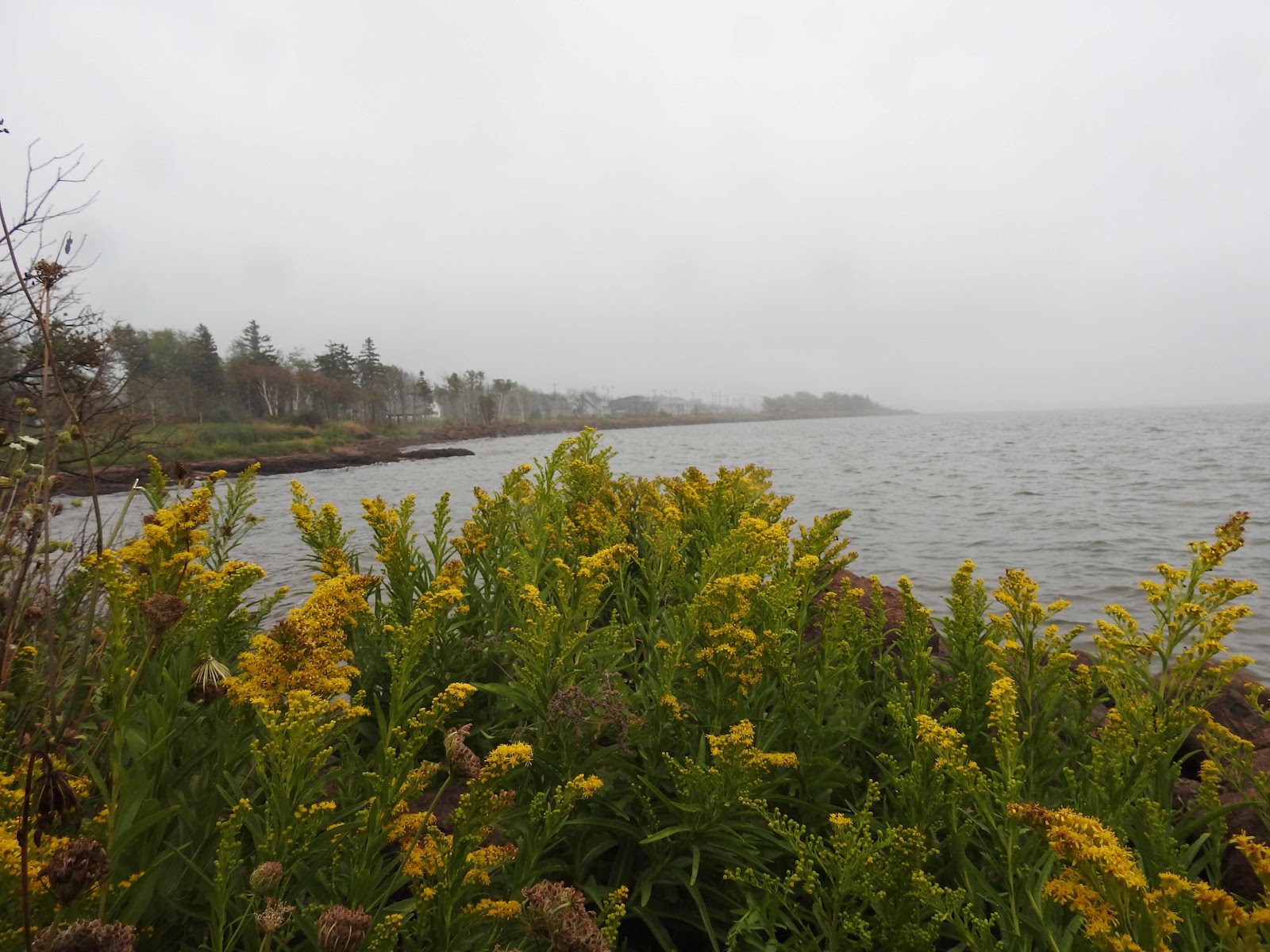
Despite the weather, the yellow glory remains,

Dispelling the foggy gloom. 

It lifts the spirits of those who pass

Through the gallery.


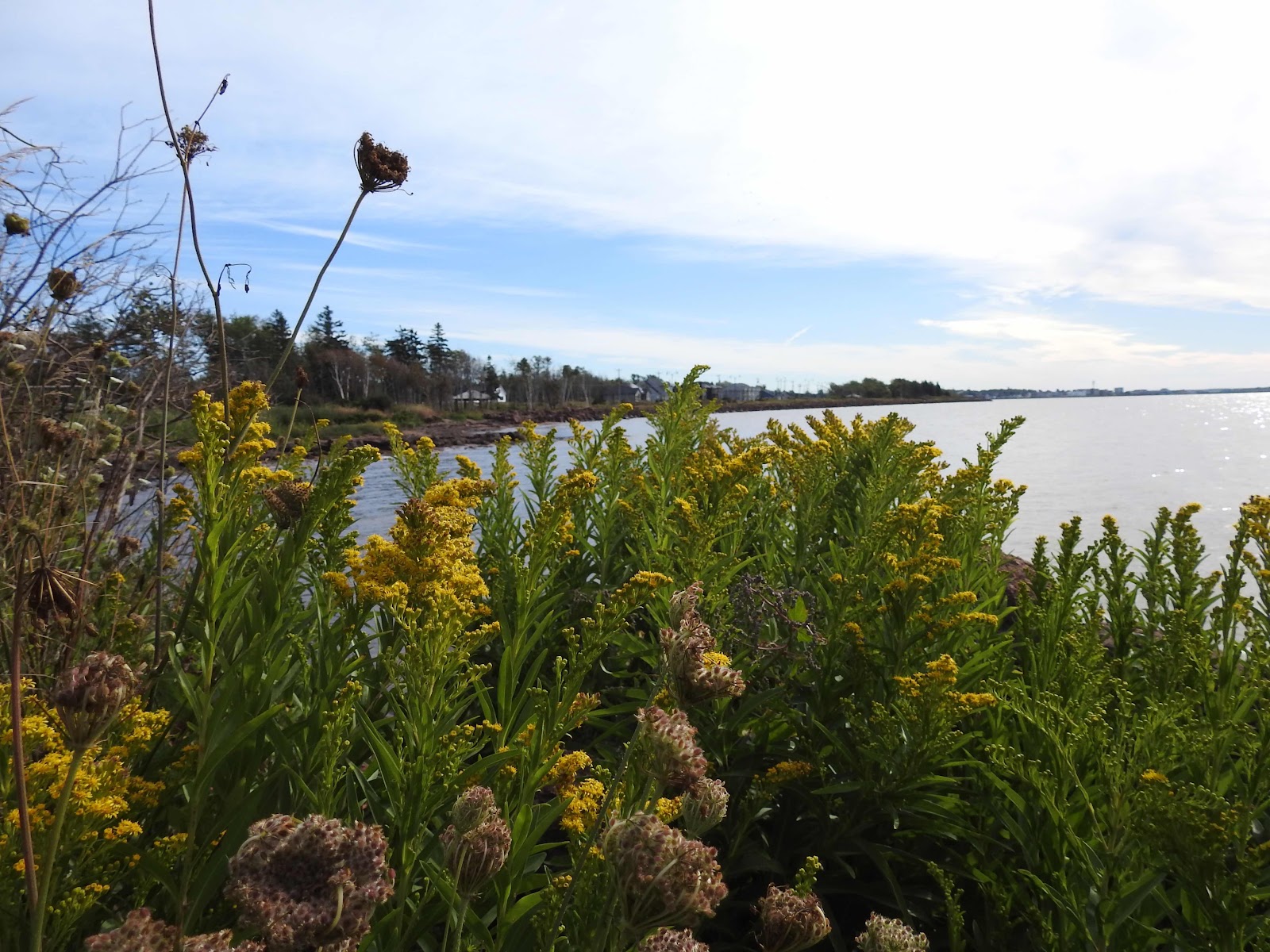
The sunny blooms shine their best

Along the woodland paths or shoreline.


Bees come to visit, sweet nectar will become honey

And pollen spreads from bloom to bloom. 


Goldenrod will shine again next year.