Most Popular Post

Showing posts with label MacKenzies Brook. Show all posts

Monday, 18 April 2022

At the park

We ventured to the national park on Prince Edward Island twice in the last few weeks, both times urged on by the above zero temperatures and lack of wind. These were exploratory visits, to see if our favourite areas of the park were open and if a walk and a picnic were feasible to begin our outings for another year.


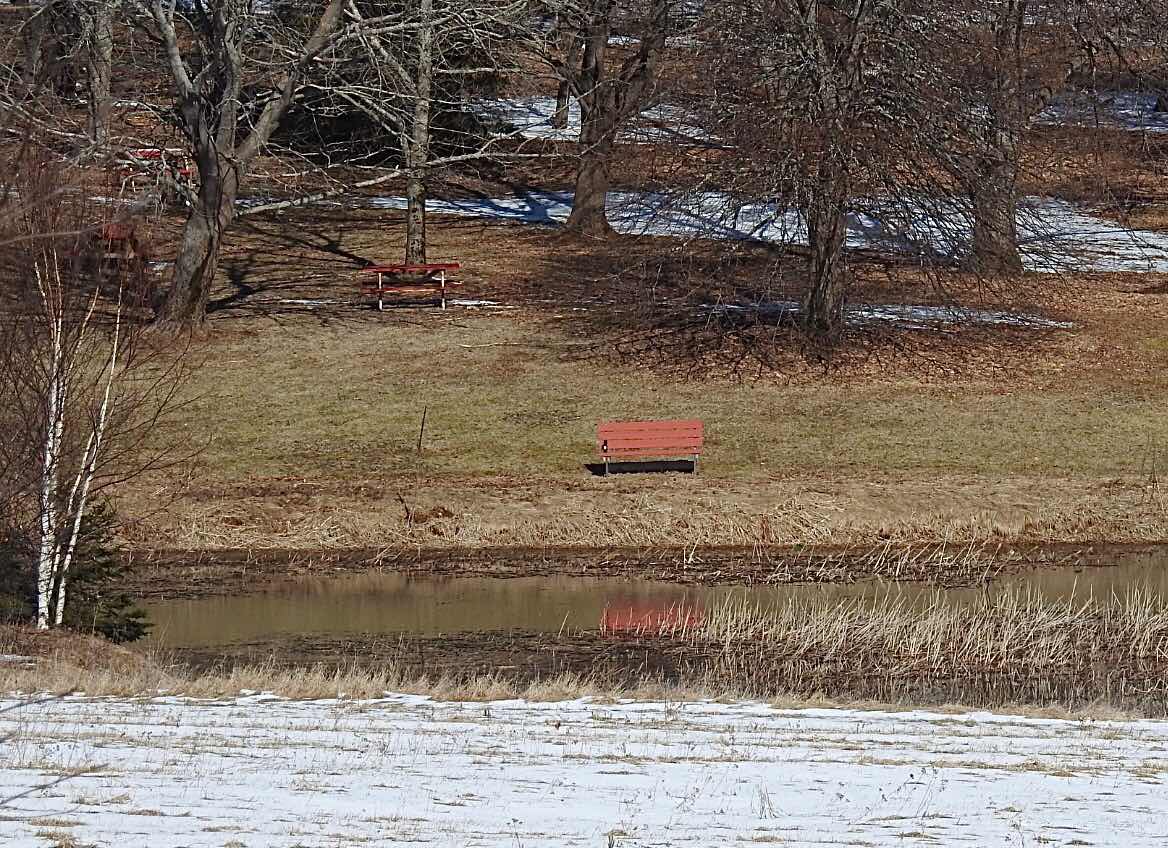
Two weeks ago, we visited the western section of the Park at Cavendish. Cavendish Grove wasn’t open but we parked along the road and I took a photo through the gate of our favourite area. It is there we spend a few hours every spring entertained by the spring peepers and several pairs of geese who return there to breed. All was quiet in the Grove that day.


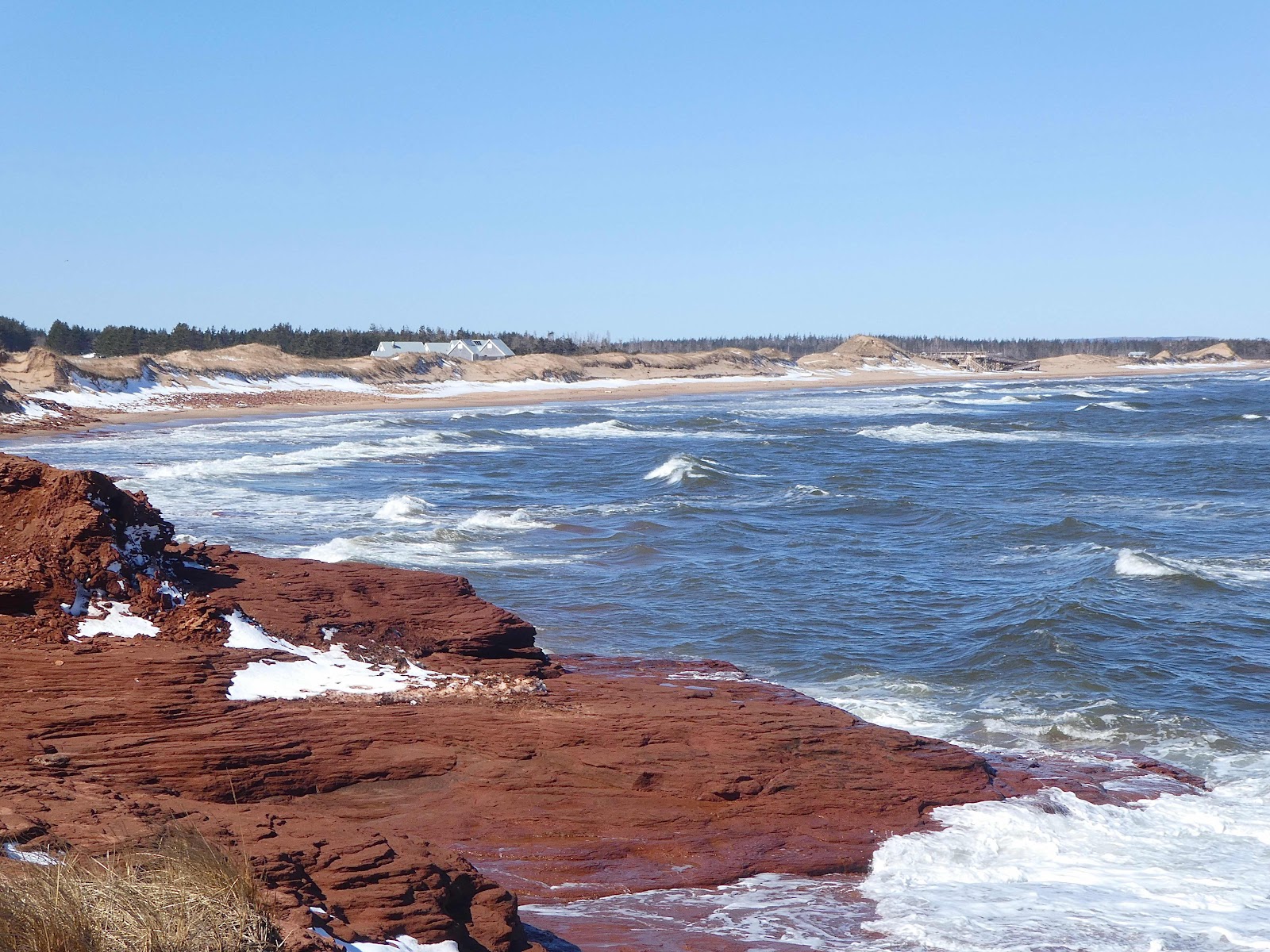
At the Lookout over Cavendish Beach, snow was still visible along the shoreline. The days of snow on the beach are numbered.


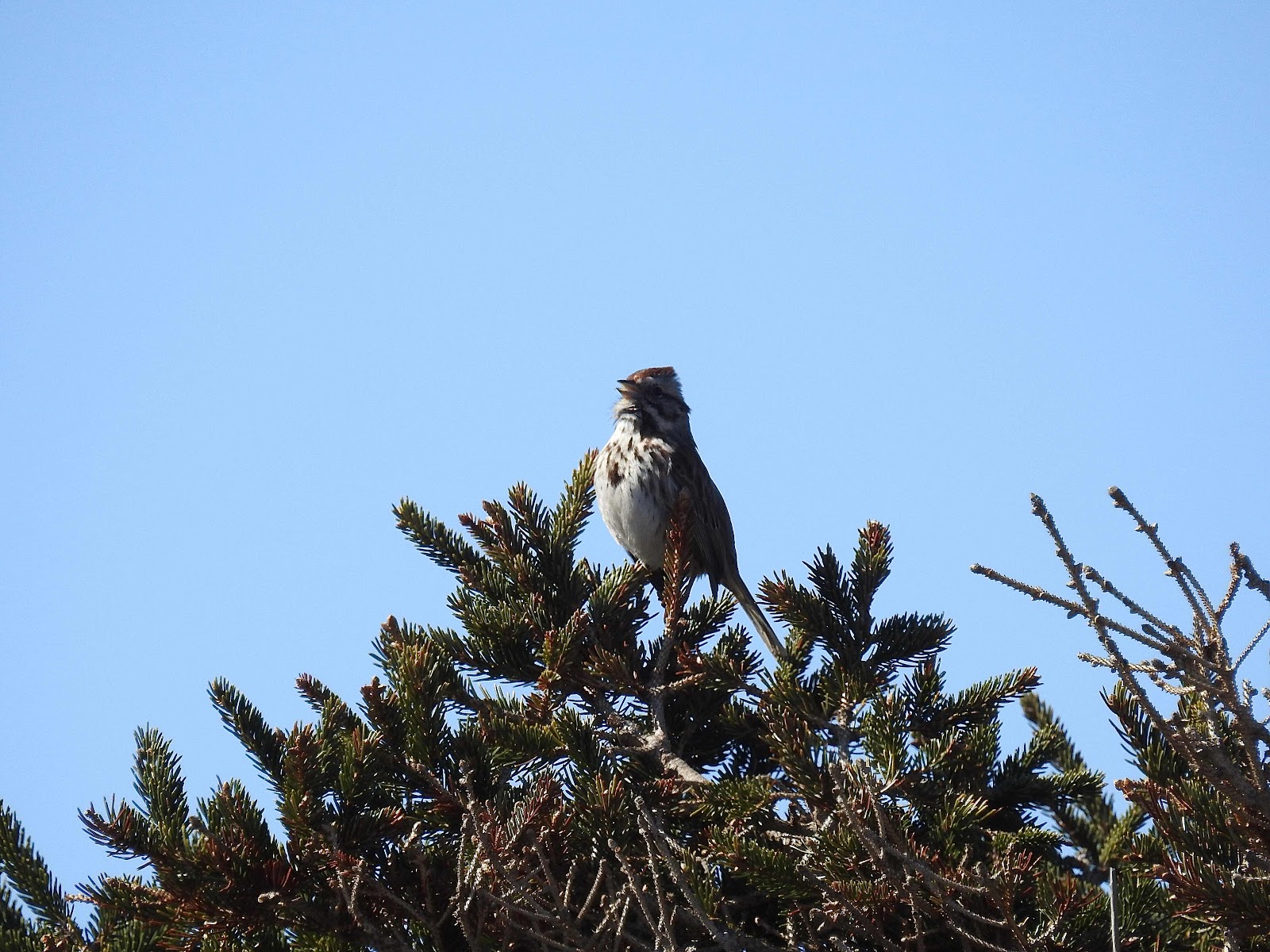
Several weeks ago, the Song Sparrows returned to our garden, singing with the advancing daylight outside the bedroom window as they will do for the next four months. Everywhere we go, these melodious little birds are singing their hearts out, as they were that day by the Lookout. They are fast becoming my favourite birds.


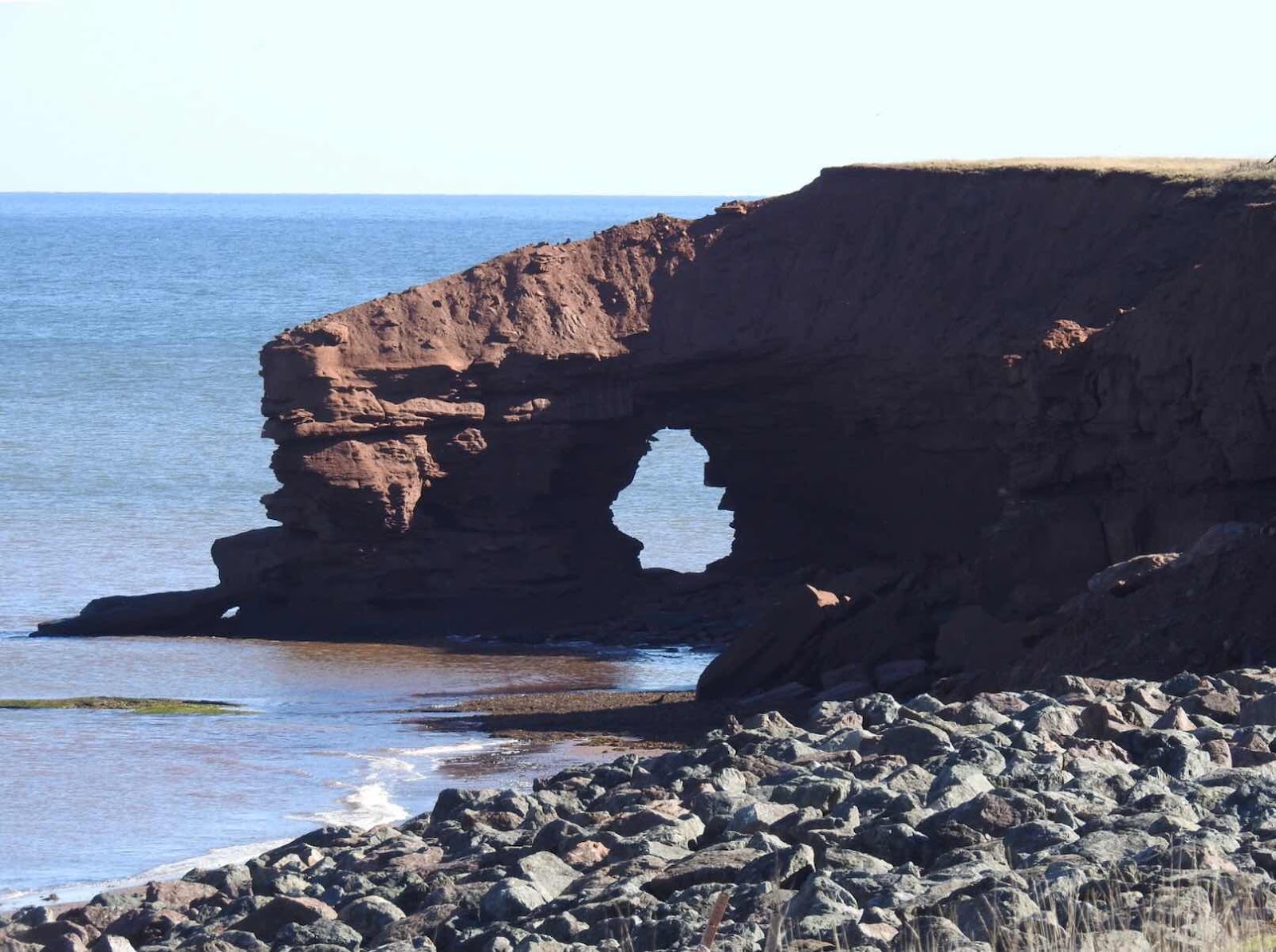
We stopped at MacKenzies Brook again where I took some photos of the ever expanding sea arch. When I took this photo, 
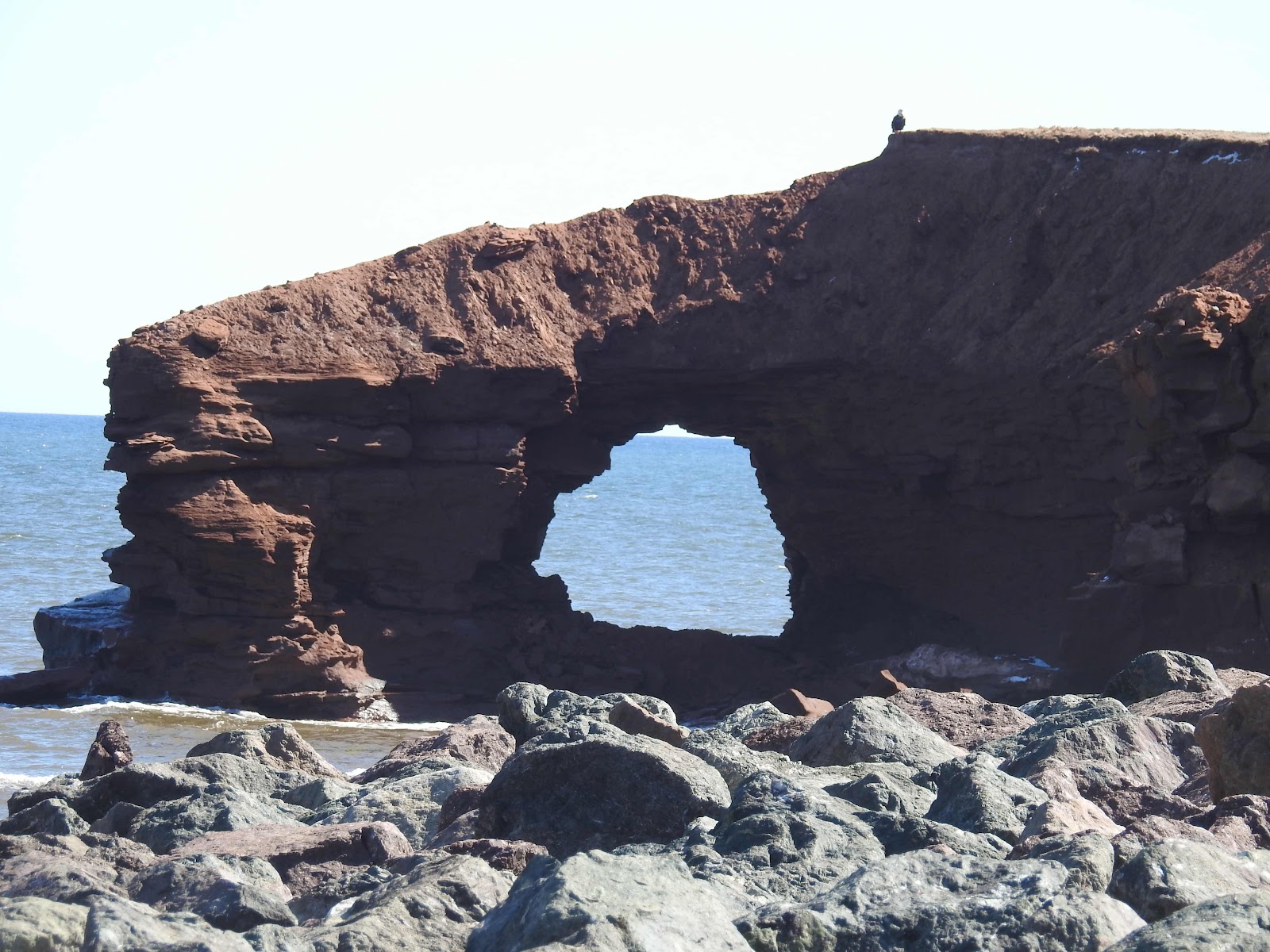


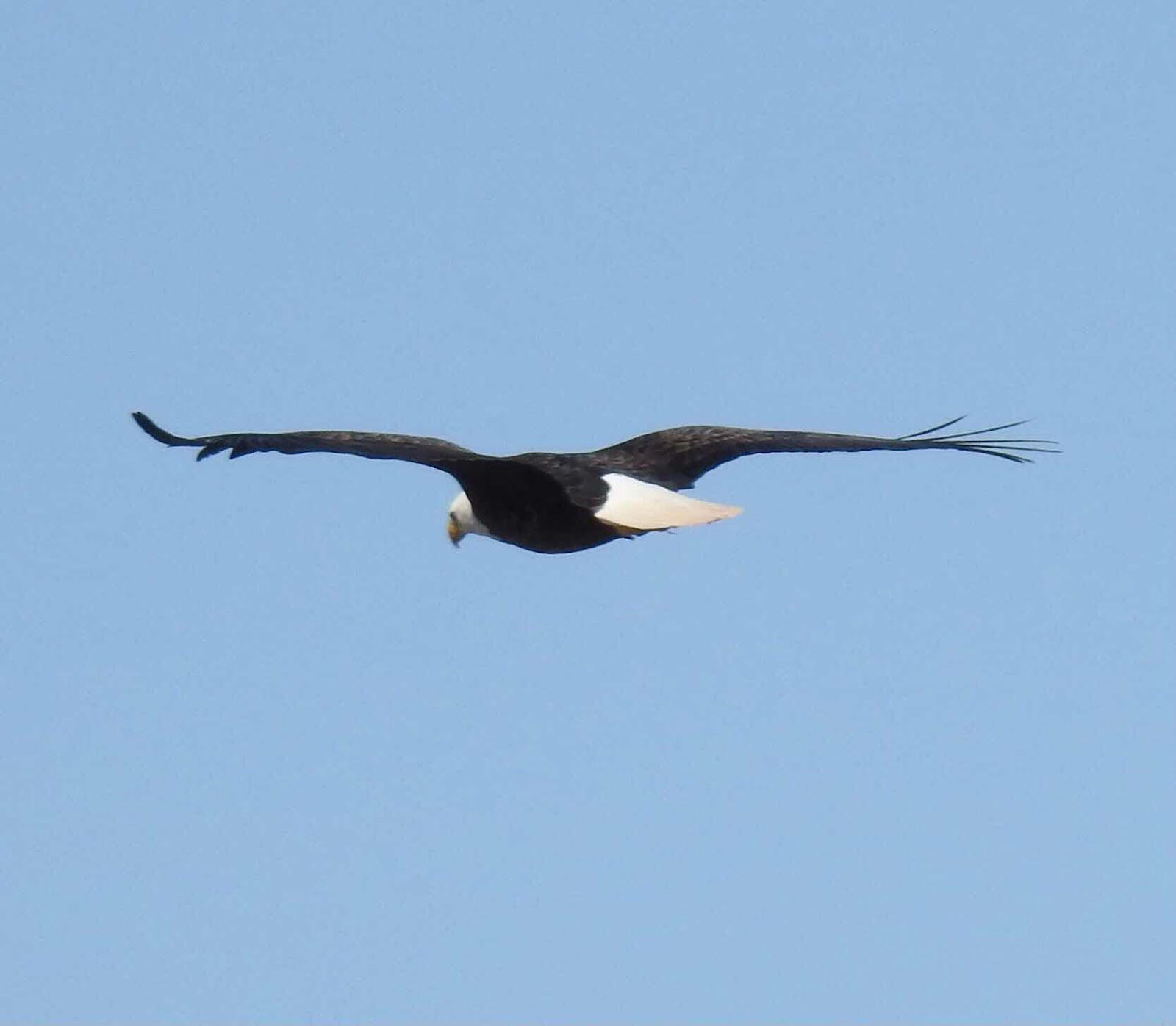
I was oblivious to the Bald Eagle stood in the upper right of the photo. On the way back to the car, the eagle flew overhead but this was the best photo I could capture.


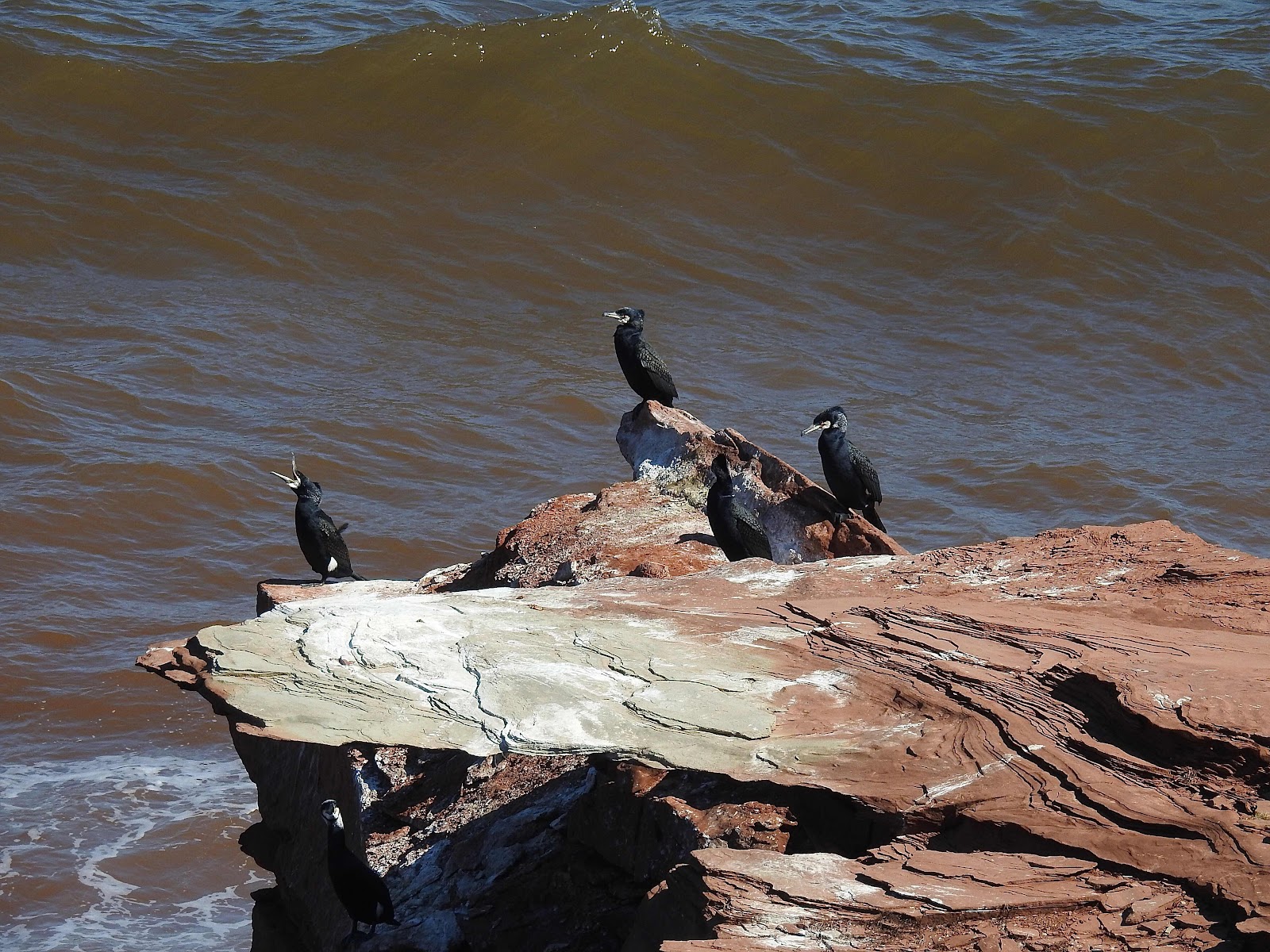
Finally we visited Orby Head and the Great Cormorants were back, some standing vigil at the Head already this year.


                            Can you see the five Cormorants in this photo?
We decided that if the weather was at all co-operative, we’d have a picnic at the park in the next week. Yay!
Monday, 22 February 2021

Artistry of the sea

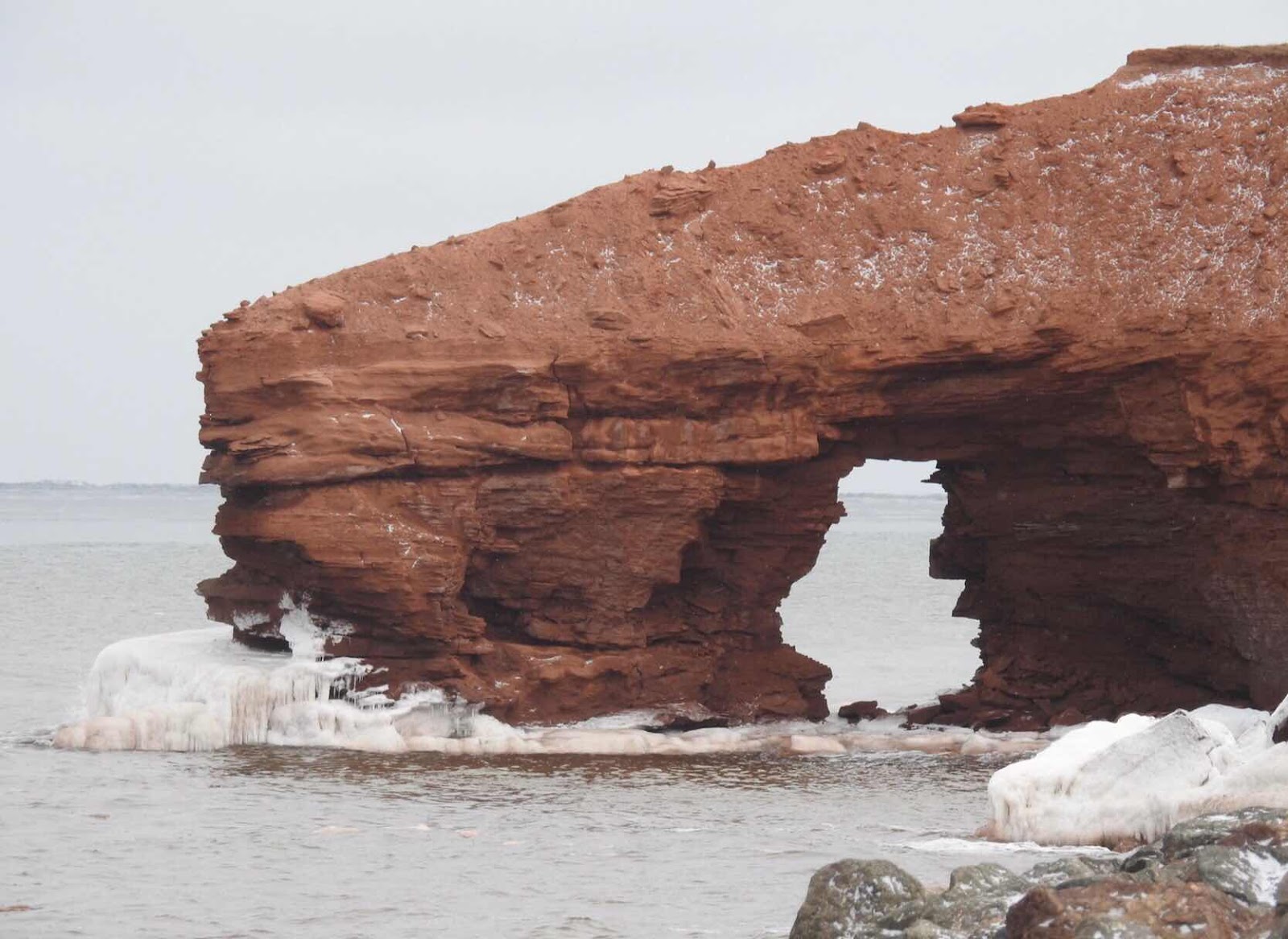
During our recent visit to the north shore of Prince Edward Island, we noticed a marked difference in the shape of the sea arch at Mackenzies Brook over the last three months. The shoreline in the area, fortified with rock armour revetments last summer due to the amount of erosion in the area, hasn’t any nullifying effect on the erosion by the arch. 


                                                                      Sea arch October 2020

Consequently, the open water in January, due to the lack of ice in the Gulf of St. Lawrence, had widened the arch forming nearby.


                                                             Sea arch in January 2021


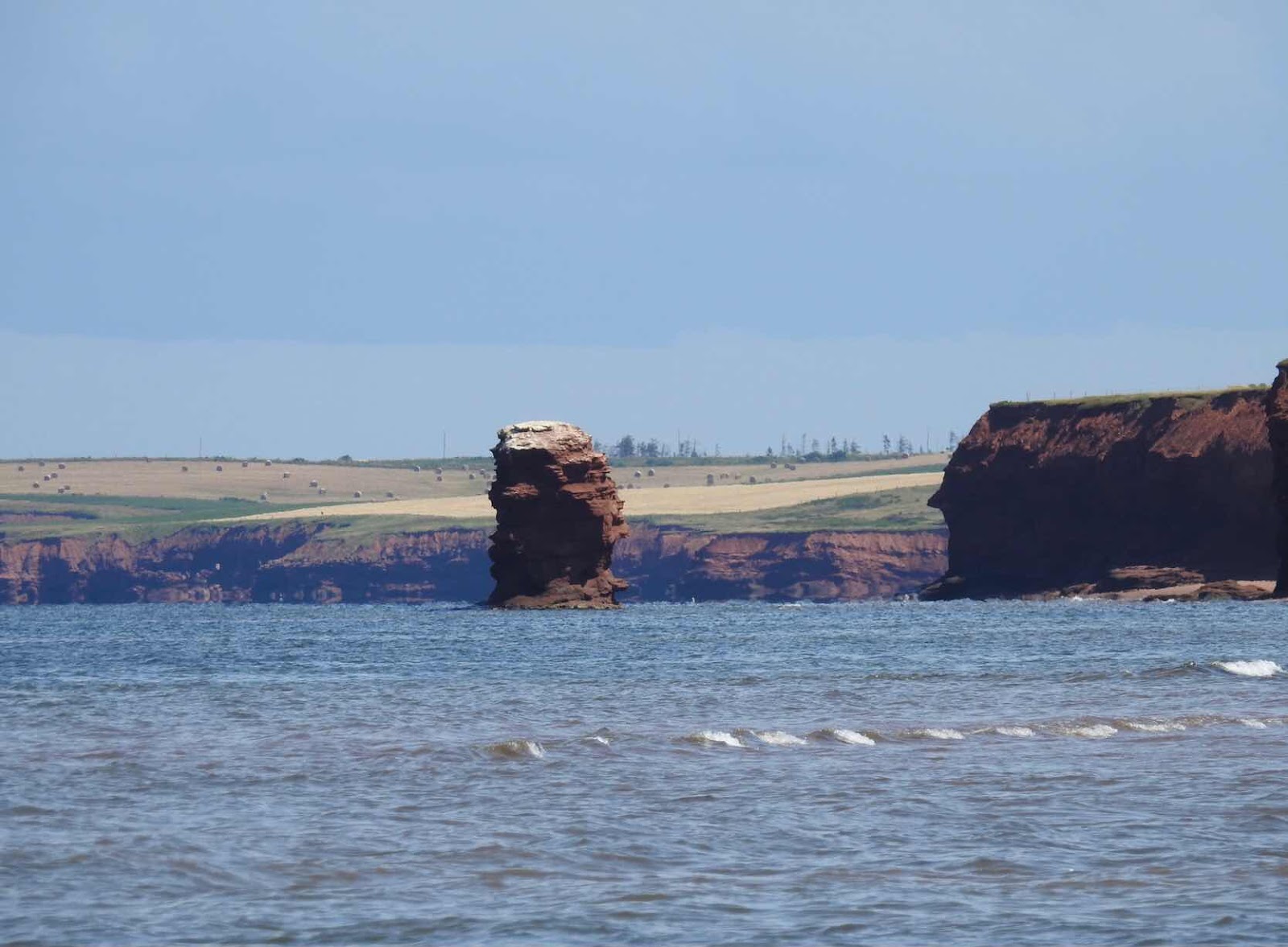
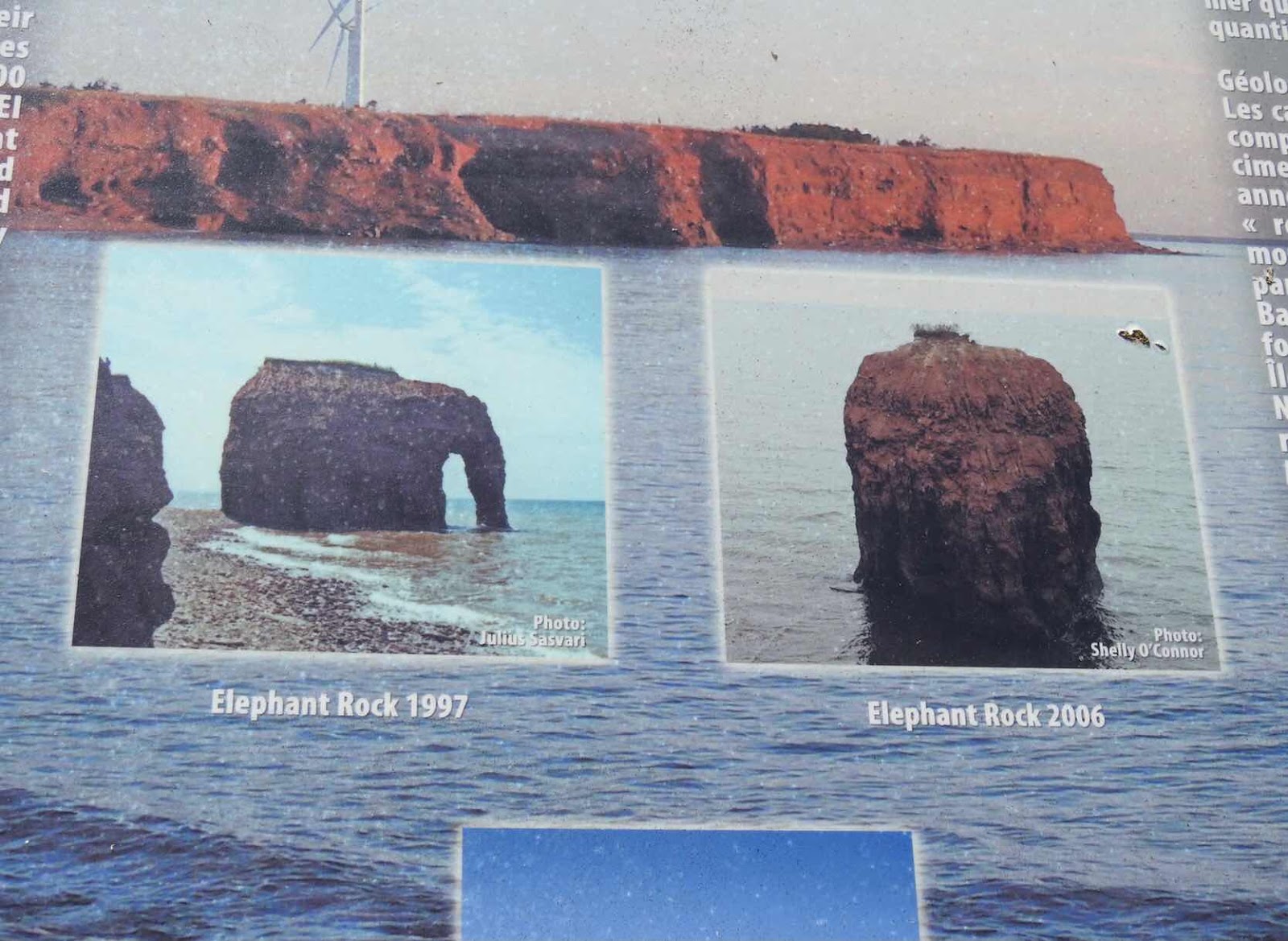
The sea is a sculptor of the earth. The arches and sea stacks which temporarily line the shore last for years and are testament to the artist’s ability to carve the sandstone with her enveloping hands. The softness of the medium and the continuous work of the sculptor create an evolving work of art, unequaled by human hands. What was called the Elephant Rock at North Cape 


in the 1990s has evolved to the piece we see today.


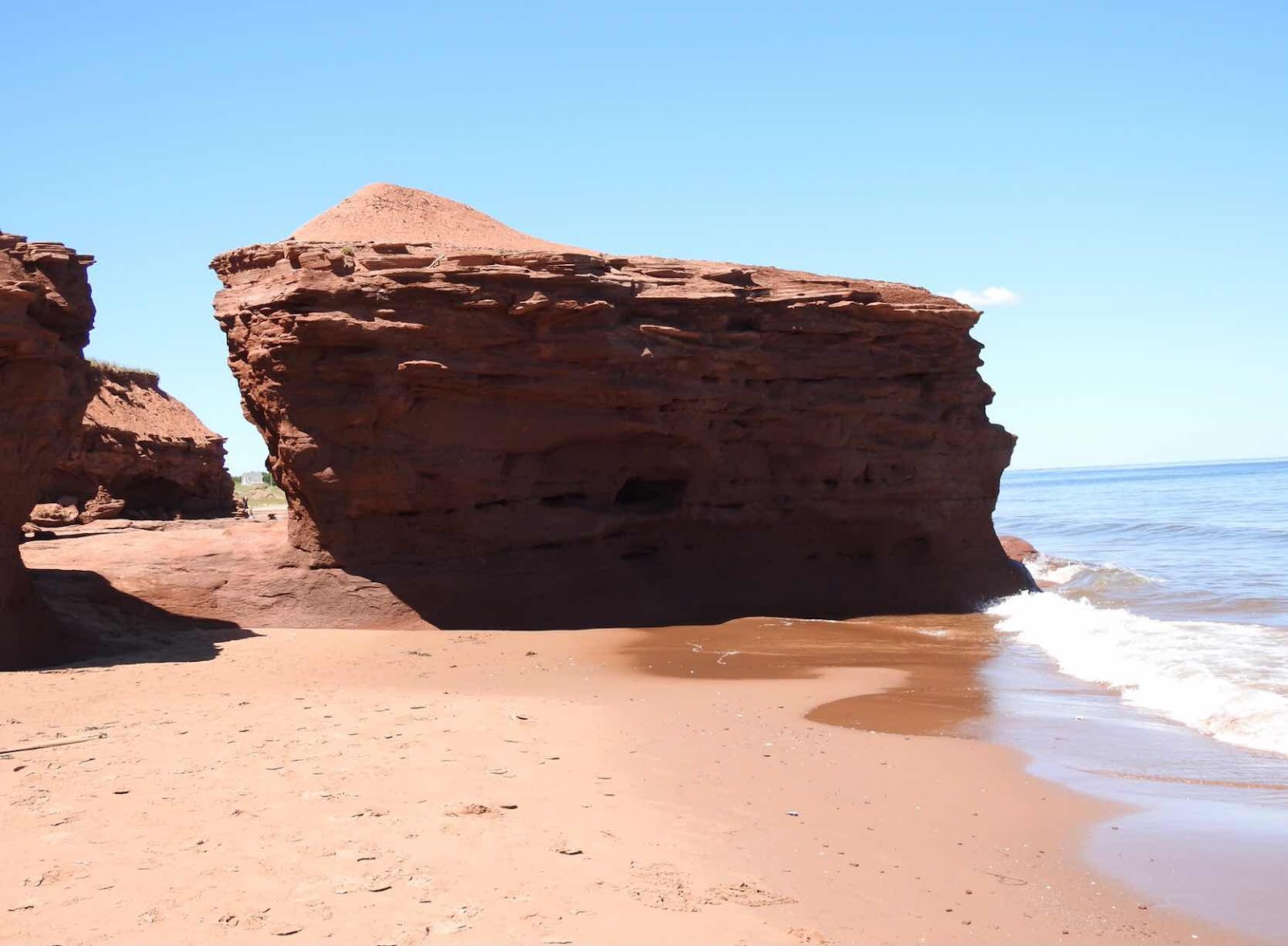
Meanwhile, we walk in this gallery every year to take in the strong picturesque beauty,


the blocky and earthy design,


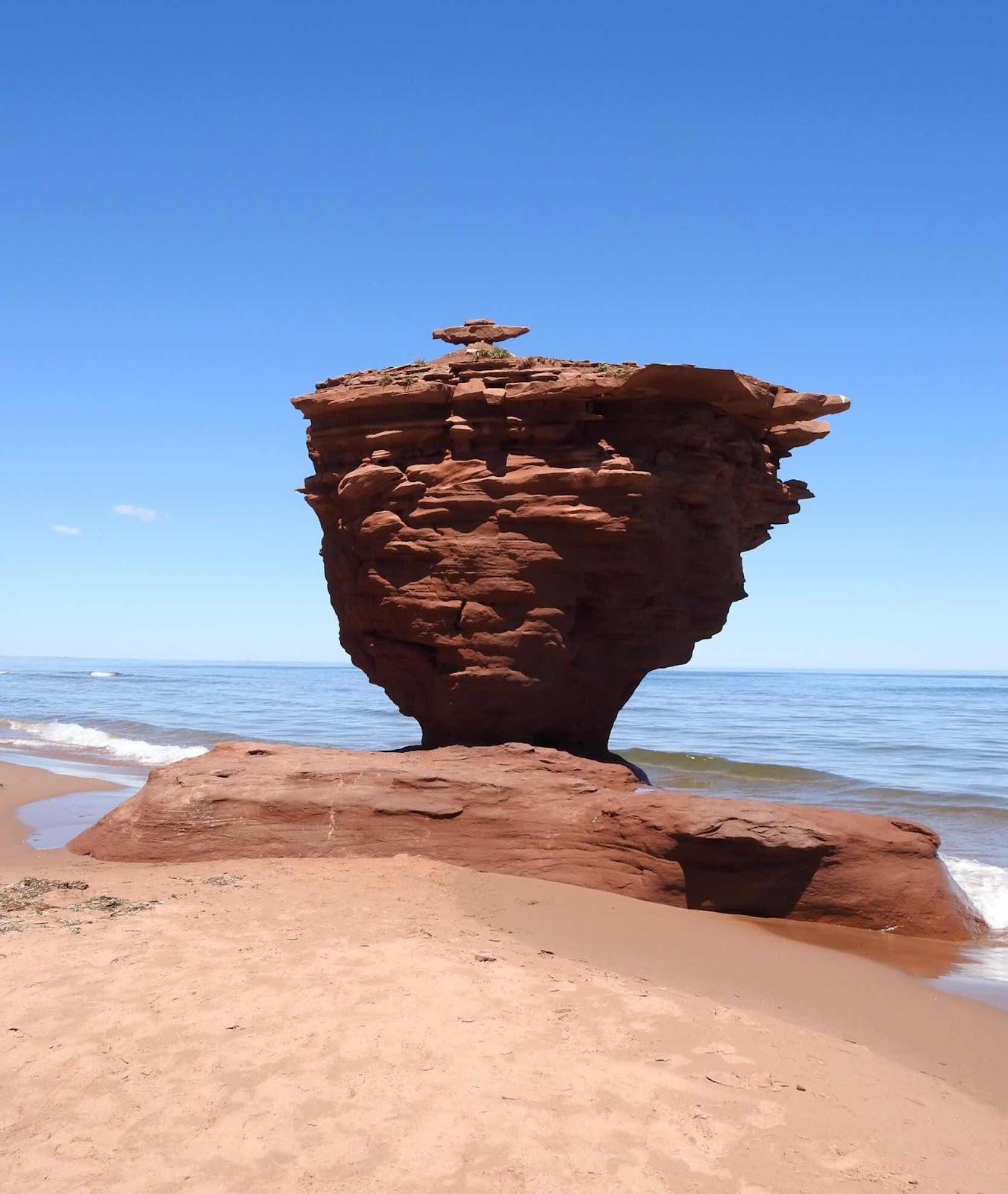
and the commonplace turned monumental, such as this naturalistic tea cup.


This sculptor works along the coastline all over the earth. She is such a prolific artist and is increasing production at an astonishing rate. While I appreciate the aesthetics, as time goes on, I fear it too.


Friday, 31 August 2018

Along the north shore

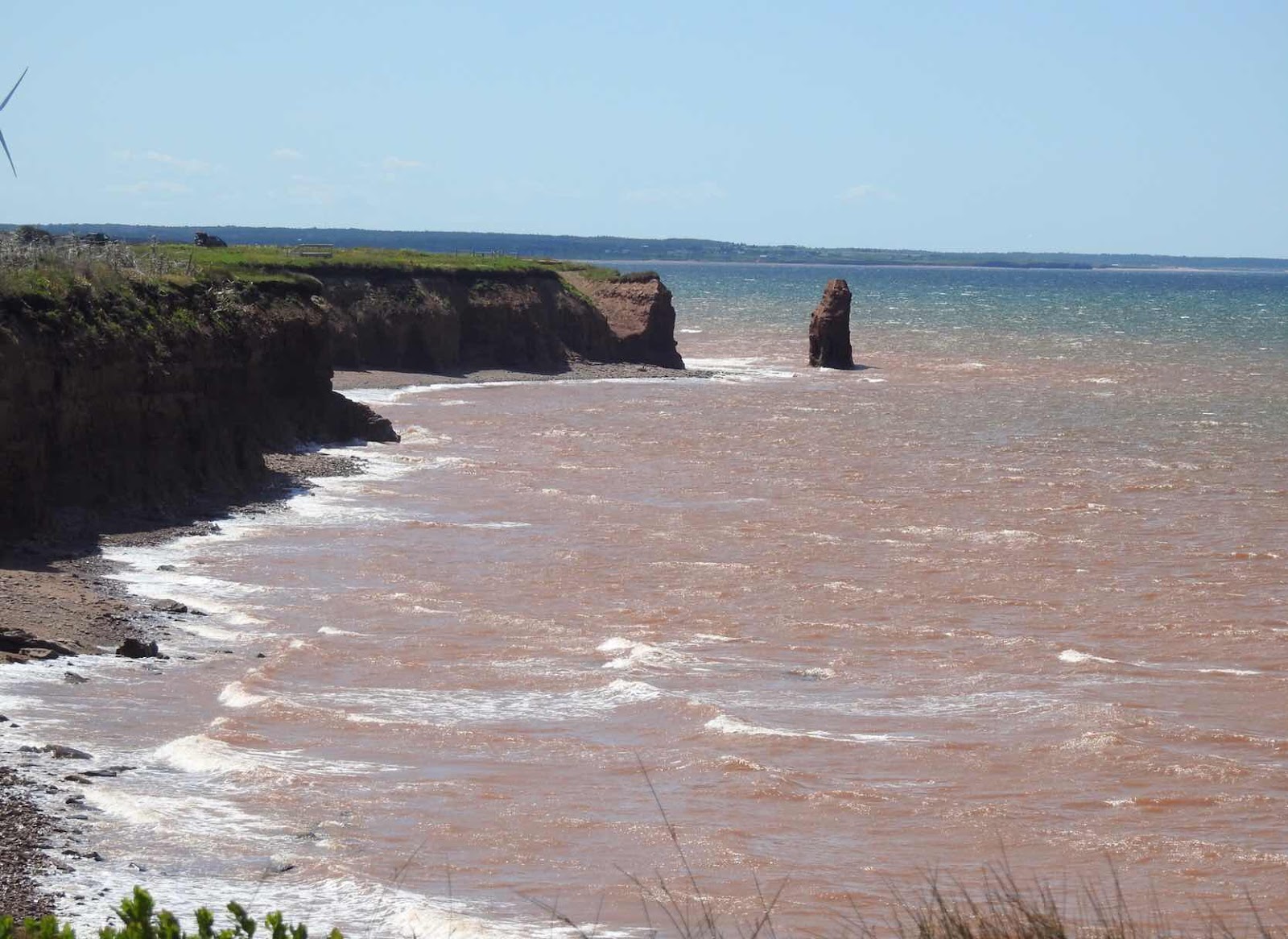
White caps. We had never seen the water so rough. When it’s stormy in Prince Edward Island, my husband and I are never by the sea. On this beautiful late August day, the wind is high and the water on the north shore is churning. 


You can hear the waves crashing into the shore rather than the gentle lap of waves along the beach which is so familiar.


We can smell the sea too, that salty, seaweed smell which is a welcome reminder of our youth in Newfoundland. That is a first for us on this island too. We let it seep into our beings as we stand on the cape along the north shore in the National Park.


The cliffs of the north shore are in sharp contrast to the depth of blue and the white caps rushing towards them. The cliffs are high too, among the highest on the island, known for its sand dunes and rolling hills. Standing along the edge of the cliffs one is impressed with the power of wind and water. 


At the lookout at MacKenzies Brook, you can see how the wave action has eroded a cave in the cliffs and the end of the cave is open now too, forming a tunnel. How long will it be before the surface above collapses?


From Orby Head, one can see the far east of the island through the haze. 


To the west, the lighthouse at Cape Tryon is visible 


and beyond it, a hint of the western tip of the island.


Below these cliffs, cormorants have their nests but all are empty today. 


They forgot to post the ‘Gone fishing’ signs.

Further along the coast, at Cape Turner, a tree defies gravity and clings to life at the top of the cliff. 


The trees along the shoreline here provide shelter from the wind. All across this area, hundreds of butterflies, mainly the Clouded sulphur species, flit across the tall weeds lining the paths.


The sounds of the sea and the movement of the butterflies are magical.


We continue our drive along the coast and have our picnic lunch at Rustico. But that’s another story.