Most Popular Post

Showing posts with label cliffs. Show all posts

Wednesday, 29 September 2021

The Argyle Shore

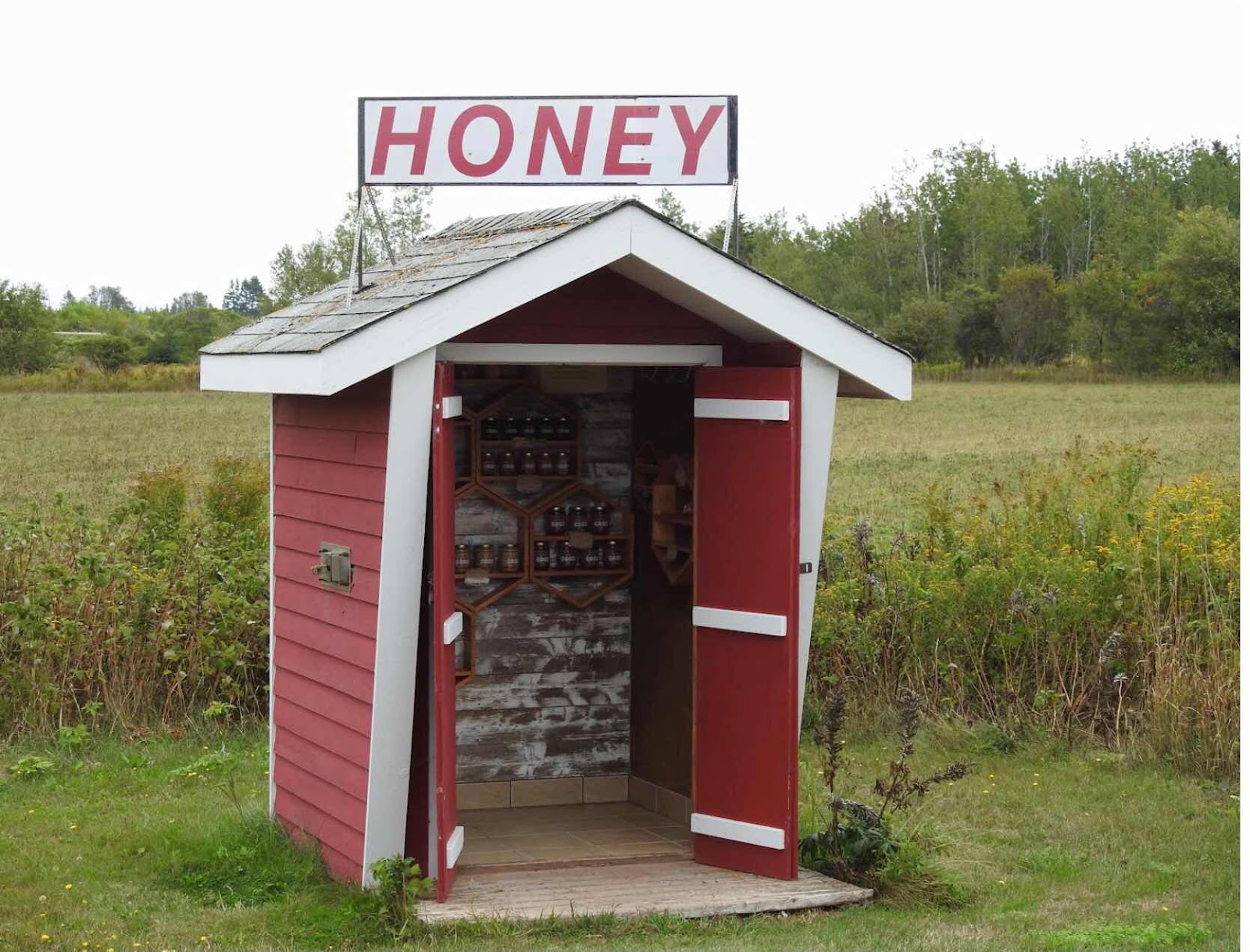
The Argyle Shore on the south coast of Prince Edward Island is an area we visit several times every year. A national park and provincial parks in the area are well worth visits in the autumn. Besides, we always purchase honey at a farm along the shore at Canoe Cove and it was time to stock up.


At Canoe Cove, it is high tide and there isn’t much beach left to walk. However we walked around the park and had a great view of the cliffs.
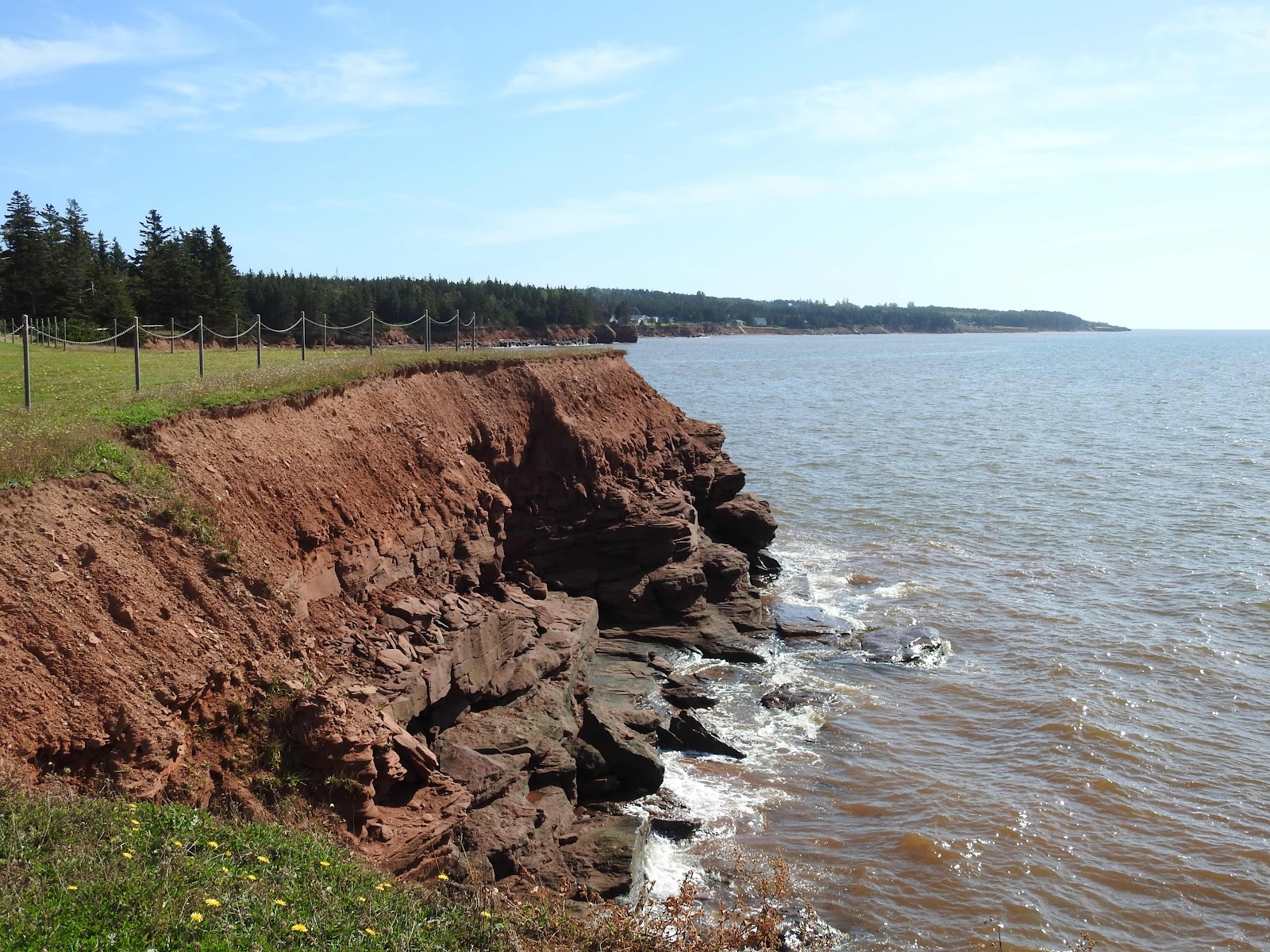


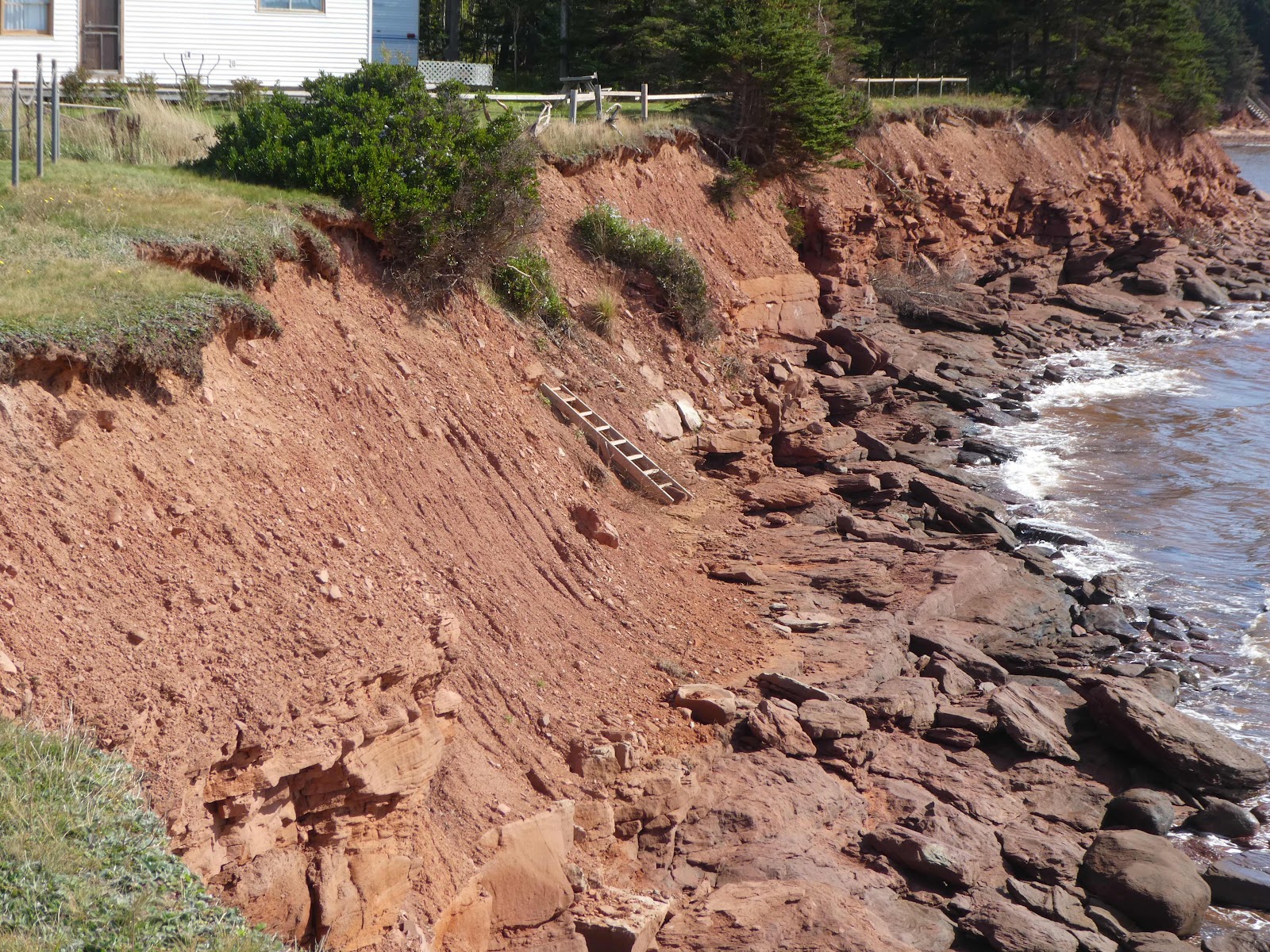
It was obvious nearby cottagers aren’t getting down to sea level any time soon.


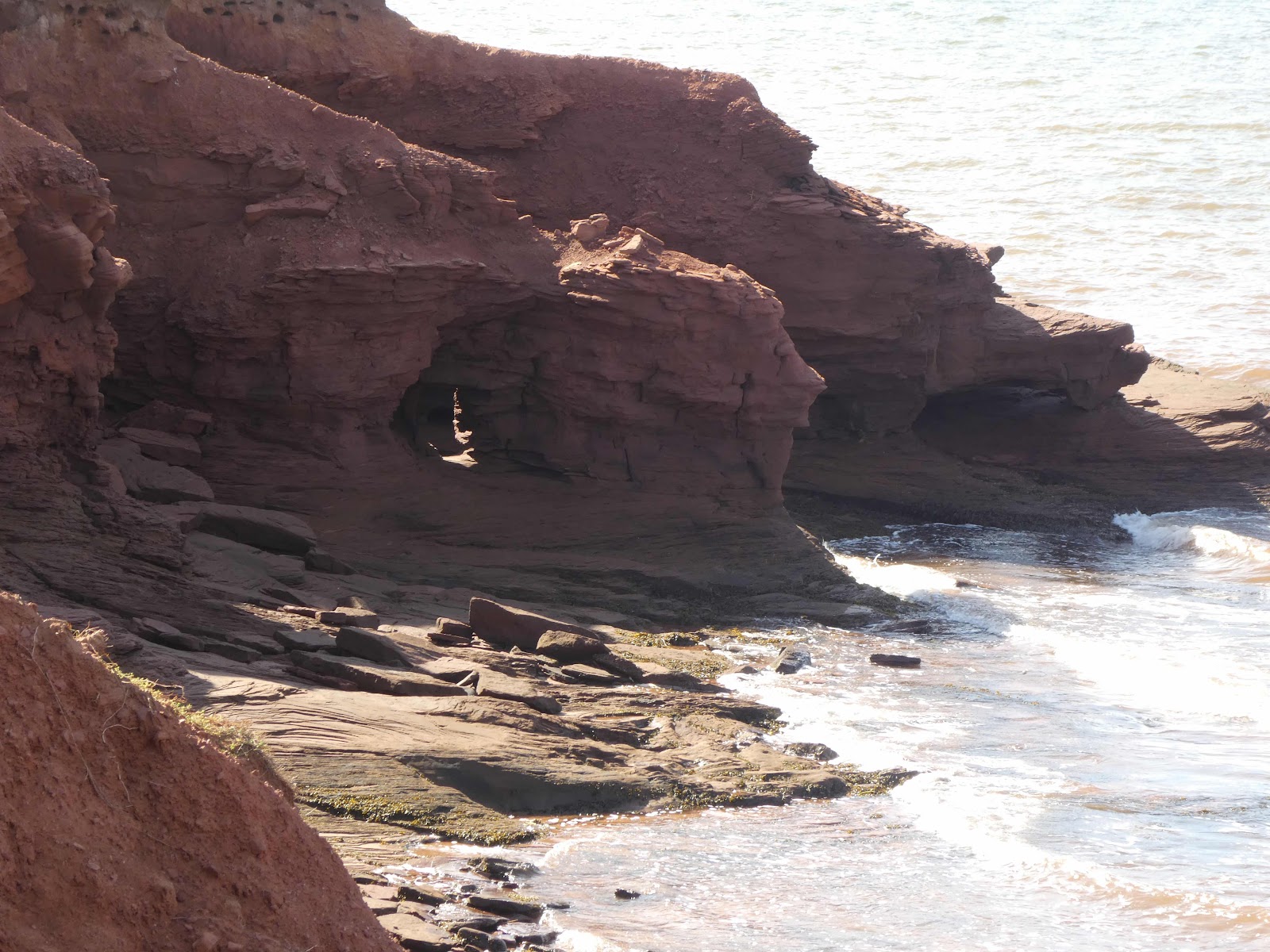
The sea has been busy making a hole in this cliff 


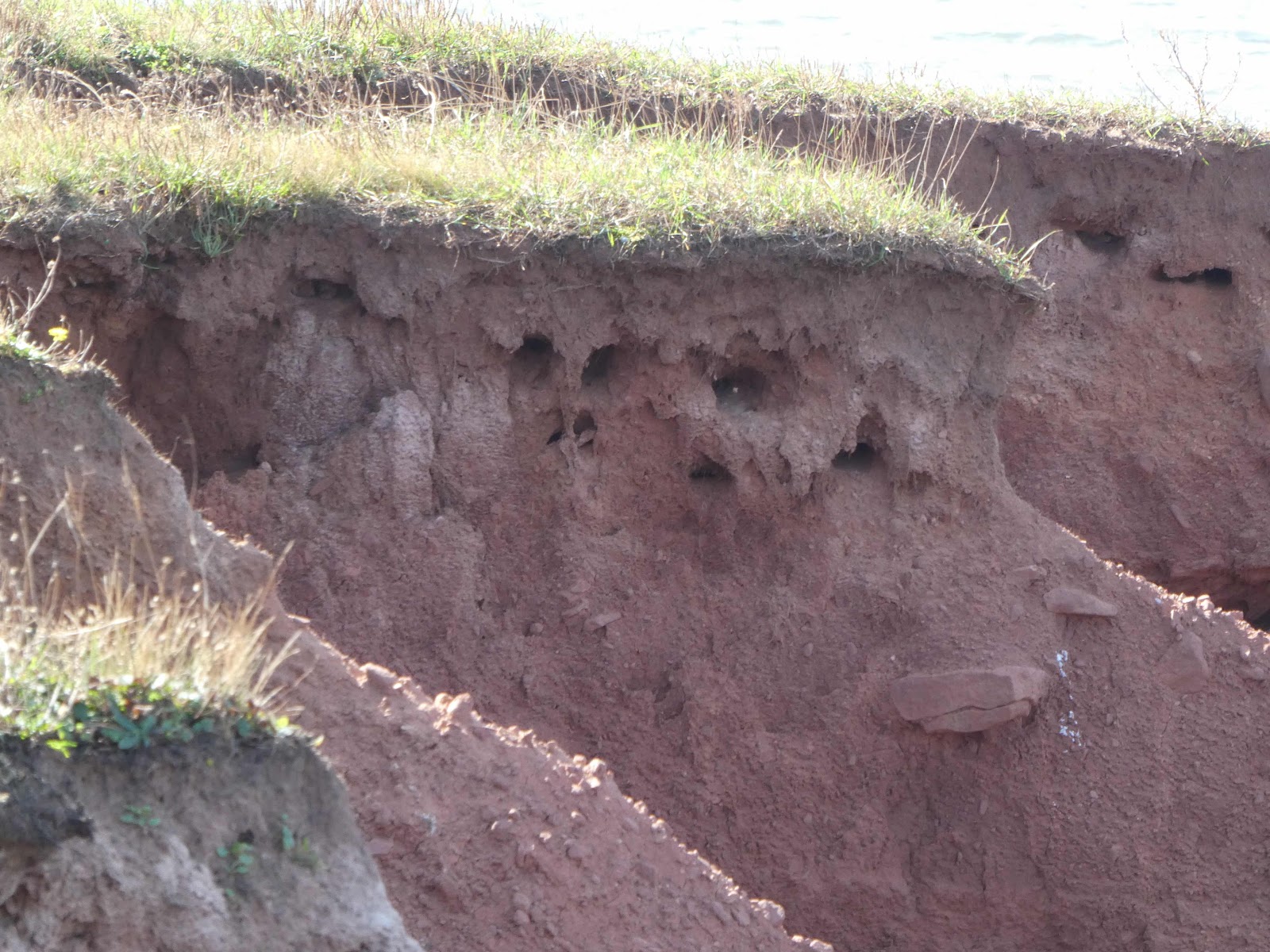
while the Bank Swallows have abandoned the holes they made in the soil above. They may have to excavate new homes next spring if erosion destroys this area. That’s a tough chore for birds tired from their spring migration.


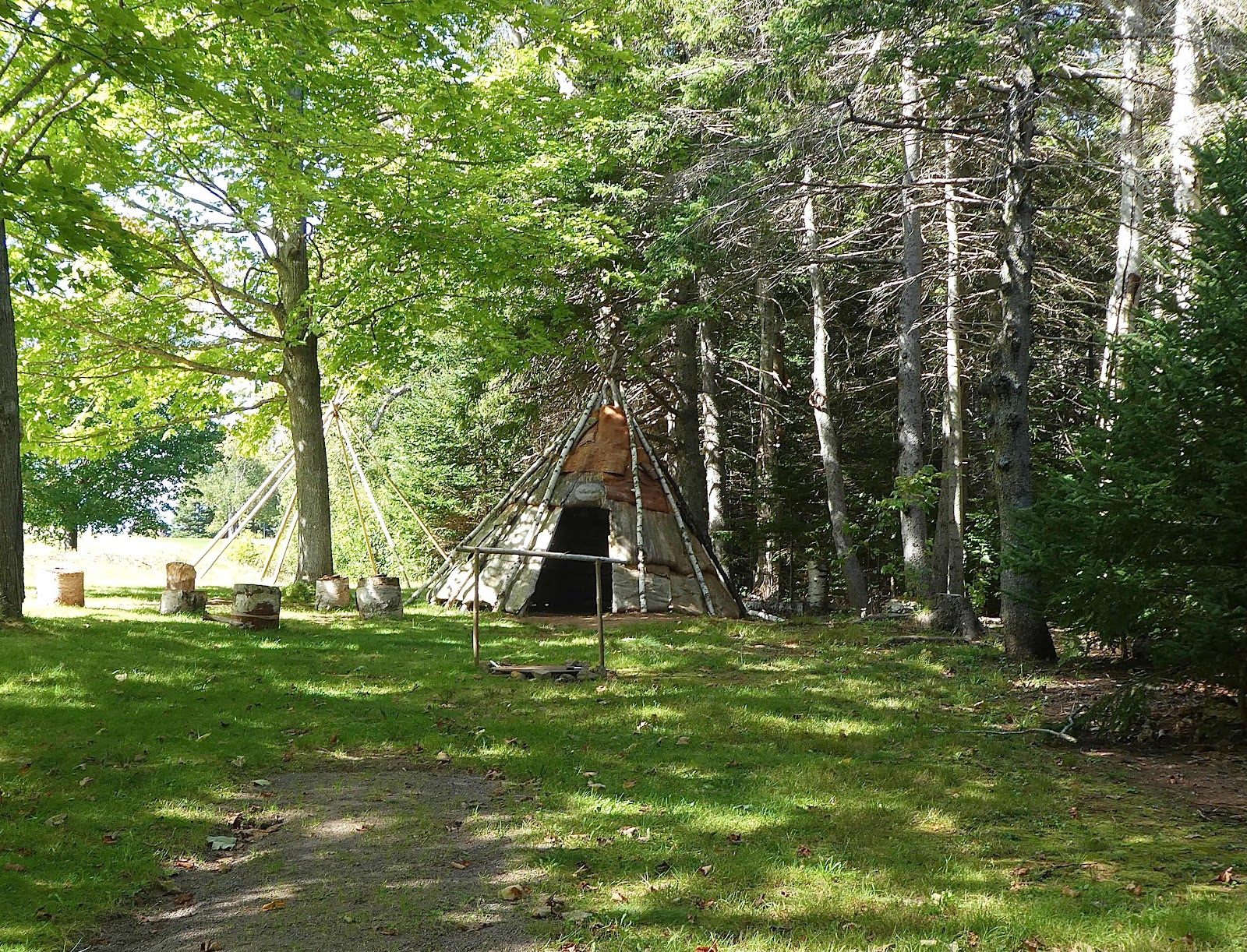
We continued along the Argyle Shore to Skmaqn/Port la Joye/Fort Amherst, a National historic site held by the Mi’kmaq, French and English over the centuries. We always have our picnic near the wigwam in the shade of the maple trees.


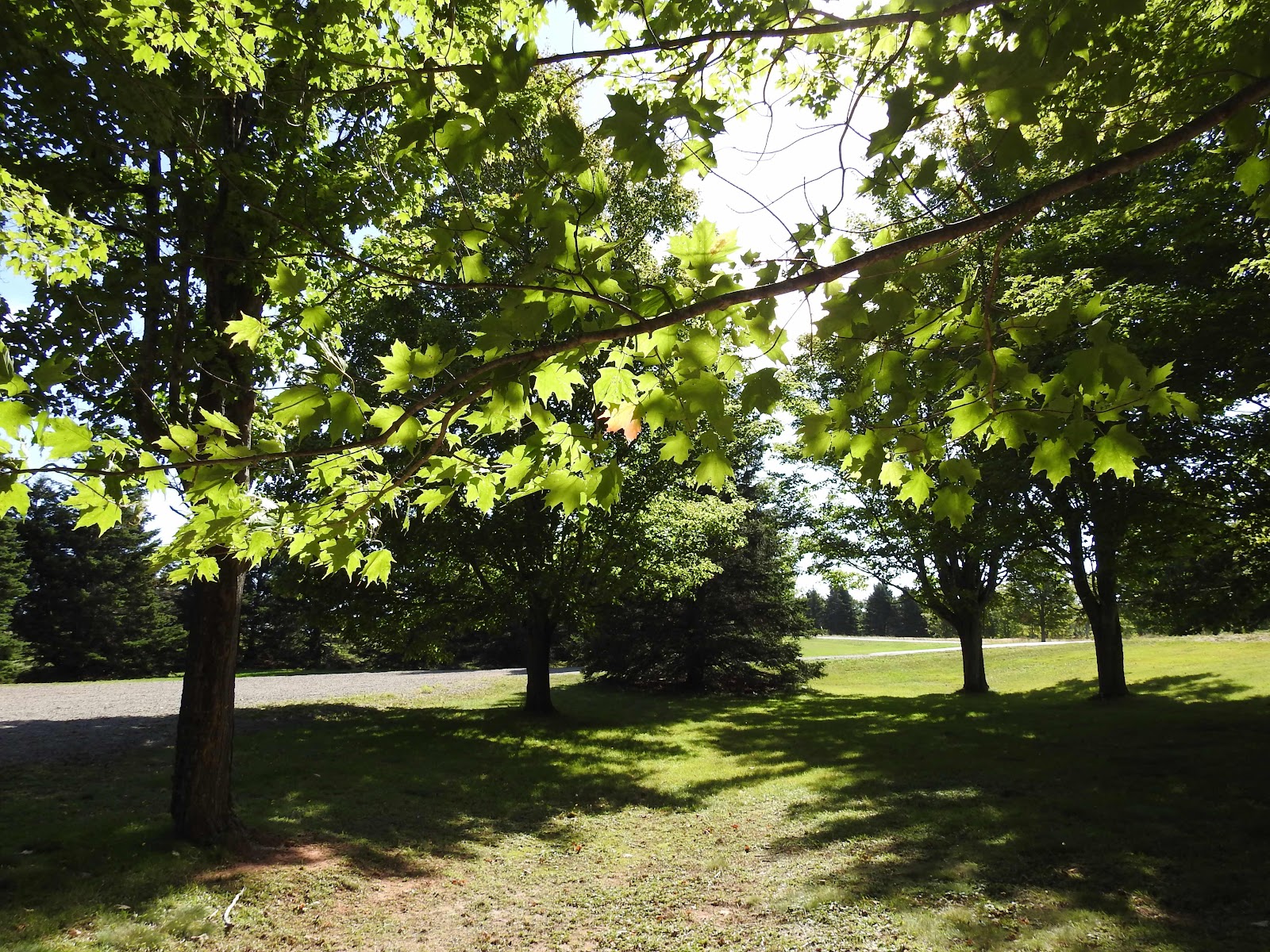
Autumn colour sometimes begins with a single leaf.


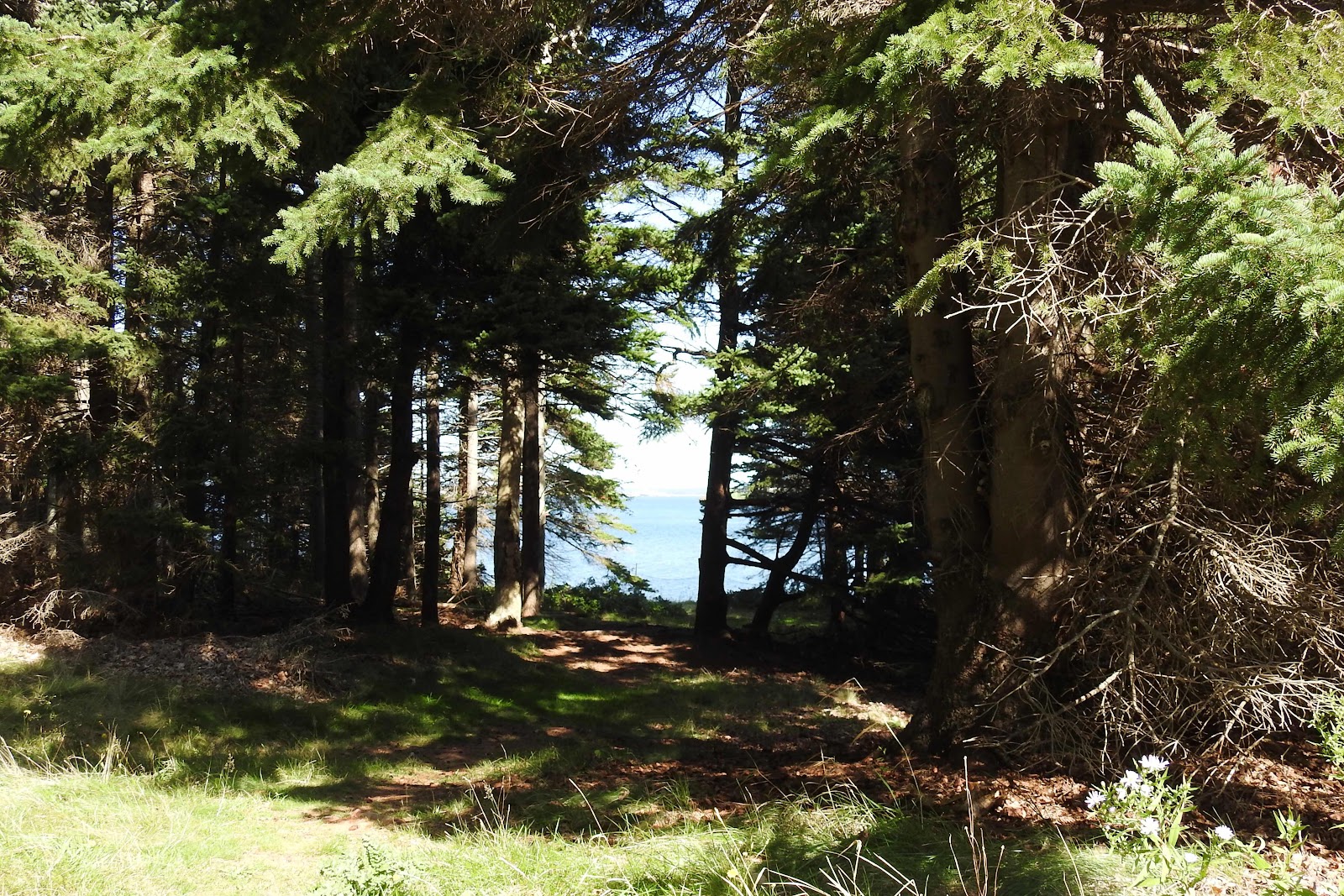
An opening through the trees 


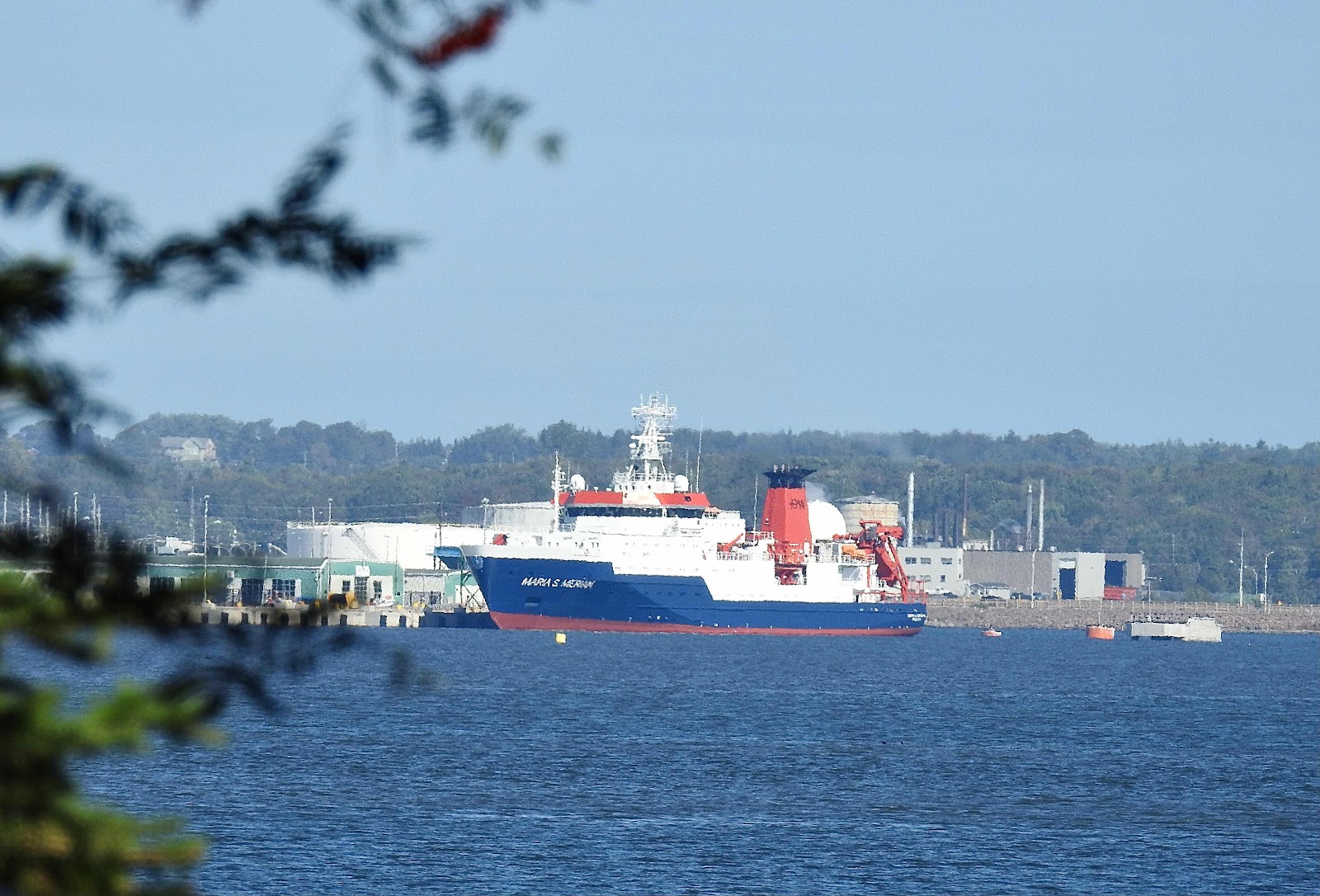
allows a close-up of the RV Maria S Merian, a German ocean research vessel in port in Charlottetown.


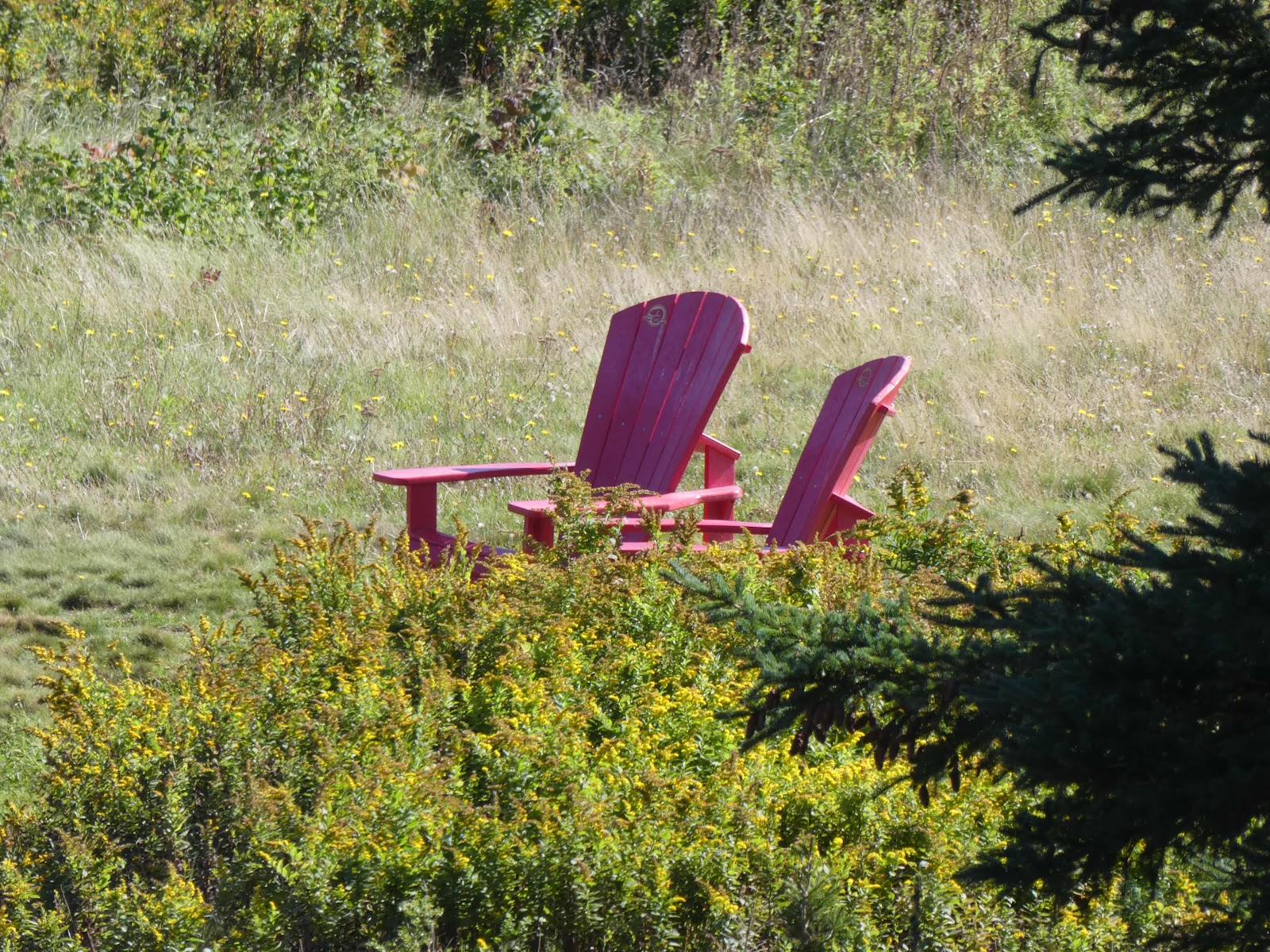
Two red chairs down by the water are empty and invite us to sit and relax for a few minutes. 


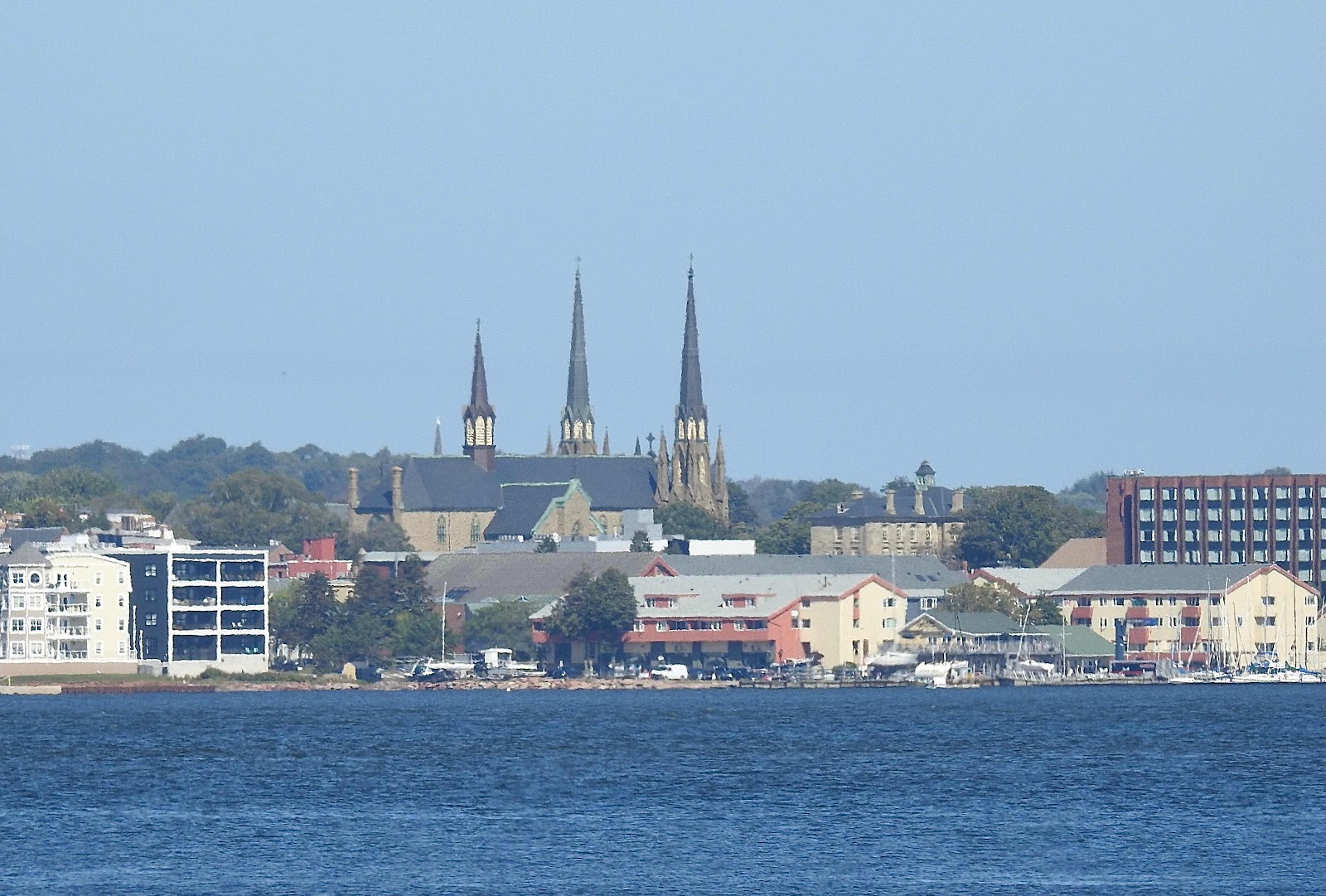
The spires of St. Dunstan’s Church are prominent in the skyline of Charlottetown across the harbour. 


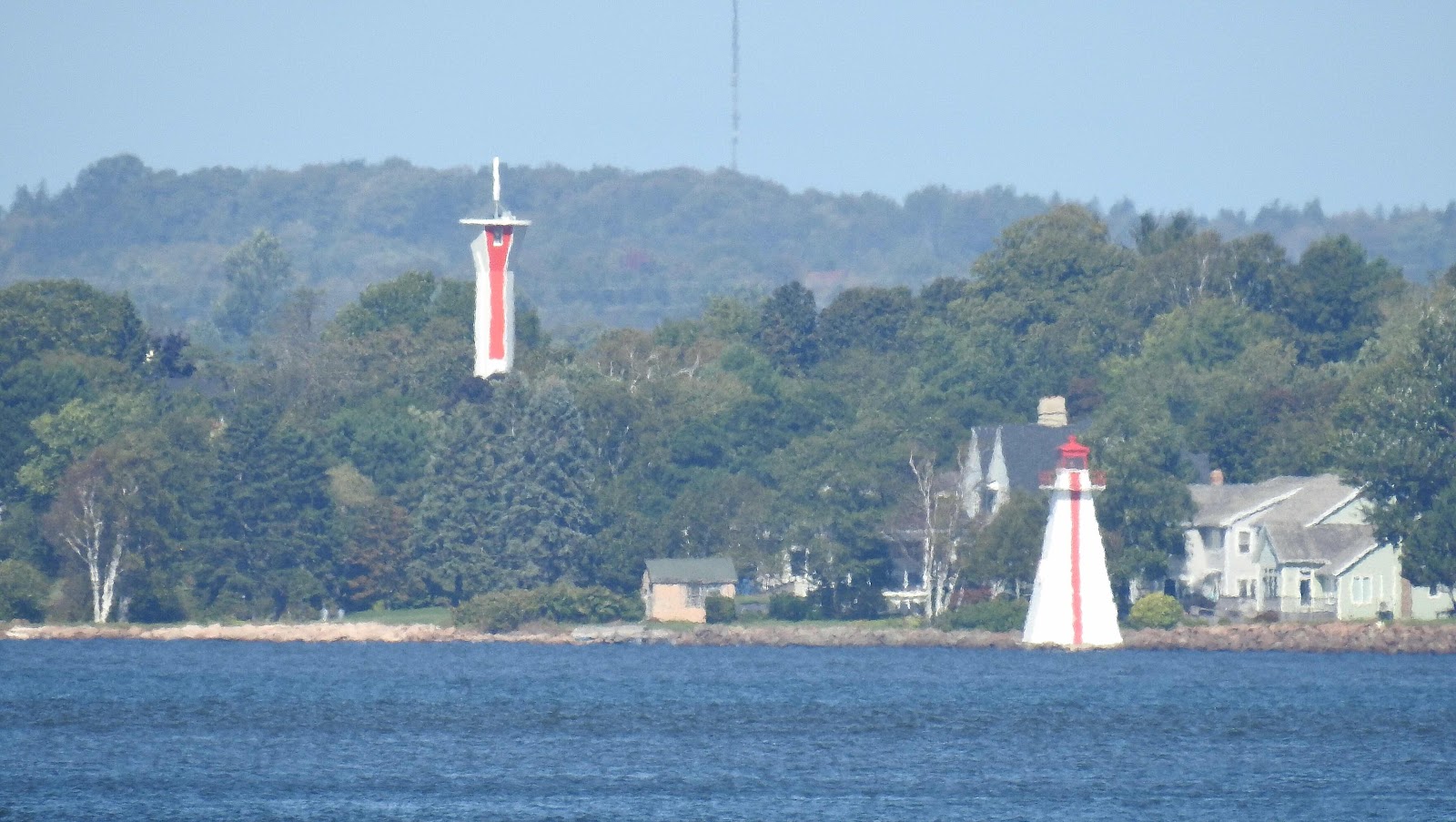
The Front and Rear Range Lights which helped navigation for so long continue to stand vigil.


An abundance of mushrooms line a trail through the area. Some people pick wild mushrooms although my husband and I have never done so. However, some of the fungi remind us of hamburger buns. 
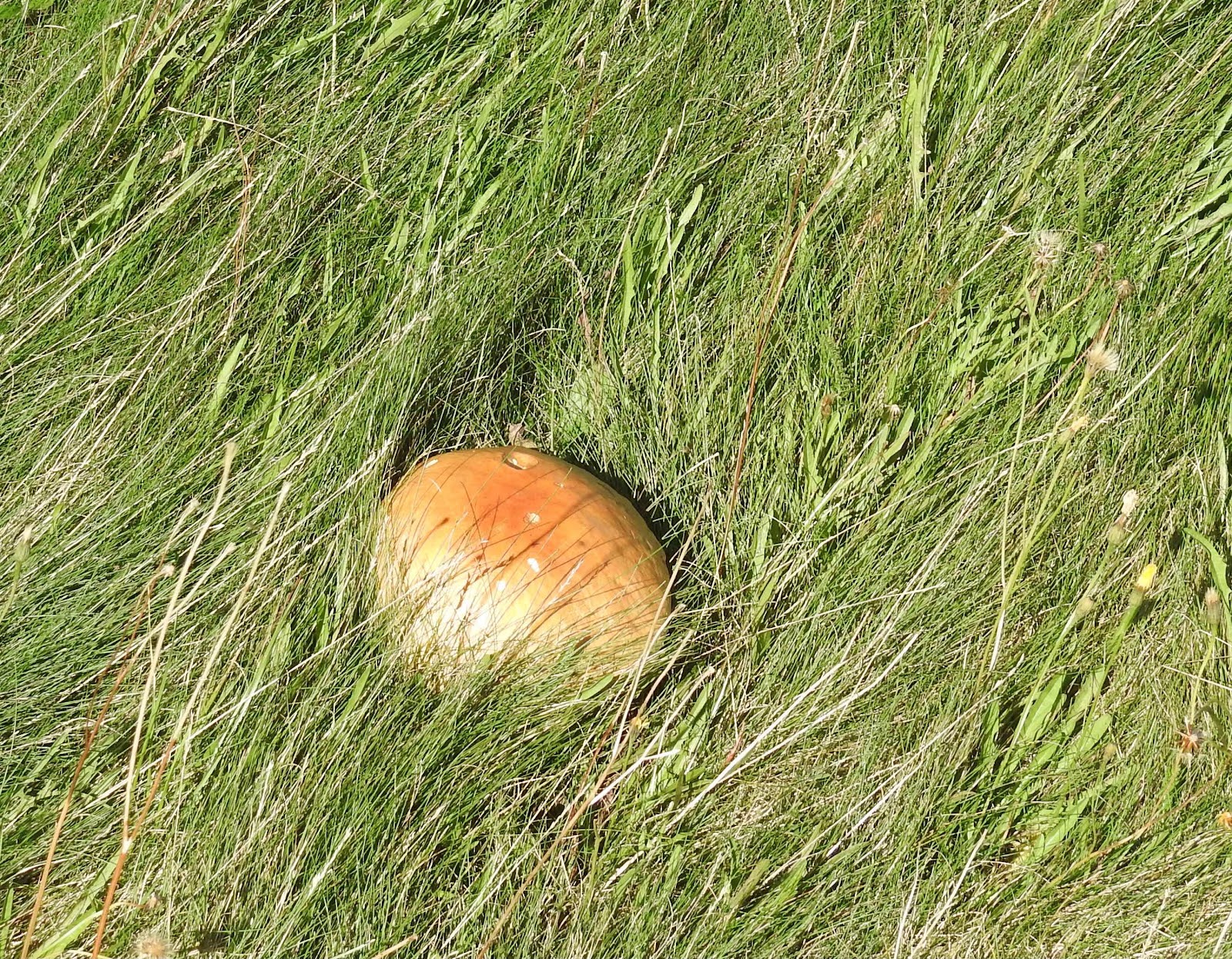


Hmmm… hamburgers…


You never know what will come from an outing on the island.


Monday, 30 August 2021

Along the Acadian coast

The Evangeline region of Prince Edward Island is an area we haven’t fully explored, so my husband and I recently drove along part of that coast. This area is west of Summerside and predominately Acadian, descendants of the original French settlers on the island. French is the first language of the majority of people in this region, representing about 3% of the island’s population. 

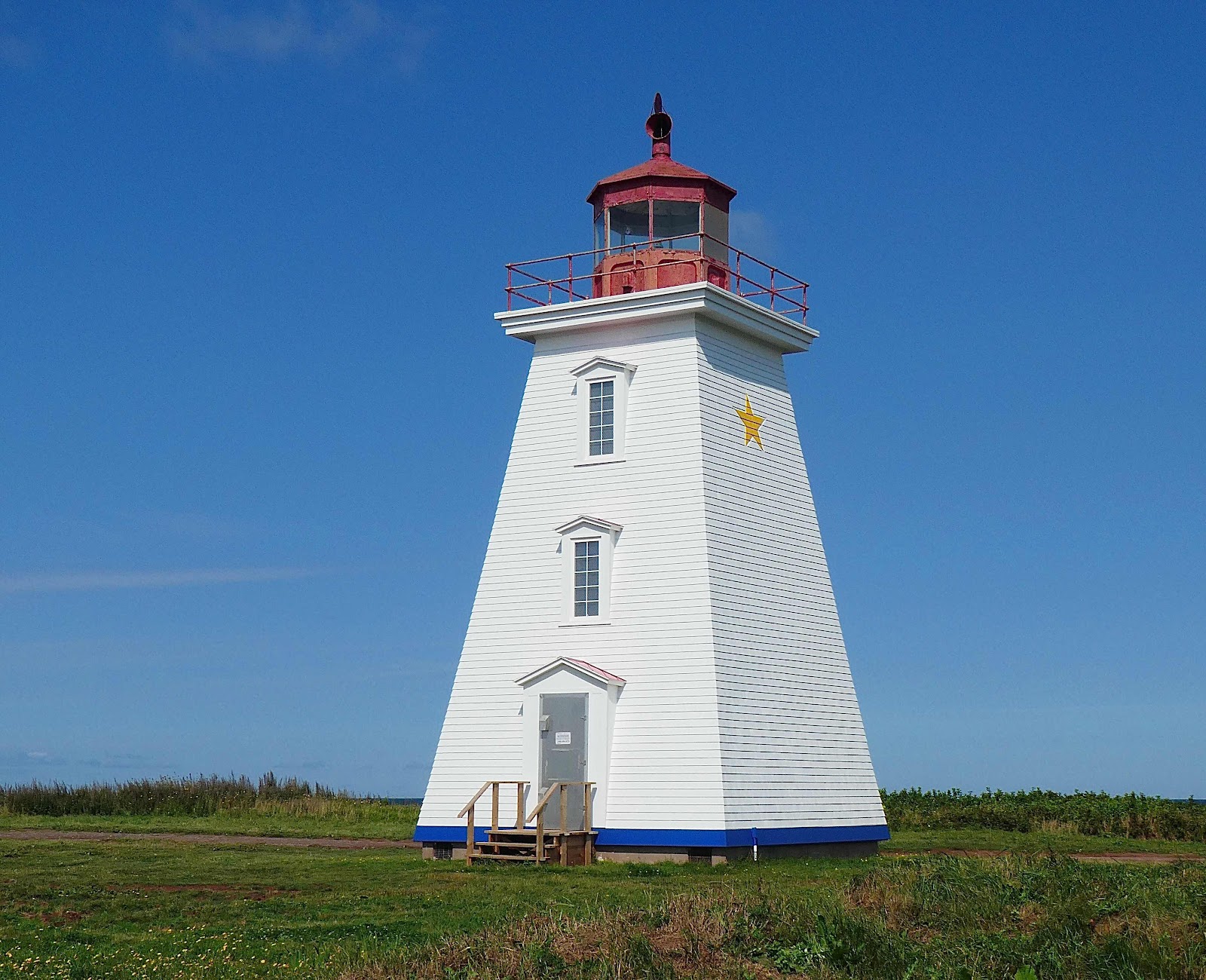
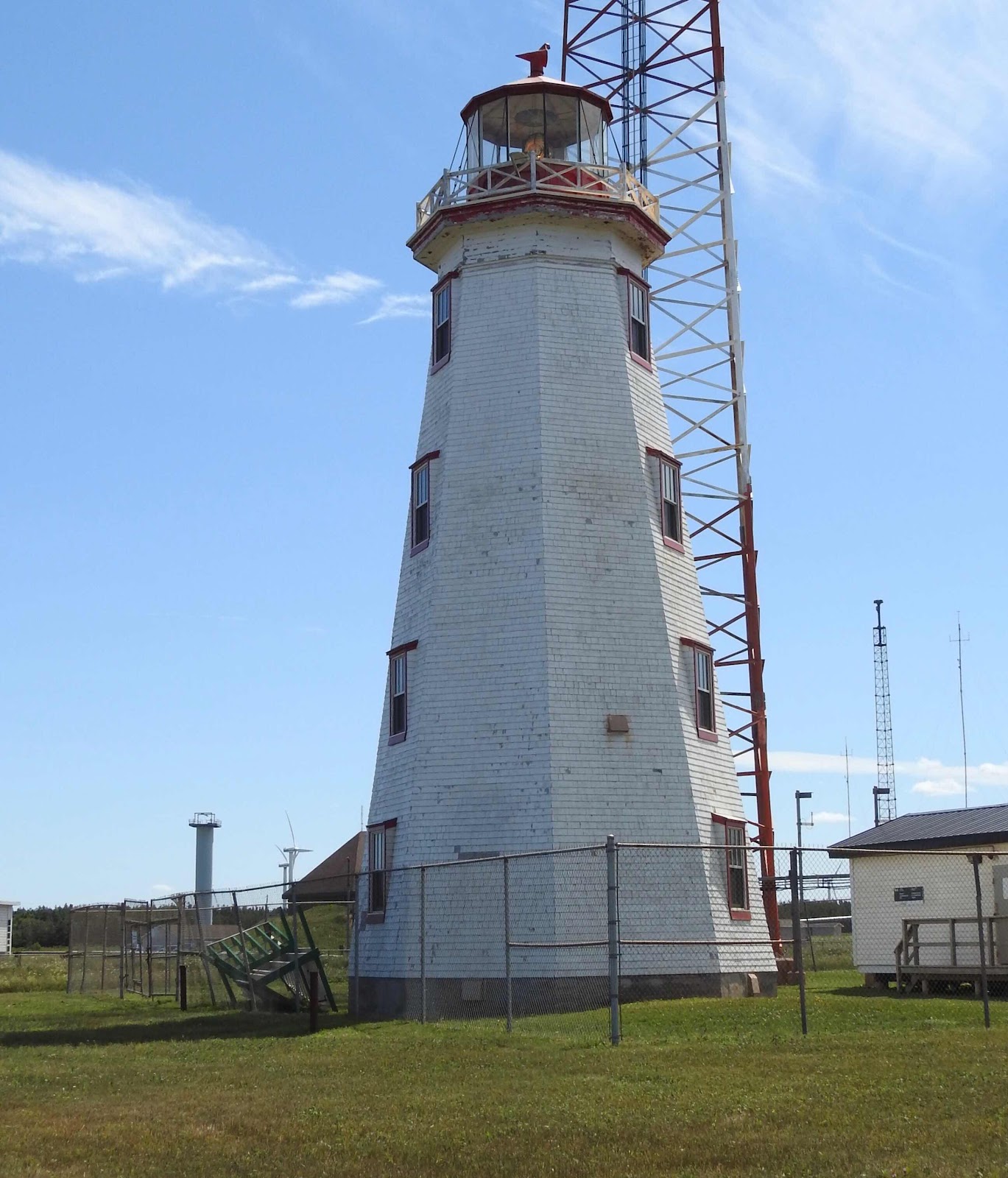
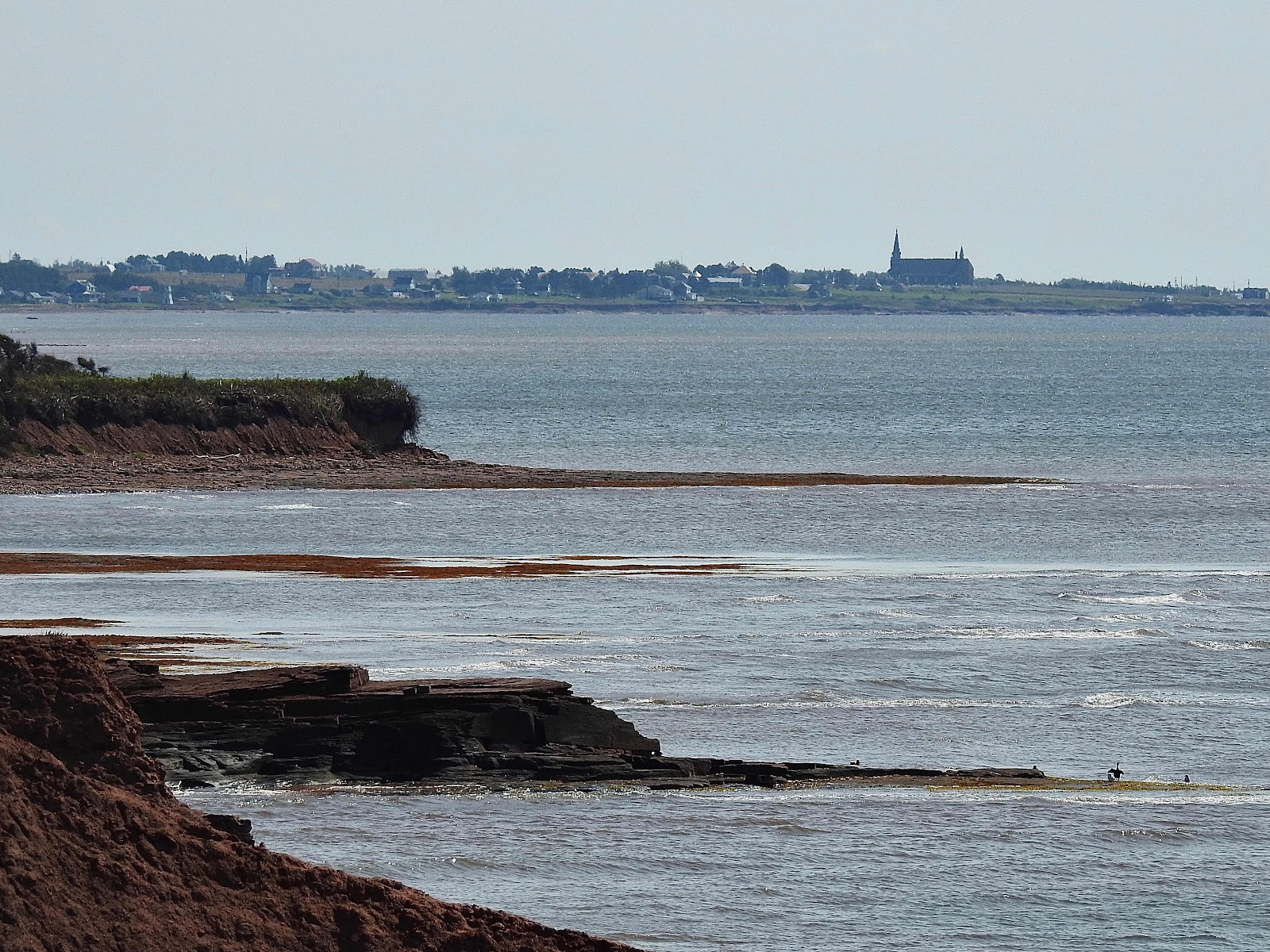
We passed the Eglise Notre Dame du Mont Carmel along the way, a large church which dominates the countryside. We stopped at Cape Egmont to see the lighthouse and noticed Notre Dame in the distance, 


certainly visible to the boats at sea. It was a good landmark for fishers in the days prior to satellite navigation systems aboard fishing vessels.


Parking near the lighthouse and looking out, 


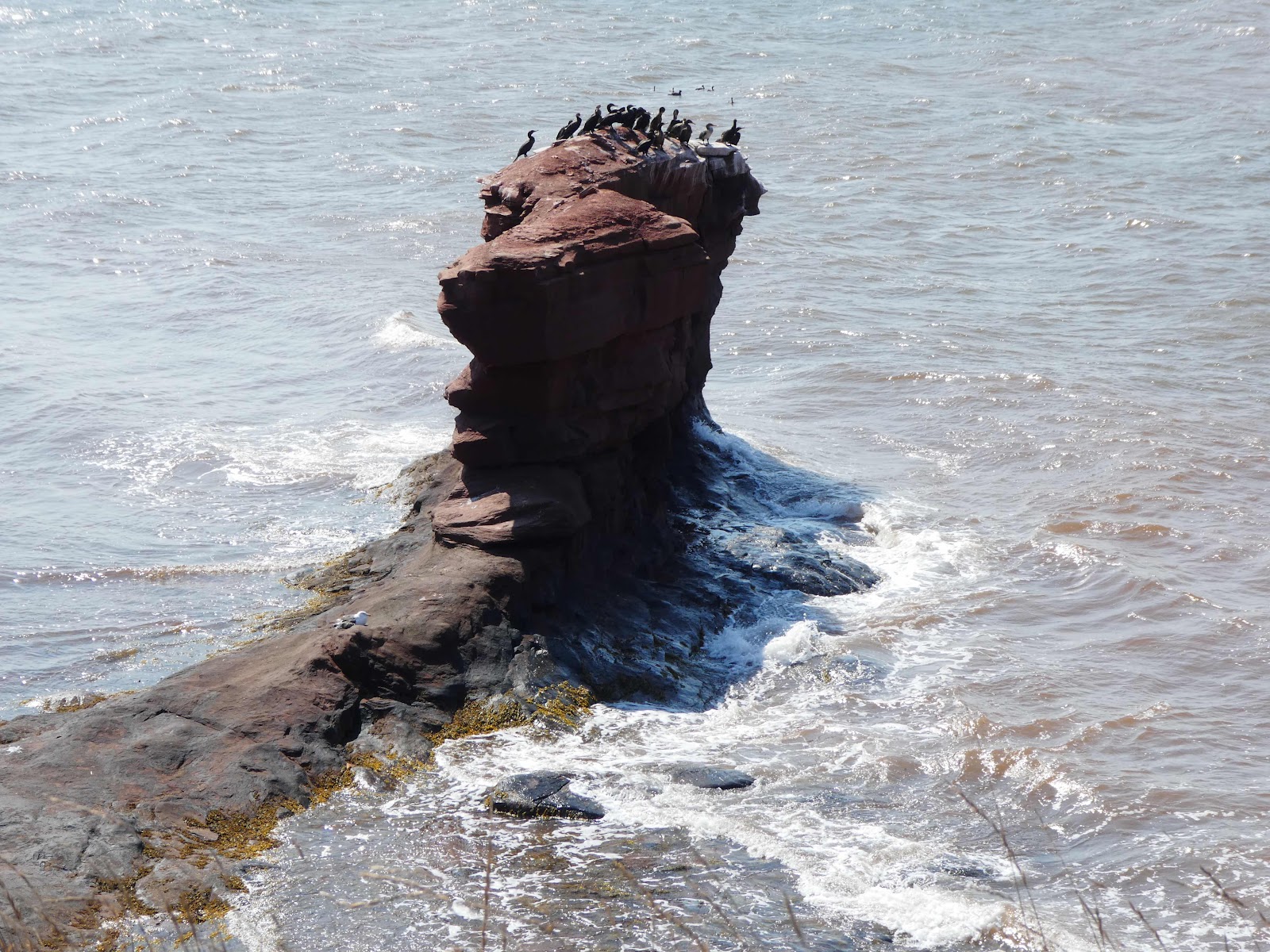
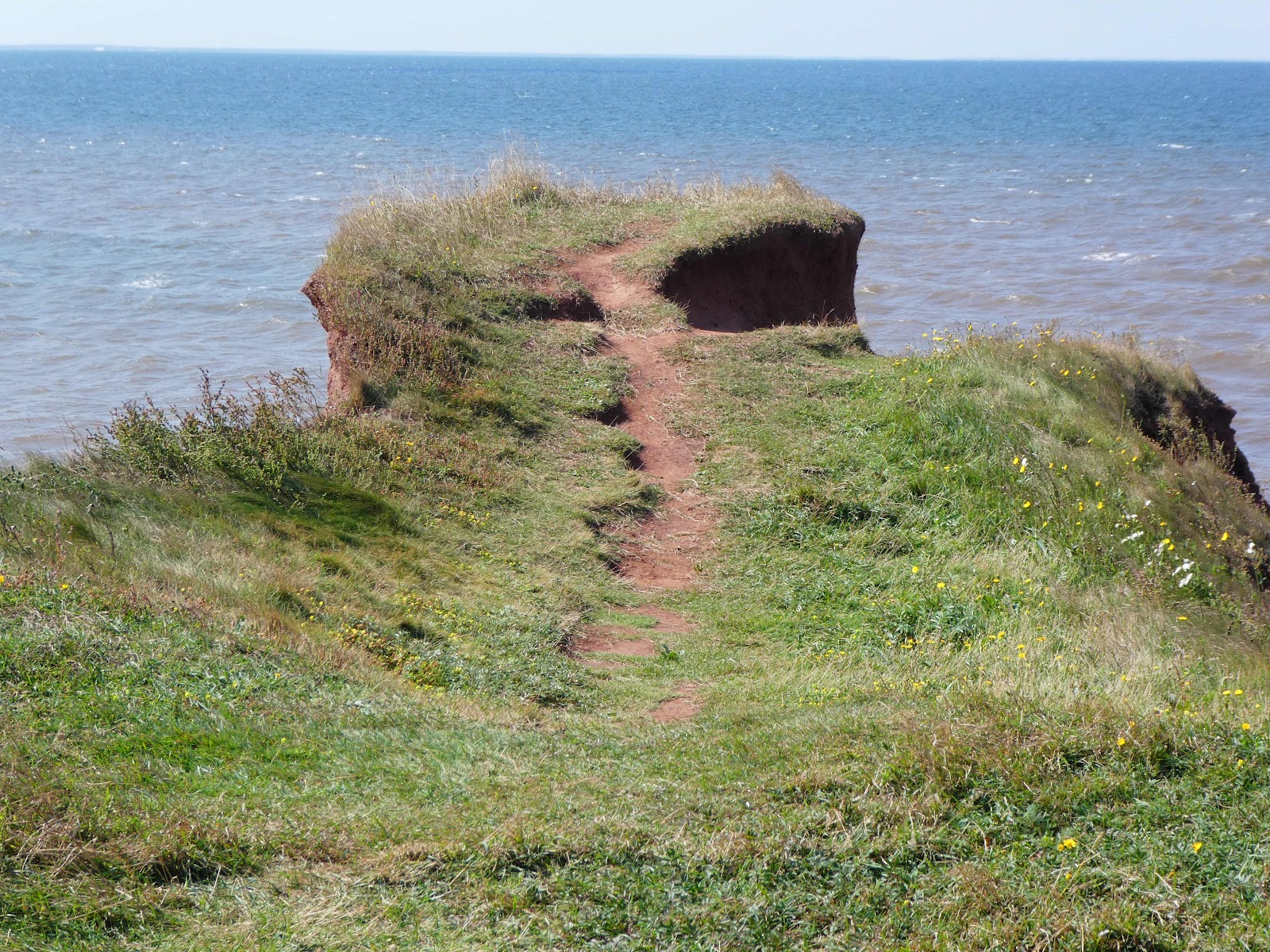
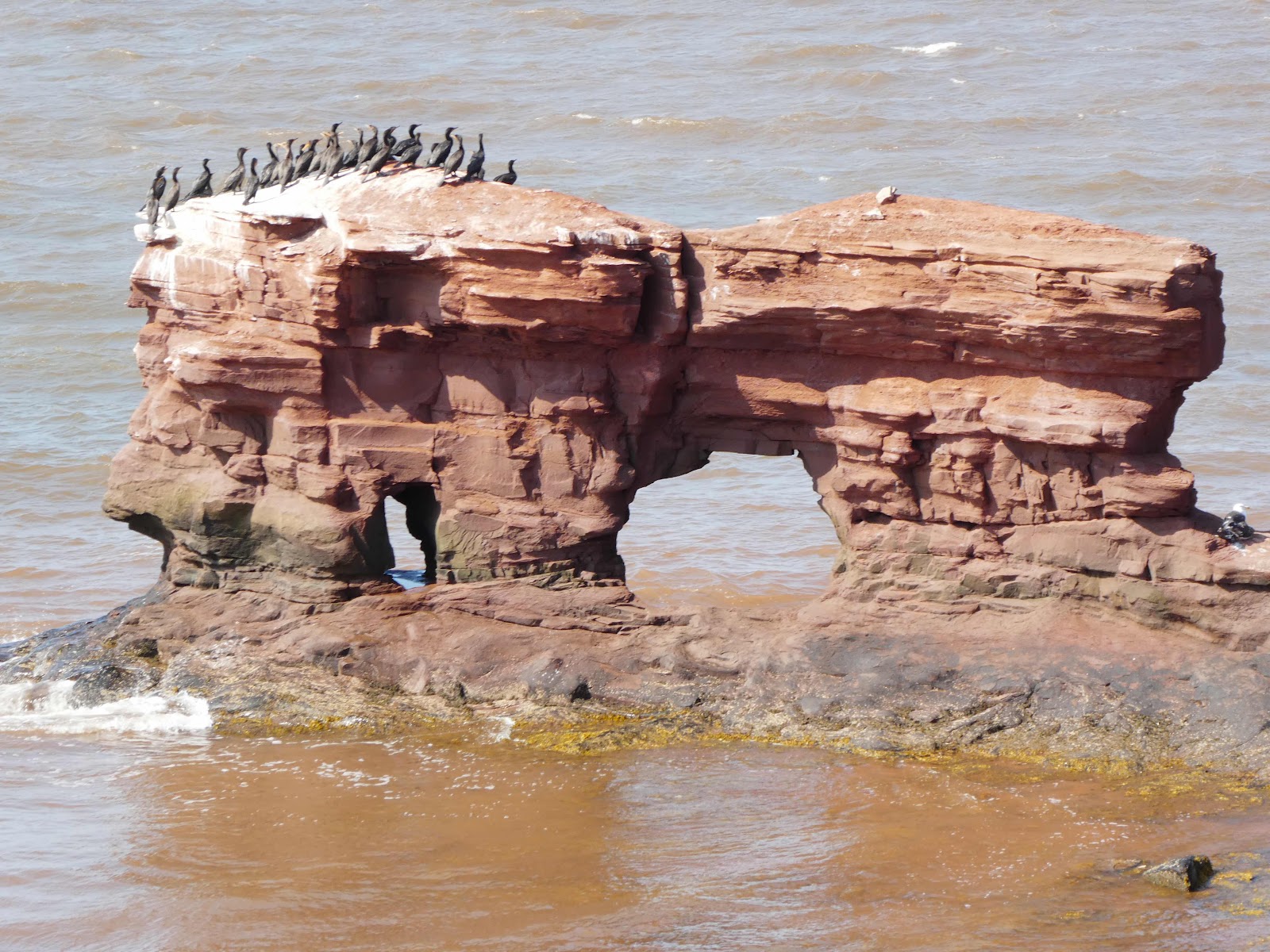
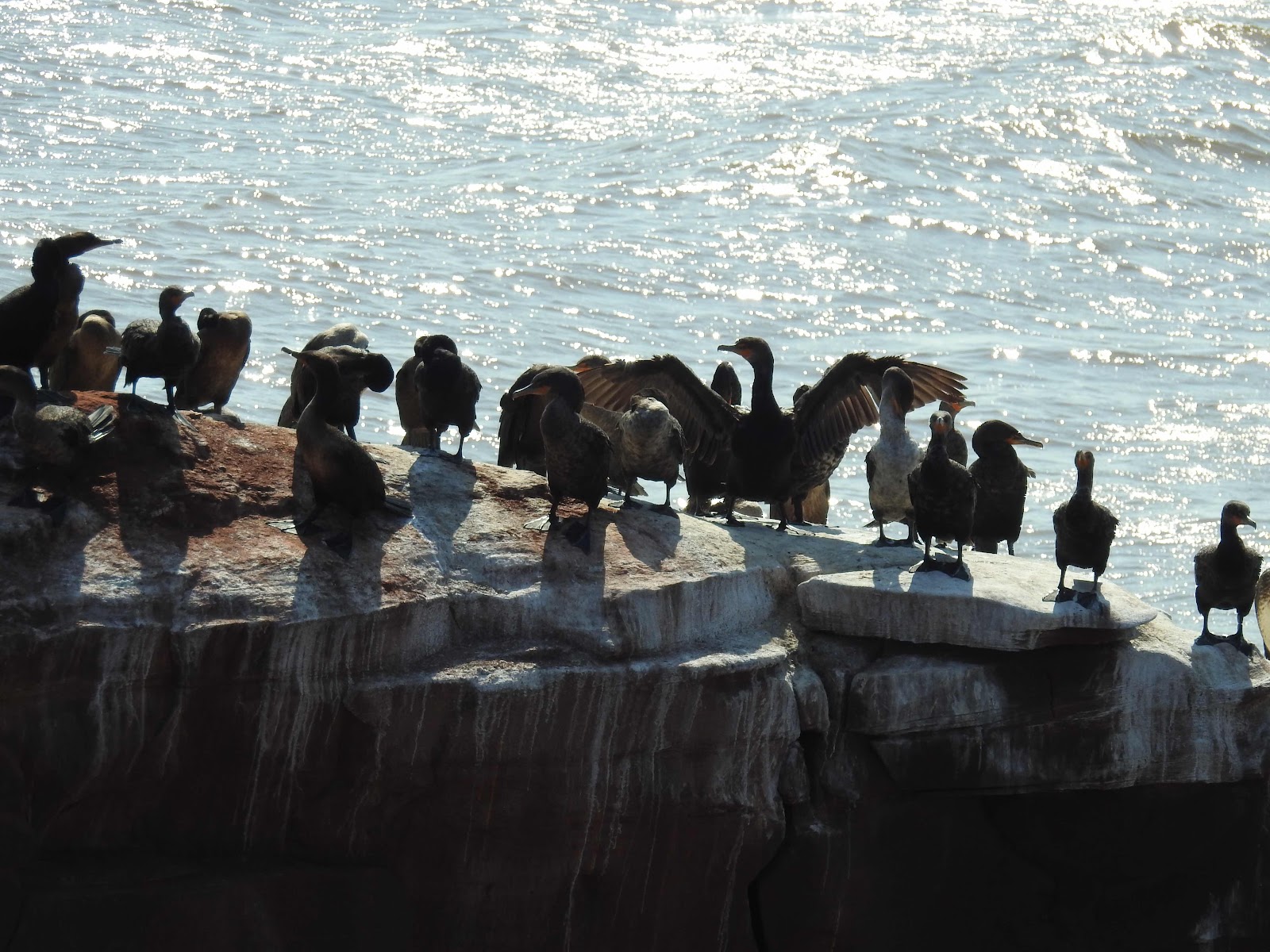
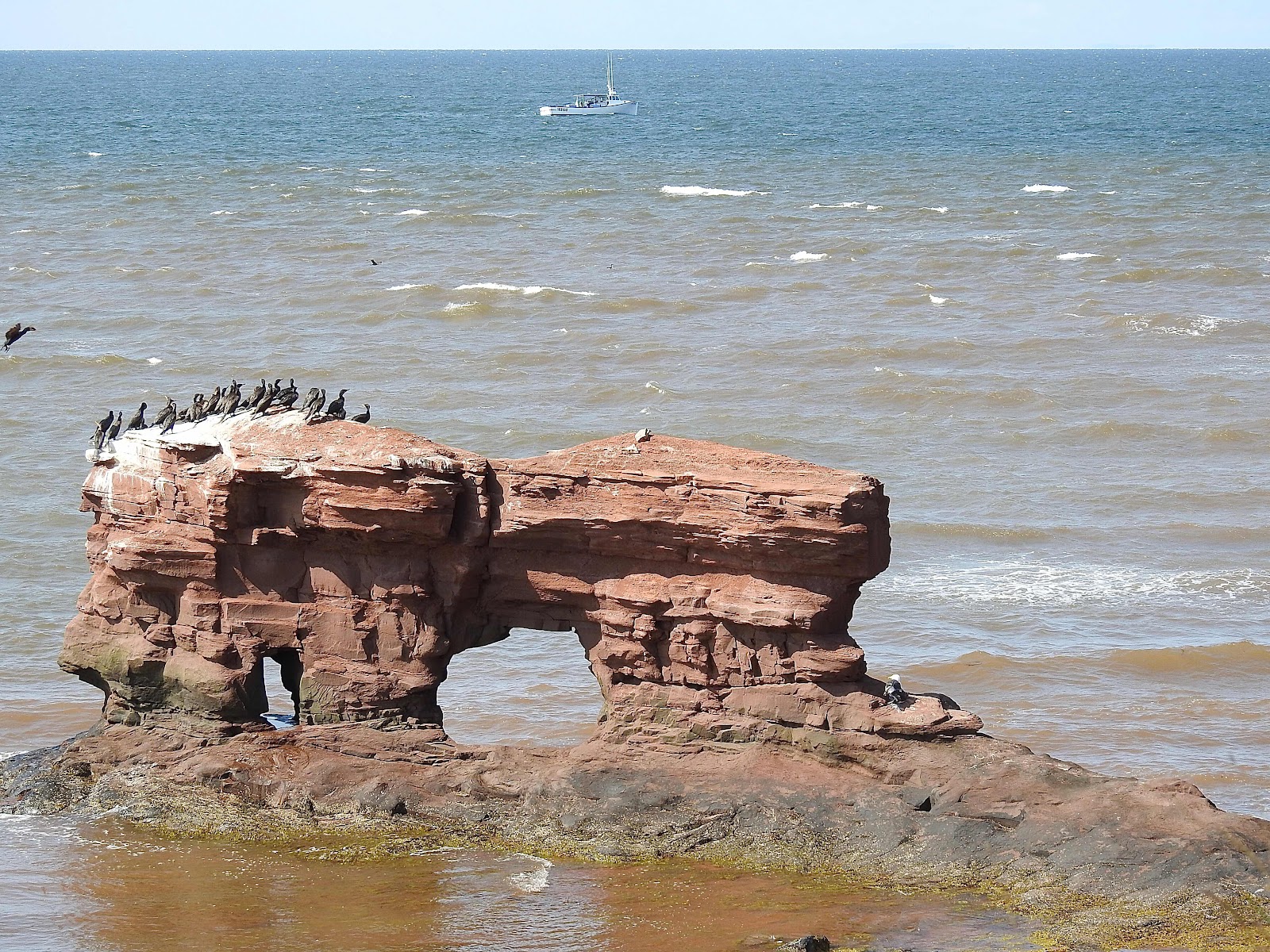
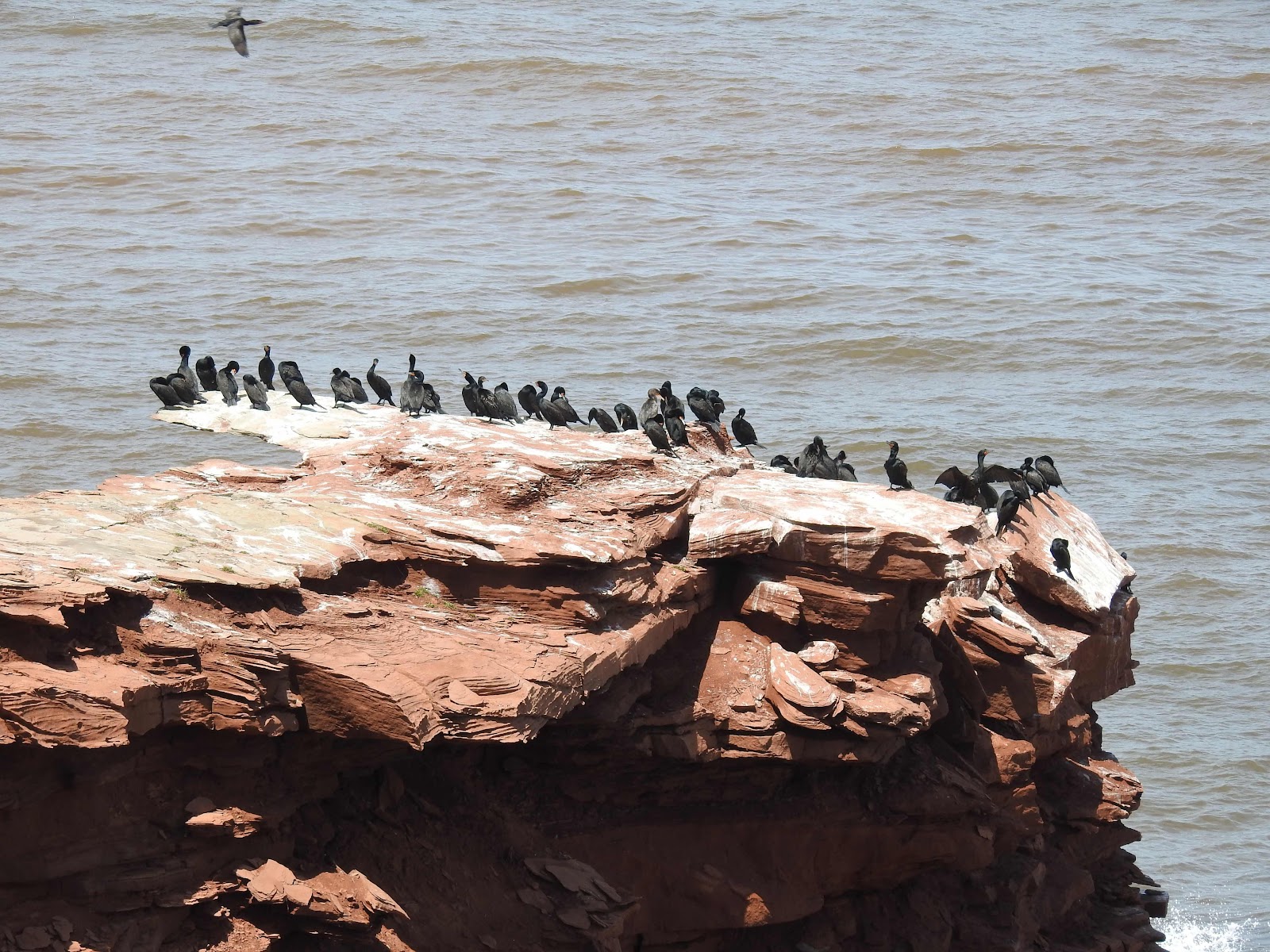
we could see the land falls off into the sea, without any fencing to prevent tragedy. Carefully approaching the edge, we discovered a sea stack below with cormorants enjoying the sun. It is interesting the birds frequent one part of the sea stack and not the whole surface.


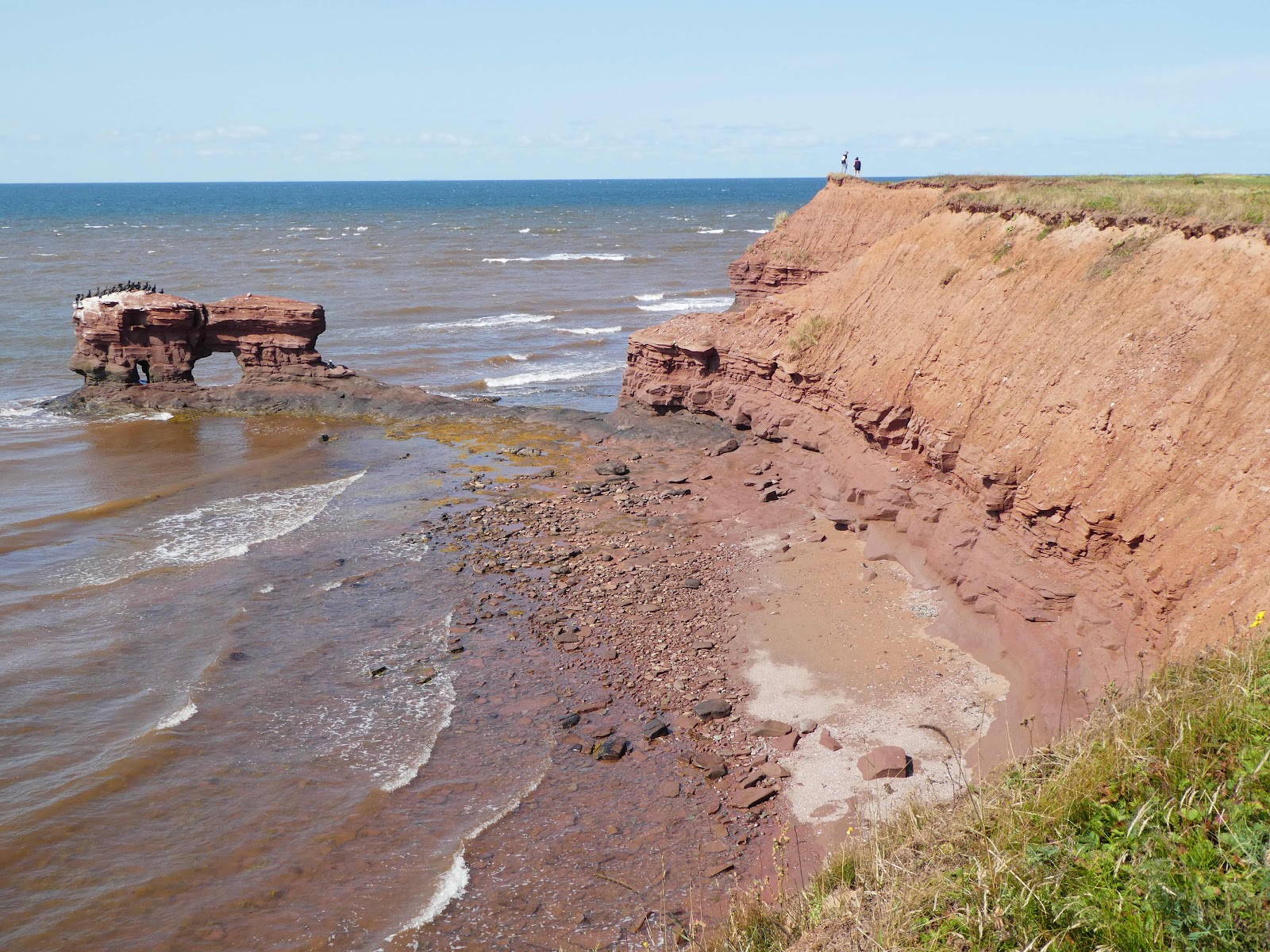
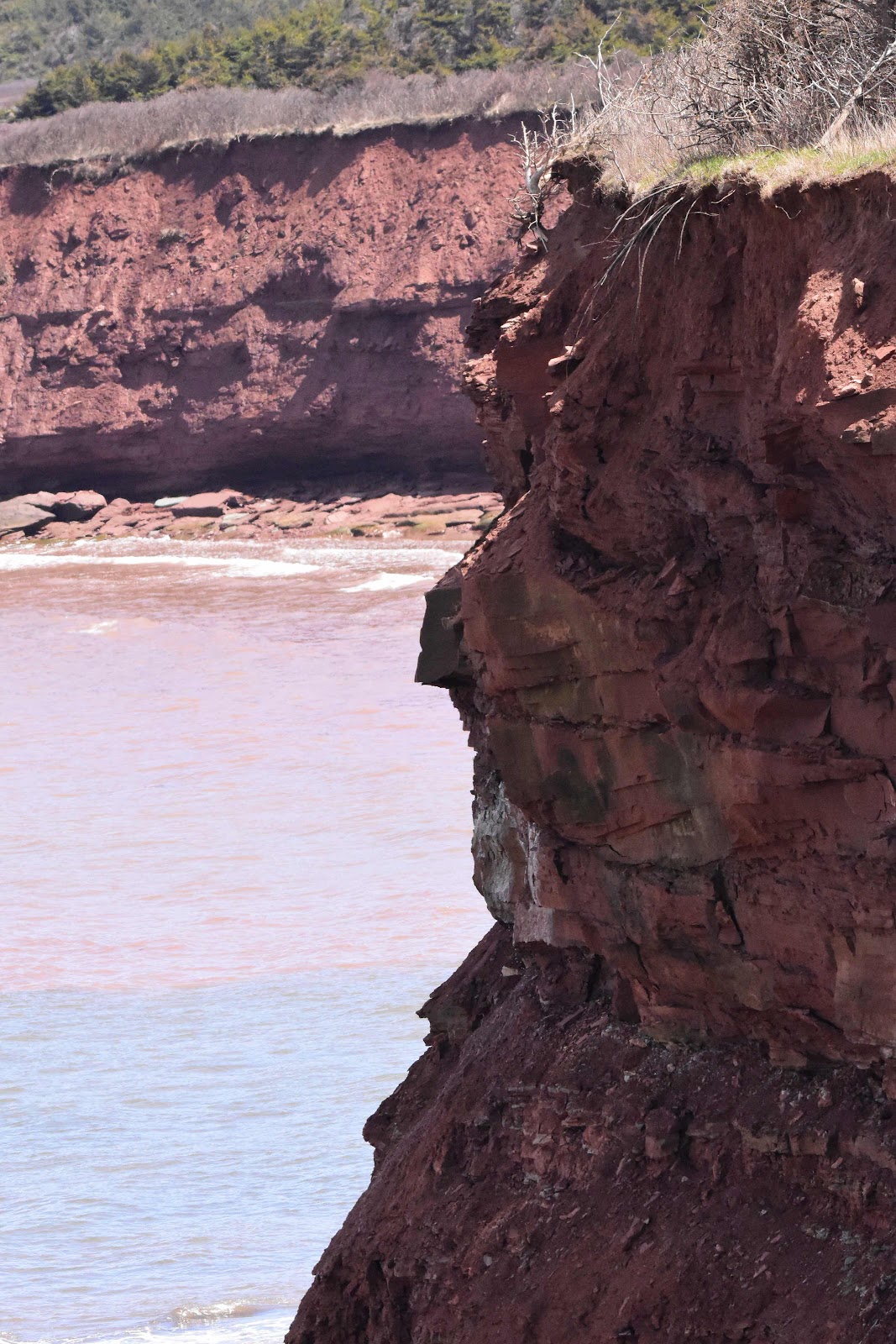
The cliffs consist of mudstone and sandstone layered from sea level up but red soil makes up a huge portion of the cliff, kept in place by the grass.  


Notice the two young people in the photo above. They are standing in the area below, near the outer edge. Needless to say, we did not venture there.


The sea stack with the cormorants in residence is actually a double sea arch. The smaller arch on the left is newer, having developed over the last year. A walk along the cliffs is necessary to see both of them as the smaller one isn’t visible at every angle. 


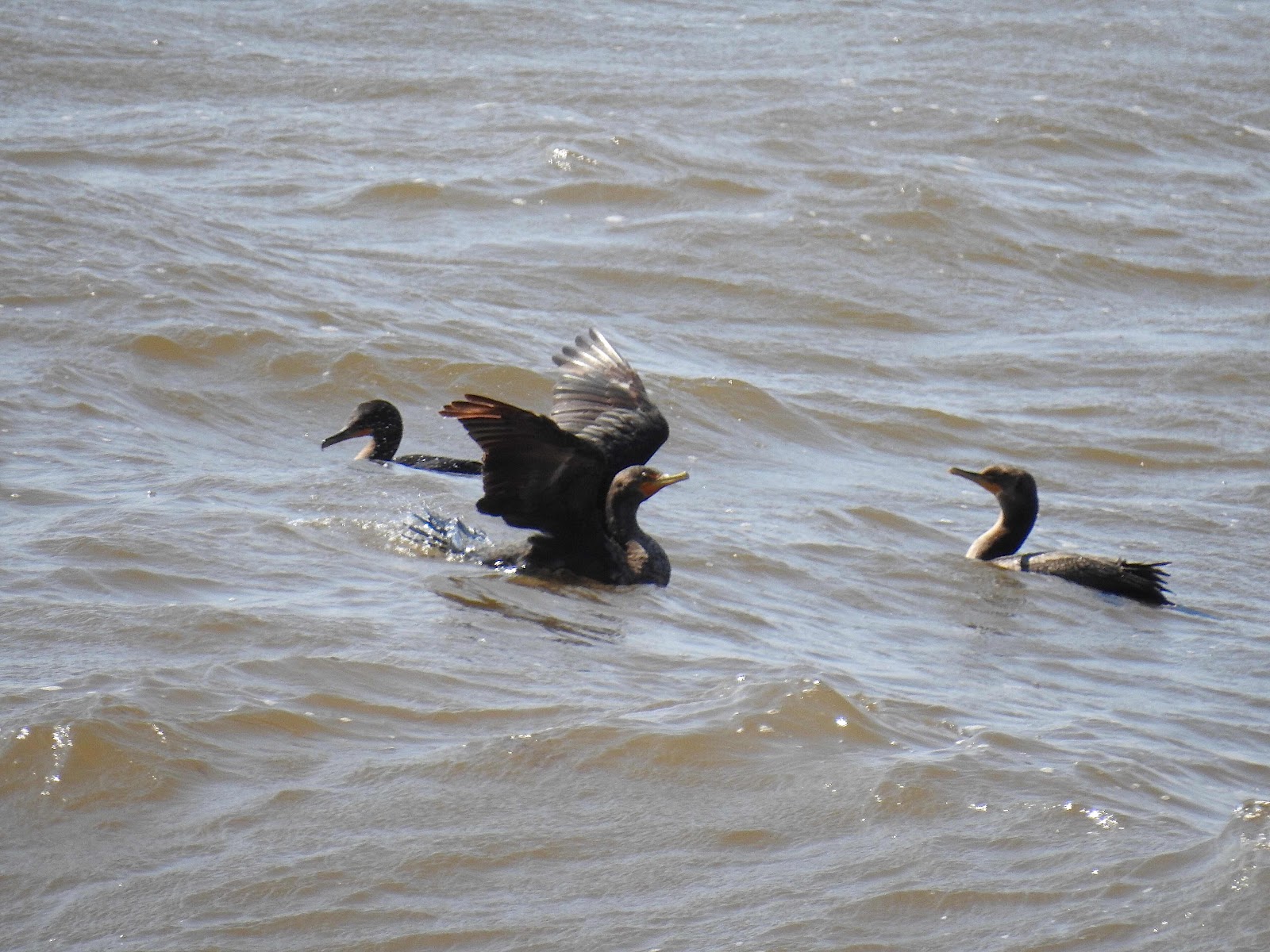
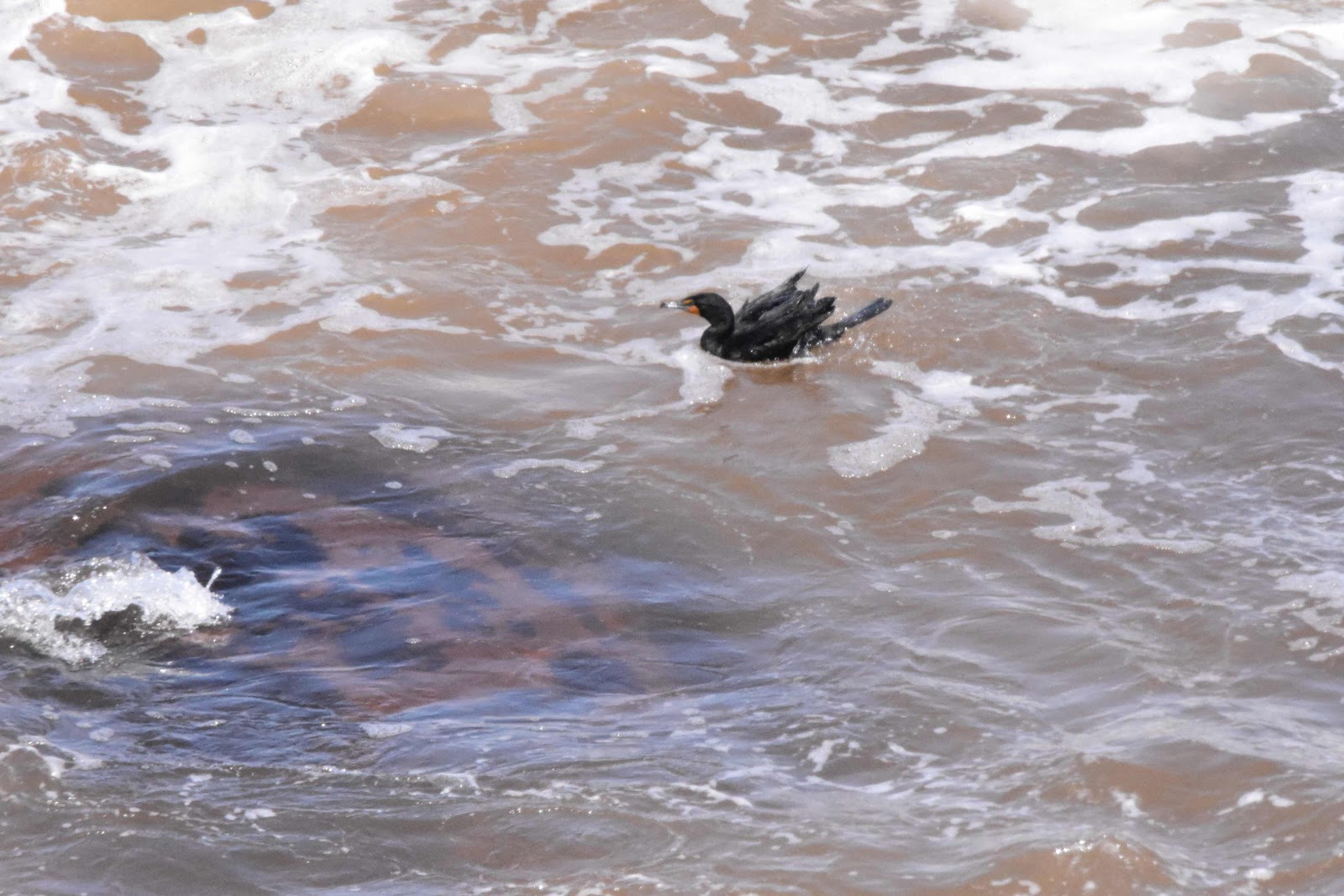
In the water below, cormorants land and take off, looking like they are enjoying a dip in the sea on this hot day. One looks to be drying its wings on the water, a behaviour I hadn’t seen before. 


Usually we see spread wings on land.


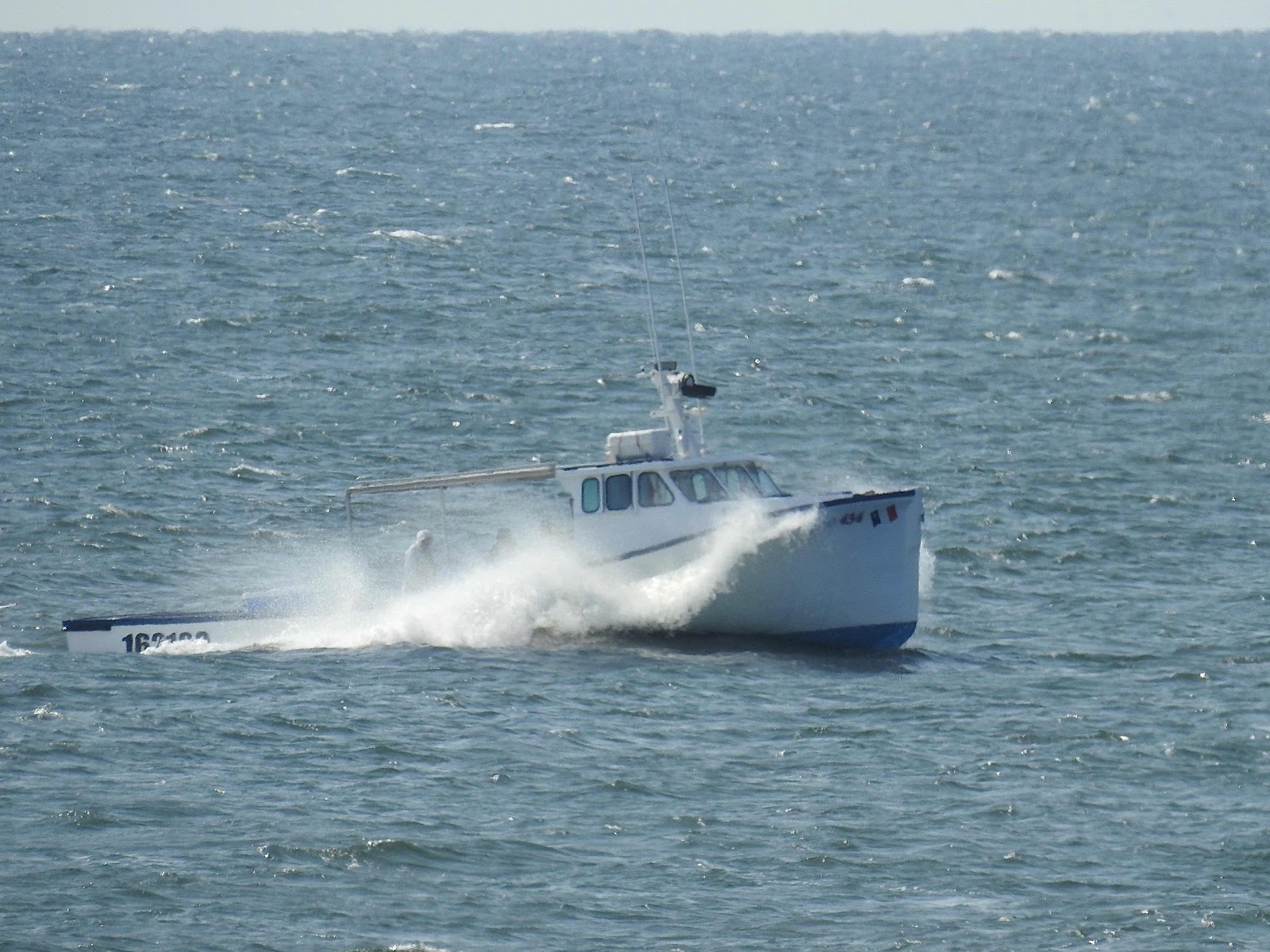
Further off-shore, the fishing boats are going to and from the Fishing Cove west of the Cape in Egmont Bay. 


It is a windy day and the water is choppy. We were happy to be where we were rather than on that boat. However, we will visit this lighthouse again to watch the progress of the sea stack over time.


Wednesday, 9 June 2021

Thunder Cove

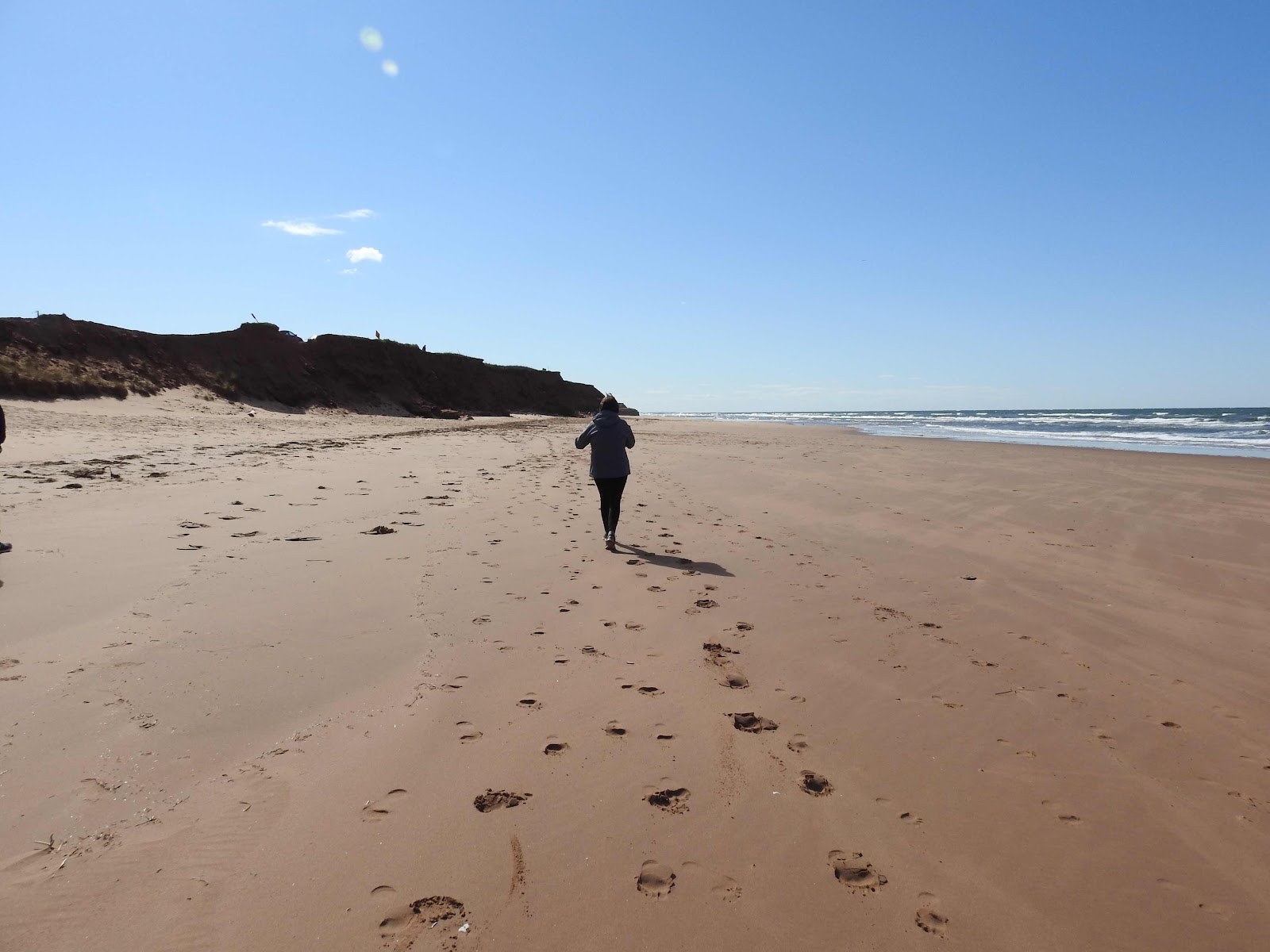
The beach at Thunder Cove is one of the most beautiful beaches on Prince Edward Island. The gorgeous red sand beach, tinted by iron oxide, is pristine and appears to stretch into forever. 


Sandstone cliffs along the length of beach are easily eroded and this process has always been a source of interest for residents and visitors alike. 


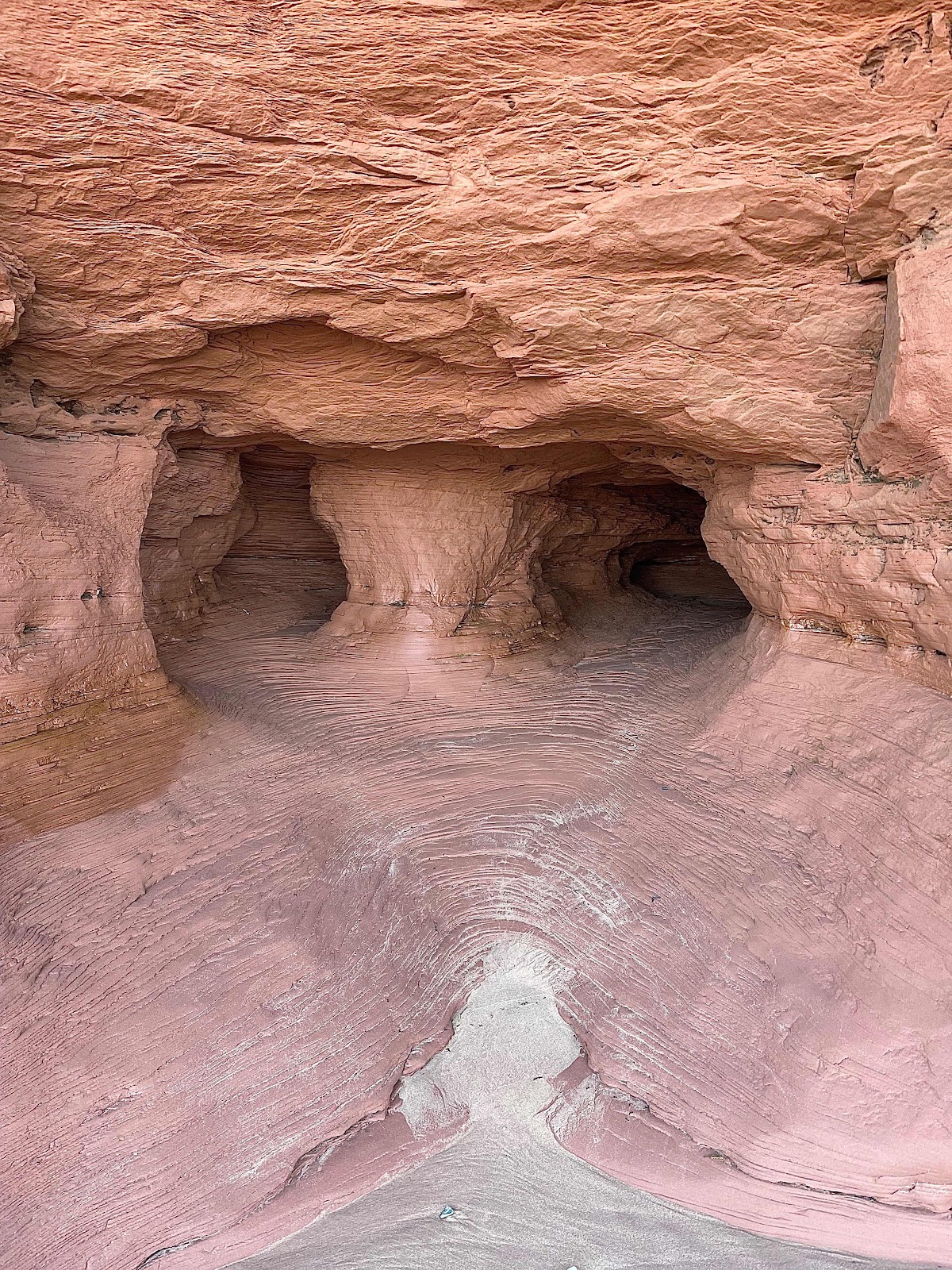
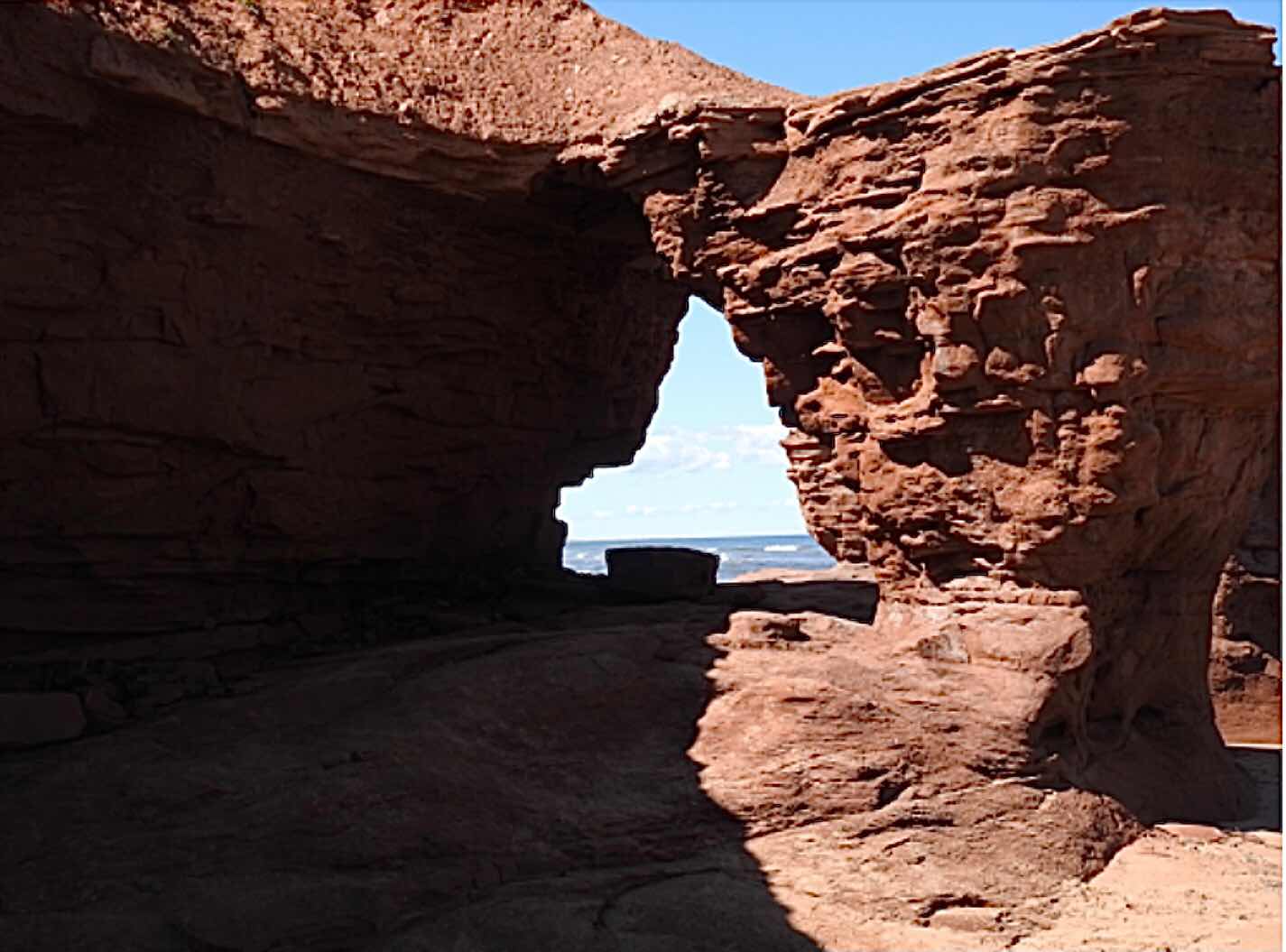
The sea’s sustained assault on the sandstone creates interesting shapes, holes and crevasses which are tempting for people to explore. This is not a safe practice however as the cliffs above collapse when the supporting sandstone is undermined.


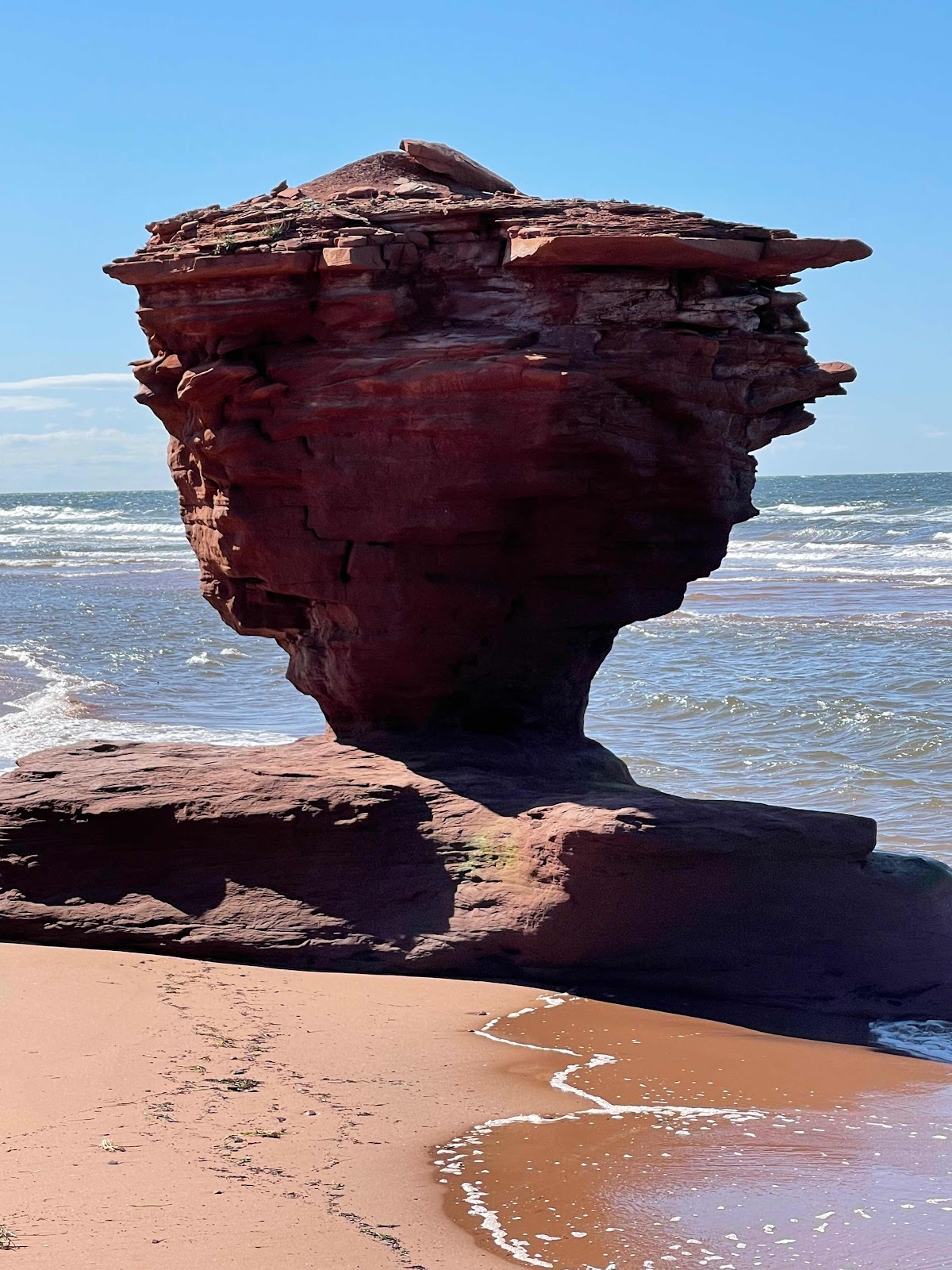
Then there are the sea stacks around the island, the most famous of which is the Tea Cup at Thunder Cove. Created by erosion, they too draw people, as this one drew us on a recent visit to the Cove. 


We hadn’t seen the Tea Cup in several years and it was interesting to compare it to previous photos. The Tea Cup is not much different although the stem of the cup has narrowed. Every spring people expect to find the cup collapsed but it has defied the elements thus far. Its time is running out.


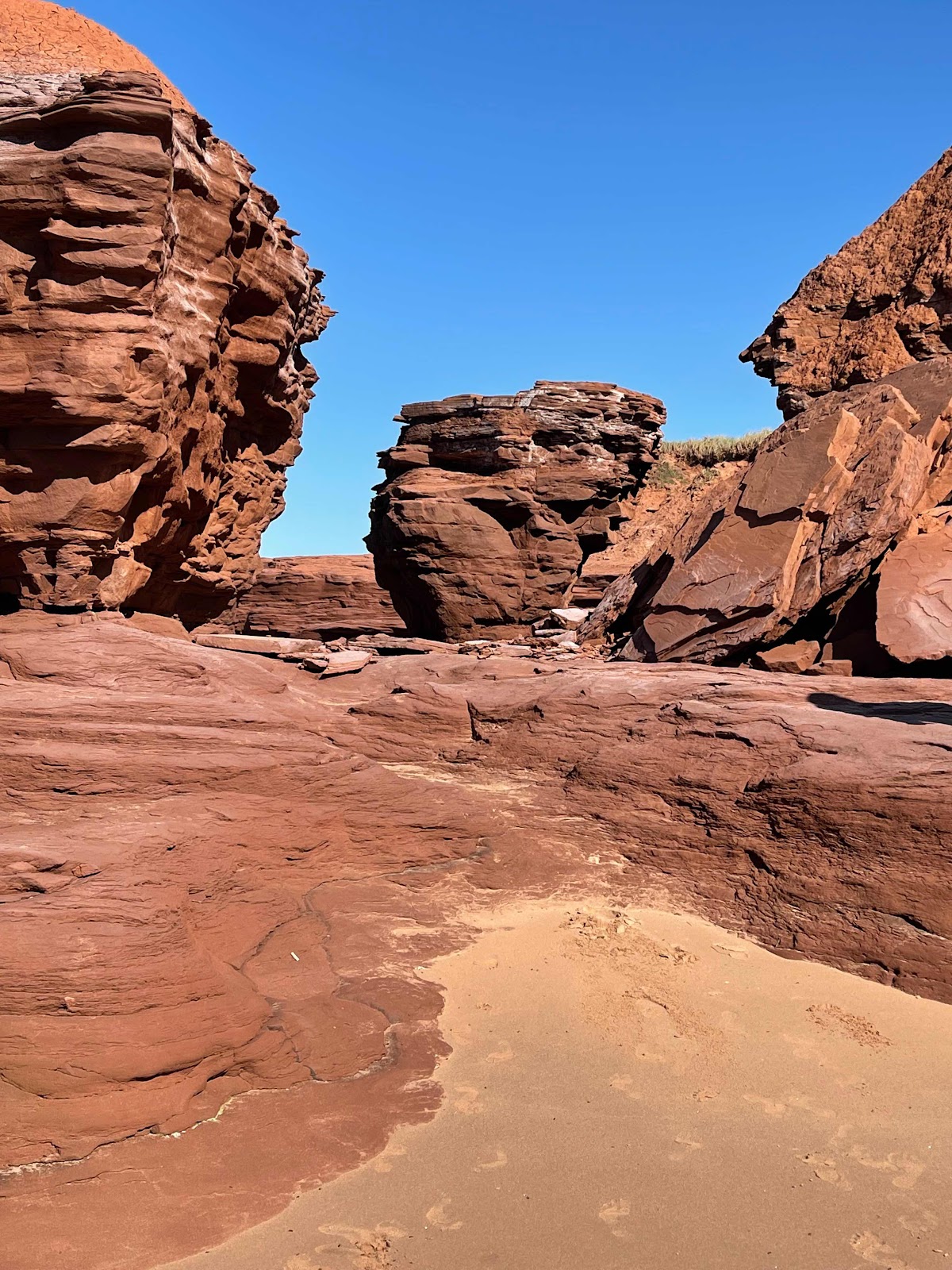
Meanwhile, one of two other sea stacks nearby has changed more noticeably since it lost its connection to the cliff.


The soil and sandstone nearby illustrate the danger of getting too close to the cliffs. 


We enjoy the cliffs at a safe distance and the sea stacks as long as the exhibit lasts.


Thursday, 13 August 2020

Black Marsh Trail 2

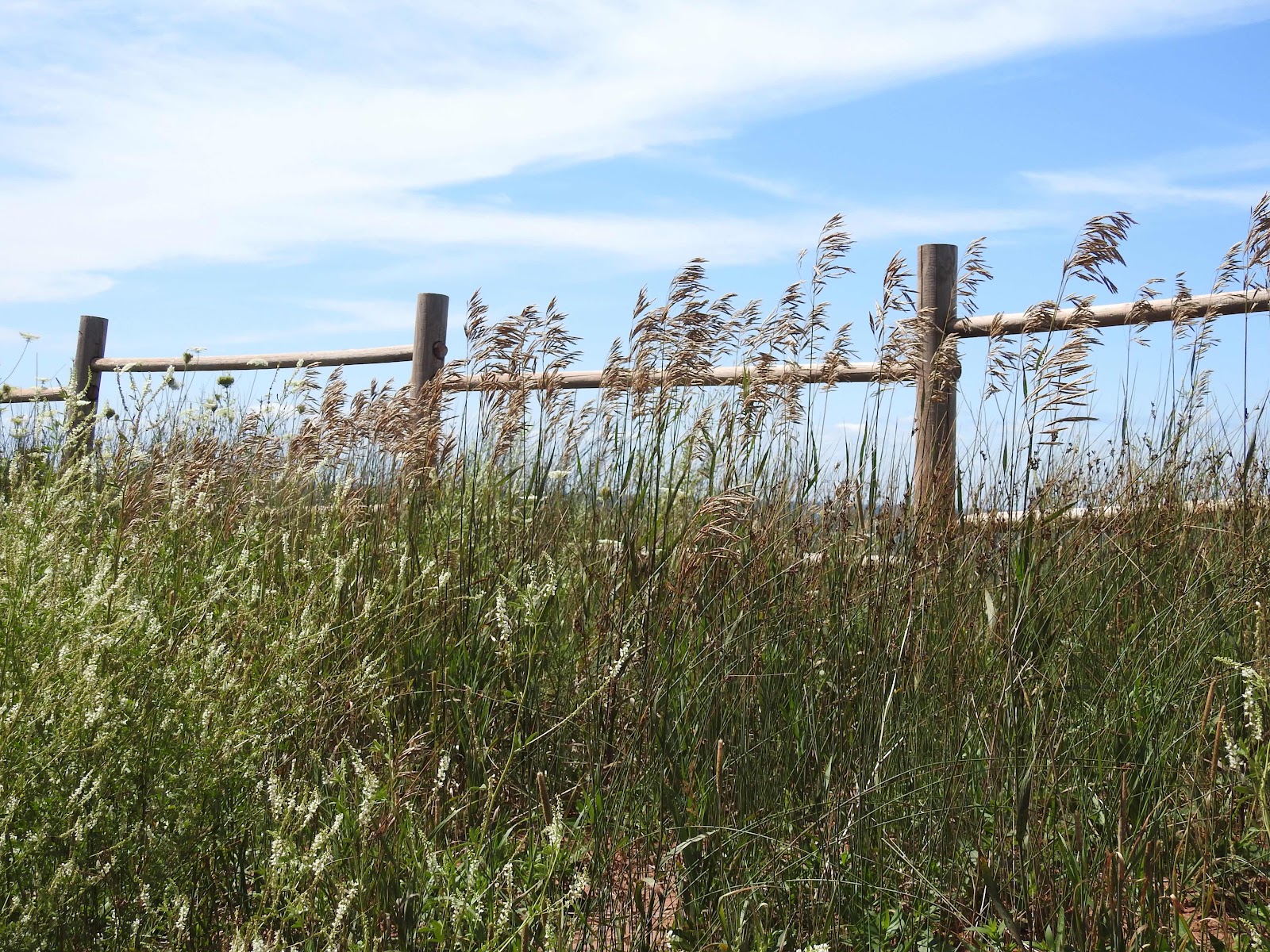
It’s a long way down so I didn’t want to stand too close to the edge. Fences keep people safe in a number of areas.


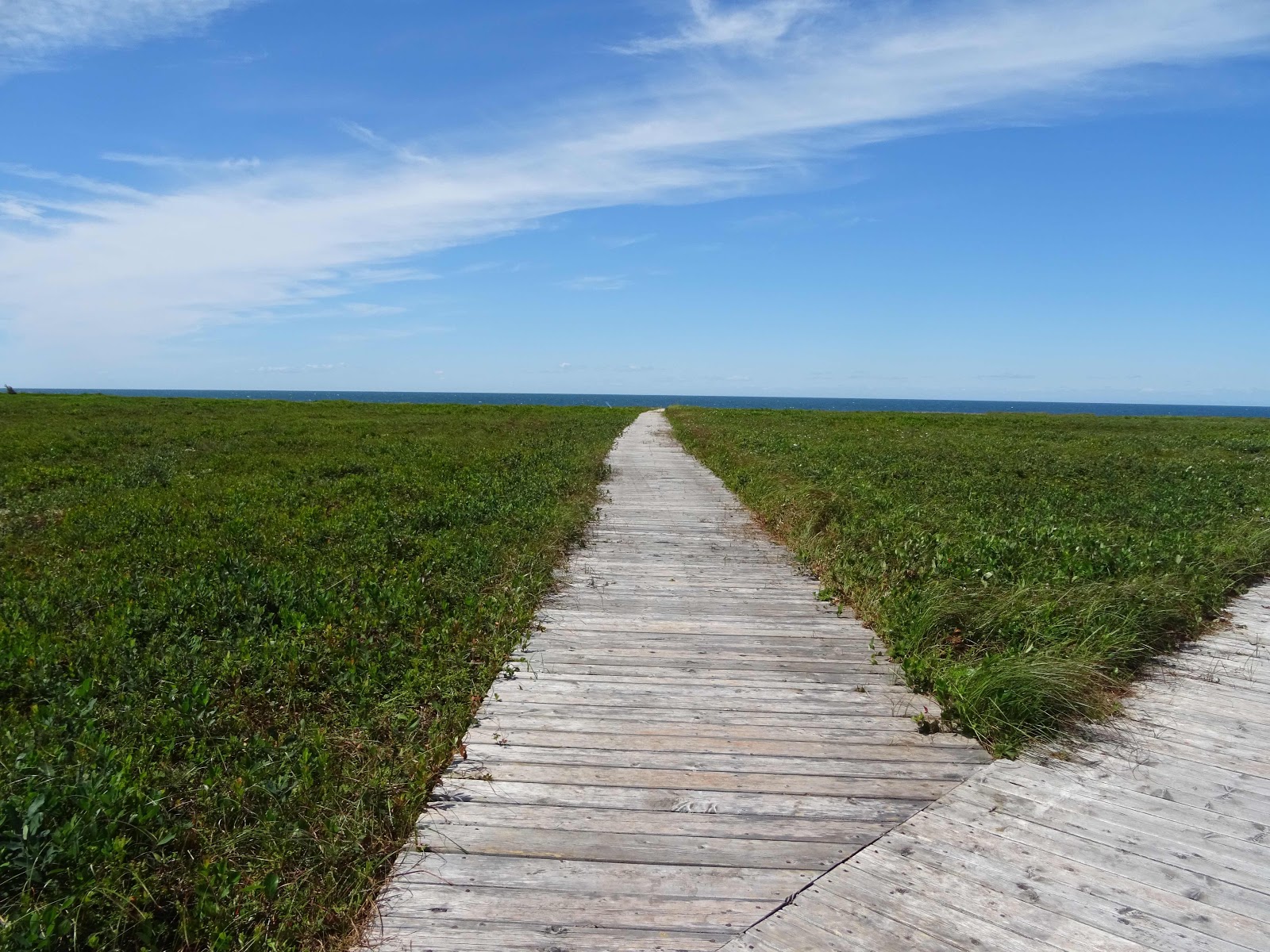
Lookouts, strategically placed, provide good views. The coastal path of the Black Marsh Trail is one of my favourites.


This trail parallels another trail through the forest along North Cape, each part of the trail providing a unique island experience. Both open to the Black Marsh, a huge peat marsh which drops off the sandstone cliffs onto the beach 10 meters below.


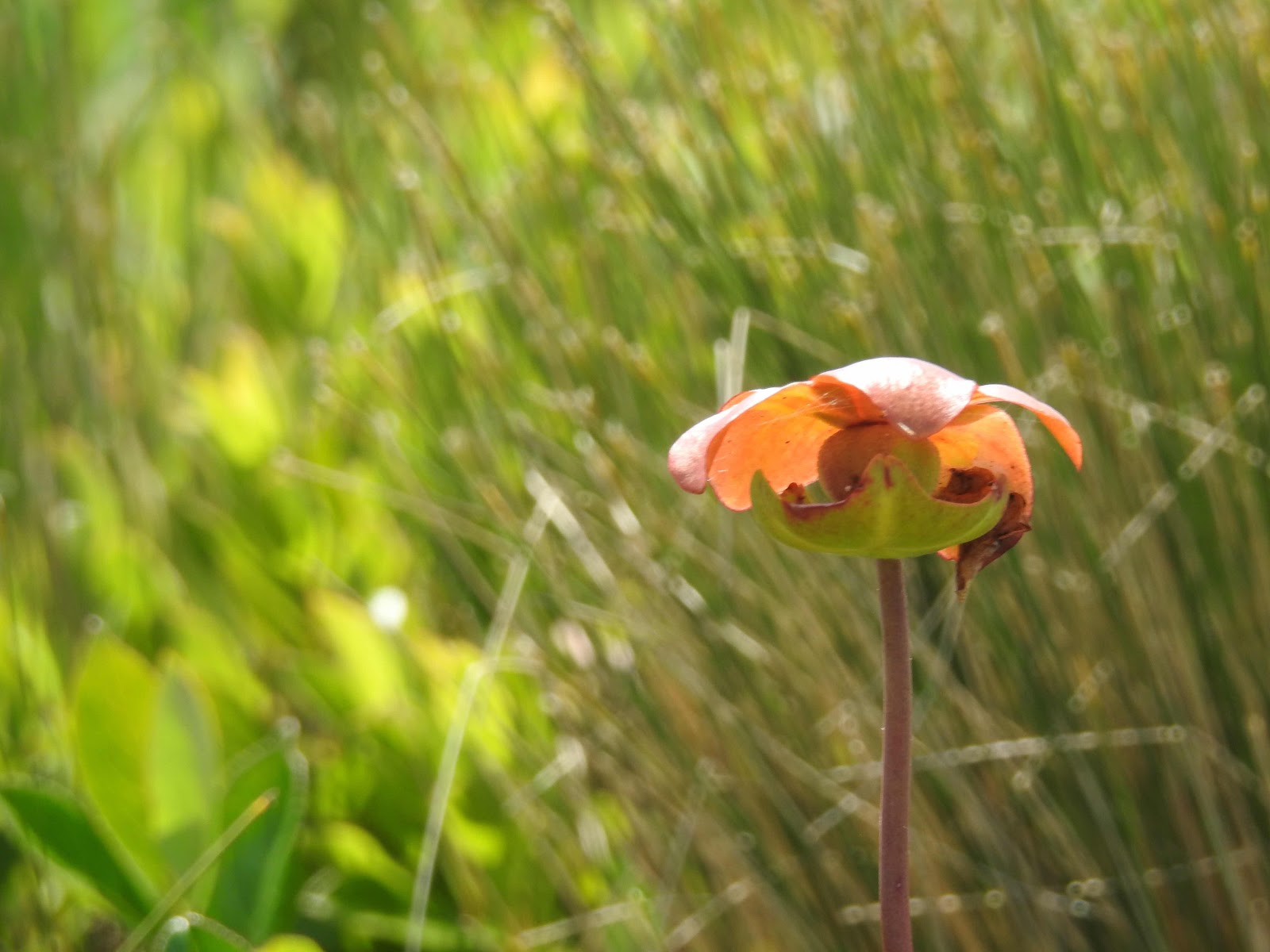
There are some unusual plants on the Black Marsh. The only one we could find was the pitcher plant. 


My husband and I are from Newfoundland and know this plant well since it is the provincial flower of that island. The plant lacks chlorophyll and is carnivorous which attracts insects into the pitchers on the ground where they are digested. The flowers are unique. We didn’t expose the pitchers in the bog at the base of the plant because we didn’t want to disturb the marsh.


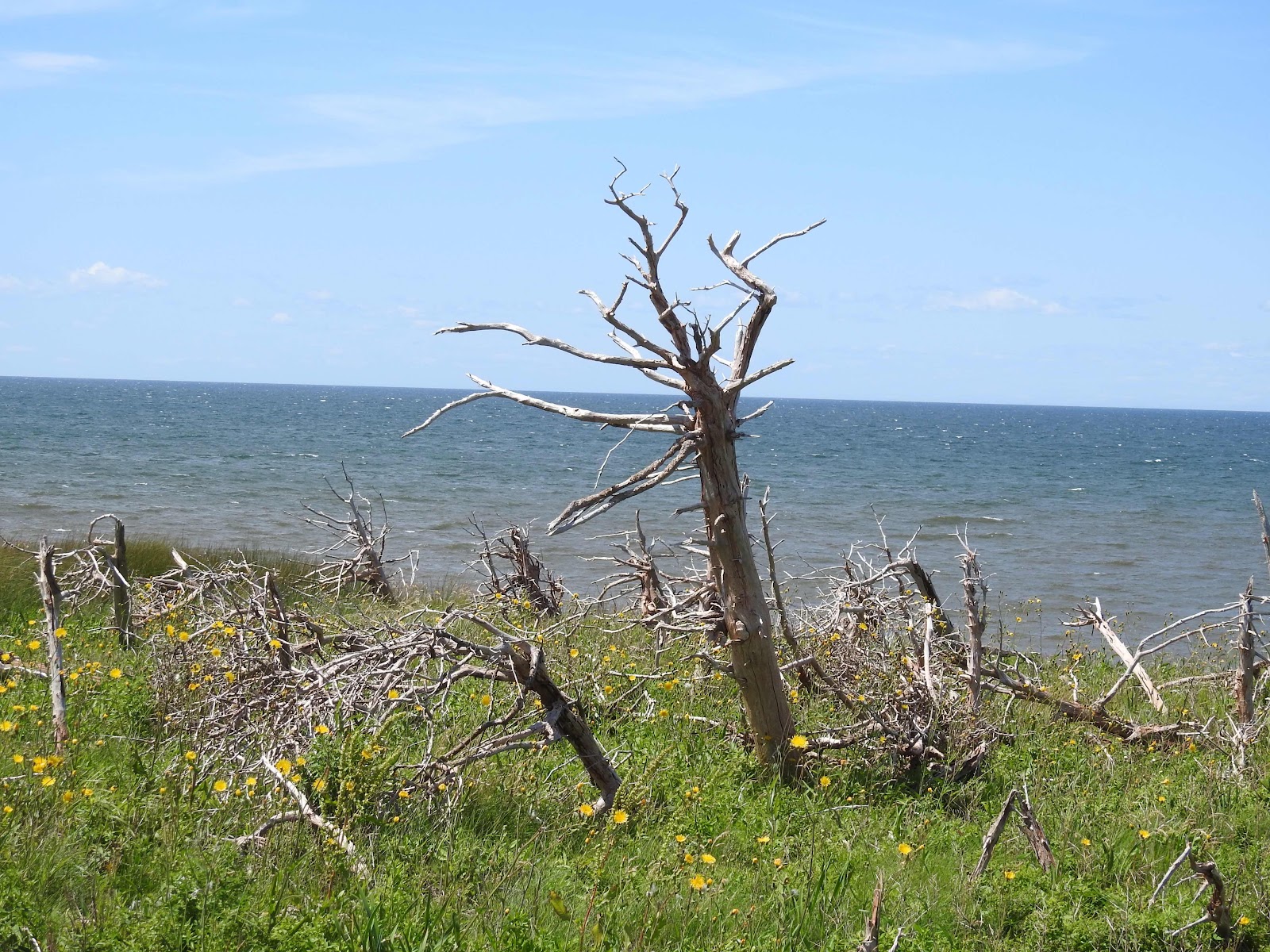
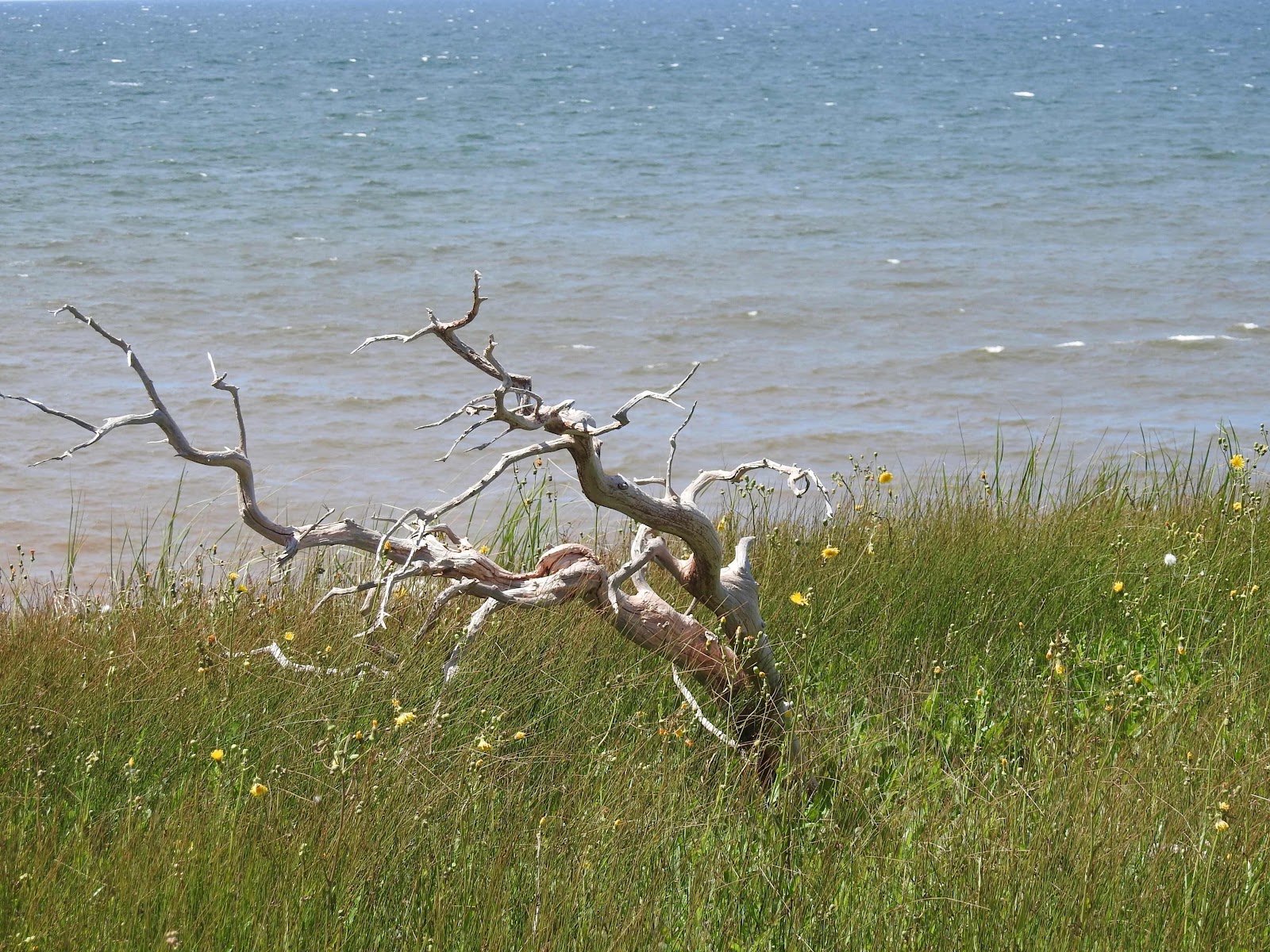
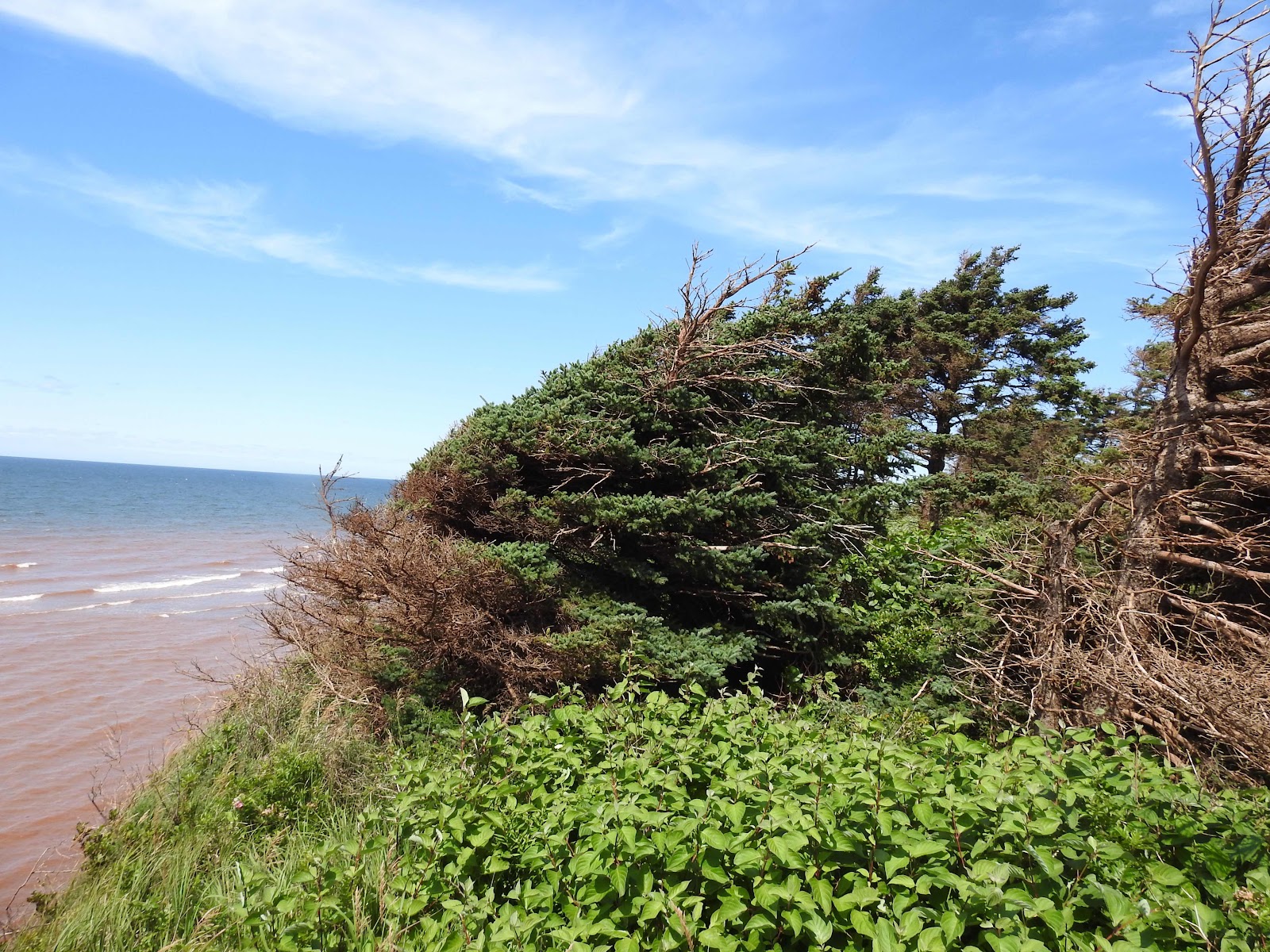
Walking along the coastal trail near the marsh, one sees the effect of the icy blast of winter on the trees along the cliffs. 


They are art now, weathered remnants of former majestic glory. They have found an artistic raison d’être in this natural gallery until the sea finally claims them.


The sea stack draws visitors to this place as well. It has changed over the years of course, from its days as an elephant in the late 1990s to the shape it presents today. 


On the way back along the coast, we stopped at the lookouts. 


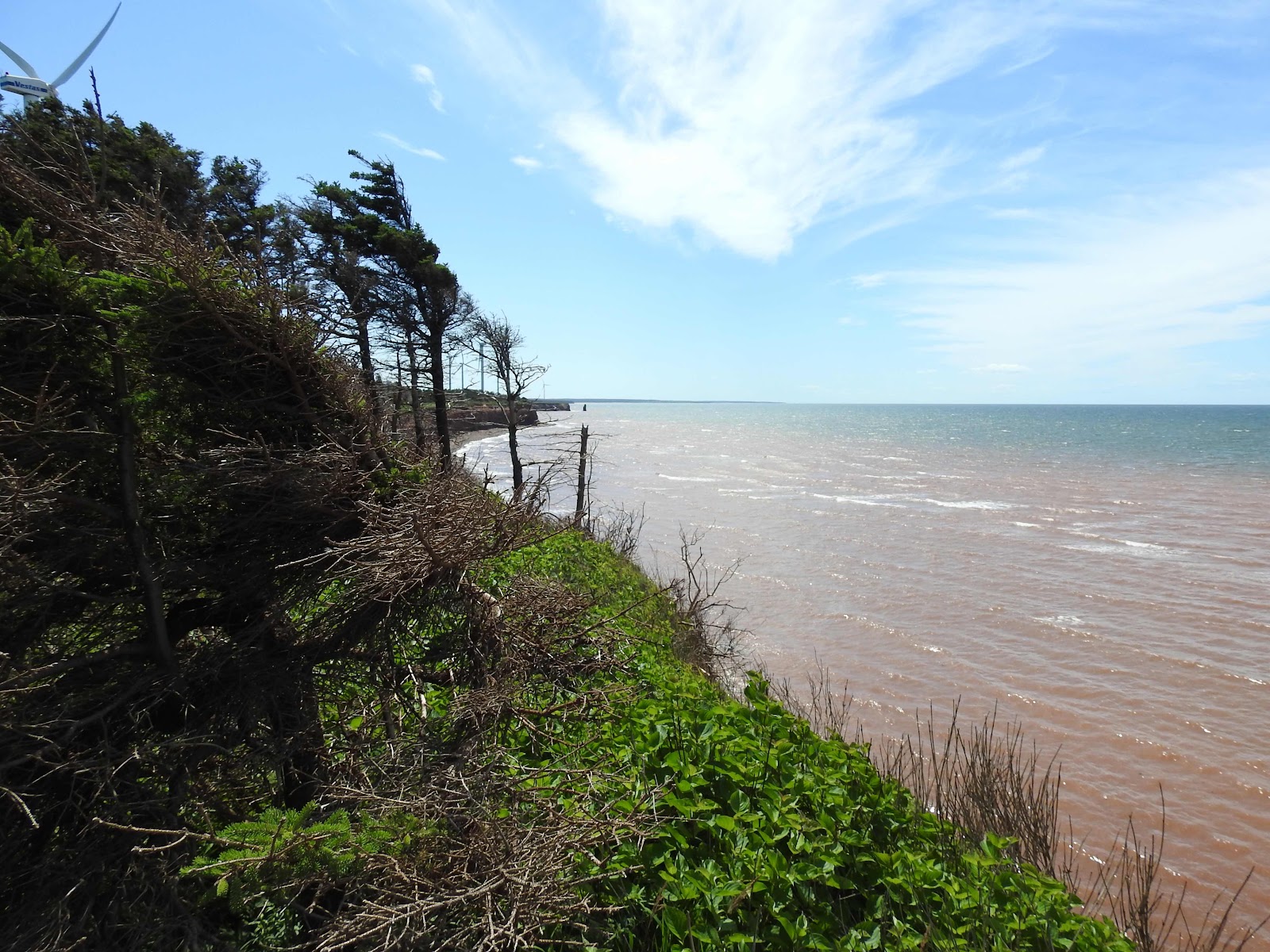
The trees clinging to the edge of the cliff defy gravity.


I walked the trail to the lighthouse and watched as seagulls floated on the breeze. 


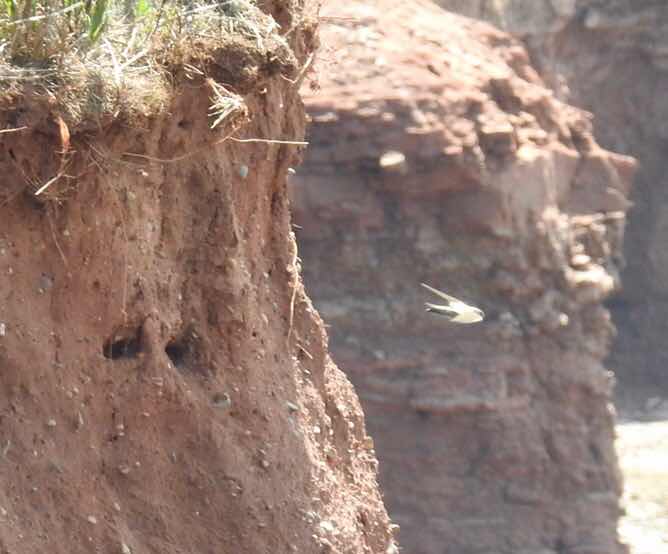
Bank swallows darted overhead. After numerous photos, I captured this shot of one leaving the nesting area. It’s hard to capture bank swallows in flight.


We had a picnic and made a few more stops before we headed home. 


Monday, 3 June 2019

Orby Head

Orby Head is in the National Park on the north shore of Prince Edward Island. From the sandstone cliffs overlooking the Gulf of St Lawrence, one can see east and west along the north coast. 


The view of the cliffs at Orby Head is one of my favourites on the island.
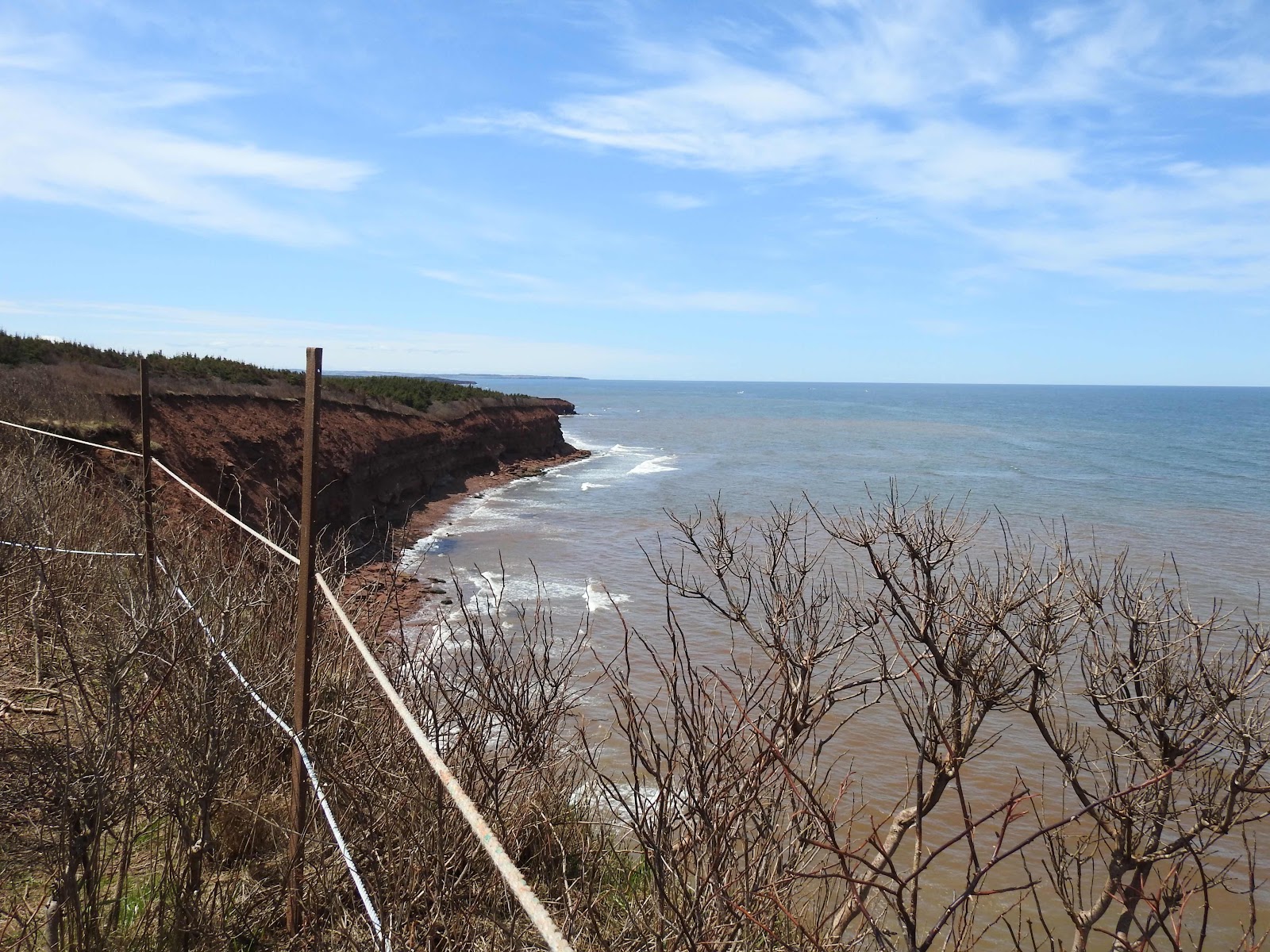


The sandstone cliffs erode at an alarming rate. We notice a difference each spring after the winter storms and the freeze and thaw cycles which were common this past year.


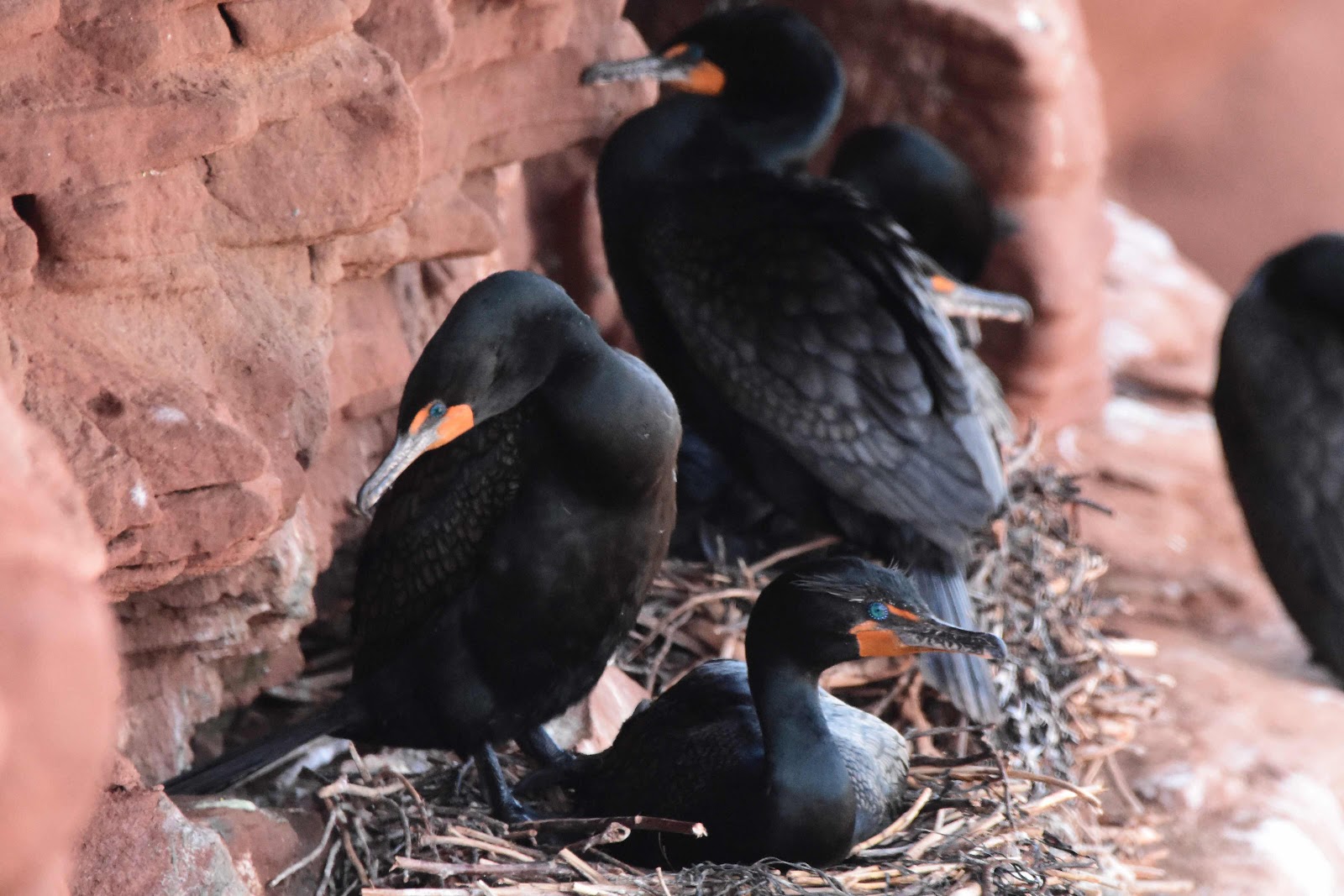
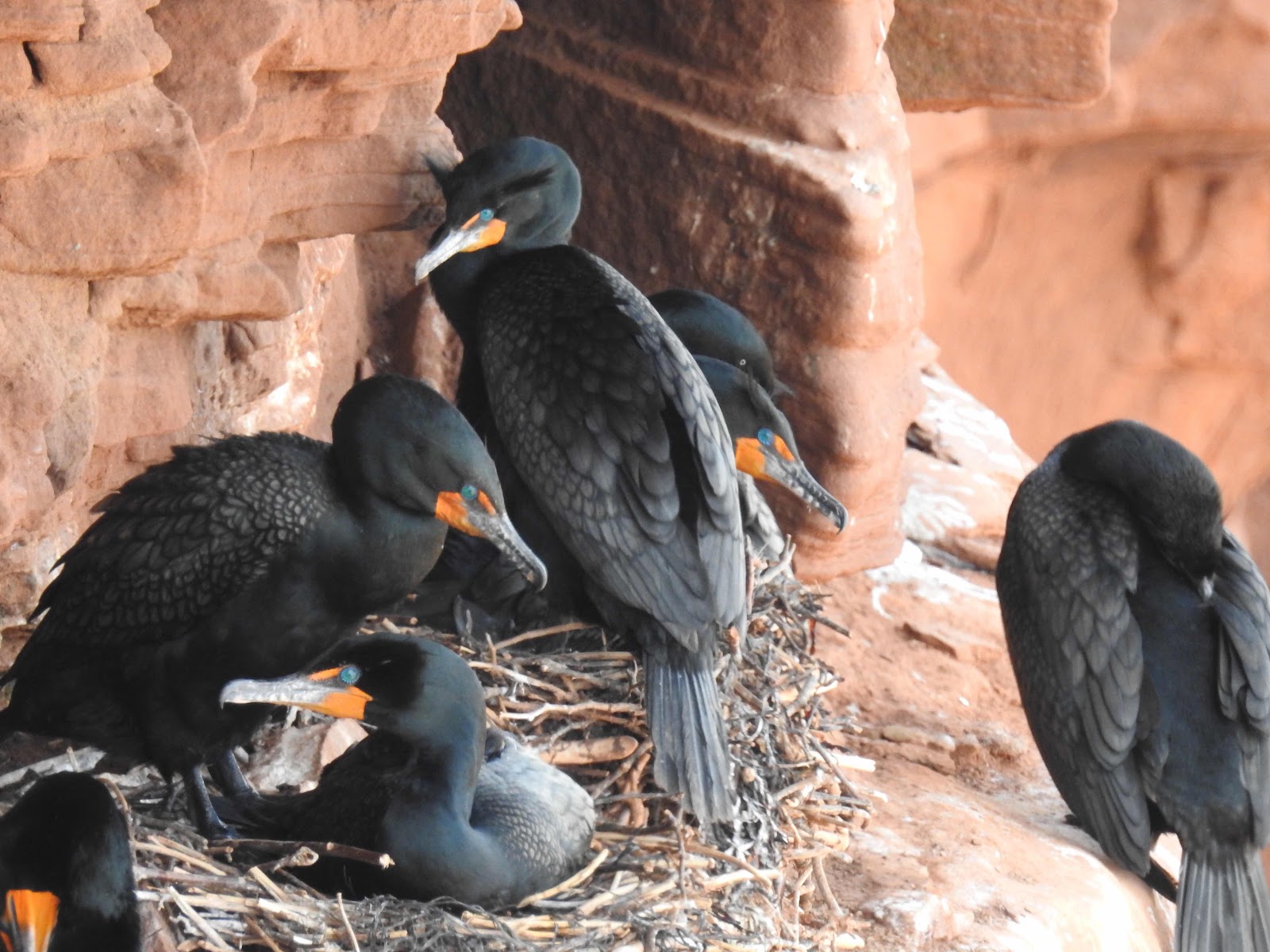
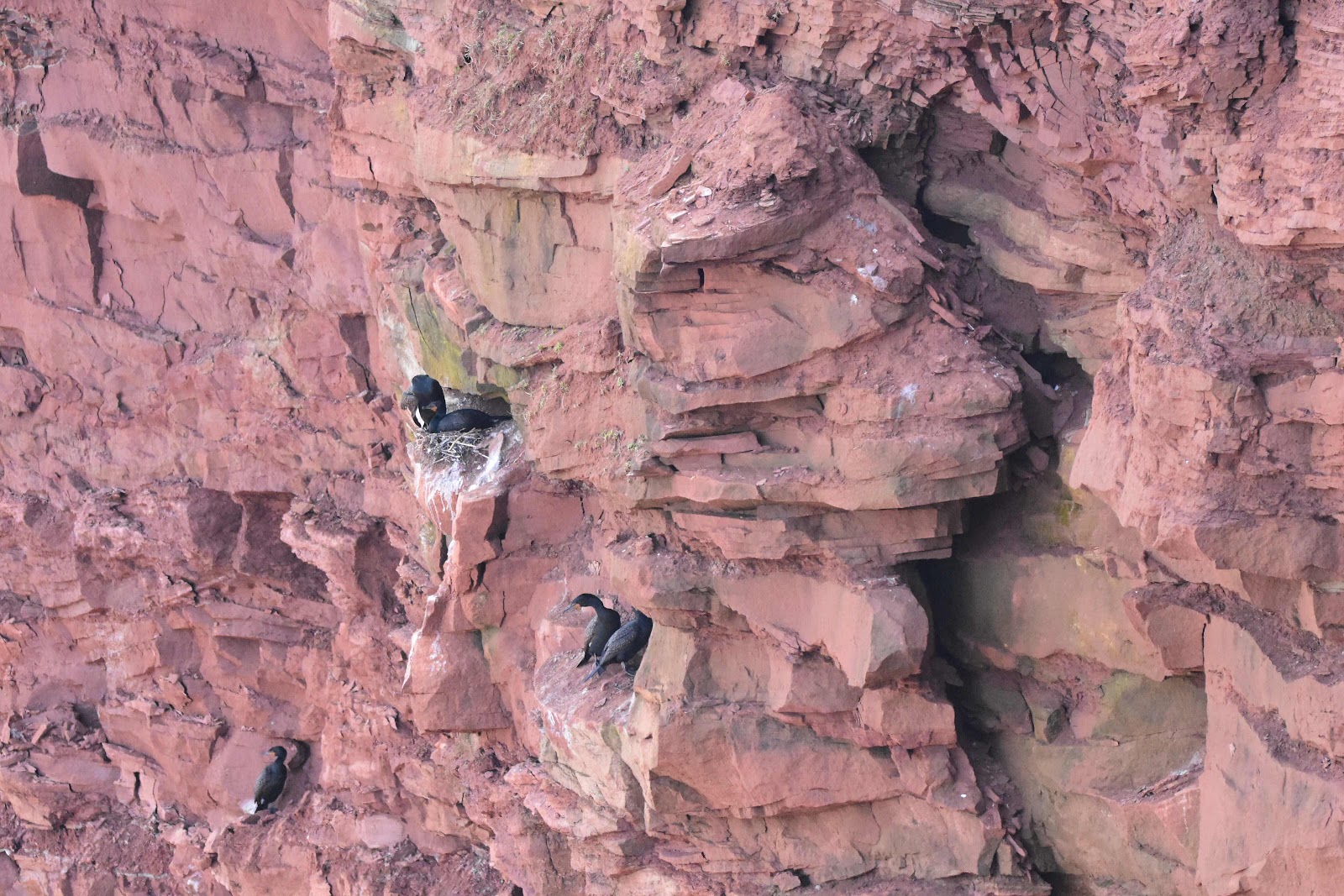
For my husband and I, the added attraction of Orby Head is the colony of Double-crested cormorants which nest in the cliffs and hang out on the Head. They fish just off shore as the lobster boats pass nearby.


This bird looks like a pre-historic creature, not pretty like shorebirds and song birds. Yet, there is something beautiful about these strange looking birds. They have blue eyes and long beaks. Behind the beaks, a bright orange colour makes them easily identifiable. 


The black feathers on their backs and wings are each distinguishable. The fine feathers of the belly, neck and head are streamlined and perfect for diving and swimming.


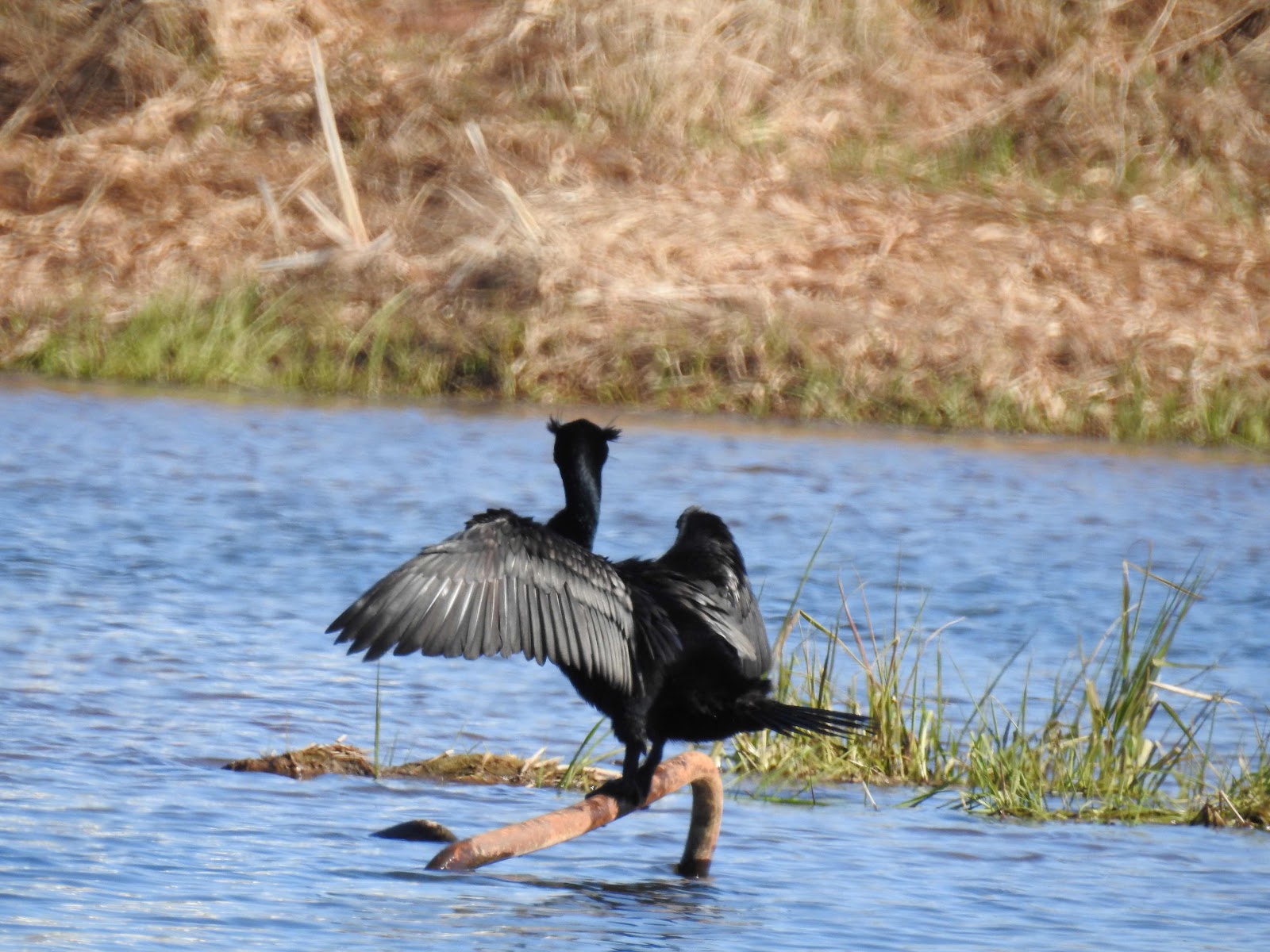
Double crests are the feathers above the eyes which are only there in mating season. The best photo I have of these crests was taken of a bird at another location.


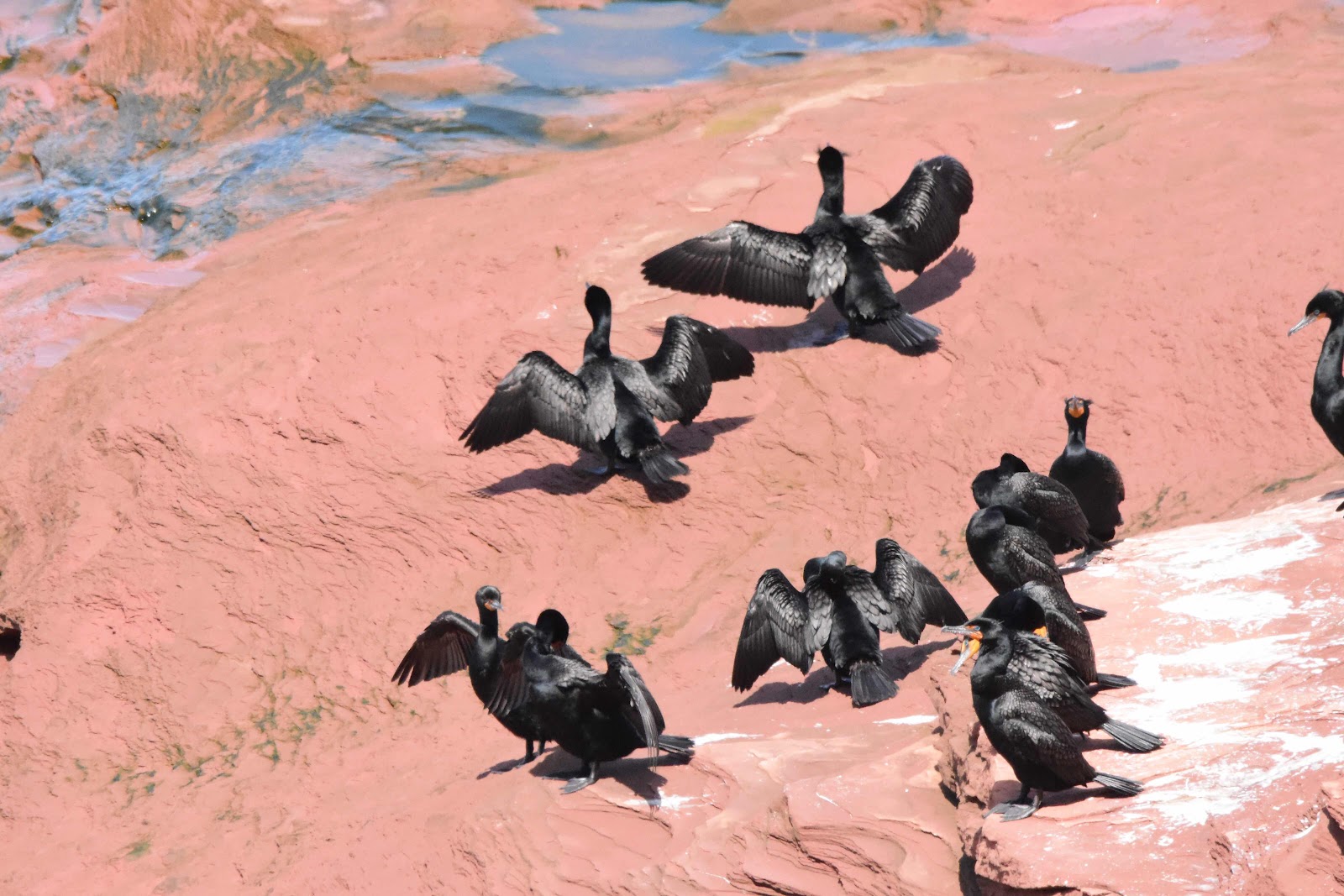
Their wings aren’t water proof and cormorants spread them when they land after a swim. It was a lovely day for drying wings as you can see.


The colony at Orby Head has its nests on ledges in the cliffs. 


They like to hang out together on a ledge over the rocks.


The birds make a croaking sound which is not a traditional bird call but we enjoy watching them any chance we get.


Friday, 31 August 2018

Along the north shore

White caps. We had never seen the water so rough. When it’s stormy in Prince Edward Island, my husband and I are never by the sea. On this beautiful late August day, the wind is high and the water on the north shore is churning. 


You can hear the waves crashing into the shore rather than the gentle lap of waves along the beach which is so familiar.


We can smell the sea too, that salty, seaweed smell which is a welcome reminder of our youth in Newfoundland. That is a first for us on this island too. We let it seep into our beings as we stand on the cape along the north shore in the National Park.


The cliffs of the north shore are in sharp contrast to the depth of blue and the white caps rushing towards them. The cliffs are high too, among the highest on the island, known for its sand dunes and rolling hills. Standing along the edge of the cliffs one is impressed with the power of wind and water. 


At the lookout at MacKenzies Brook, you can see how the wave action has eroded a cave in the cliffs and the end of the cave is open now too, forming a tunnel. How long will it be before the surface above collapses?


From Orby Head, one can see the far east of the island through the haze. 


To the west, the lighthouse at Cape Tryon is visible 


and beyond it, a hint of the western tip of the island.
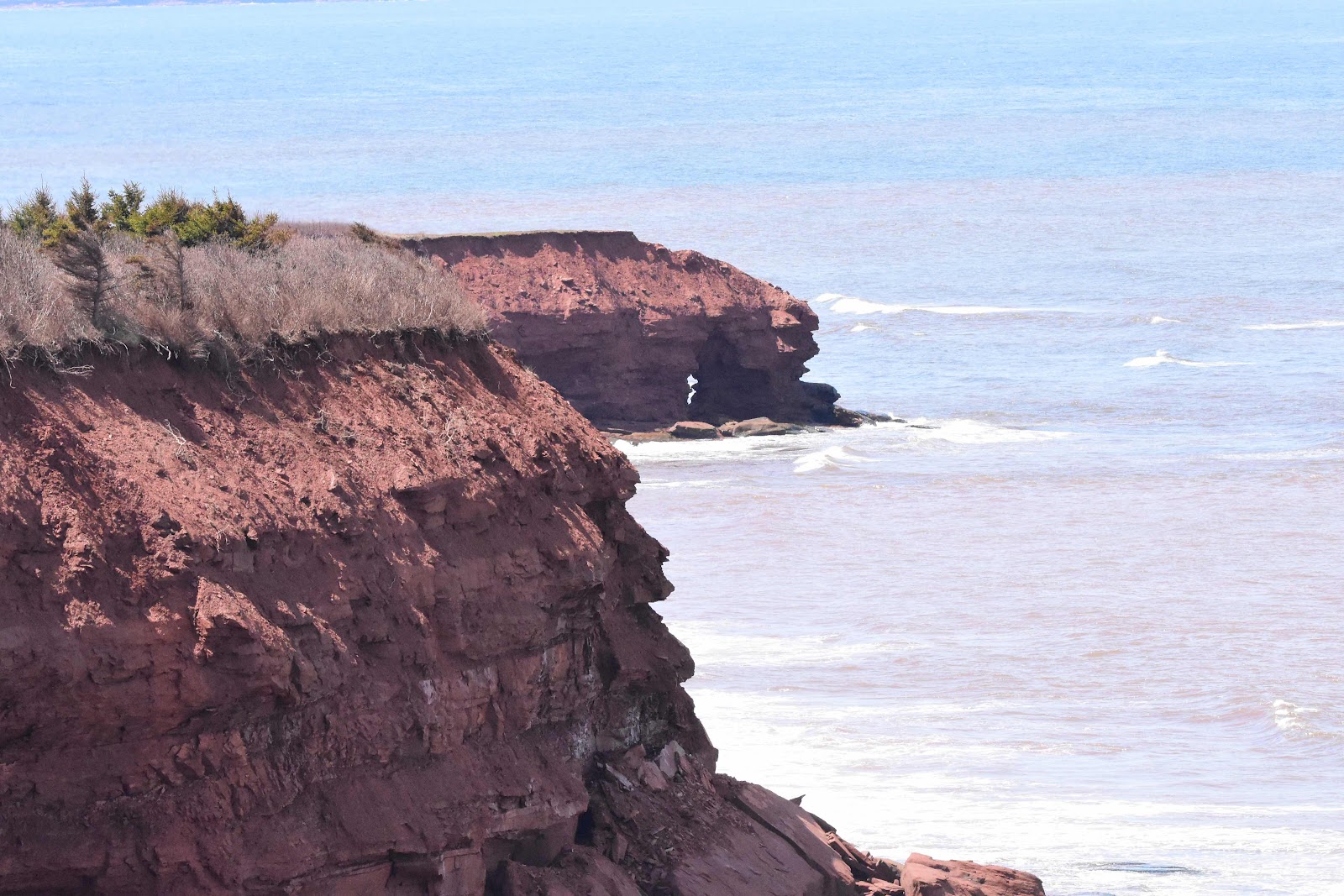


Below these cliffs, cormorants have their nests but all are empty today. 


They forgot to post the ‘Gone fishing’ signs.

Further along the coast, at Cape Turner, a tree defies gravity and clings to life at the top of the cliff. 


The trees along the shoreline here provide shelter from the wind. All across this area, hundreds of butterflies, mainly the Clouded sulphur species, flit across the tall weeds lining the paths.


The sounds of the sea and the movement of the butterflies are magical.


We continue our drive along the coast and have our picnic lunch at Rustico. But that’s another story.