Most Popular Post

Showing posts with label dredger. Show all posts

Thursday, 5 May 2022

Back to the sea

Fishers are back at sea again since the lobster season opened earlier this week on Prince Edward Island.
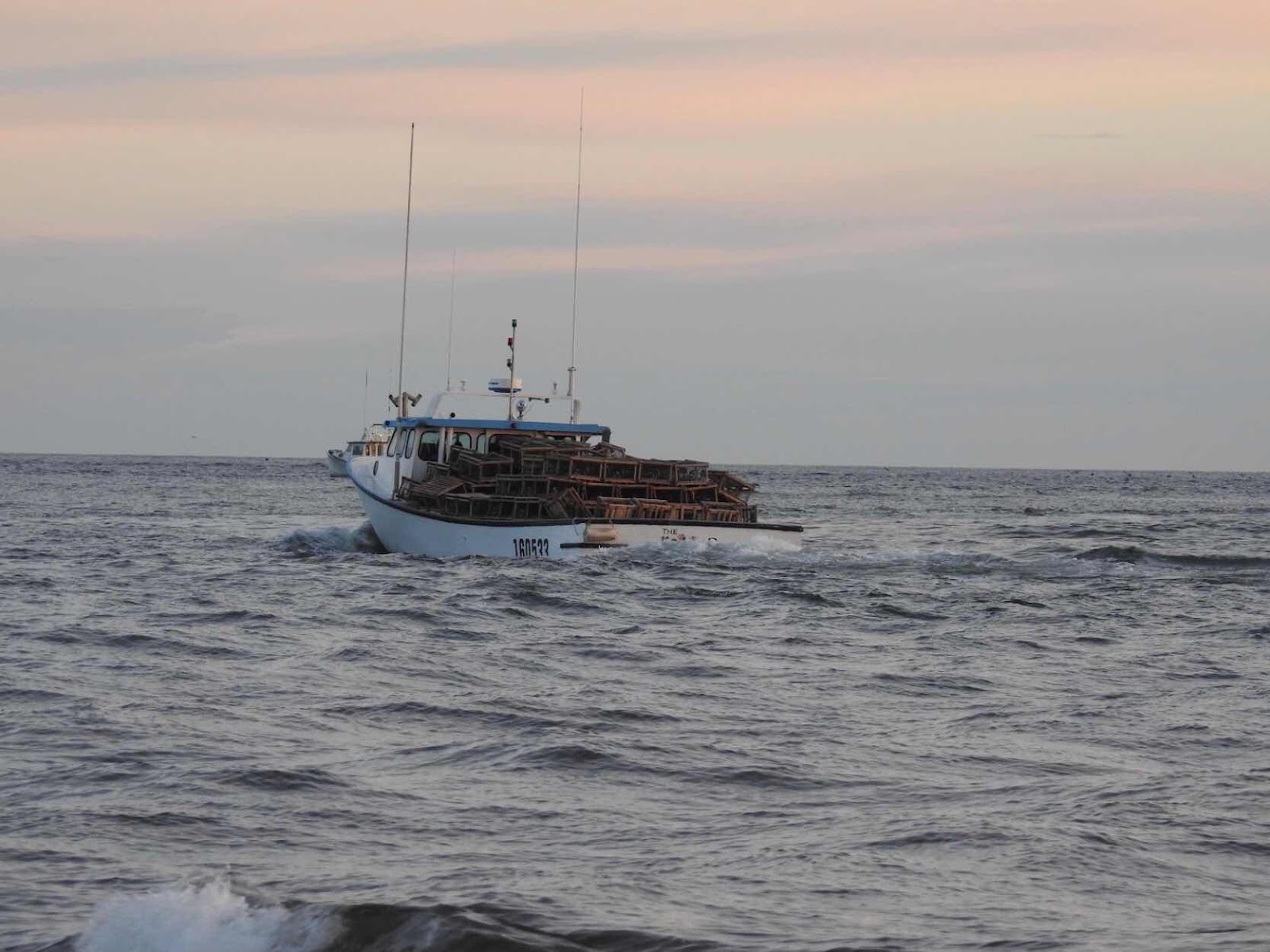


Prior to the start of the season, boats are returned to the water, traps and other gear readied. In addition, dredging of the waterways occurs since the sand around the island shifts over the winter and can pose a hazard to the boats.


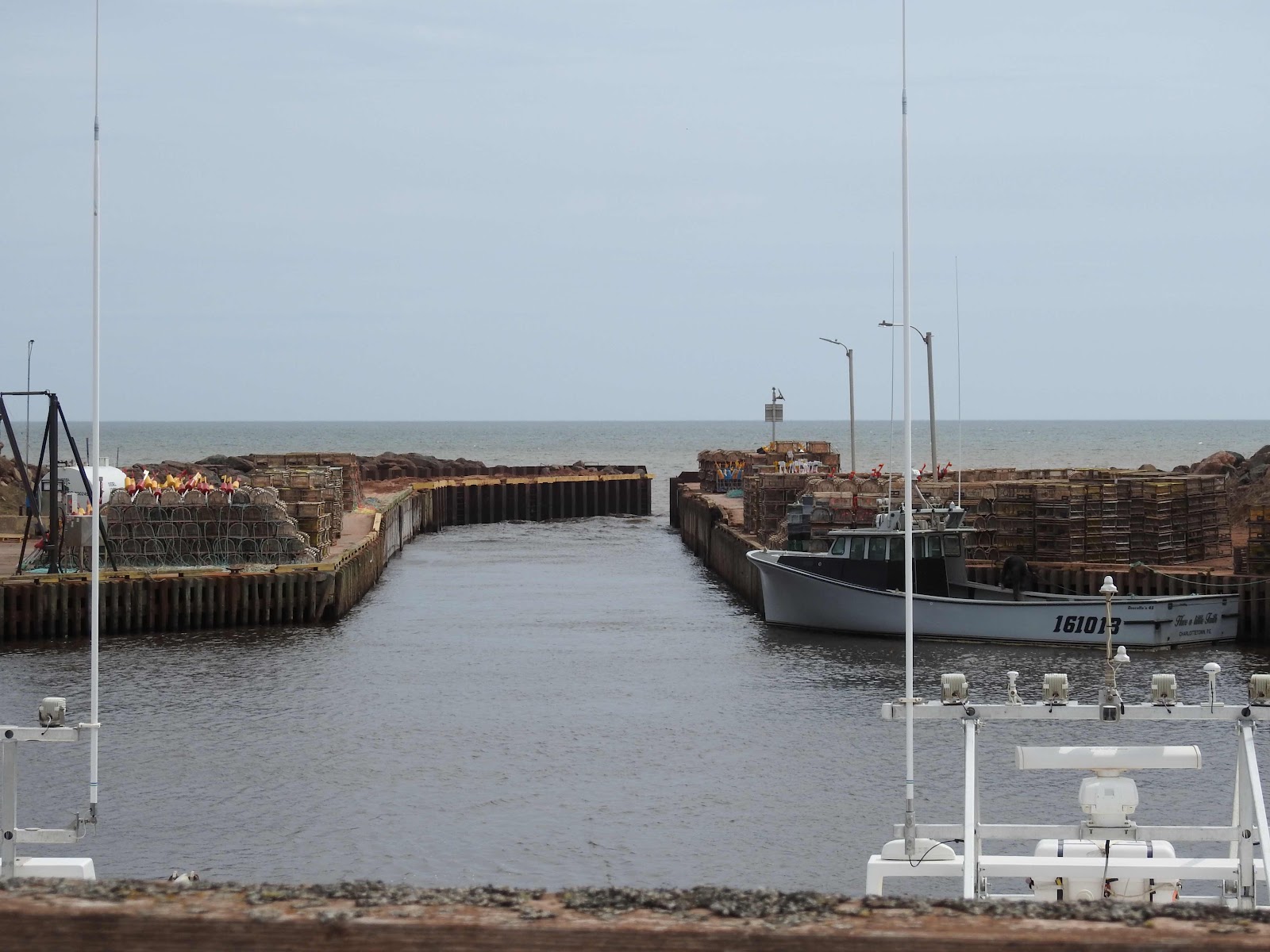
At Seacow Pond on the northwest corner of the island, this was the scene last week as boats and gear were prepared for the season. 


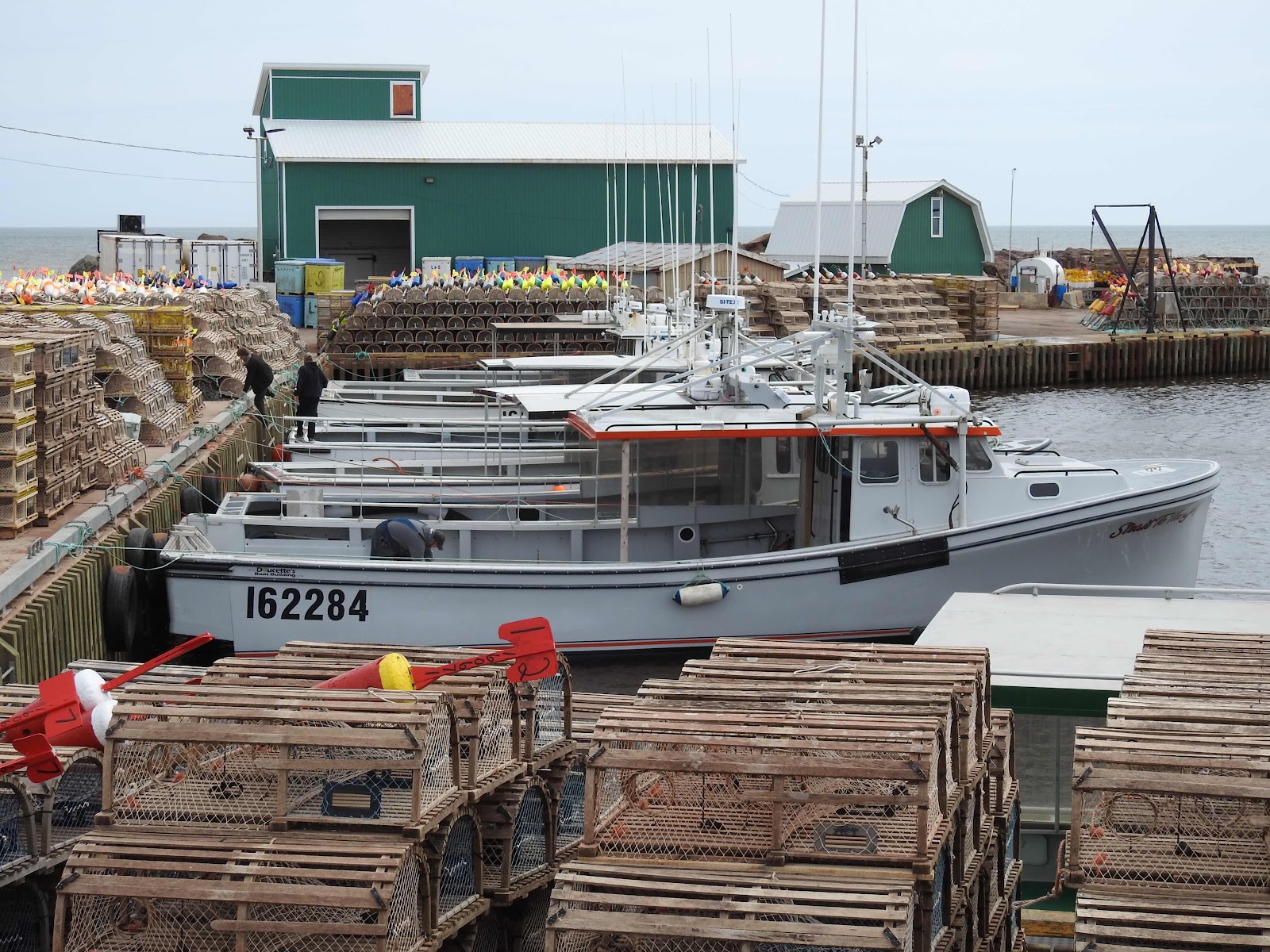
Boats lined the pond and along the wharf, by each boat, its gear was piled, ready for loading on the big day.


It was interesting to be close enough to see the weight in each trap, which causes it to sink in the water. 
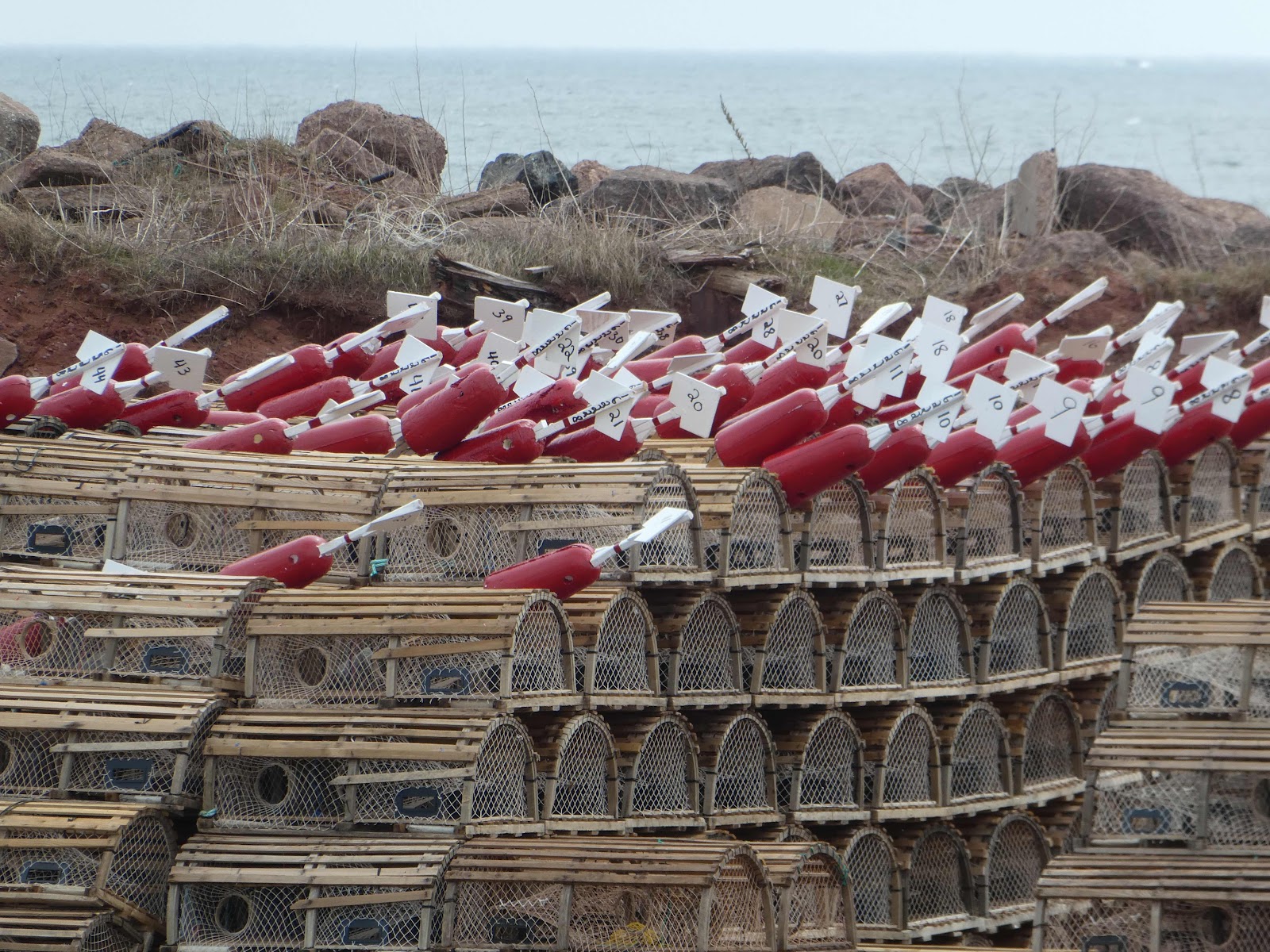


The buoy which is the marker for each trap has a weight as well which keeps the buoy upright in the water. The weights on PEI are concrete, made by the fishers.
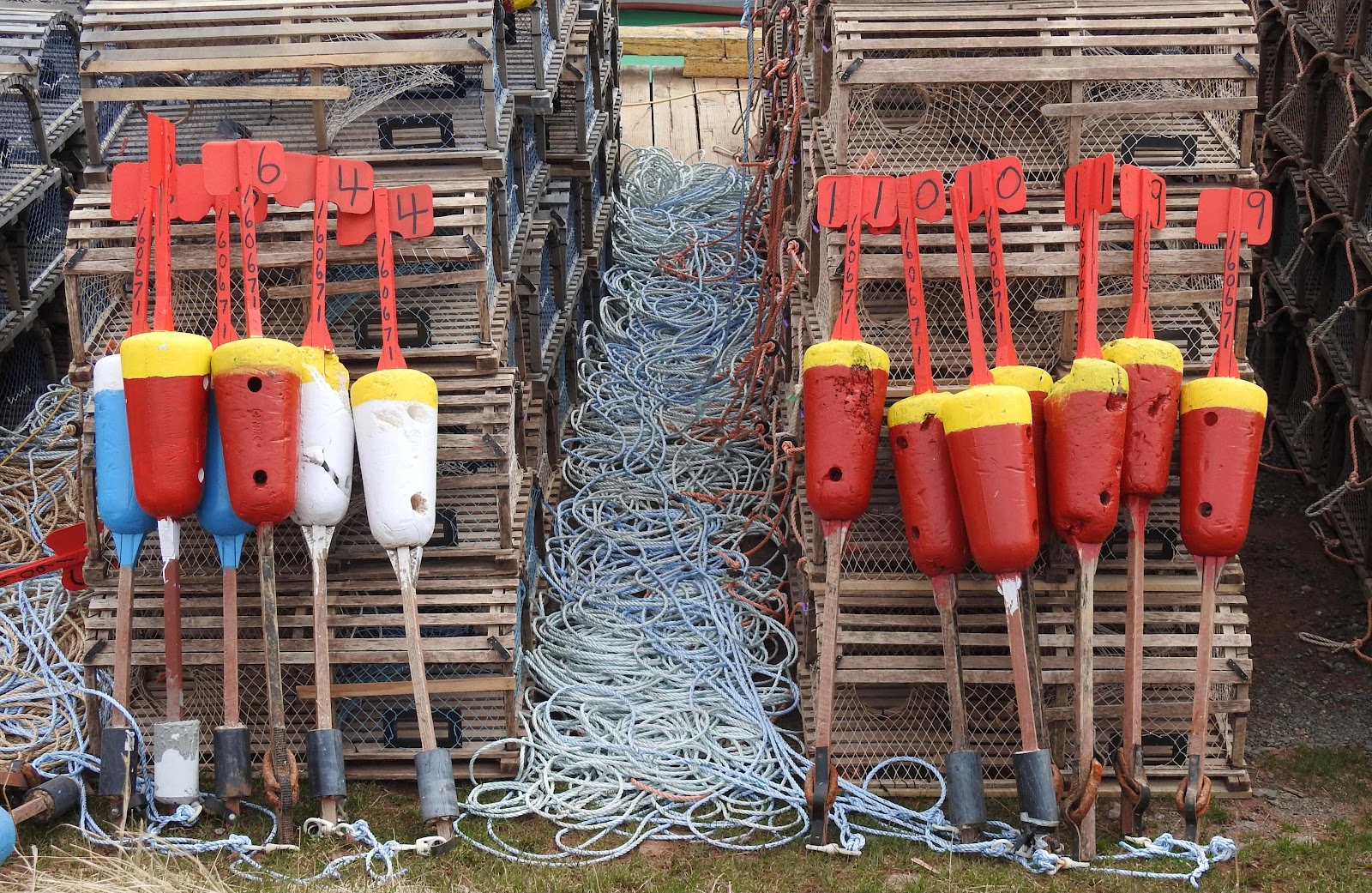


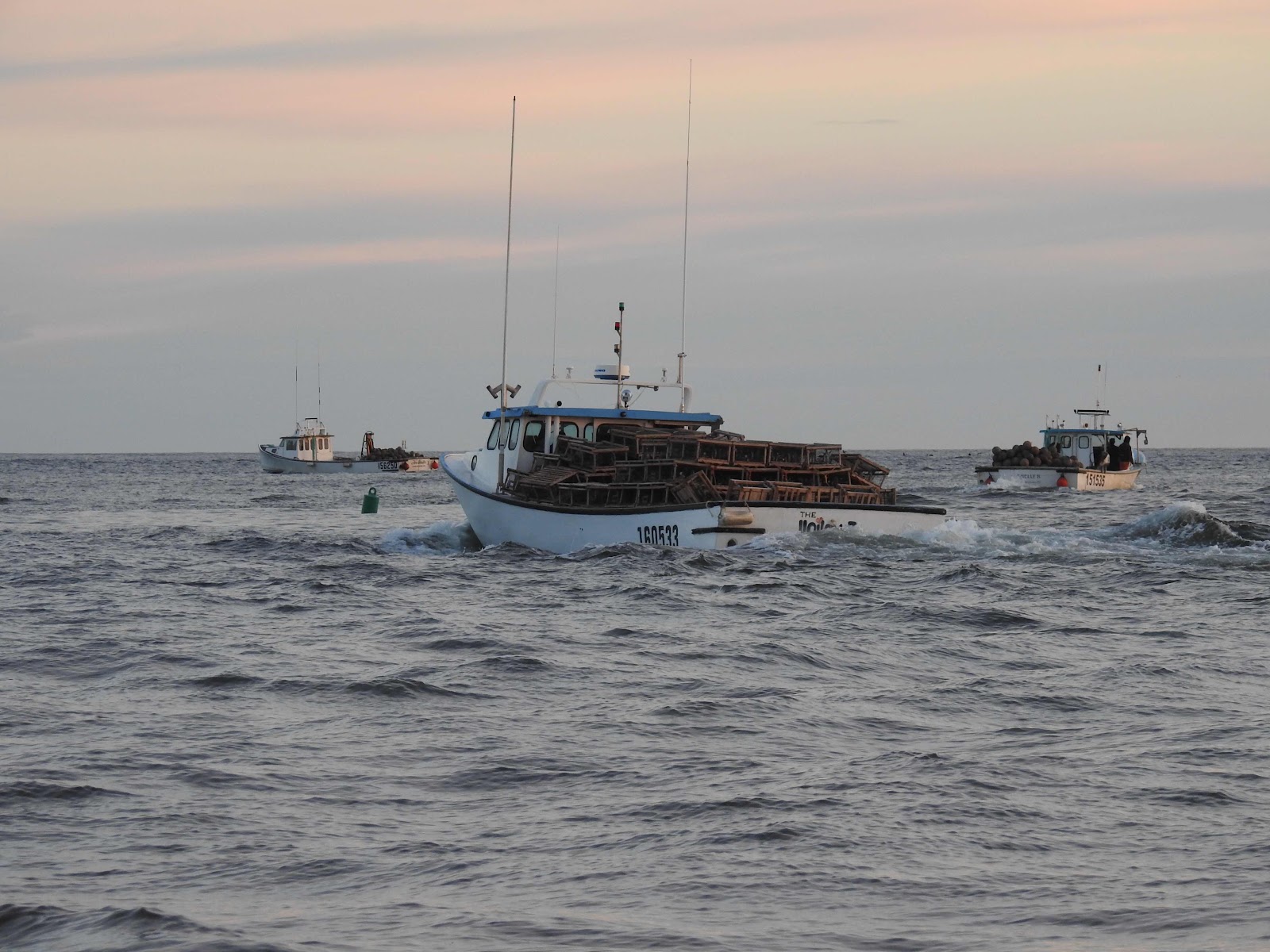
On Setting Day, the opening of the season, fishers load the gear and head out to the fishing ground as their families gather along the shoreline to wish them a safe and successful season.


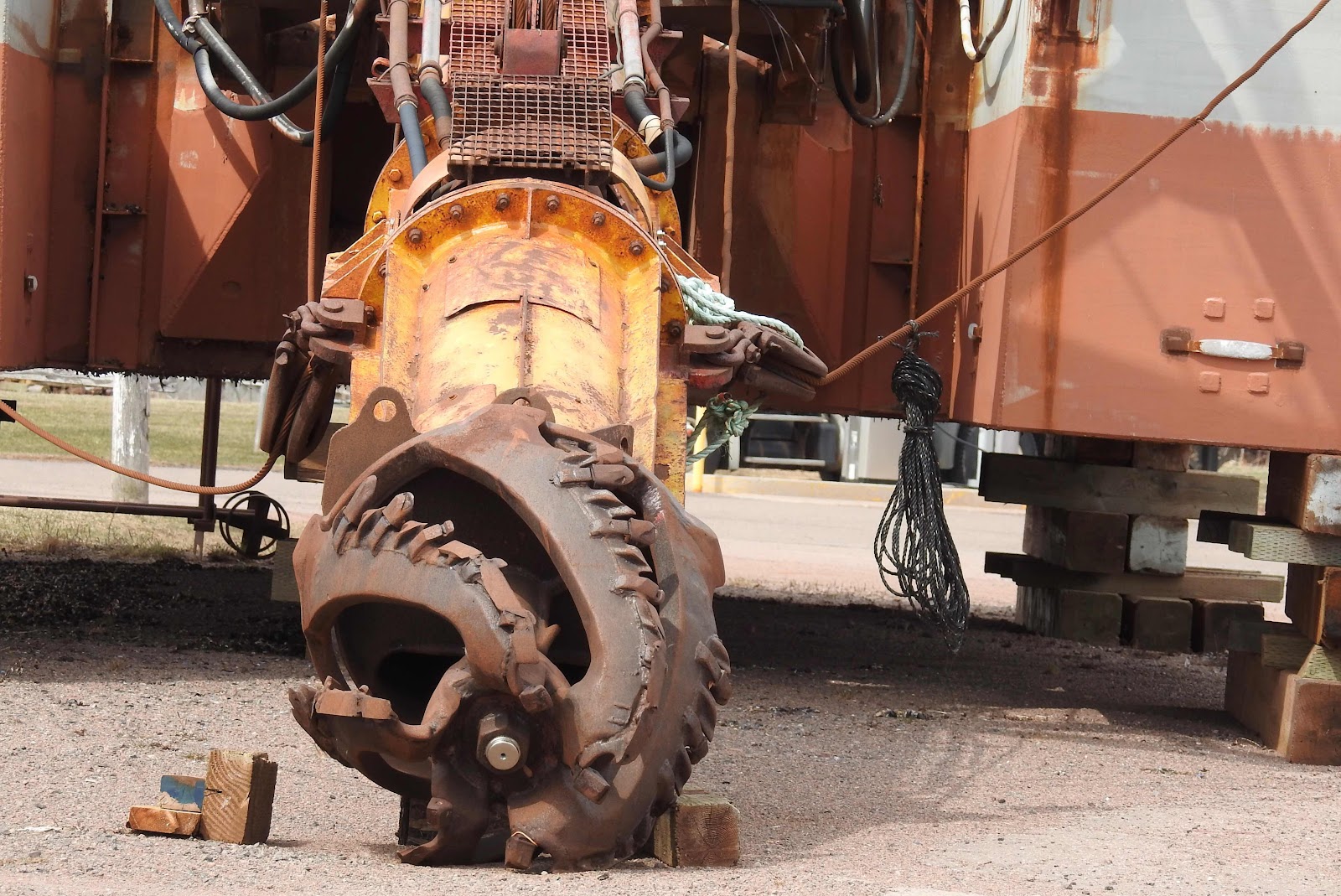
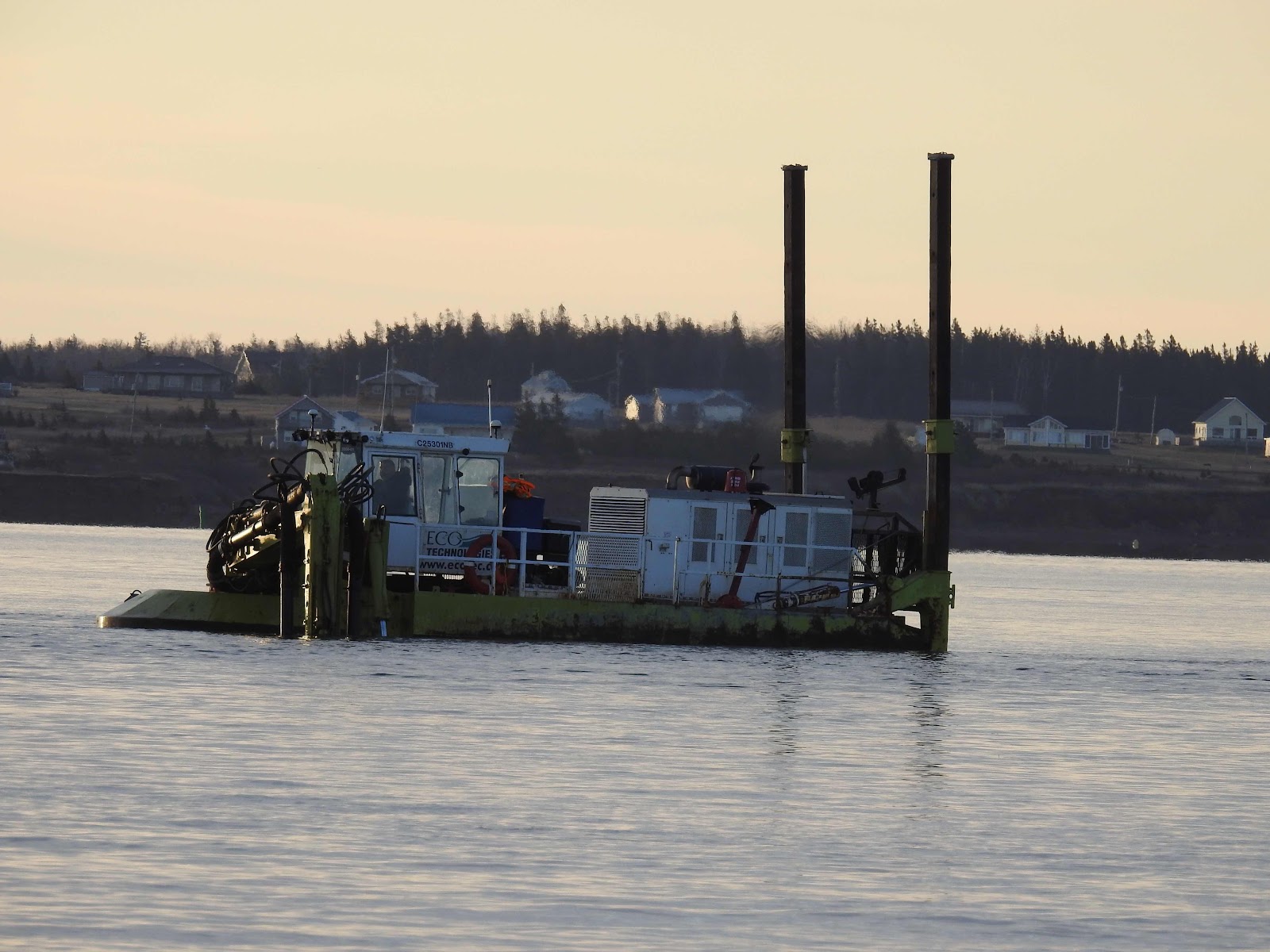
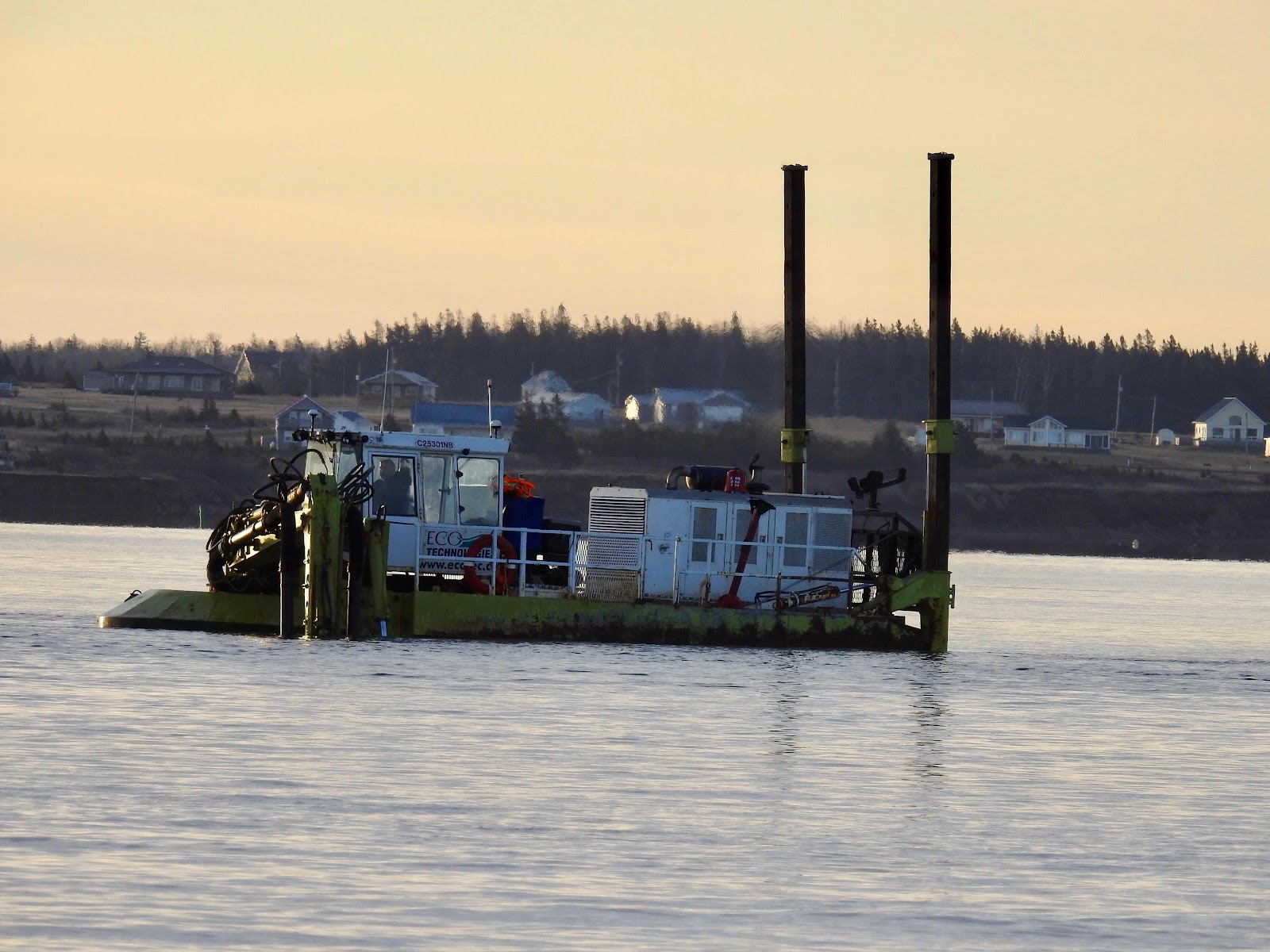
Last week in a nearby inlet, we saw a dredger which was pulled ashore,


allowing us to see the cutter head which bores into the seabed. 
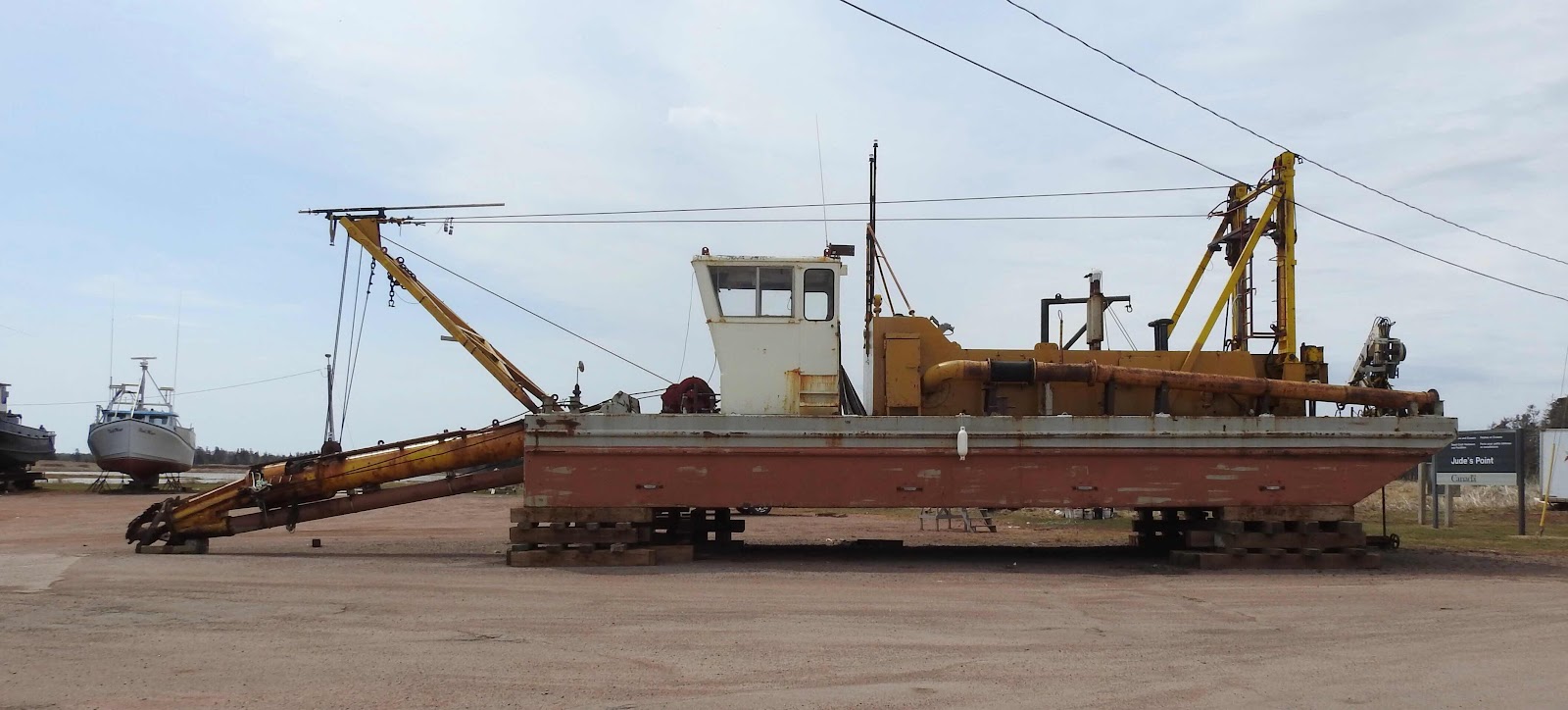


The sand is sucked through the dredger and ejected away from the shipping channel. With the weather co-operating, the dredging done and gear and boats ready, Setting Day was Tuesday.


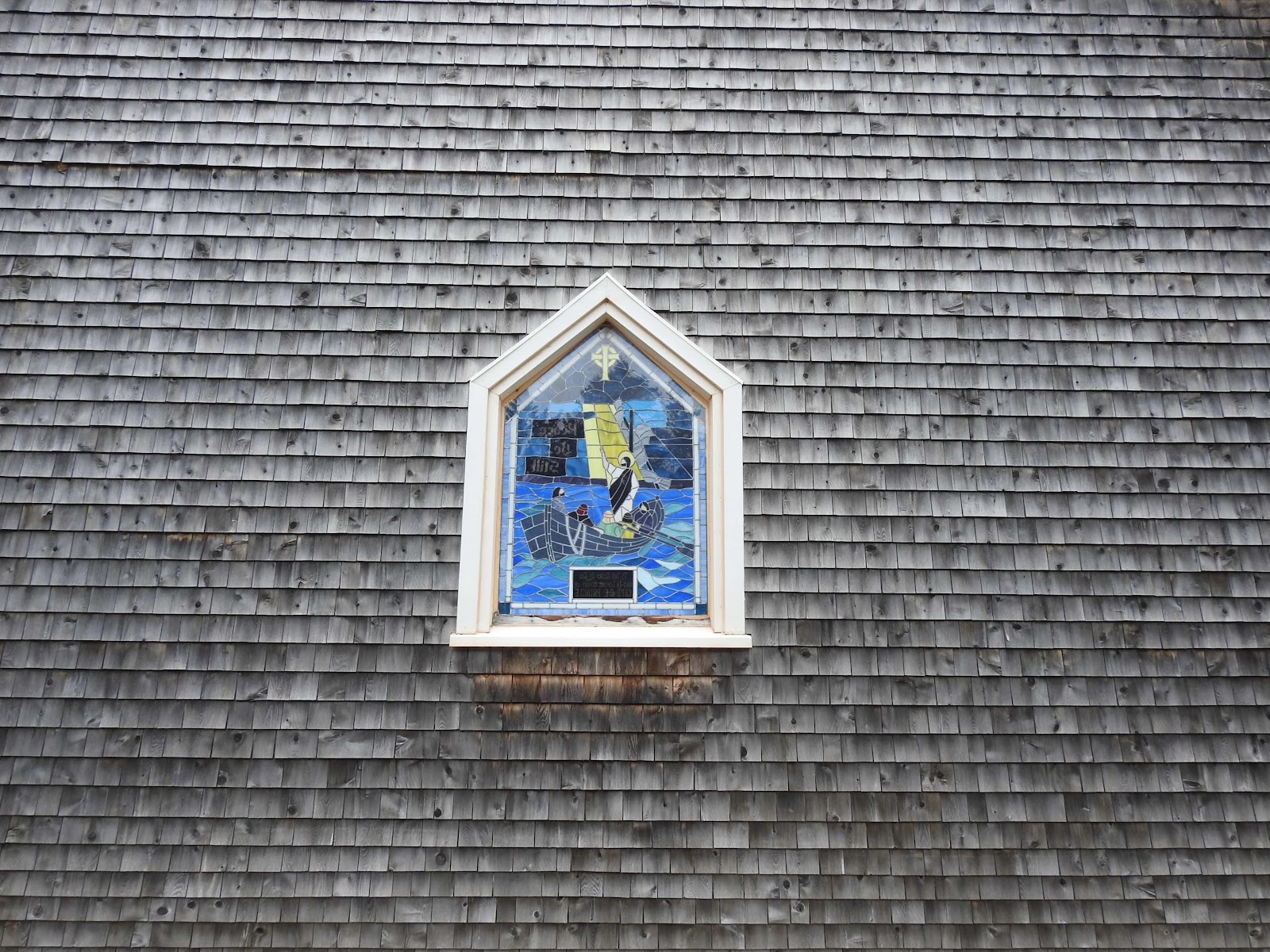
That day on the northwest coast, we had our picnic lunch in the yard of Christ Church at Kildare Capes, a peaceful setting along the coastline. There is a stained glass window at the back of the church with the words, “Peace be still,” whilst Jesus stands in a boat amid stormy seas. It is a reminder of the danger of working at sea and the faith of many people on the island. 


Meanwhile, as is the tradition with many island families, we are having our first lobster of the season for Mother’s Day this Sunday. Even the children enjoy a meal of lobster. It is a part of island culture which our family enjoys.
Wednesday, 8 May 2019

Out of the blue

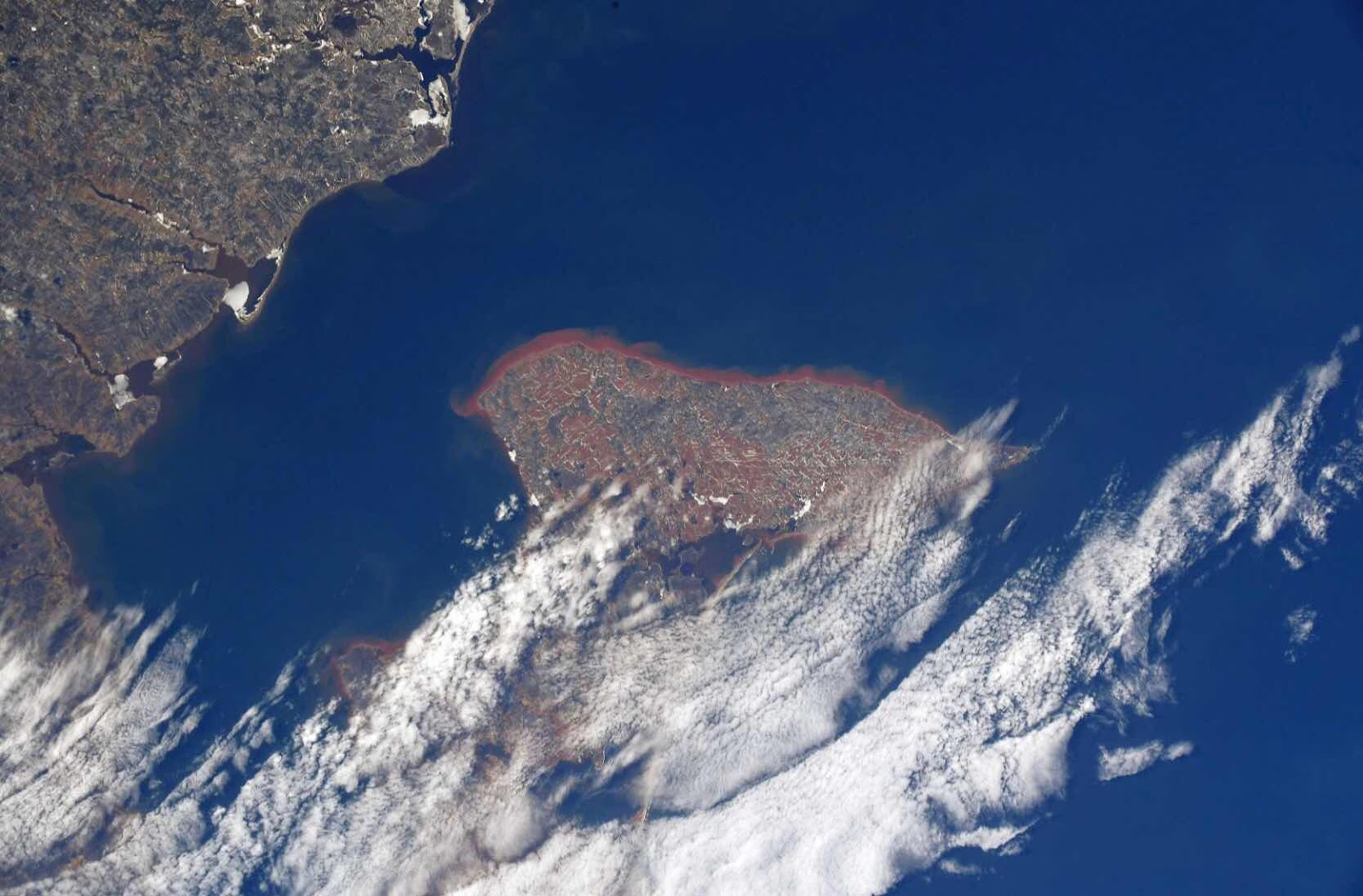
A NASA photo recently posted by Canadian astronaut, David St. Jacques, shows how the red soil and sand weep into the water around Prince Edward Island.


                     NASA photo

Fishers around the island see the results of this erosion every year as sandbars off-shore make travel in and out of ports hazardous.


Every year, dredgers work along the coast of the island to make it possible for mariners to safely navigate the coastal waters. One area with problems in recent years is at Malpeque. There, a sheltered harbour provides protection from the storms which lash the north shore of the island but the channel to the Gulf of St Lawrence, past Cabot Beach, must be dredged regularly. Last year, one vessel capsized on its return to port. While fishers survived the ordeal, the event highlighted the danger and the problem with erosion of the coastline.


This spring, prior to the start of the lobster season, a dredger started work on that channel. 


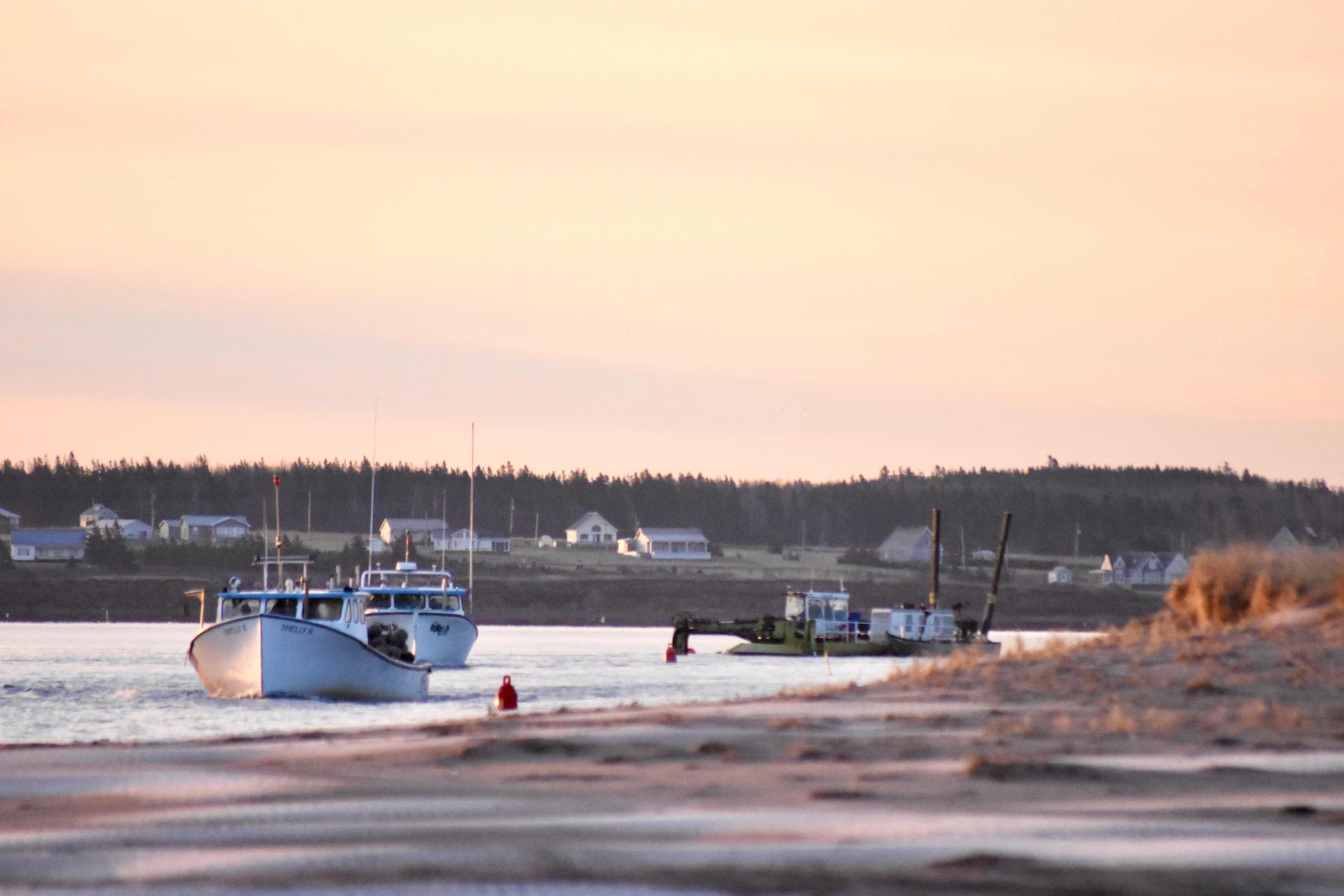
Work continued on Setting Day, the start of the lobster season. We could see the dredger from Cabot Beach and watched with interest as the lobster and mussel boats passed the dredger on their way through the channel.


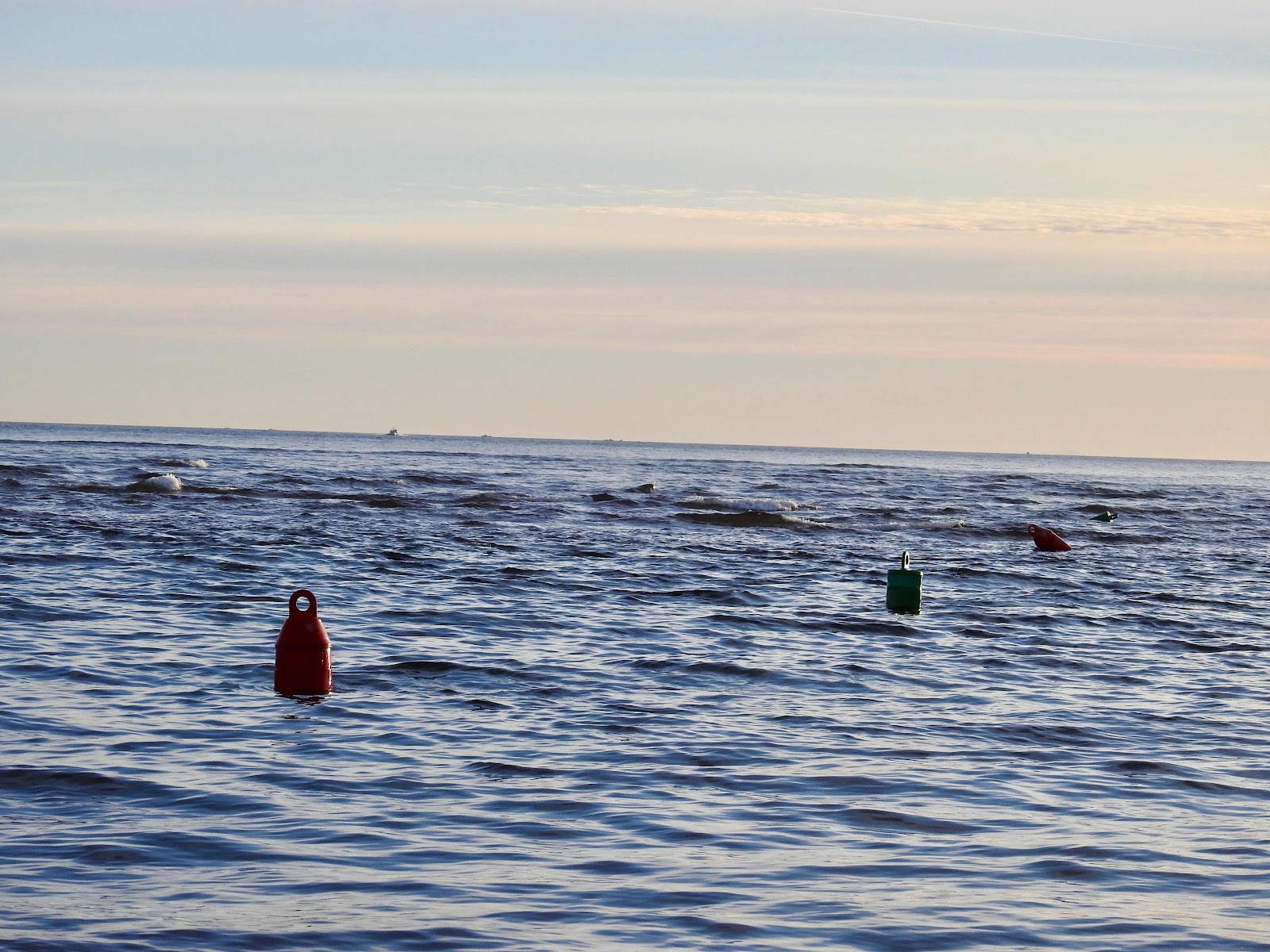
Boats kept between the red and green buoys which marked the channel. The boats were surprisingly close to shore, mere meters from the beach. Past the outside buoys, at high tide, 


you could see the shallow water, evidence of sand bars, which at low tide would be high and dry.


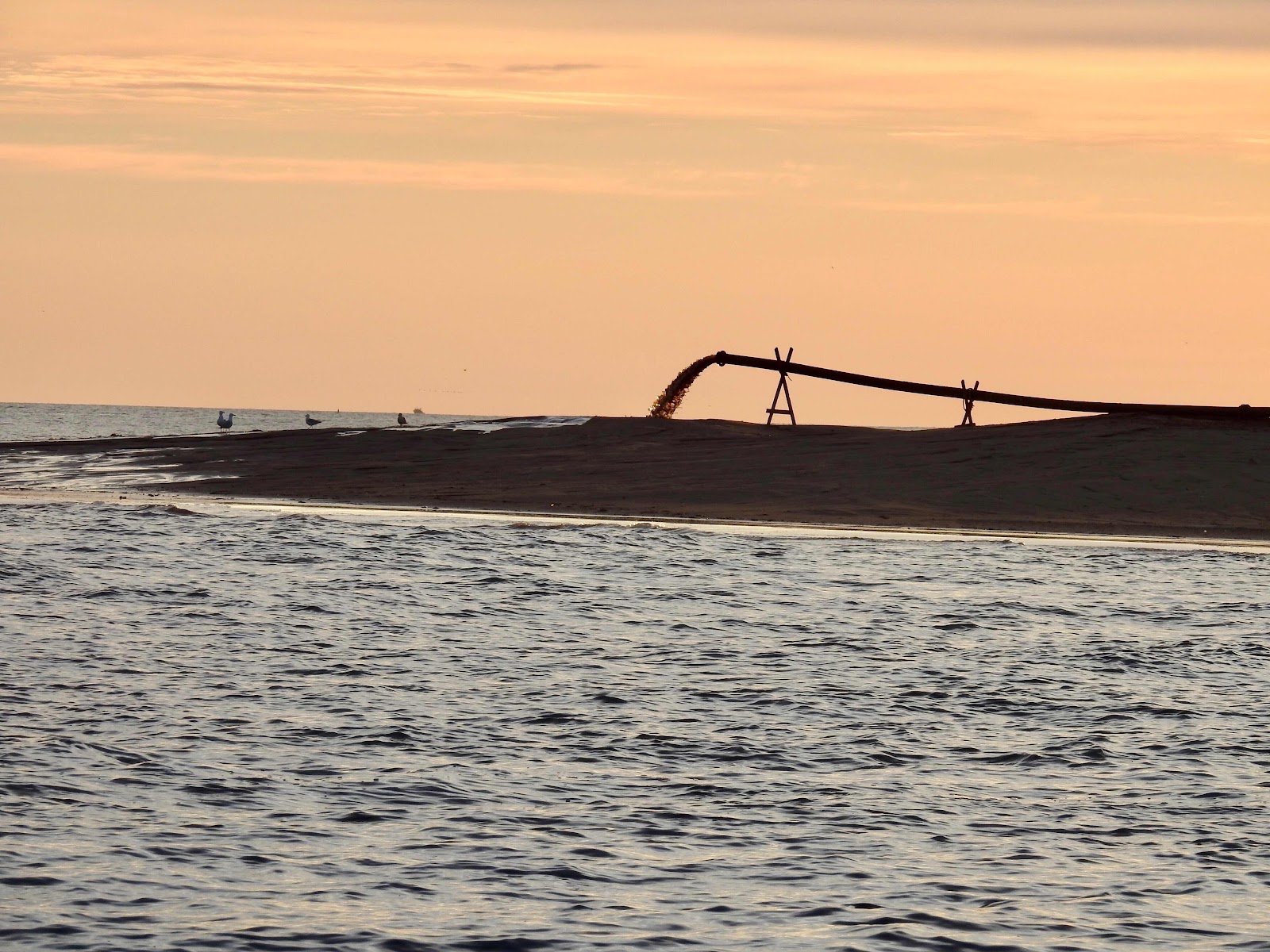
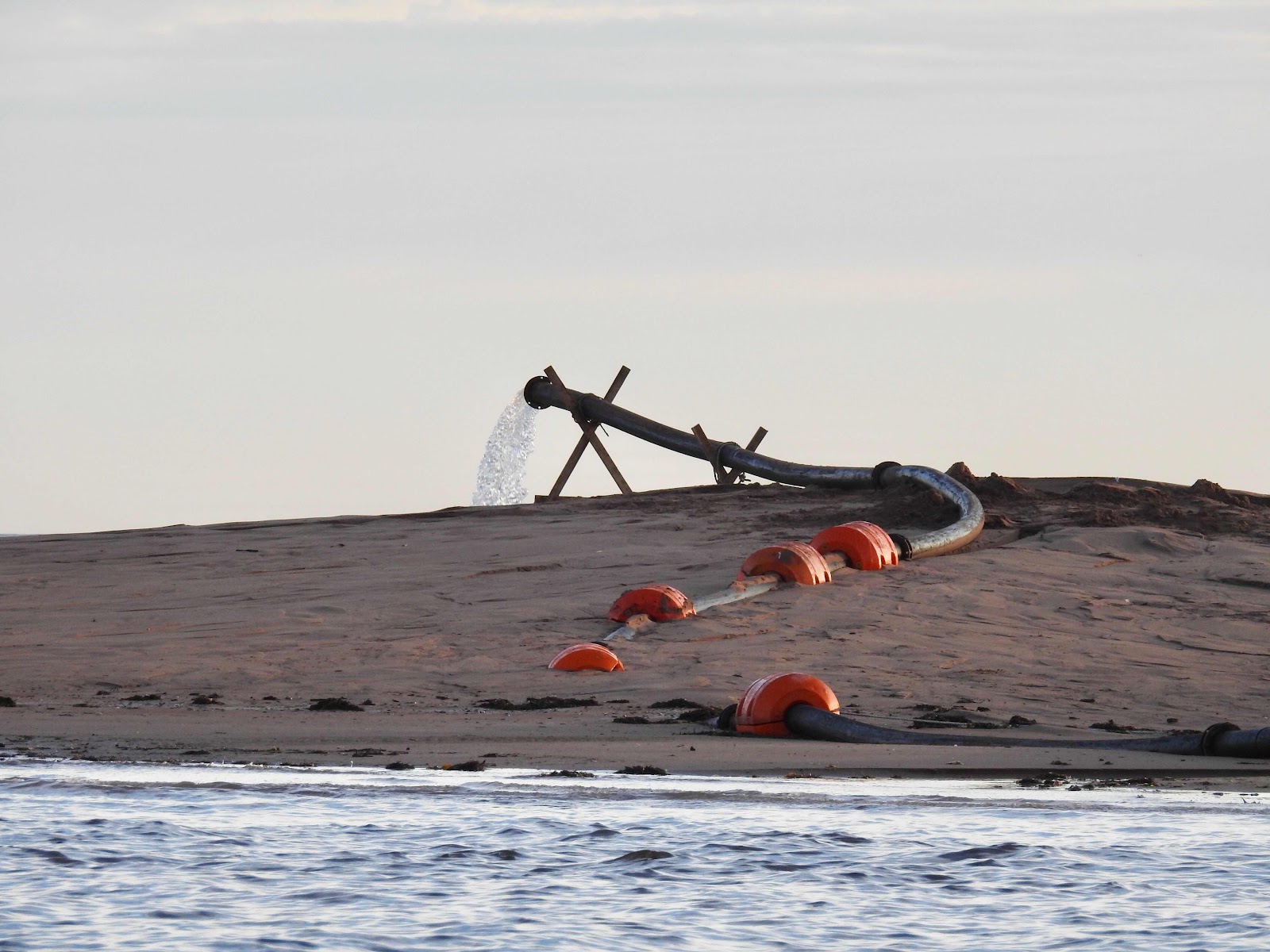
The dredger worked like a vacuum attached to an exhaust pipe from which water and sand poured. The pipe was long, emitting the sandy water on a nearby sandbar. 


Sometimes the water ran clear but within minutes, 


sandy water was emitted again. Always the opportunists, seagulls were camped out nearby to take advantage of any edibles which were dredged up and extruded. 


This is important work along the coastline of our province and we were interested to see the process in action.