Most Popular Post

Showing posts with label Malpeque. Show all posts

Monday, 29 June 2020

An island beach experience

It was overcast and breezy but the humidity of earlier in the week had disappeared and taken the heat warning with it. It was time for a beach day with our family and the golden grand-dog, Georgie. We packed our picnic lunch and joined them at Cabot Beach. 
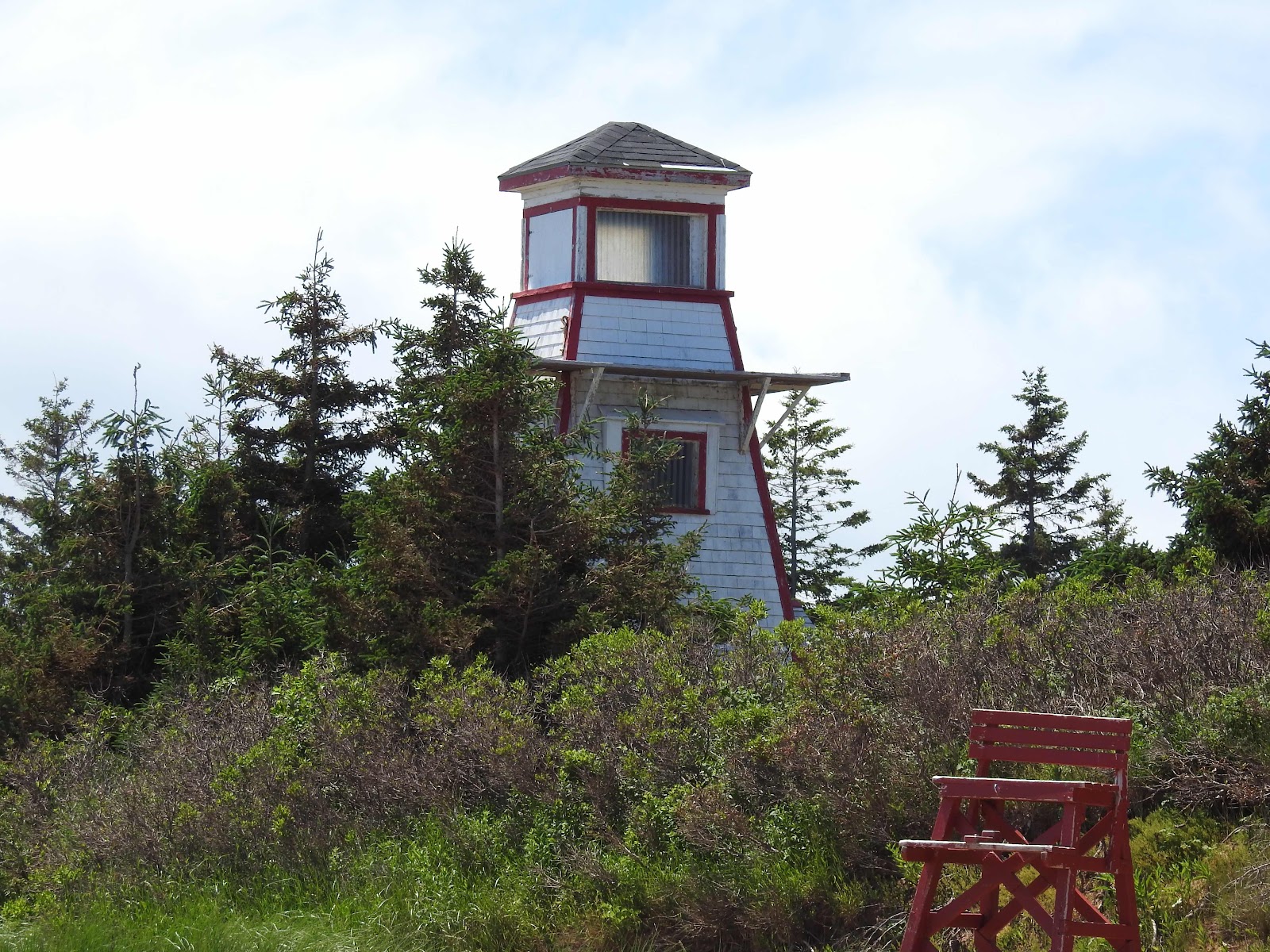


We arrived in time for lunch in the picnic area where we were the only people present. After some time in the playground, we went to the beach where we added to the less then twenty people there for the day. As soon as we set up, the sun came out and the breeze made the heat bearable.


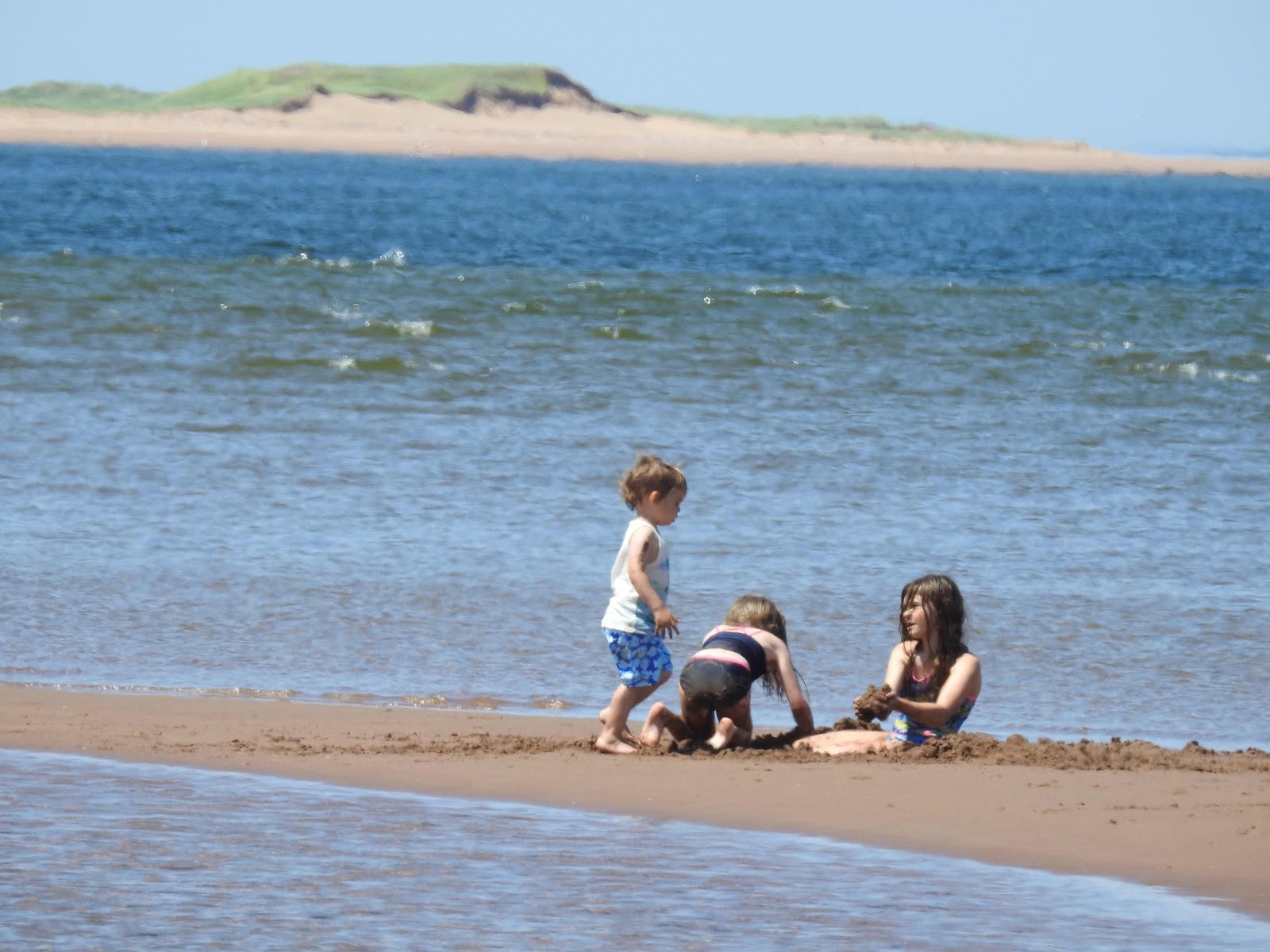
Our grandchildren love the beach and spend their time digging in the sand and swimming. They entertain themselves leaving the adults to keep a watchful eye and time to relax. My husband and I always bring umbrellas to the beach to provide the shade which we prefer.


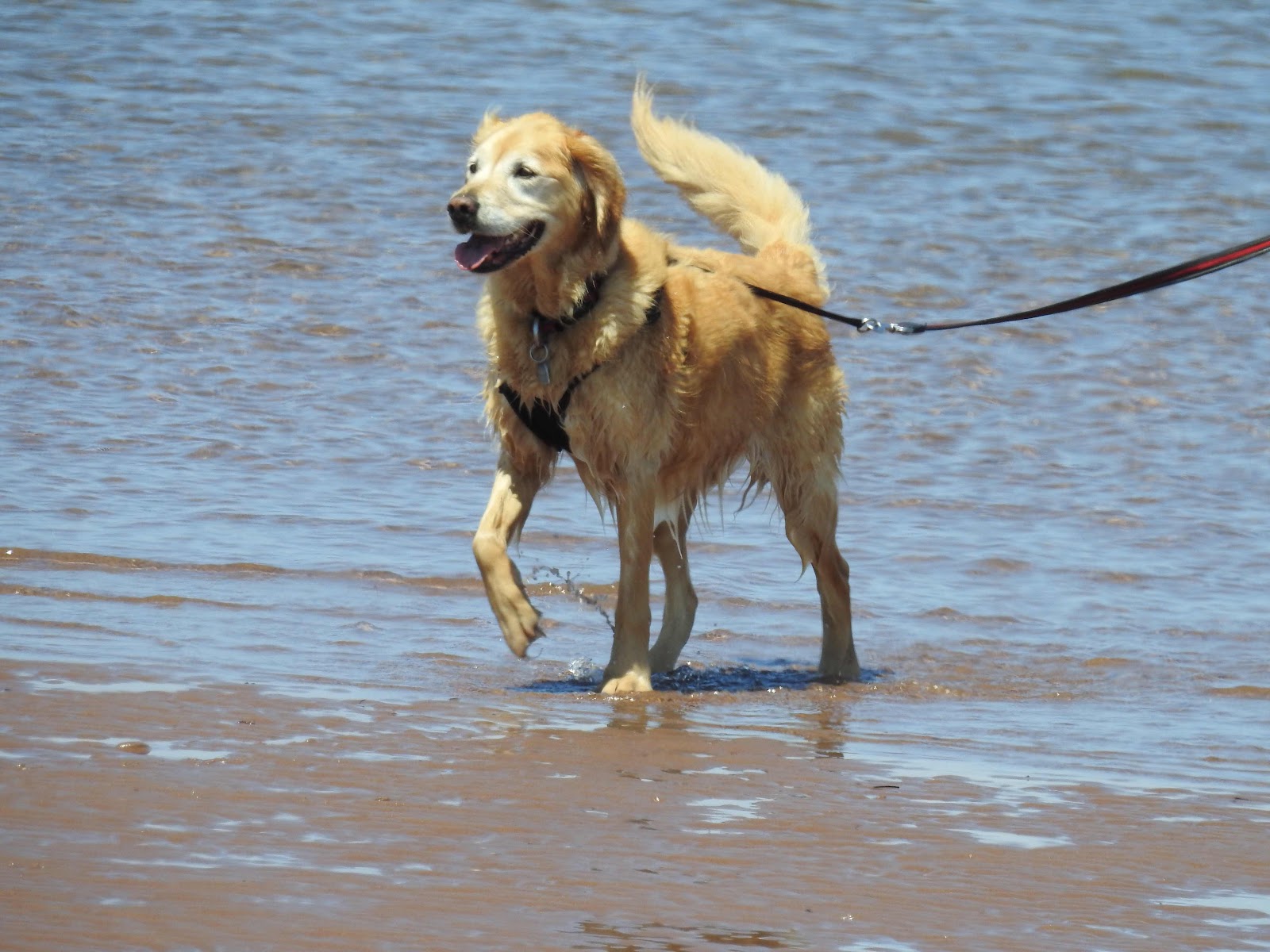
While we walked the beach, Georgie walked in the water with our daughter and the kids. She was satisfied for five minutes then whined for us, firmly planted in one spot watching us so we took her with us.


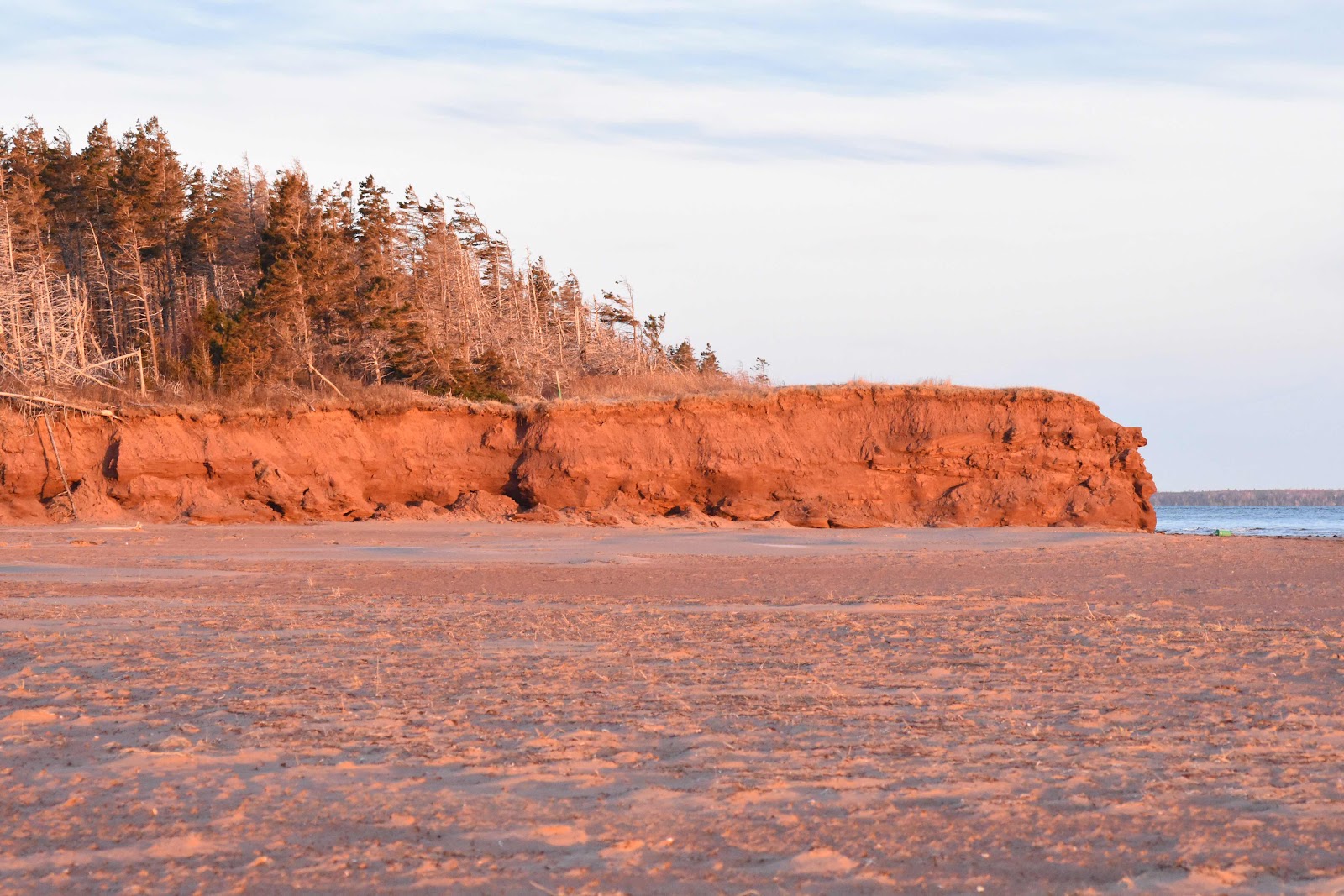
There were bank swallows flying around one part of the beach but their nests weren’t in this area. The shoreline takes a huge hit from erosion every year now 
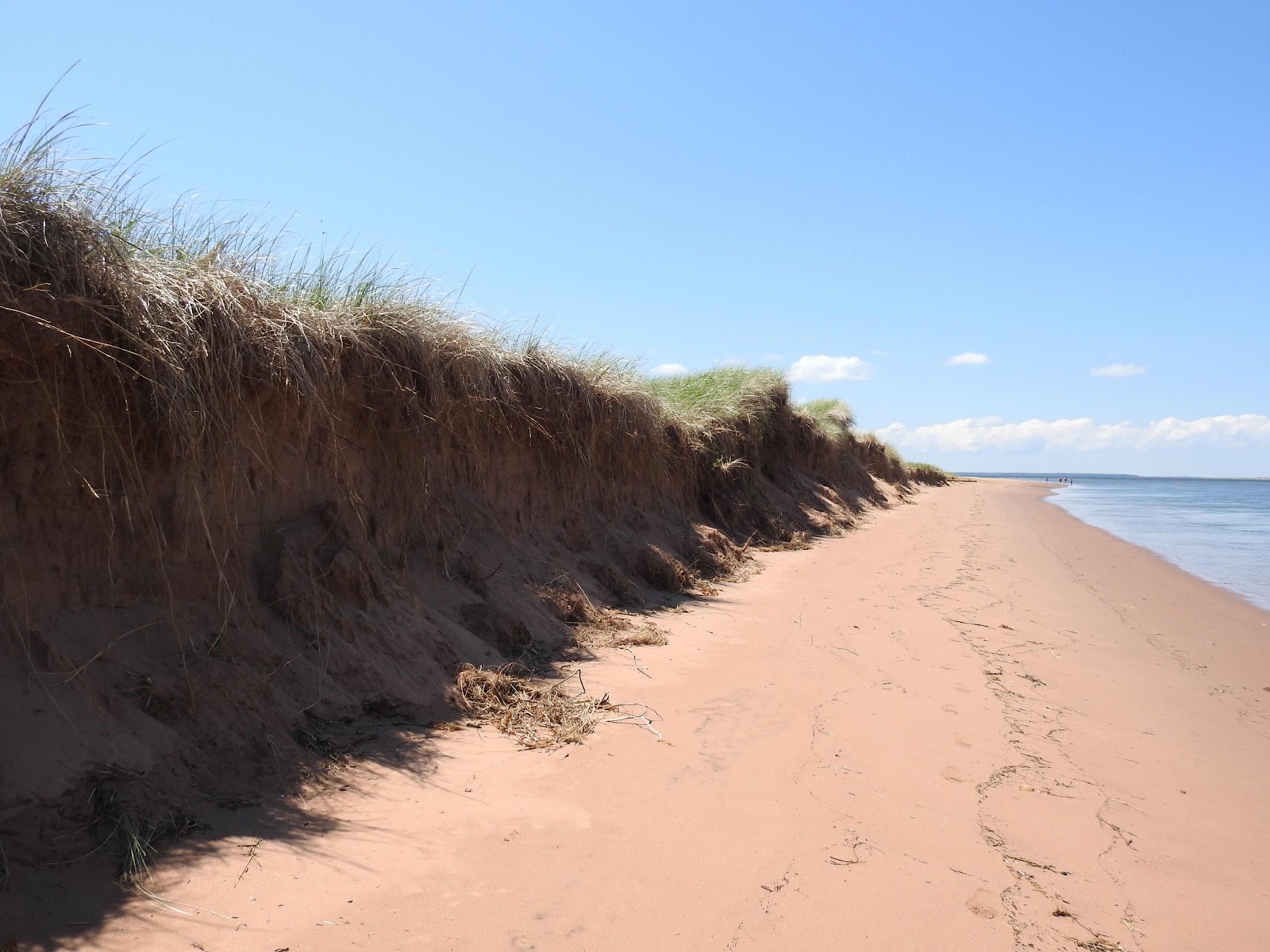


which causes sand to build up in the boat passage to the wharf in Malpeque. Dredging the channel is on-going again this year.


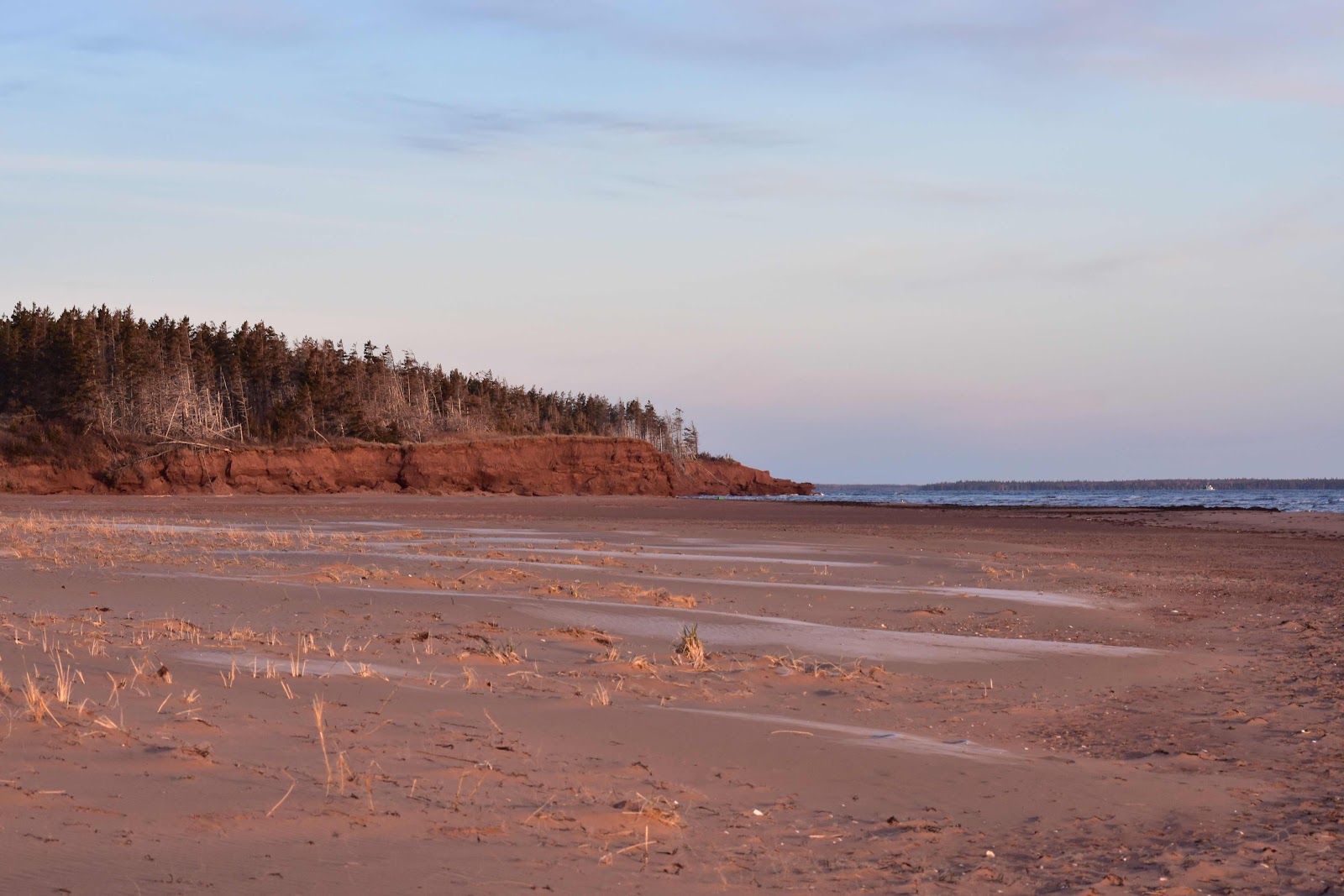
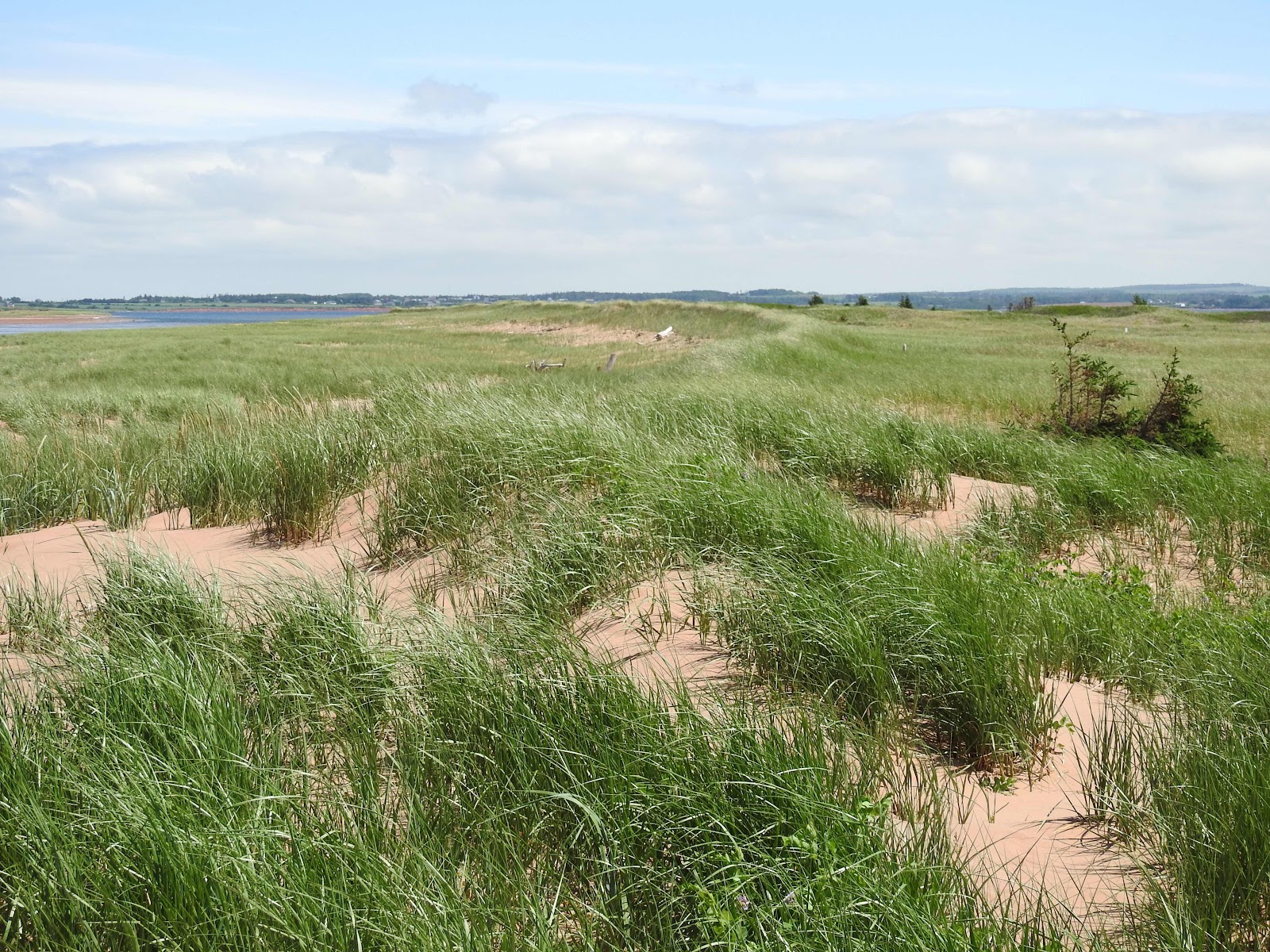
Marram grass has filled the upper part of the beach but the dunes have taken a hit over the past year.


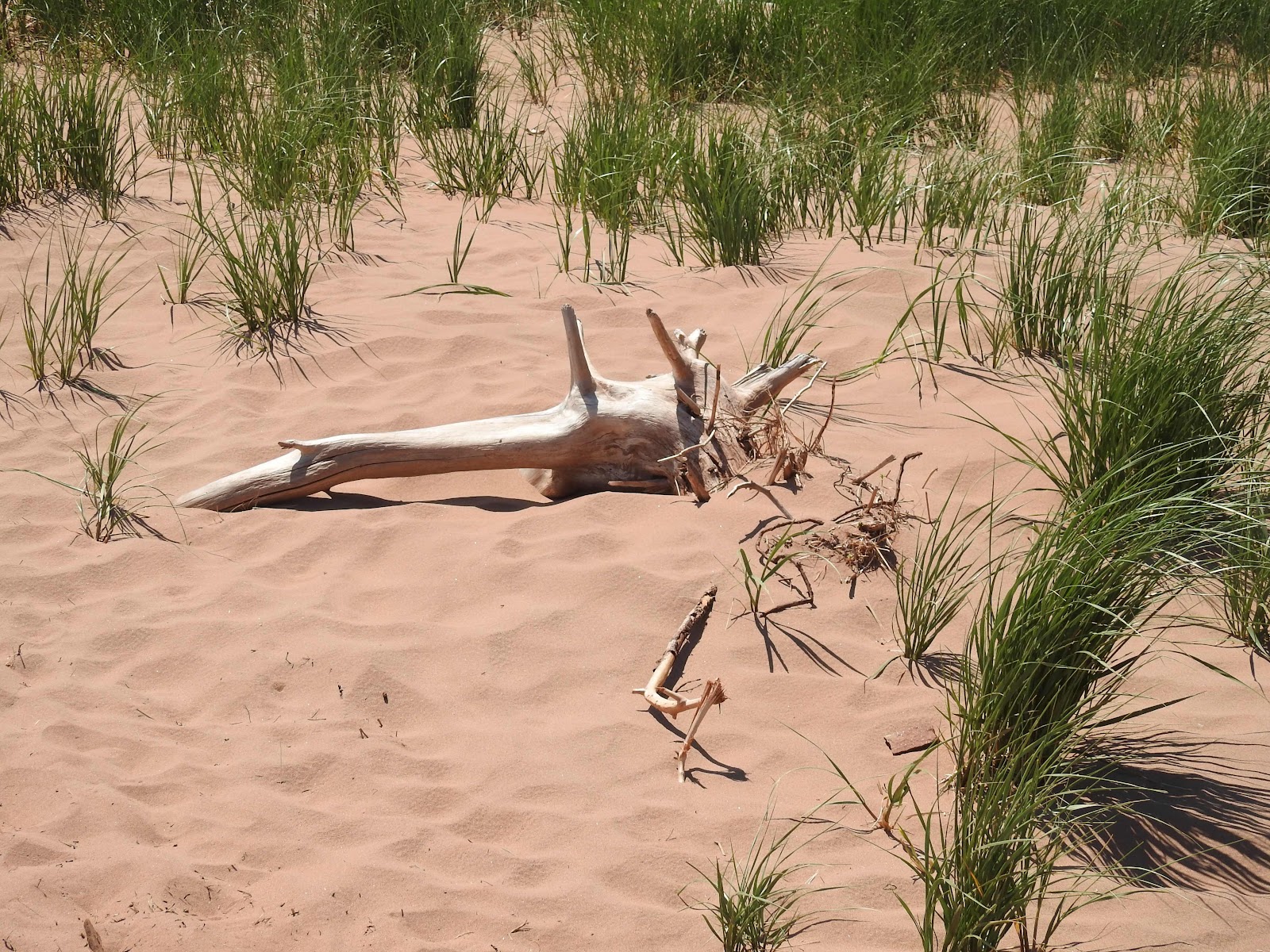
 Driftwood far up the beach has weathered resting in the sand.


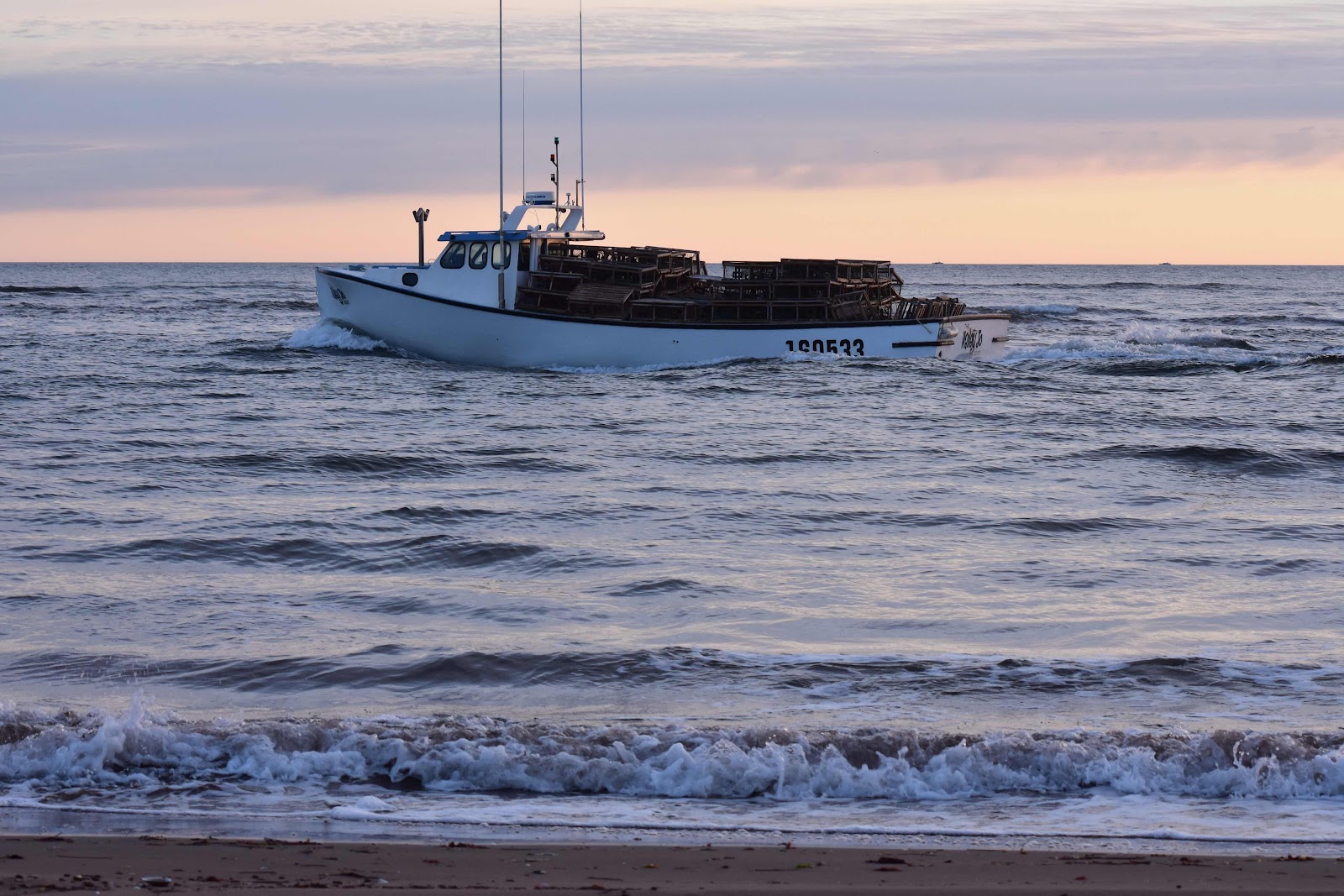
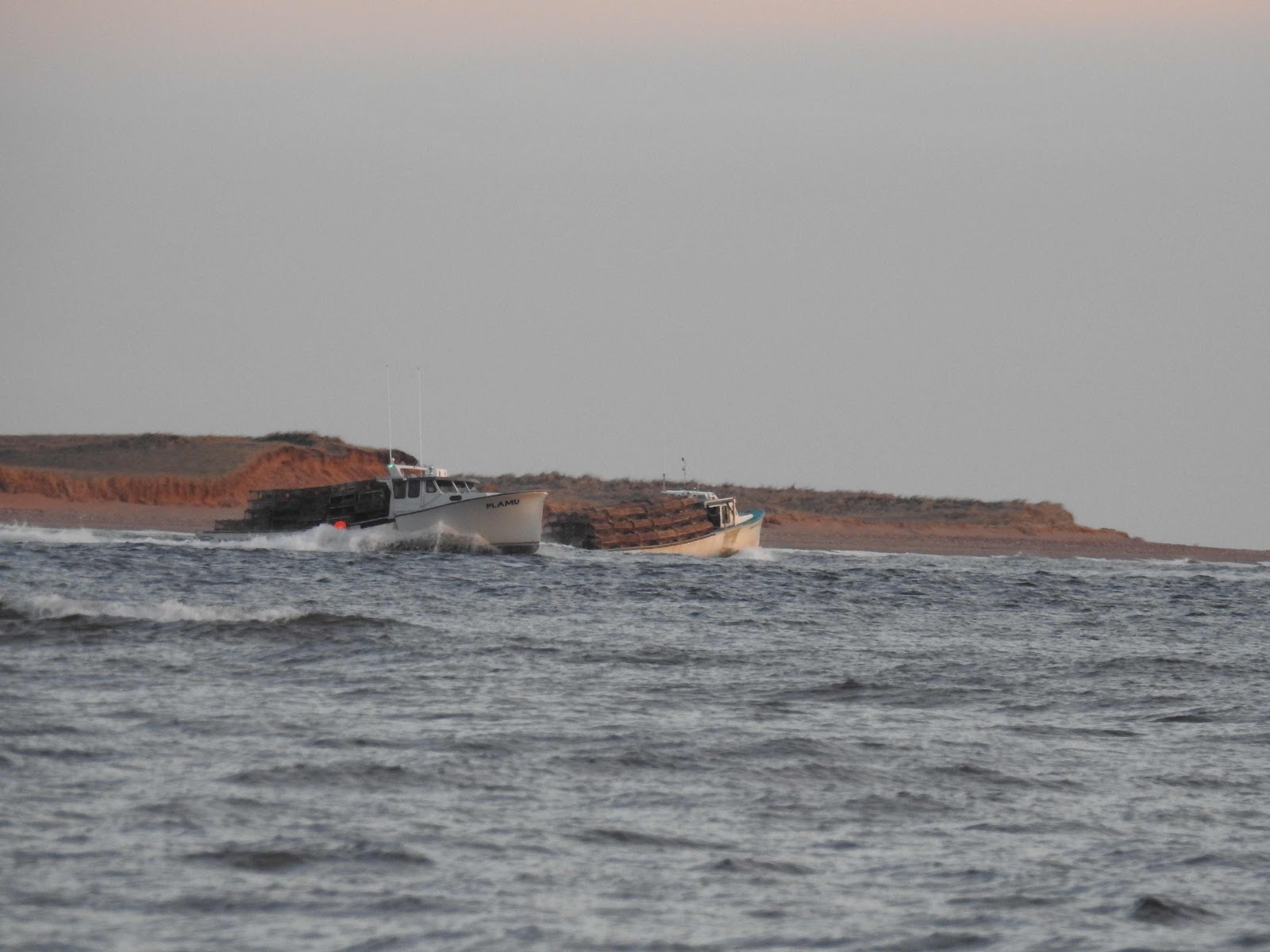
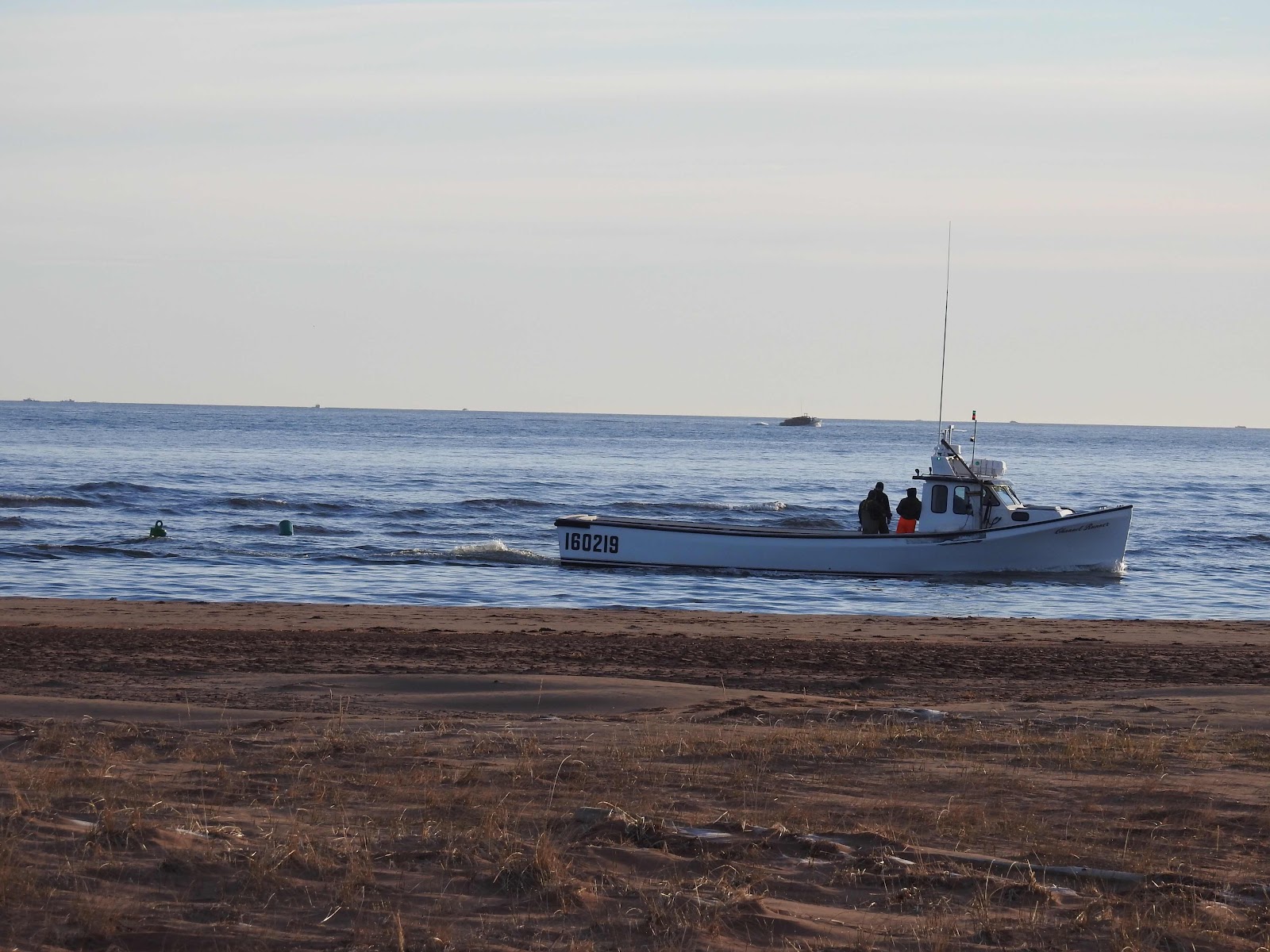
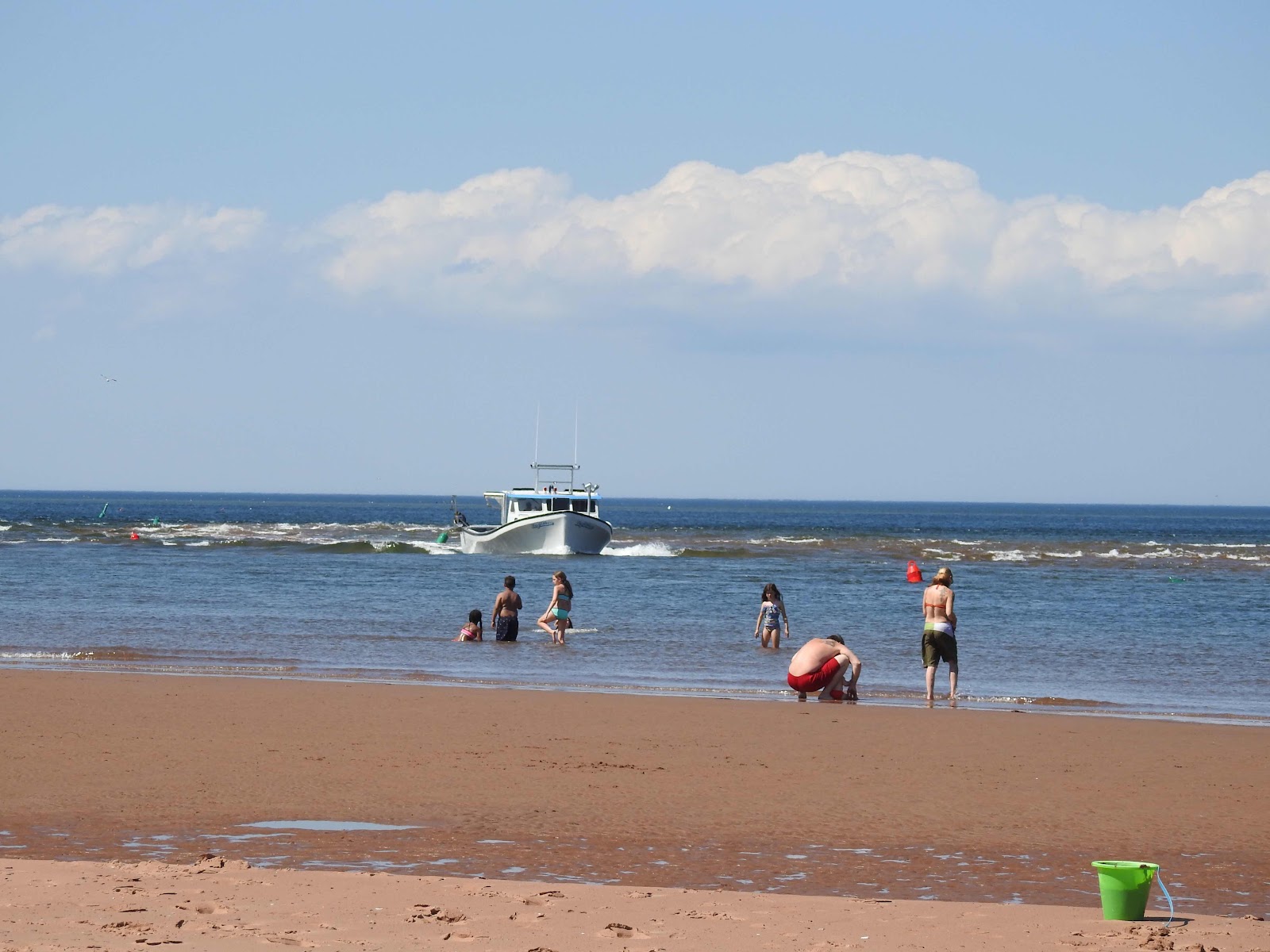
One of the things I love about this beach is the sight of the fishing vessels mere meters from the beach goers. The boats take care entering the dredged channel and many signal greetings to the beach goers as they pass. 


Meanwhile, near the entrance of the boat channel, a school of fish churn up the water, attracting the attention of the gulls. 
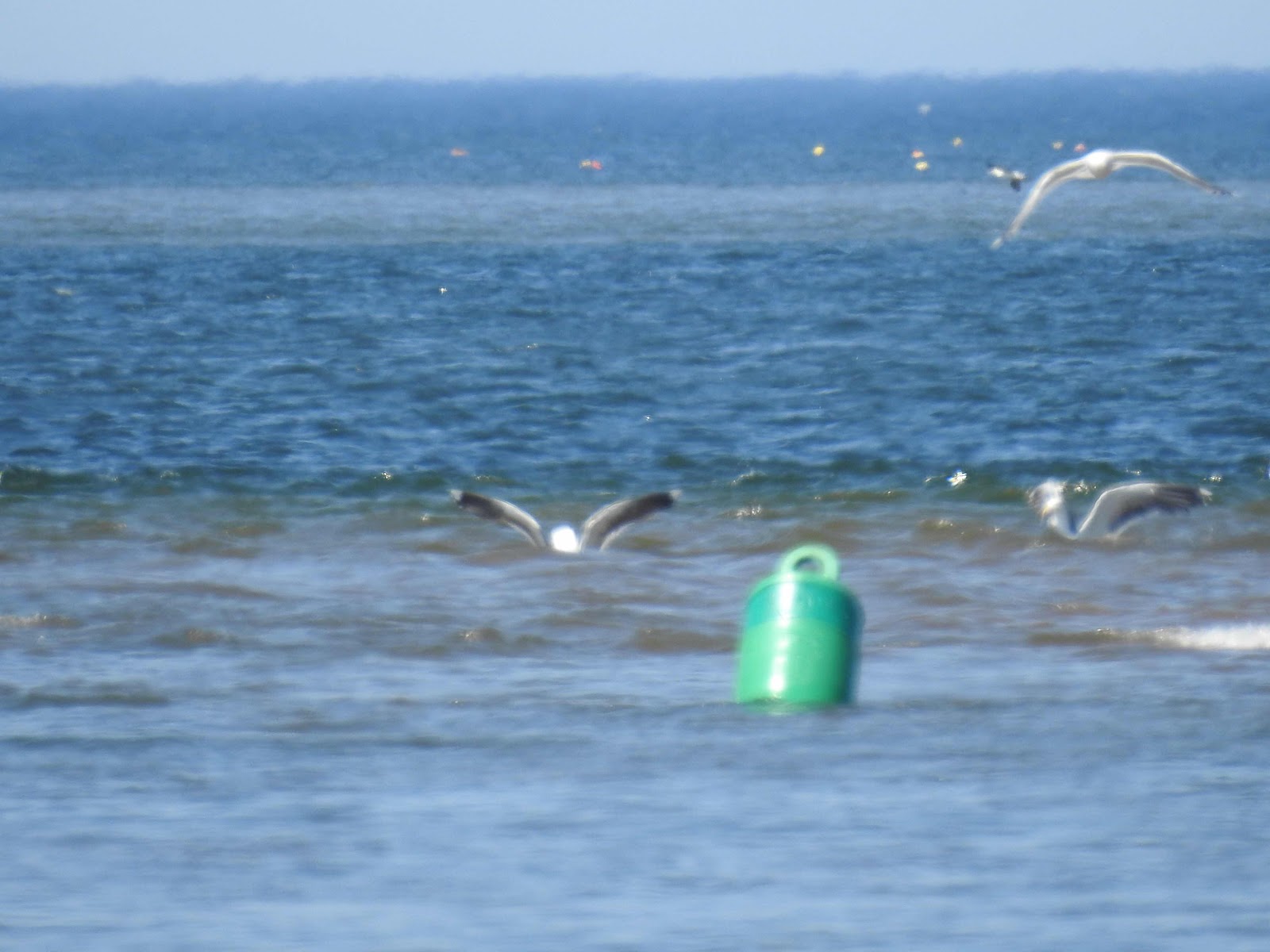


The fish are probably gaspereau, an Acadian name for alewife, a type of herring which move back and forth between salt and fresh water. They are moving upstream from the waters around Prince Edward Island to reproduce.


The interaction of nature, industry and people is interesting to observe in this place.

Friday, 10 May 2019

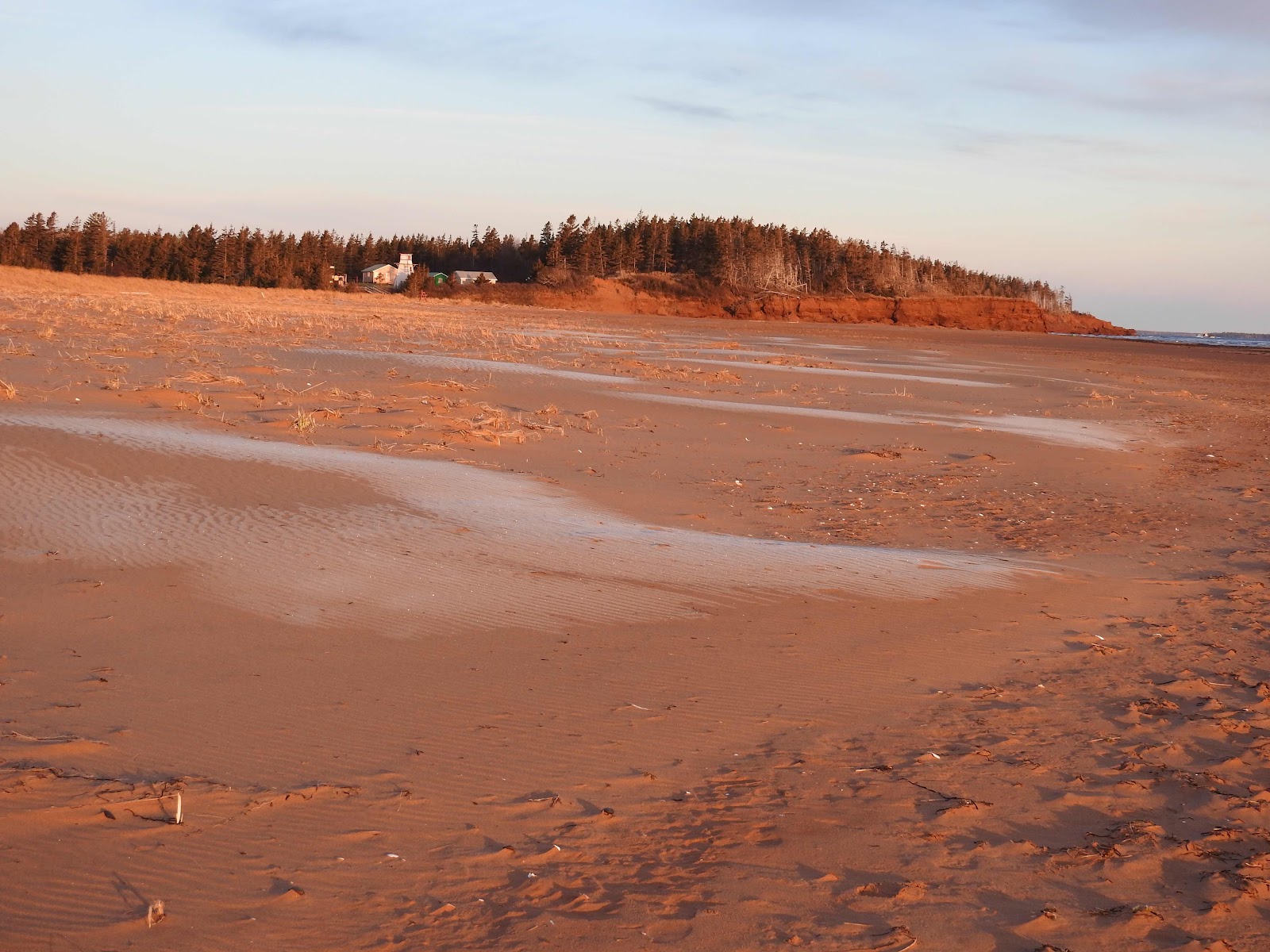
Cabot Beach at dawn

A week ago, we were at Malpeque for Setting Day, the first day of the lobster fishery in Prince Edward Island. However, while the fishers were busy on the water, Cabot Beach nearby was a treasure in itself that morning. 


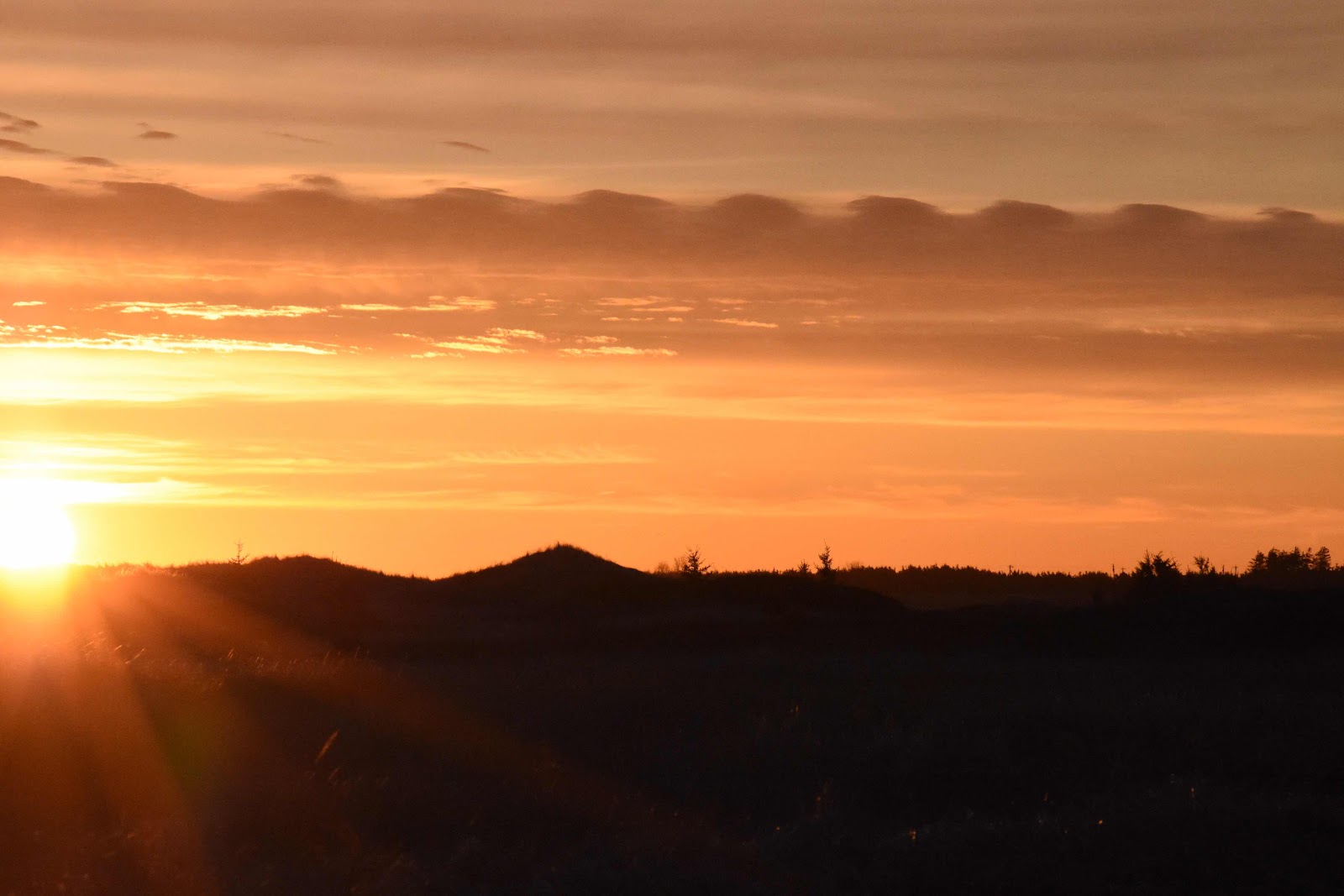
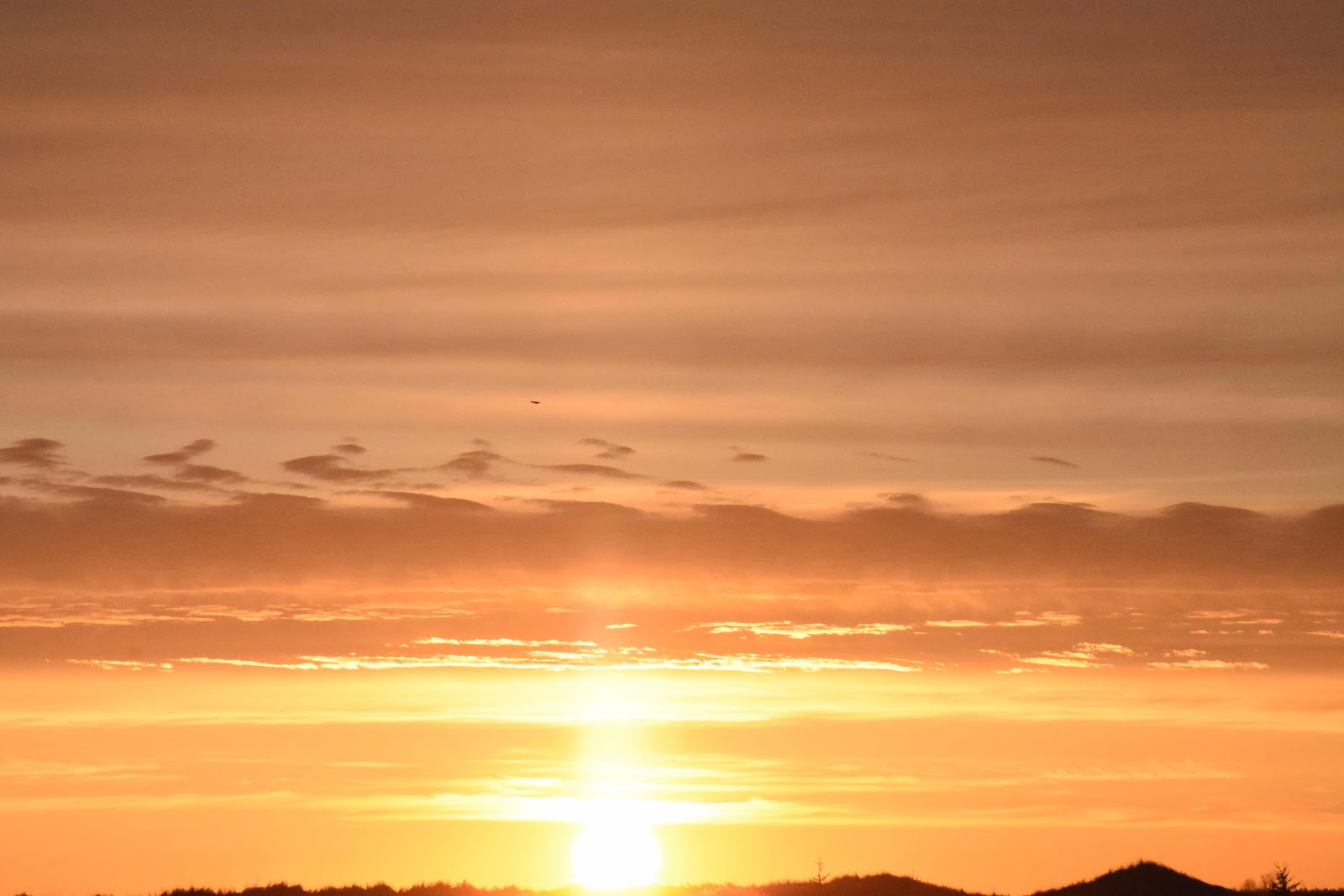
The early morning light alternated between a glow or a shadow as the sun played with the band of clouds. Frost collected in random areas along the beach, a testament to the cold of the early hour.


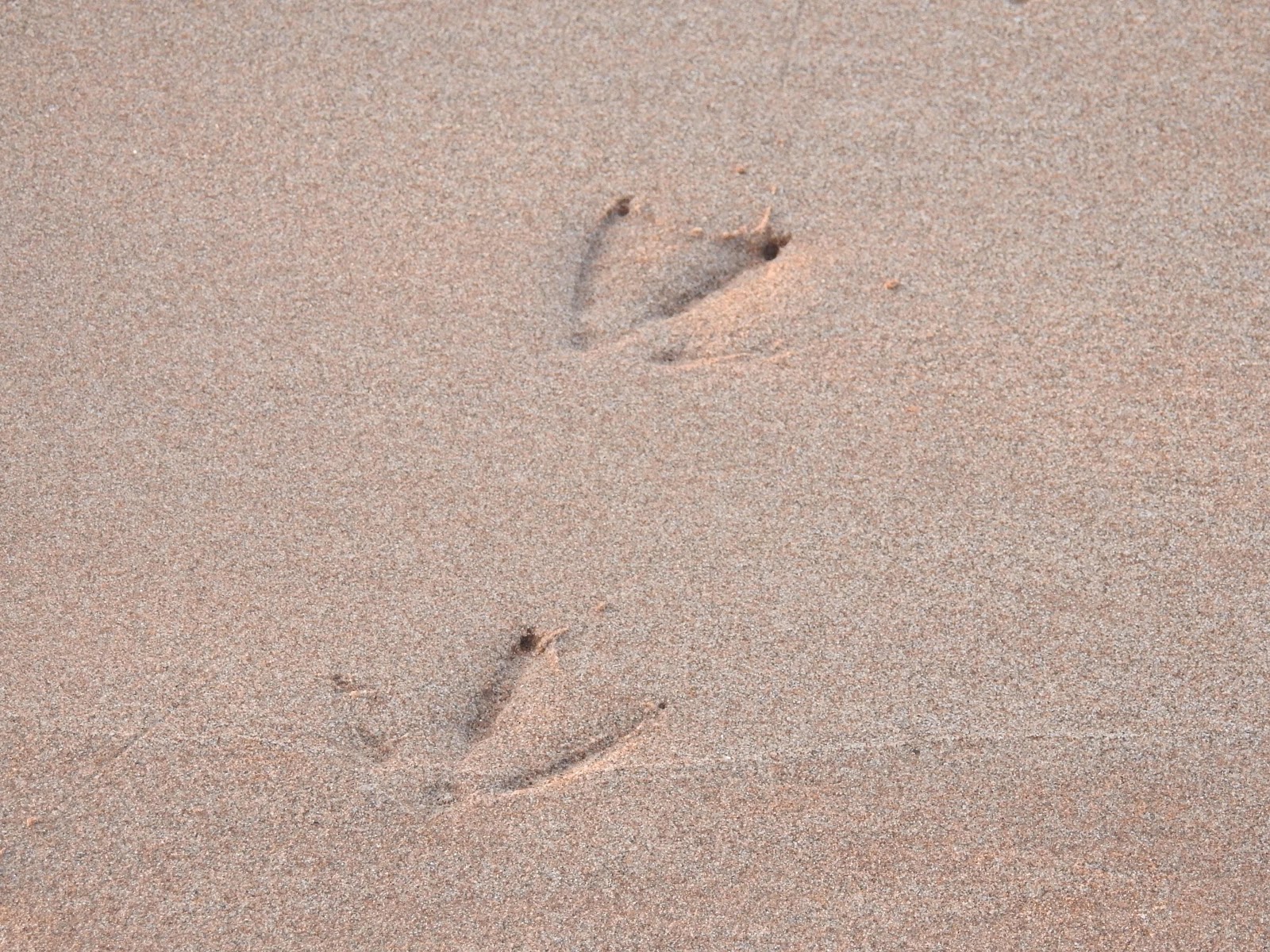
Evidence of the usual suspects was everywhere as the footprints of the gulls varied from tiny to large. 


The sky 


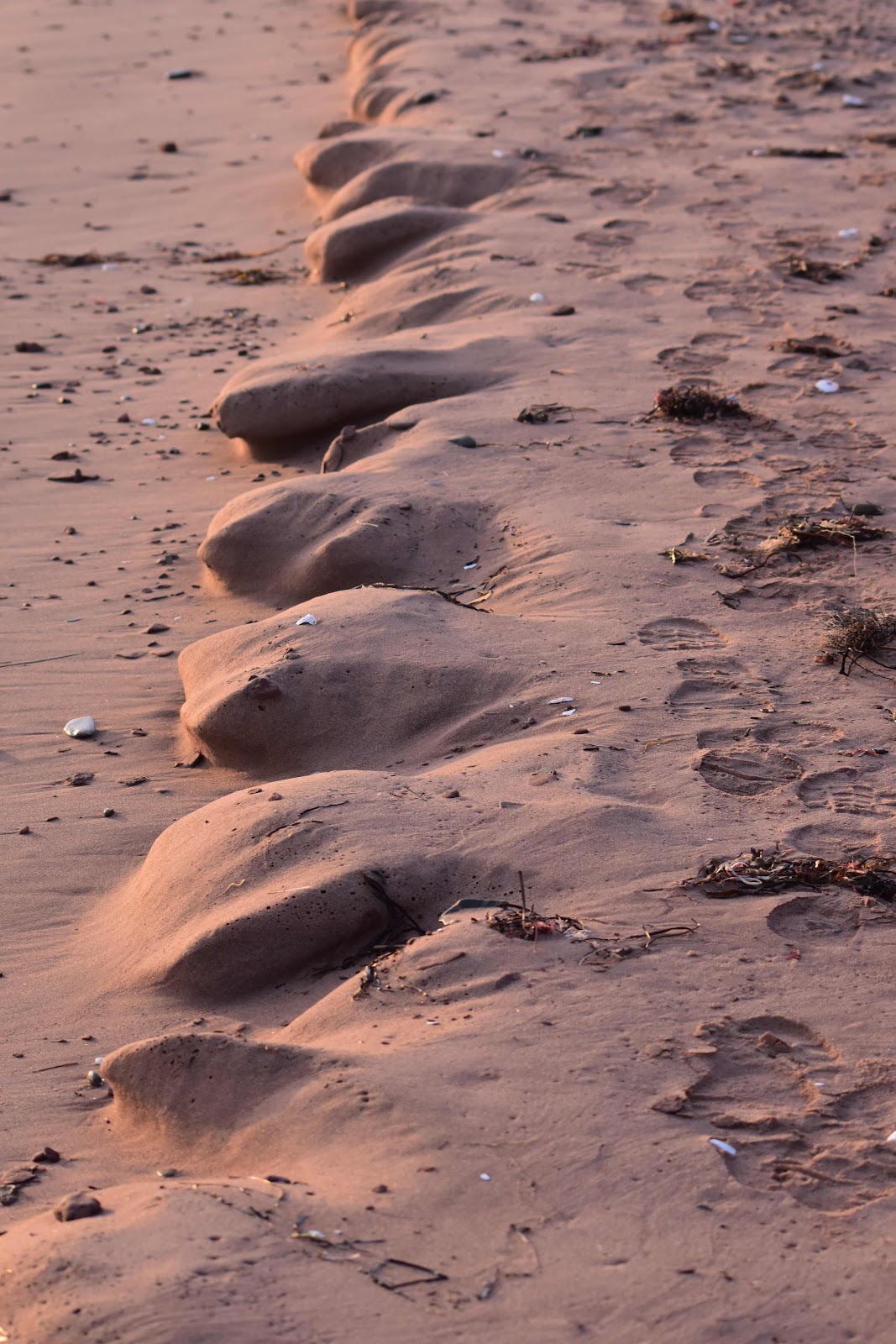
and sand imitated the wave action. 


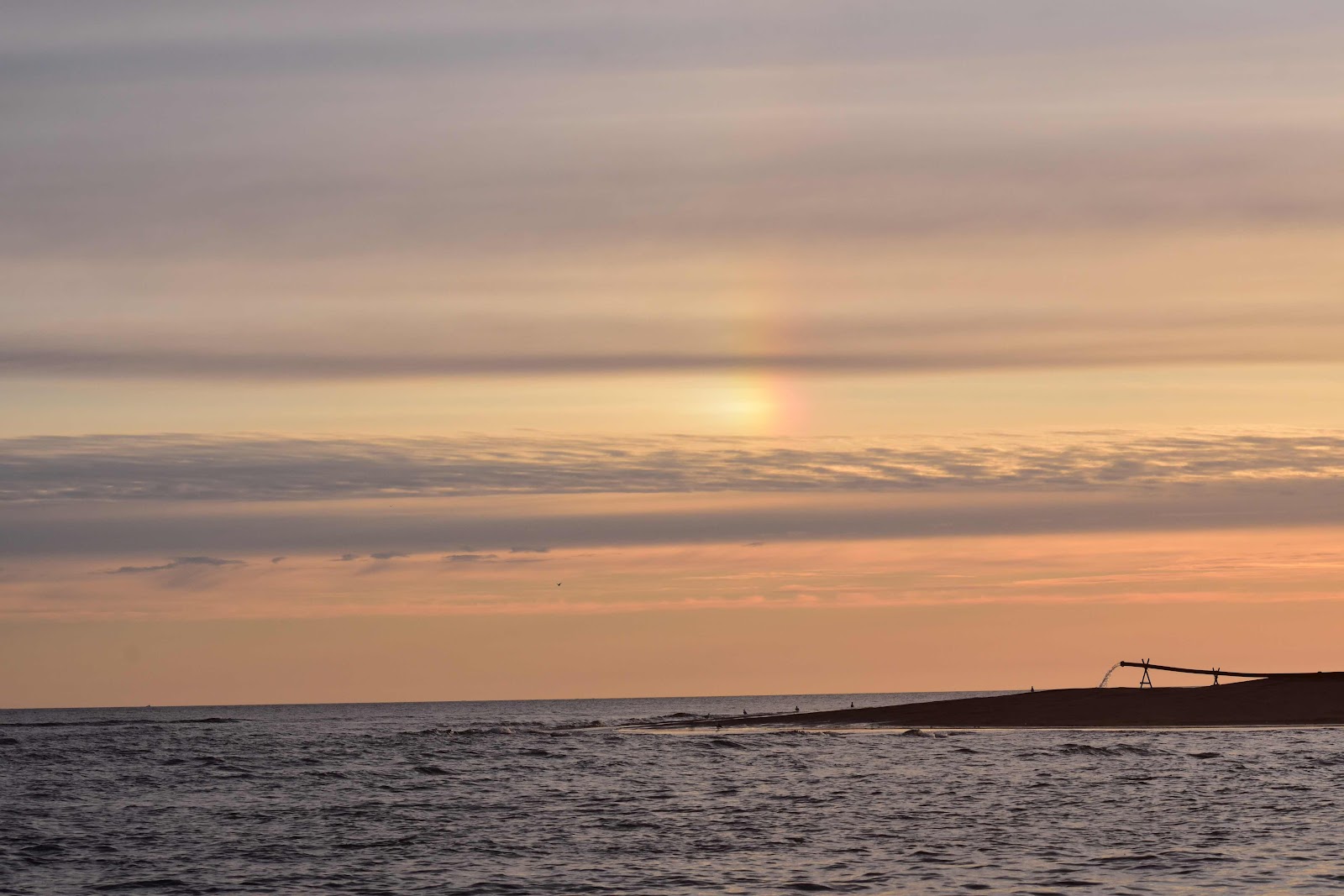
Between the bands of cloud above the horizon, part of a rainbow showed through, a rare sight indeed.


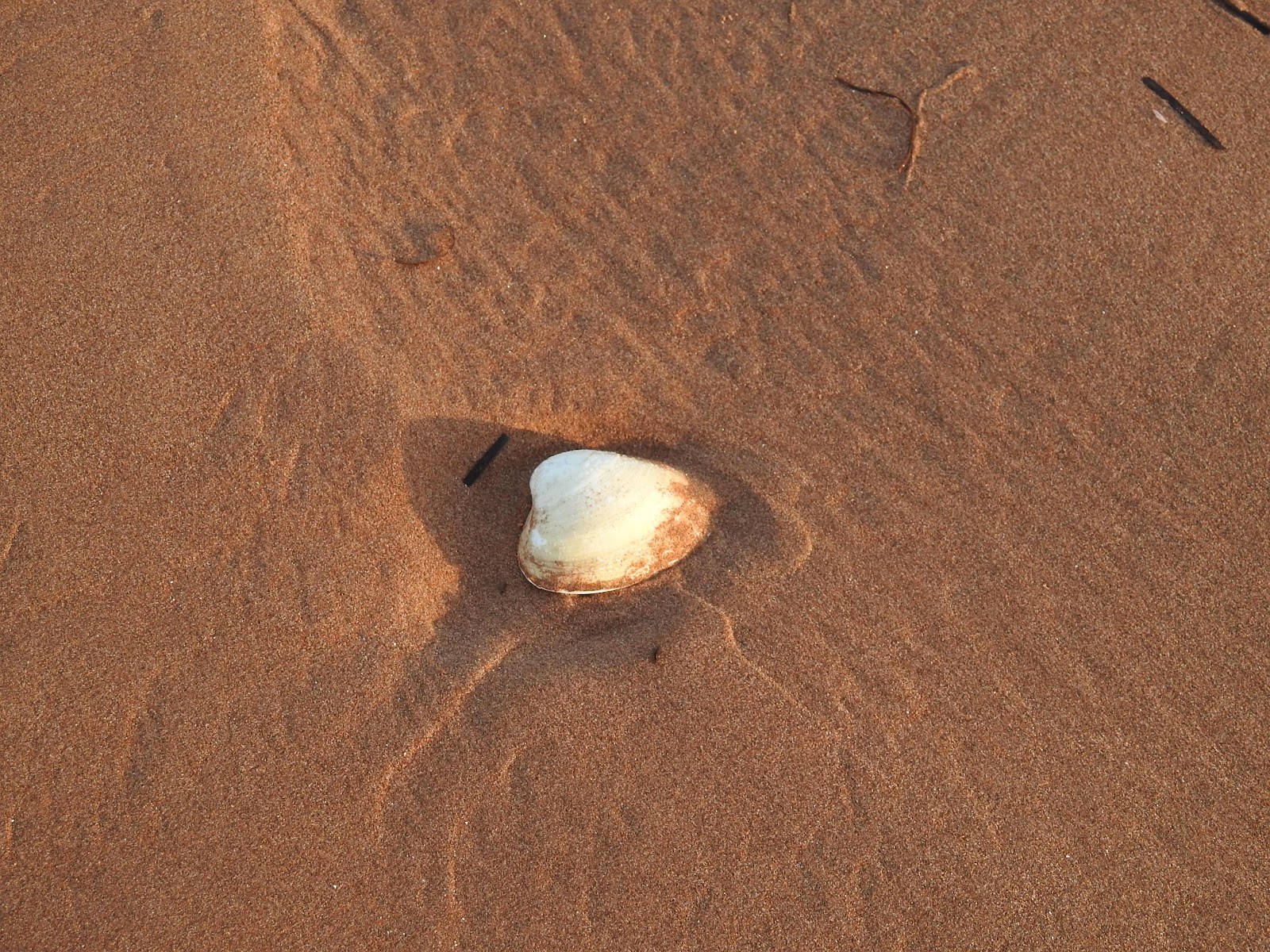
Remnants of sea life such as clams and crabs were spread over the beach as was abundant seaweed.


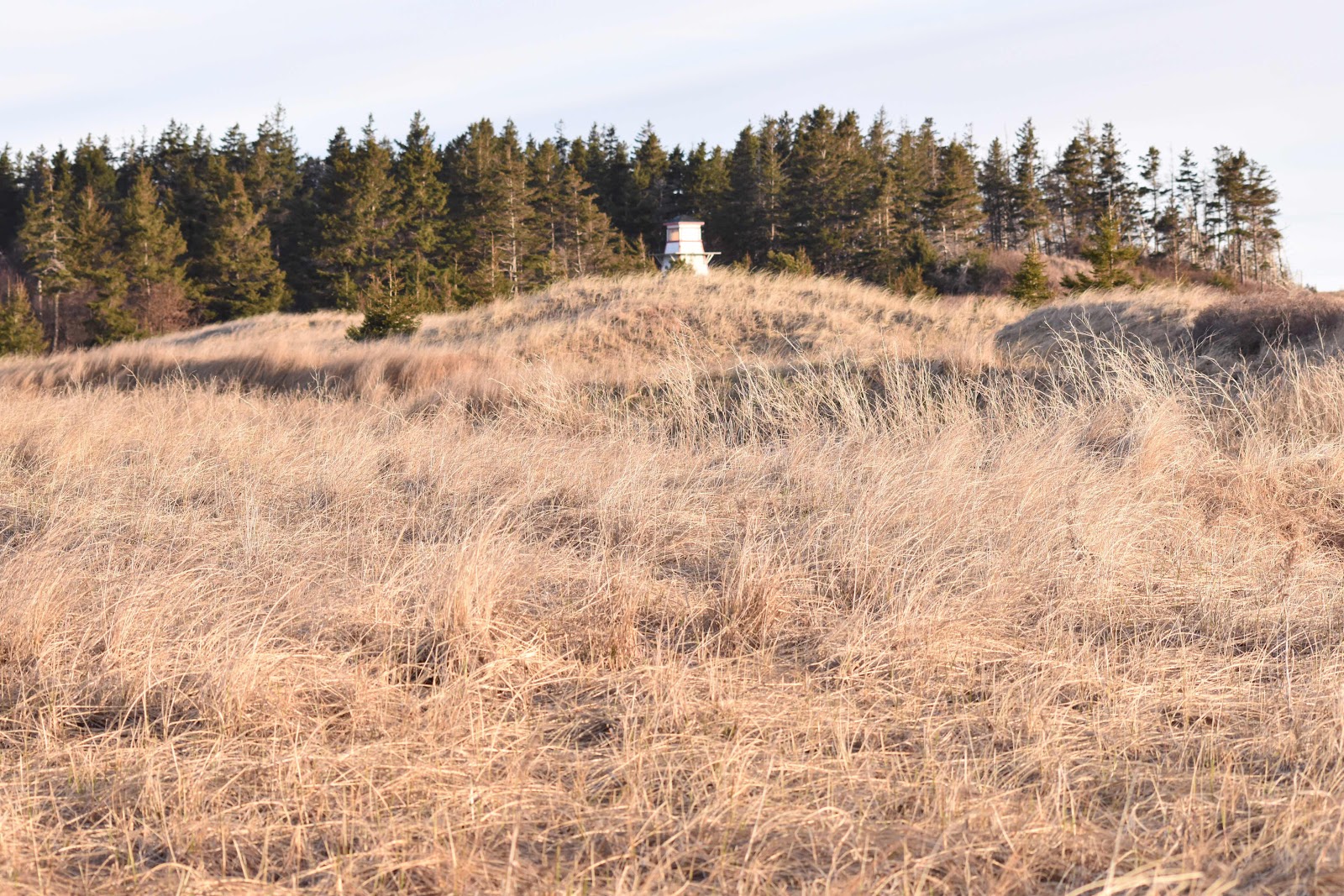
At the back of the beach, the Marram grass, which had survived the winter, waited for the sun to work its magic with chlorophyll for another year. 


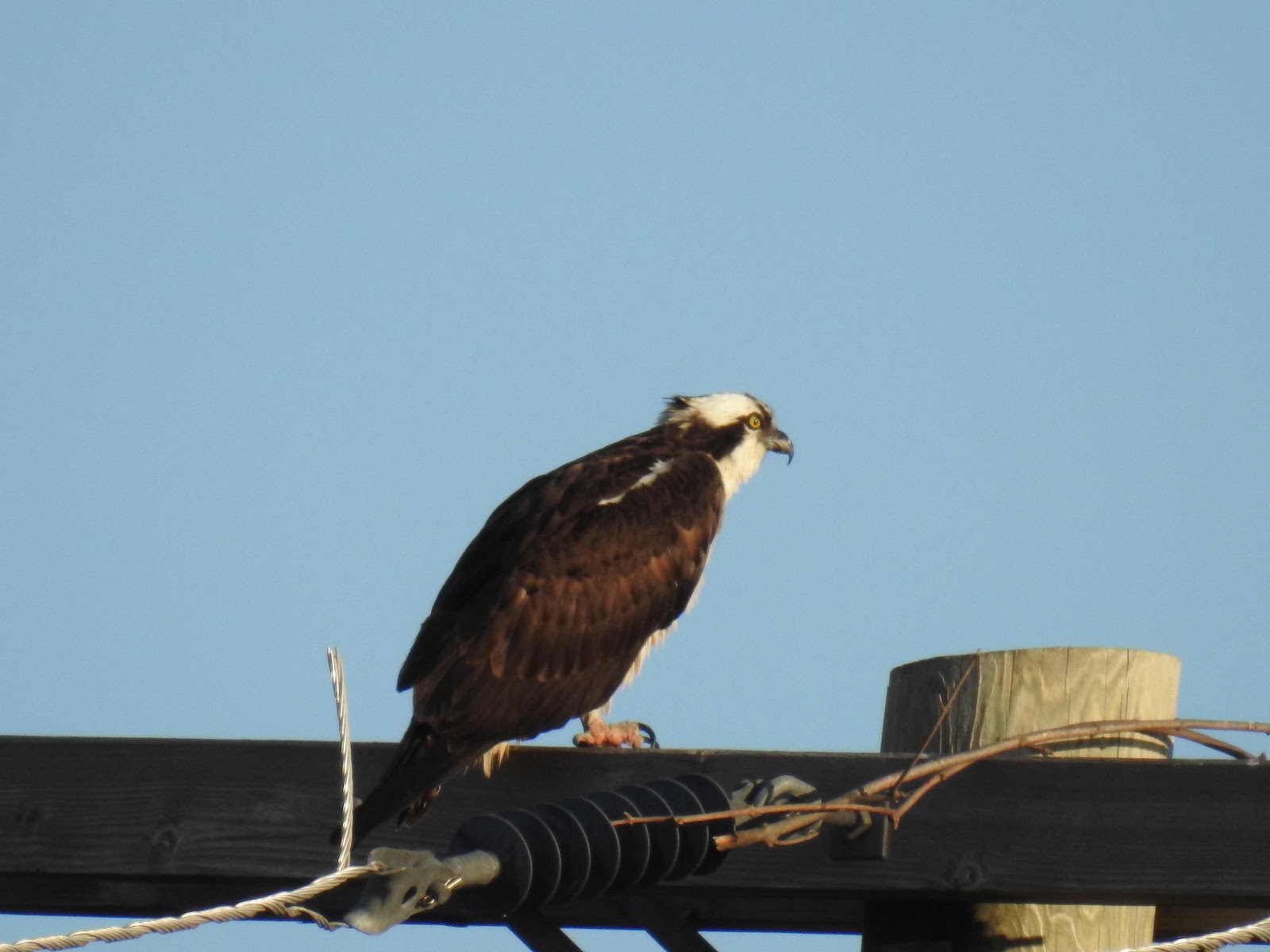
The sand dunes were alive with the sounds of numerous birds of various species. Overhead, Canada geese made their presence known as we walked back to the car. On the edge of the dunes, an osprey, perched atop a utility pole, 


waited to go fishing too, having watched the humans depart from the cove nearby.

Nature was astir and and we were fortunate to experience her early morning splendour. 

Wednesday, 8 May 2019

Out of the blue

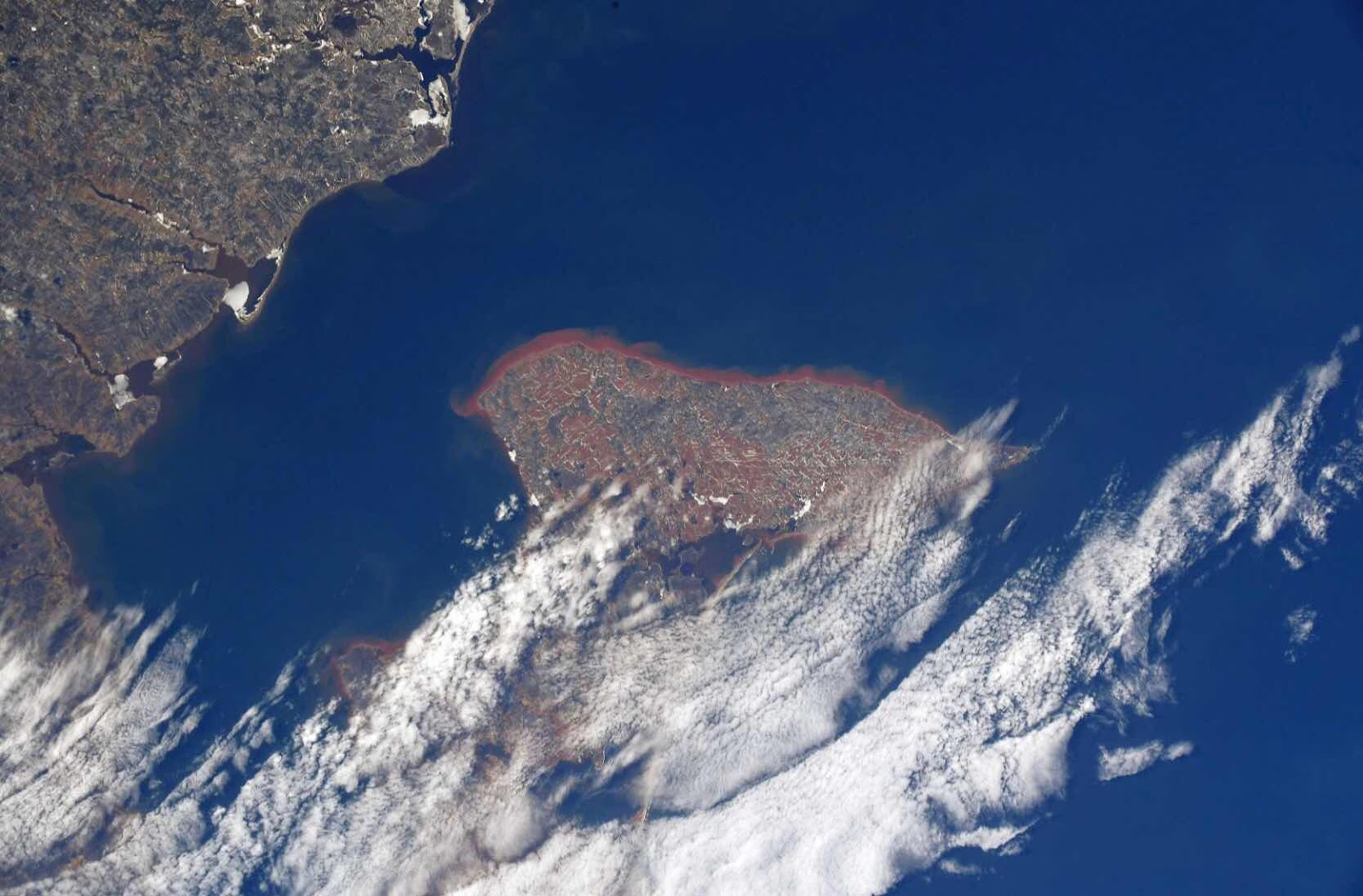
A NASA photo recently posted by Canadian astronaut, David St. Jacques, shows how the red soil and sand weep into the water around Prince Edward Island.


                     NASA photo

Fishers around the island see the results of this erosion every year as sandbars off-shore make travel in and out of ports hazardous.


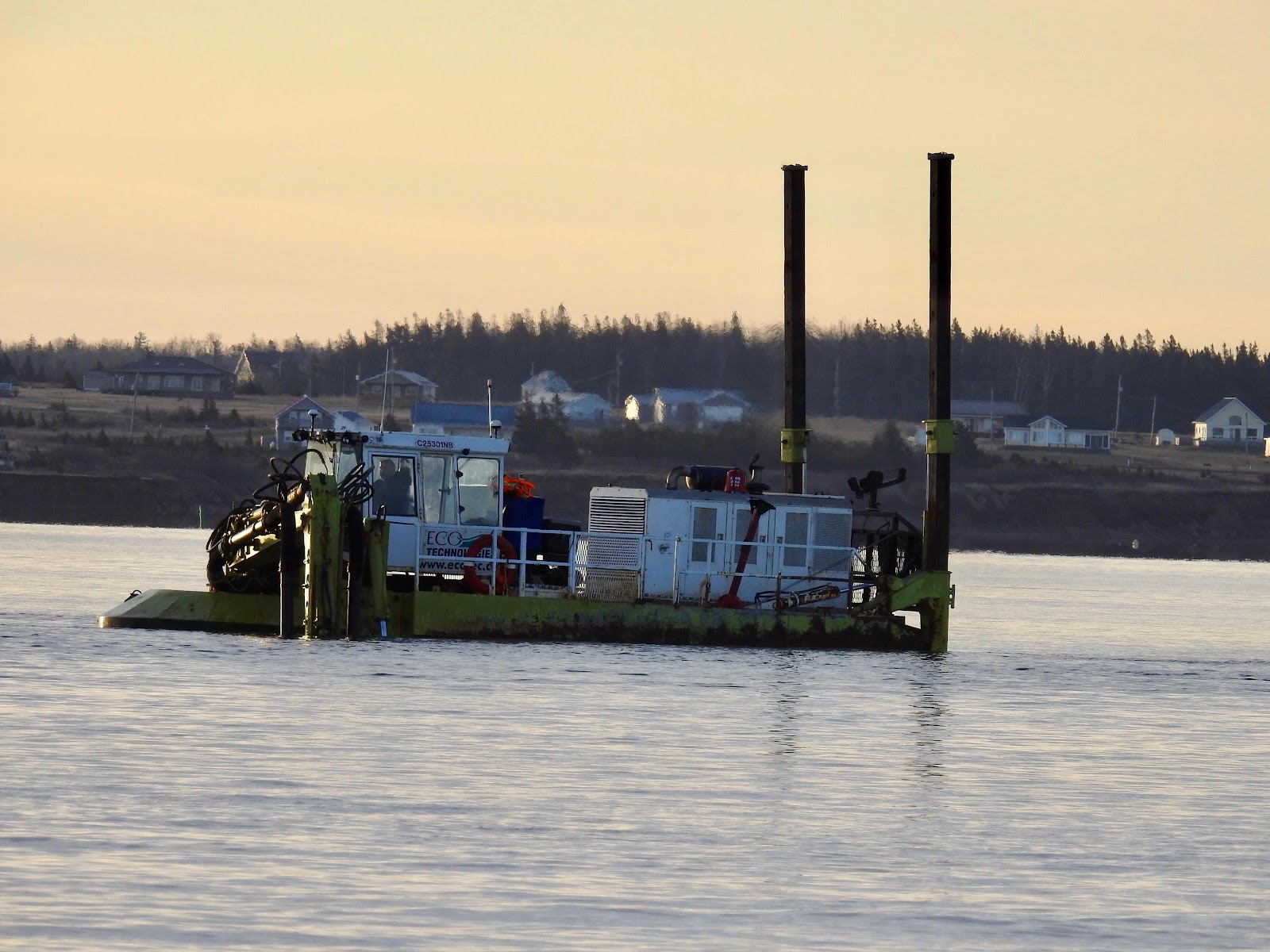
Every year, dredgers work along the coast of the island to make it possible for mariners to safely navigate the coastal waters. One area with problems in recent years is at Malpeque. There, a sheltered harbour provides protection from the storms which lash the north shore of the island but the channel to the Gulf of St Lawrence, past Cabot Beach, must be dredged regularly. Last year, one vessel capsized on its return to port. While fishers survived the ordeal, the event highlighted the danger and the problem with erosion of the coastline.


This spring, prior to the start of the lobster season, a dredger started work on that channel. 


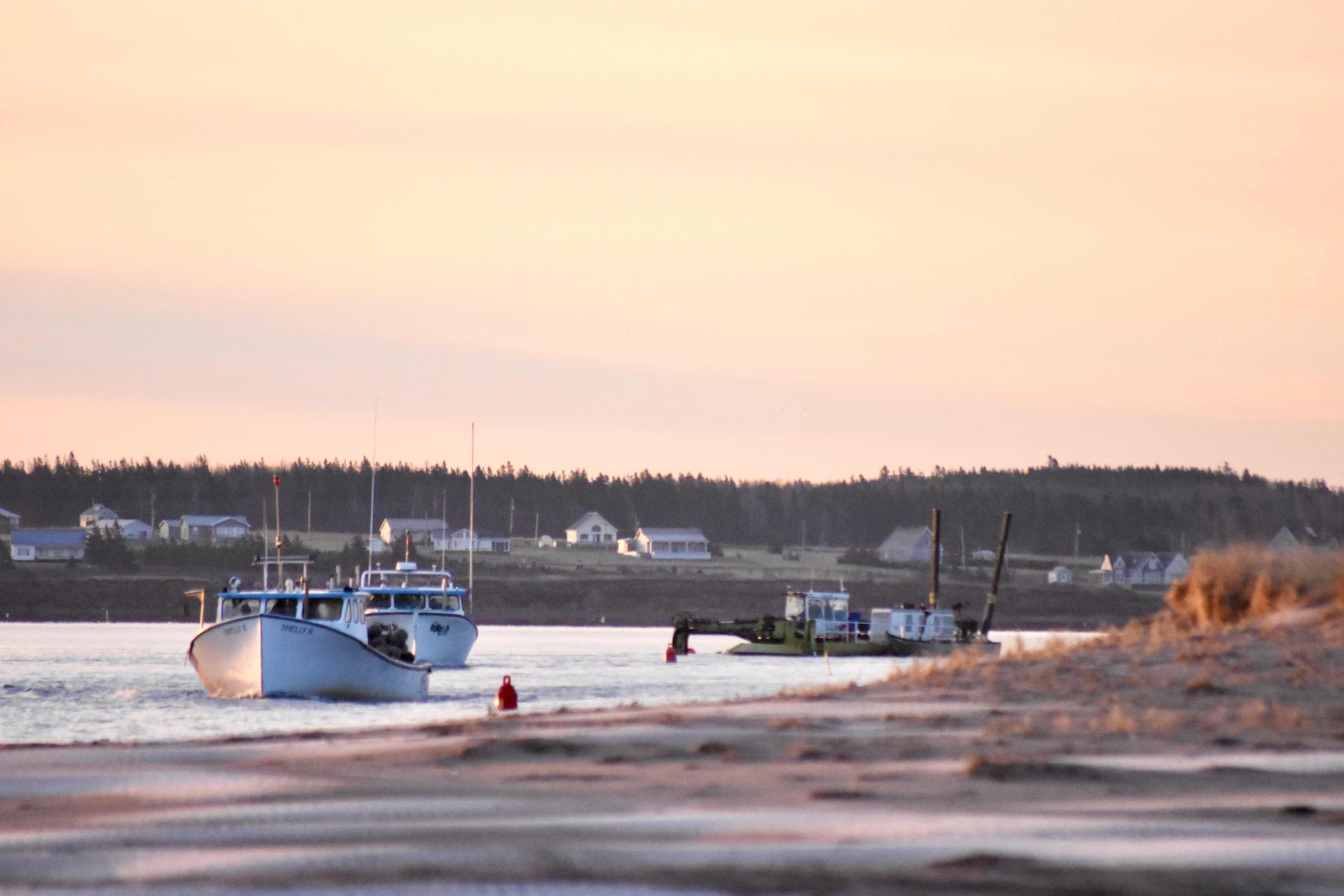
Work continued on Setting Day, the start of the lobster season. We could see the dredger from Cabot Beach and watched with interest as the lobster and mussel boats passed the dredger on their way through the channel.


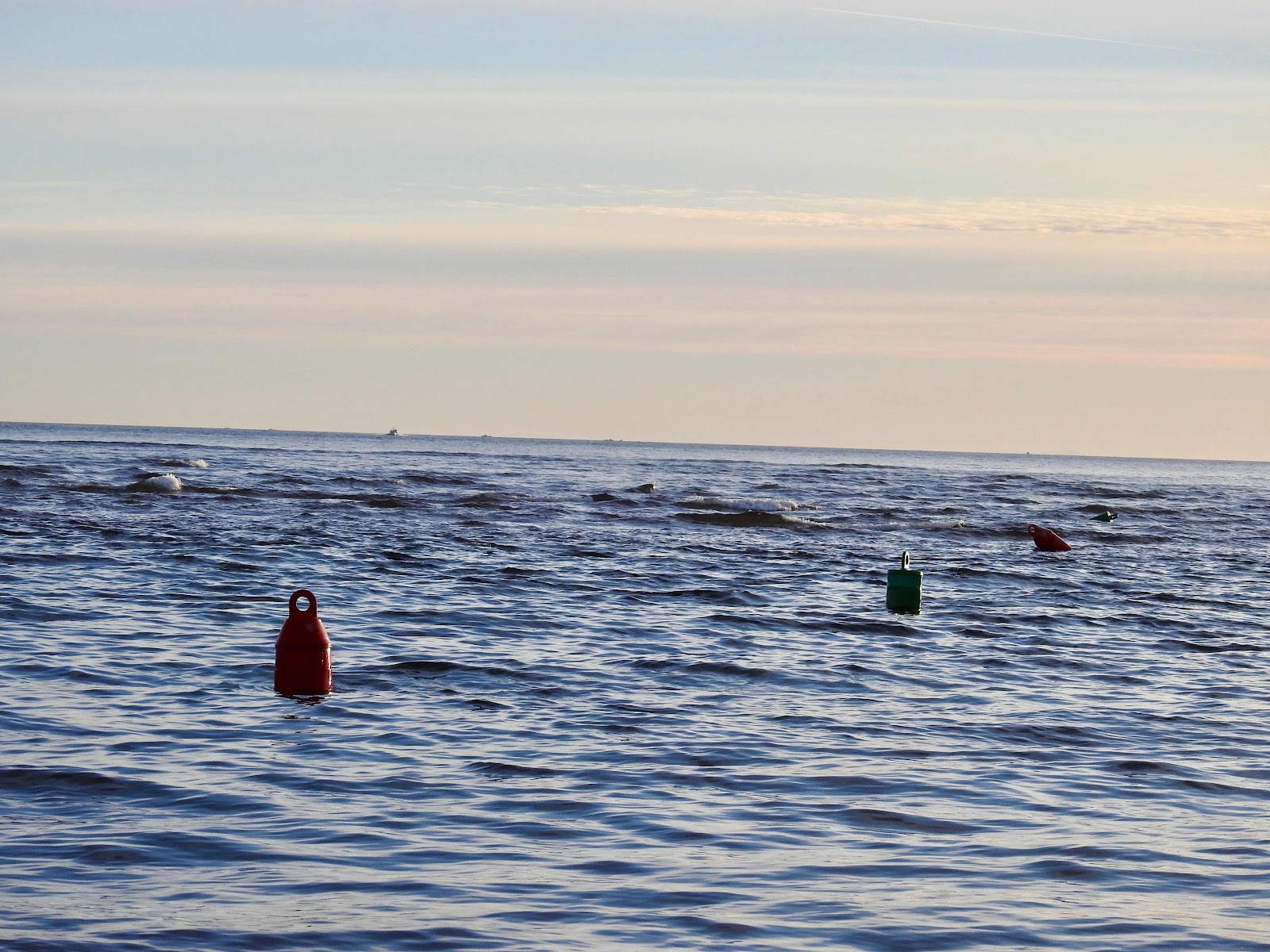
Boats kept between the red and green buoys which marked the channel. The boats were surprisingly close to shore, mere meters from the beach. Past the outside buoys, at high tide, 


you could see the shallow water, evidence of sand bars, which at low tide would be high and dry.


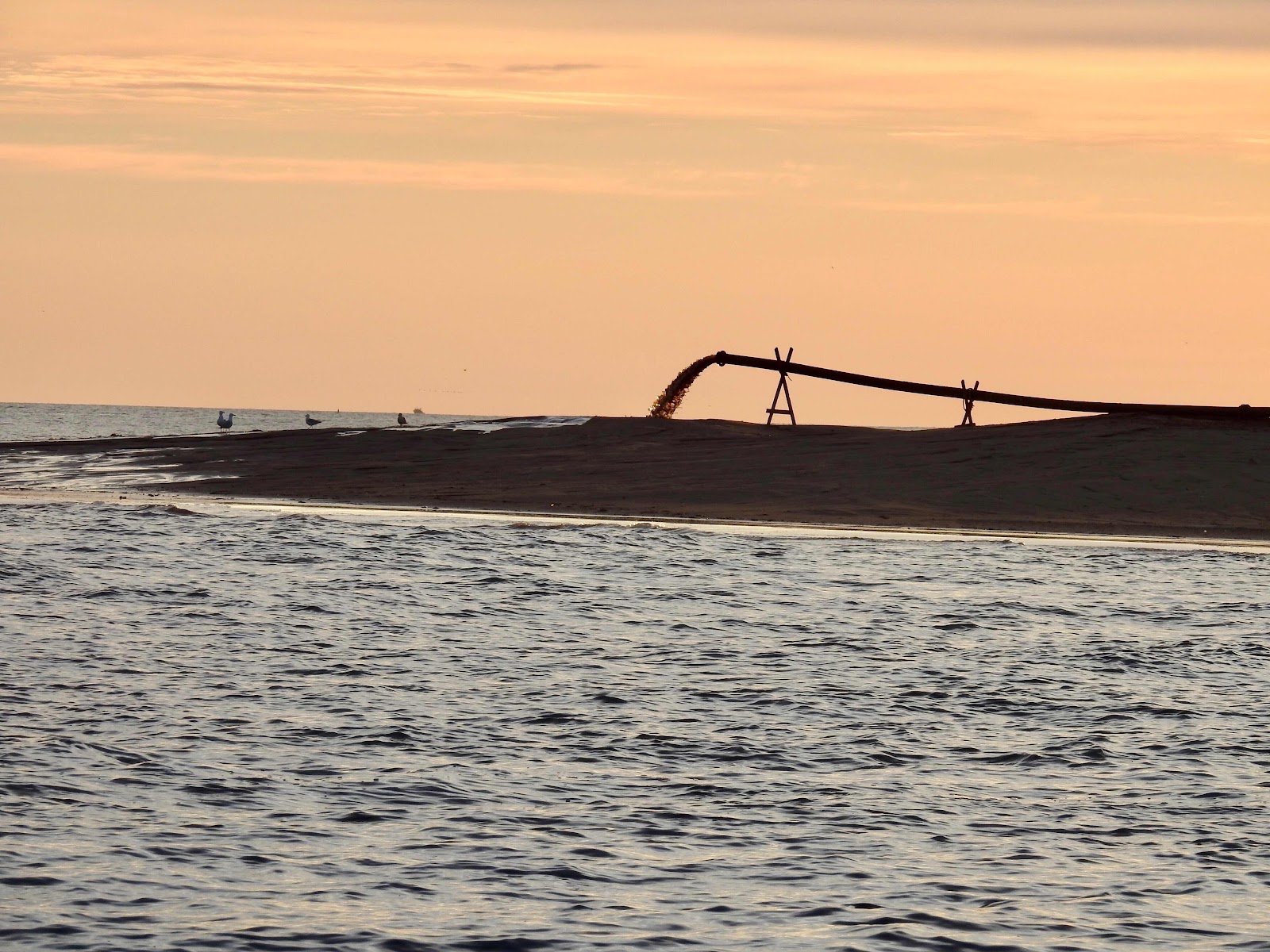
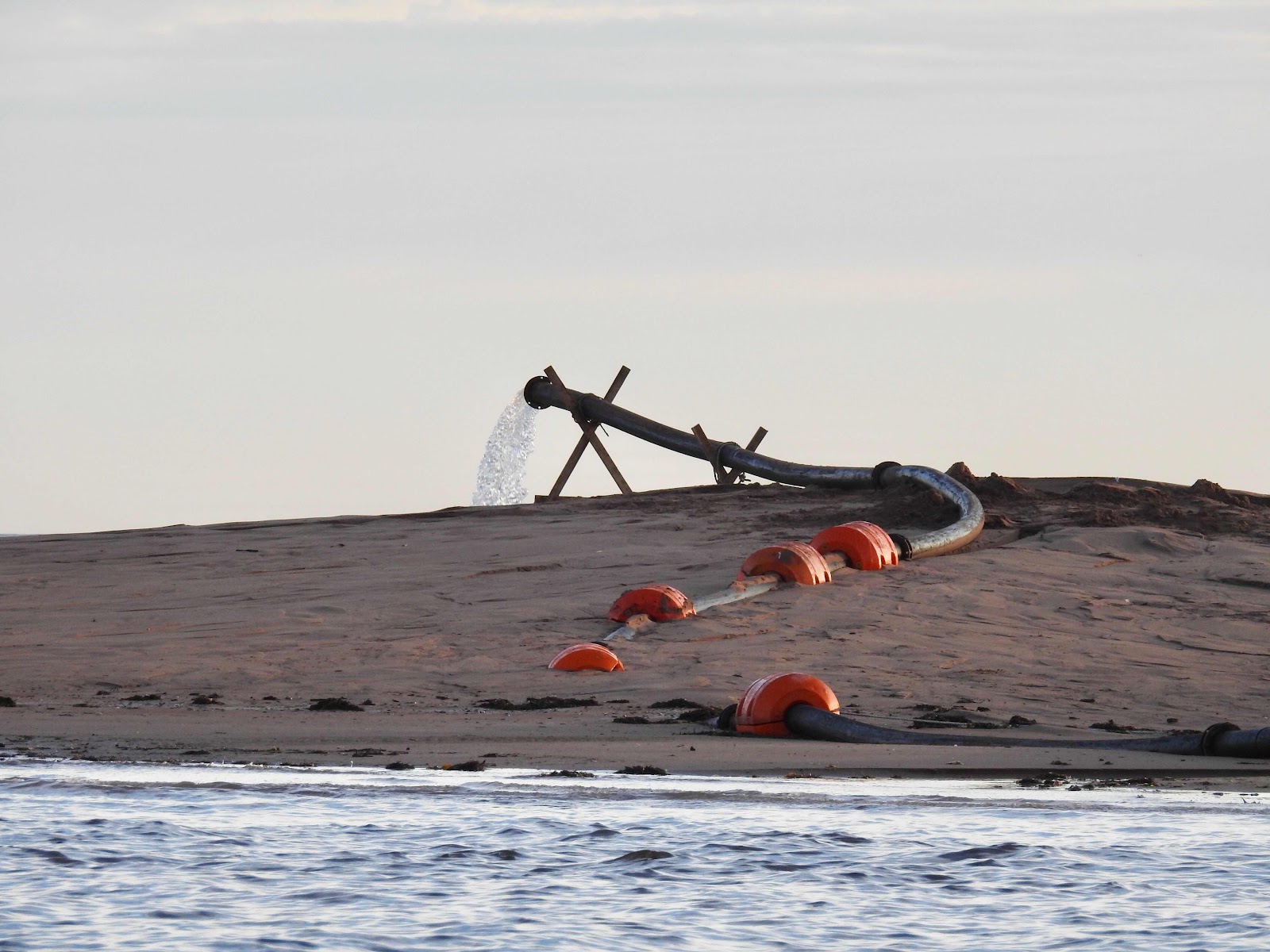
The dredger worked like a vacuum attached to an exhaust pipe from which water and sand poured. The pipe was long, emitting the sandy water on a nearby sandbar. 


Sometimes the water ran clear but within minutes, 


sandy water was emitted again. Always the opportunists, seagulls were camped out nearby to take advantage of any edibles which were dredged up and extruded. 


This is important work along the coastline of our province and we were interested to see the process in action.


Monday, 6 May 2019

Setting day 2019

We drove towards dawn last Friday morning 


as my husband and I headed to Malpeque for Setting Day, the first day of the lobster season for 2019. When we arrived at the port, the majority of the lobster boats had already left, loaded with the traps to drop into the sea. Several boats remained and were ready to leave, so we walked to Cabot Beach, along the trail through the dunes to watch the boats navigate the channel as they head to sea. The sun crept above the horizon as we approached the beach.


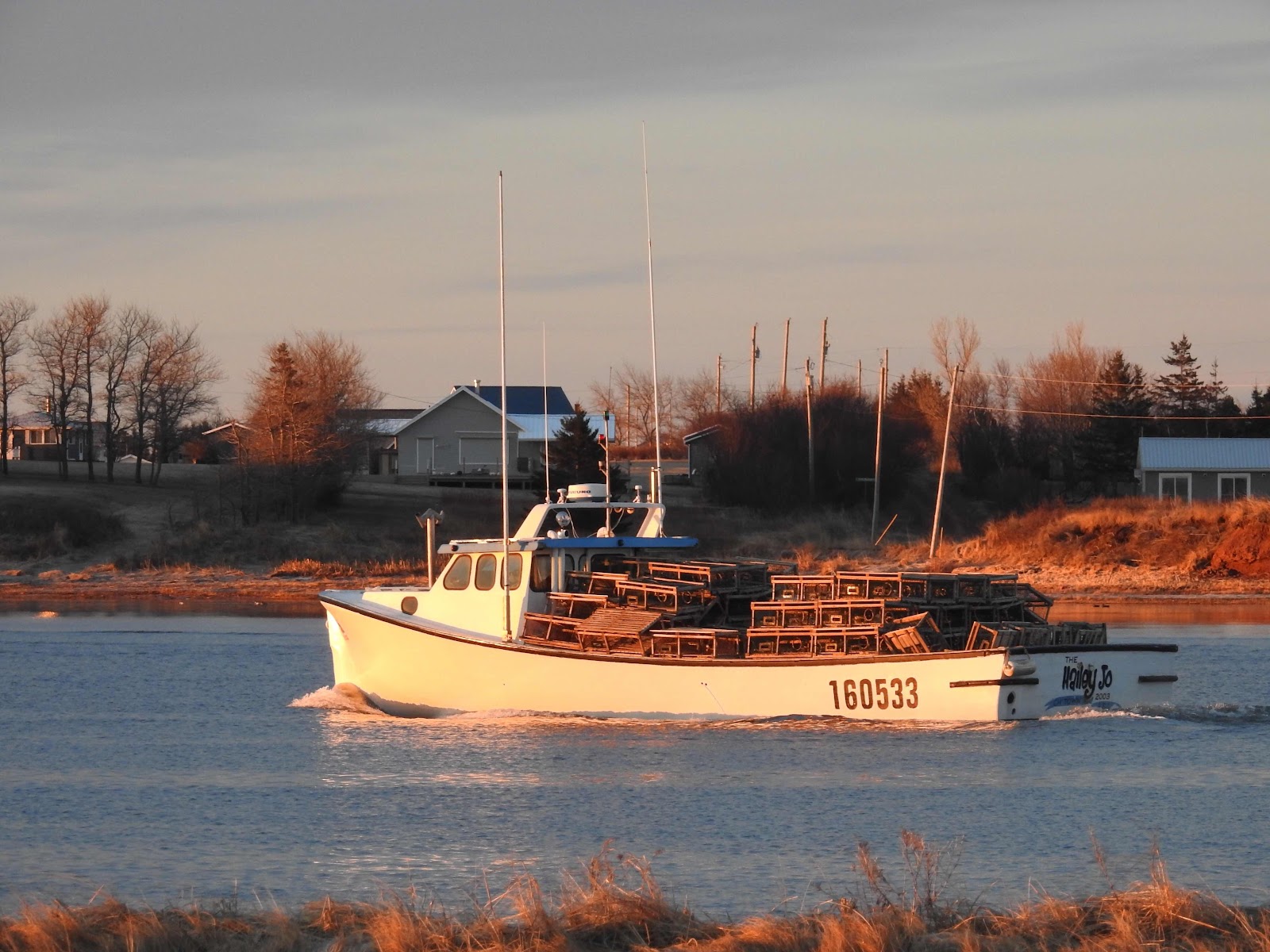
The trail parallels part of the channel and one of the boats motored past into the sun’s glow as we watched. 


We hurried along the trail to see the boat as it passed Cabot Beach. 


A band of clouds periodically covered the sun which was like a giant spotlight when it broke through the cloud cover. 


Other times when the sun was behind the clouds, everything was covered in a giant shadow.


Boats were mere meters off Cabot Beach and we watched as they manoeuvred the channel, eager to reach open water. 


In the distance, from another port in the west, other boats sped to reach the Gulf of St. Lawrence.


 We could see a dozen or more boats along the horizon.


By the time the last of the lobster boats had left Malpeque, the first returned to load more traps and head out again. 


Each boat can have up to three hundred traps, which requires at least two trips for the 45 foot/14 meter boats. 


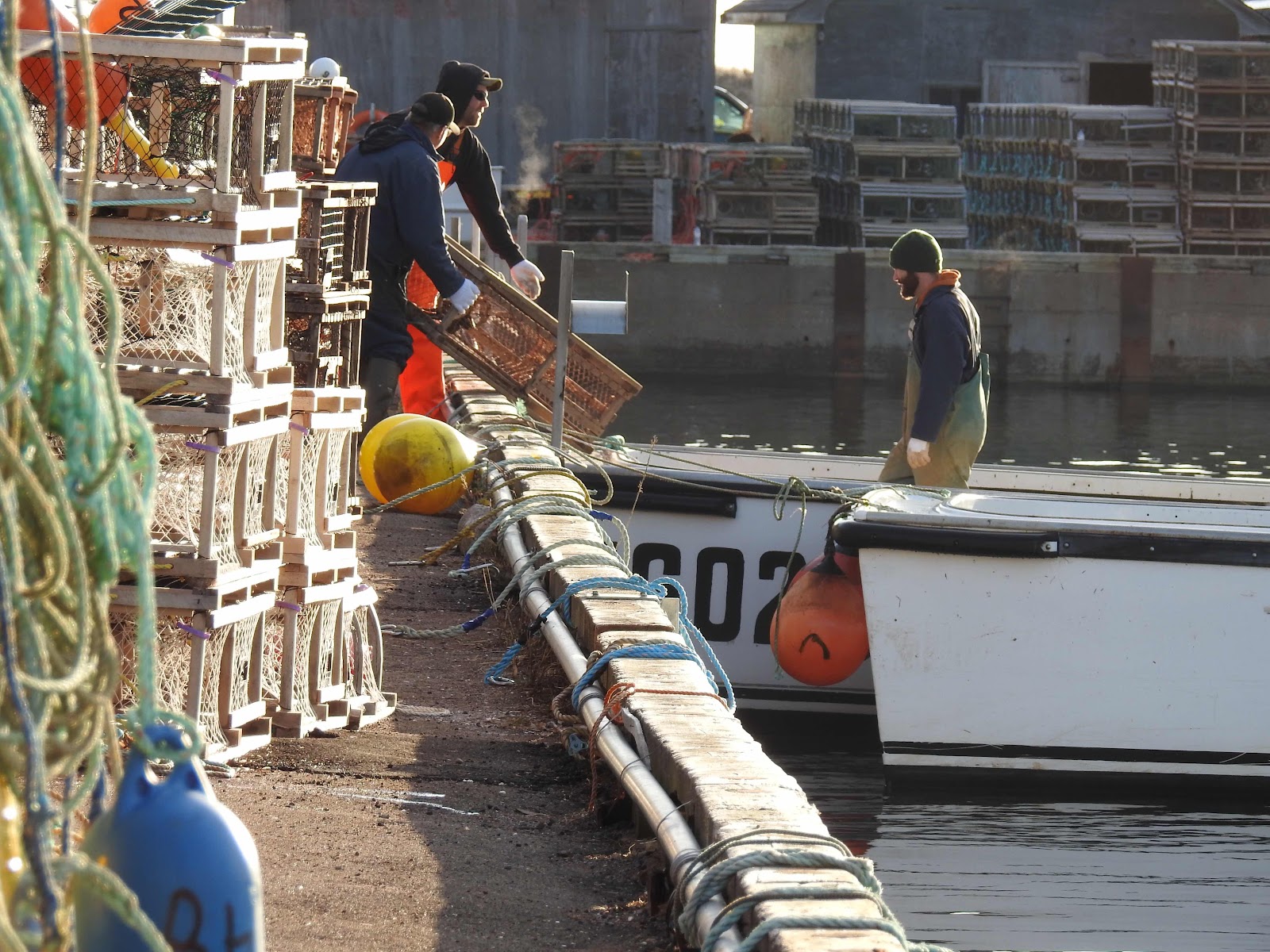
I watched as the returning crew baited traps with herring before they lifted them aboard. 


They were fast and efficient at their work, keen to accomplish the job for the day. This wharf will be busy over the next two months as lobsters are lured out of their rocky holes and crevices by these herring-baited traps. 


Fresh lobster was available on Saturday. Our first meal is on Mother’s Day. Our granddaughters, six and eight, have eaten lobster since they were the age of their two year old brother. Now they eat a whole lobster each. Their brother tried it last year and enjoyed it. I imagine he too will be eating a whole lobster before long. It is a seafood treat and a great tradition.


Friday, 1 February 2019

Wise bird

After what felt like weeks in the house, my husband and I headed out to lunch earlier this week. On the way, we decided to head to the north shore of the island to see if ice lined the coast. The sun threatened to appear as wind blew clouds over the frozen land as much of the snow disappeared with the most recent thaw.


We drove to Malpeque Harbour, a favourite place to take visitors. The beach nearby, the working harbour and the farmers’ fields along the way are representative of island life. 


The wind was high enough to make the -7 C feel 10 degrees colder. It was icy under foot as well since we had a flash freeze after the last thaw. I forgot my ice grippers, so I didn’t go far. 


While my husband, who has better sense, waited in the car, I had company as I crept along behind the fishing shacks. A flock of European starlings filled some trees but took to wing as I approached. Several Blue jays landed near the same trees, picking seeds off the ground. 


But the most impressive creature was a Common raven, the biggest I’d ever seen. It  had claimed its place in a tree. 


With its distinctive call, it summoned another raven, which swooped in from a tree nearby but didn’t stay.


The basin was frozen, 


the fishing shacks deserted, 


the area desolate. Some boats were stored in the parking area near the shacks.  


Nothing stirred except the birds and the only sound was the raven. It squawked as I passed by as if to warn that I soon would be frozen like everything here. 


Time to go!


Monday, 1 May 2017

Setting day

Island tradition was the cause of our 4:30 a.m. rise, but the fog was discouraging. While we don't get much fog, having it on this day was disappointing. We decided to go anyway.


As we drove to Malpeque, the fog lifted. By the time we arrived, the fog bank was visible off-shore but the basin was clear. 


                                      Pillar buoy visible above the fog


It was setting day, the day when the lobster traps are set in place for another season on the north shore of Prince Edward Island. On this day, over one thousand boats left various ports on the north shore loaded with traps.


This first day is a big occasion for lobster fishers, with family and others watching as the boats head out, loaded with the baited traps. Some watched from the wharf area as the boats pulled away. 


Others waited on Cabot Beach as the boats headed into the Gulf of St. Lawrence.


The proceedings are under the watchful eye of the Department of Fisheries and Oceans. Fishery officers, present in the basin, checked the traps on-board to ensure fishers do not exceed trap limits. 


Traps over the limit were left on the wharf. The officers then followed the boats into the Gulf.


                                     Baited traps left on the wharf


Captains maneuvered through the marked channel in the basin. Family members waved and cheered as their fishers motored past. 


Even the family dog came along for some fun on the beach.


Each boat, in turn, navigated the channel. 


The water was rougher than we expected but the boats, though low in the water, 


quickly disappeared into the fog off-shore.


We could hear them in the distance. The first lobster of the season will be available this week.

Wednesday, 19 April 2017

Preparation

Two weeks ago, in Malpeque and Darnley Basin on the north shore of Prince Edward Island, lobster traps were everywhere. The season was more than a month away.


The fishing shacks were full of traps. 


Wharfs were piled high too. 


Some traps rested against the shacks.


The basin was ice covered.


Last week, at Lot 1 on the north west tip of the island, the scene was different, as preparation for the season has ramped up. Several boats, high and dry since last fall, were being pulled to the sea. 


Flat bed trailers loaded with lobster traps were on their way to the wharf.


Meanwhile, on the wharf around Seacow Pond Harbour, some traps were ready for the season. 


The colours of the buoys, visible from the road, prompted us to stop and take in the scene. 


Dredging at the entrance to the harbour will ensure safe passage of the boats for the season


The first boats were back in the water.


Preparation is well under way now.