Most Popular Post

Showing posts with label sand dunes.. Show all posts

Wednesday, 3 July 2019

Wildflowers

It’s that time of year again when the roads, fields and waterways are full of or lined with wildflowers. Among my favourites are lupins and Blue-flag irises.


Lupins are not native to Prince Edward Island and are considered an invasive species. They are native to western Canada and somehow made their way to this island on the east coast. They line the roads and hillsides is their variously coloured glory although purple is the dominant colour.


Driving down an old country road cut deep into the red soil, the lupins add colour to the roadside. 
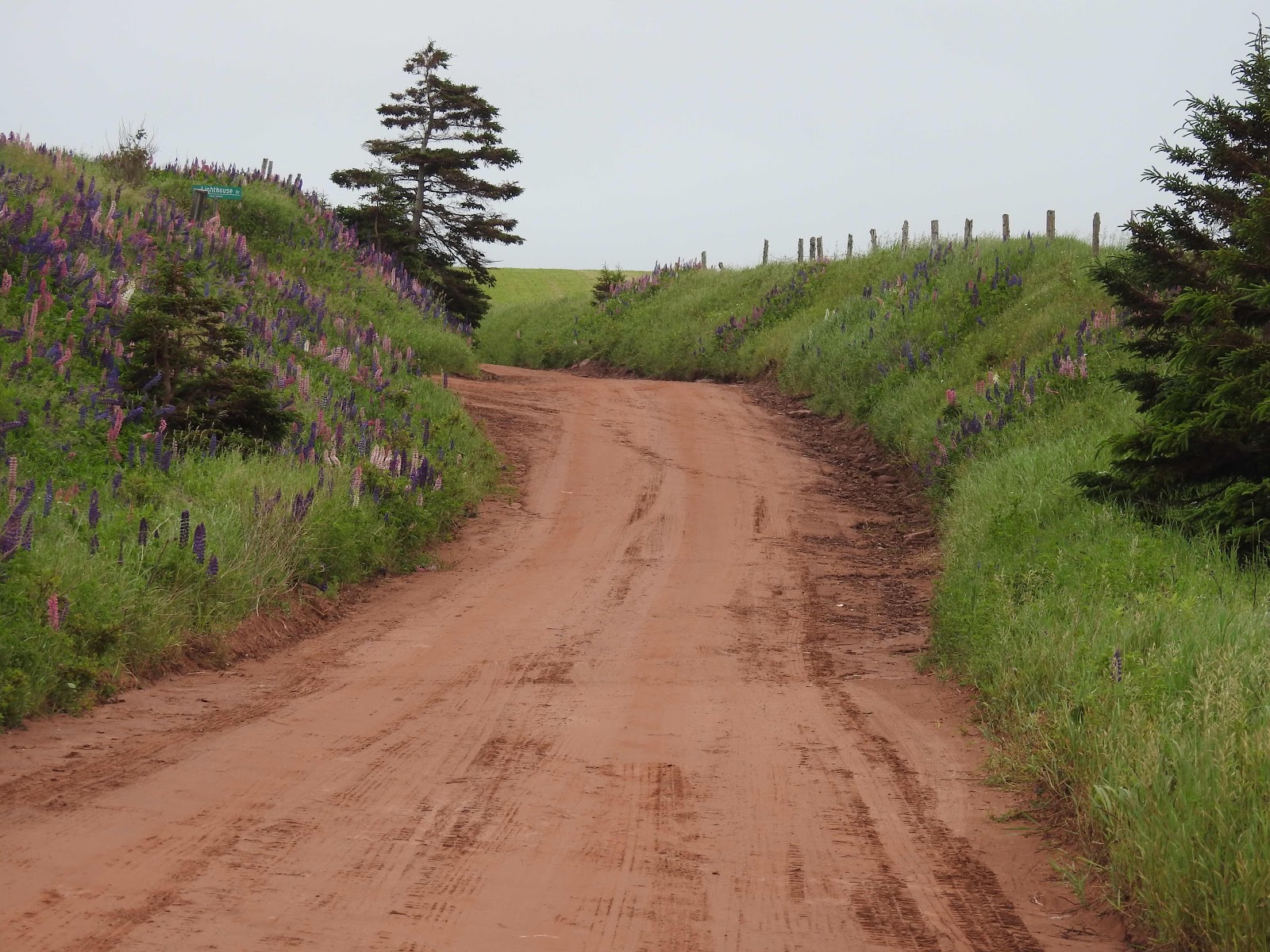


The purples outnumber pinks and whites 
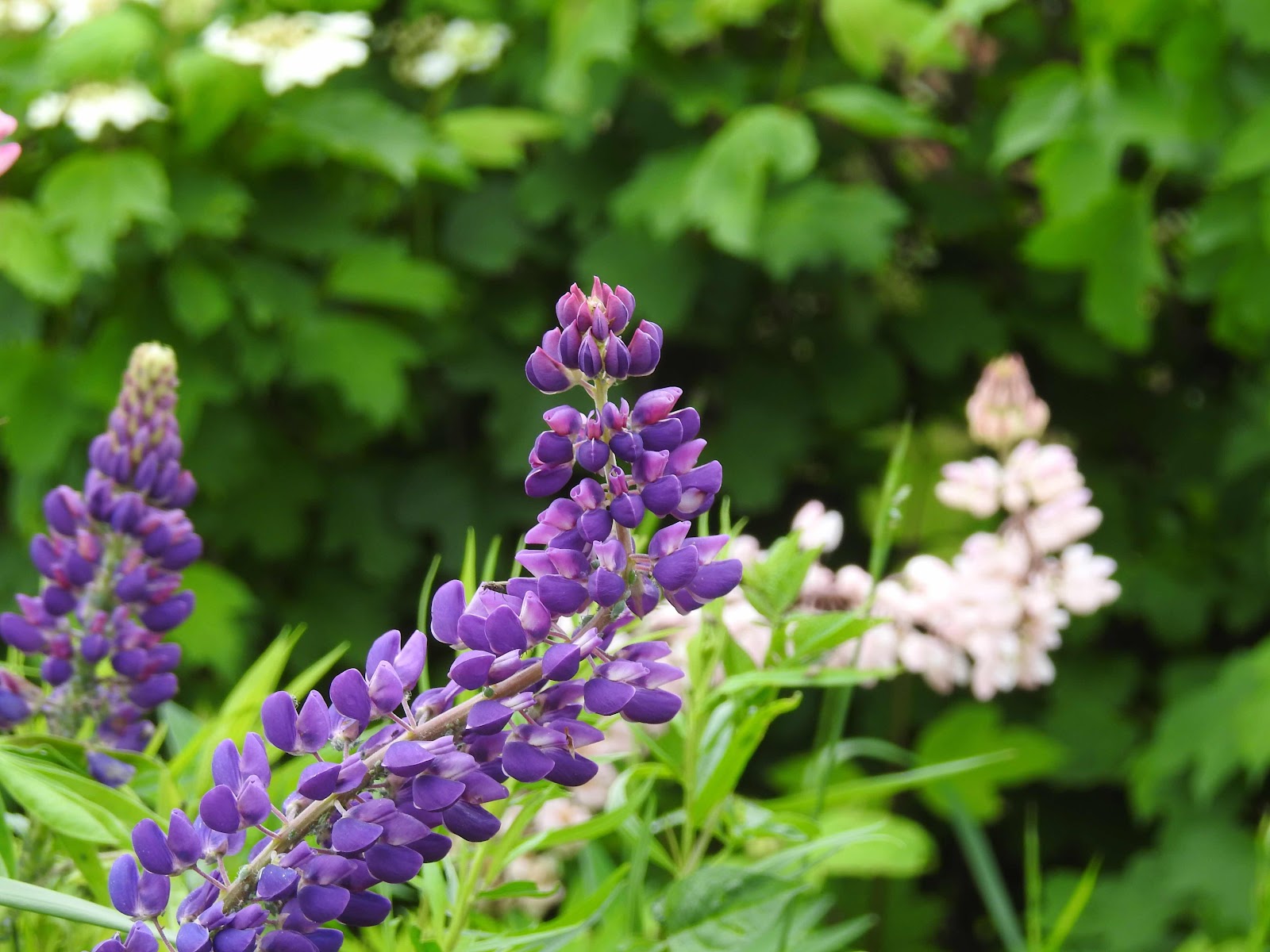


but all are enjoyed by bees and other pollinators. 
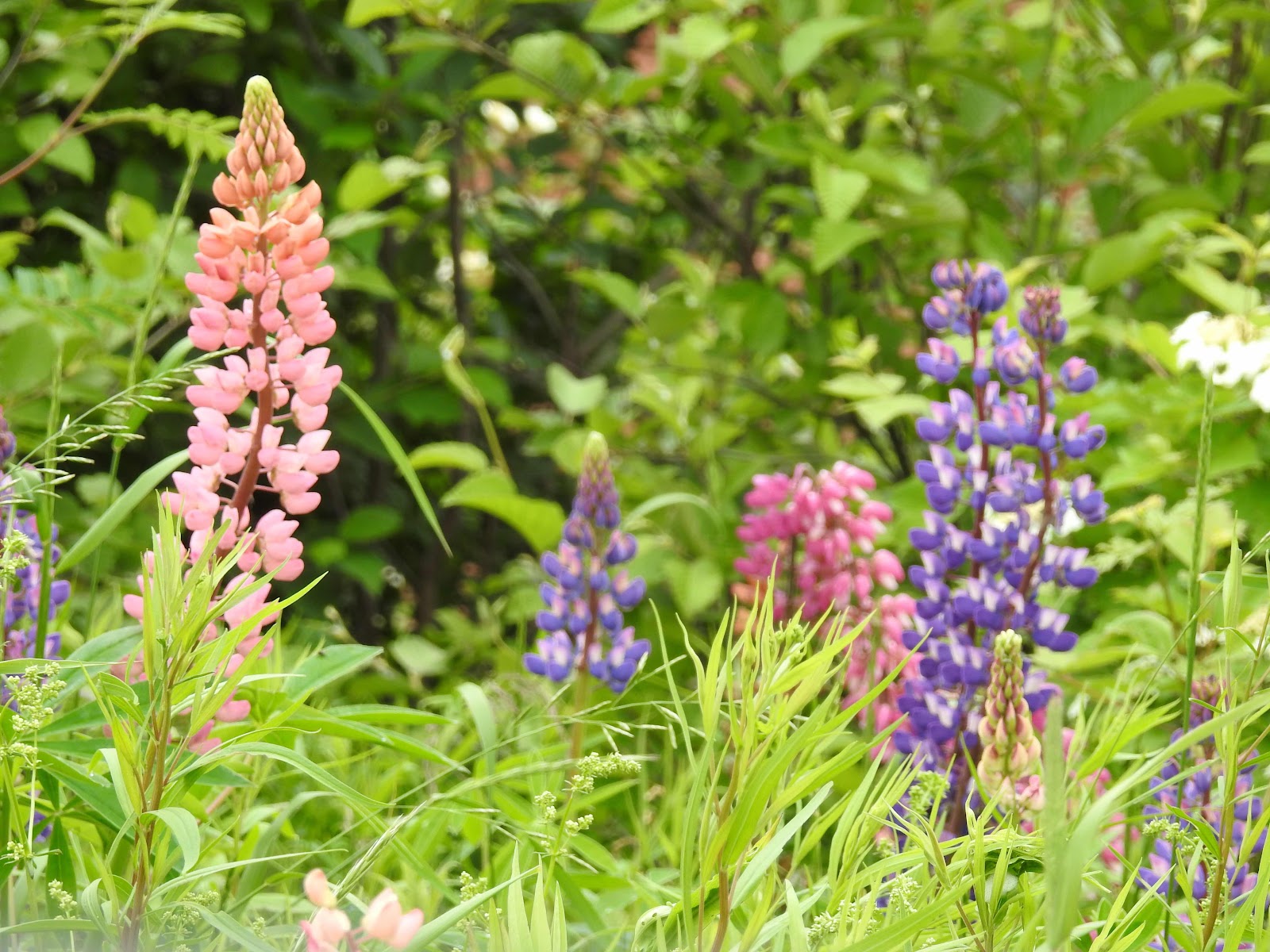


The lupins by The Lake of Shining Waters, also known as MacNeil’s Pond, line the foreground with the dunes of Cavendish Beach in the background. This scene is a seasonal treat.
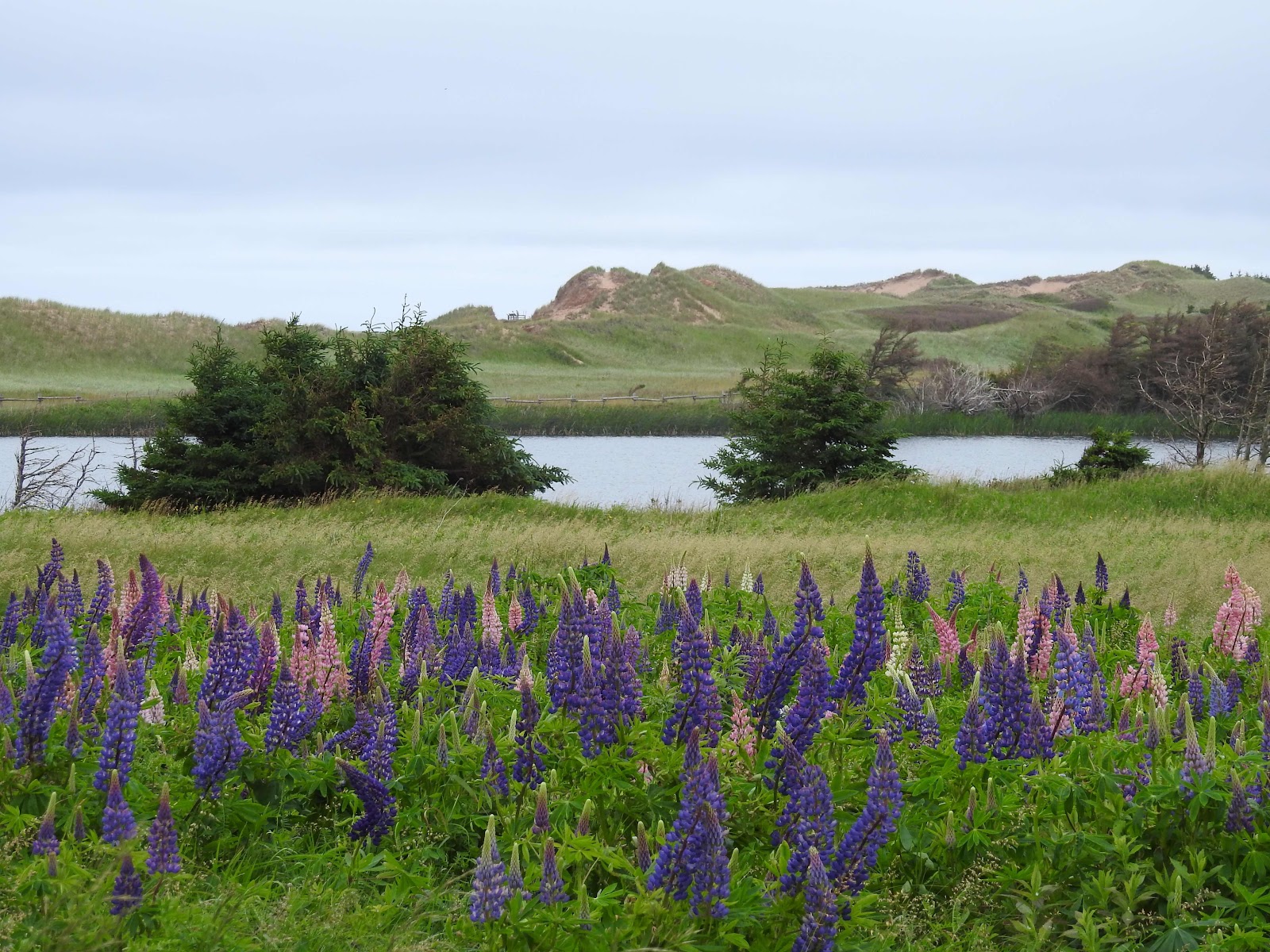


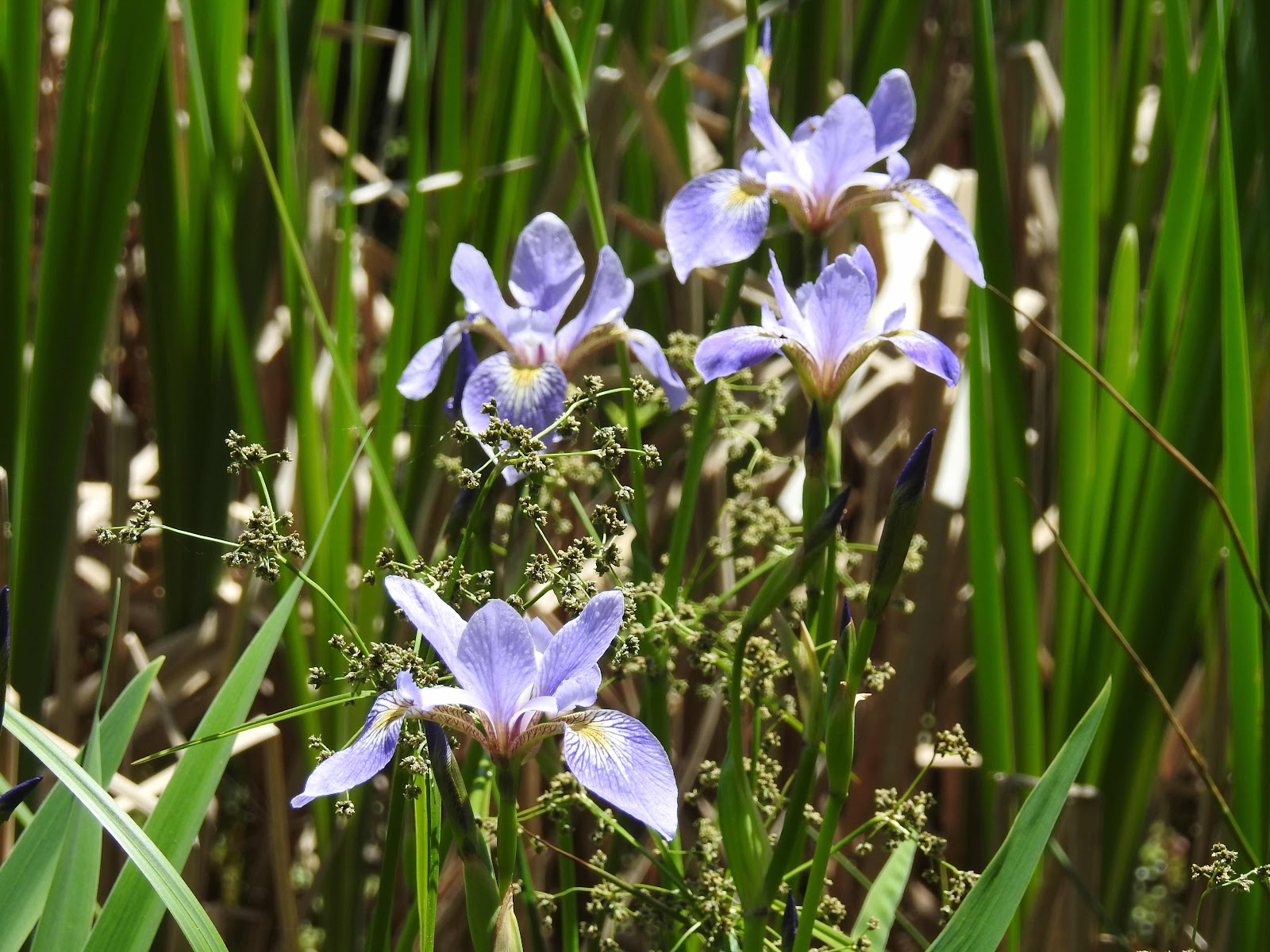
Blue-flag irises like water and grow along river banks and ponds. They are a native species on this island and remind me of my home island Newfoundland. These irises grew by the river in Maddox Cove when I was young. 


The flowers are interesting in all their blueish-purple glory. The bud is royal blue and the sepals on the flowers have yellow and white markings. 
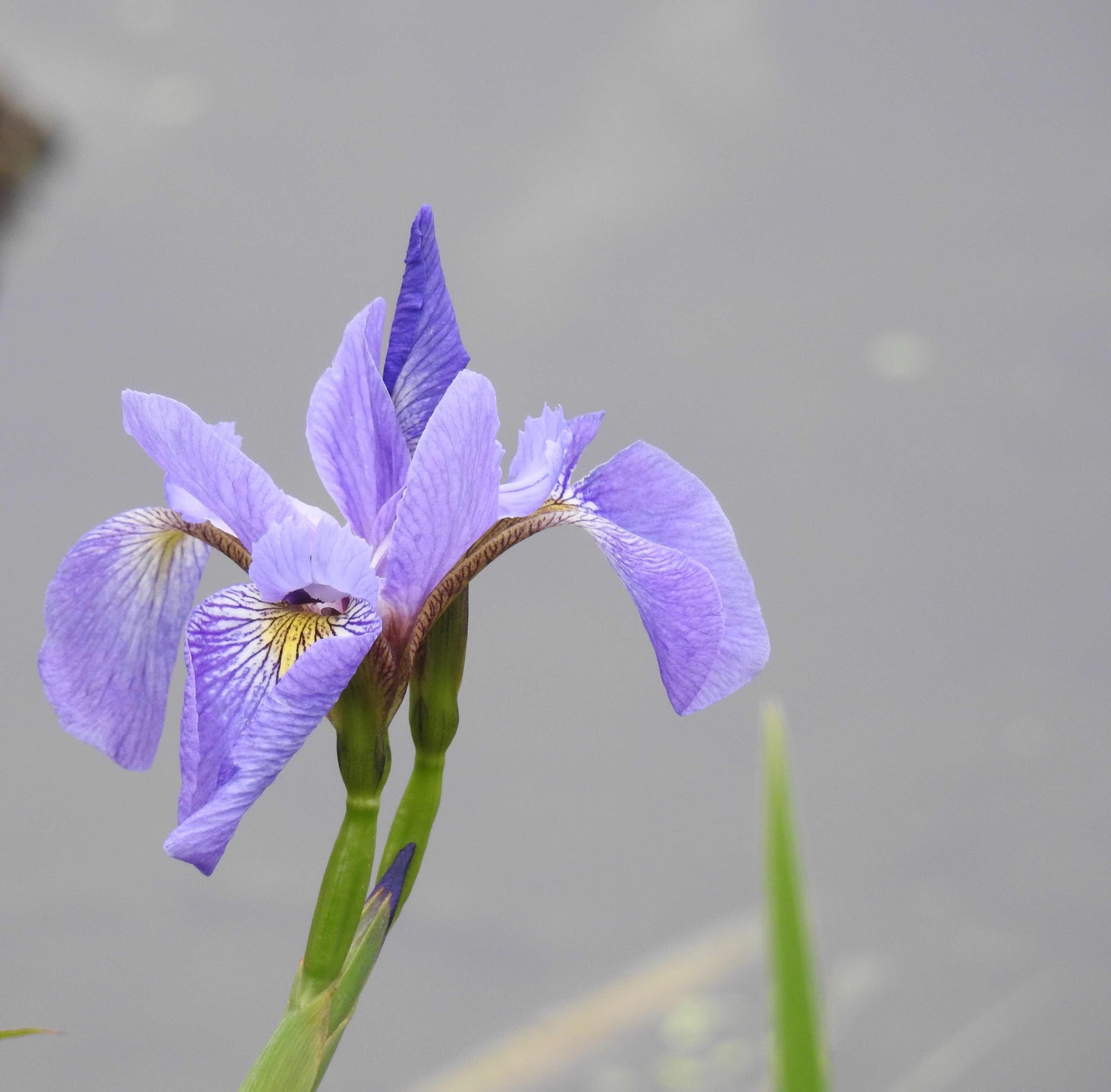


An individual flower is beautiful but a patch is mpressive in its natural setting.
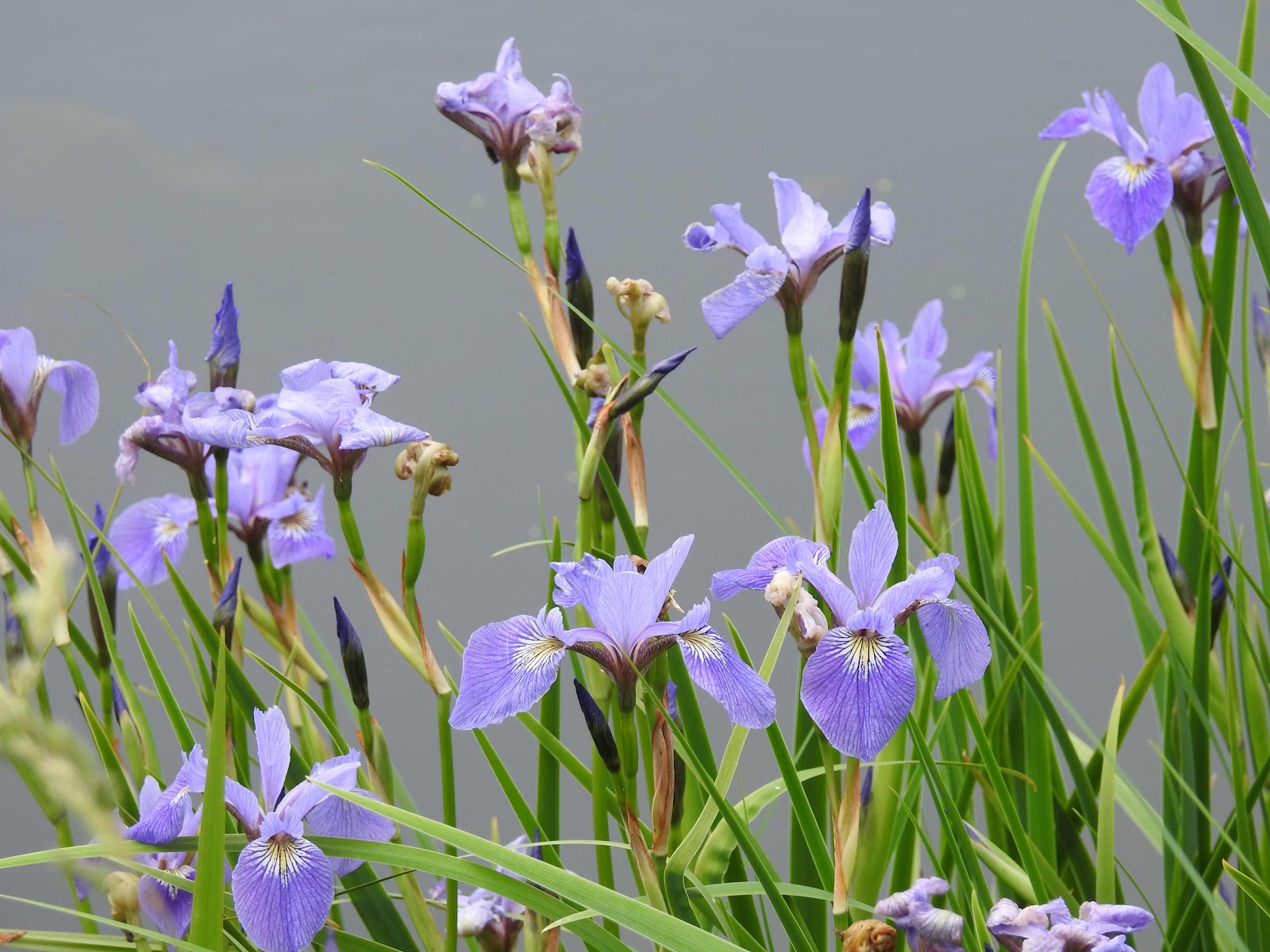


While summer has much to recommend it, among its best attributes are the little things such as the wildflowers.
Friday, 10 May 2019

Cabot Beach at dawn

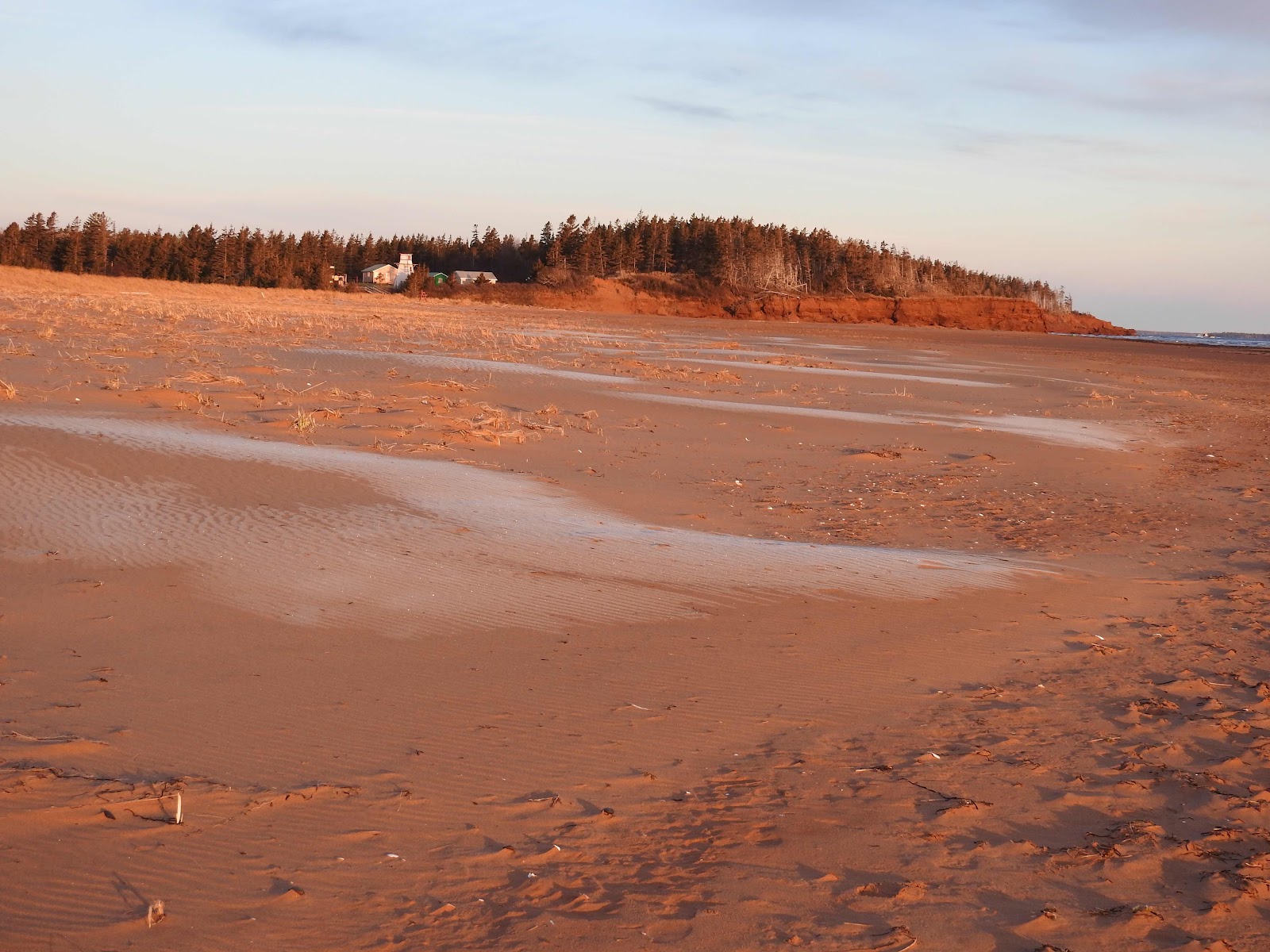
A week ago, we were at Malpeque for Setting Day, the first day of the lobster fishery in Prince Edward Island. However, while the fishers were busy on the water, Cabot Beach nearby was a treasure in itself that morning. 


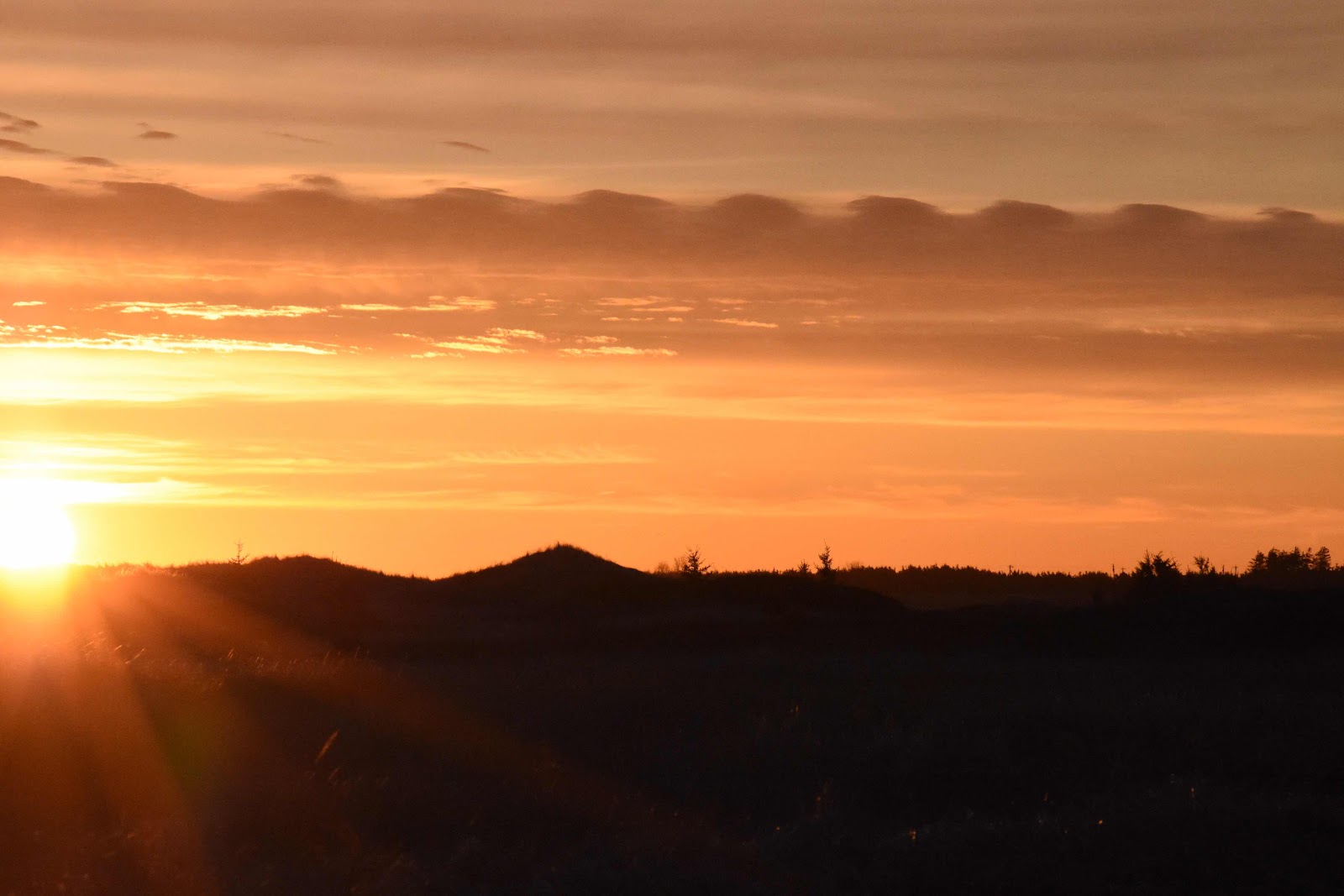
The early morning light alternated between a glow or a shadow as the sun played with the band of clouds. Frost collected in random areas along the beach, a testament to the cold of the early hour.


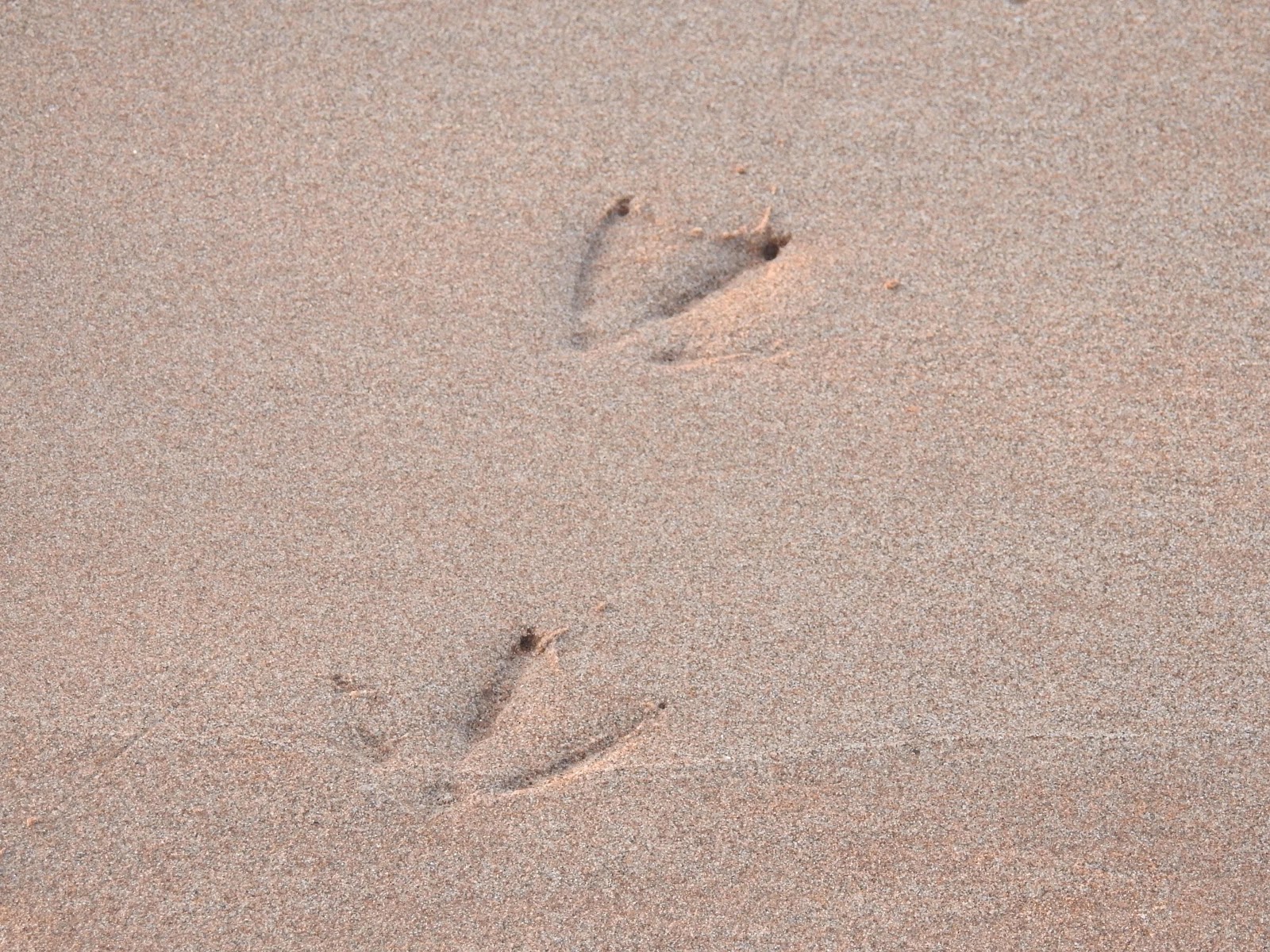
Evidence of the usual suspects was everywhere as the footprints of the gulls varied from tiny to large. 


The sky 


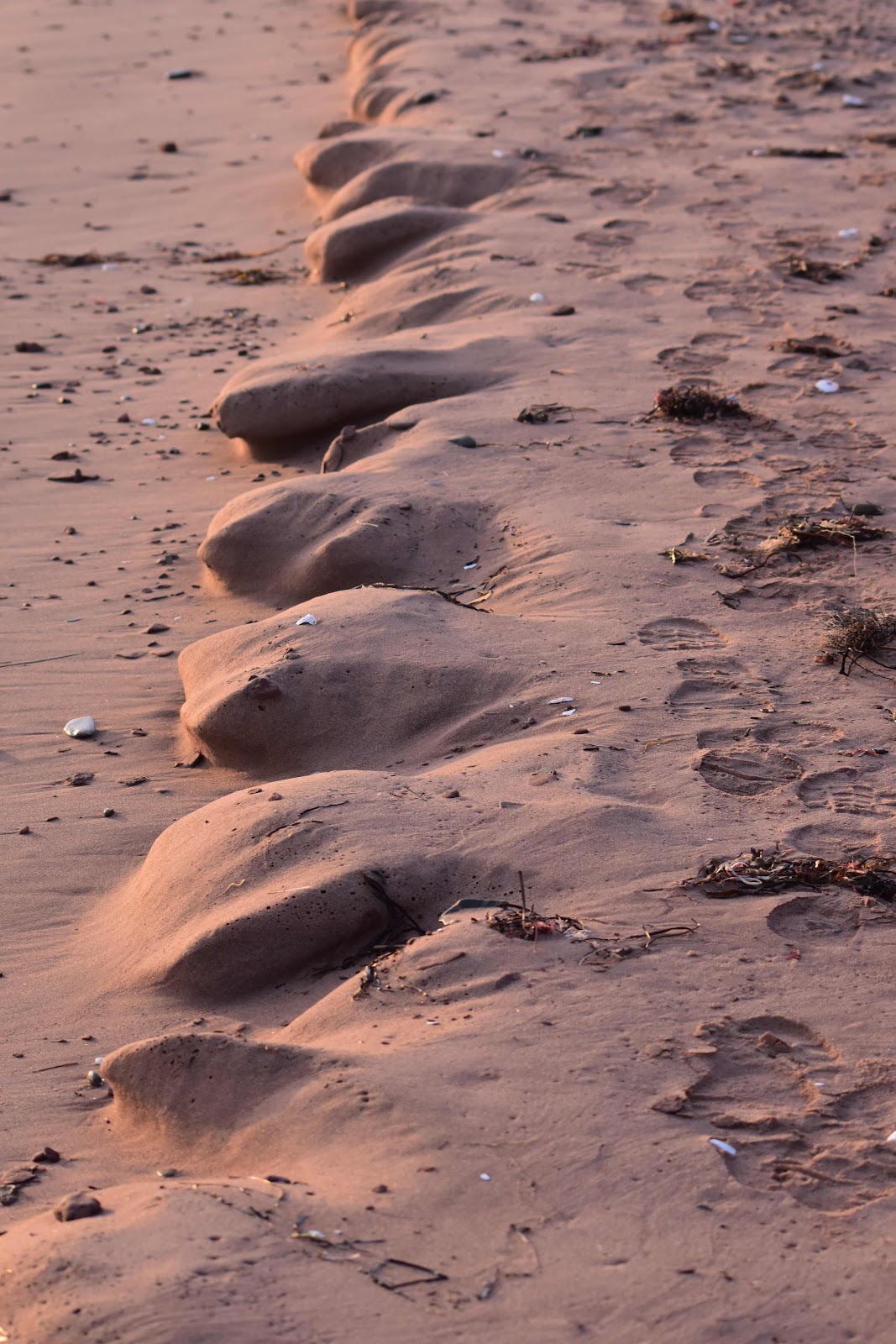
and sand imitated the wave action. 


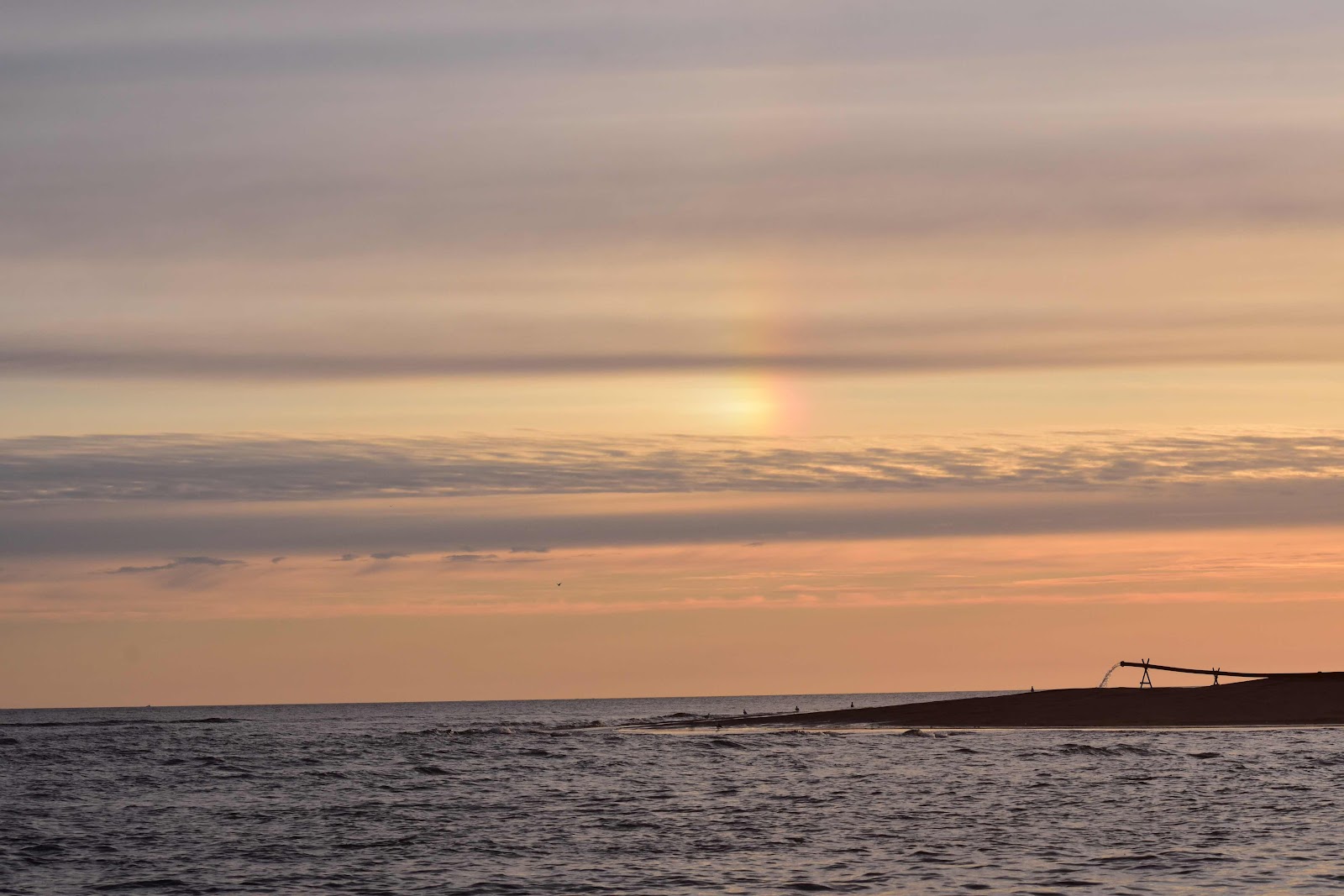
Between the bands of cloud above the horizon, part of a rainbow showed through, a rare sight indeed.


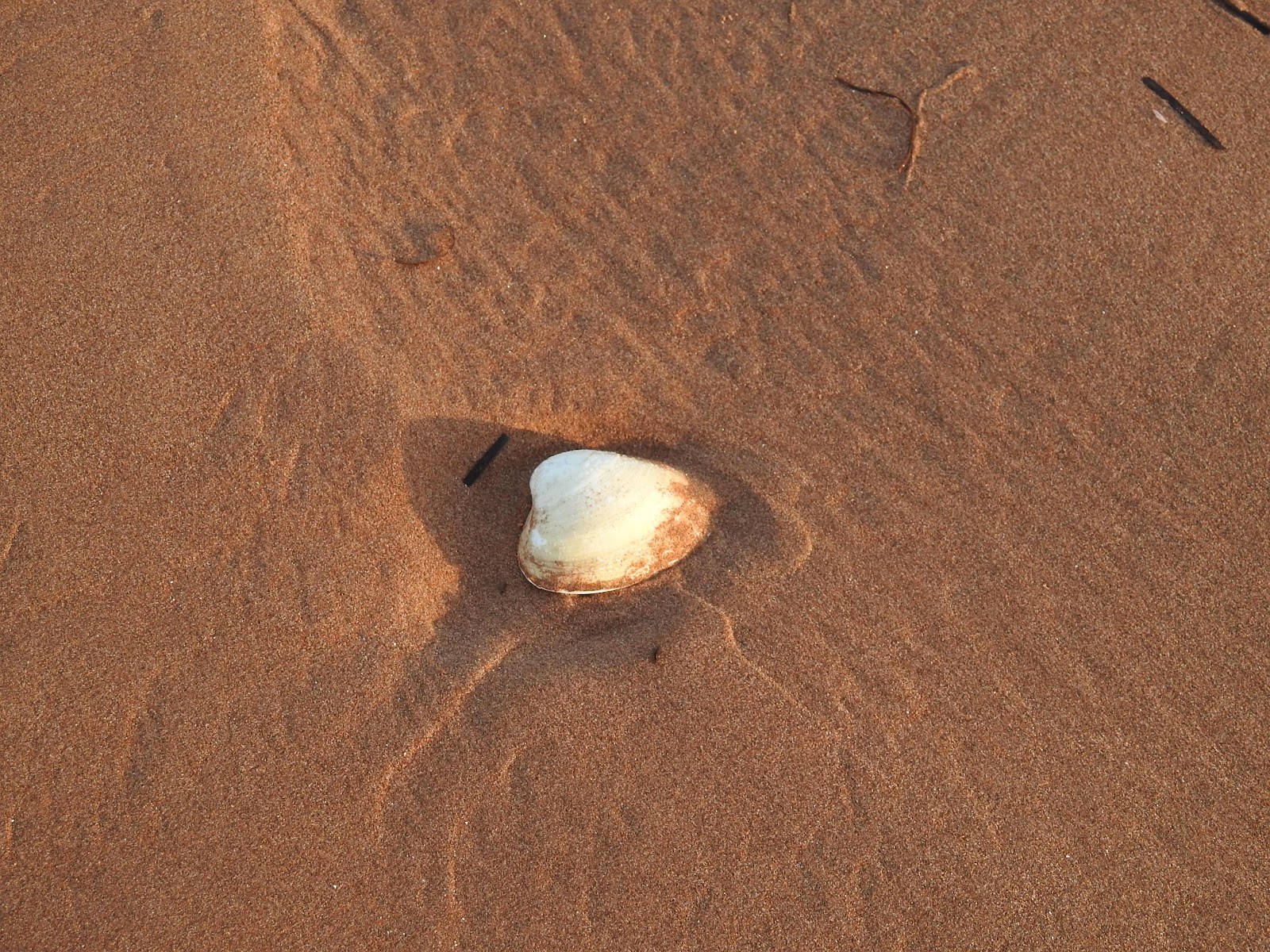
Remnants of sea life such as clams and crabs were spread over the beach as was abundant seaweed.


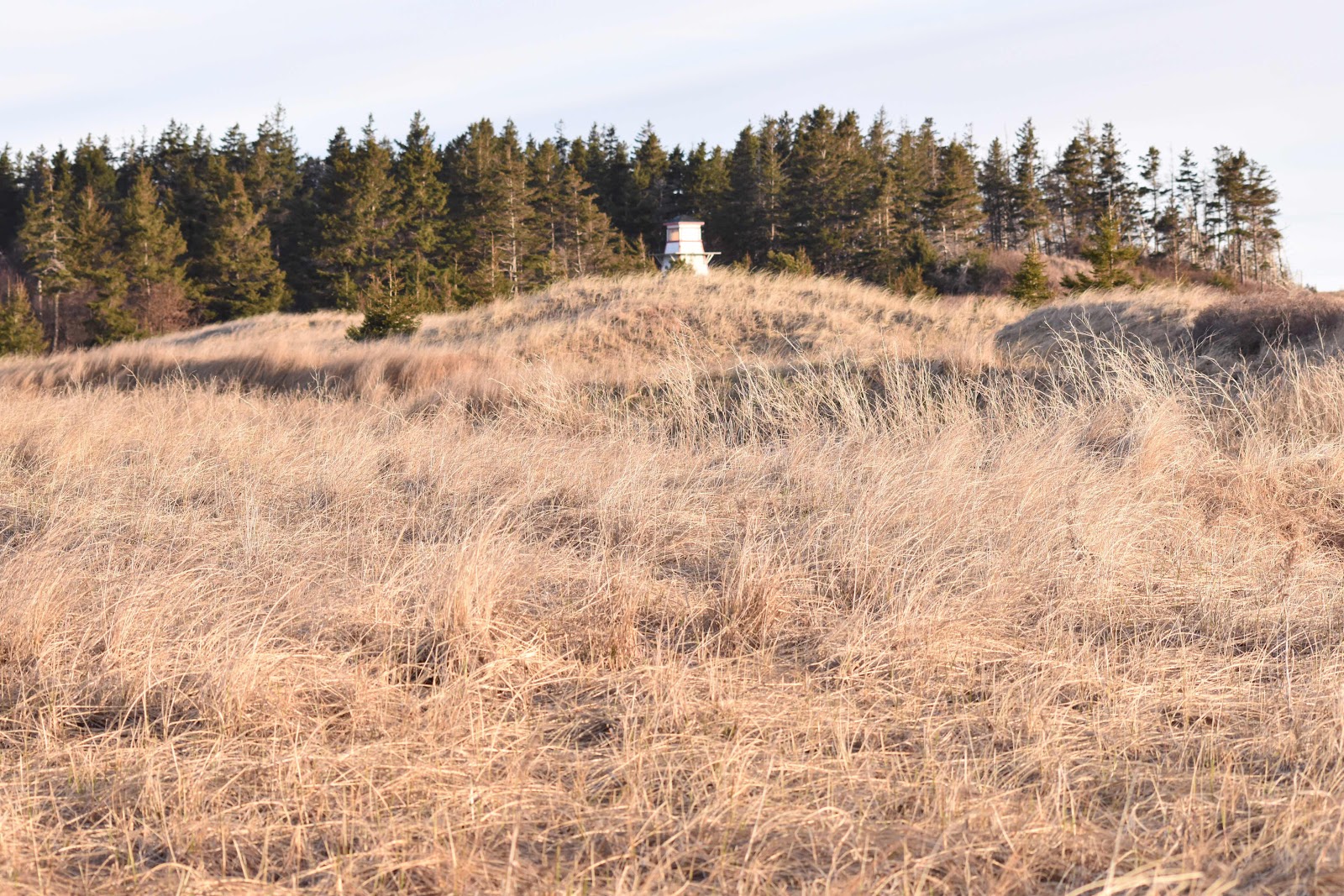
At the back of the beach, the Marram grass, which had survived the winter, waited for the sun to work its magic with chlorophyll for another year. 


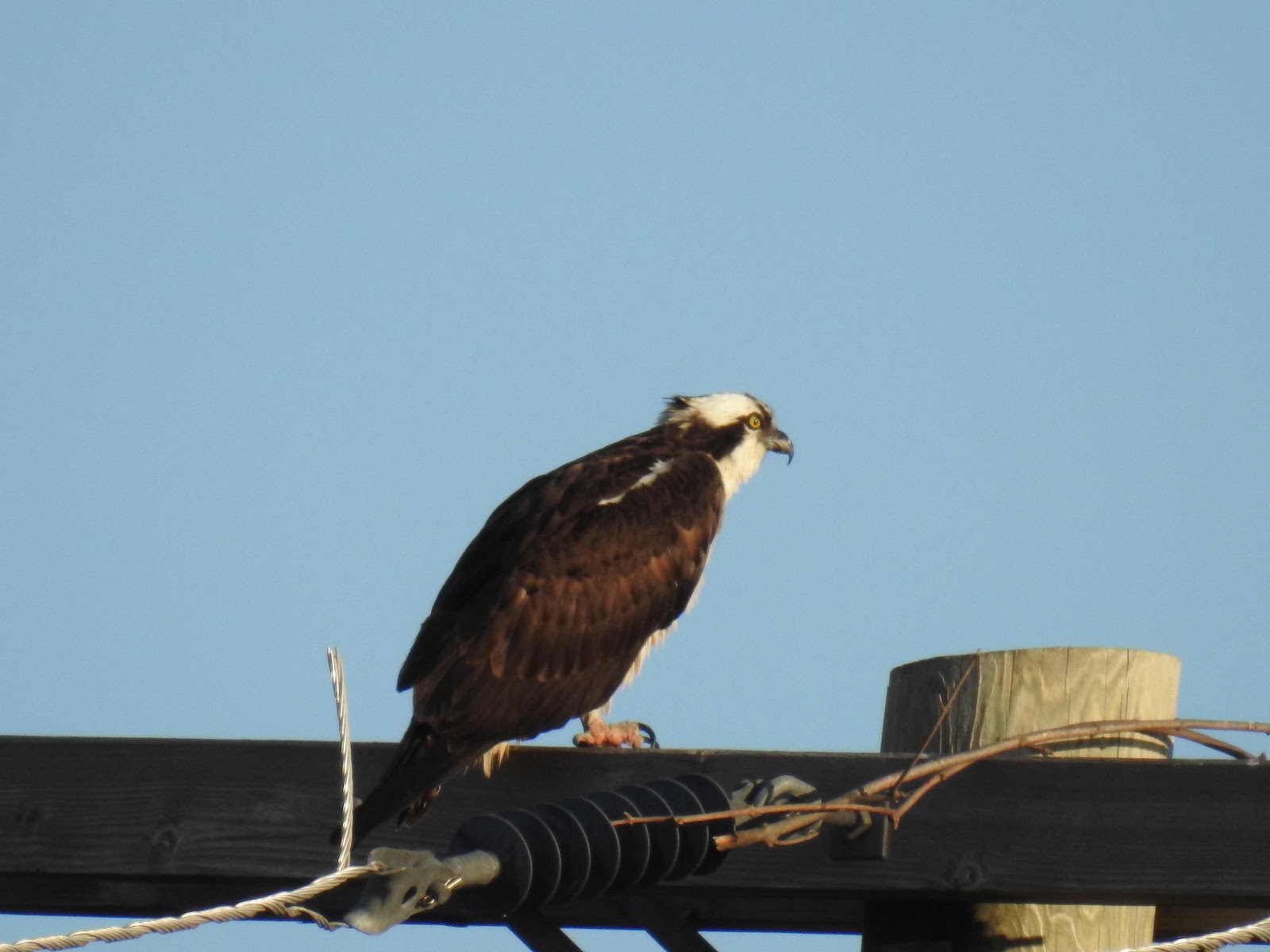
The sand dunes were alive with the sounds of numerous birds of various species. Overhead, Canada geese made their presence known as we walked back to the car. On the edge of the dunes, an osprey, perched atop a utility pole, 


waited to go fishing too, having watched the humans depart from the cove nearby.

Nature was astir and and we were fortunate to experience her early morning splendour. 

Monday, 8 May 2017

Shifting sands

Sunny and 10 degrees C. Time for a picnic and a walk on the beach.  We don't need a reason just the weather. After all, it only takes a few minutes to steep some tea and make a sandwich. My husband always has homemade bread rolls ready. Brackley Beach in the national park on Prince Edward Island was our destination.


We took the back roads, though the main highways on the island aren't all that busy at  any time. Within the hour we arrived and quickly started for the beach. The sand dunes near the boardwalk had shifted over the past winter and sand covered a section of the boardwalk.


Park personnel are not out in full force yet.


It was one of those days; if you waited five minutes, the weather changed. The skies clouded over and it rained, cleared and repeated during our excursion. On occasion the skies looked ominous,


but the sun would break through and change the scene. 


Though it rained twice, both times were short lived and warm enough that we didn't mind.


The highest sand dunes we've seen thus far on the island are located here at Brackley. Some towered at least fifteen feet above the beach.


Waves and wind made for one of those days when the sound of the beach fills your senses and controls your thoughts. It wasn't cold but we zippered our jackets as we walked into the wind. 


During the winter,  the Gulf of St Lawrence cast ashore some buoys from traps set off-shore. 


They are on the upper part of the beach, far from the usual high tide mark. Stormy seas must have thrust them forth.


The waters around the island can be calm as to barely lap the shore. This day, the waves had crests and troughs, the crests breaking as they neared the shore. The white water sent a spray into the air, as the wind blew across the surface. 


Seaweed, a constant along the sandy beaches of the island, rested on the beach.


A huge log, at the base of the sand dunes, was partly covered by the shifting sand. 


It was a great place to sit and take in the scene on a beach which feels like it goes on forever. Several people in the distance are the only other humans.


Time for lunch.


Wednesday, 5 April 2017

Spring dunes

They take a beating in the winter. The sand dunes, our first line of defense against erosion of the beaches on Prince Edward Island, look battered after last winter. 


We compared the dunes of Cabot Beach to photos we had from last summer and the difference was obvious.


August 2017


April 2017


On the beach, the Marram grass is straw-like now compared to the verdant appearance of the upper part of the beach last summer.


August 2016      


 April 2017


How long does it take the Marram grass to recover? When the ice disappears and the sun warms the air, do the new strands of Marram grow from the roots of the straw left from last year?

August 2016


April 2017


We will be curious to see the growth of the grass and what the area looks like in August.