Most Popular Post

Showing posts with label smelt. Show all posts

Sunday, 29 May 2022

Eagles of Clark’s Pond

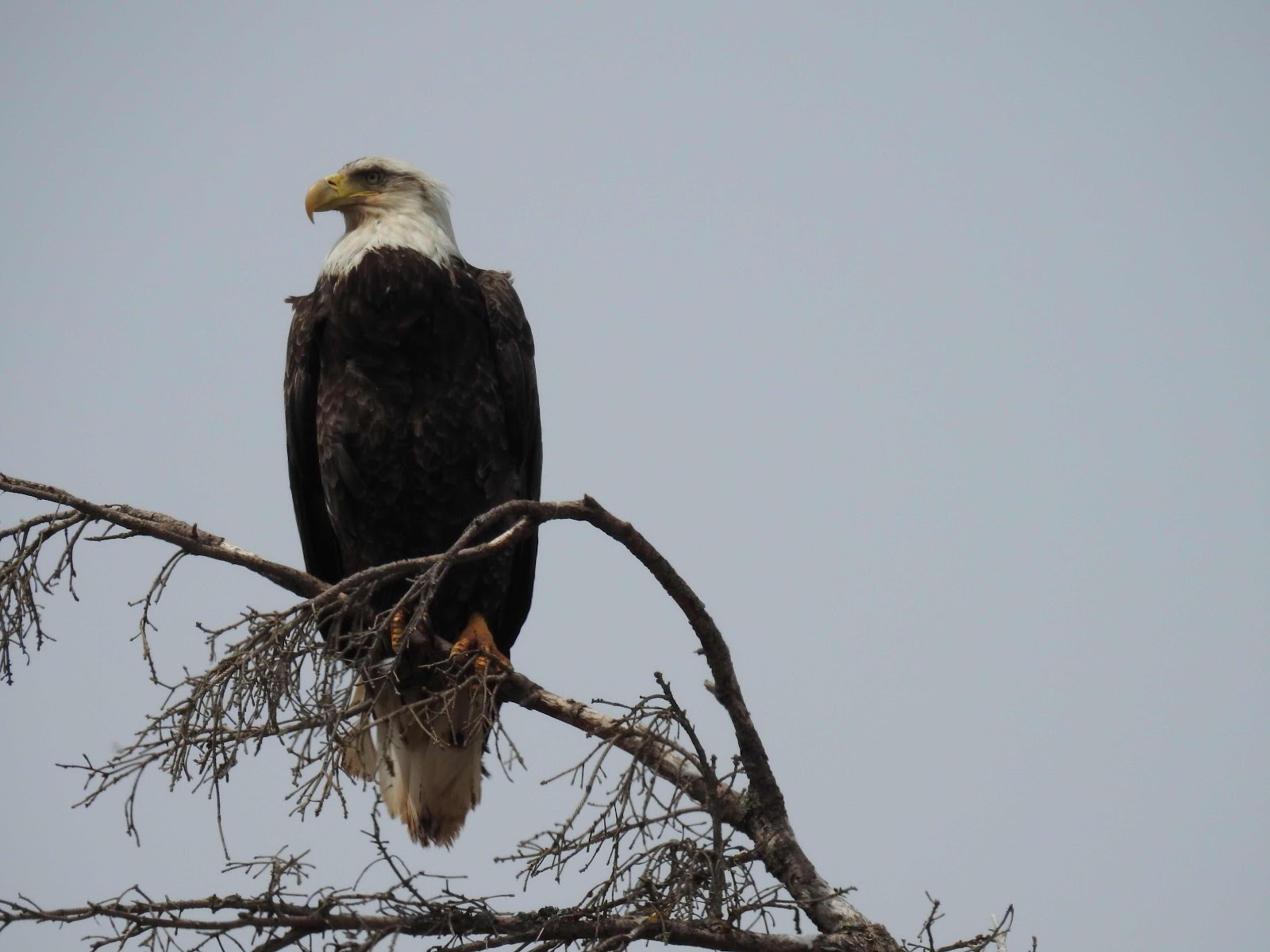
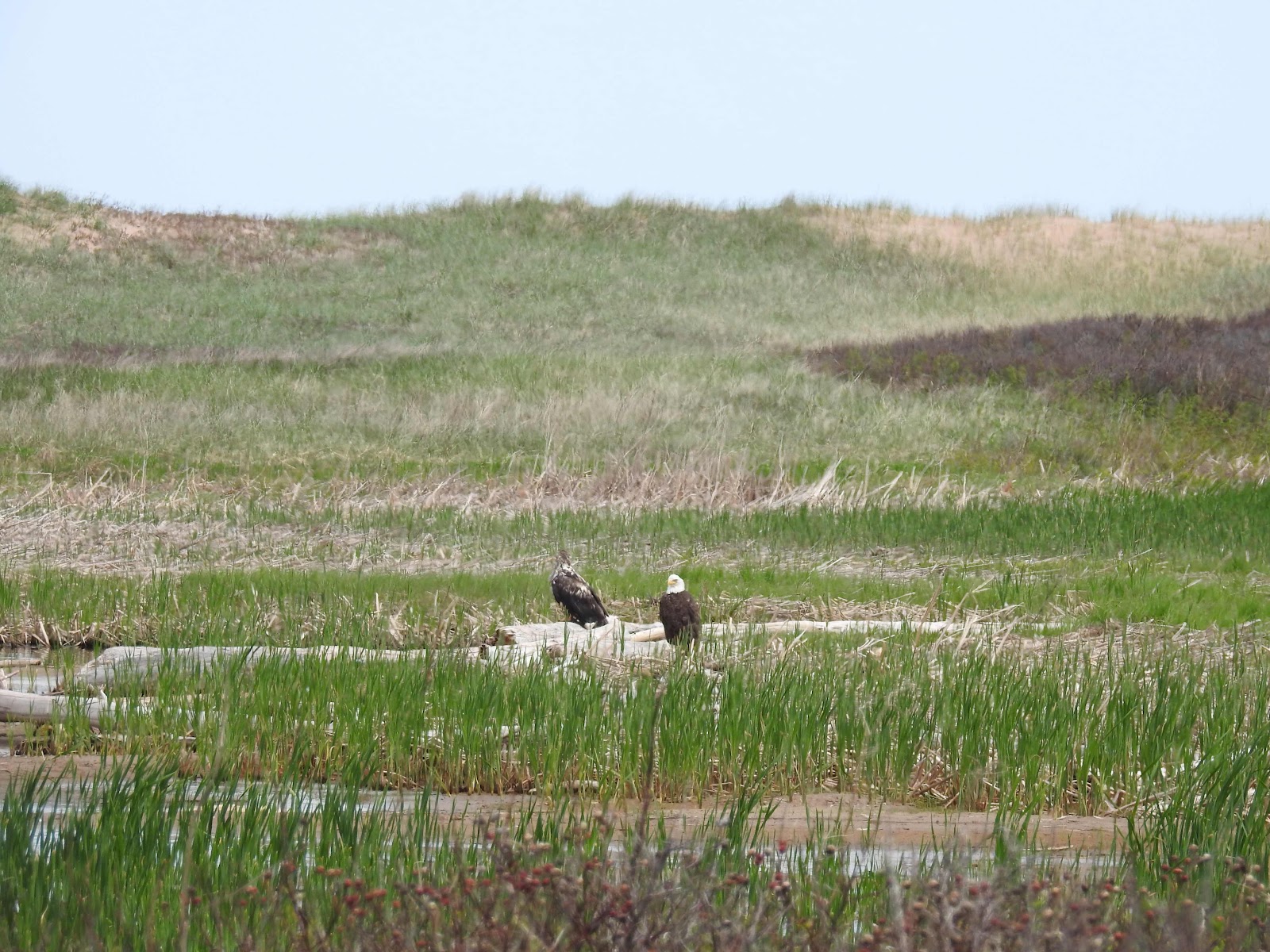
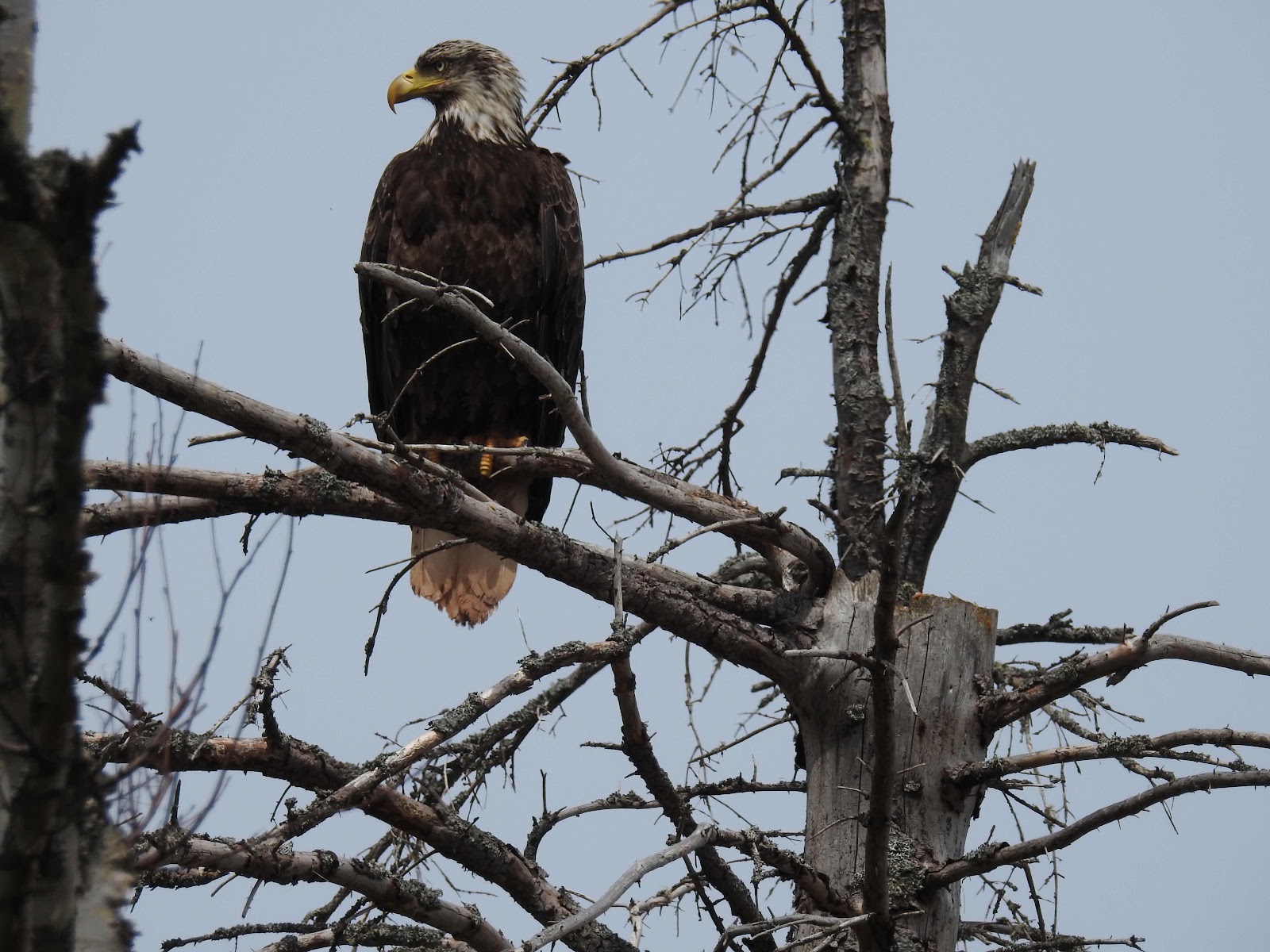
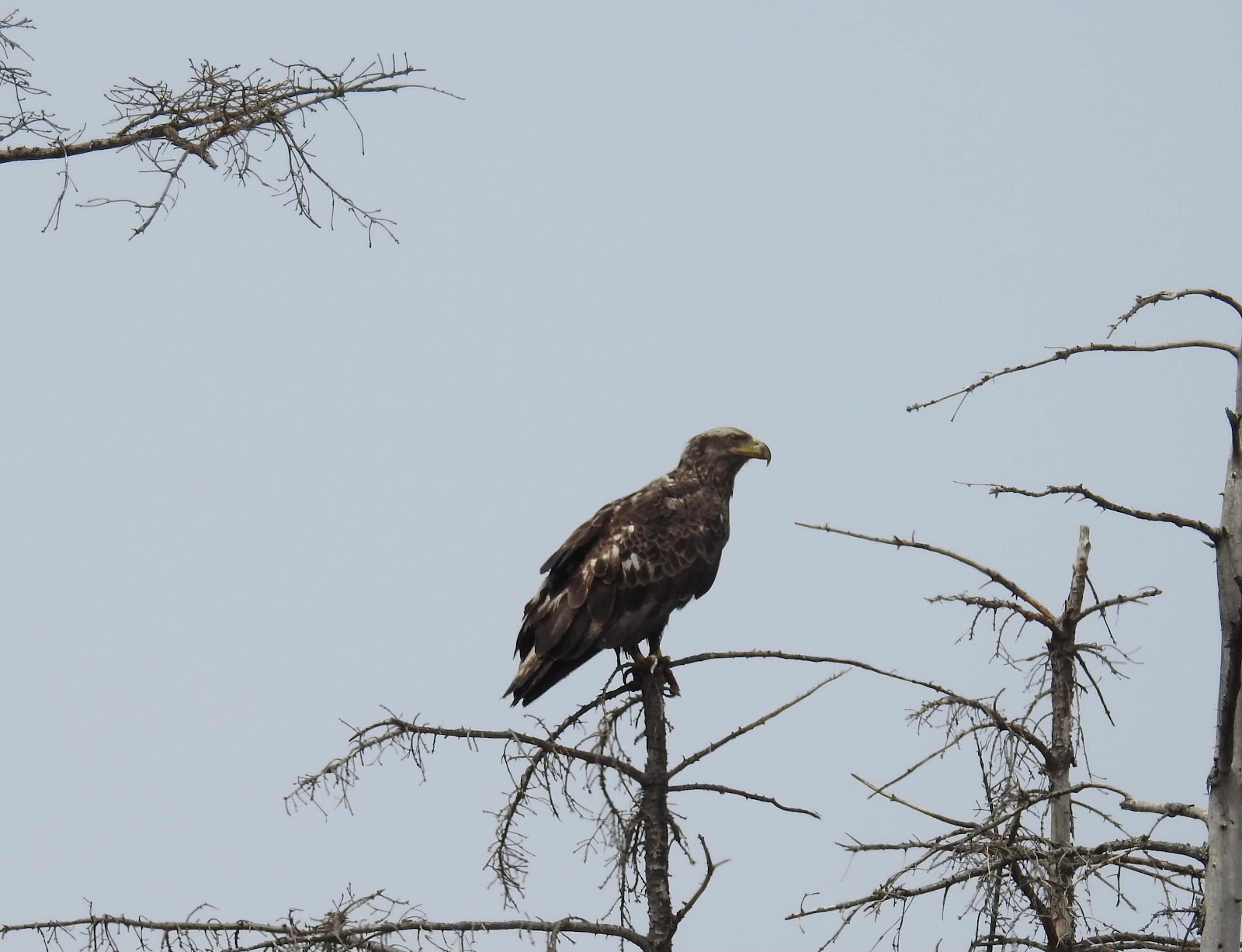
Bald Eagles of Prince Edward Island are putting on a world class show in locations such as Clark’s Pond.


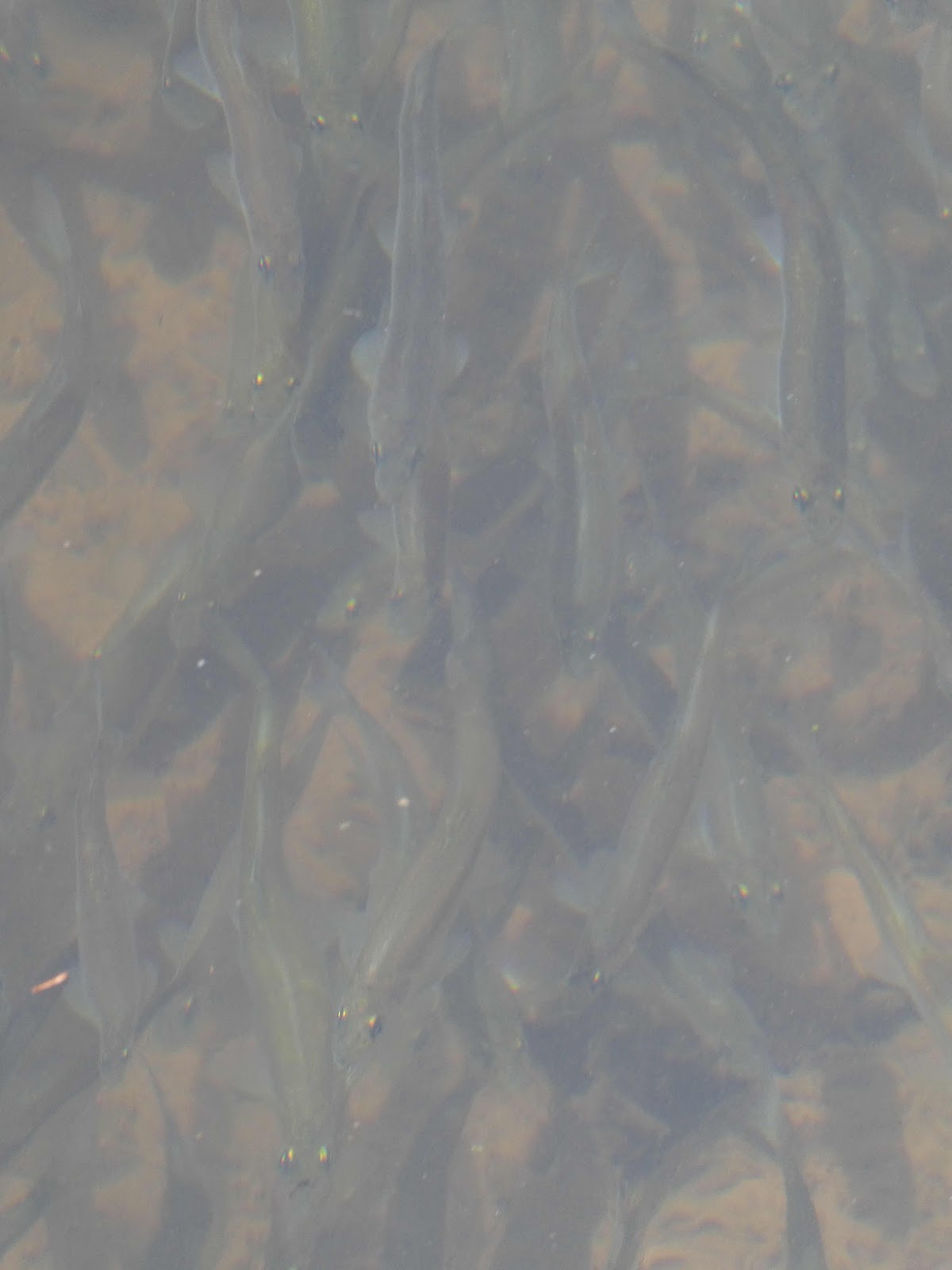
The reason is the fish run. It started with smelt  


and now, the Gaspereau, a type of herring, have begun their journey from the sea through inland waterways to ponds where they spawn. The eagles gather, gorge when they are hungry and hang out afterwards as they digest their food.


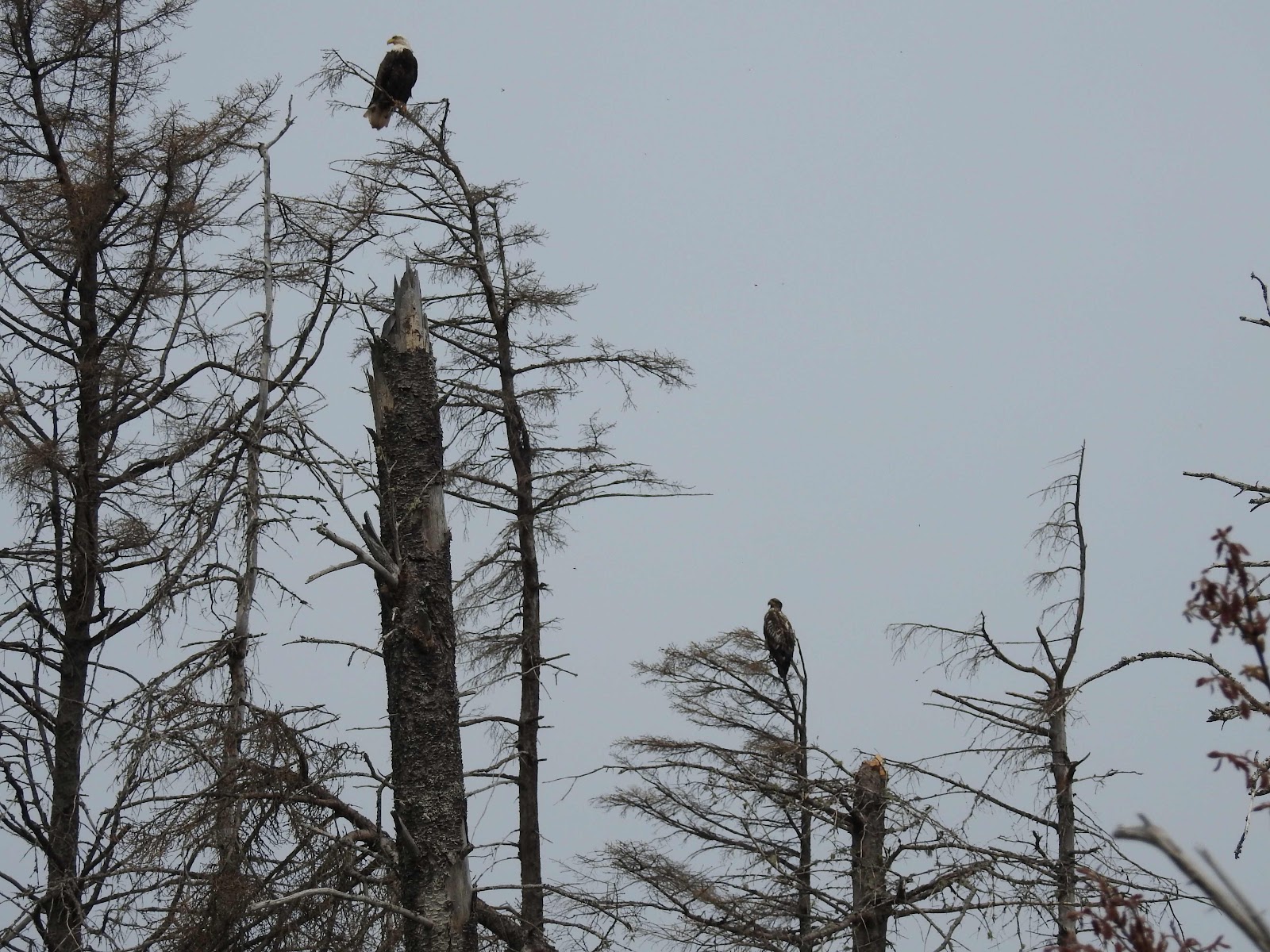
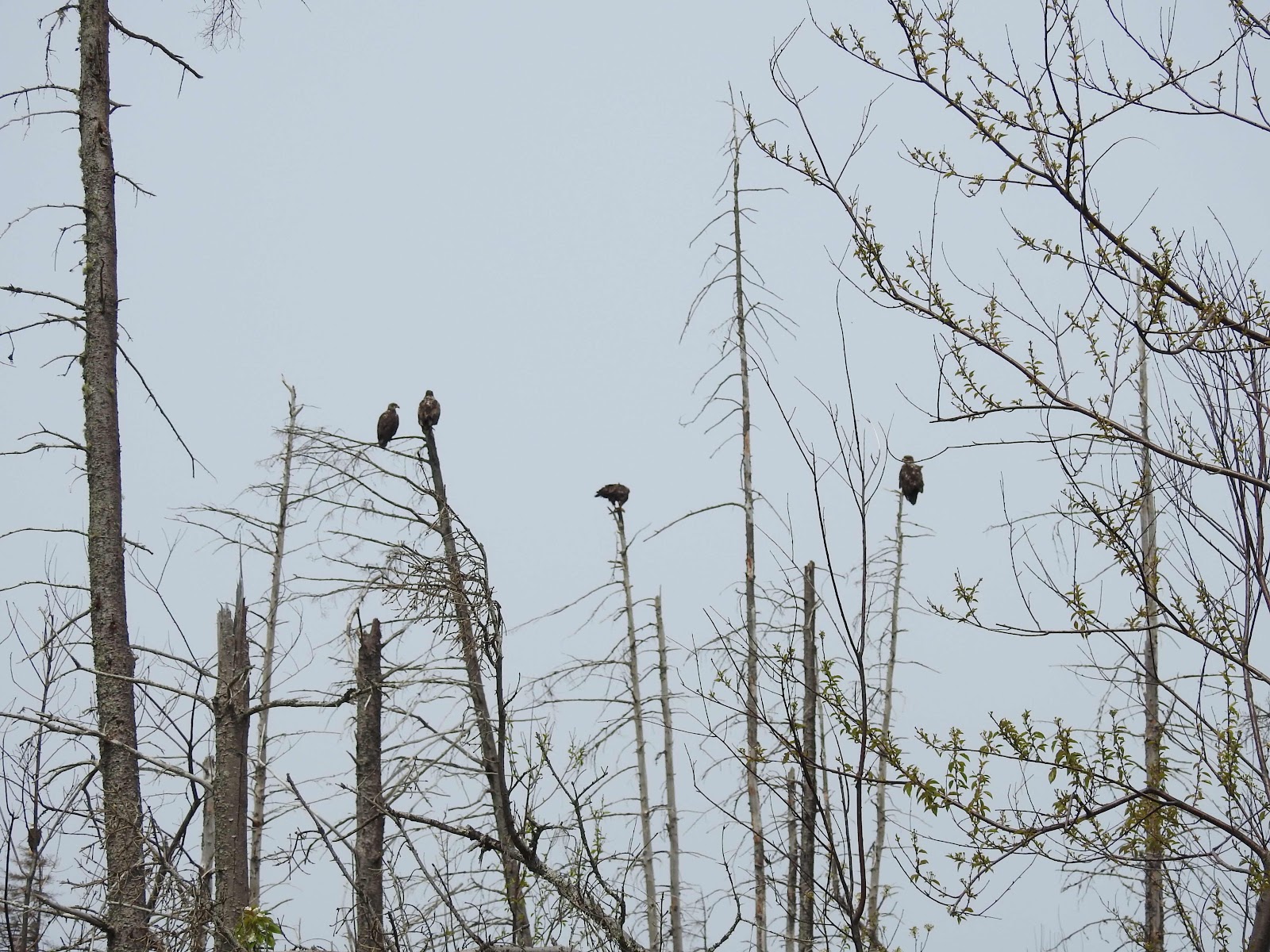
The trees destroyed by the hurricane several years ago make great perches for the birds as they survey the area.


My husband and I visited the area recently to see the spectacle. The birds didn’t disappoint. The eagles had fed earlier and were lining the banks of the pond 


and filled the trees. 


We lost count at 30 eagles in just our proximity.


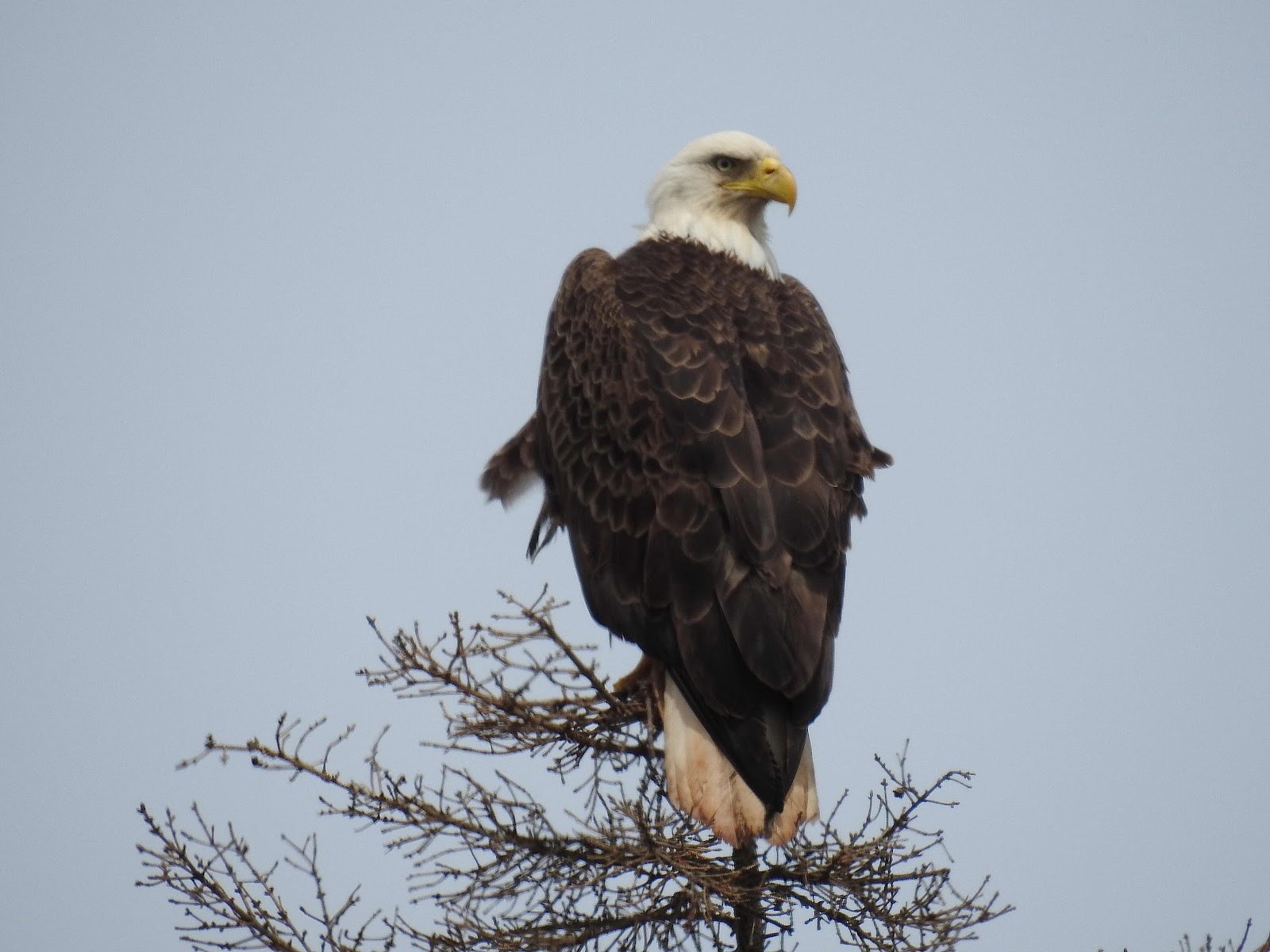
There were older birds 


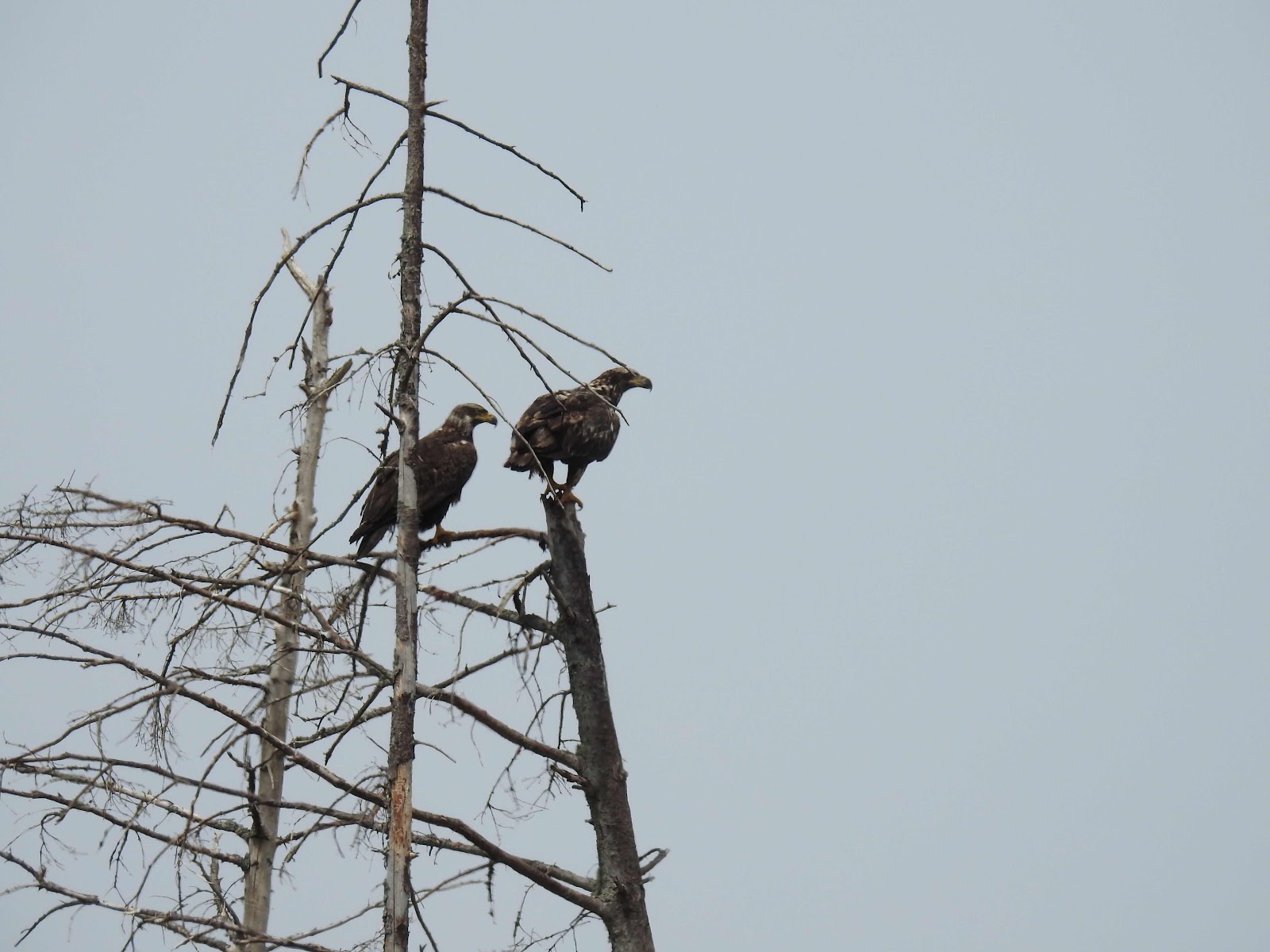
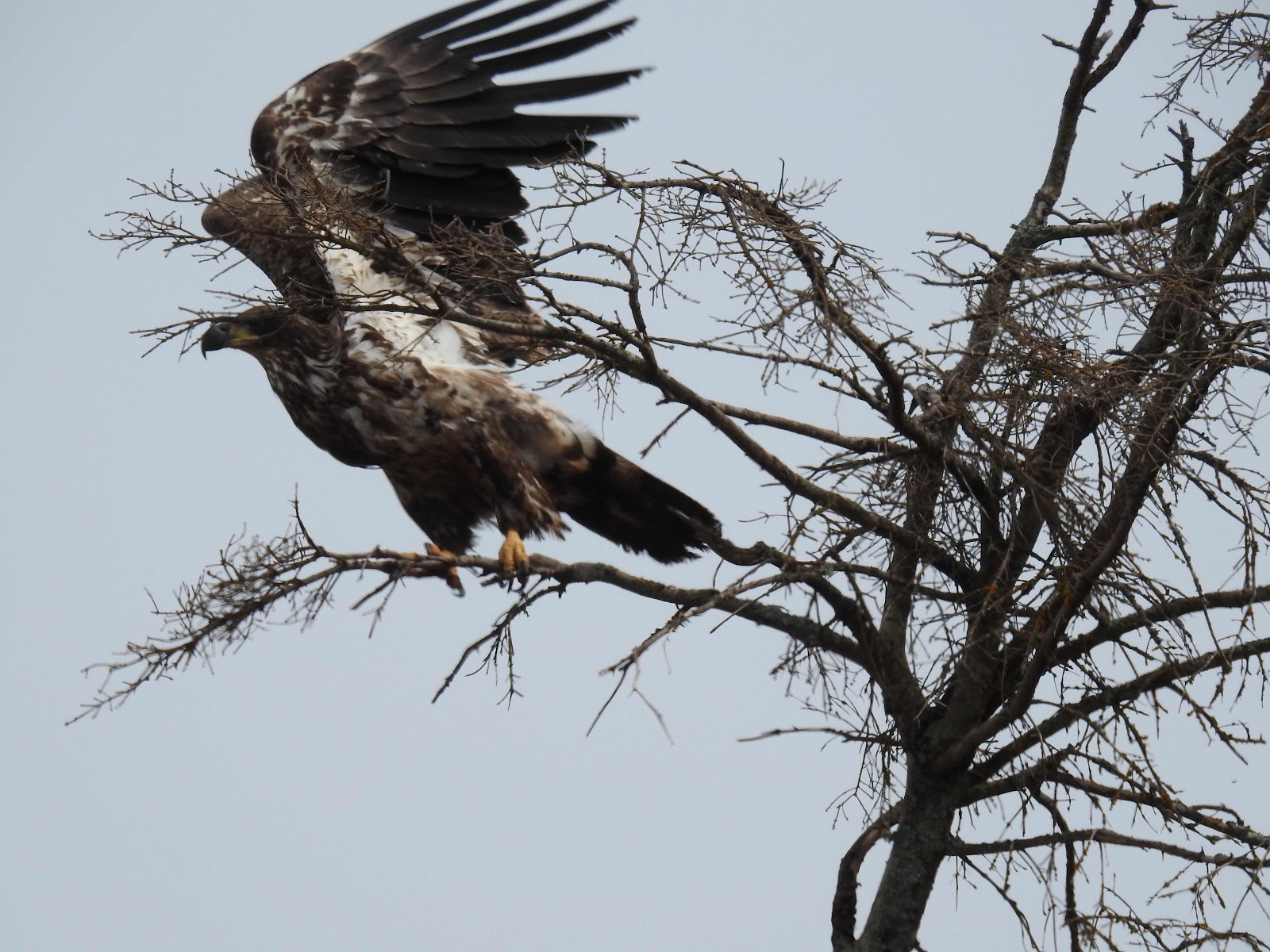
but lots of juveniles of various ages.


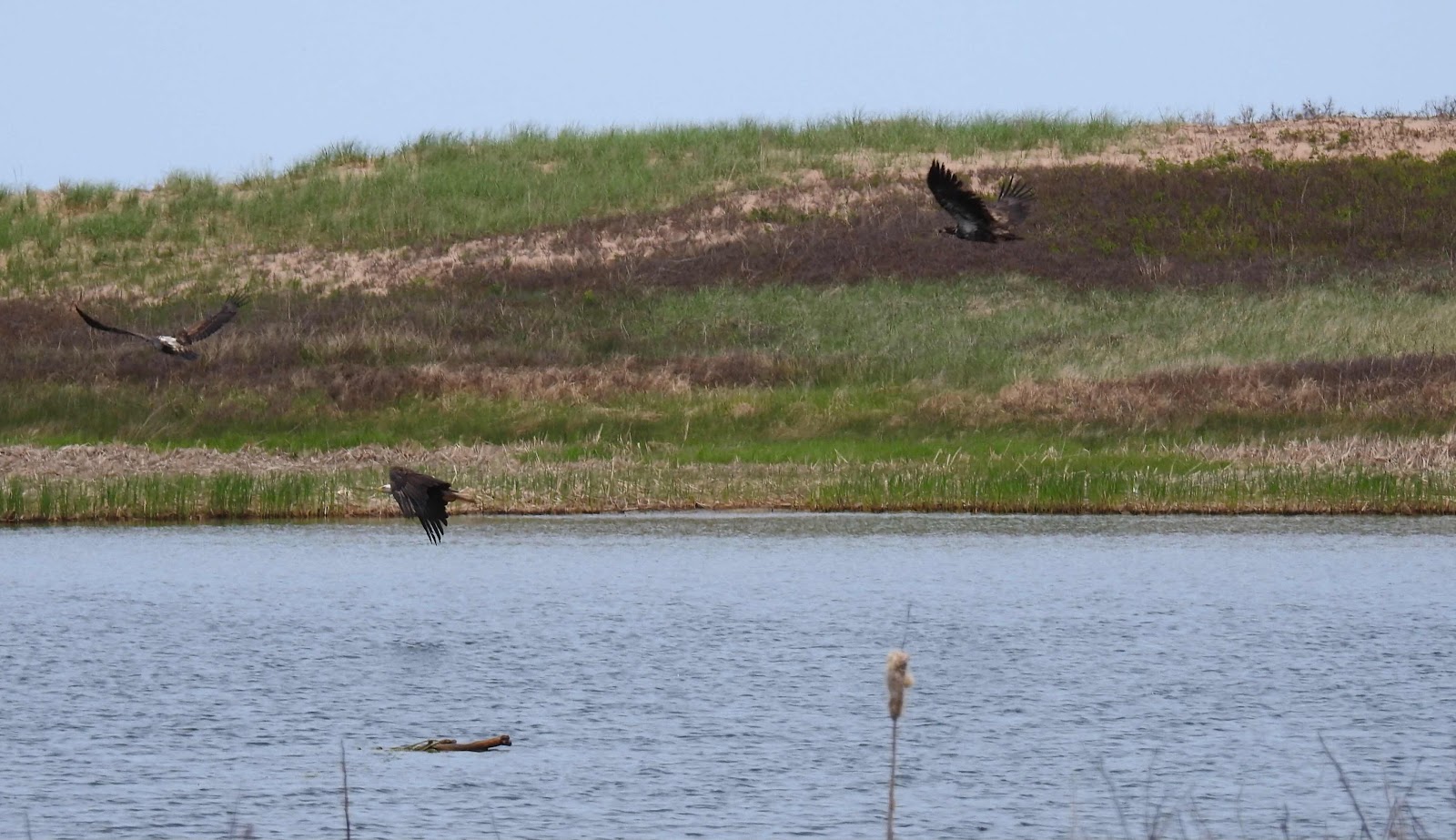
It was interesting to see them flying over the pond 


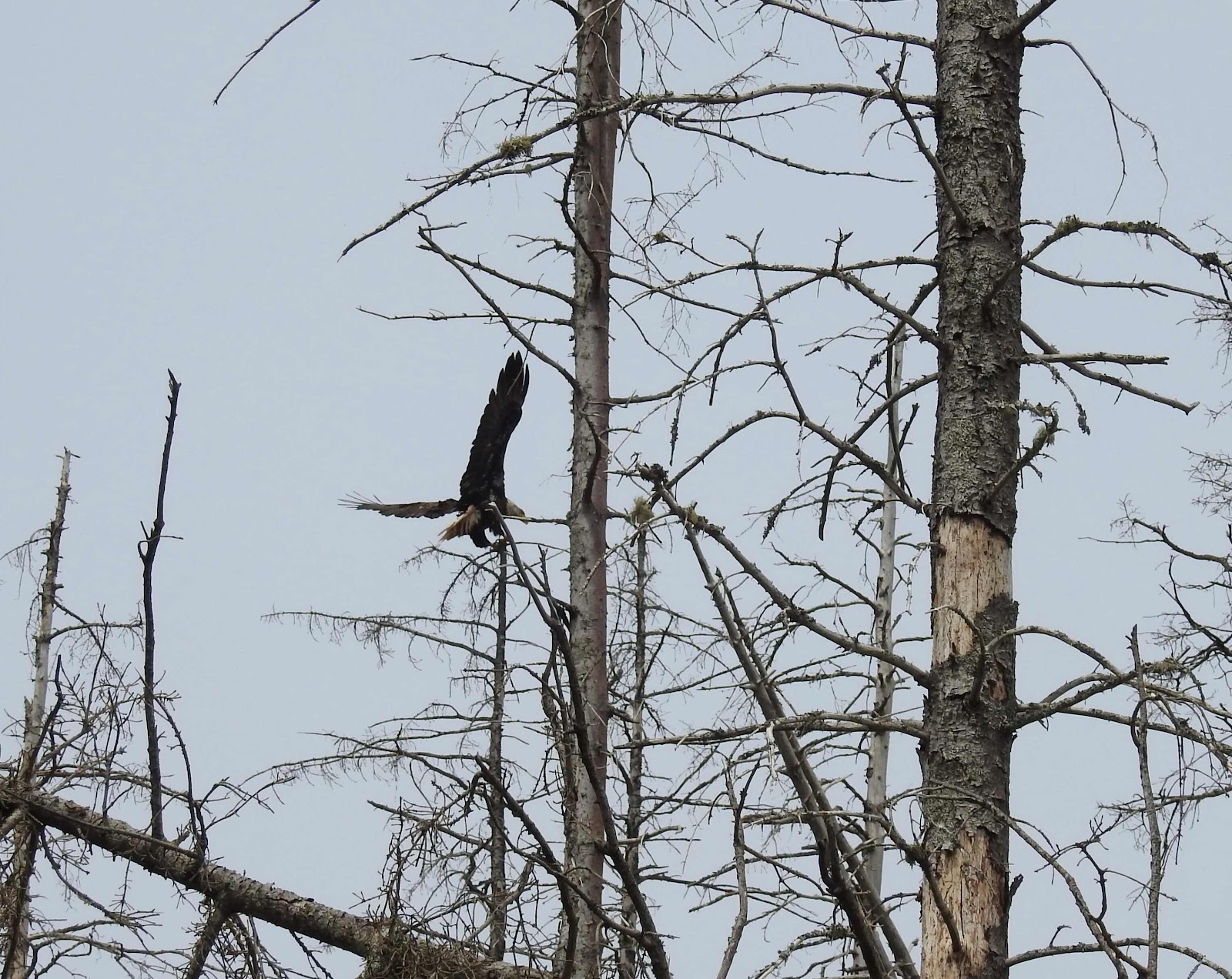
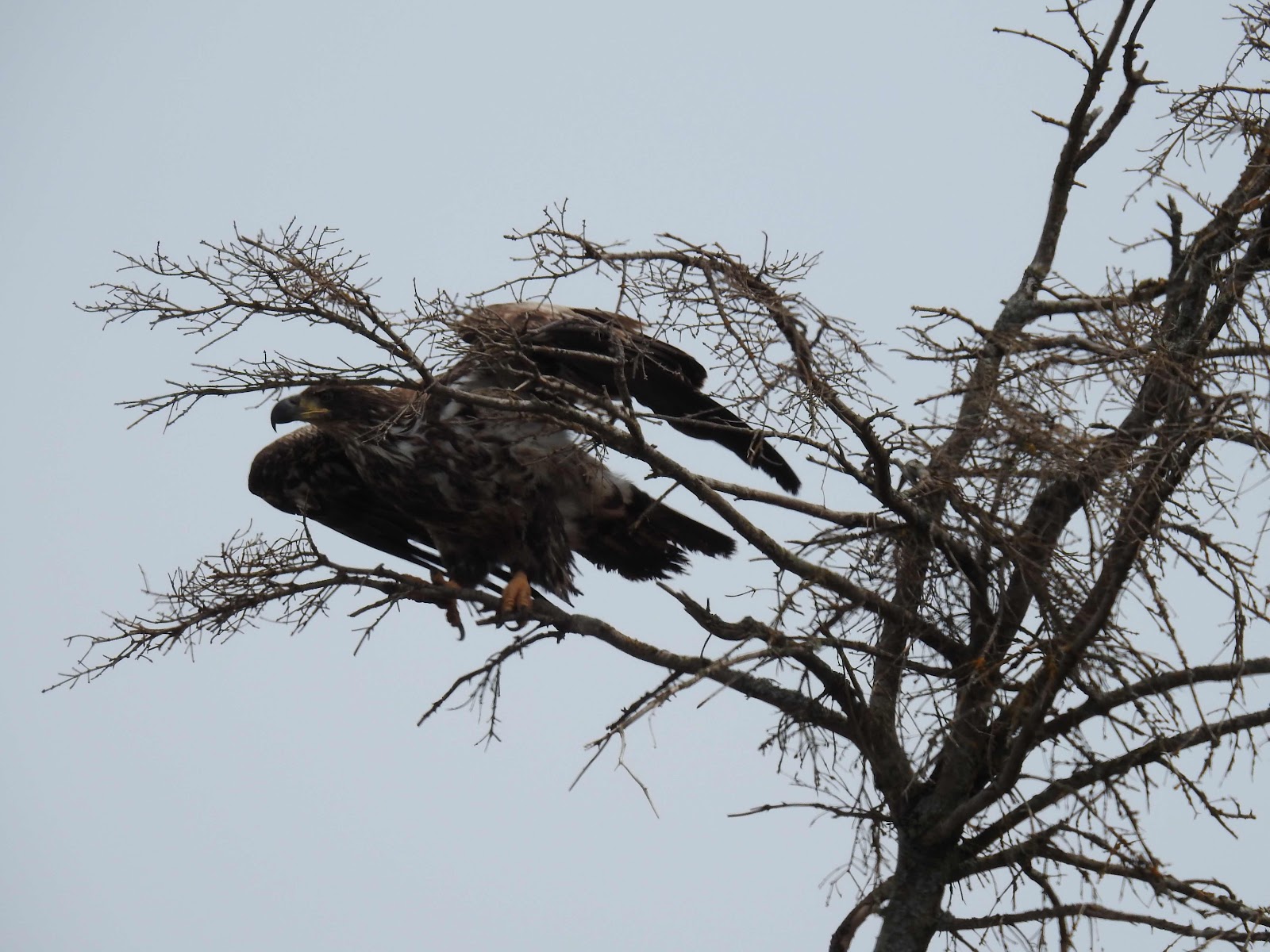
or taking flight 


from a perch in the trees. 


And as you can see above, sometimes juveniles congregated together. 


Of course we are going back to the eagles of Clark’s Pond again this week.


Wednesday, 14 July 2021

Inland waters

Our quest to cycle the Confederation Trail from east to west on Prince Edward Island took us to what may be the most remote section of the trail last week. On our return ride from Selkirk to New Harmony, we only met one person, which is unusual. In addition, a section of this trail has not been groomed yet this year which made it look untamed. It is where I fell with my bike. However, the ponds and wetlands in this area are worth a visit.


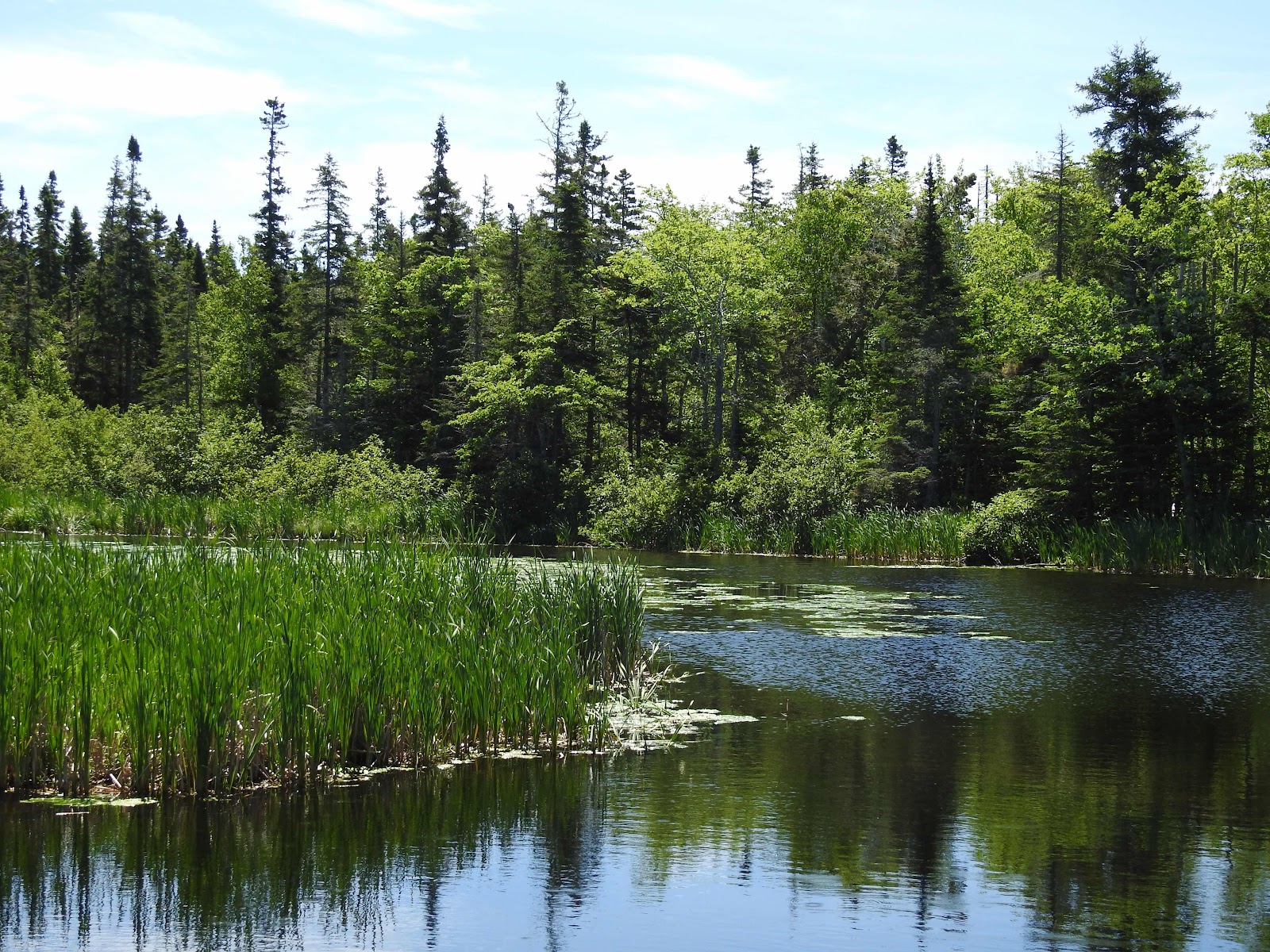
Larkin’s Pond near Selkirk is known for fly fishing although on the two weeks we’ve been past there we haven’t seen anyone fishing. 


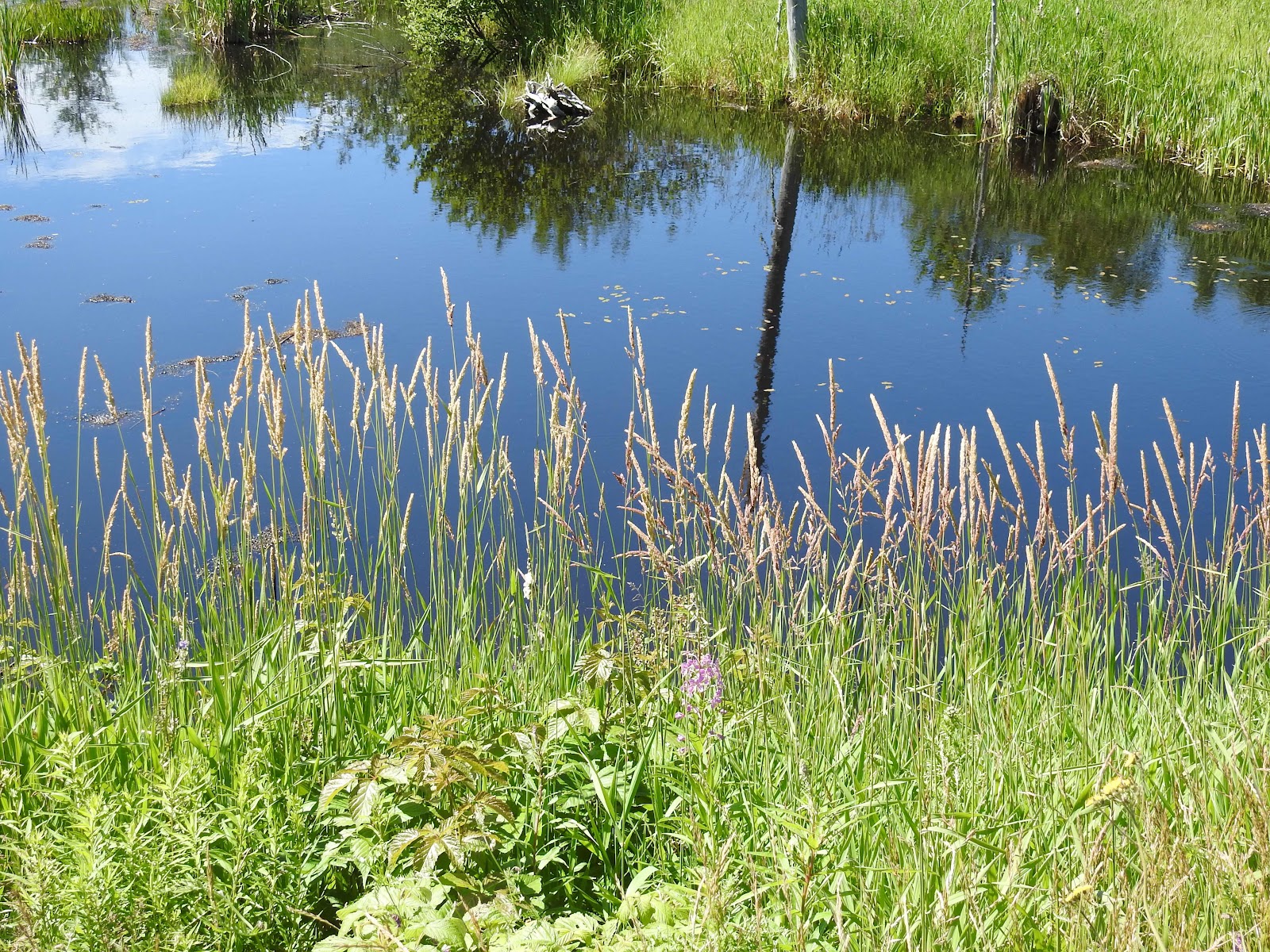
We saw ducks on both occasions but they were too far away to photograph. The wind in the bulrushes is almost musical. 


Numerous Baltimore Checkerspot butterflies flitted over the trail in this area and one posed for a photo.


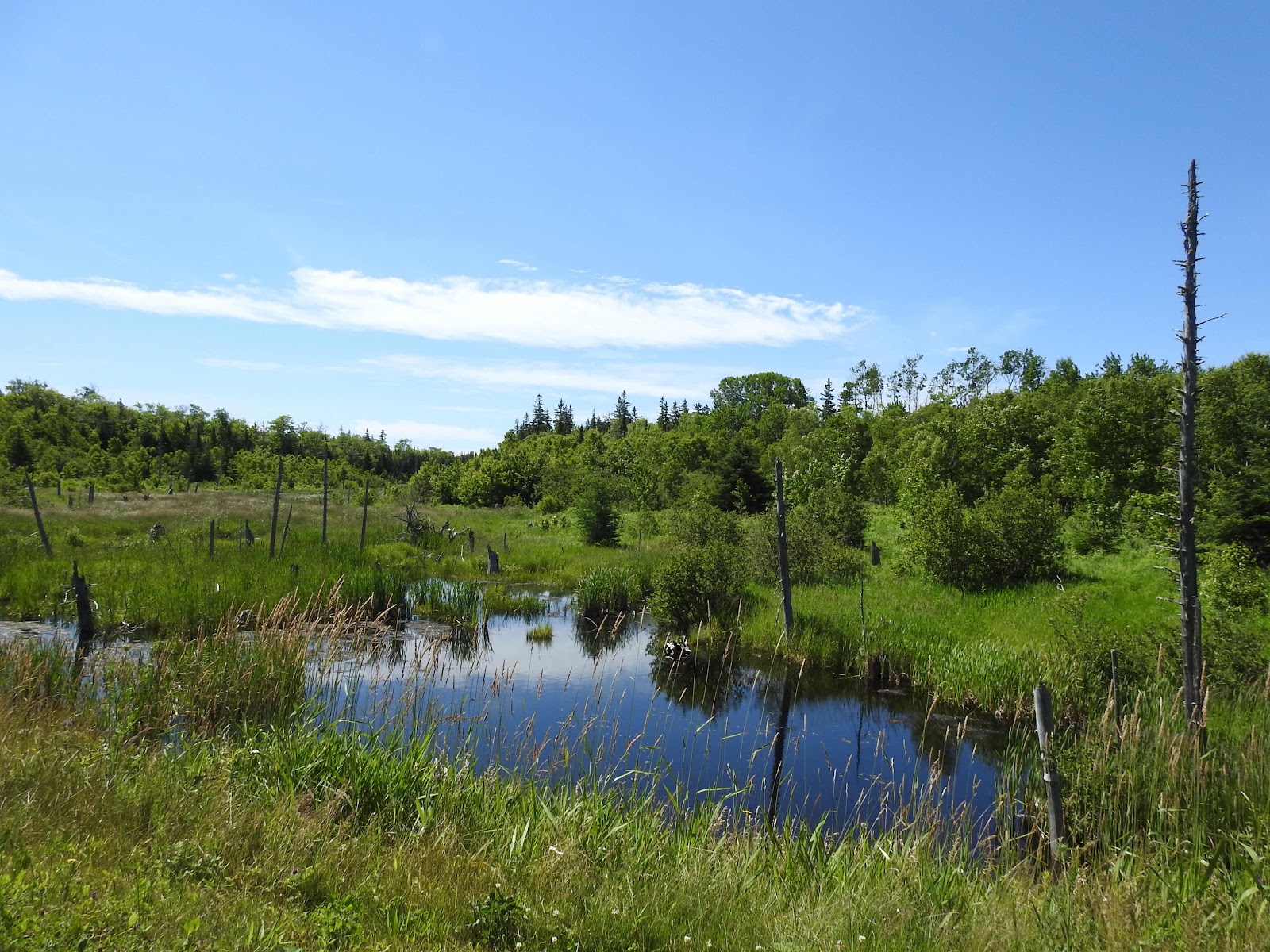
Further along, in a peaceful wetland area, 


reflections of the occasional cloud overhead adds to the scene on the water.


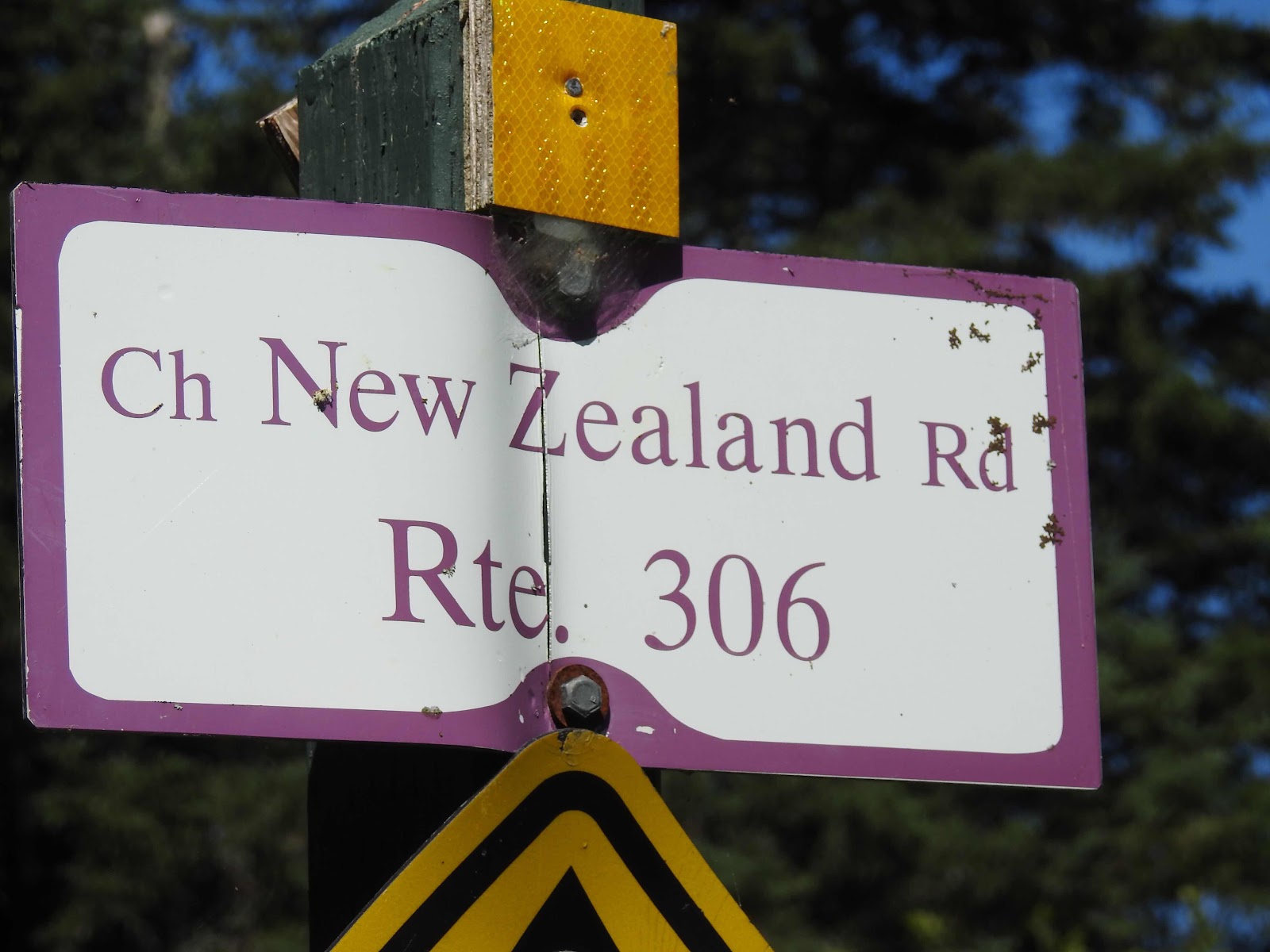
We crossed the road to New Zealand, PEI, 


a tiny farming community whose name first appeared officially in 1925. There isn’t much written about this community but several families left the area in the 1800s to settle in New Zealand. The name of the community on PEI reflects the connection of its people to that island so far away. 


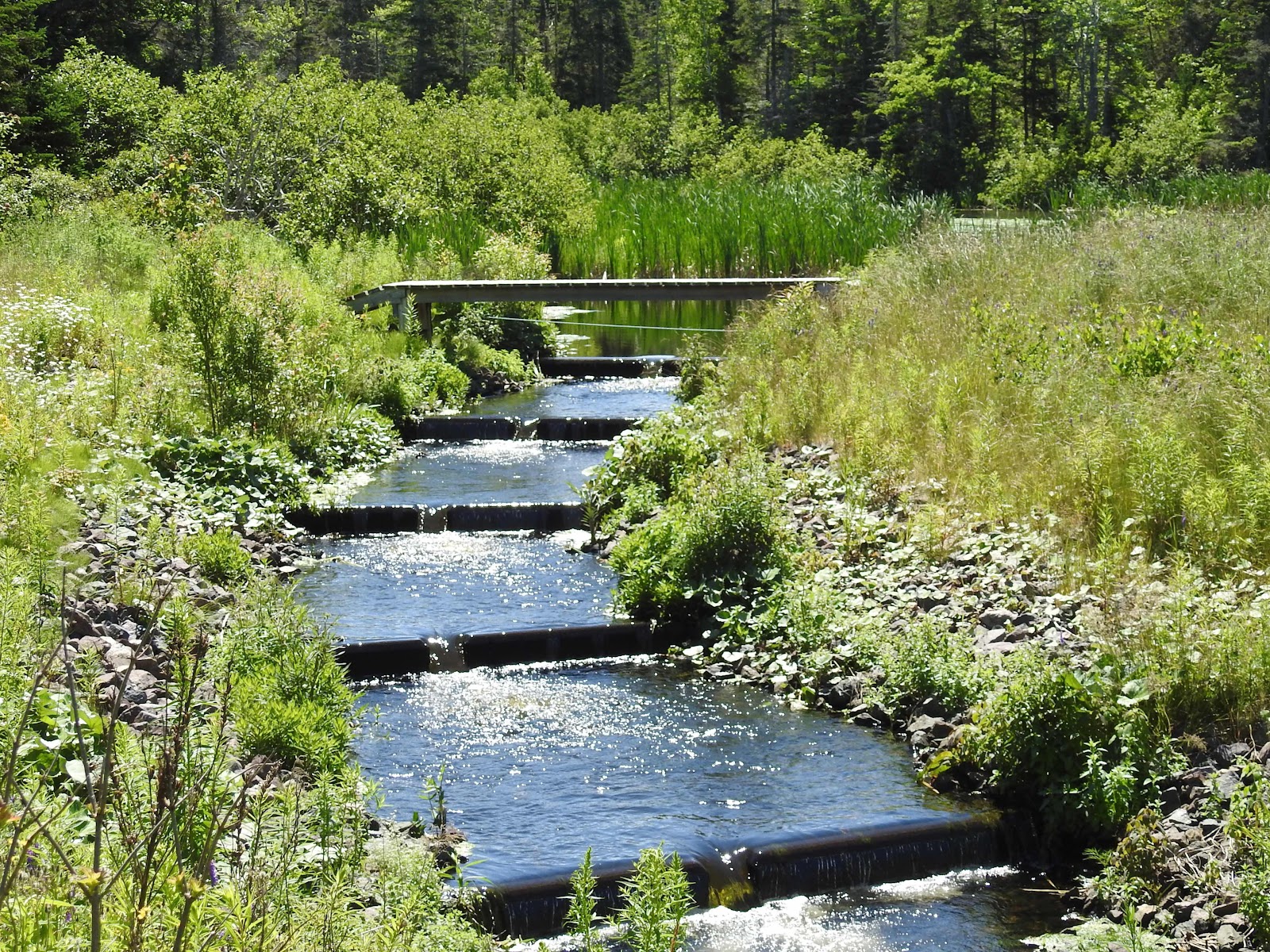
McVarnish’s Pond is a Conservation Area with a fish ladder which allows smaller fish, 


such as smelts and gaspereau easier access to inland waters where they return every year to spawn.


The area is pristine and quiet, the run of small fish over for another year.


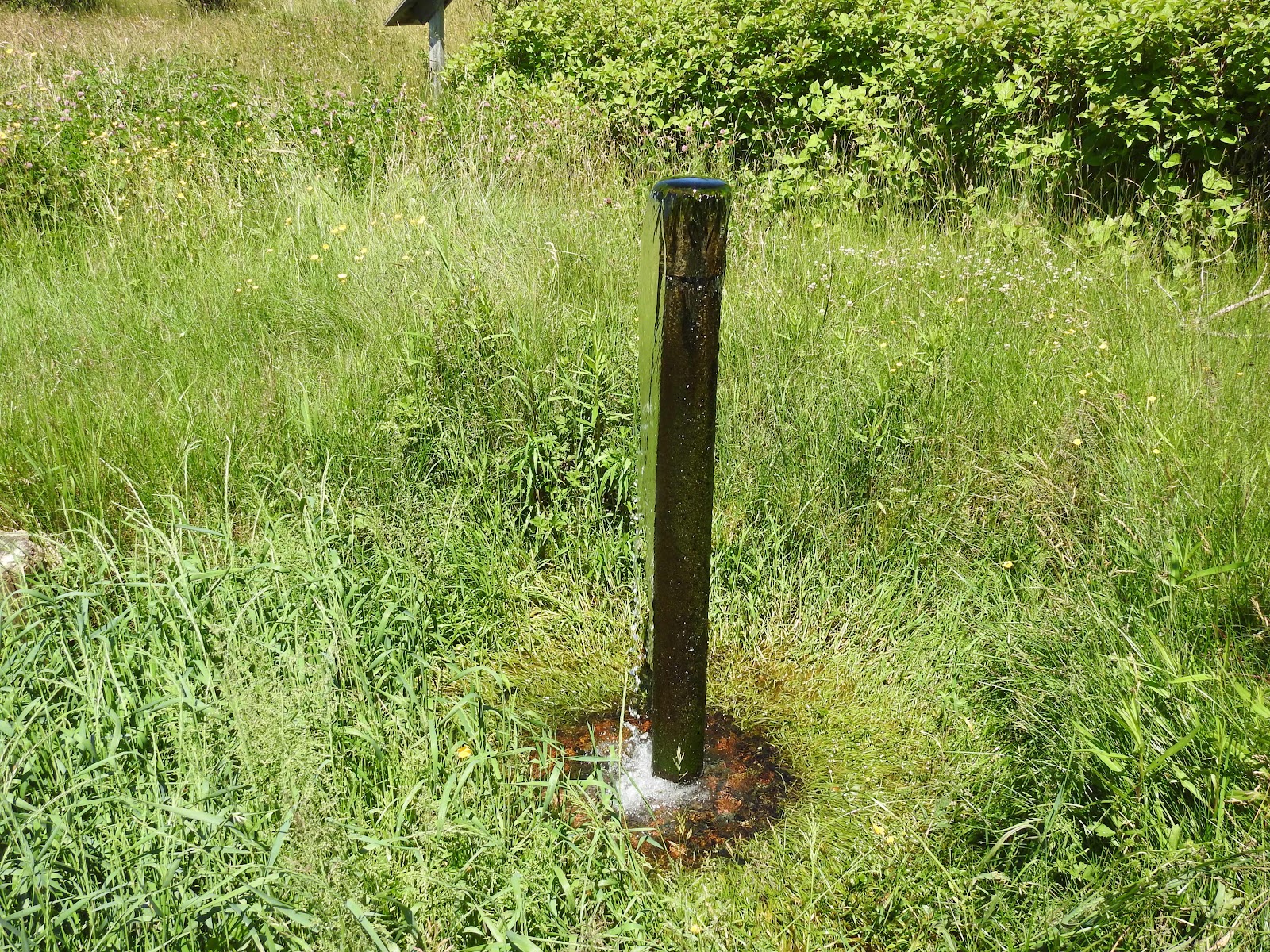
Near New Harmony spring water flows, rising from the earth below, at a constant temperature of 7 degrees Celsius year round.


This section of trail has pristine water features and is more isolated than many areas of the trail. It will be safer for bicycles when it is groomed for this year.


Sunday, 2 February 2020

The village

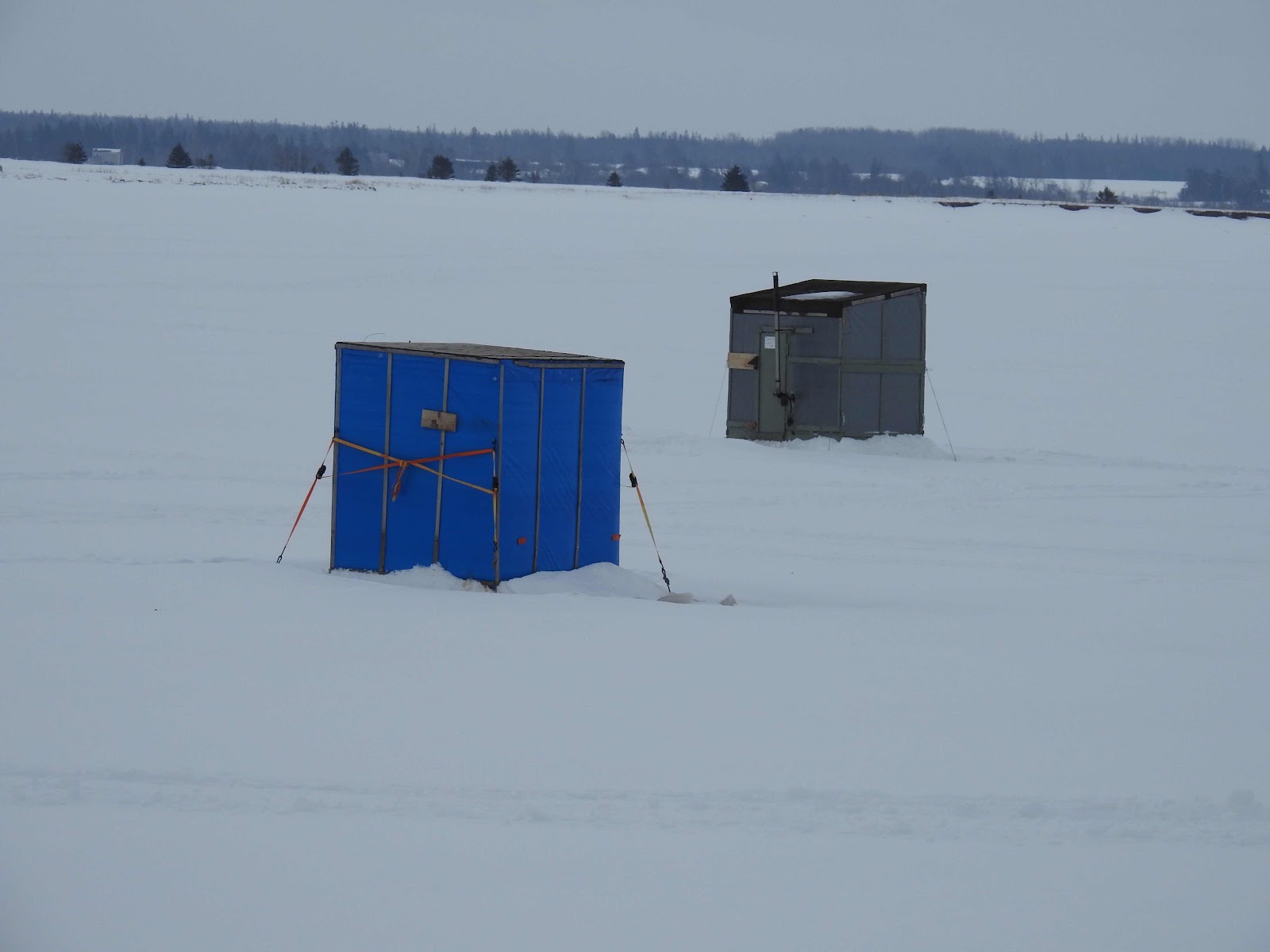
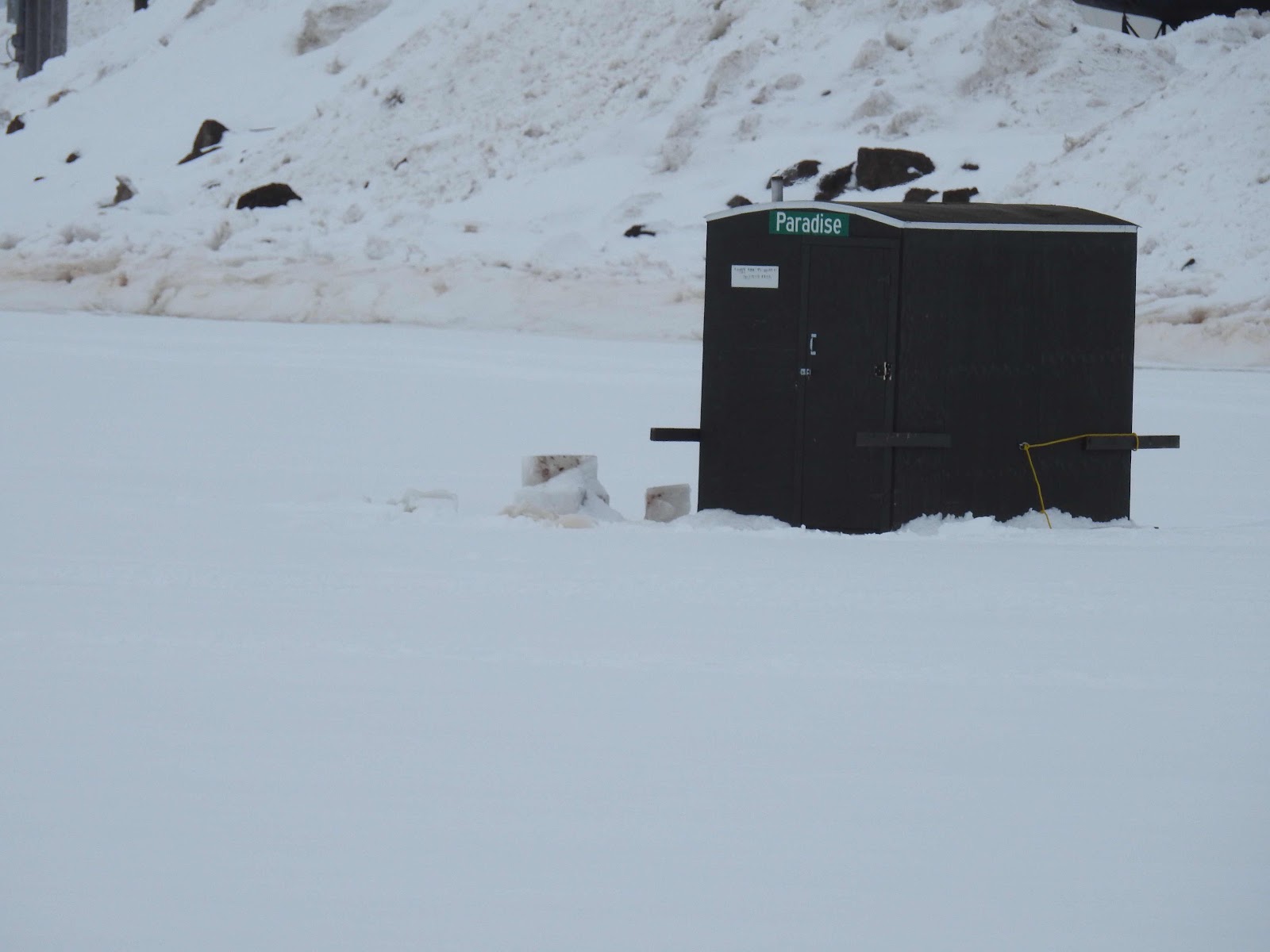
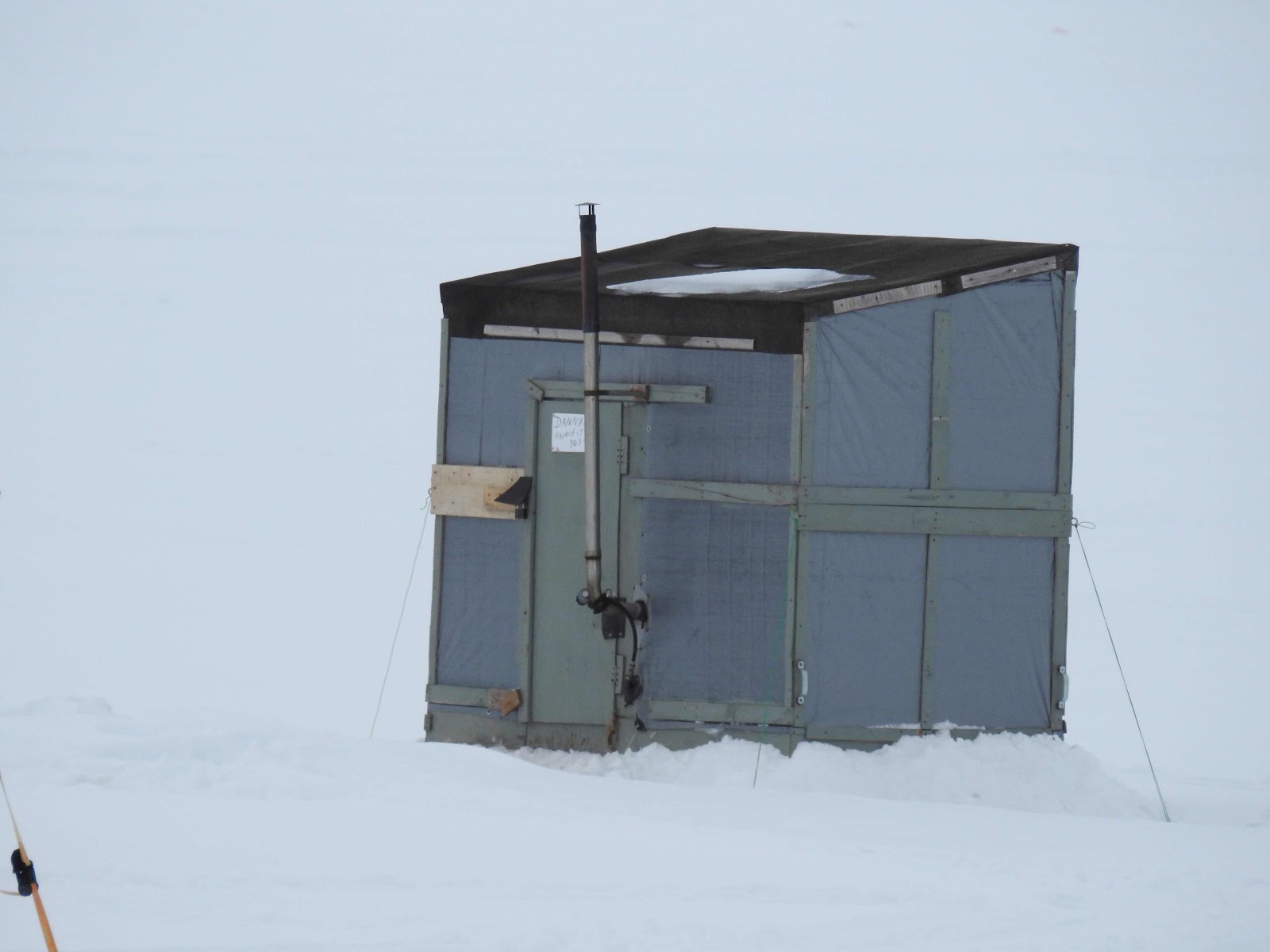
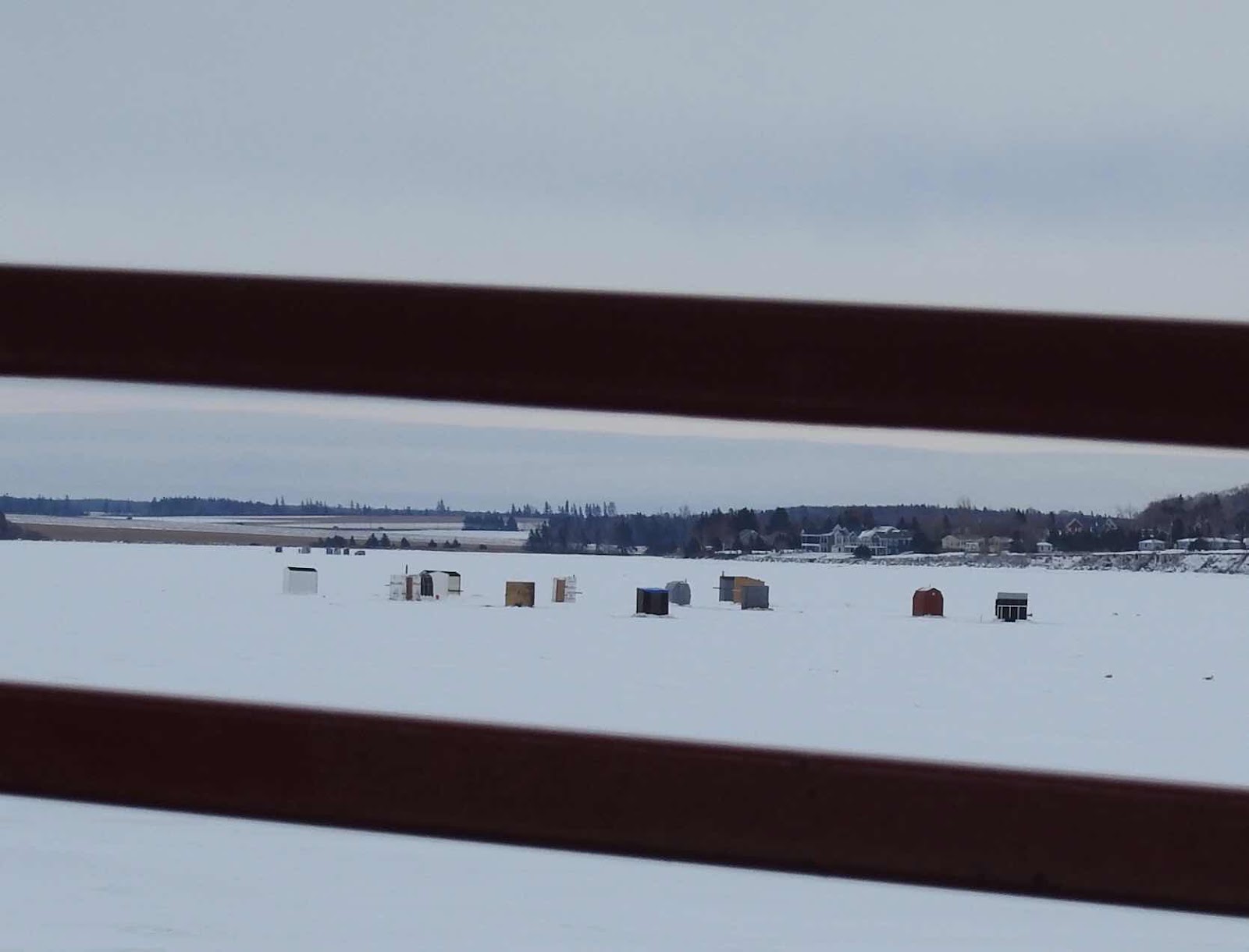
When the harbour ice freezes smoothly every year, they appear overnight. Avid fishers take their smelt shacks from backyards and garages down to the frozen harbour. Those who enjoy the outdoors in an indoor way, spend their time fishing for smelt.


The shacks provide wind breaks from the elements. 


Some are equipped with stoves which take the smelt fishing experience to another level. 


However all you really need is a hole in the ice and a chair. 


The video shows one such shack and a fisher in a 45 second clip.


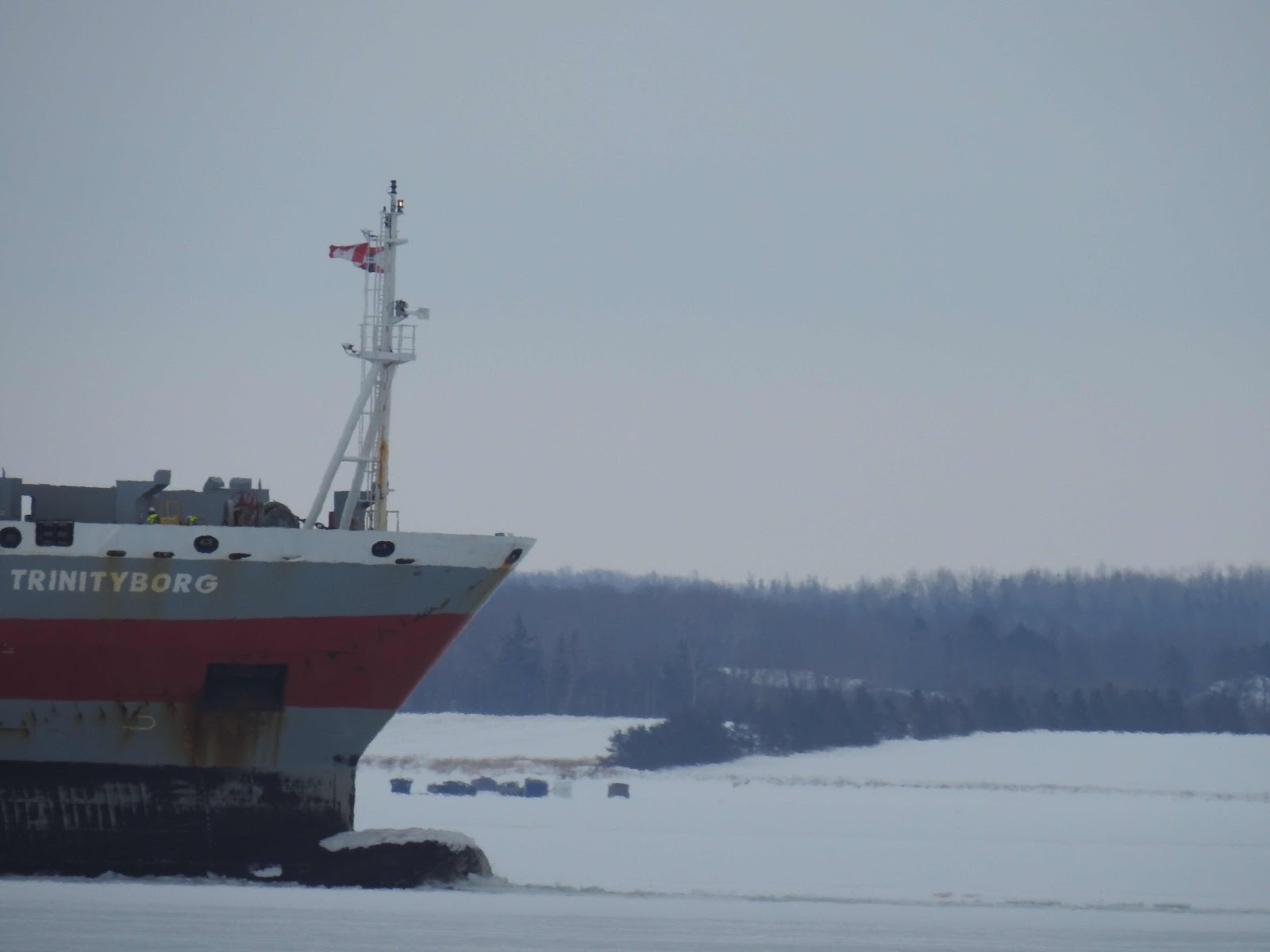
When I photographed the cargo vessel, Trinityborg and zoomed in on the vessel, it was interesting to see the smelt shack village on the opposite side of the harbour.


We tried the white flesh fish for the first time last year.


They were delicious. We will visit the fishmonger this week for another meal of the little fish.


                                   Two smelt villages as seen from a  nearby bridge


Monday, 17 December 2018

Seafood anyone?

We purchase our seafood from a local fishmonger and on our latest visit, he gave me a package of smelts. Neither my husband nor I had ever eaten smelt, though we see the fishing shacks, used for that fishery, on the ice here every winter.


Though we are both Newfoundlanders, we were not familiar with smelts, though they resemble capelin, which we know well.


When it comes to Prince Edward Island customs and traditions, I rely on our friend, Eleanor. She is originally from the lower north shore of Quebec, along the Gulf of St. Lawrence, from a small community called St. Augustine. Her paternal grandfather was from Newfoundland too. However Eleanor married Eldon, who was originally from Prince Edward Island and has lived here for many years. She knows this island and is a wonderful cook.


Eleanor was familiar with smelts from growing up in St. Augustine, where fishing for smelts in the winter is similar to this island. There too, fish shacks are hauled onto the ice and lines are jigged through the ice for the tiny fish. Eleanor gave me a smelt cooking lesson and we had a seafood feast.


I made scallops martini which is scallops in a vodka marinade. 


Eleanor made fish cakes out of salt fish which is our favourite.


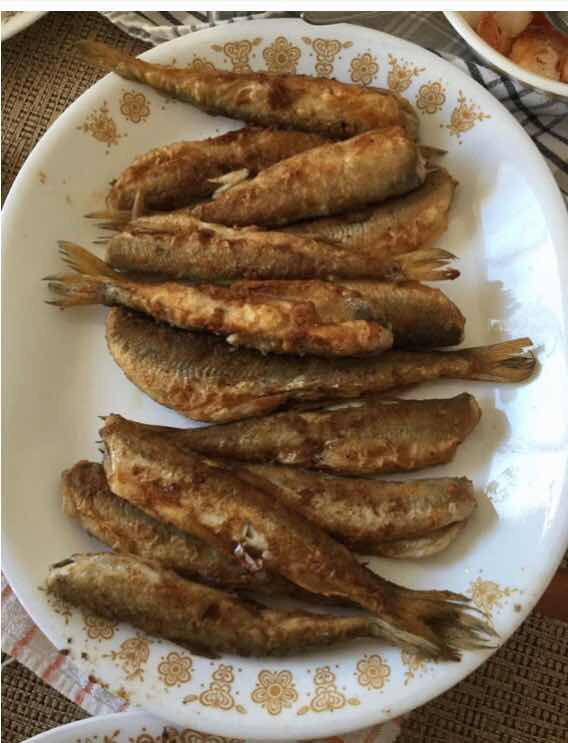
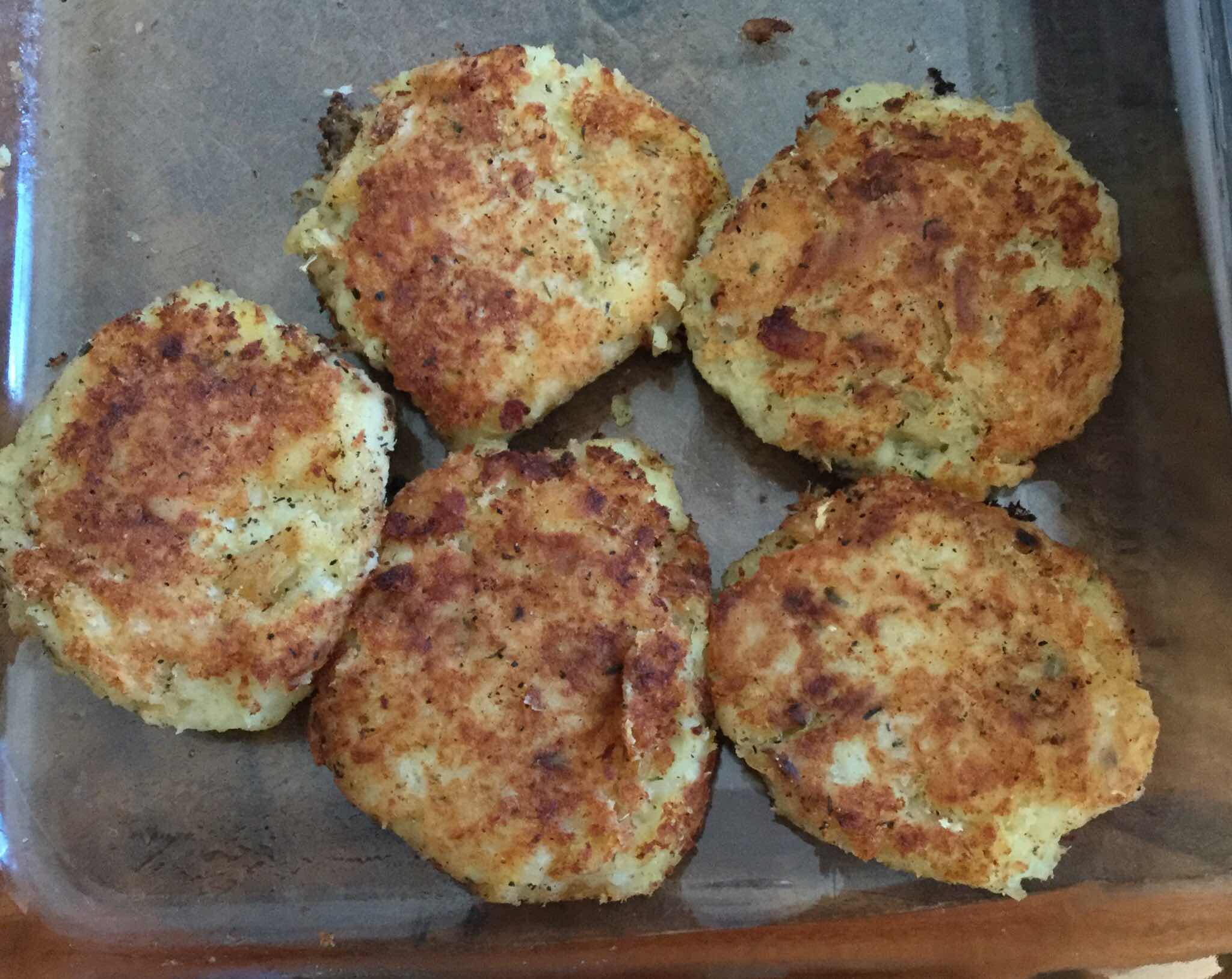
I cooked shrimp and Eleanor fried the smelts or white fish as it’s called on the lower north shore of Quebec.


We had baked potato and another veg dish as well. And of course, we had dessert. 


The smelts in the package were cleaned which was a great bonus. We used a thin coating of flour and seasonings and gave the fish time to brown. The trick when eating them is to slice them through the dorsal fin along the back and open the fish to expose the backbone, which is then easy to remove. They are tasty fish which my husband and I both enjoyed.


We had way too much food, but leftovers for the next day are always great. Such a seafood meal is in keeping with our heritage, though my ancestors would have been lucky to have one type of seafood at a meal. And you can bet, there wasn’t any vodka for the scallops either!


Friday, 9 June 2017

Evangeline

We recently visited the Francophone area of Prince Edward Island, the Evangeline region, just west of Summerside. The area is home to Acadians, 


French speaking descendants of the original French settlers to the island, who survived the expulsion at the hands of the British from 1755-1764.


Headed to Evangeline, my husband and I stopped first at a nearby provincial park at Linkletter. Here, at high tide, walking on the tons of seaweed was akin to walking on sponge.


The Confederation Bridge is visible in the distance as is the Indian Head Lighthouse at the entrance to Summerside Harbour.


Further along the south shore, we dropped by the park at Union Corner where the bridge is visible again but appears as a mirage in the middle of Northumberland Strait.


The layers of sandstone in the shoreline here are thinner than any we've seen elsewhere. 


Nearby, the shoreline was lined with cottages, some of which were fortified against erosion.


The lobster fishery begins in the summer on the south shore so the wharves are not busy as they are on the north side. In Evangeline, boats are still high and dry, waiting their turn at the lobster. We did spot one retired boat, which had seen better days. 


A cultural center in Abram Village is the site of summer musical performances in the Acadian tradition. 


Those musicians on the Galerie walls will be joined by those inside playing Acadian music. And of course, there is the food!


Acadian festival


Further along the coast, in the community of Egmont Bay, a beaver was busy in the Jacques River which flows out of Arsenault's Pond.


She, like the other beavers we've seen on the island, was impossible to photograph, as she disappeared under water when we tried a closer look.


The Jacques River has a fish ladder which allows trout, salmon, smelts and Gaspereau to swim up-river. Both the river and the pond above are licensed for sport fishing. 


Gaspereau, the Acadian term for alewife, is a type of herring which swims from the ocean inland to spawn, as do smelts. The ladder makes it easier for the fish to get into the pond. 


We were familiar with fish ladders from our days living near the Exploits River in central Newfoundland. There, Atlantic salmon, much bigger fish than smelts and alewives, use the ladder at Grand Falls-Windsor to swim up-river. We didn't see any fish negotiating the ladder in Egmont Bay.


We enjoyed our exploration of part of Evangeline and will return soon.