Most Popular Post

Sunday, 16 February 2020

Ghosts

They dot the countryside, these old buildings, once places of congregation where people prayed and sang hymns of praise for all the big occasions in life and the times between. Now they are decommissioned and up for sale, some bought and repurposed, others left to disintegrate. This is possibly the fate of the old church on a country road west of our city.
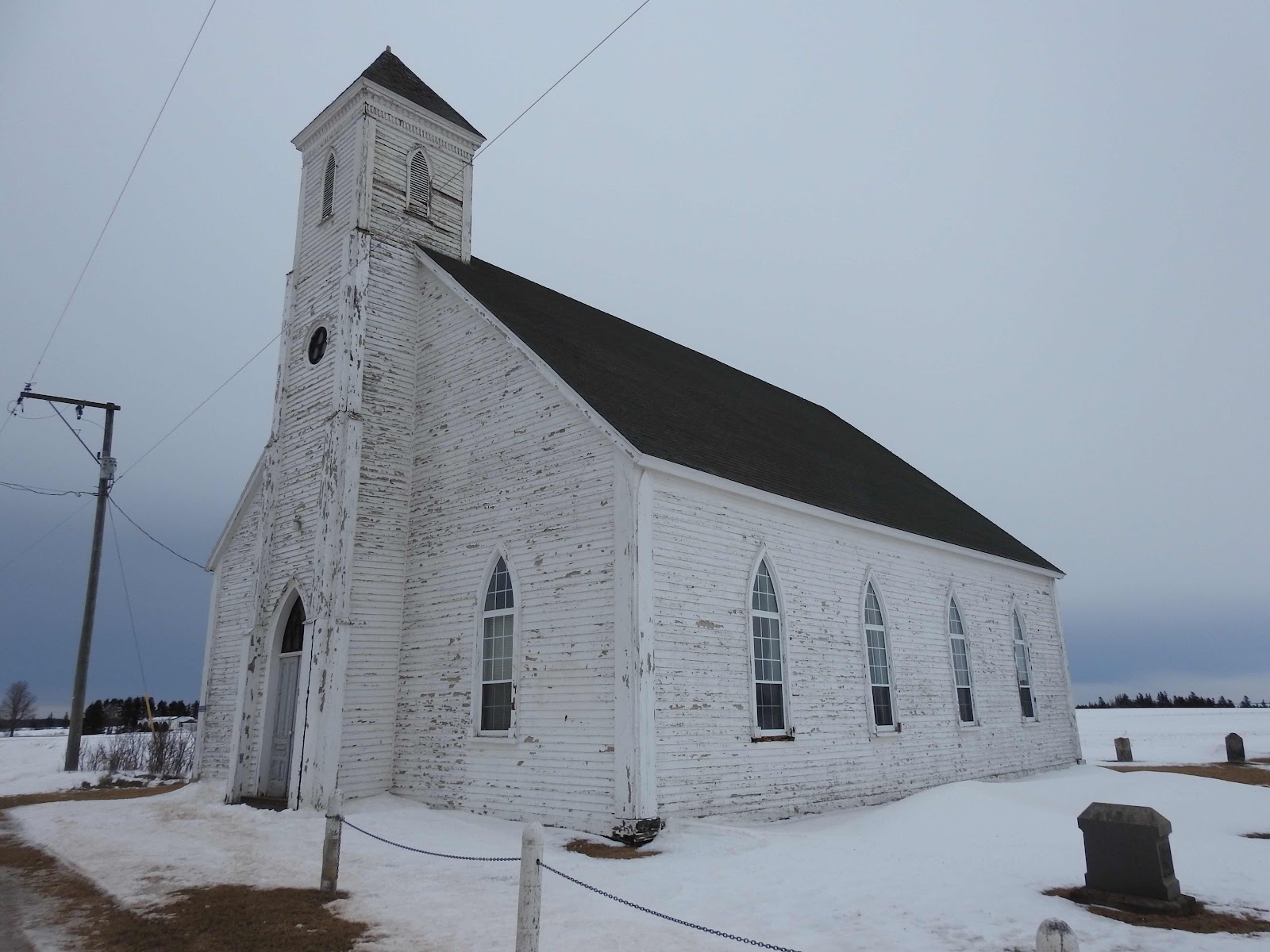


It is slowly falling apart, peeling paint and rotting boards, 
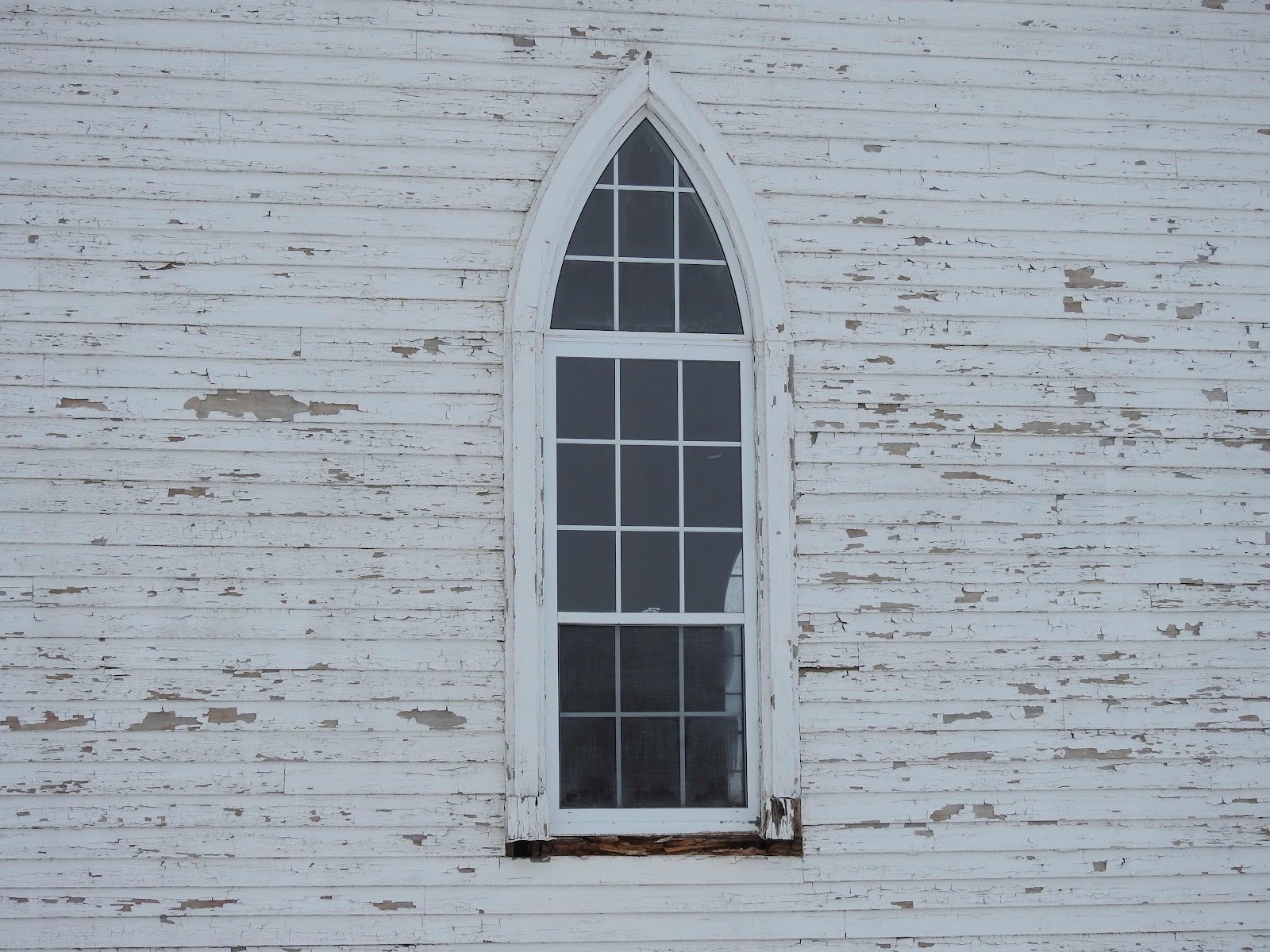


without a time of service posted or even a name. There is nothing welcoming about this building. Former congregants, having passed to their eternal rest, fill the yard, the old headstones doing the best they can to stand vigil. 
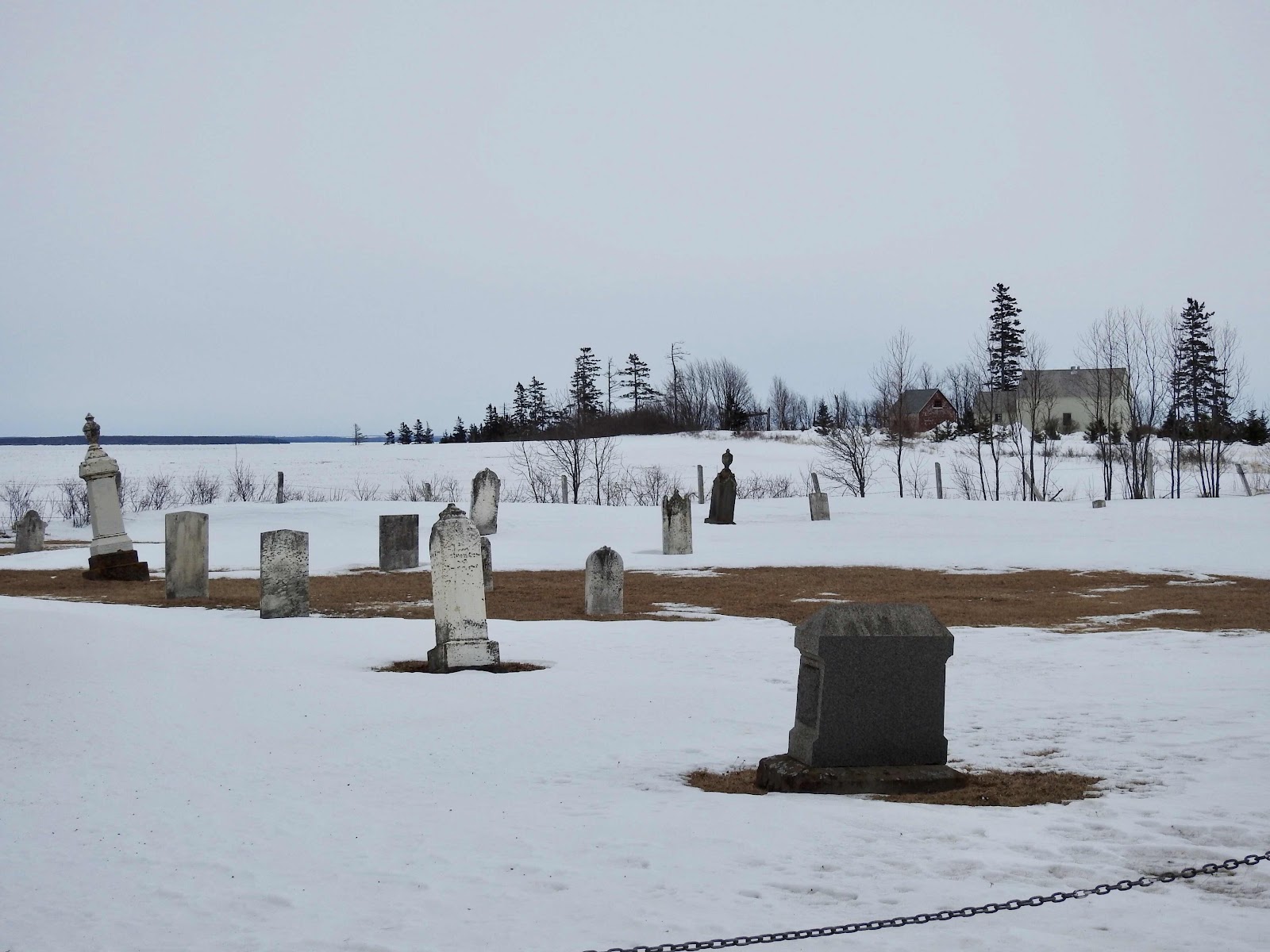


Someone has placed the fallen ones to lean against the walls. On this cold day in February, as I walk around the building and through the cemetery, the silence and cold envelop me like a shroud.


This was a Presbyterian Church, the second here in Birch Hill, the congregation having outgrown the first built in 1800. This building was started in 1858. In 1925, when the United Church of Canada formed from four Protestant religions, including Presbyterian, the congregation of this church split, some joining the United Church. They built a new church in 1928, across the road from the Presbyterian building. The United Church is still in use and in good repair. 
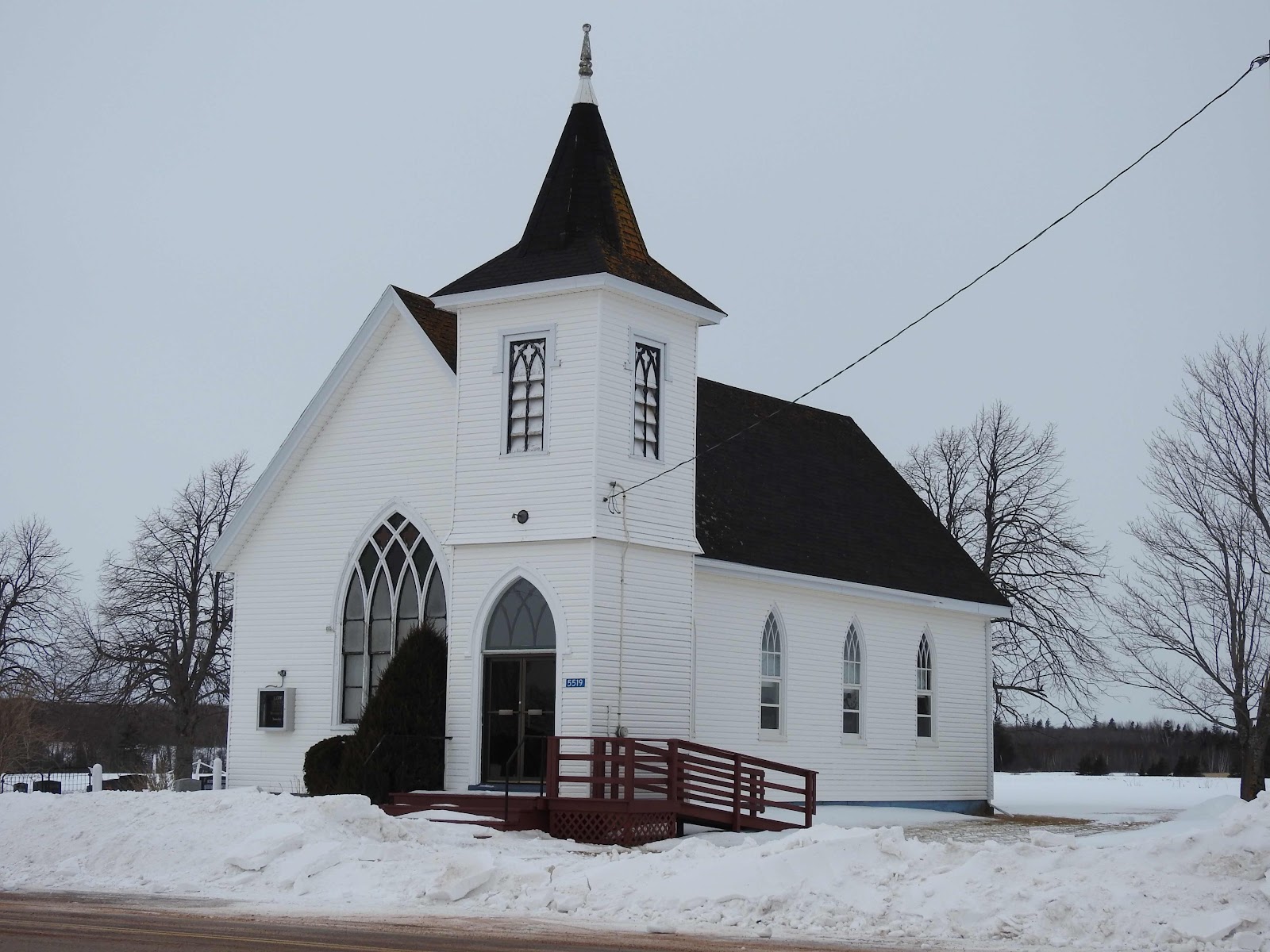


Meanwhile the older building is crumbling.


Behind the church, among more headstones, three white birds which looked like Willow ptarmigan, flew off as I approached. We surprised each other. 
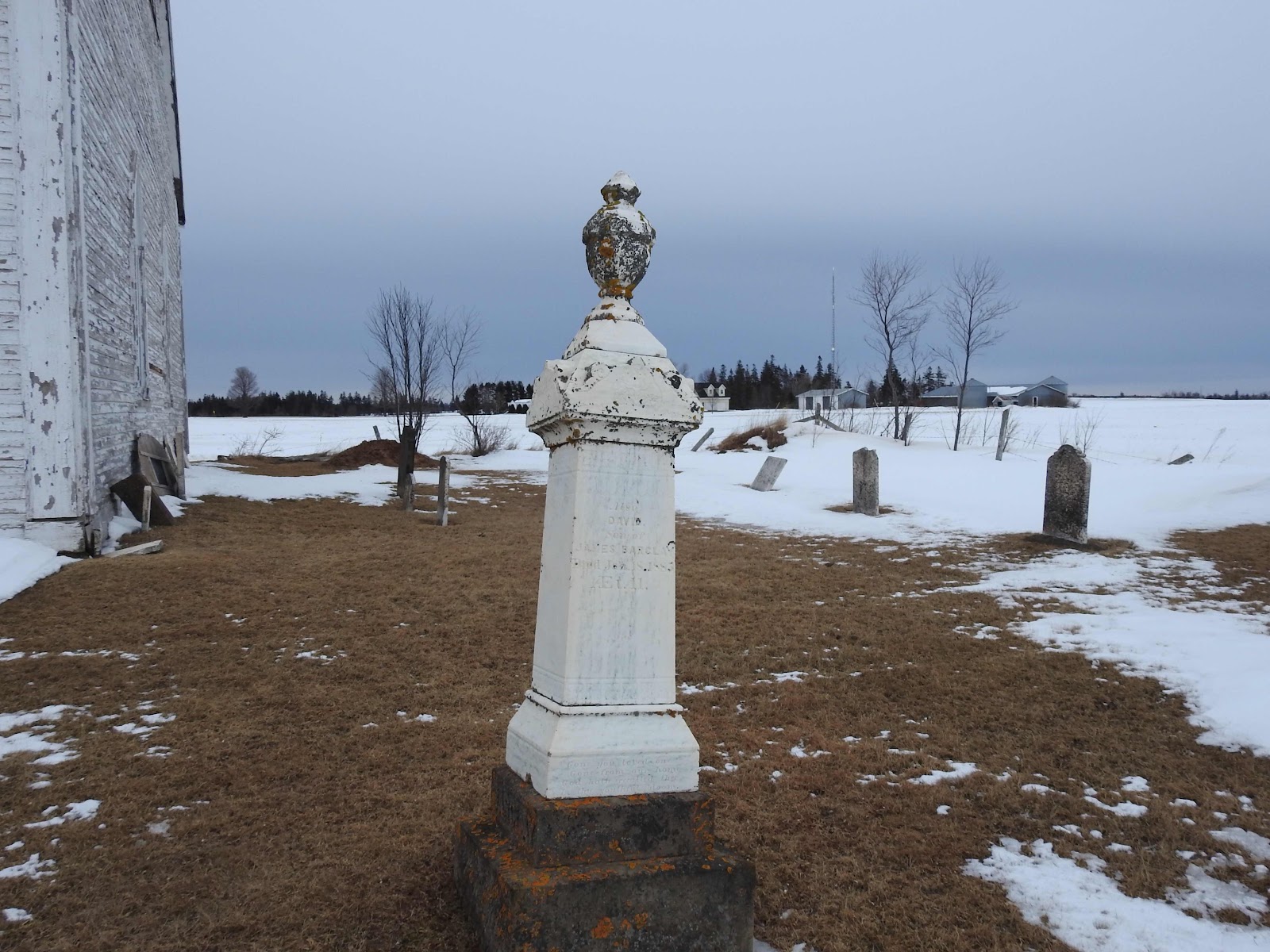


However it was not surprising but somehow fitting to see such beautiful white creatures here among the ruins.
Thursday, 13 February 2020

The homestead

One day recently, in spite of the weather, my husband and I took the cameras and headed out, this time west of Summerside. It had been November when we last took a photo excursion. It was long overdue.


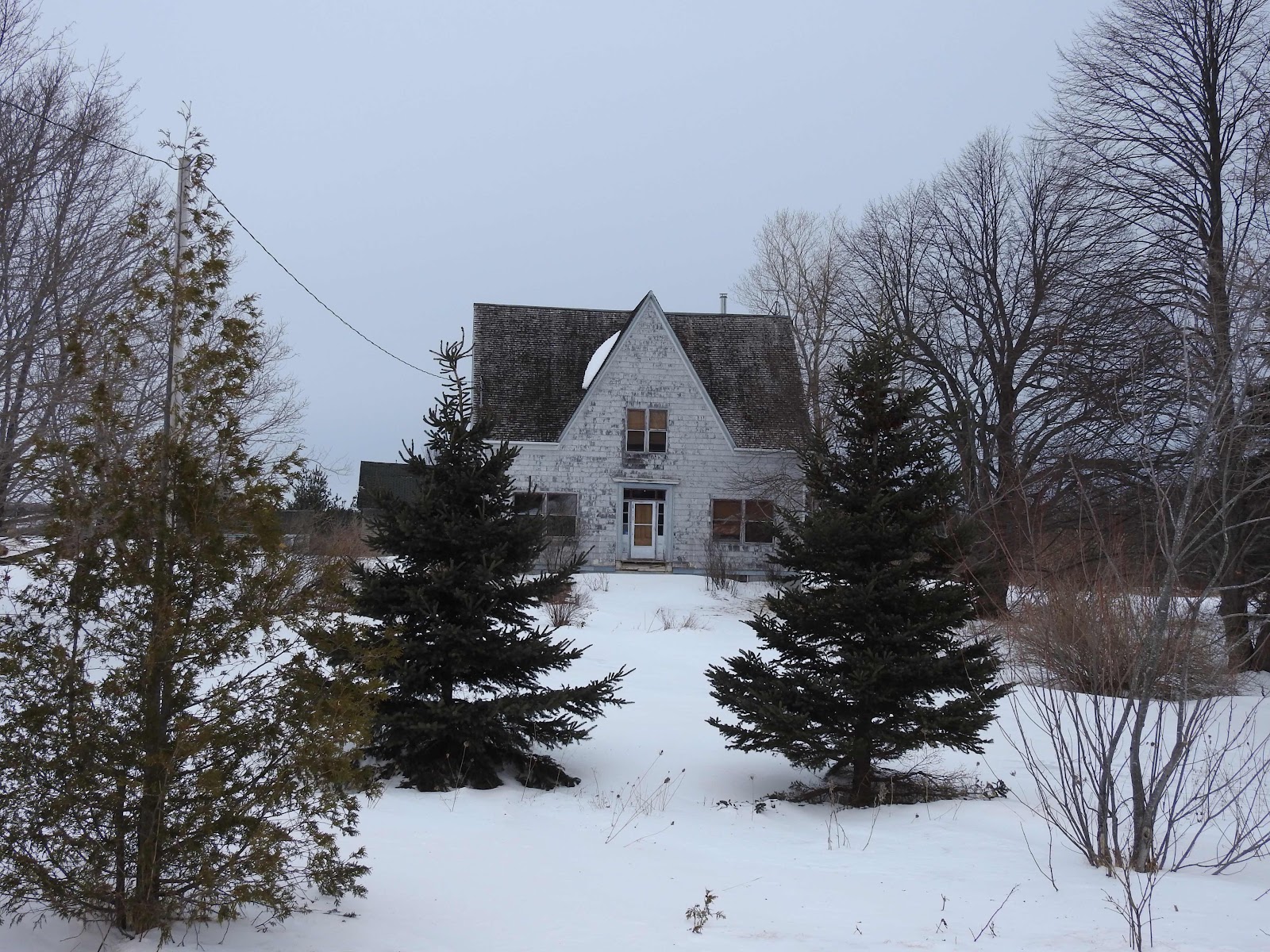
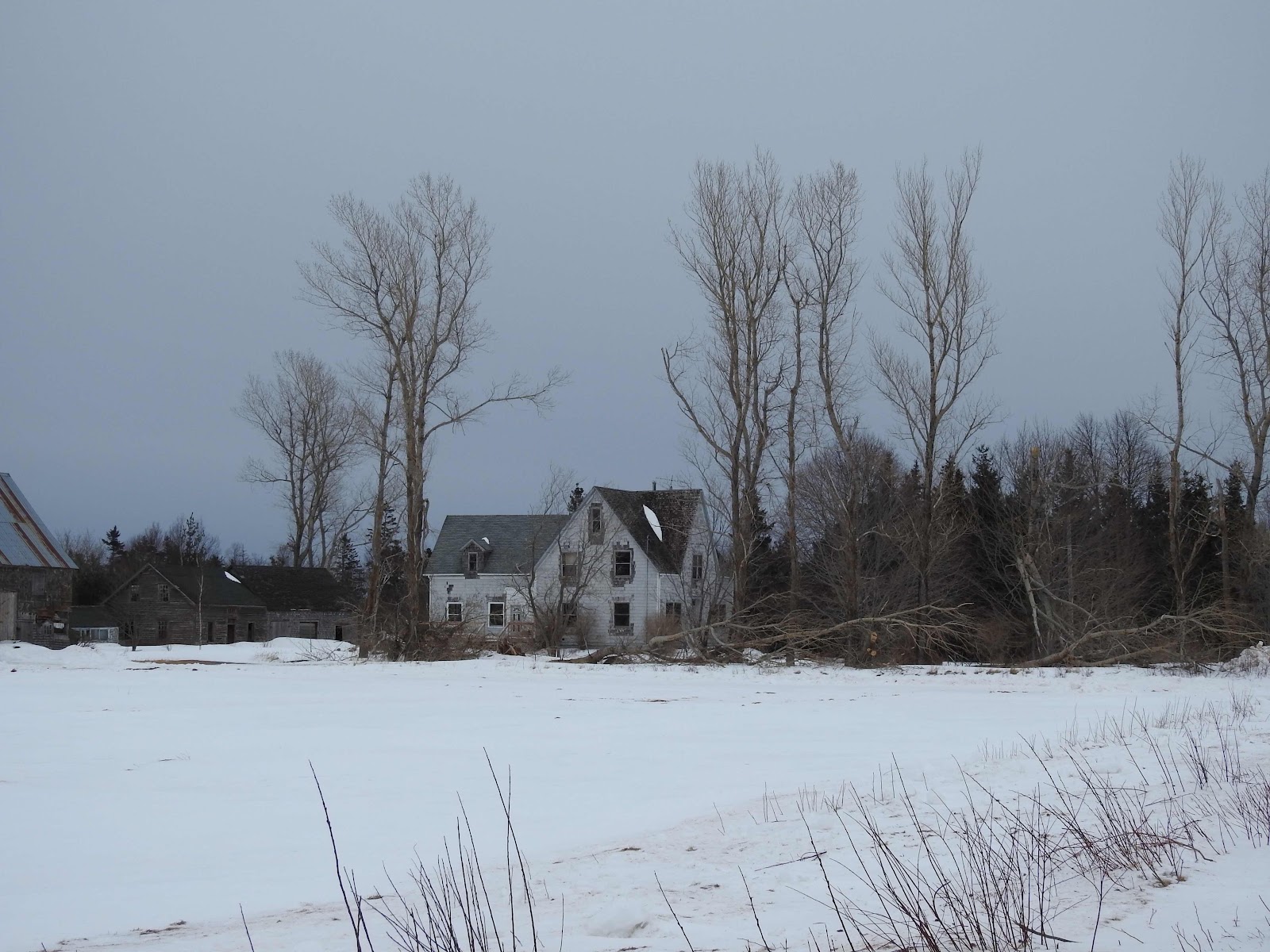
This old homestead fascinated me. It looked like some of the old trees lining the property had succumbed to the winds of Dorian like so many more of the island’s trees.


Here however, there wasn’t anyone to trim the trees and claim the firewood. 


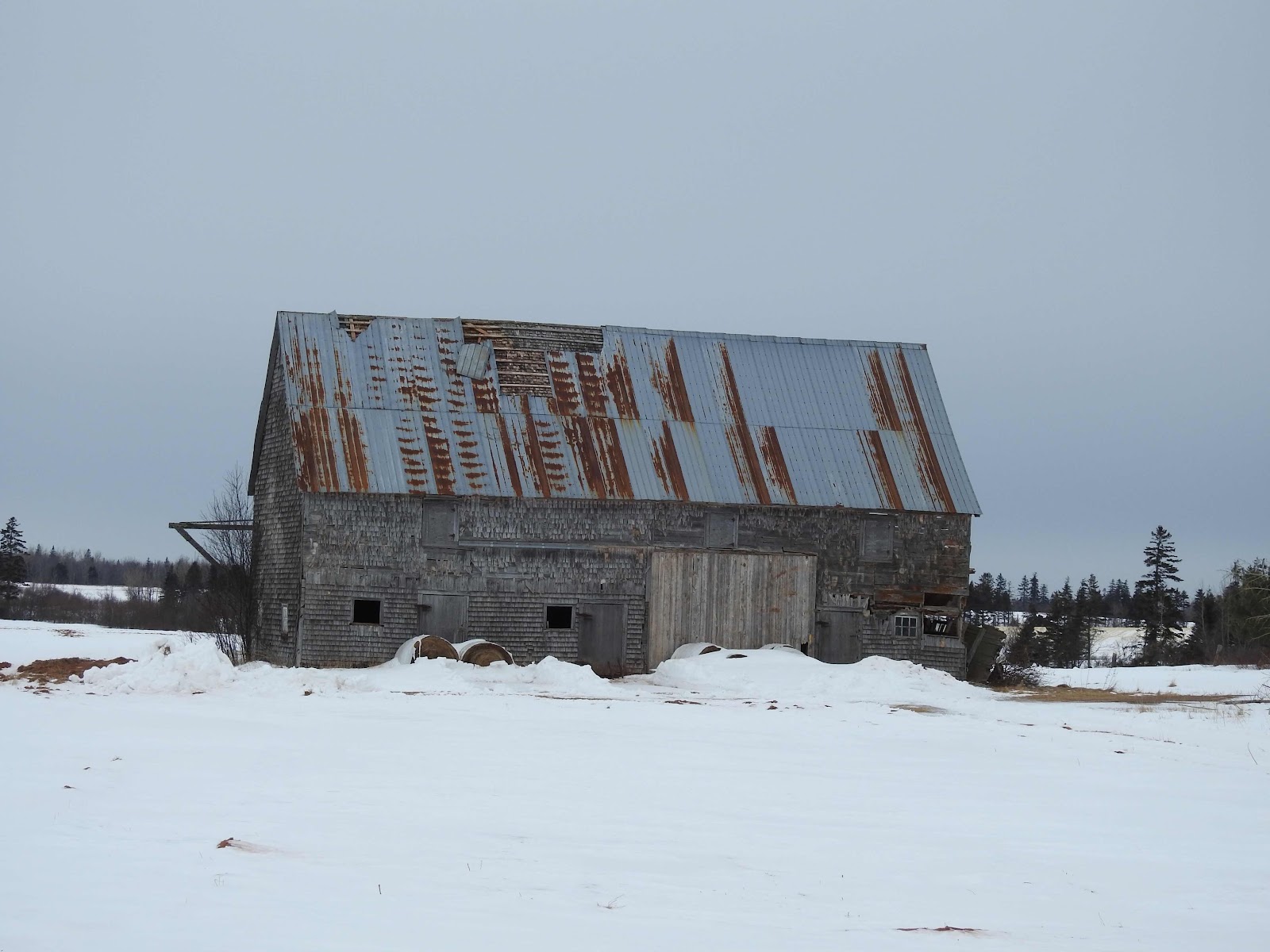
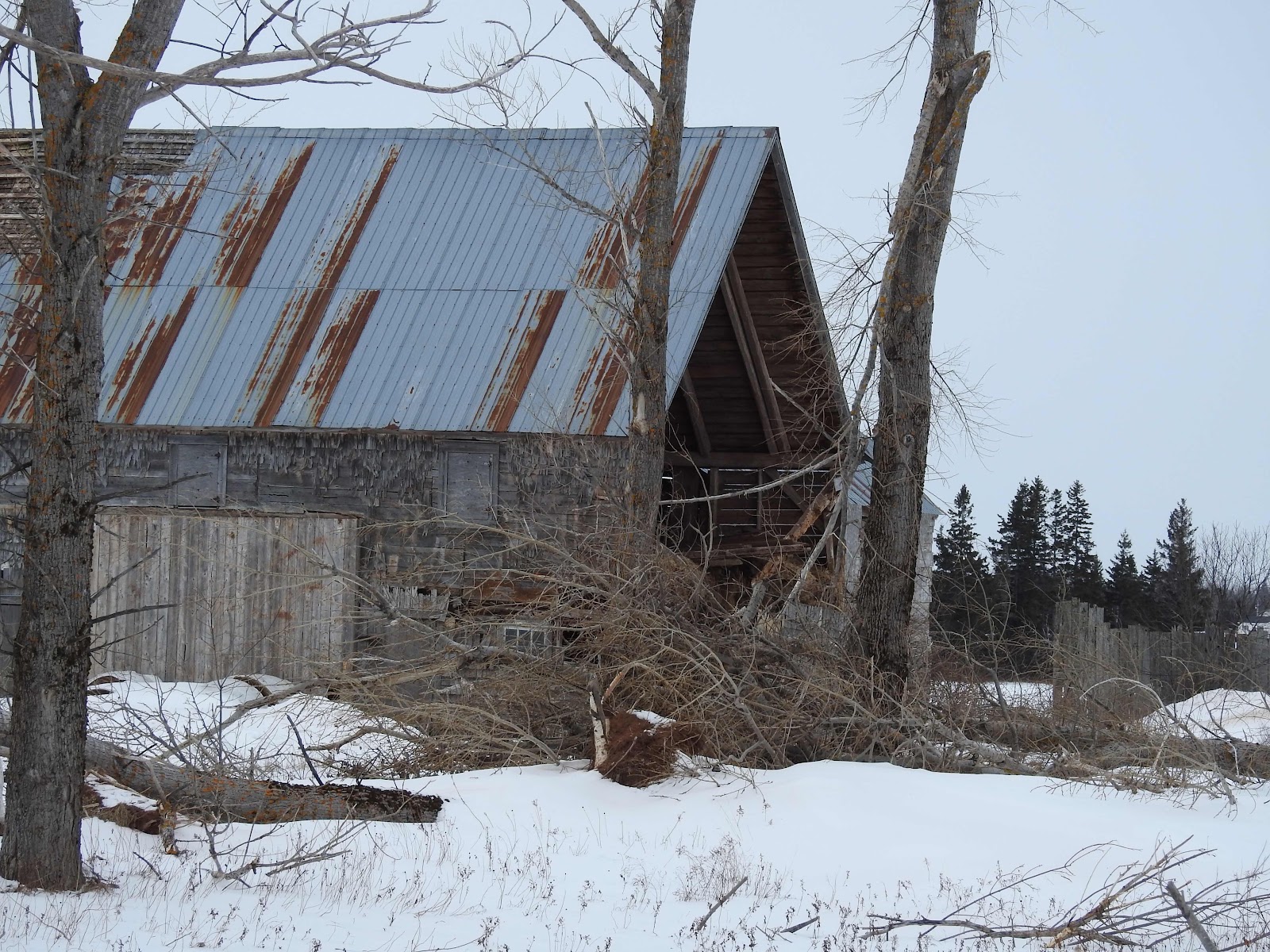
The barn has a metal roof which has rusted and begun to rip from the beams. 


The clapboard and shingled exterior are the well worn grey that only time can impart. Some windows are missing. Looking at it from the right, one sees it is open to the elements. 


How much longer can it remain upright?


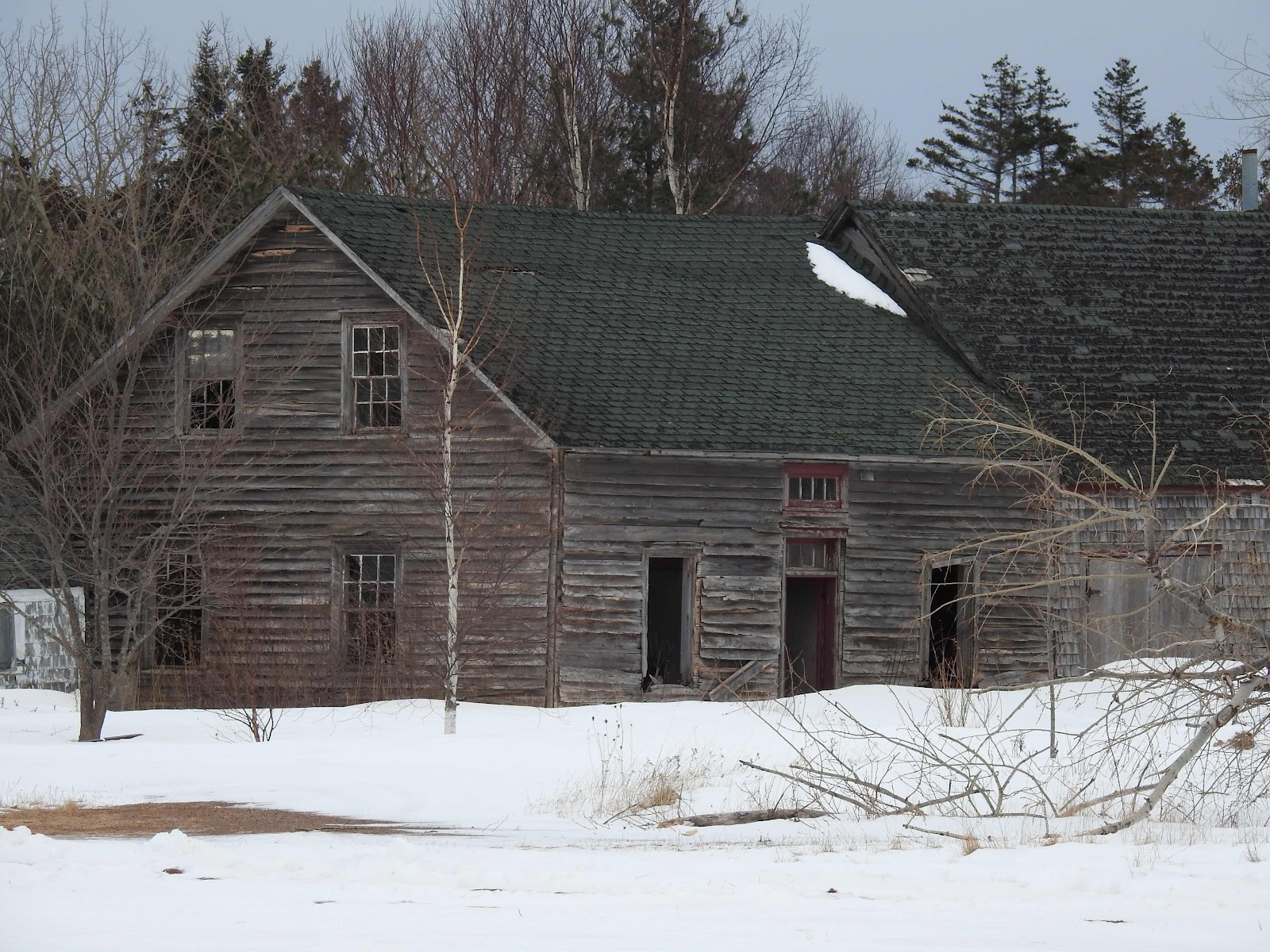
Right of the barn, what may be the original house still stands behind its larger descendent.


The old house is adjacent to a barn of the same size. It was common for animals to be kept close to, or even in the houses at one time.


The newer house was painted white and had a third floor to include rooms in the attic. A family had more space in this house, the front facade hiding the extension at the back of the building. Time has not been kind to this old place.


Where are the owners of this property? Did they die without descendants or is everyone gone from the island now? Did they try to sell this place without success and now it is left to ruin? The old place once was filled with the laughter of children, clothes on the line, supper cooking, friends and relatives, the smell and sounds of animals and hay. Now the elements have their way.


Any time I see an old homestead left to ruin, the song Where the alders grow by Buddy Wasisname and the Other Fellers comes to mind. You can give it a listen here.


It brings the old place to life.


Tuesday, 11 February 2020

The wharf in winter

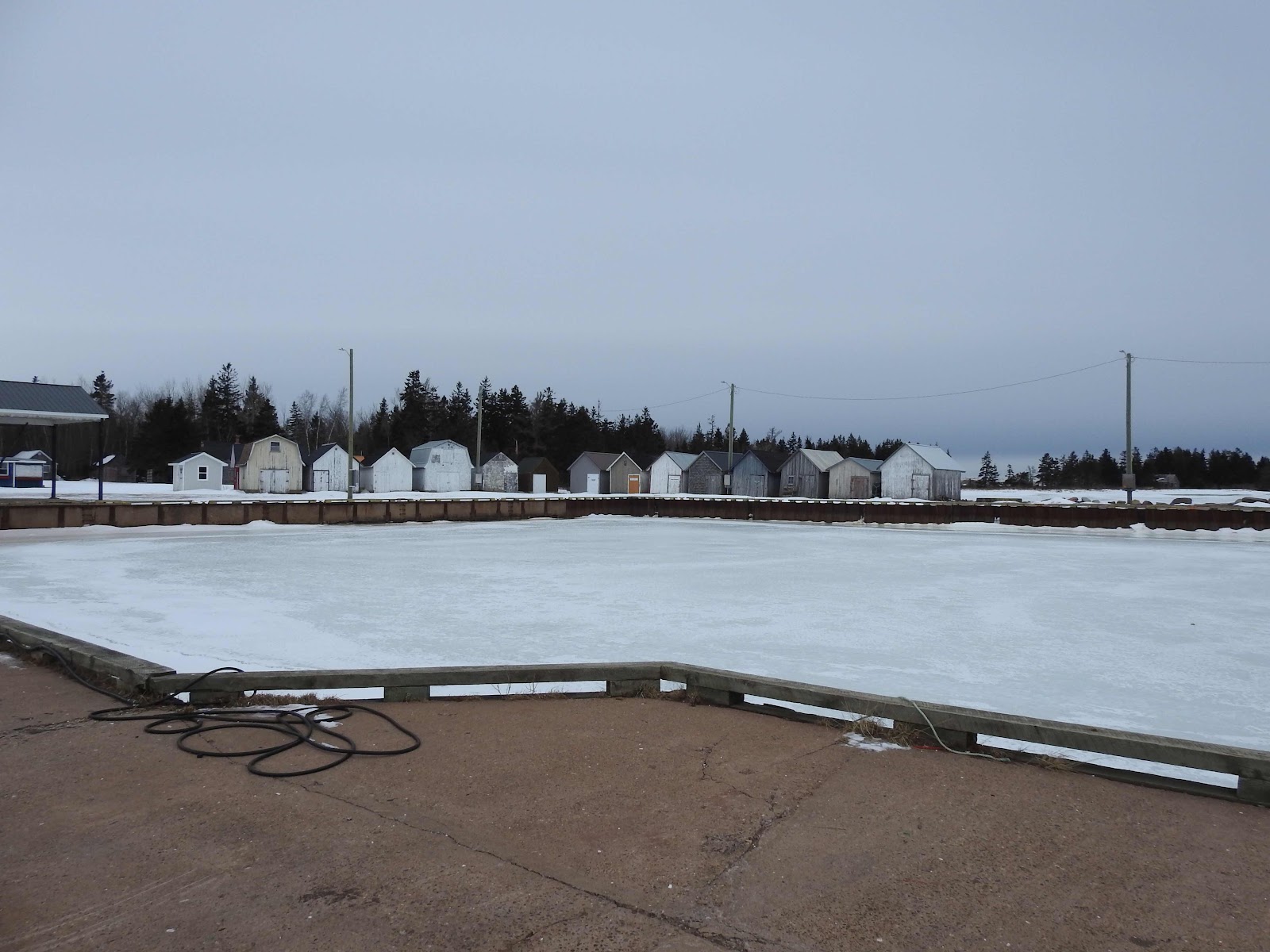
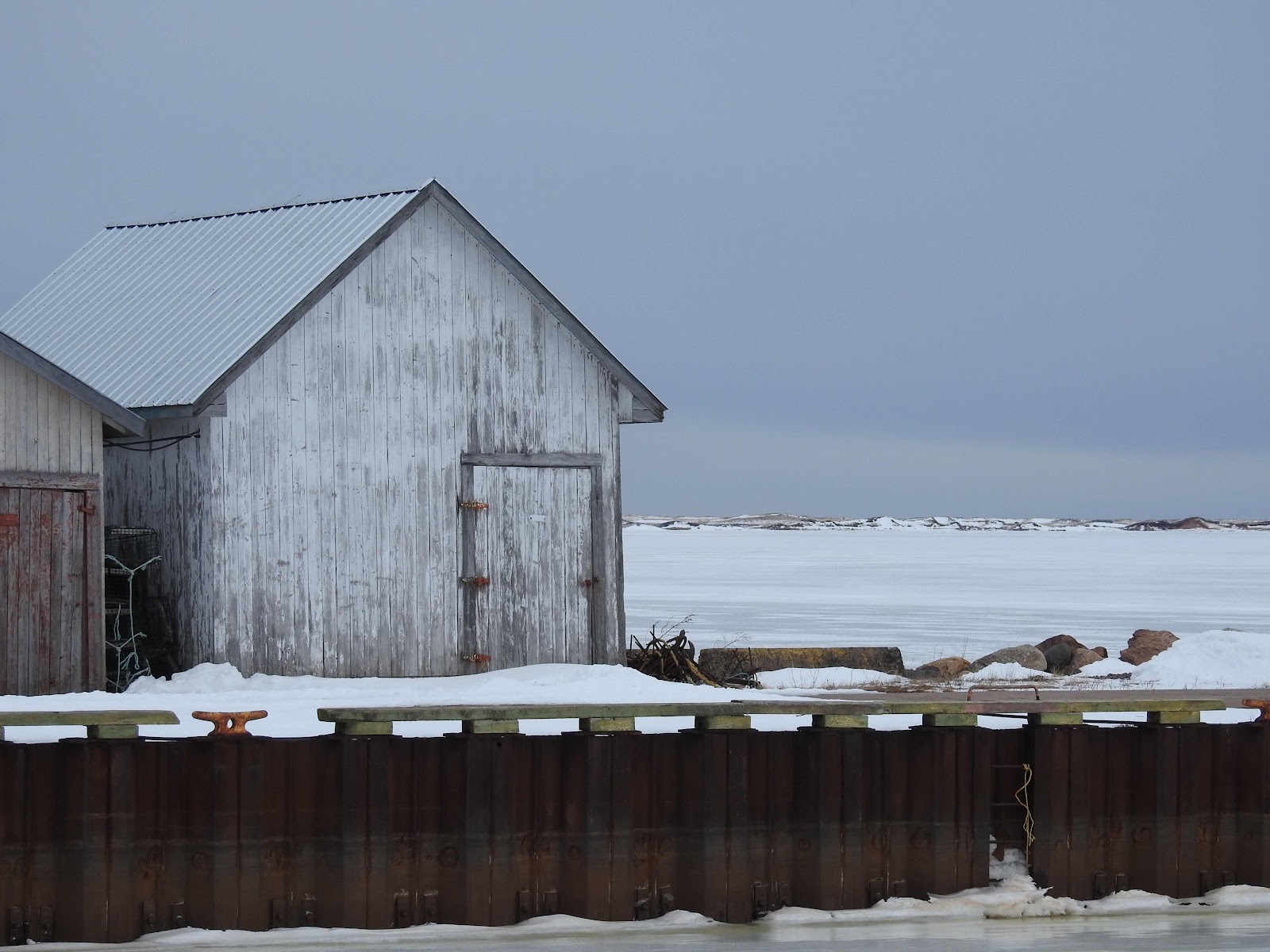
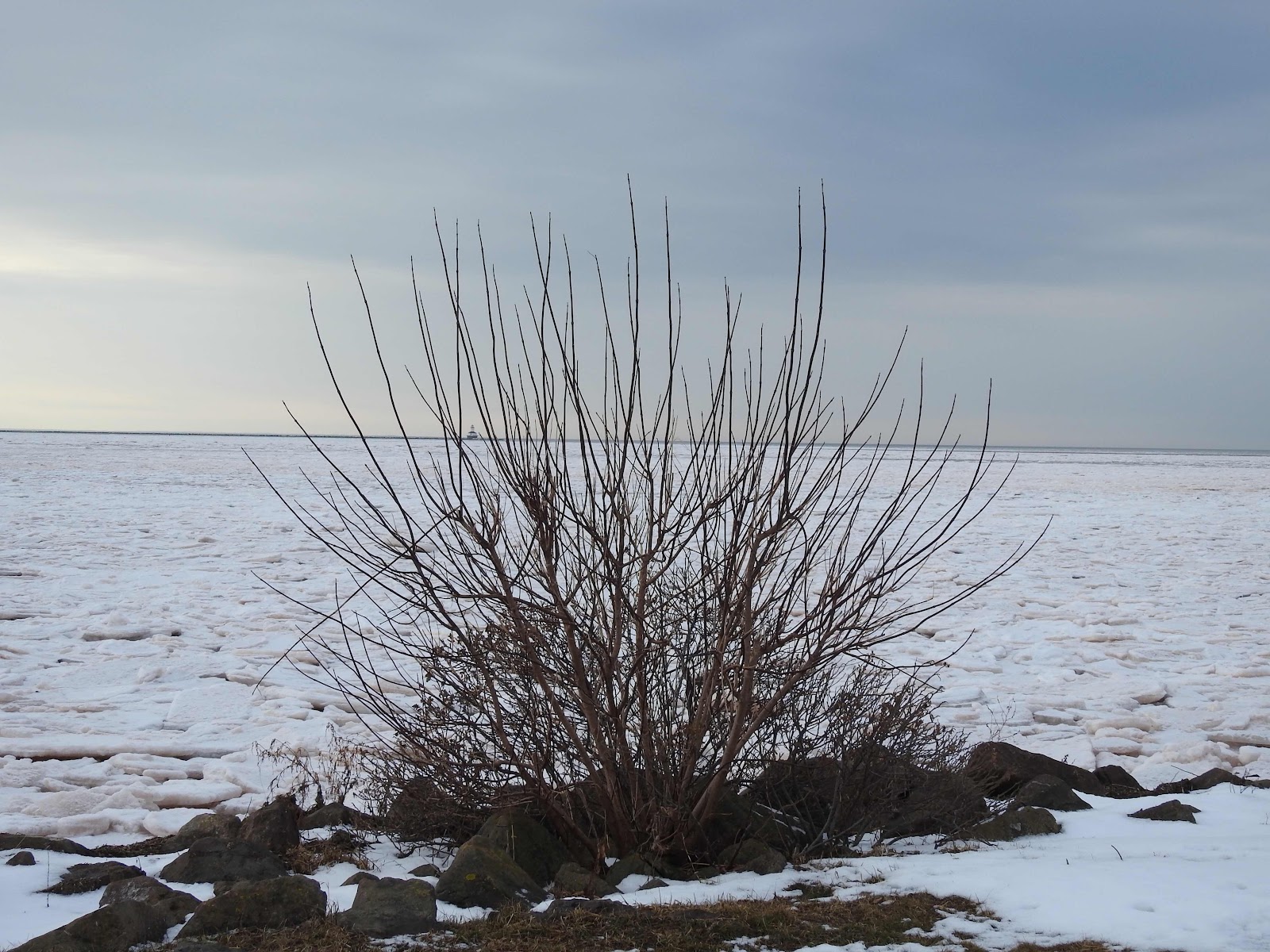
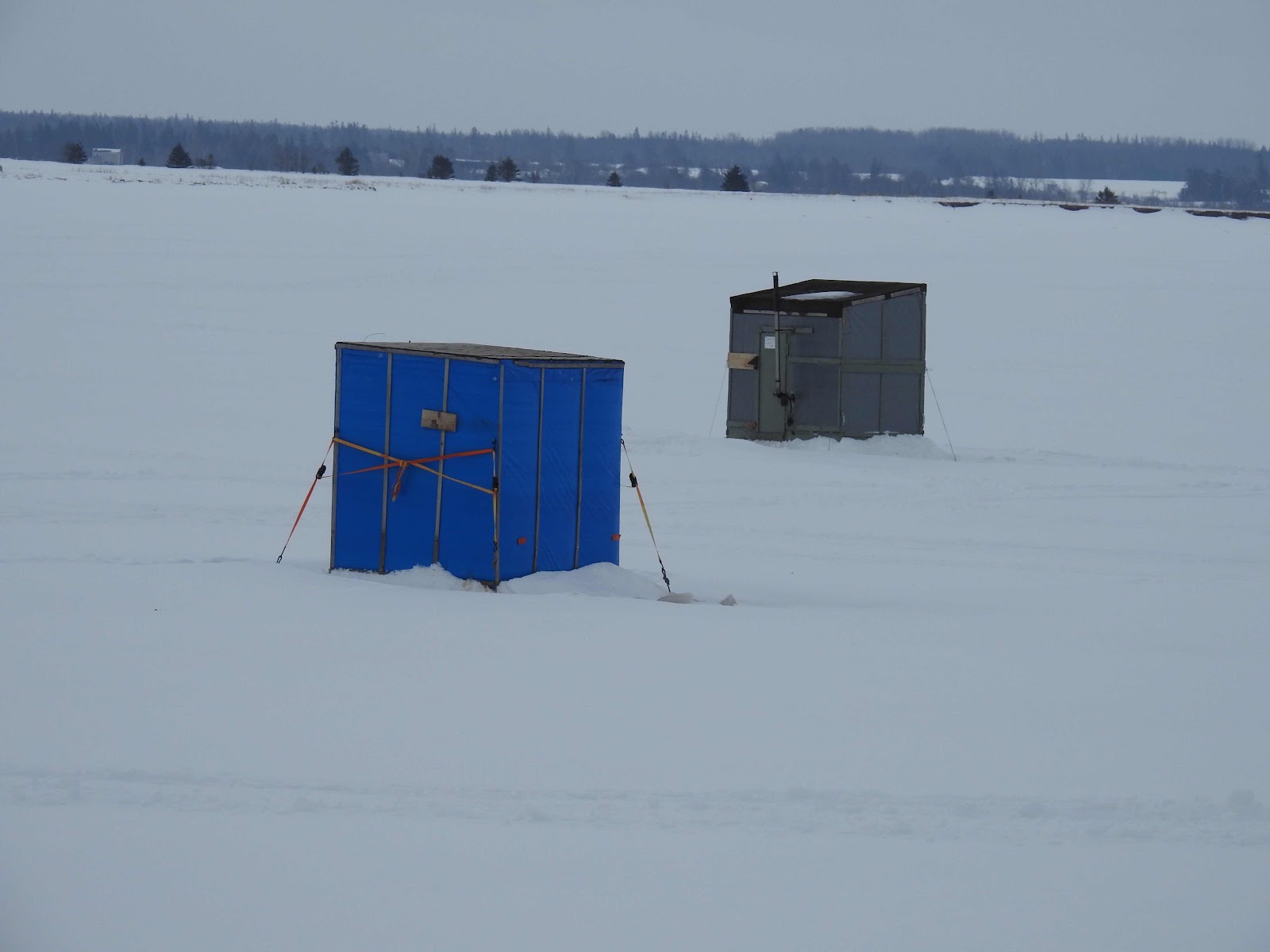
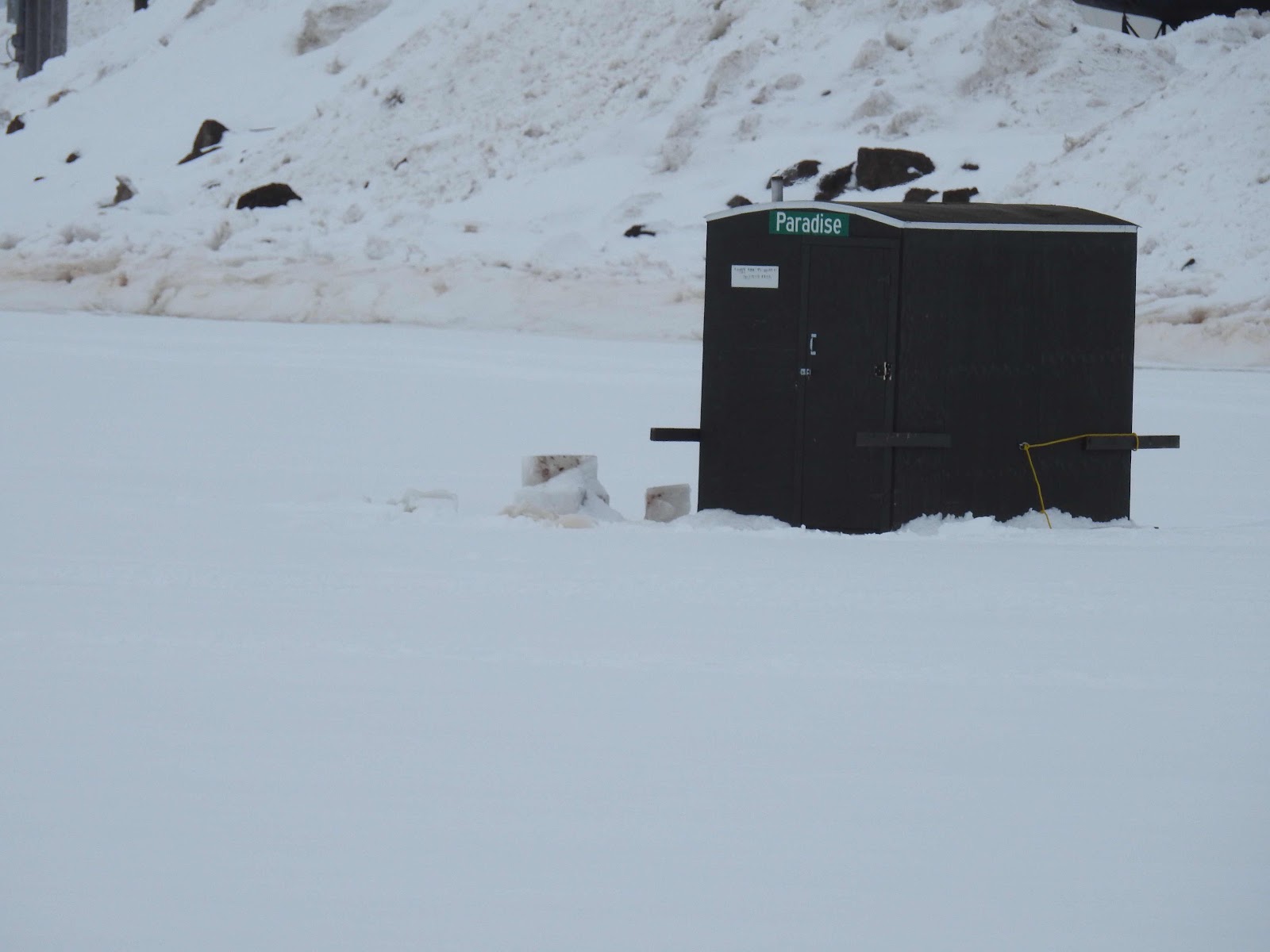
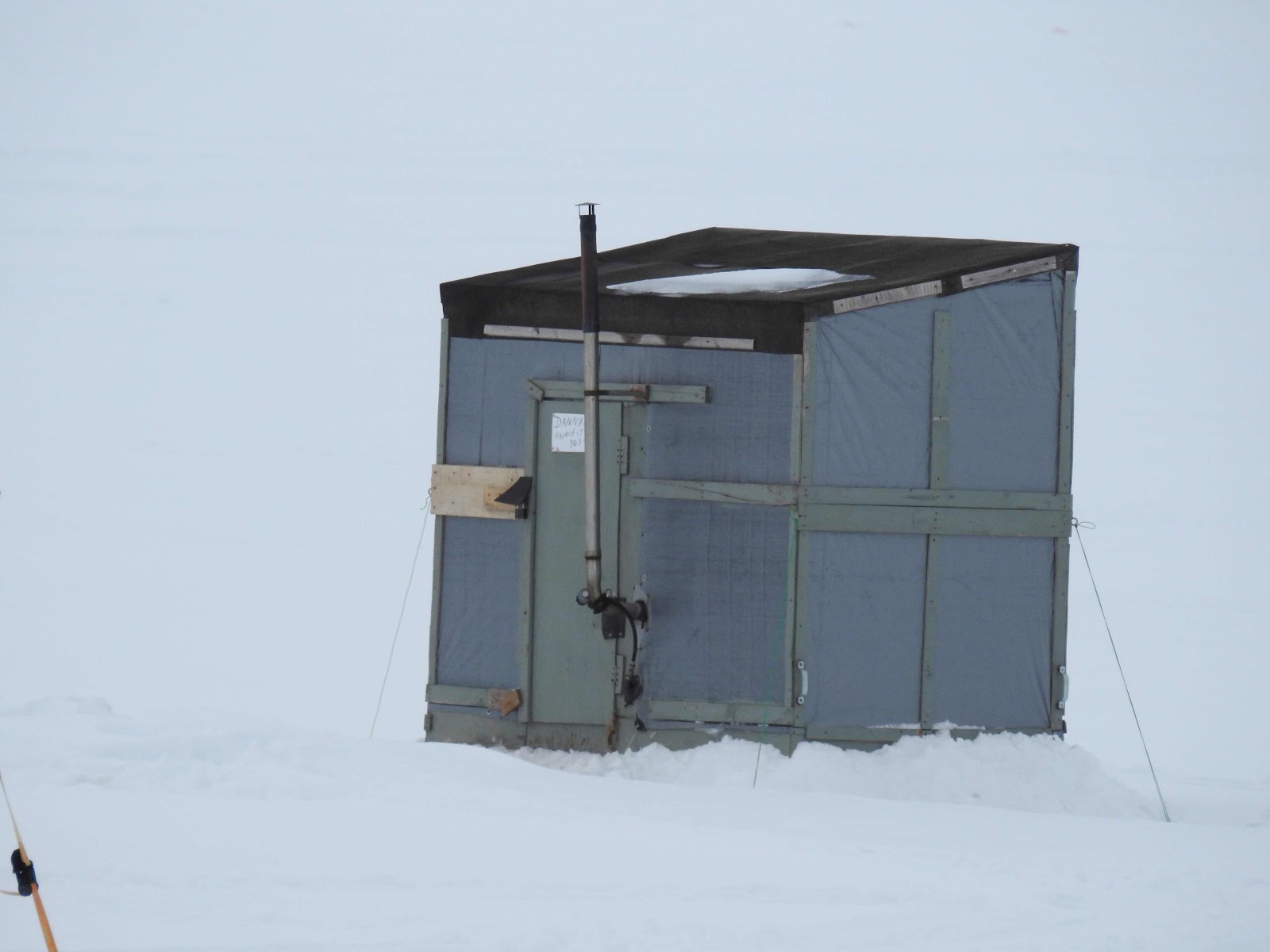
The boats are long gone from this place. What remains is rooted here, standing against the elements, totally unprotected. It is silent, except for the wind which whistles around the old fishing shacks.


I pull up my hood as I look around, thinking if I stayed a minute too long I’d become an icy statue permanently affixed to the wharf.


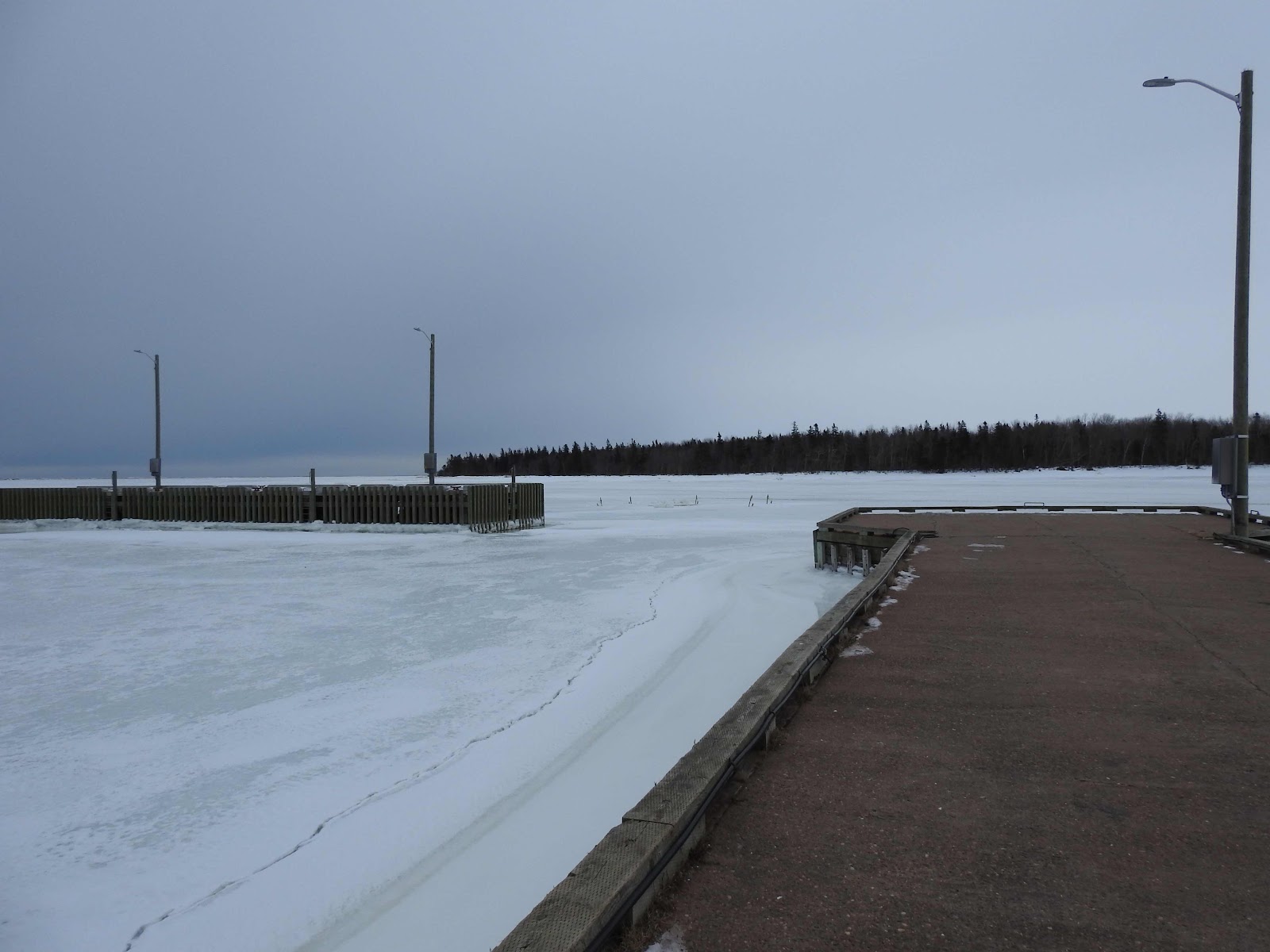
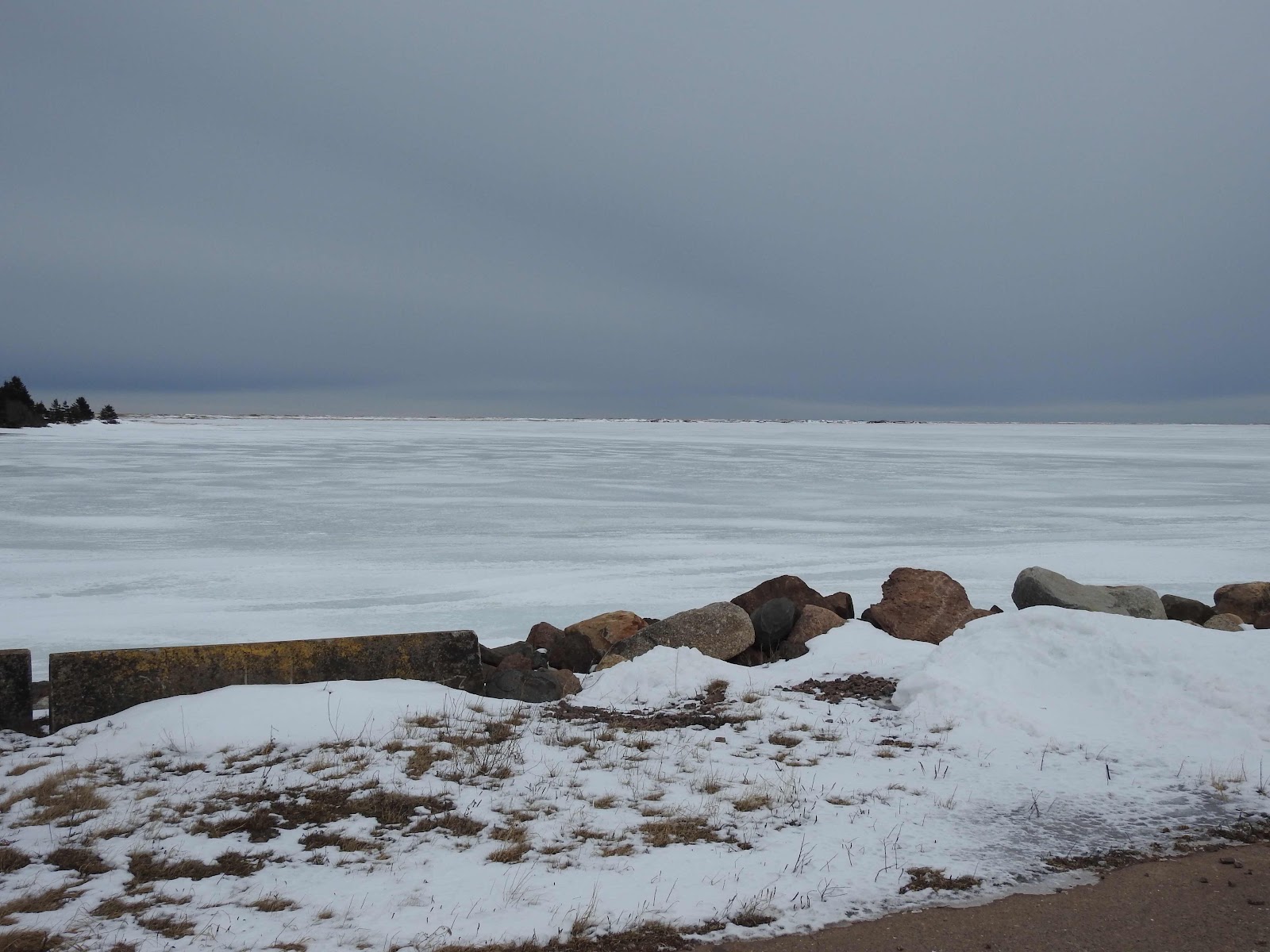
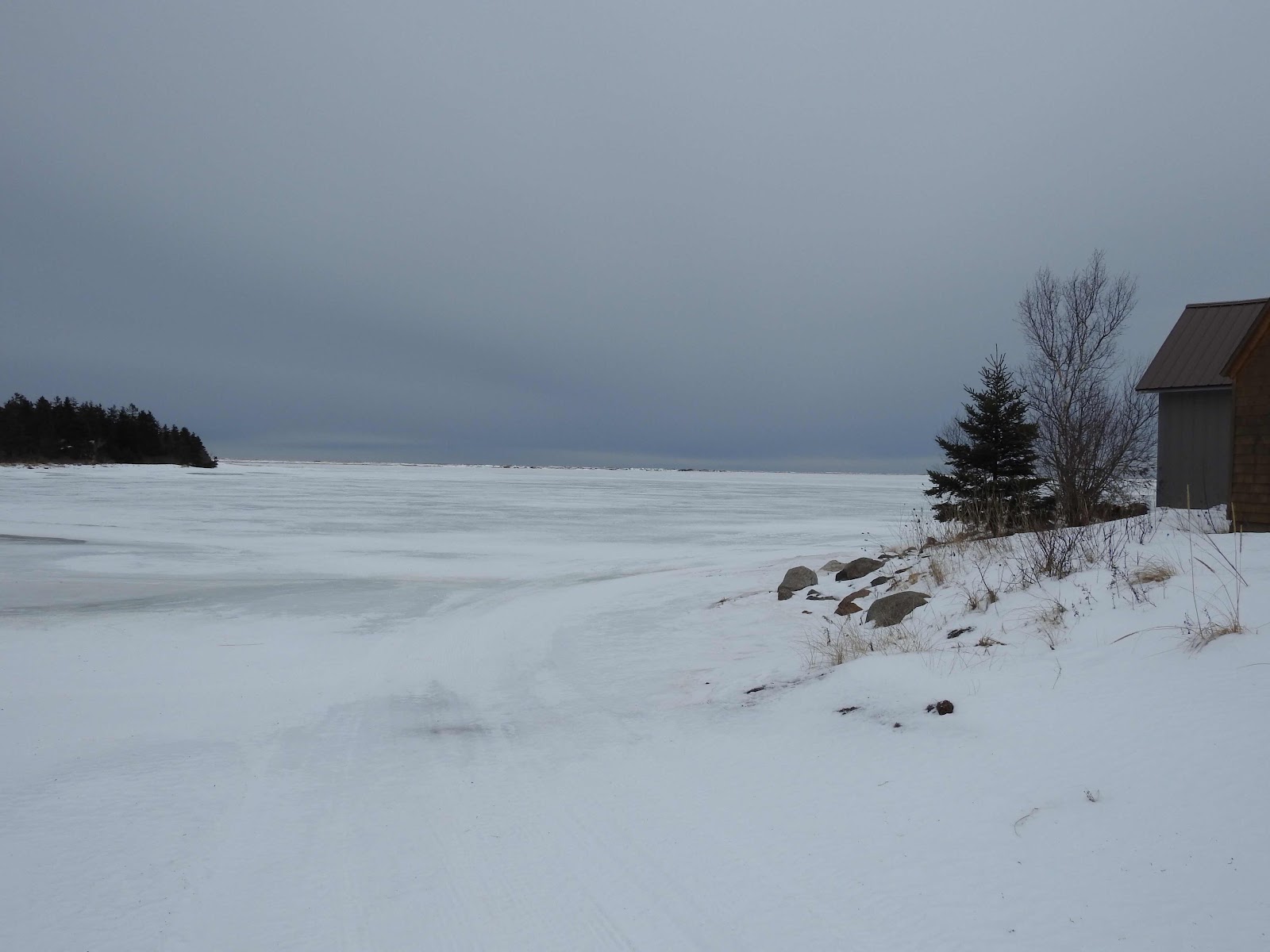
Conway Narrows on the northwest shore of Prince Edward Island is frozen and Milligan’s Wharf, a protected area for recreational and commercial boats, is encased in ice. 


Looking out to sea, the sand bar which parallels the shore is barely visible, itself entombed in ice and snow.


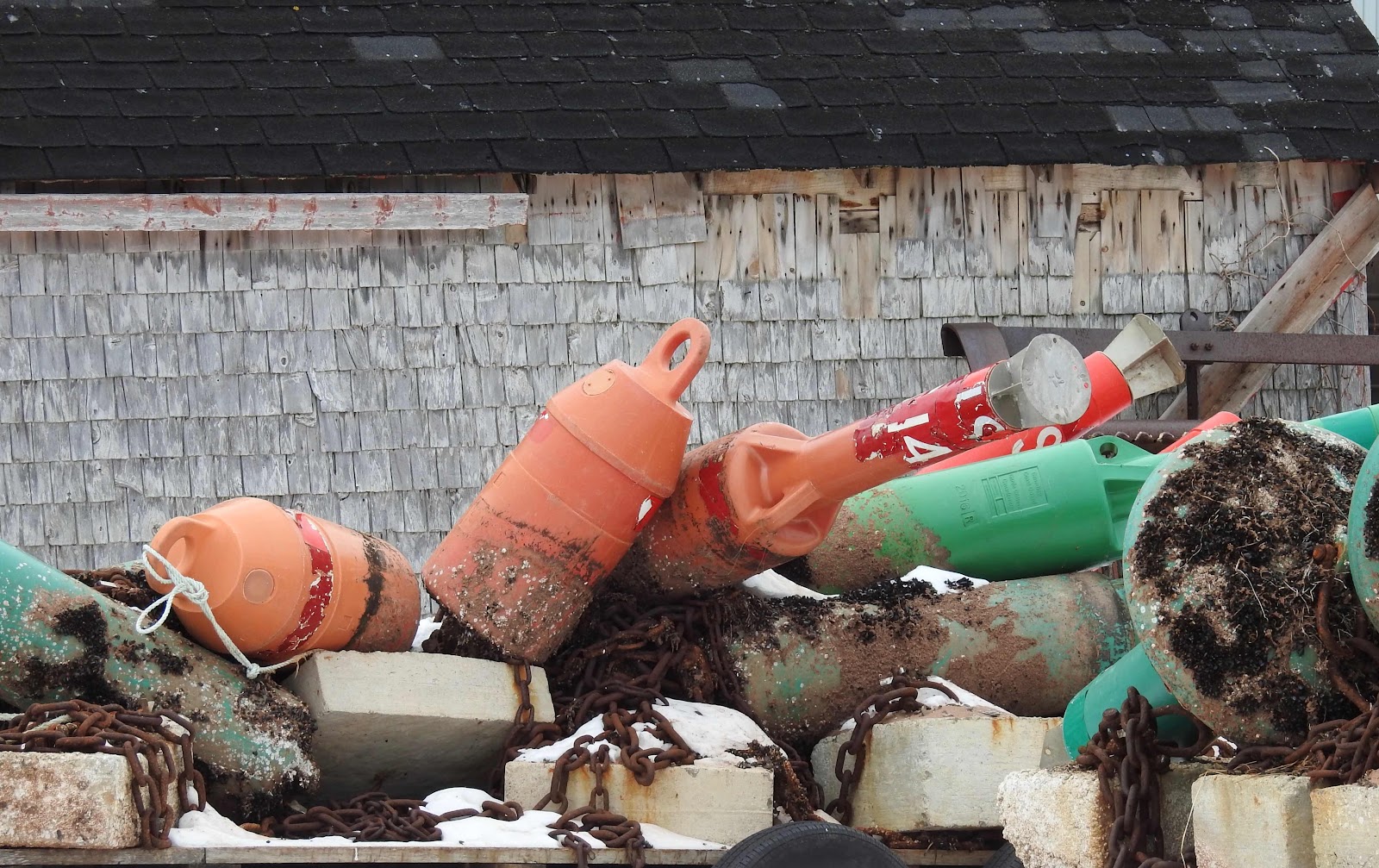
Nearby, the buoys which mark the channel for the safe passage of boats are piled together, attached to their concrete anchors. They add a splash of colour to the white and grey as they wait for the return of the boats and warmer weather.


Walking around the fishing shacks I notice that winter blue, the colour of the overcast sky so common this time of year. The muted light creates a mid morning twilight. 


Tire marks in the snow proceed onto the ice. Someone chanced a vehicle breaking into the icy depths. 


While this cold has probably thickened the ice enough to support a vehicle, I wouldn’t take a chance. How about you?


Saturday, 8 February 2020

A walk in the park

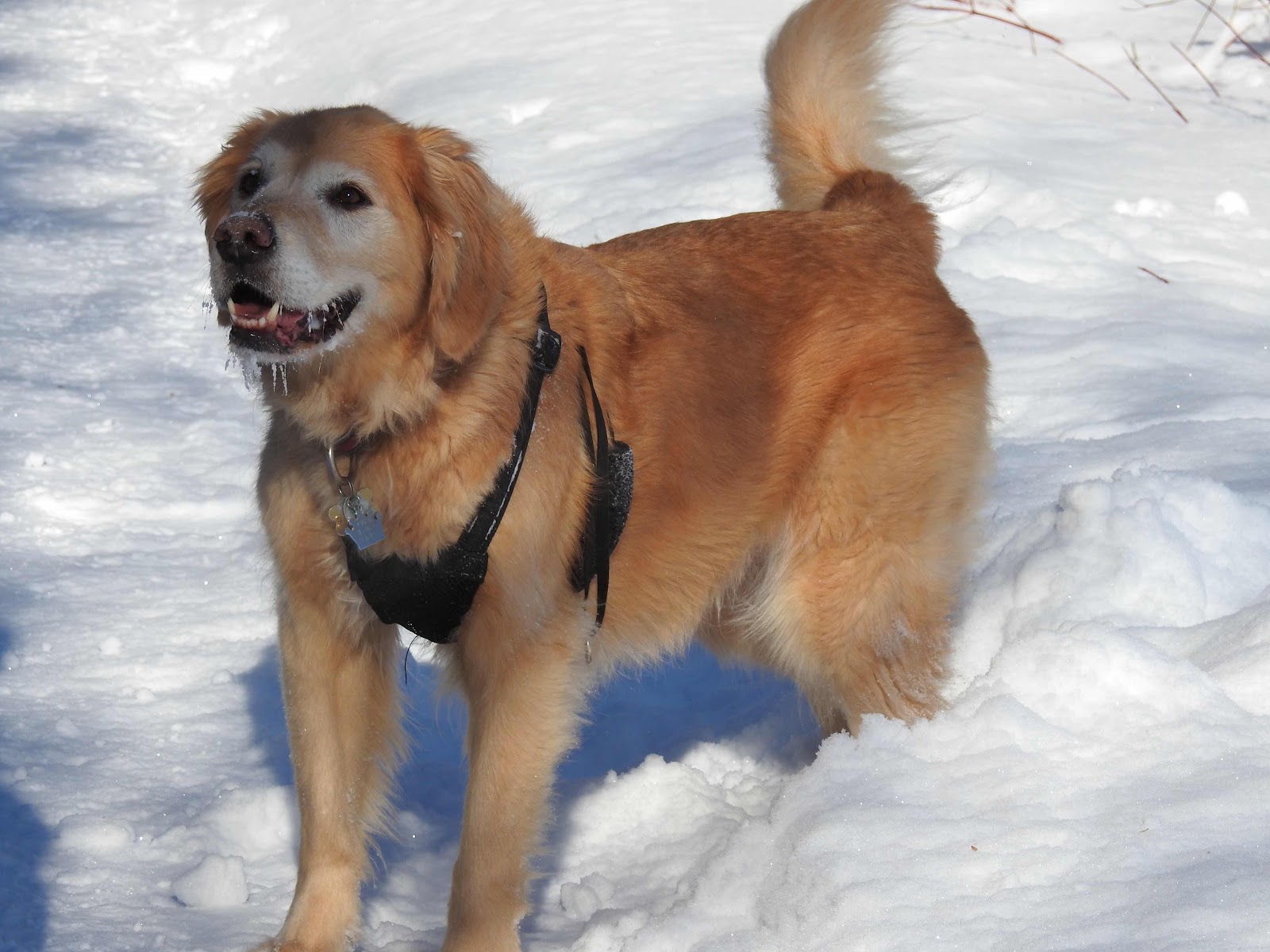
The golden grand-dog, Georgie was visiting for a few days so we went to Heather Moyse Park in the centre of the city for a walk. This park is in an older residential area and is frequented by many area residents, especially dog owners. 


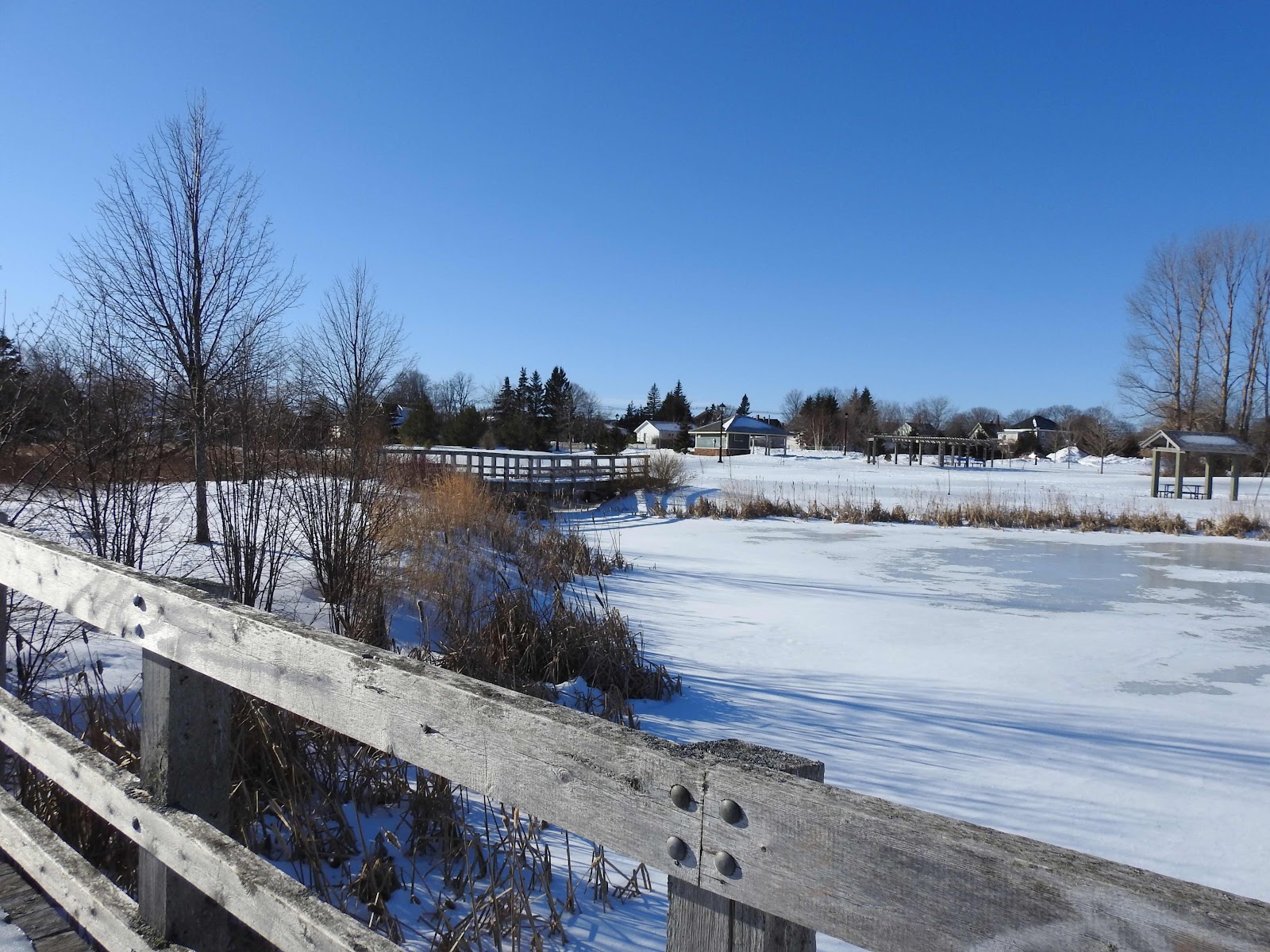
The park has various winding trails beside an open field and bridges over streams. 


The city high school is visible in the distance. It is a great area to walk a dog and if you repeated the circuit, you’d have a good walk there.


Georgie loves this place. The scent of other dogs and the ones we met whilst there provided a feast for her dog senses. She pranced her way around the trails.


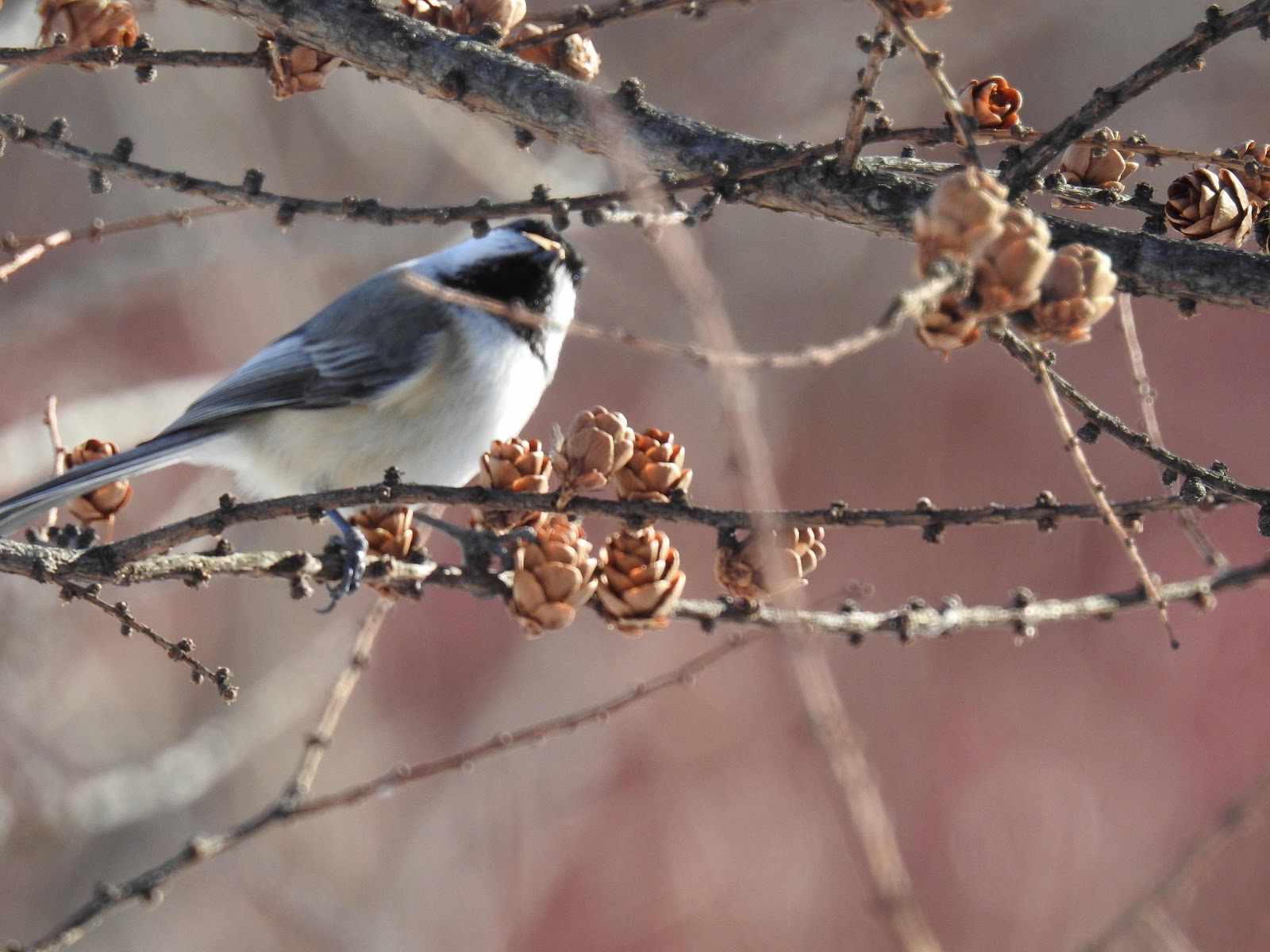
Black capped chickadees were in abundance there. These birds aren’t fed by visitors as are the birds along the boardwalk. Two landed in an needle-free tamarack and feasted on the seeds from the cones. I had never seen chickadees feed like this before but it was tough to take a good photo.


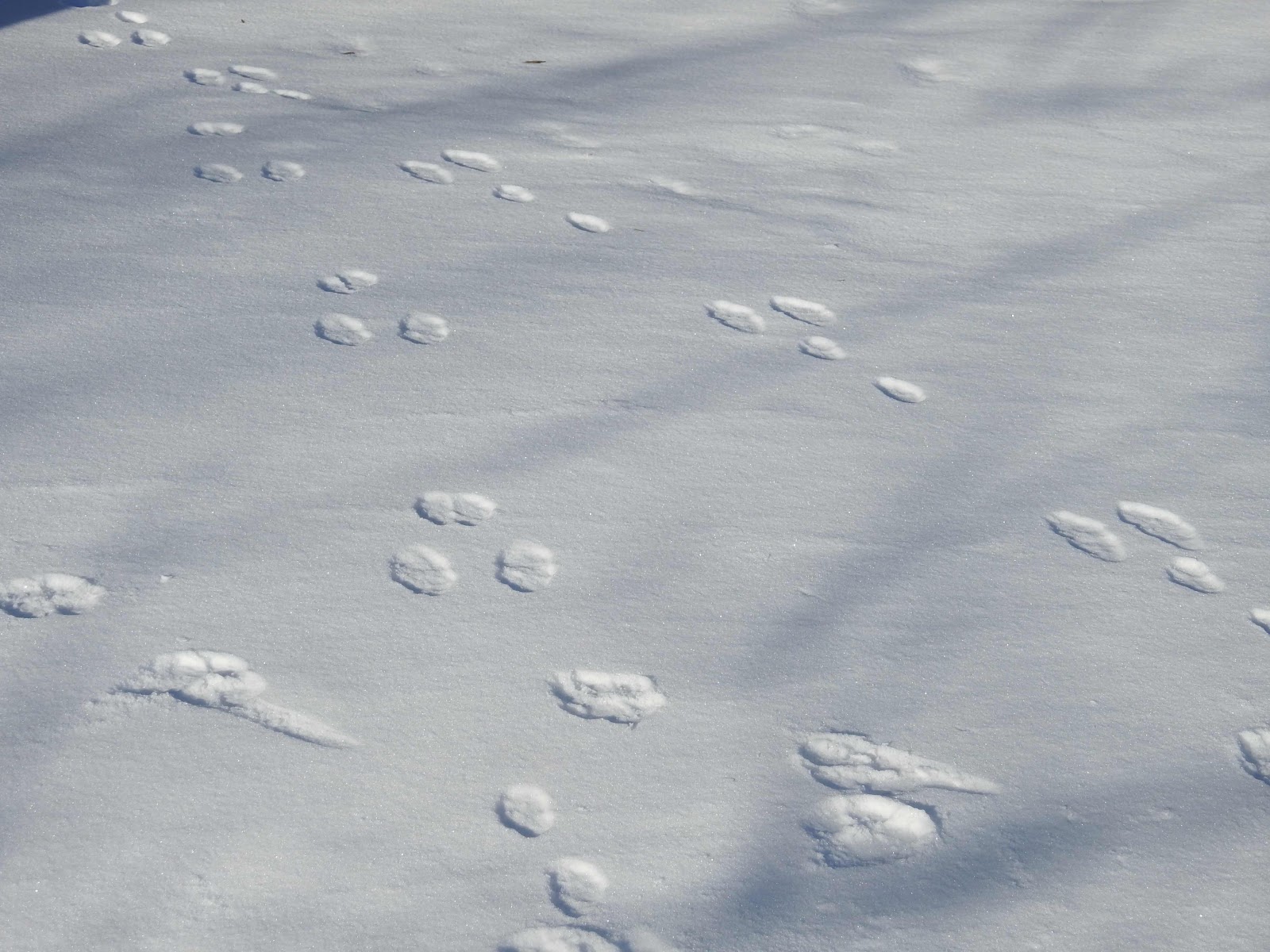
Further along the trail, a rabbit had crossed back and forth probably during the previous night. I took a photo of the tracks before Georgie sniffed around them.


We walked the trails for a half hour before we headed home from canine paradise.


Thursday, 6 February 2020

Pause

The park sits in the centre of the older part of the city. It is named after Heather Moyse, a young woman from Summerside who is a two time Olympic gold medalist in two-woman bobsled. Heather is an all round athlete having competed internationally in rugby and cycling as well. 


The park is a gathering place for activities throughout the year and is well groomed and maintained year round. It features labelled native island trees and the trails wind over bridges across streams. The irises alone in summer are enough to brighten one’s day.


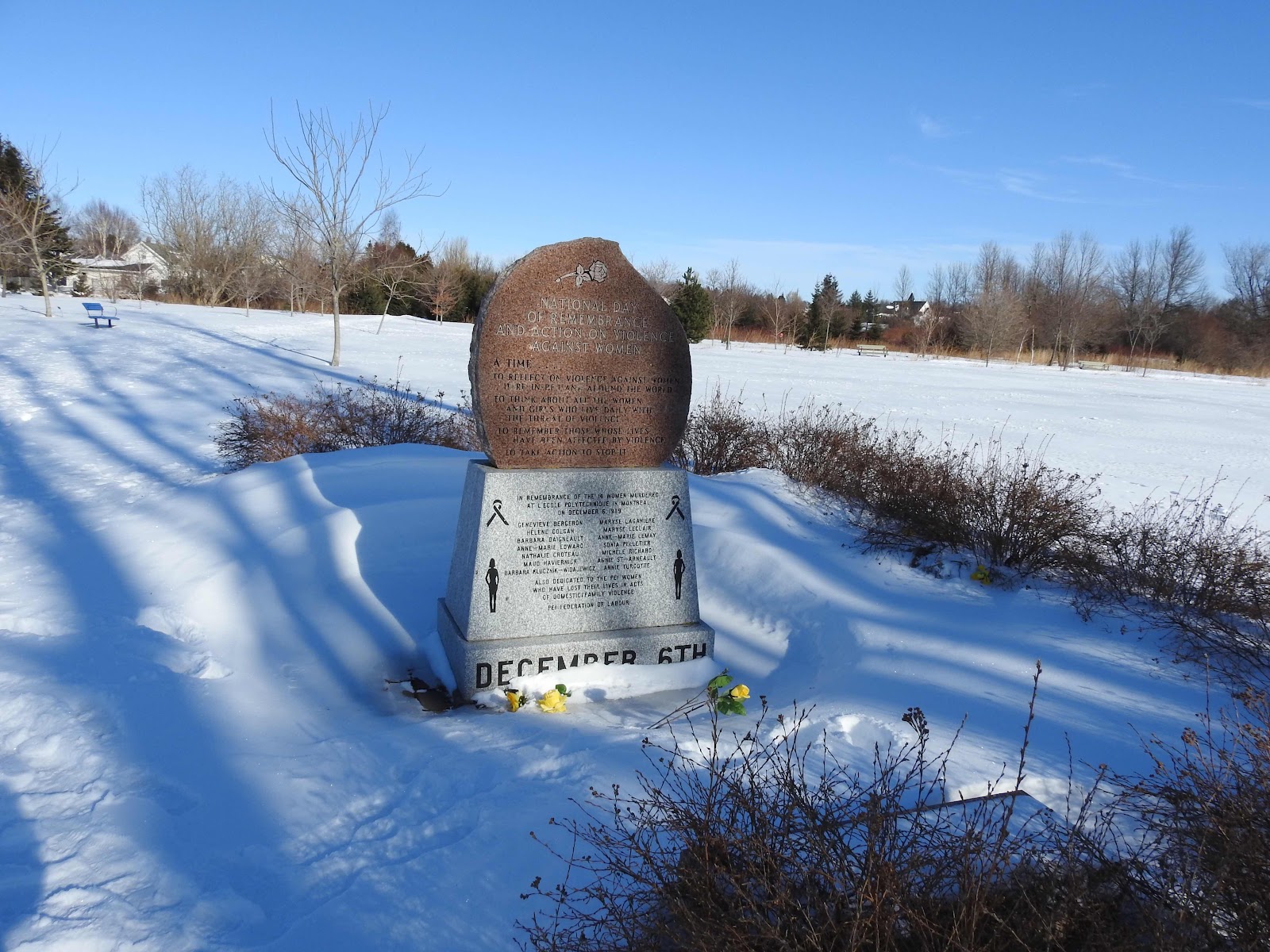
What always causes me pause in this park is the memorial for the victims of the Dec 6th massacre at École Polytechnique in Montreal in 1989. Fourteen young women were murdered when a man, citing his anti-feminist stance, walked into an engineering class, separated the men from the women and opened fire.


The women’s names are engraved in stone here and flowers left from the December 6 ceremony are encased in the ice and snow. The names are frozen in time, their spirits forever young and strong. 


December 6th in Canada has become a National Day of Remembrance and Action on Violence Against Women. We remember the fourteen but focus on the struggle women face in our world and how we can help. Many of us have friends or loved ones who experience violence or experience it ourselves.


This park celebrates a strong, capable woman who is living her best life. But we pause in this beautiful place every time we’re here to remember these other women who were cut down in their prime, who didn’t have that opportunity. Their names represent the millions of others who suffer behind closed doors, in silence and fear. Walking here in winter the silence and fear are manifested in the biting cold.


We pause and walk on, in hope of better days.


Wednesday, 5 February 2020

Solitaire

The beauty of the scenes this time of year adds another dimension as the trees and shrubs stand against the worst nature has to offer. They hold their place while we mere mortals run for cover. These are some of the gems I see around the harbour.


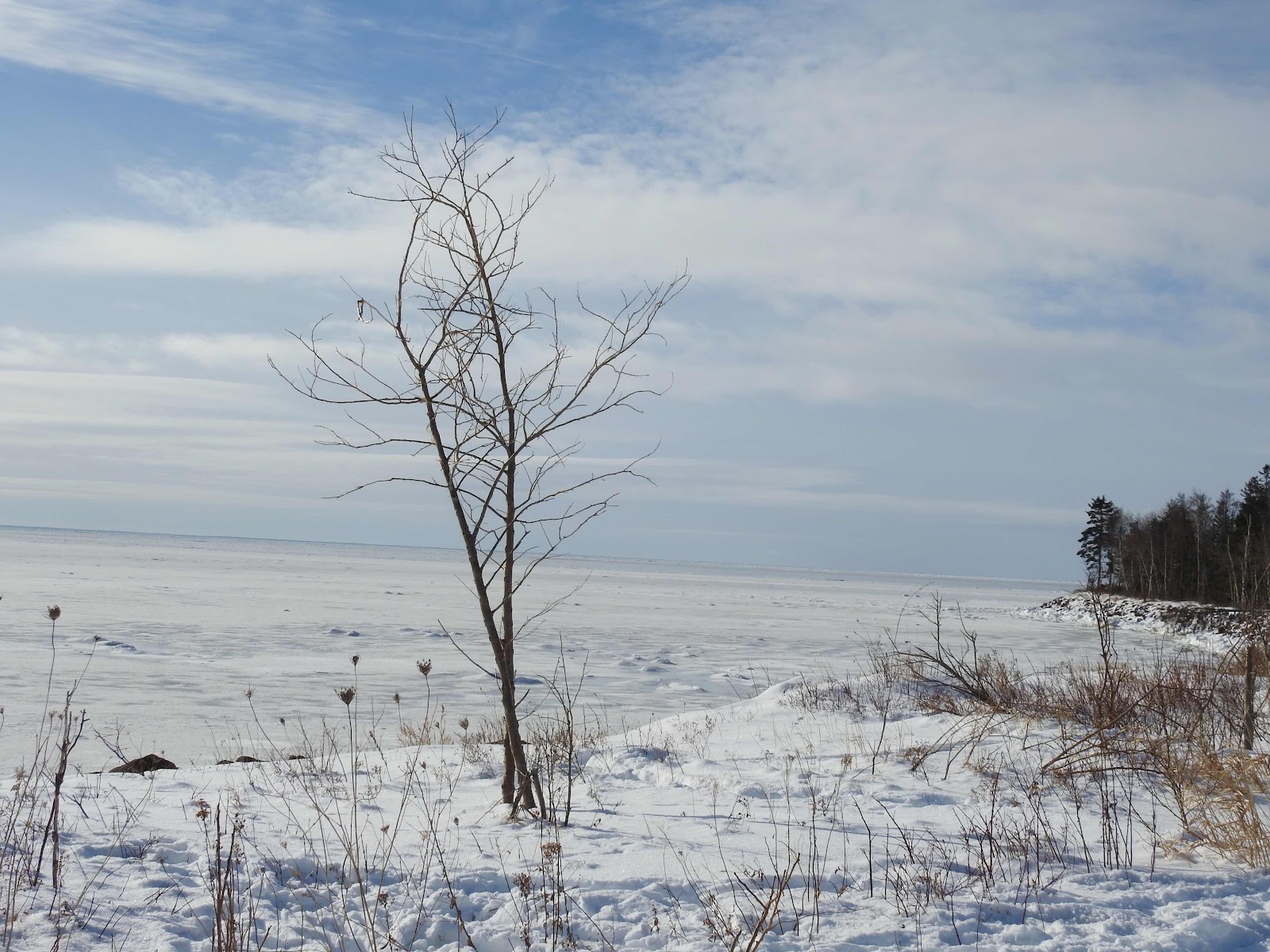
It is hard to stand alone along the shoreline. The salt sea spray for the majority of the year assaults the trees. This solitaire is not big enough to be toppled by the wind which batters vegetation along the shoreline since it bends rather than breaks. 


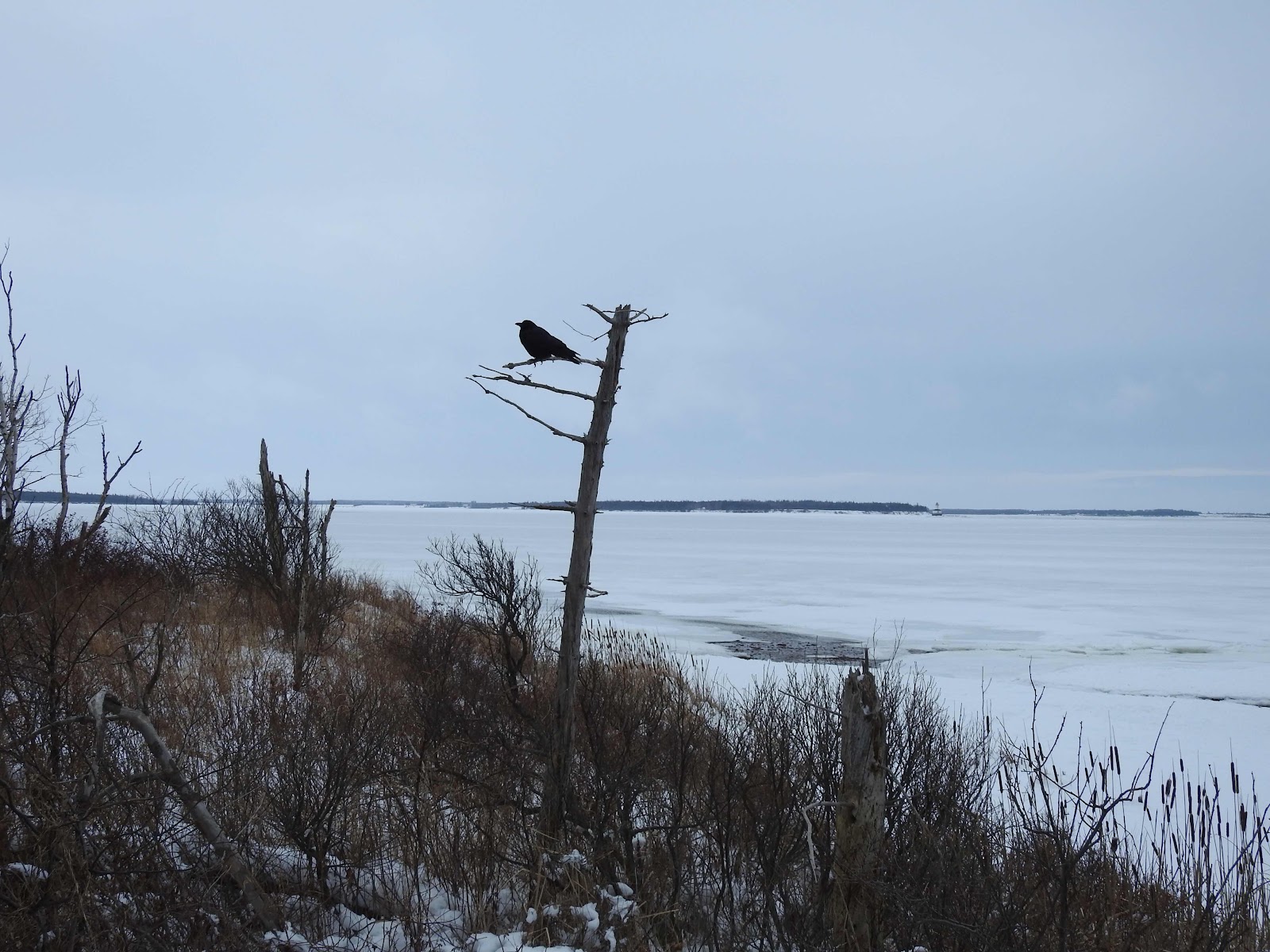
The perch is all that’s left of this tree which has succumbed to the elements where the stream empties into the harbour. Crows love this spot this time of year and in the summer, kingfishers avail of the location as they watch the stream for fish.


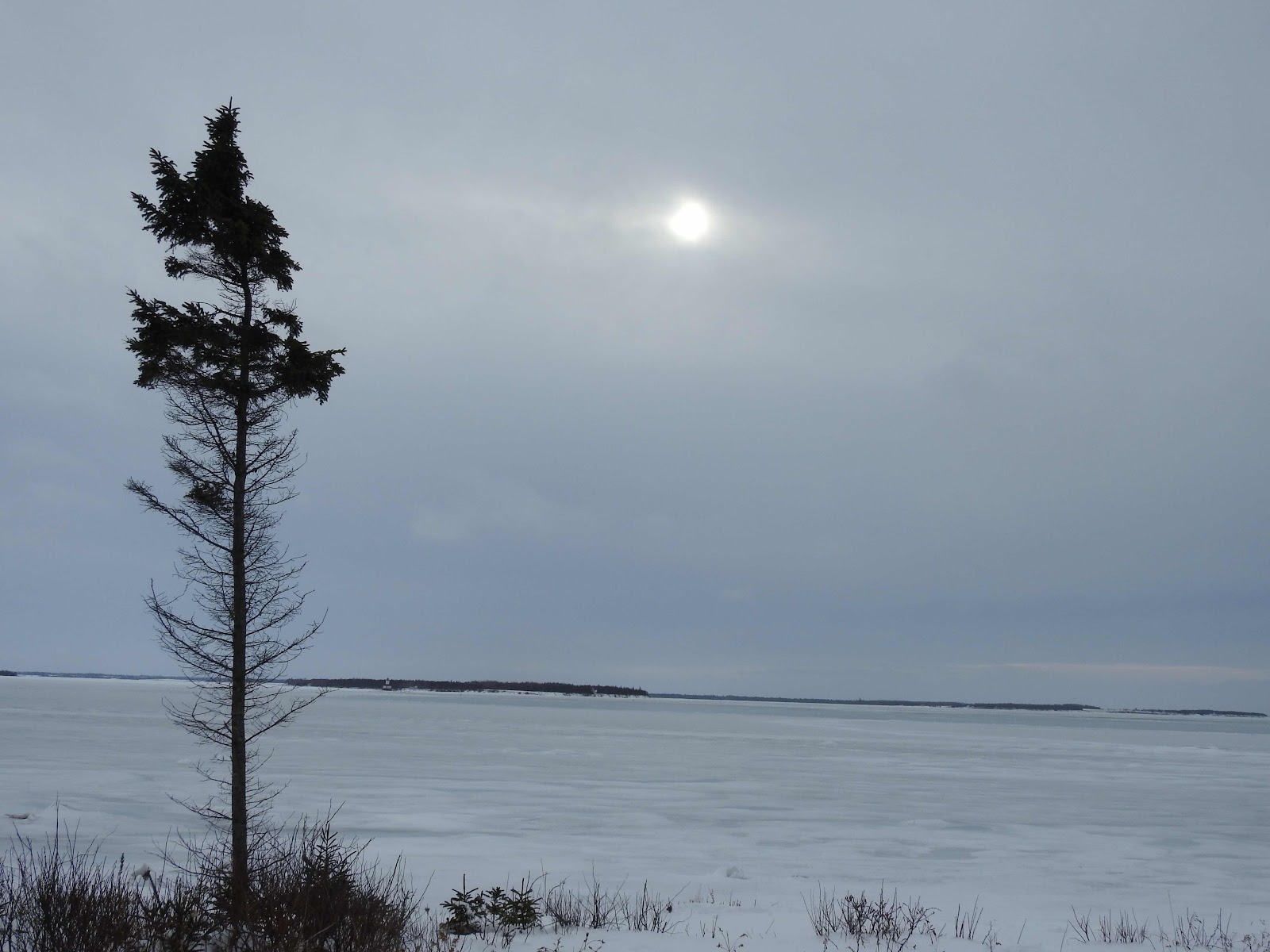
The top of this spruce tree above the reach of the salt spray is all that’s left of its coniferous needles. I suspect a gale will topple it soon. The two young trees at its base give us hope for the future.


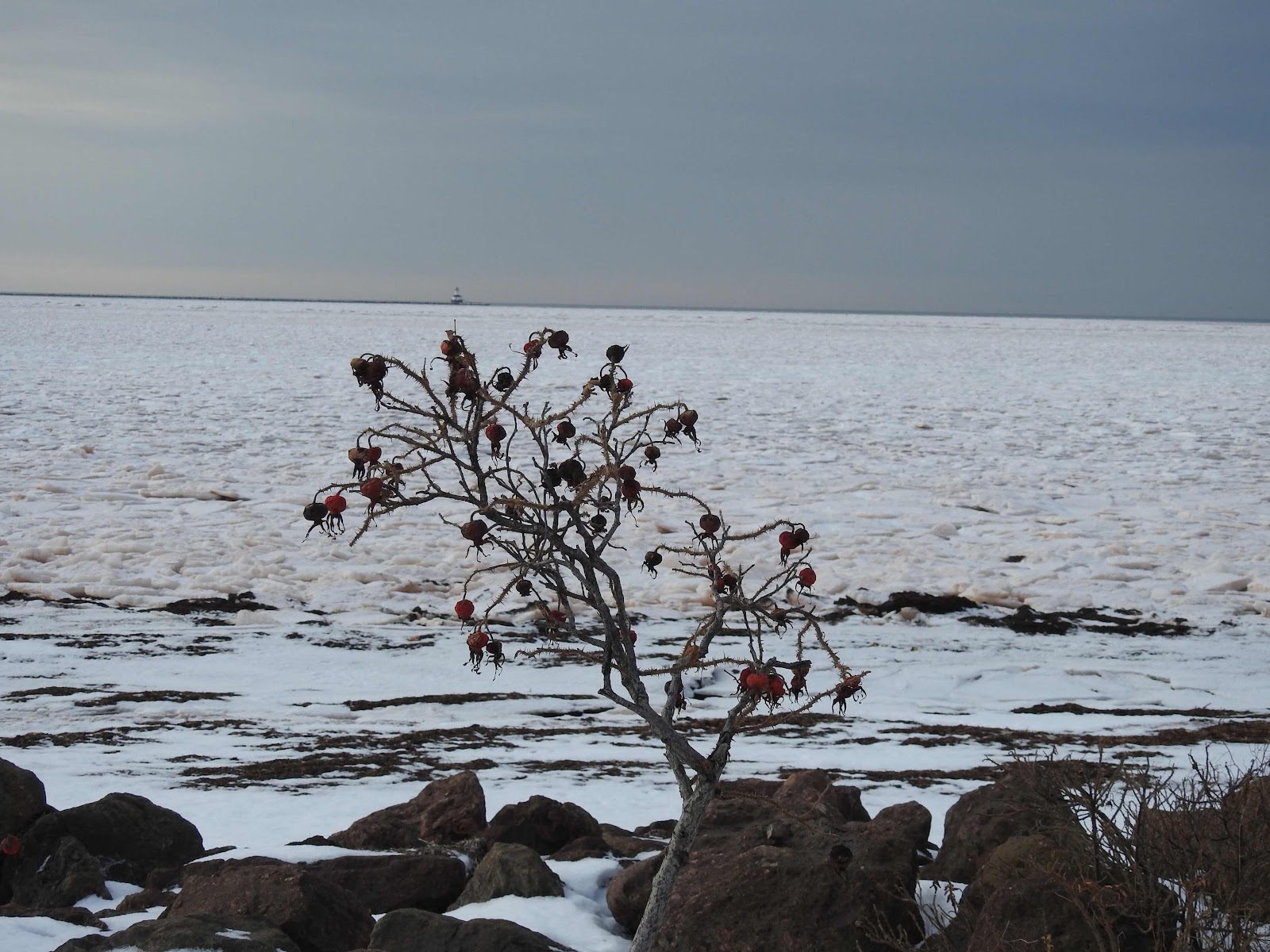
Rugosa bushes are tended along the boardwalk by the city staff. During the winter, they are interesting in their shape and spots of colour against the white plain. I have never seen birds eating the rose hips however.


It looks like this bush has been trimmed and the branches have erupted in response, a circle shape which defies the injury. Its shape is highlighted by the frozen sea.


Beauty defies the elements.


Sunday, 2 February 2020

The village

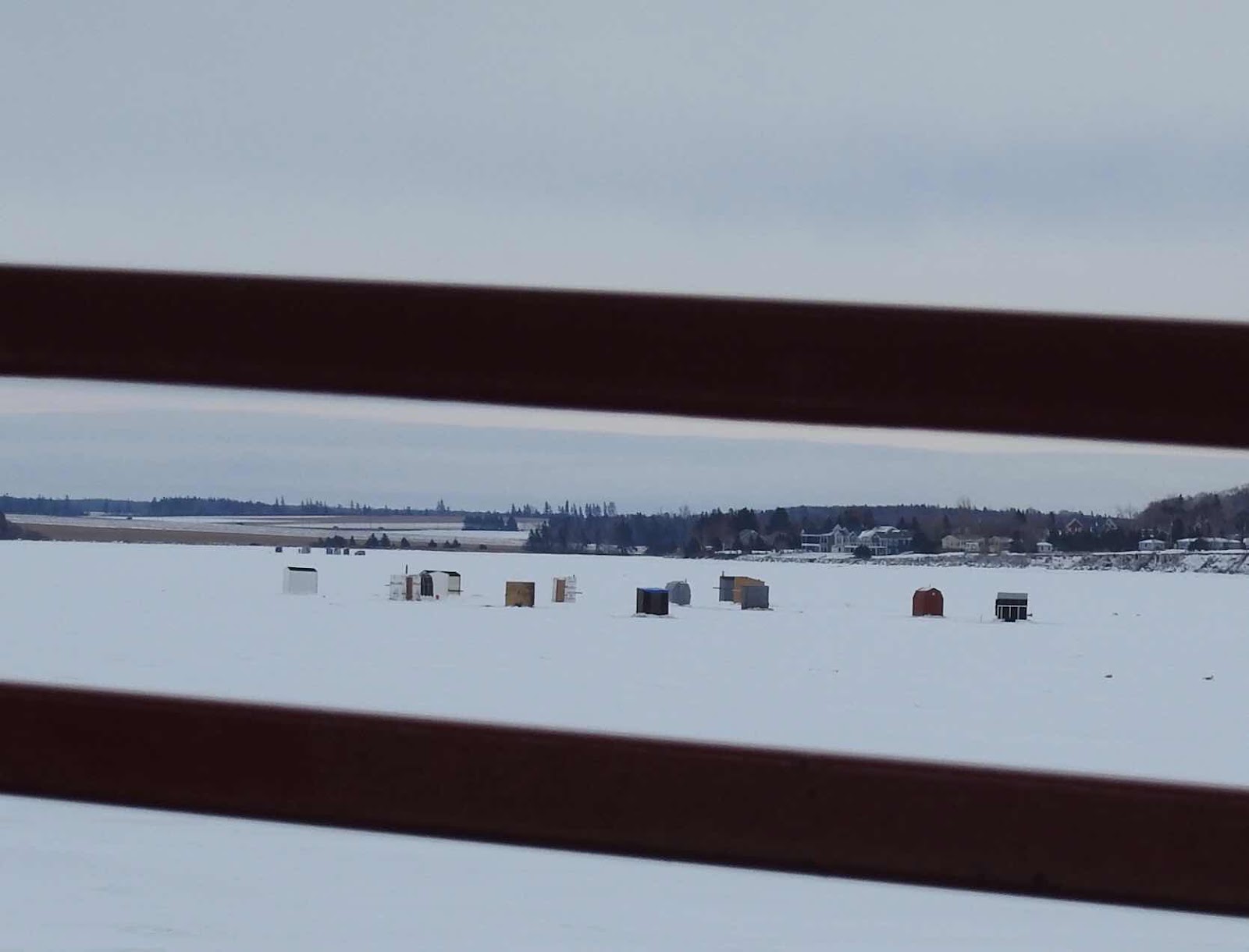
When the harbour ice freezes smoothly every year, they appear overnight. Avid fishers take their smelt shacks from backyards and garages down to the frozen harbour. Those who enjoy the outdoors in an indoor way, spend their time fishing for smelt.


The shacks provide wind breaks from the elements. 


Some are equipped with stoves which take the smelt fishing experience to another level. 


However all you really need is a hole in the ice and a chair. 


The video shows one such shack and a fisher in a 45 second clip.


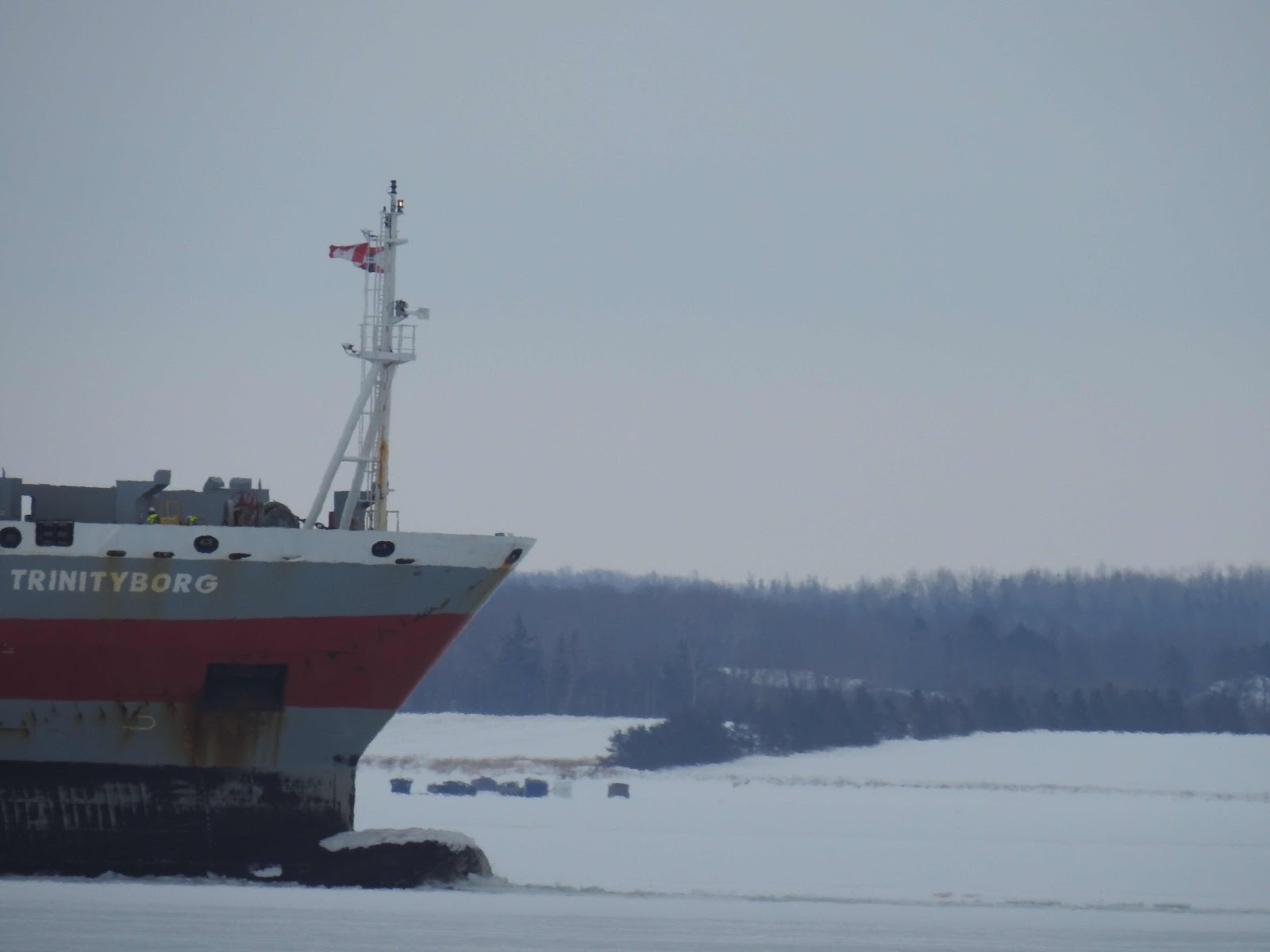
When I photographed the cargo vessel, Trinityborg and zoomed in on the vessel, it was interesting to see the smelt shack village on the opposite side of the harbour.


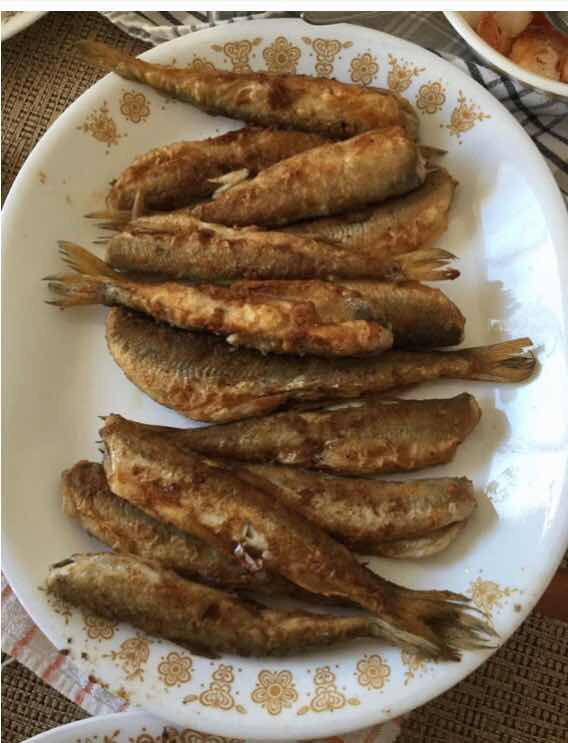
We tried the white flesh fish for the first time last year.


They were delicious. We will visit the fishmonger this week for another meal of the little fish.


                                   Two smelt villages as seen from a  nearby bridge