Most Popular Post

Friday, 10 November 2017

At peace

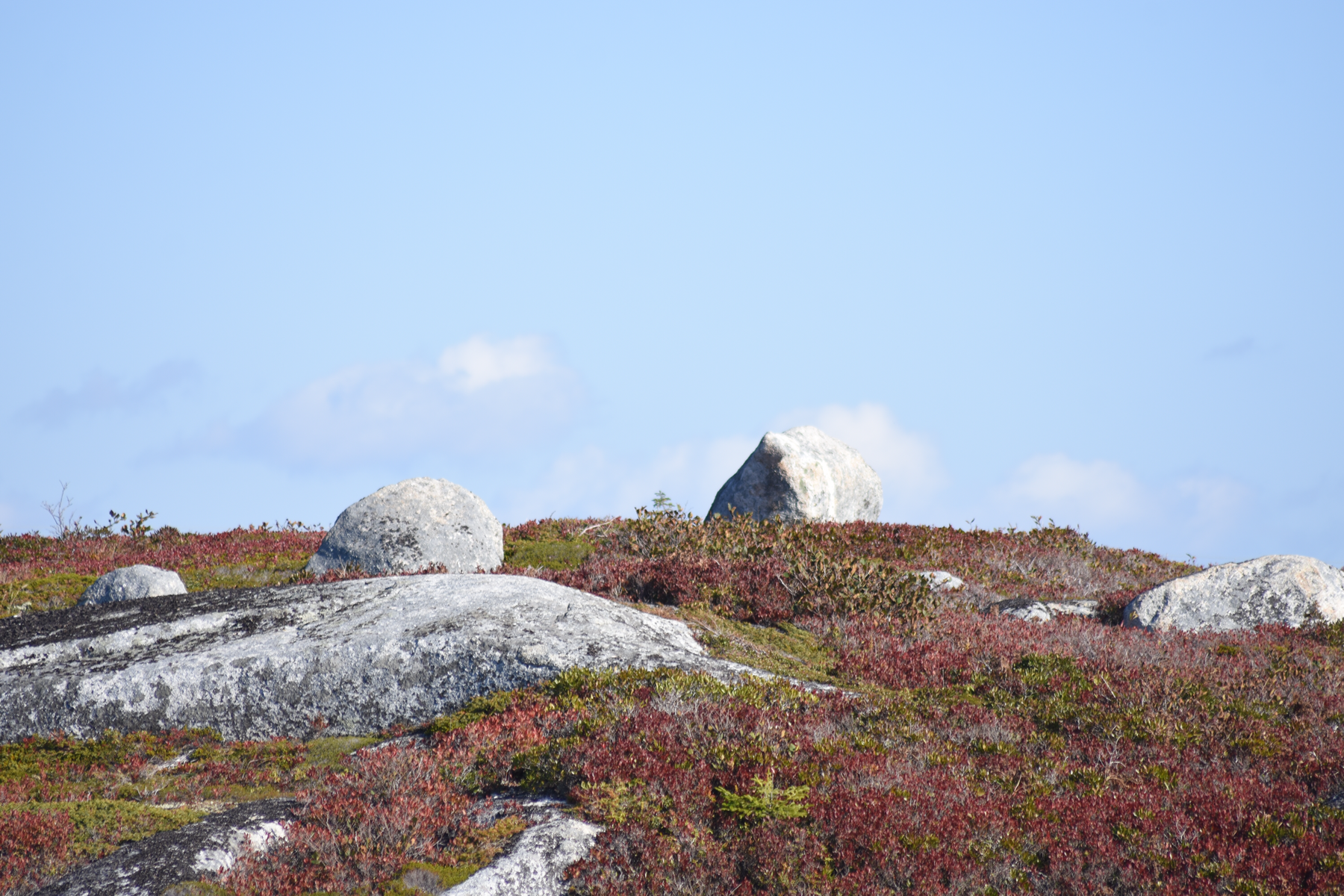
There aren’t many trees here, just a few conifers, rocks and shrubs.


The earth is red with autumn colour.


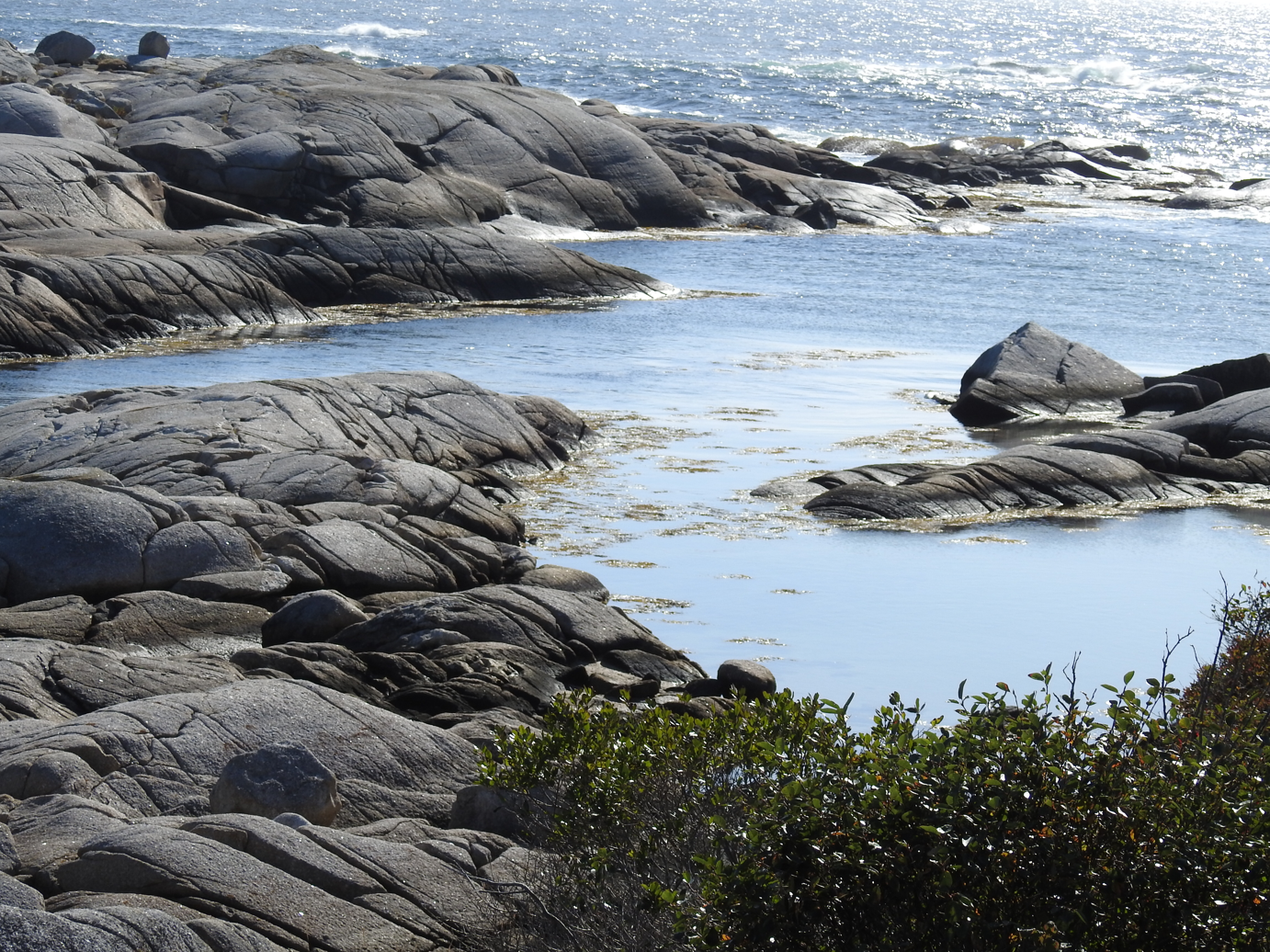
The shoreline presents granite to the ocean which embraces and cheers the meeting. It is part of the rhythm of this place. 
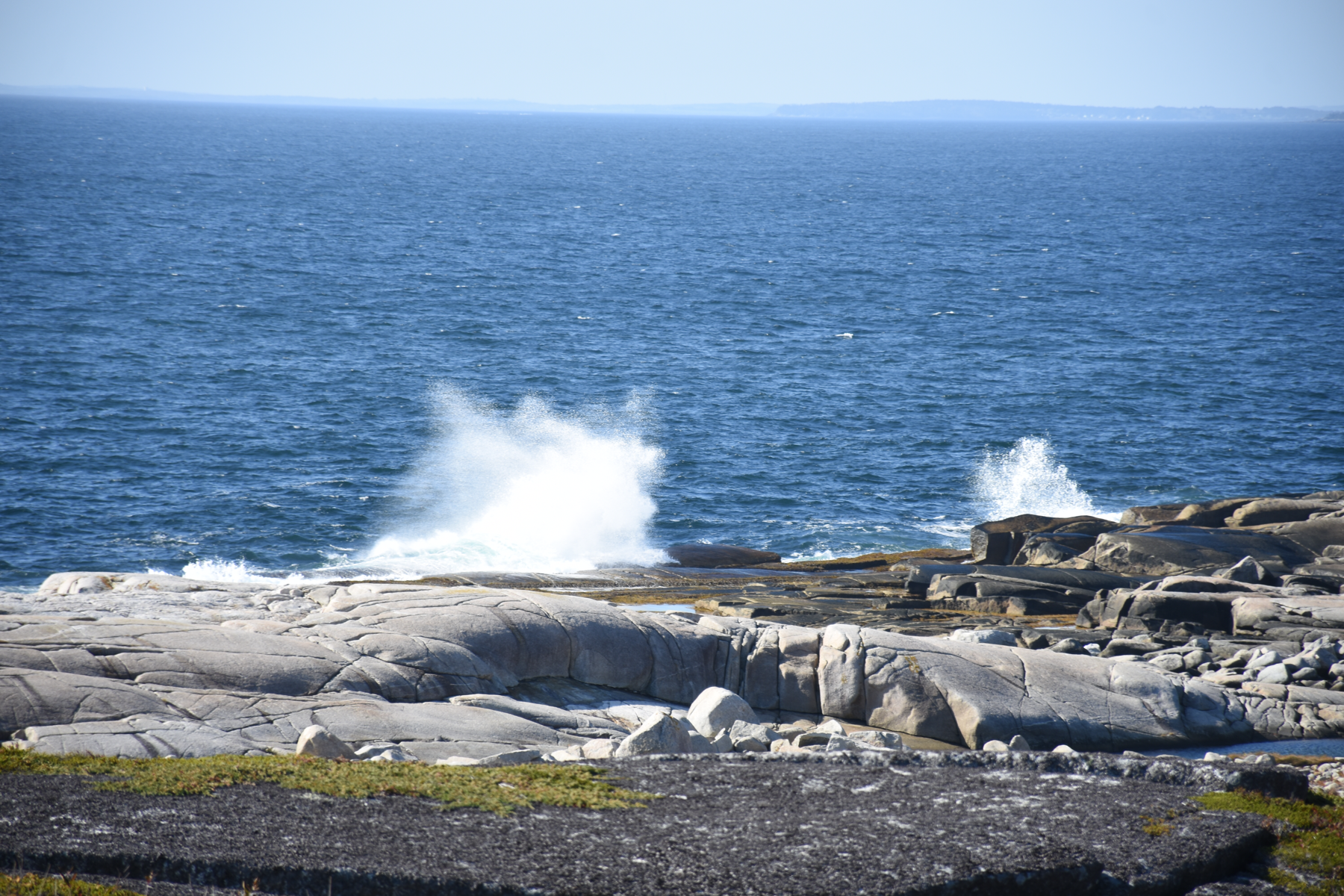


A short distance away lies Peggy's Cove. 


My husband and I are at a memorial to Swissair Flight 111. 


On September 2, 1998, all 229 passengers and crew died when flammable material caught fire near the ceiling at the rear of the cockpit. Fire spread and affected the aircraft systems and the cockpit environment. The aircraft was doomed.


Eight kilometers from this spot, the plane hit the water with a force 35 times that of gravity. One can imagine what such force did to the plane and the people. A rescue mission soon became a recovery effort as the depth of the tragedy became obvious. It took five years for the report on the accident to be finalized. 


The monument looks out over St. Margaret’s Bay. It has two large granite stones with inscriptions and granite benches out front. The location looks out to the crash site off shore. One stone has cuts to signify the flight number 111. 


This is a solemn place where natural elements inspire peace of mind and heart.


Wednesday, 8 November 2017

Peggy's Cove

It’s not the trees which are the attraction at Peggy’s Cove in the fall or at any other time of year. For many, it is the rocks, the granite, which brings thousands of visitors to this Nova Scotian mecca. 


The contrast of the sea and the unusual rock formations, with the lighthouse as the beacon, 


is a combination which people love and thousands of visitors come to see each year.


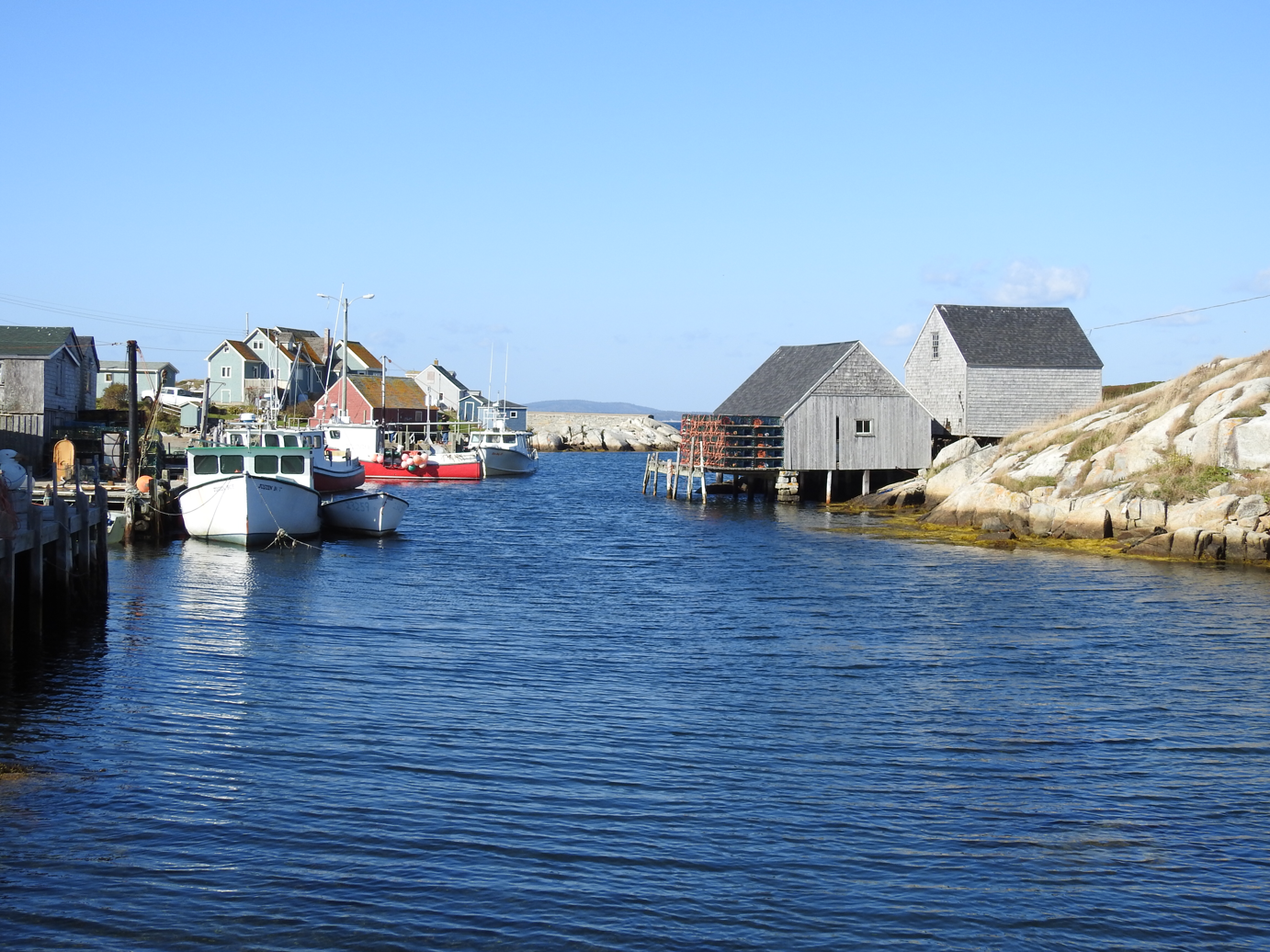
Peggy’s Cove sits in St. Margaret’s Bay, on the south shore of Nova Scotia. It is a fishing village at its heart and the signs of the trade are everywhere. 


The tiny cove, with its crystal clear water, is lined with fishing stages, gear and boats.


The rock is unique in this area. Pushed up from below or within the earth’s crust, the molten rock or magma, cools forming igneous rock, in this case, granite. The granite at Peggy’s Cove has various crystals which expand over time and slough off the exposed surfaces, producing rounded rock faces.


The granite was further affected by the receding glaciers of the Ice Age. The glaciers carried rocks along with them which scratched the surface of the bedrock, leaving striations or furrows behind. 


As glaciers melted, they left rocks, known as erratics, on the landscape. 


The erratics, striations and rounded granite make Peggy’s Cove an area of natural wonder.


Add in the lighthouse and you have a rare treasure.


Monday, 6 November 2017

Mahone Bay

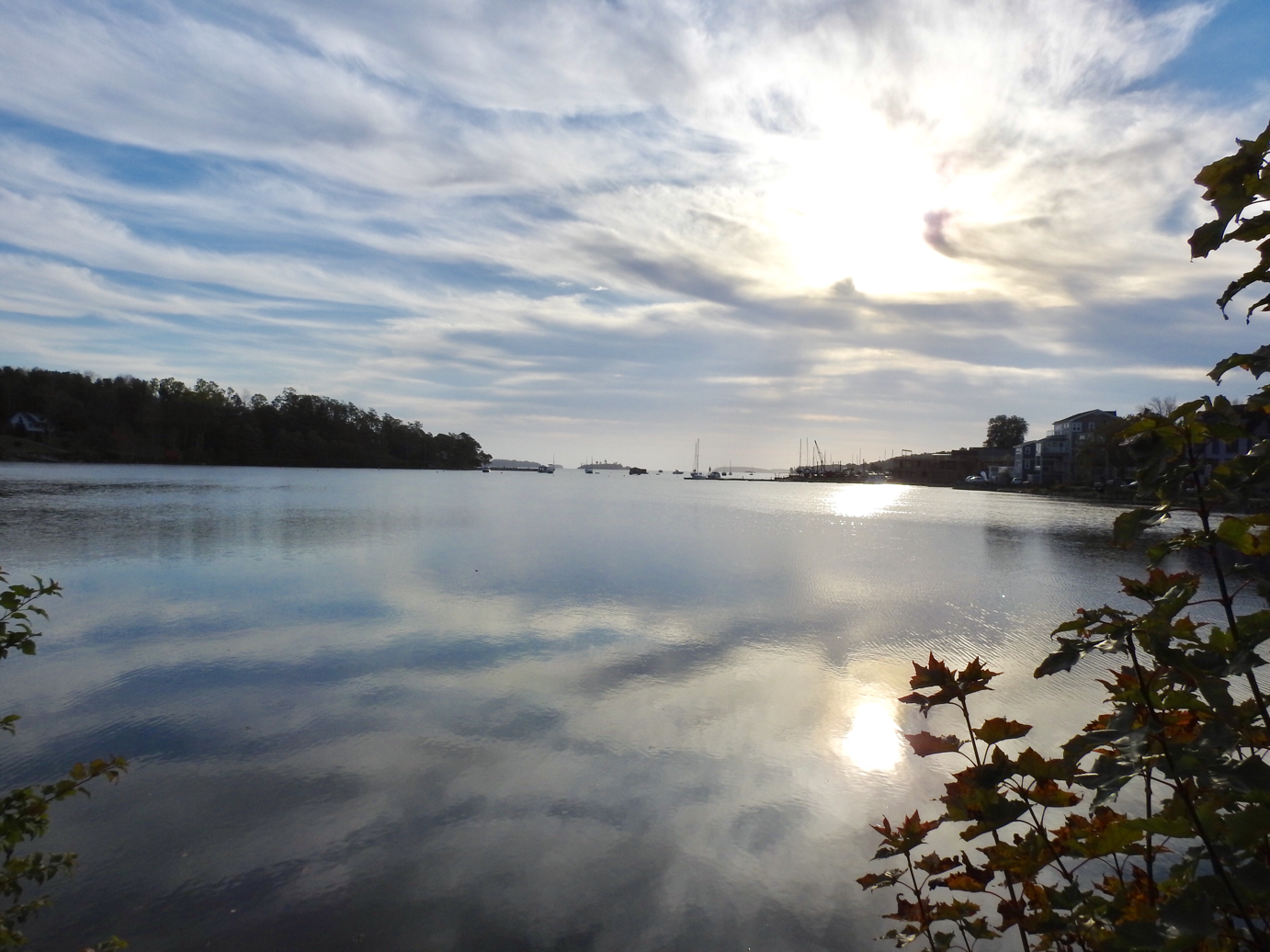
When one looks at the community now, it is hard to imagine the time when ship and boatbuilding were in their heyday here. Mahone Bay, Nova Scotia, is a small town which has some modern homes around the water and an area of older homes nearby. 


There are pleasure craft anchored in the bay while a marina further out the bay looks busy. 


During our recent visit to Nova Scotia, we stopped twice in Mahone Bay on our way to and from Lunenburg. The community of 1000 people was busy with tourists late in October. We enjoyed a walk along the bay on both occasions.


The bay was a mirror when we stopped for breakfast one morning. 


We could hear pigeons on their gazebo perch across the channel.


A flock of mallards bathed and showered in the channel, as they flapped their wings and sprayed water high into the air.


A house at the head of the bay looked its best reflected in the water.


On the bay, several floating cottages looked like ideal retreats.


The three churches, famous in pictures of Mahone Bay, were difficult to photograph because of the light. This was the best photo.


Trinity United in on the right.


St. John’s Lutheran is in the middle.


St. James Anglican is on the left. 


I will visit Mahone Bay again in pursuit of a great photo of the three churches.

Friday, 3 November 2017

Chocolates and peace

A world away in Syria, their home was destroyed during the civil war. Their business, a large chocolate factory in Damascus, was destroyed also. The family had a good life in Syria before the conflict began.


The Hadhad family spent three years in refugee camps, then applied to come to Canada which they did in 2016. They settled in Antigonish, Nova Scotia. The family started making chocolate in their home and selling it at the Farmer’s Market. Then, with help from the community, they built a shed 


in the yard of their home where they made chocolate and sold it.


This year they have a factory and a plan to hire twenty people. Their chocolates will be on the shelves of major grocery chains in Atlantic Canada.


On our recent trip to Antigonish, our friends, Carlo and Hiltrud, who had immigrated to Canada from Berlin almost fifty years ago, took us to see the little shed front where Mrs. Hadhad and her daughter tend shop. After hearing so much about the Hadhad family and their story, it was great to meet them and wish them well. There was a time when our own ancestors were newcomers too. 


We sampled some chocolate and bought some too. Designs of the chocolates include the rose of Damascus and the maple leaf. It is delicious.


Wednesday, 1 November 2017

Lunenburg

In many ways it is a step back in time. Old Town Lunenburg is a Unesco World Heritage Site on the south shore of Nova Scotia. It is colourful, with some unique architecture, art galleries, museums, tall ships, including the Bluenose II and a huge variety of seafood.


We took the horse drawn carriage 


around the Old Town to learn the history and see the sites with a local guide. The town is an example of British colonial urban planning, with straight streets and square corners.


People who settled the area were involved in the off-shore Atlantic fishery which is still part of the life of the community today, though to a much less extent. It was settled in 1753 and the oldest homes still sit proudly on the narrow streets today.


The Lunenburg bump is a unique architectural feature on many homes in Lunenburg. The dormer, often five sided, is above the door of the house and was an indication of the wealth of the home owner.  


The homes and buildings are brightly coloured and well maintained. 


While we were there, filming of a movie, starring Danny Glover was underway. While in the horse drawn carriage, we passed a vehicle rigged for a street scene. The photo is poor quality.


Lunenburg passes for New England towns in many movies and tv series.


The Fisheries Museum had closed the previous weekend but we saw the Bluenose II tied up by the dock behind the museum. 


It is a replica of the original Bluenose, the fishing and racing schooner which was built in Lunenburg and launched in 1921.


The vessel competed in the Fisherman’s Trophy Race that same year and for many years after, winning numerous races which had formerly been dominated by the Americans. The Bluenose is depicted on the Canadian ten cent piece.

There were several tall ships in the harbour at Lunenburg besides the Bluenose II, including the Picton Castle, 


which was in Summerside, Prince Edward Island this past July. 


We stayed at The Rumrunner Inn and had dinner at a nearby seafood restaurant. The ample platter of varied seafood was delicious.


My husband and I enjoyed our time in Lunenburg and intend to visit again next spring to take in more of the history and charm of this seaport treasure.


Monday, 30 October 2017

St. George's Bay

The rocks and hills of Nova Scotia are a welcome sight to this transplanted Newfoundlander living in Prince Edward Island. While I love our little island home, it is flat and made of red soil and sandstone, so unlike Newfoundland. 


Long Point Lighthouse, Twillingate, Newfoundland 


I didn’t realize I missed the granite cliffs of home until our recent visit to Nova Scotia.


While there, with our friends, Carlo and Hiltrud, my husband and I followed the Sunrise Trail from Antigonish north along St. George’s Bay to Cape George. It was over a winding road through the forested countryside, rocky outcrops of granite and hills dressed in their autumn splendor. Beaches were rocky like many in Newfoundland, instead of sandy like PEI. 


Such a strange world to us now, but familiar to our bones.  


The area isn’t all farmland, like Prince Edward Island. Fishing is an important industry in this area as well. In Lakevale, dredging was underway in the channel from the lake to the bay.


while ducks swam nearby.


Further along the shoreline, Ballantyne’s Cove was a boat basin for pleasure craft and fishing boats. We walked the wharf 


and observed the area from a nearby hill. 


Finally we reached the Cape George lighthouse 


and the clear, sunny day enabled us to see Cape Breton across the bay. 


It is the island part of Nova Scotia attached to the mainland of the province by the Canso Causeway.


Nova Scotia feels and looks like Newfoundland more than Prince Edward Island does. Even though we have come to love our red island home, a visit to the land of our birth is overdue. Nova Scotia was a good teaser.