Most Popular Post

Tuesday, 5 October 2021

Greats in the bay

We thought they’d left already. Great Blue Herons had been missing from the bay for a few days. Then, there they were, upwards of fifteen of them spread out along the bay by the boardwalk in Summerside.  Migration is in the air now as temperatures at night are in the single digits on occasion. My husband and I are happy to observe them at every opportunity.


Last month, we watched as one of the Greats caught its lunch as it stood near a sandbar. 
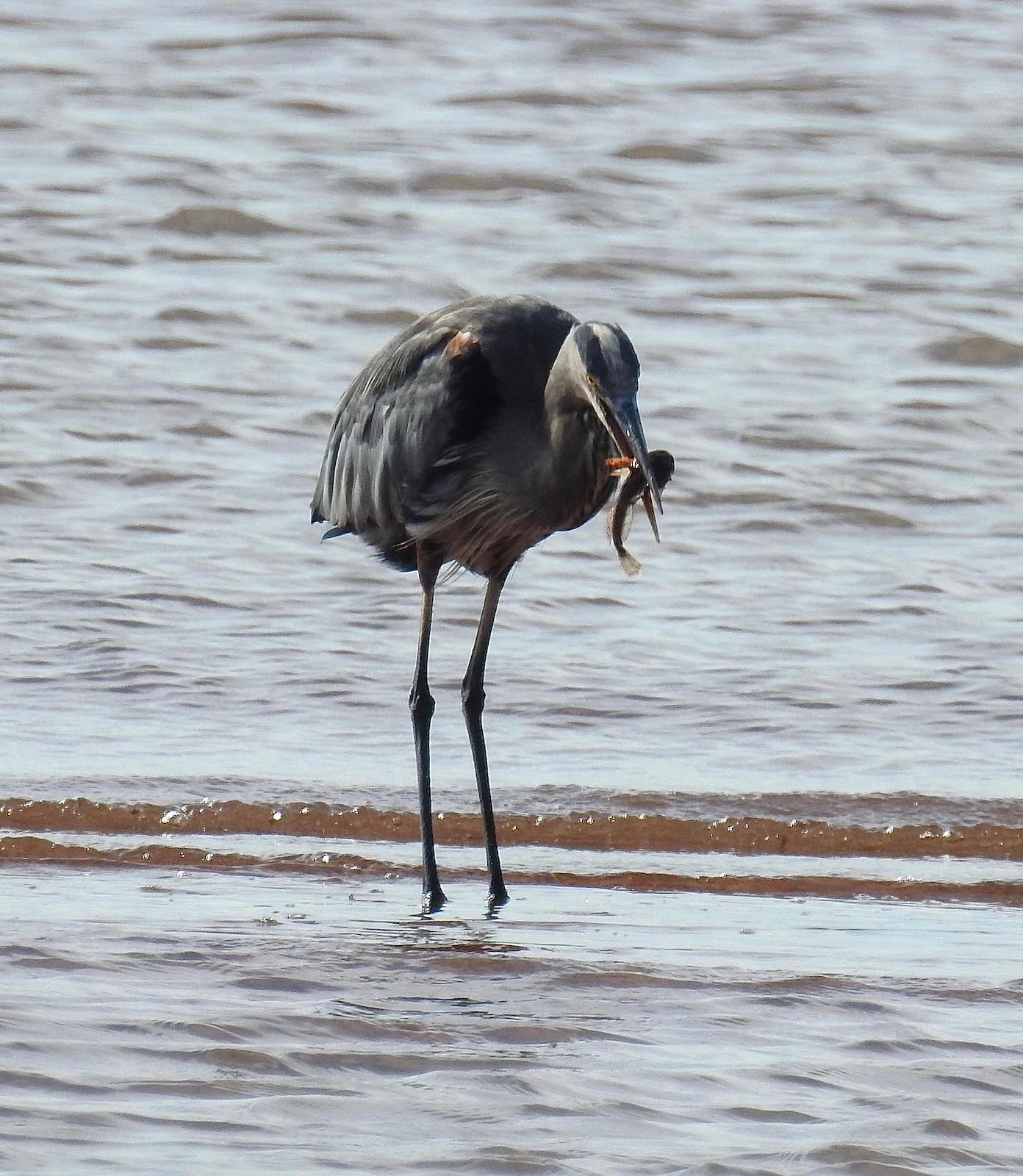


We didn’t know at the time, but it had caught a Sculpin. 
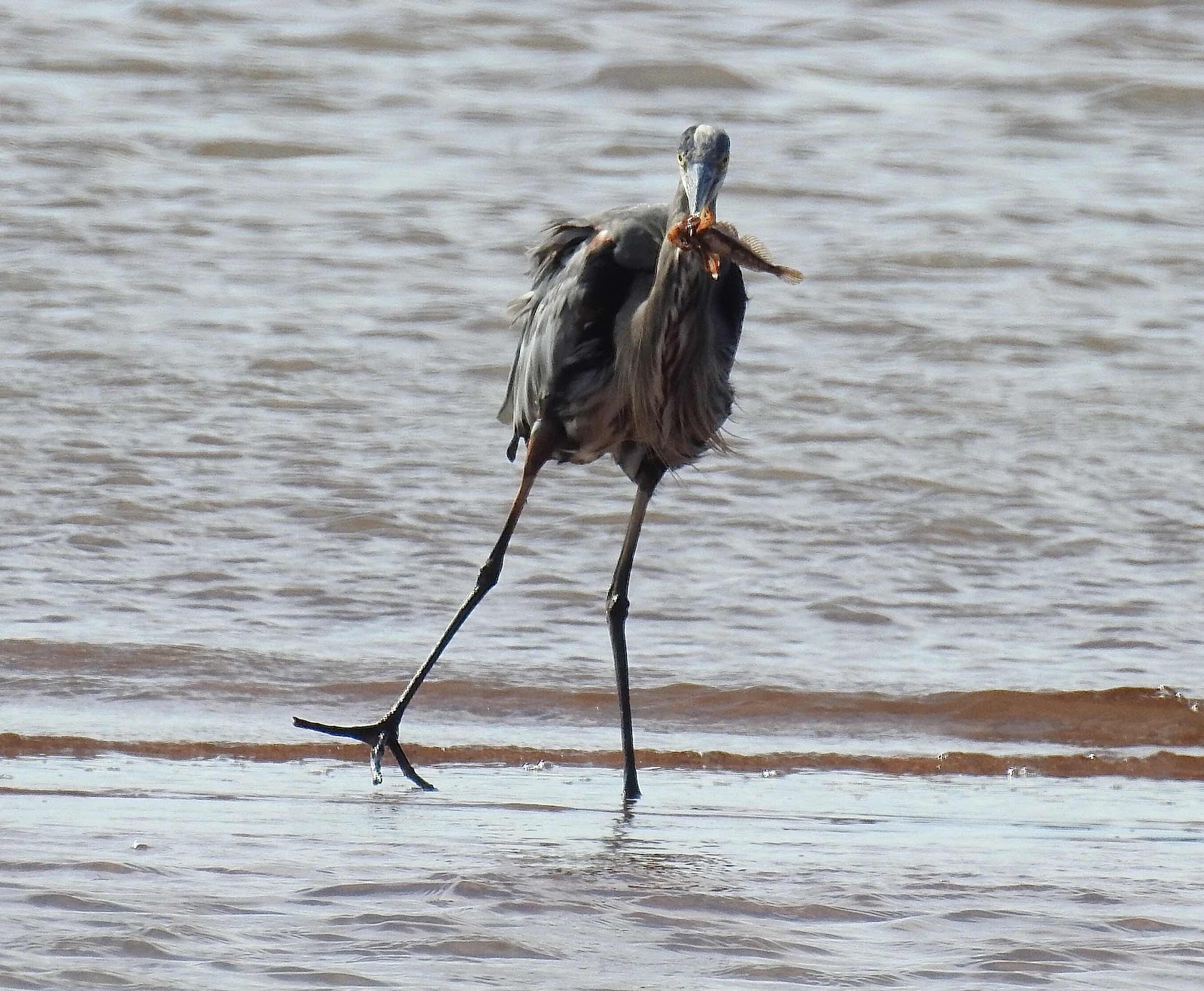


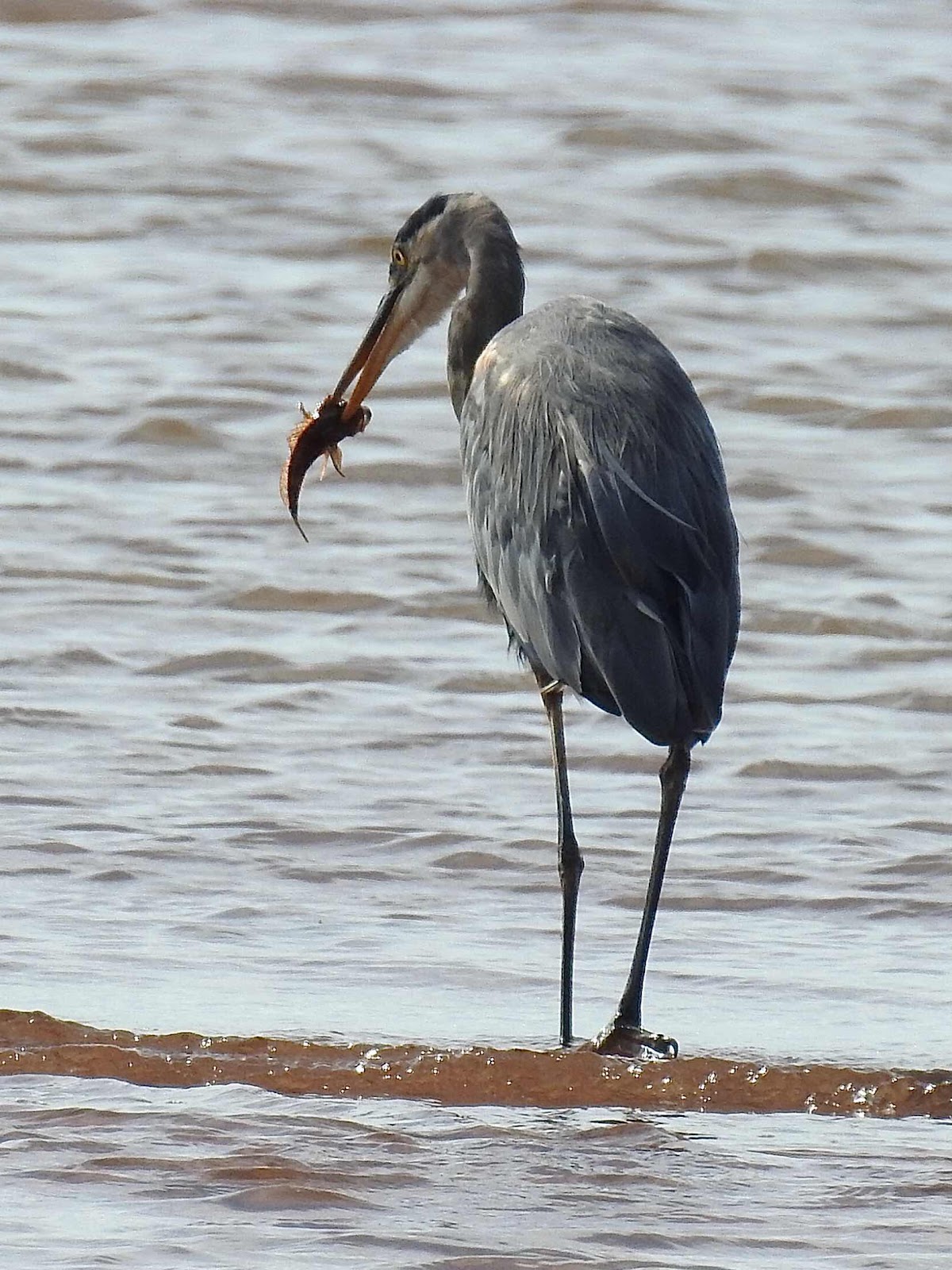
While humans don’t eat Sculpins, herons do. I watched the bird as it turned away from shore to eat the fish. 


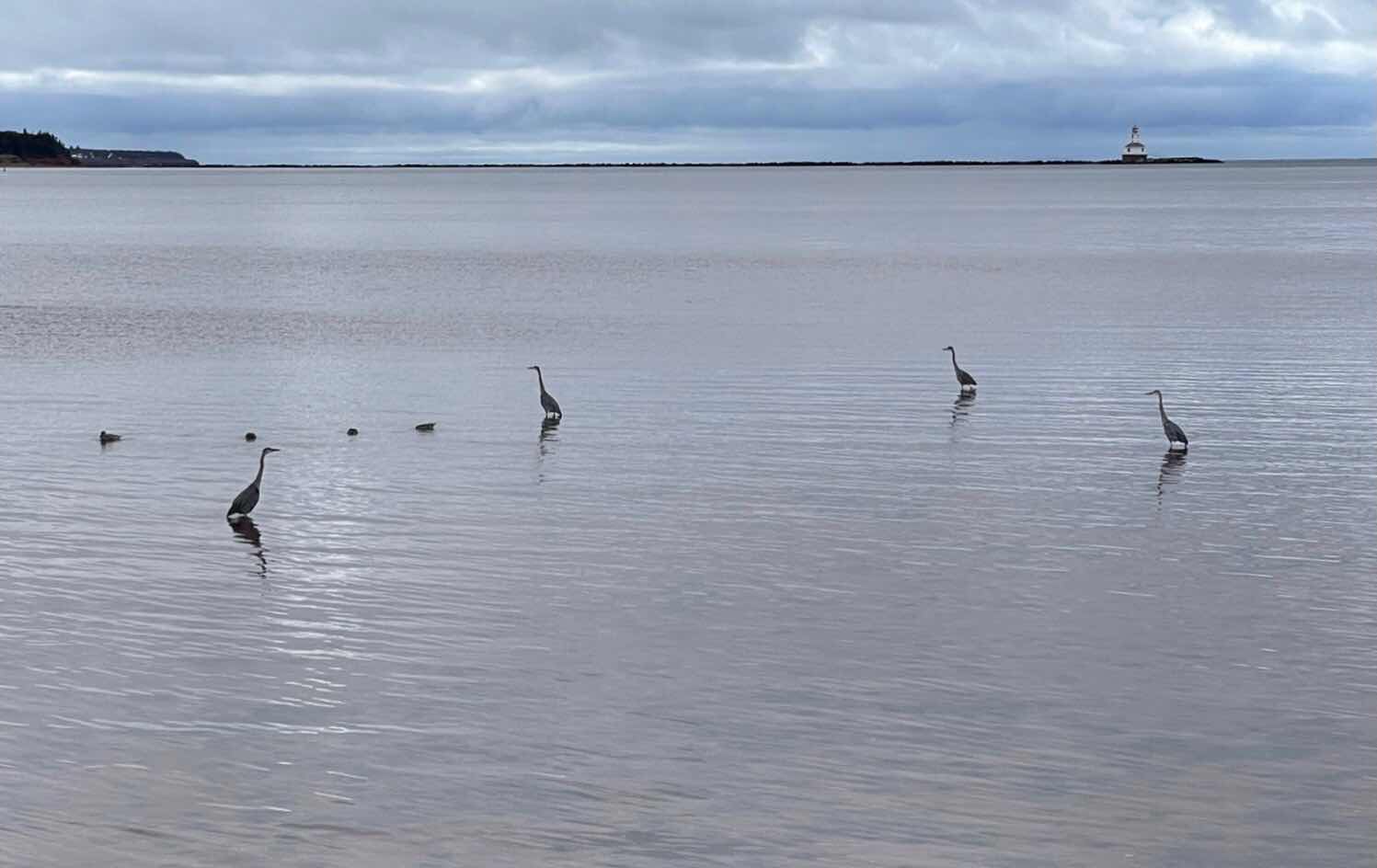
Our most recent encounter was with 10-15 of the large birds on a day with a slight breeze. It was hard to keep count of them since they flew around the bay, checking out different areas in the falling tide.


My husband’s photo of four of the Greats with the blue background of a heavy overcast day was my favourite group photo of that day. 


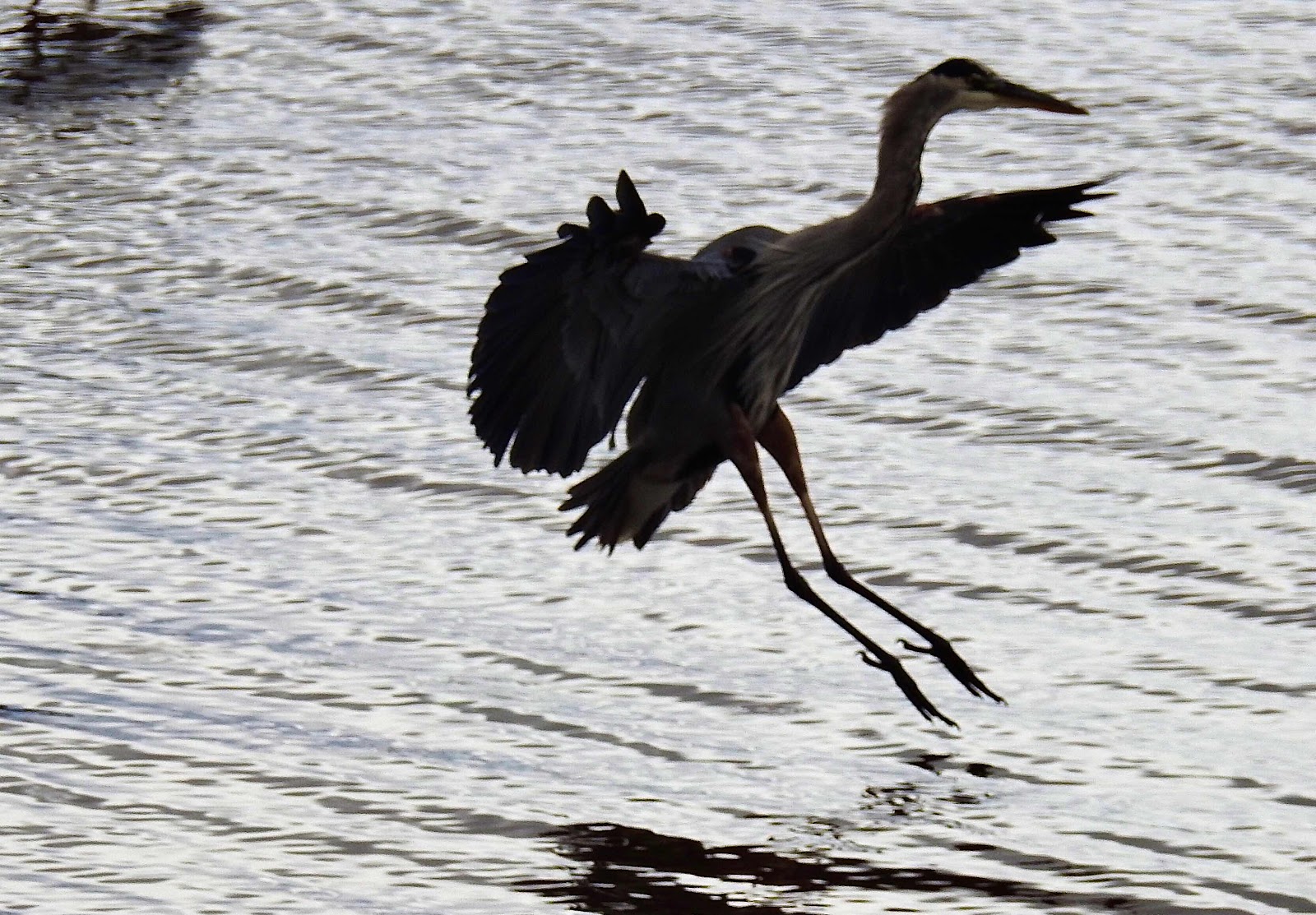
Photos of the Greats in flight show the huge wing span. 


Photos of them landing show the feet reaching for the ground.
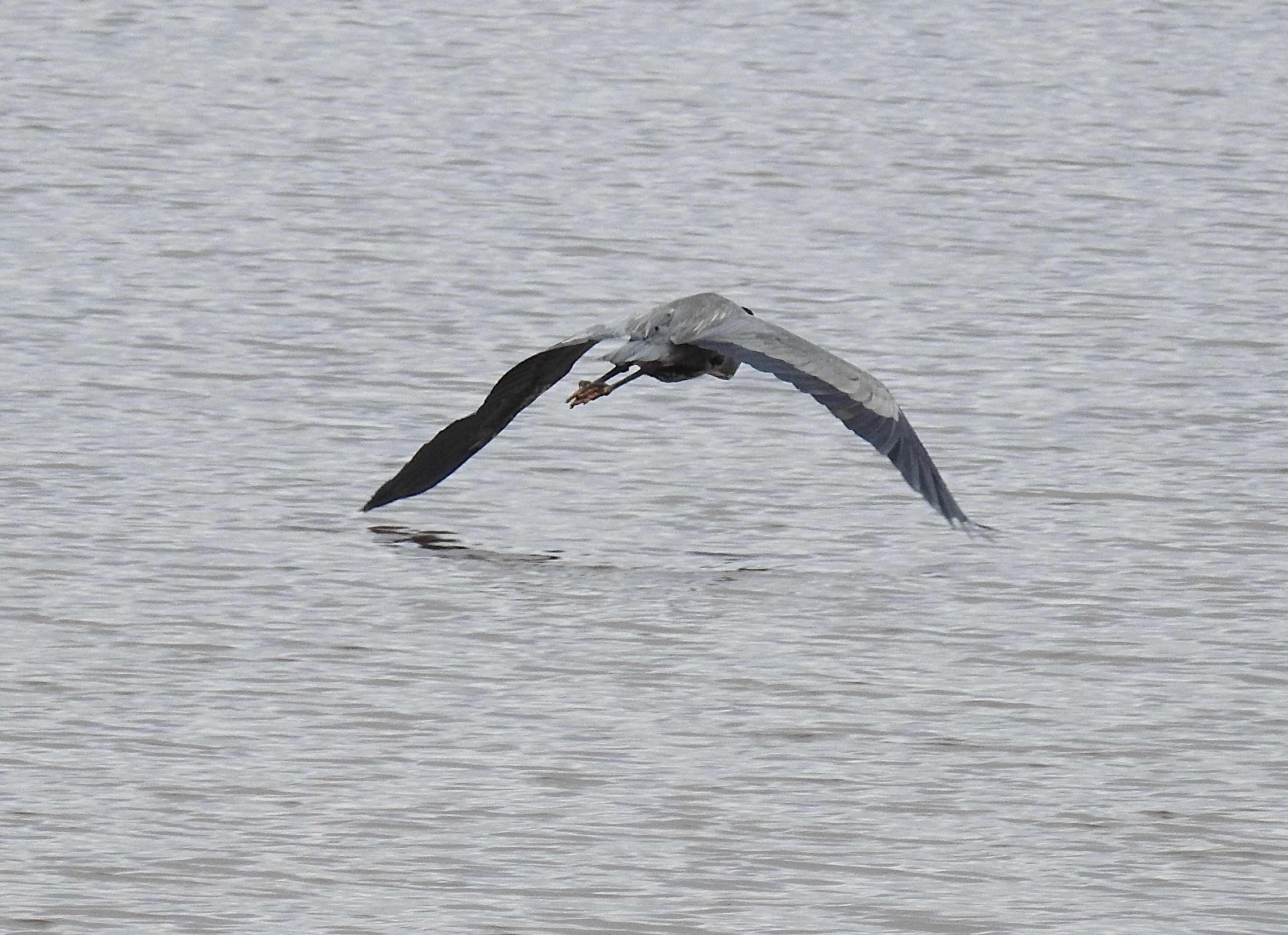


The S shaped neck is clearly defined in this photo. This bird looks powerful.
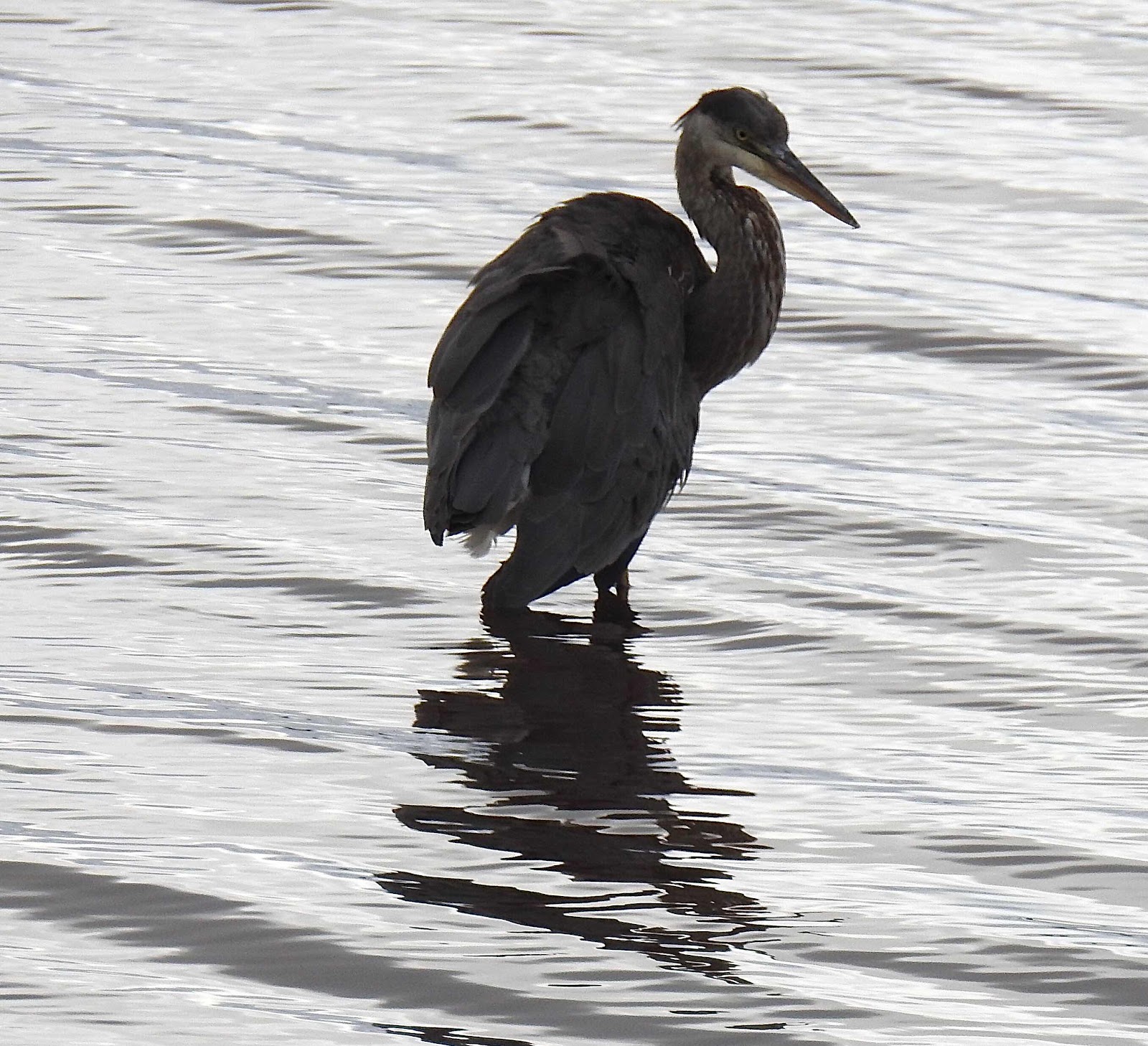


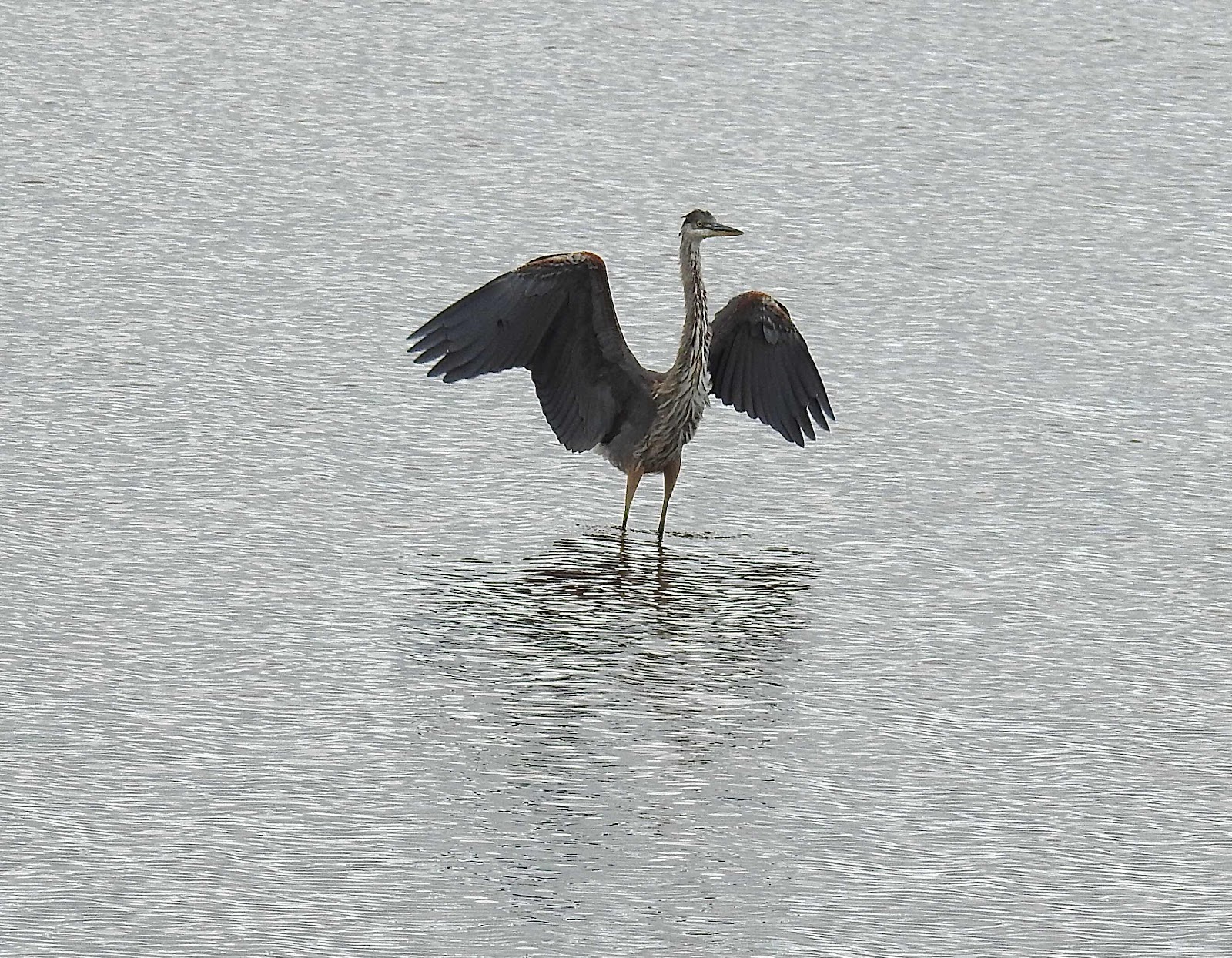
This group photo shows three stances which we commonly see among the birds.
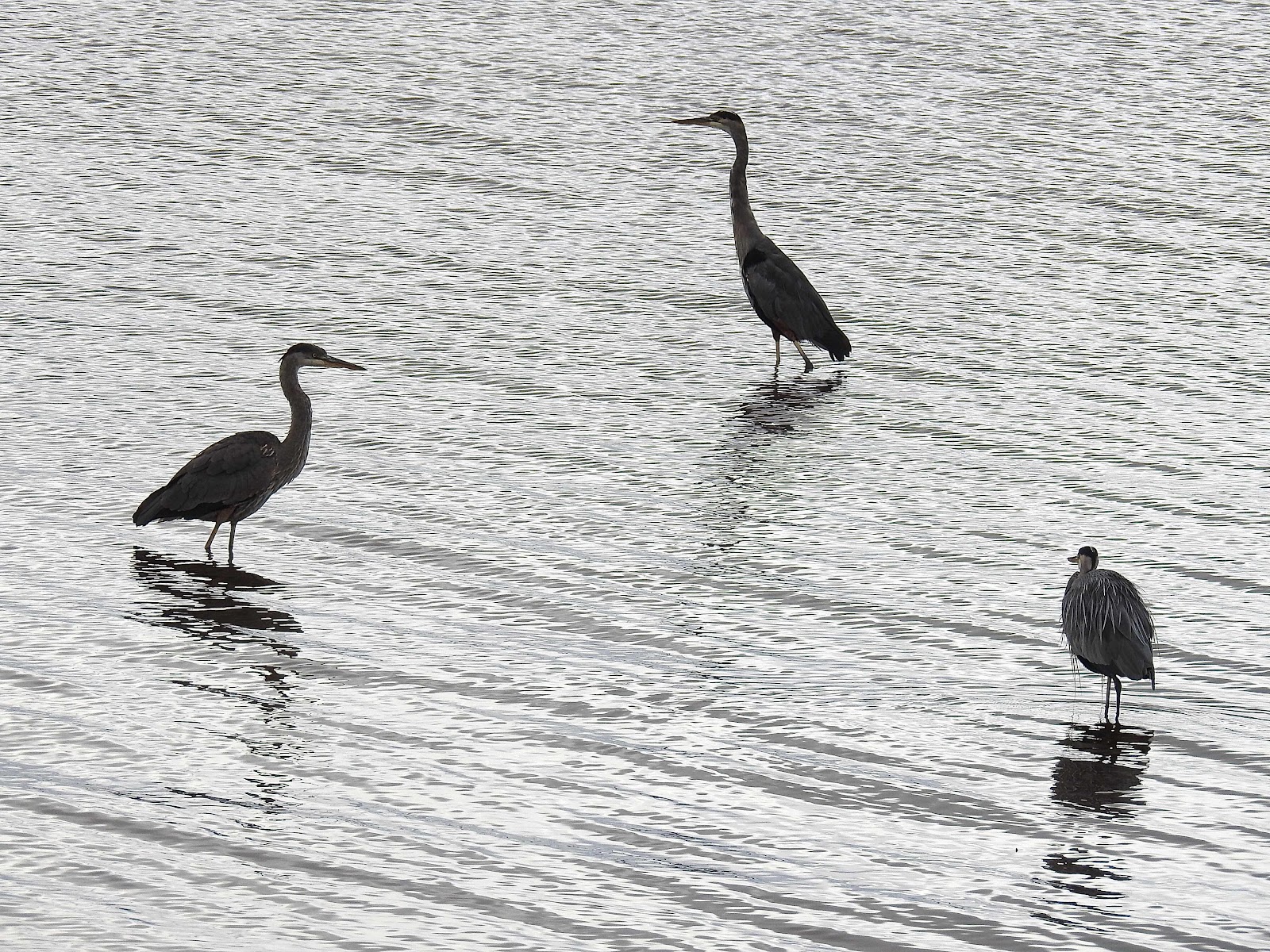


Some of my favourite photos show the neck feathers. Those feathers look fluffy when they are dry.


Wet is a different story.
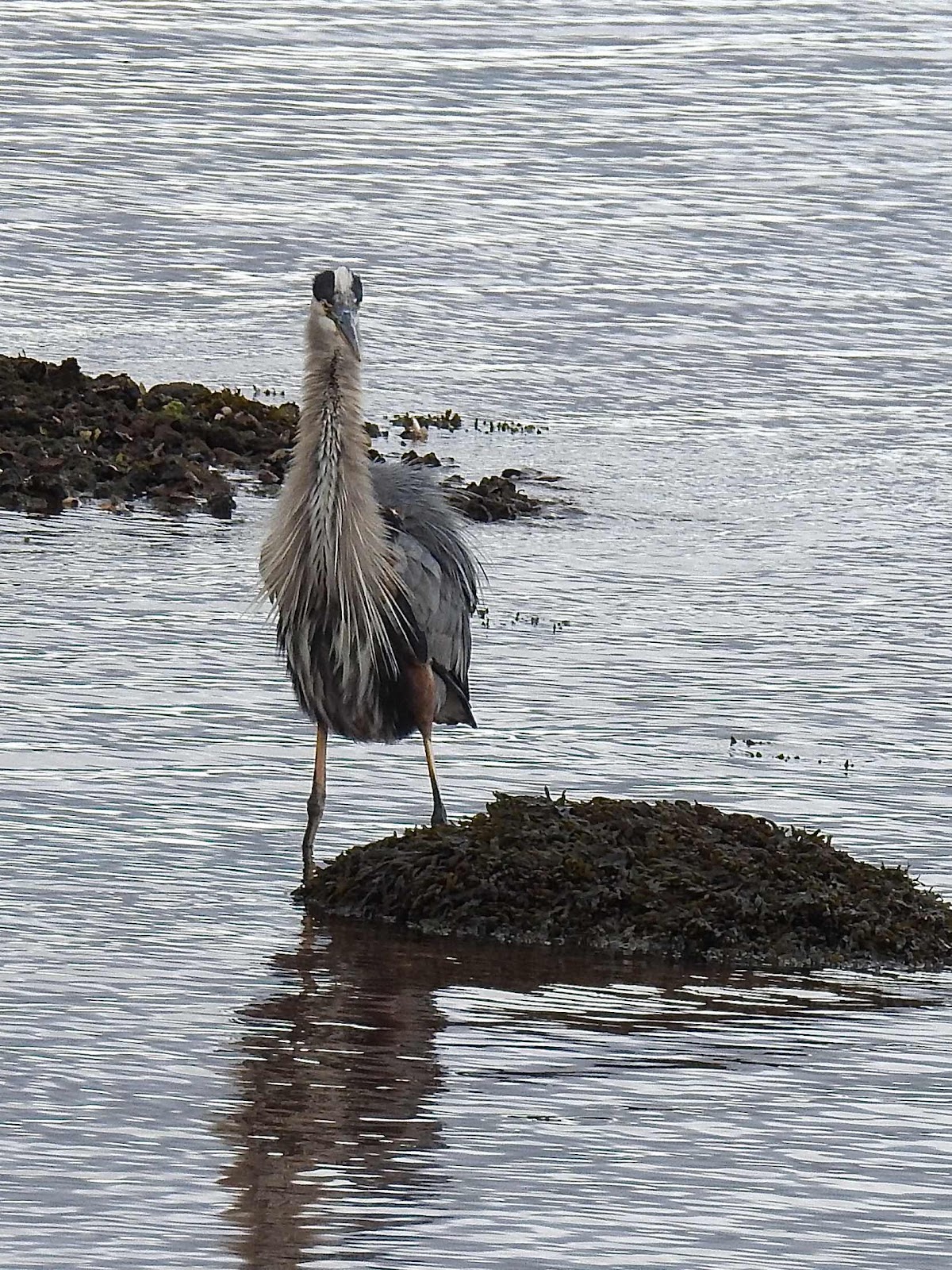


These birds deserve the word great for so many reasons!

Wednesday, 29 September 2021

The Argyle Shore

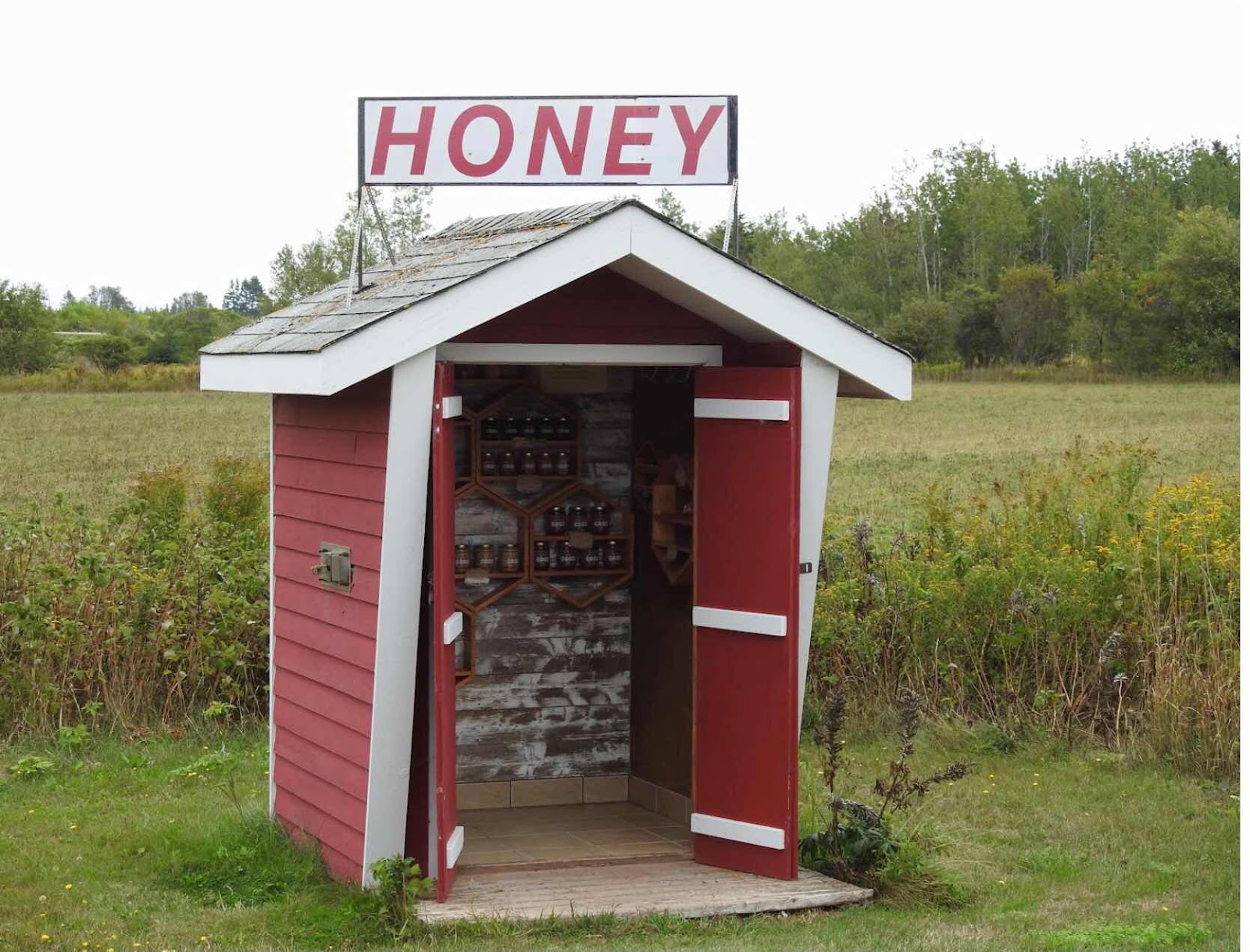
The Argyle Shore on the south coast of Prince Edward Island is an area we visit several times every year. A national park and provincial parks in the area are well worth visits in the autumn. Besides, we always purchase honey at a farm along the shore at Canoe Cove and it was time to stock up.


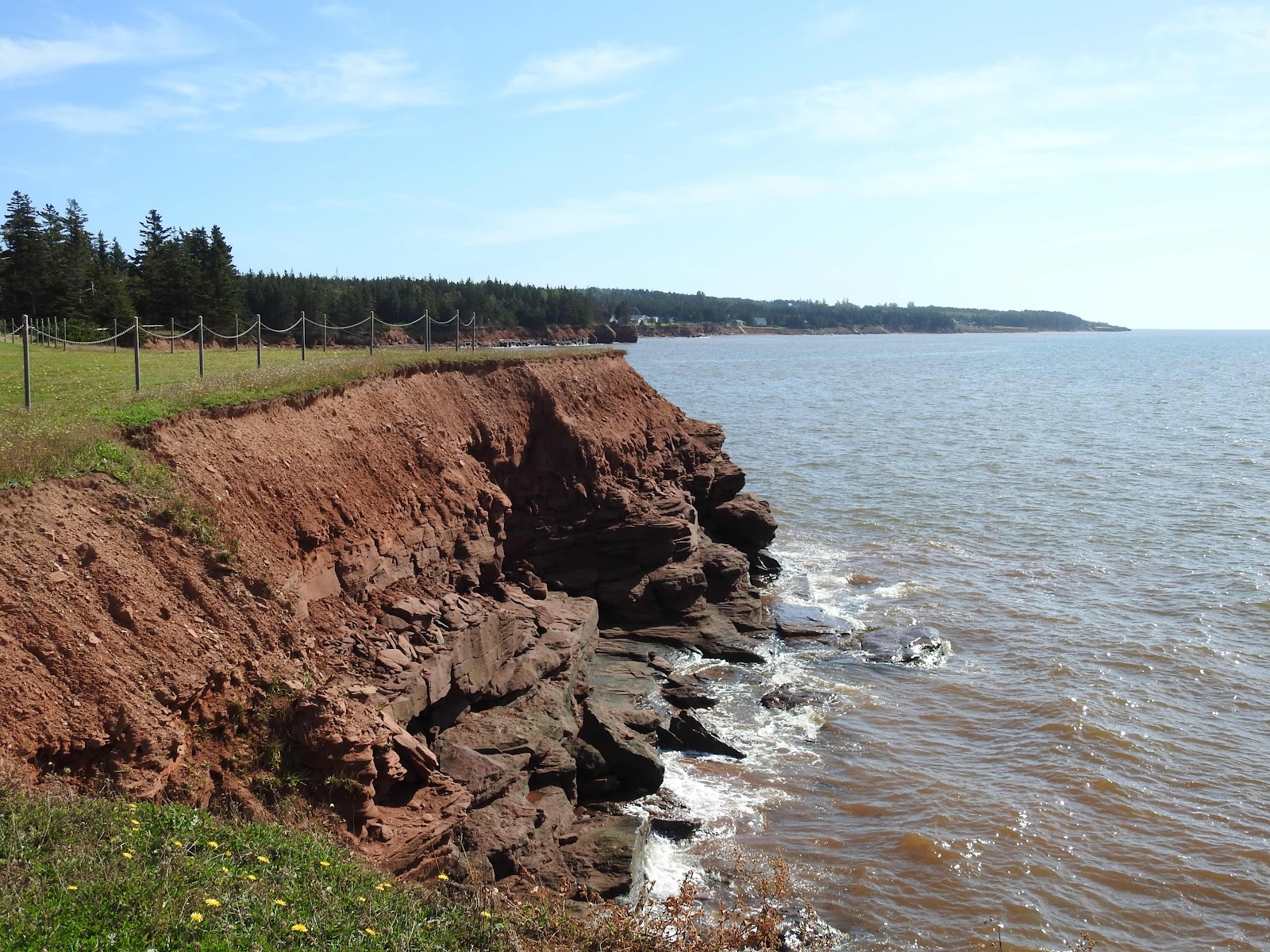
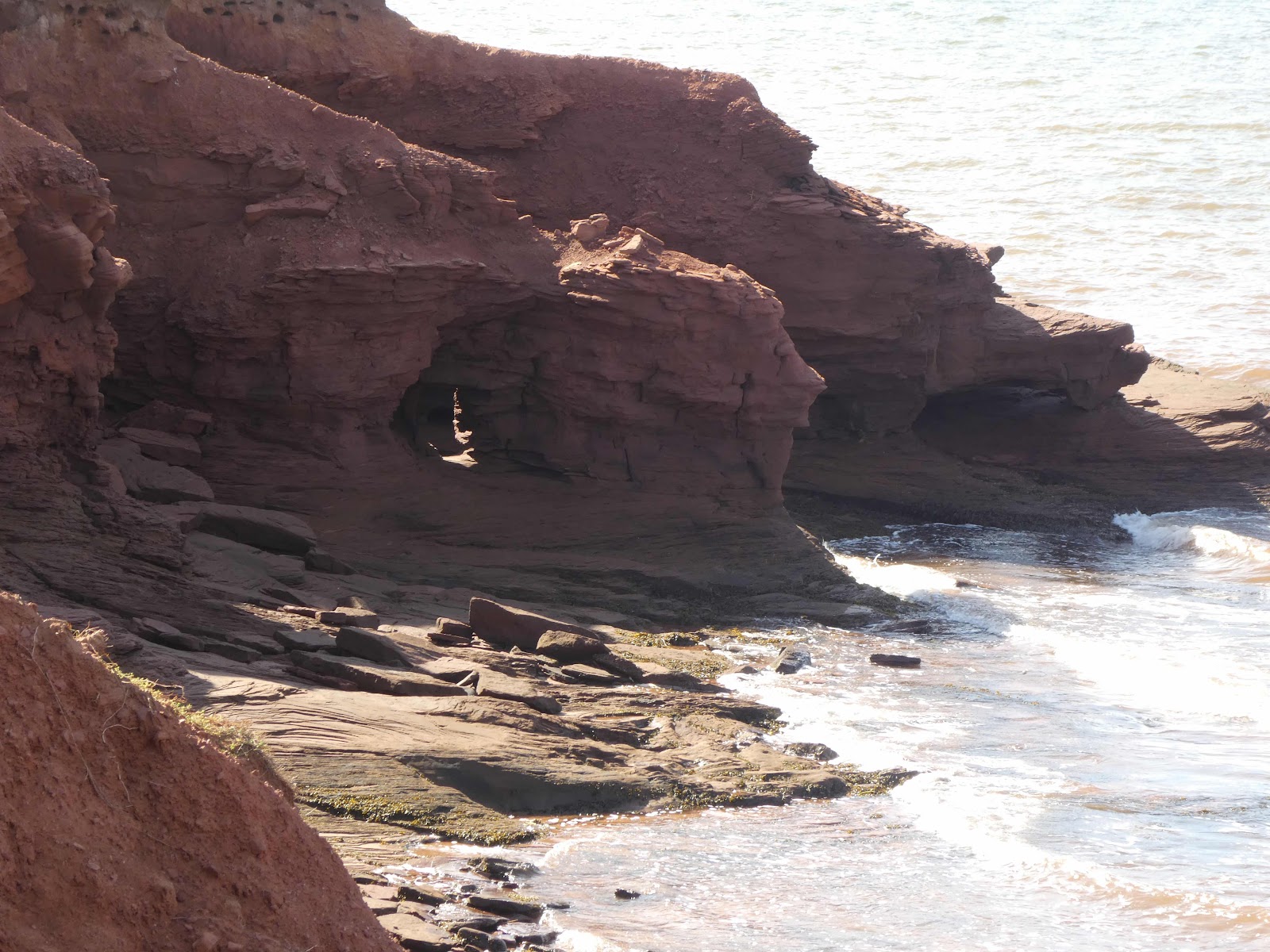
At Canoe Cove, it is high tide and there isn’t much beach left to walk. However we walked around the park and had a great view of the cliffs.


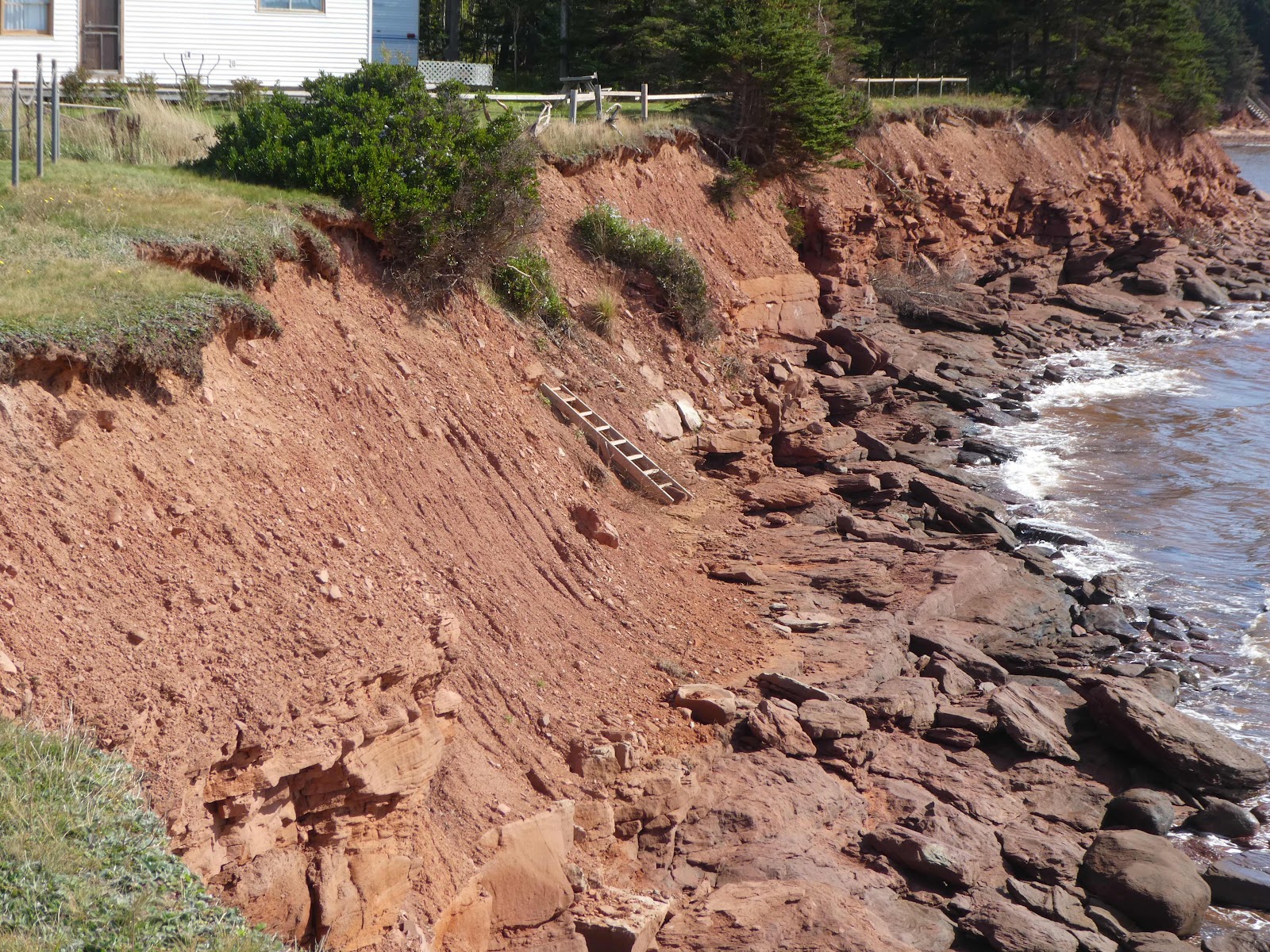
It was obvious nearby cottagers aren’t getting down to sea level any time soon.


The sea has been busy making a hole in this cliff 


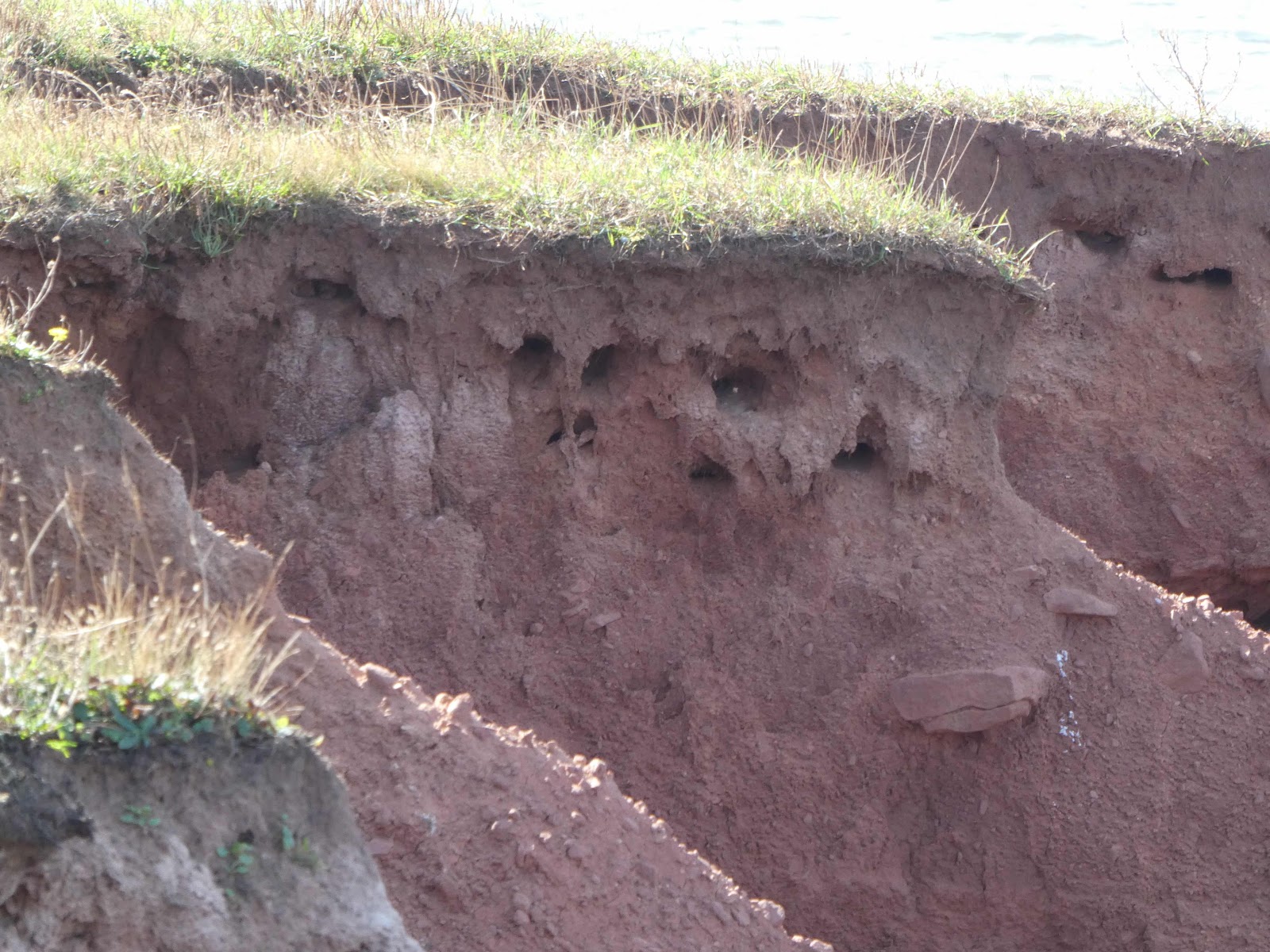
while the Bank Swallows have abandoned the holes they made in the soil above. They may have to excavate new homes next spring if erosion destroys this area. That’s a tough chore for birds tired from their spring migration.


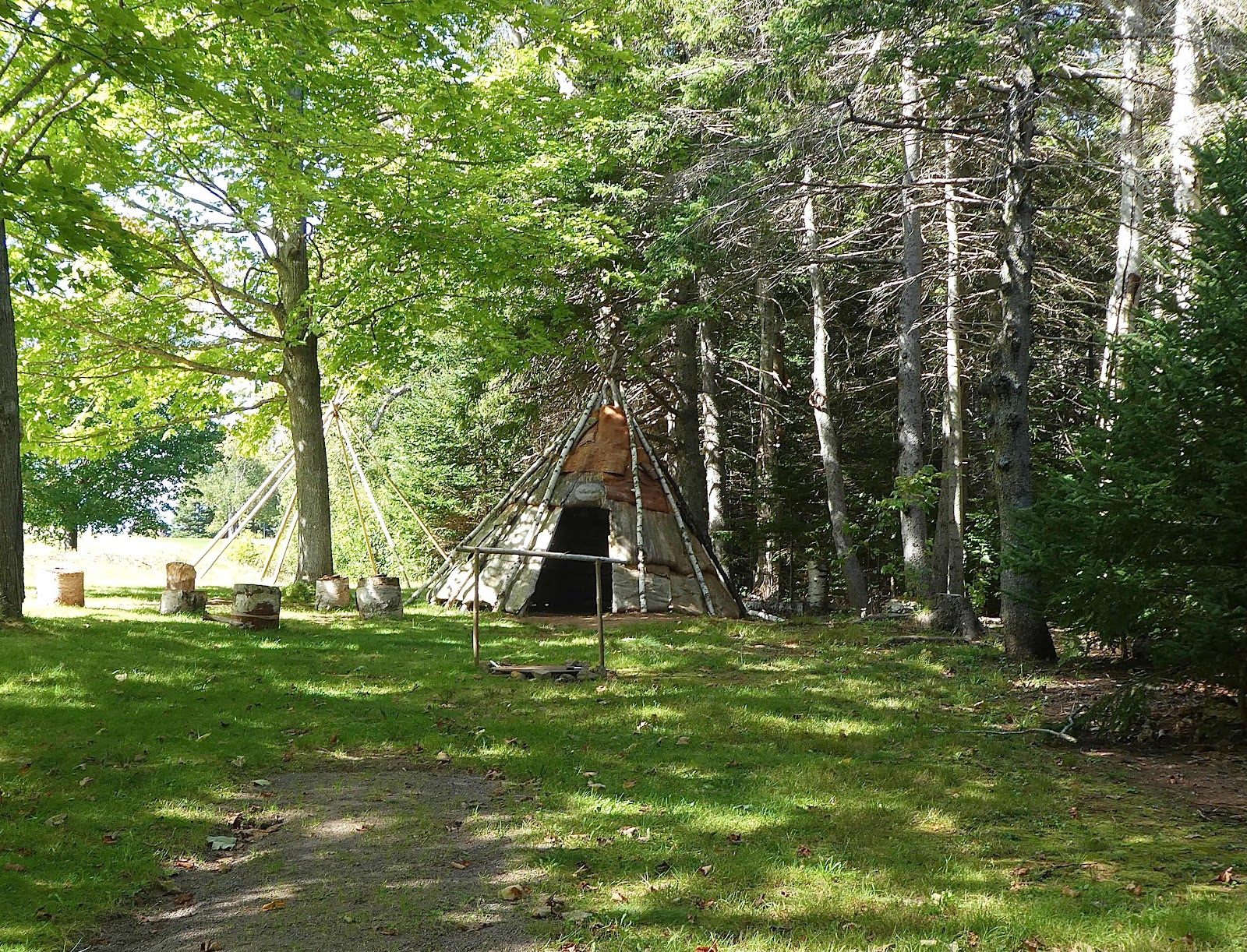
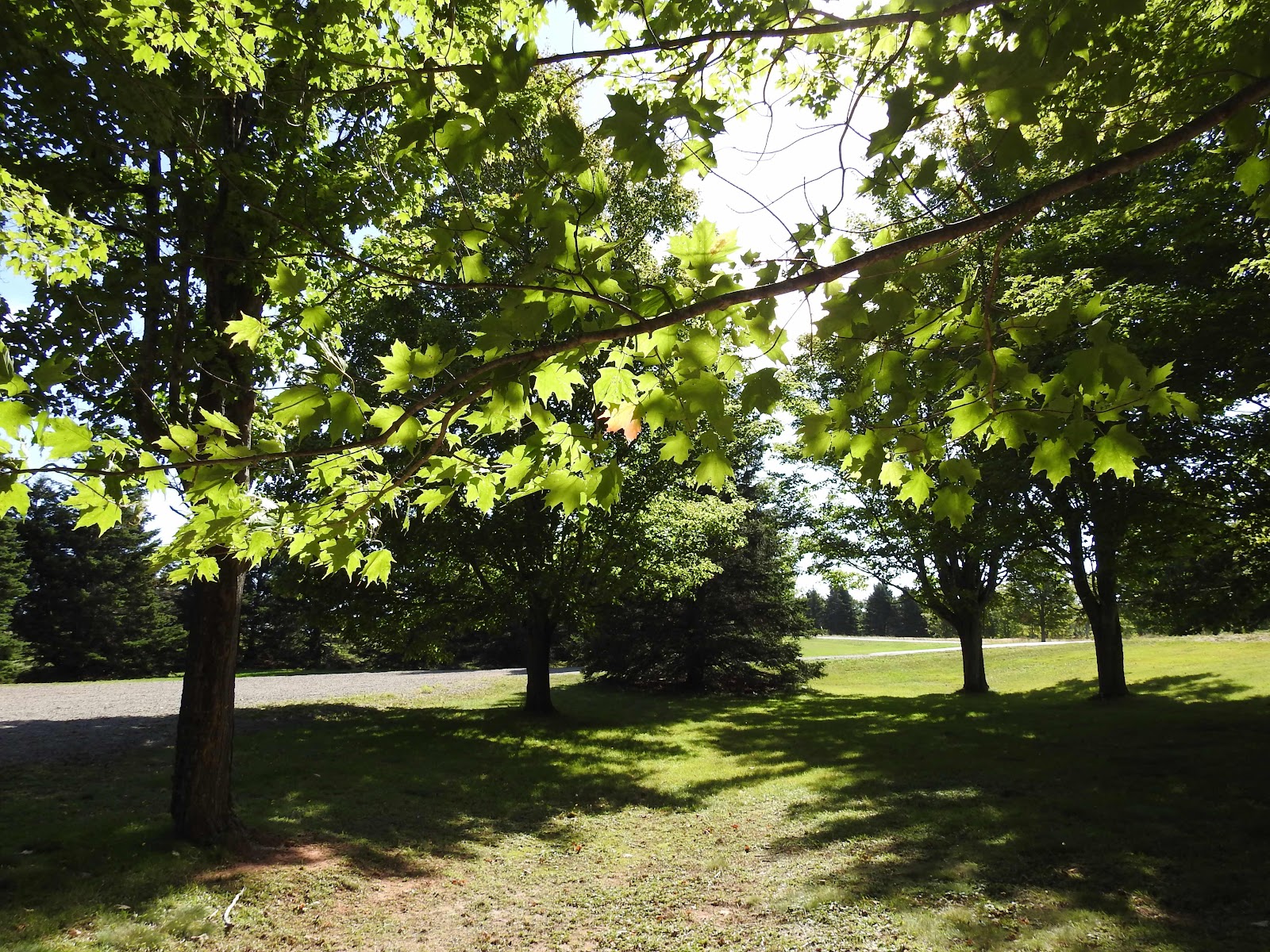
We continued along the Argyle Shore to Skmaqn/Port la Joye/Fort Amherst, a National historic site held by the Mi’kmaq, French and English over the centuries. We always have our picnic near the wigwam in the shade of the maple trees.


Autumn colour sometimes begins with a single leaf.


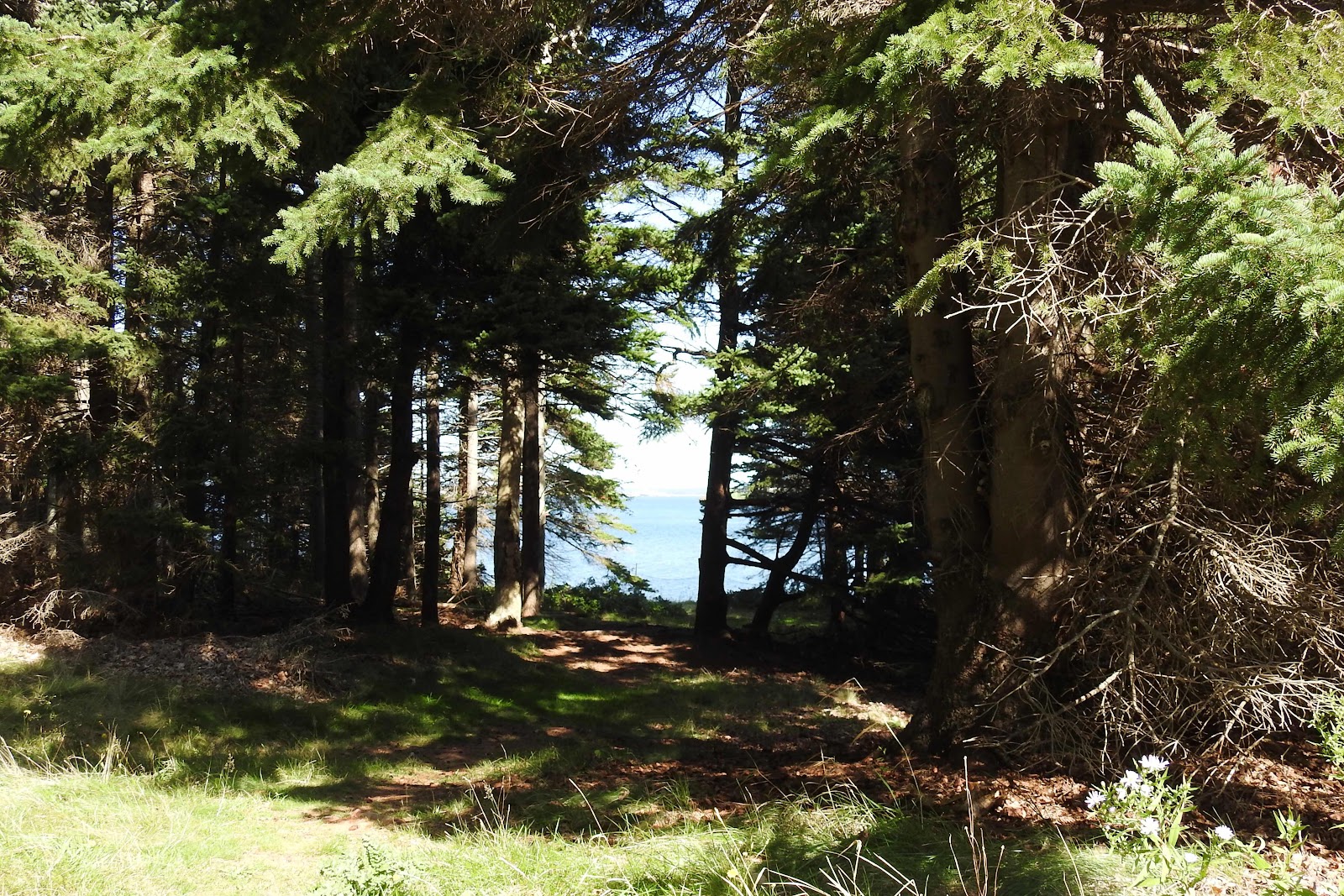
An opening through the trees 


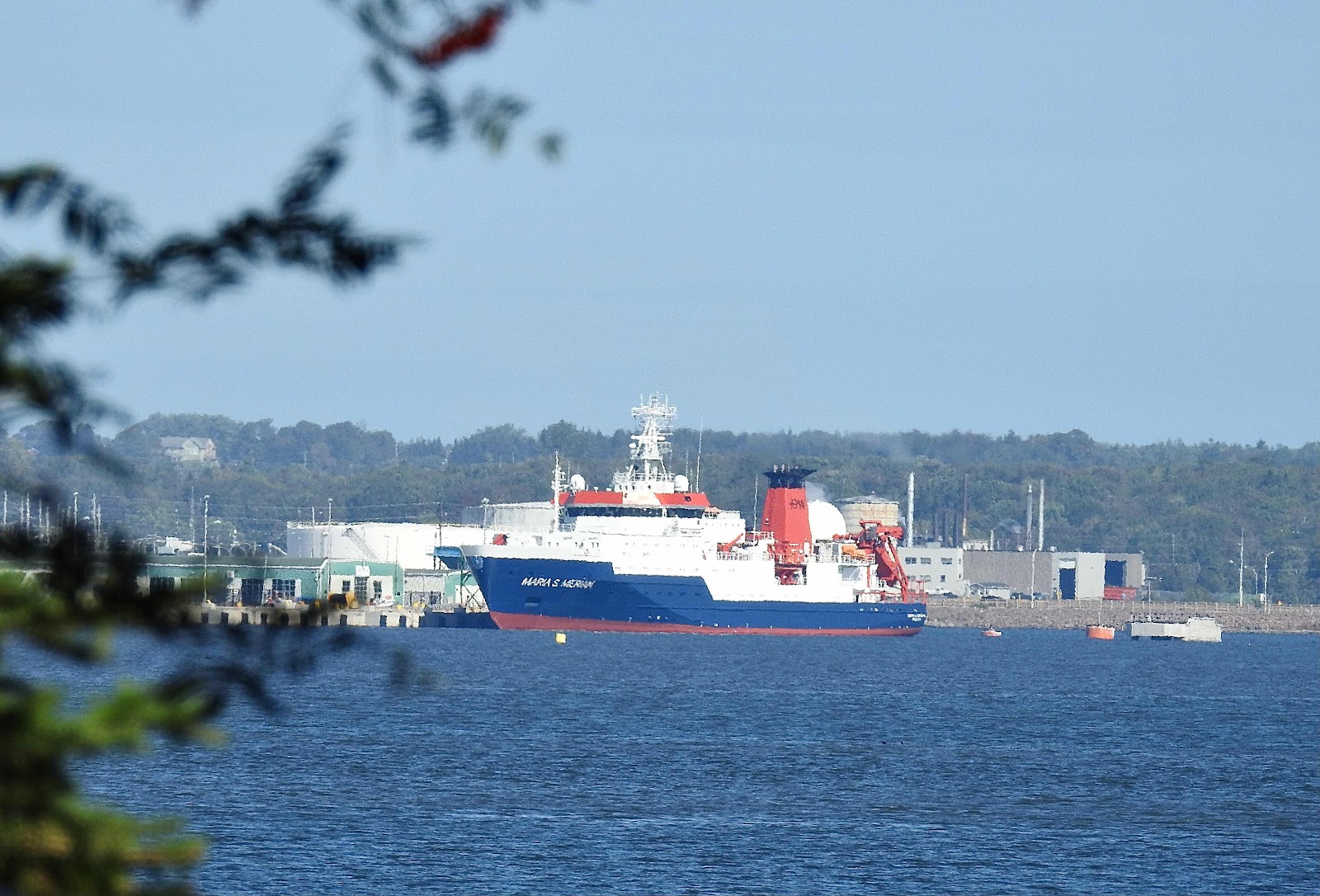
allows a close-up of the RV Maria S Merian, a German ocean research vessel in port in Charlottetown.


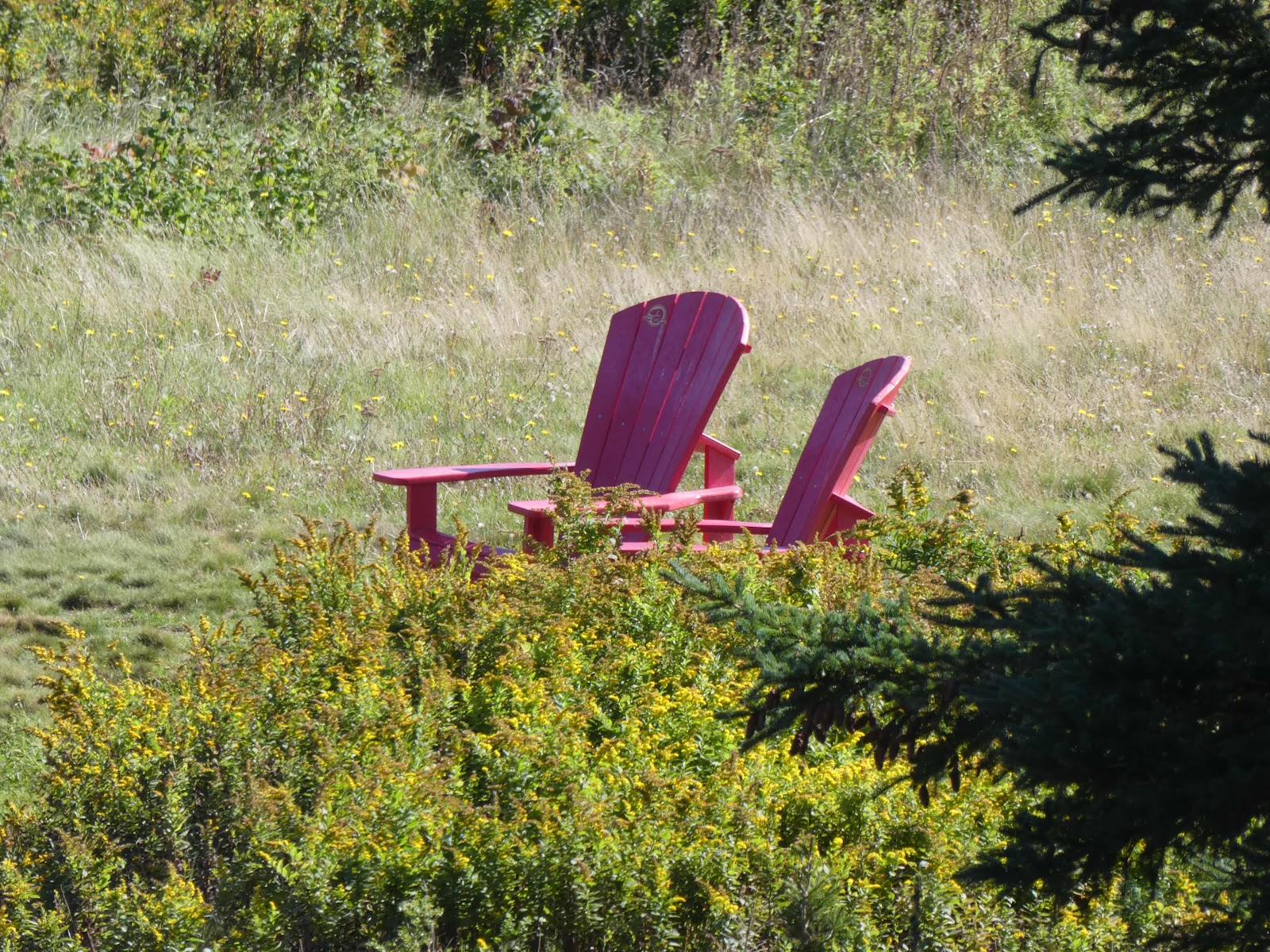
Two red chairs down by the water are empty and invite us to sit and relax for a few minutes. 


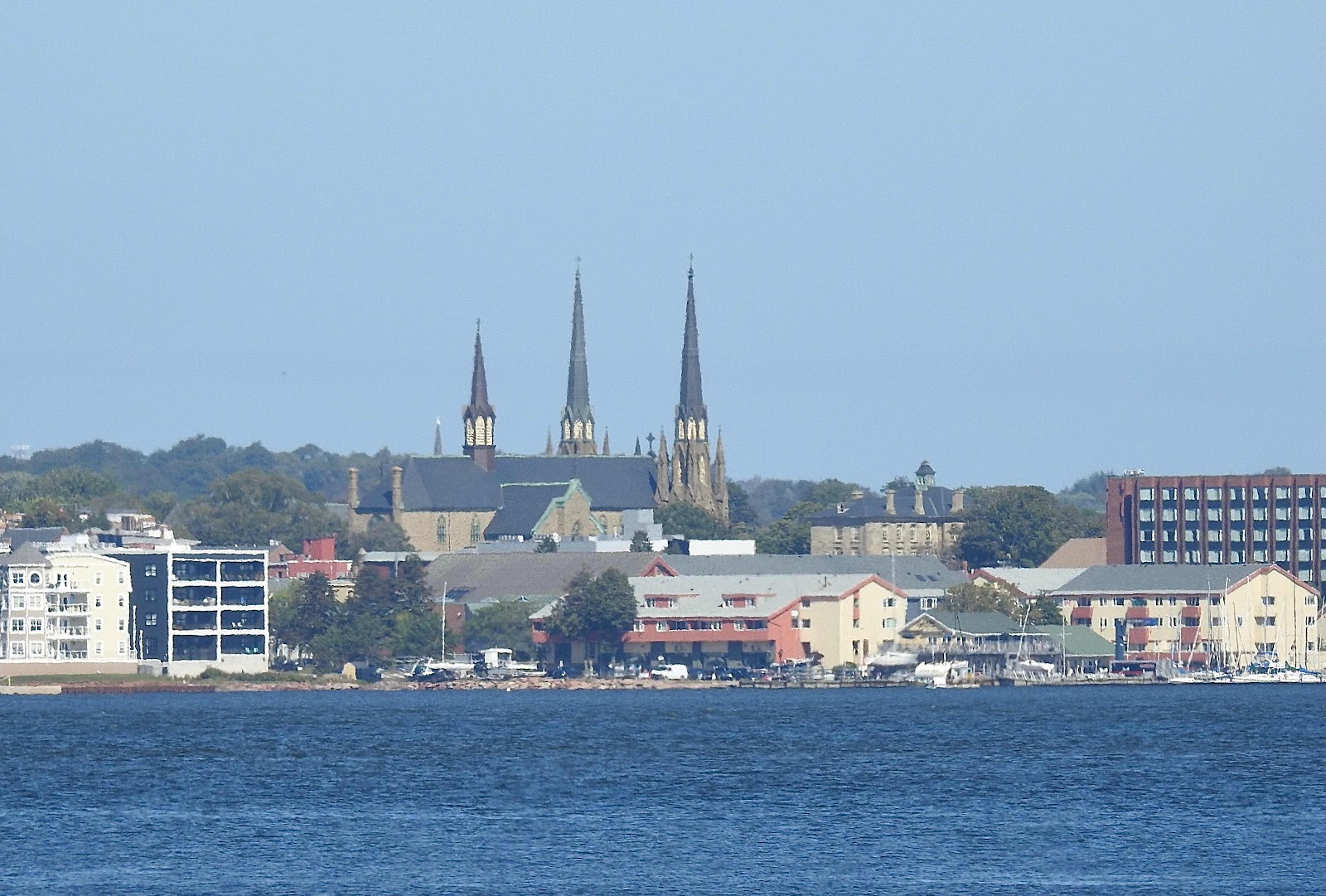
The spires of St. Dunstan’s Church are prominent in the skyline of Charlottetown across the harbour. 


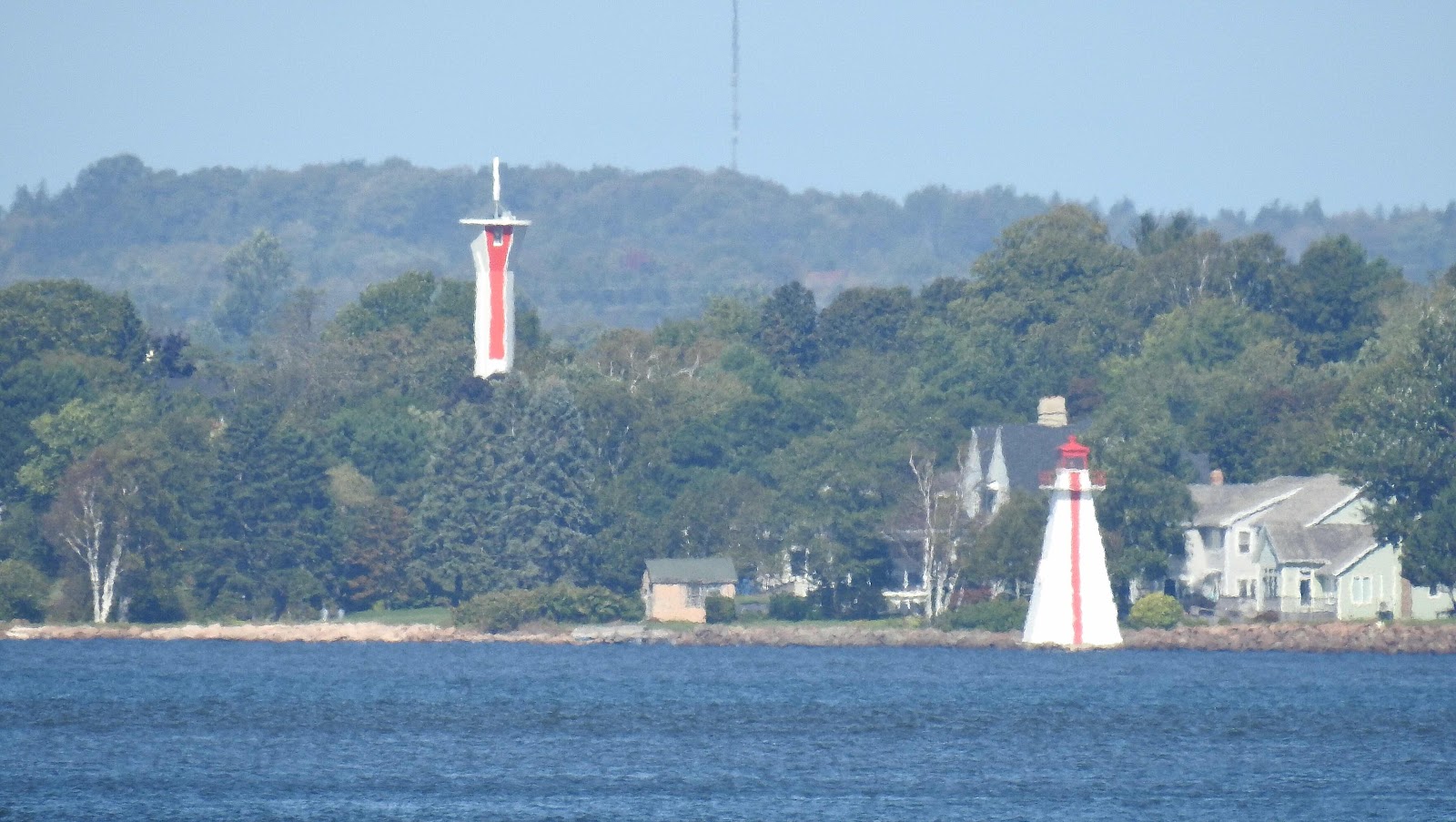
The Front and Rear Range Lights which helped navigation for so long continue to stand vigil.


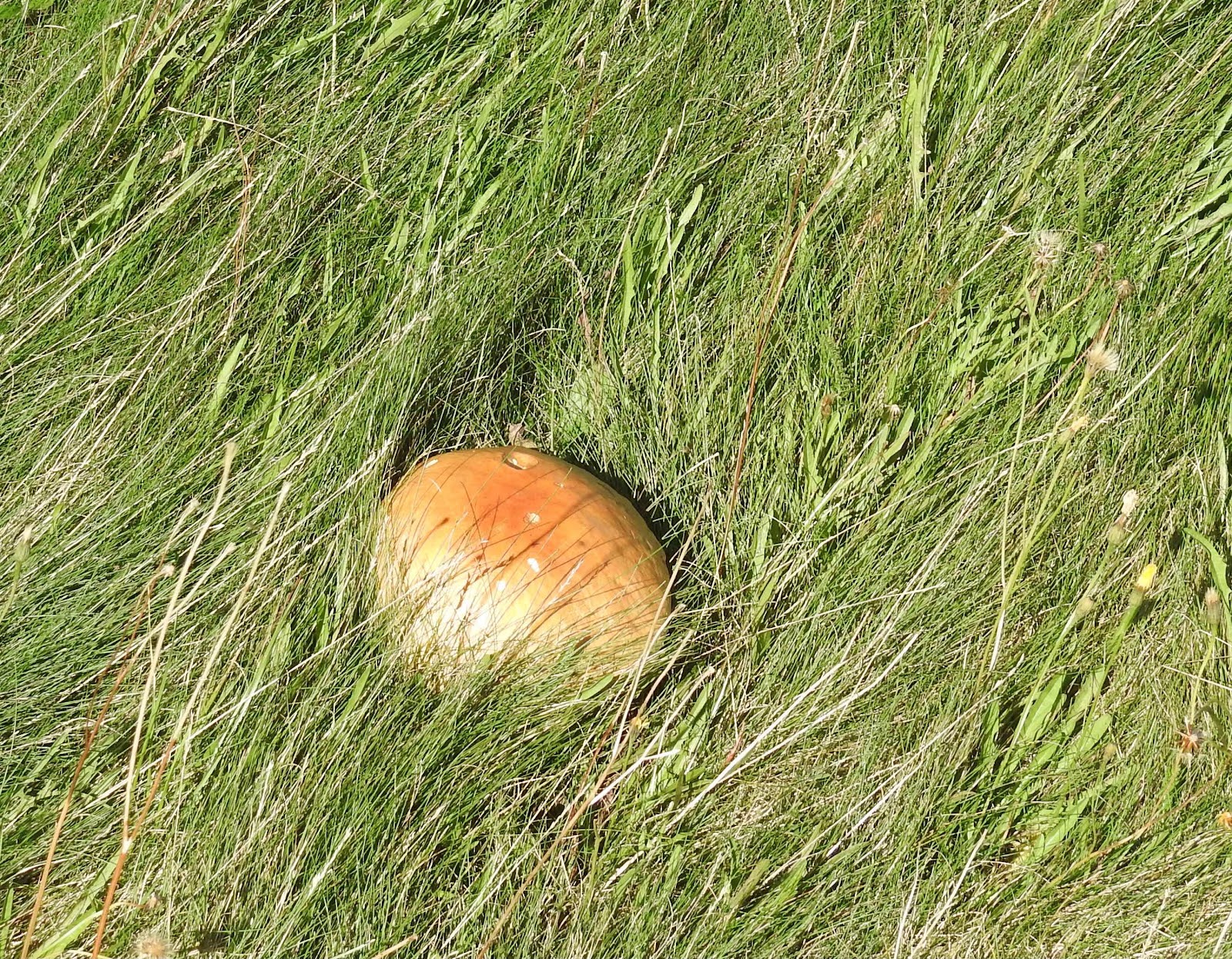
An abundance of mushrooms line a trail through the area. Some people pick wild mushrooms although my husband and I have never done so. However, some of the fungi remind us of hamburger buns. 


Hmmm… hamburgers…


You never know what will come from an outing on the island.


Sunday, 26 September 2021

Out of the blue

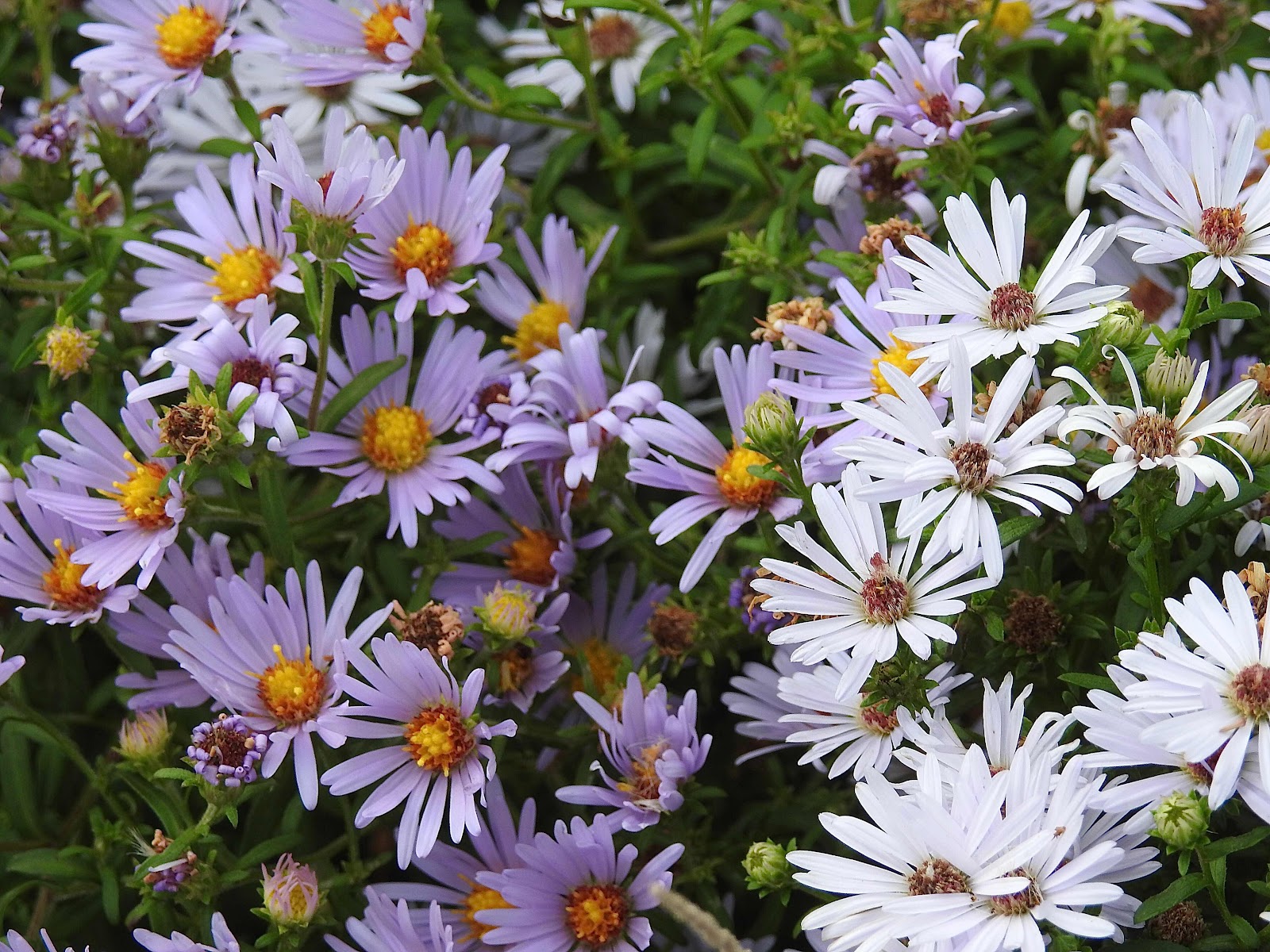
This past Friday was a  hot and humid day but strangely enough there was hardly a ripple on the bay. Our island breeze, which ushers us through the heat of summer was noticeably absent. Meanwhile, along the hedgerows, asters added a touch of colour to the burgeoning rusts of autumn. 


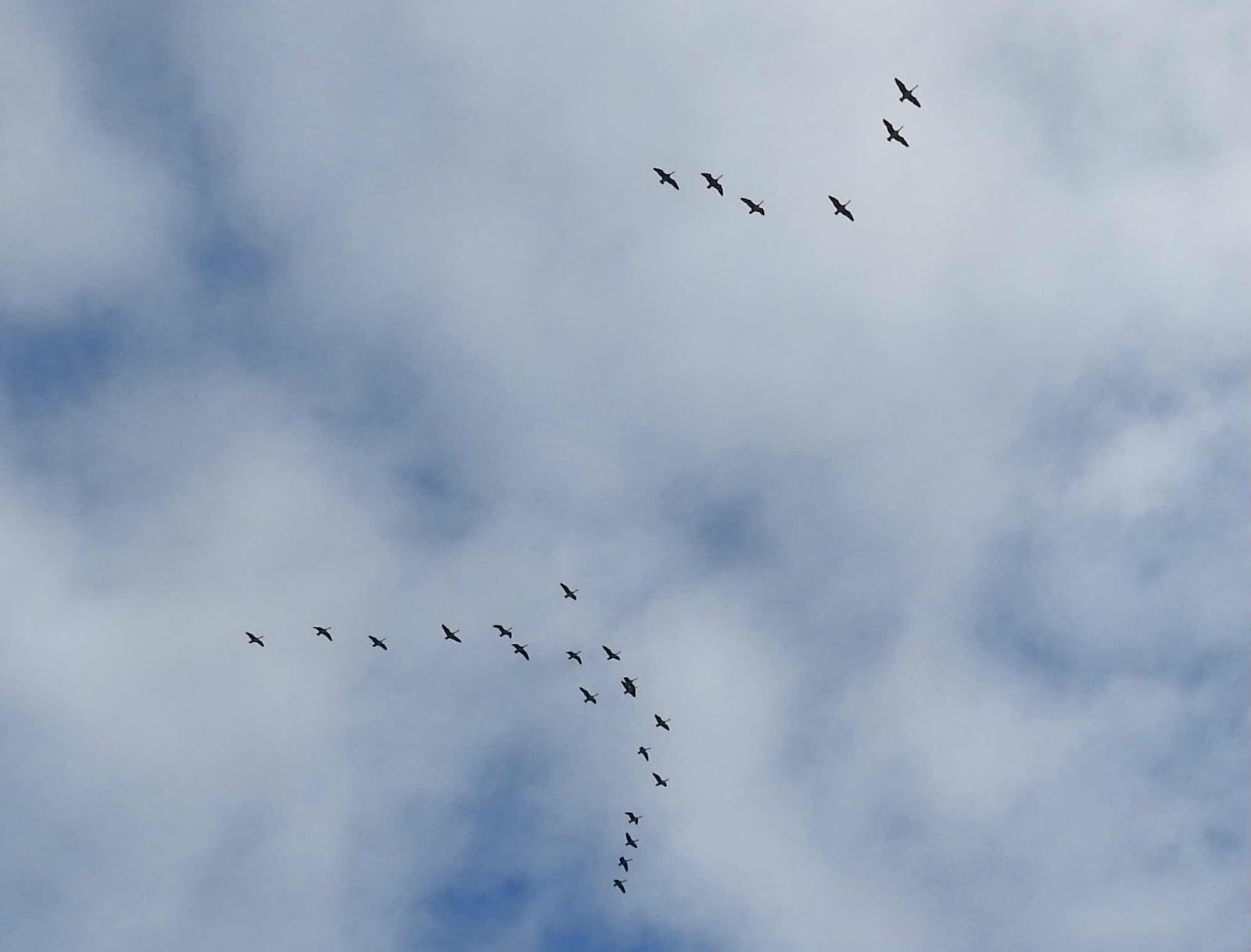
Overhead, it looked like young geese might have been in training for formation flying which will take them soon to warmer climes. It was a perfect day along the boardwalk.


The bay is always a centre of attention too. Sea and sky, often dramatic partners, were strangely monotone that day and blended into one, except for a dark blue line which divided the lighter blue of sea and sky.


Curious…


Walking back the way we came, my husband and I faced south towards the Northumberland Strait and the blue line looked to be advancing.


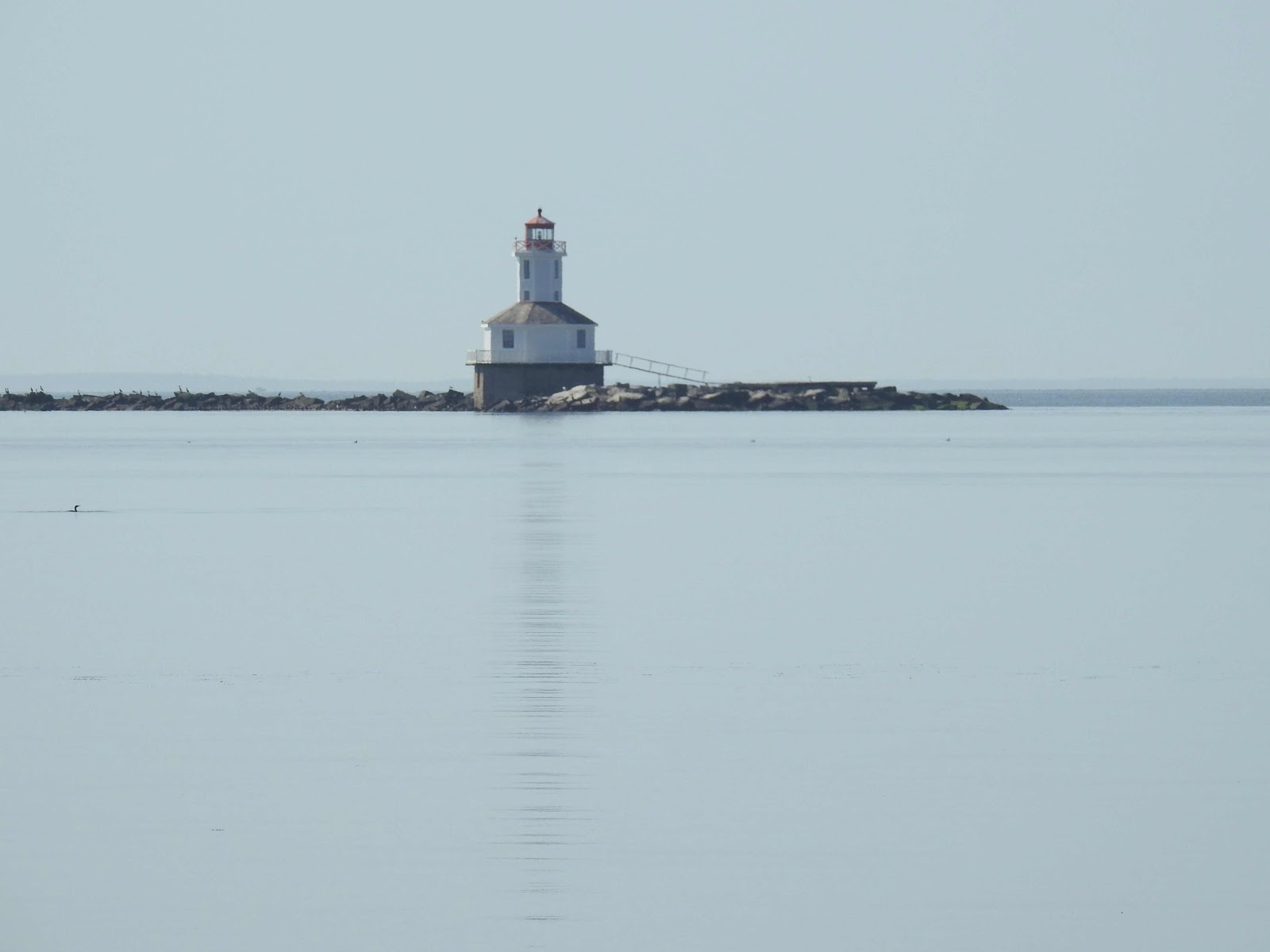
Soon it was just beyond the breakwater, the lighthouse a lonely sentinel between it and us. 


On we walked behind some trees along the bay and when we looked again, the blue line was advancing toward shore. 


Then we felt it, the breeze from the south which had winged its way across the Strait to the island, kissing the surface of the water as it travelled. The ripples to the shoreline increased with the breeze. By the time we arrived at the car, dark blue had over-taken the bay.


In the stillness of an autumn day, we watched the advancing breeze long before we felt it. It was a welcome arrival.


P. S.


Do you notice anything unusual about the top group of geese in the second photo? 


Friday, 24 September 2021

Close to home

Twenty kilometres from Summerside, the small community of Wellington is an integral part of Evangeline, the French region of Prince Edward Island. My husband and I enjoy riding to Wellington on our bikes. On the last full day of summer, we explored part of Wellington, near the Confederation Trail, which we hadn’t done before. It was a sunny day, without a breeze.


Mi’kmaq people, the first people of the island, were familiar with the valley of the Ellis River for many centuries before the Europeans arrived. They travelled through the valley on their way from the Northumberland Strait in the south to Malpeque Bay on the Gulf of St. Lawrence in the north. Europeans arrived in the area in 1833 and over time, the Mi’kmaq migration ceased. Like so much of Canadian history, the ancestral people of the land were relegated to small parcels of their own land.


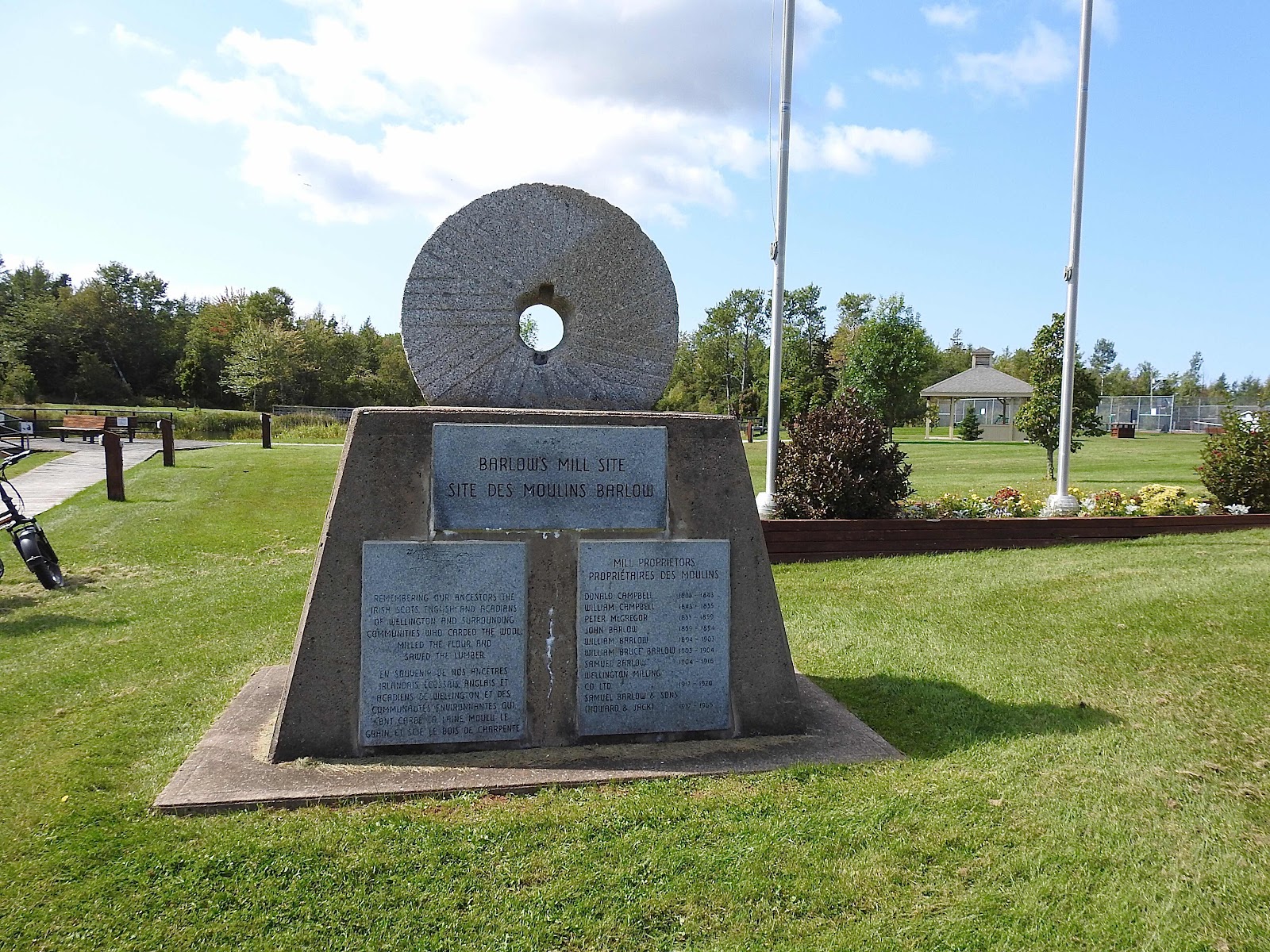
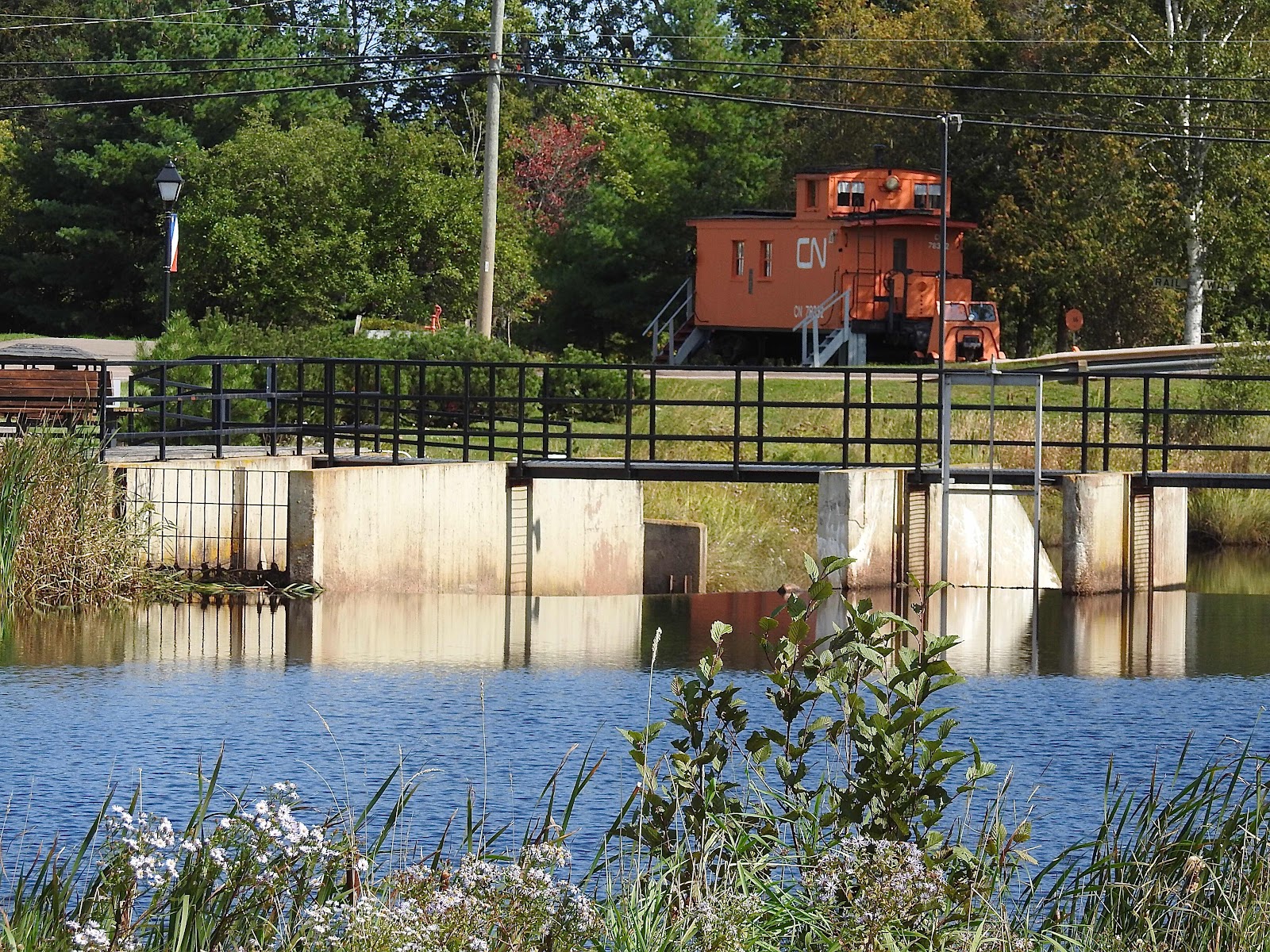
Meanwhile the newcomers established themselves in the area and eventually the name Wellington came into common use. By 1836, they had dammed the Ellis River and later, a mill was established there. Today, a mill stone is on display at a park in the area, a runner stone from the old mill. 


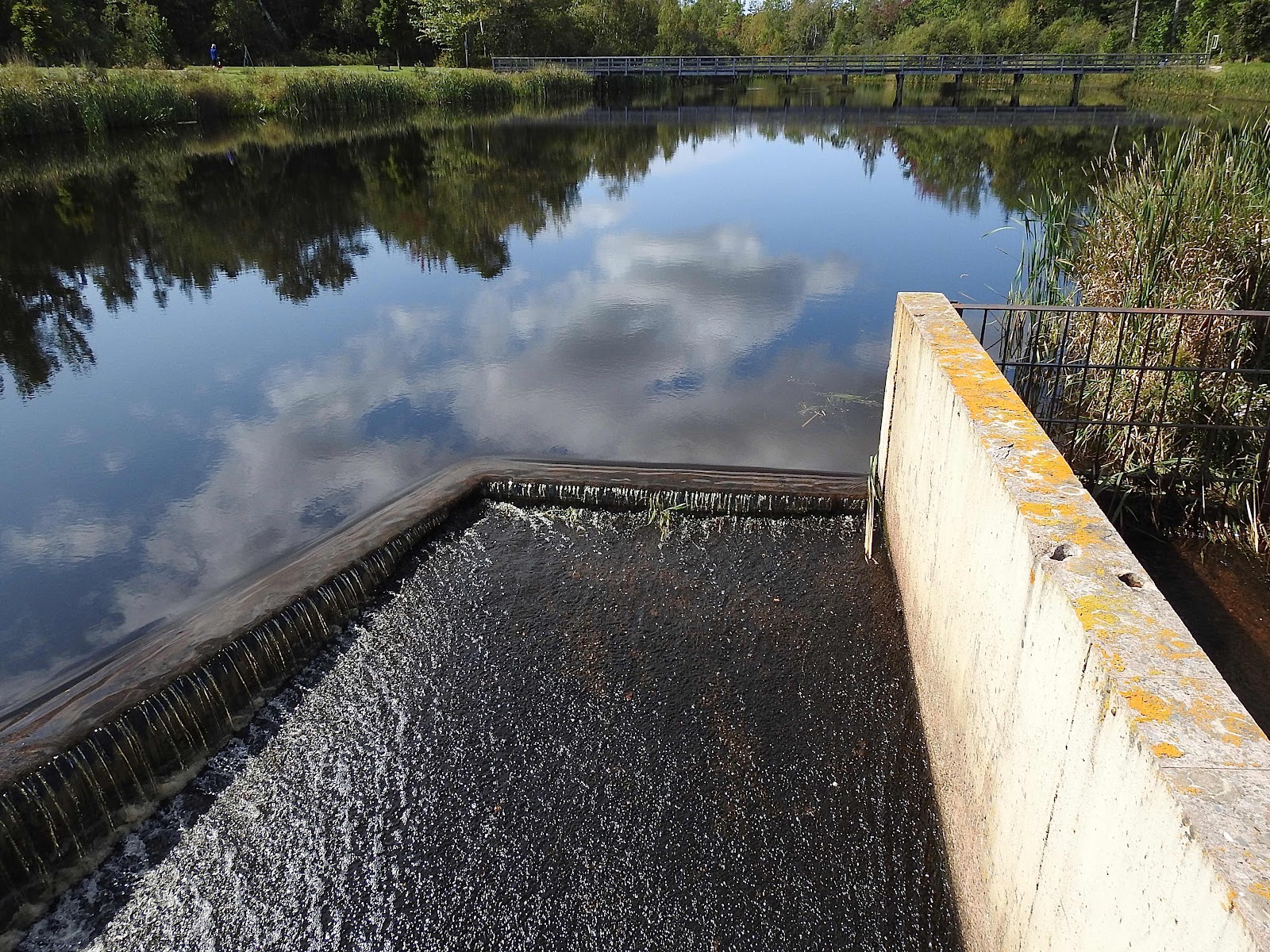
A fish ladder on the river isn’t busy with fish this time of year but the sound of the running water fills the senses. 


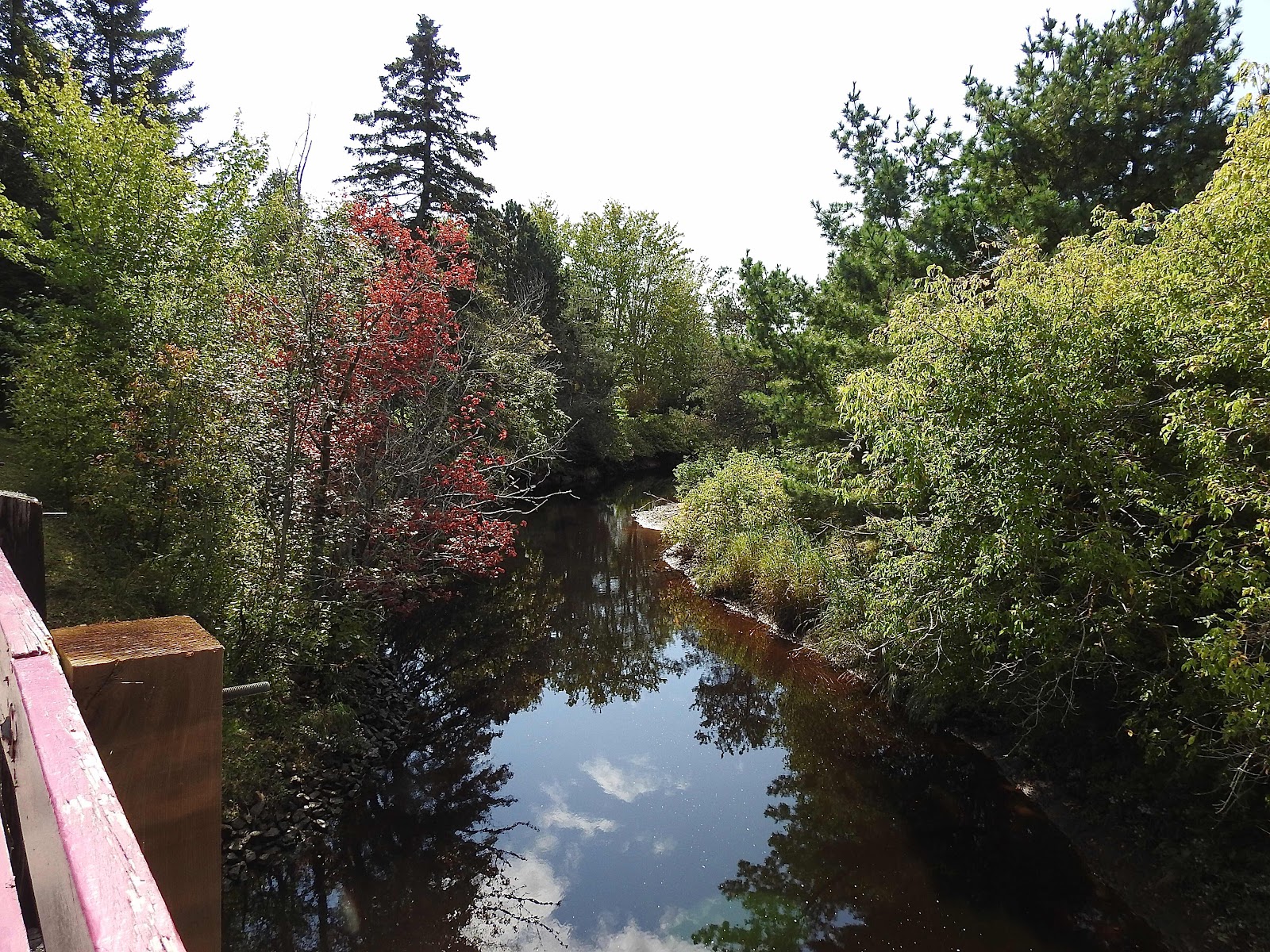
A bridge over the ladder provides a close up of the ladder below and the sky reflected on the water.


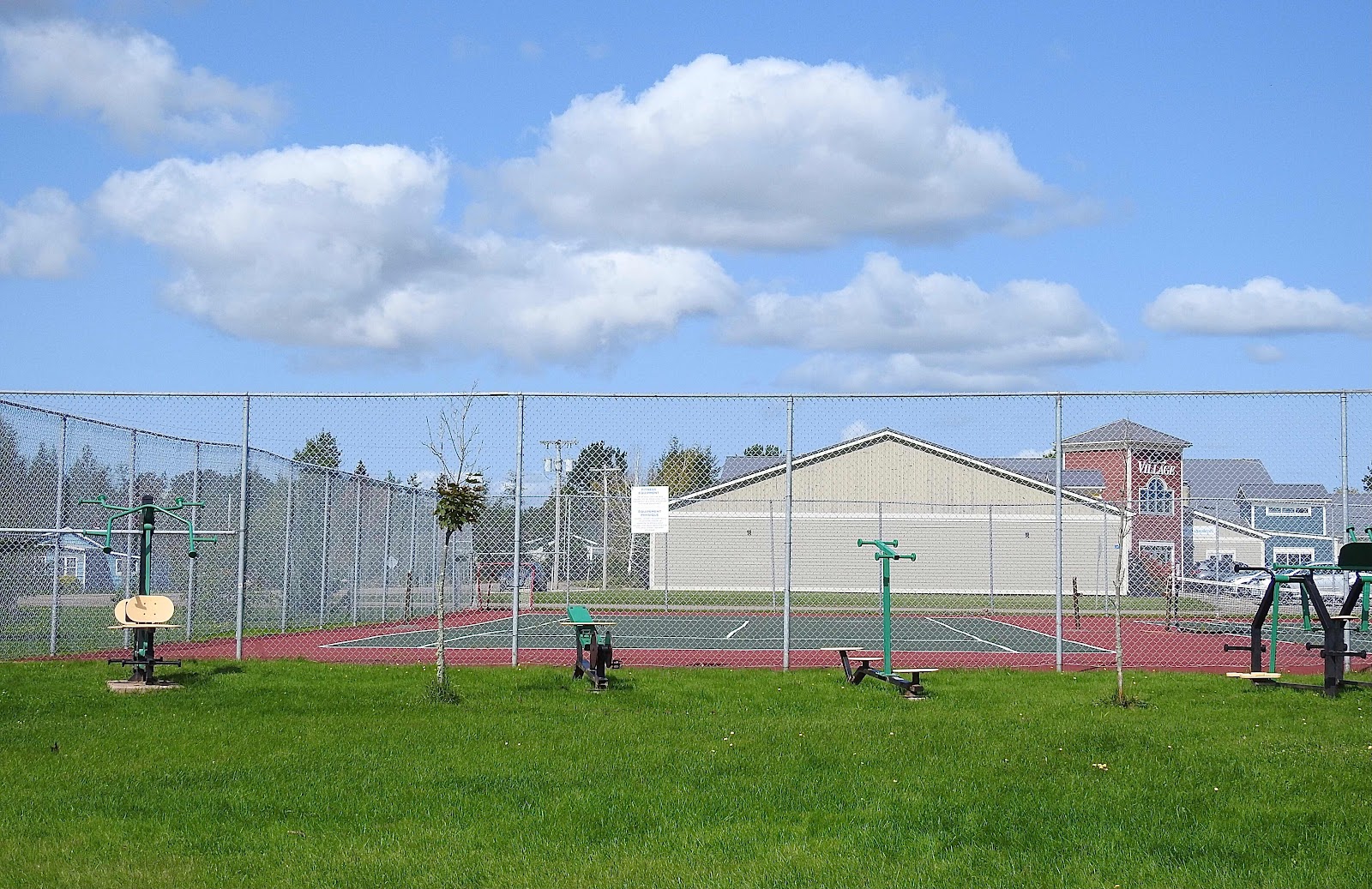
Nearby, tennis courts make up part of the recreation facilities in the area and are quiet like the playground that time of day.


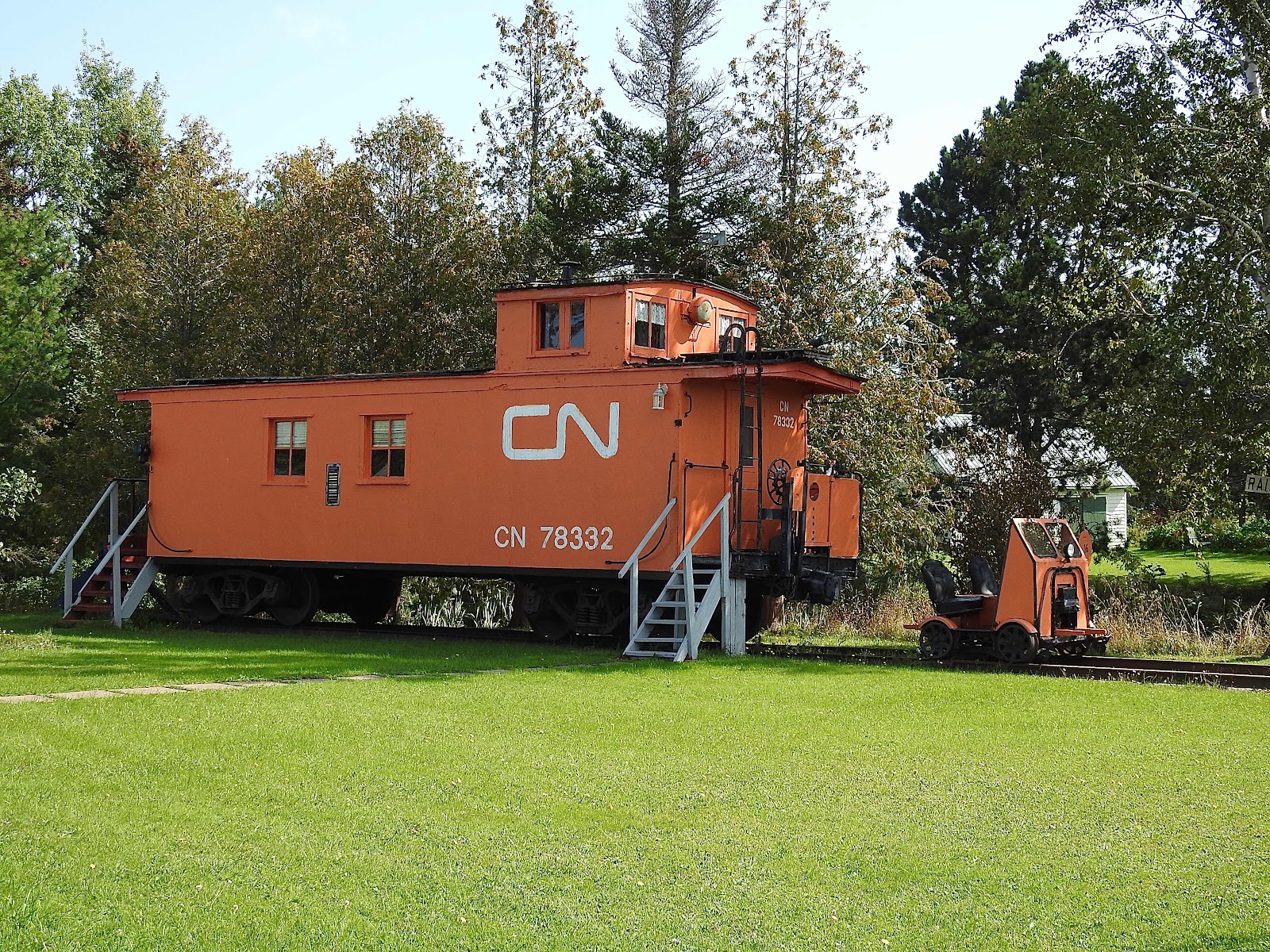
Across a road, a caboose from the old railway which ceased operations decades ago, is well maintained. 


With it is a speeder used by railway work crews as they repaired and maintained the rail line.


The Ellis River is picture perfect as we relax and enjoy the area. Autumn is working its magic here.


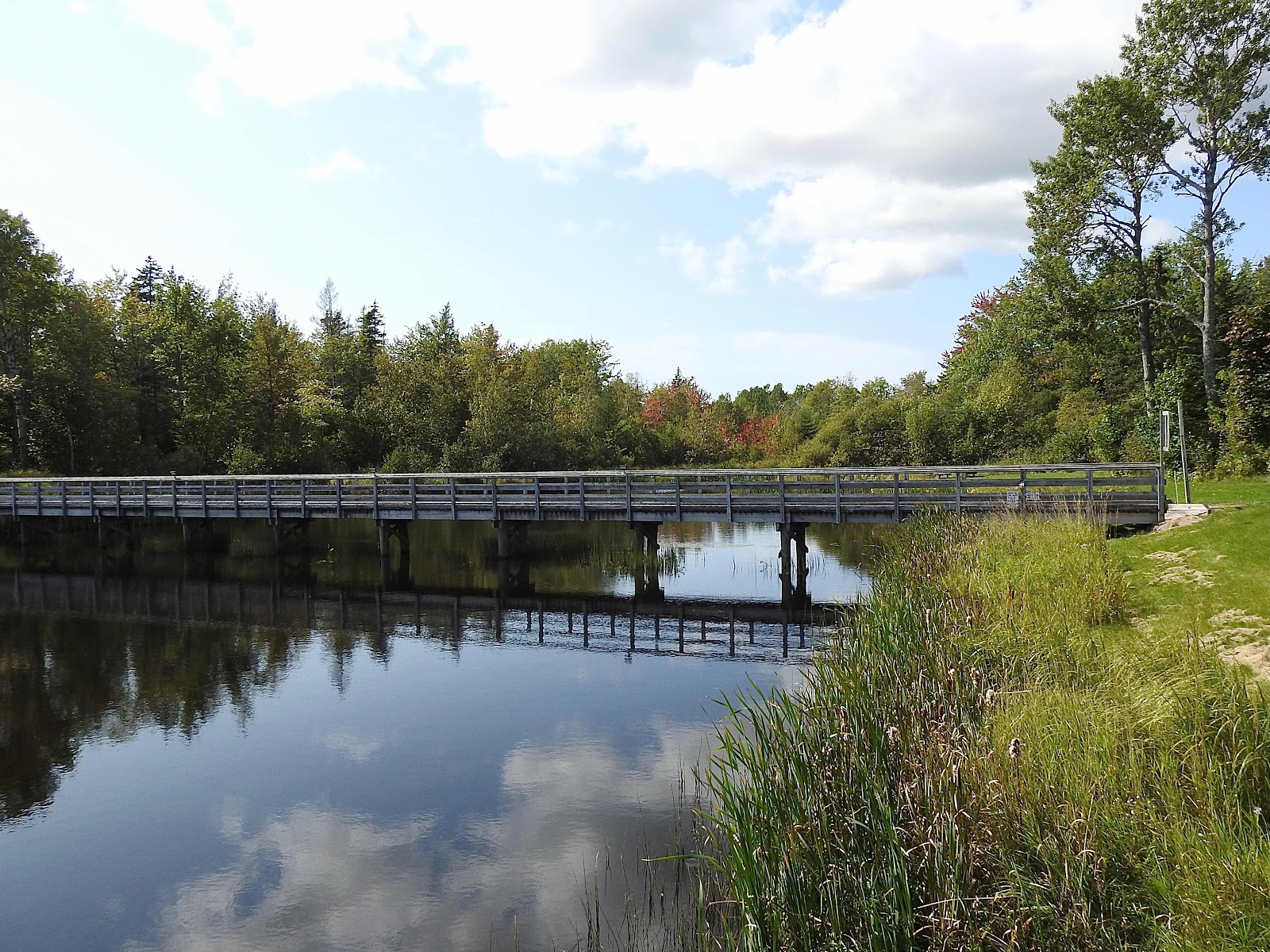
We crossed the bridge at the back of the park and discovered trails which parallel the river. We will be back for a picnic and to explore those trails.


Tuesday, 21 September 2021

The magic of Merlins

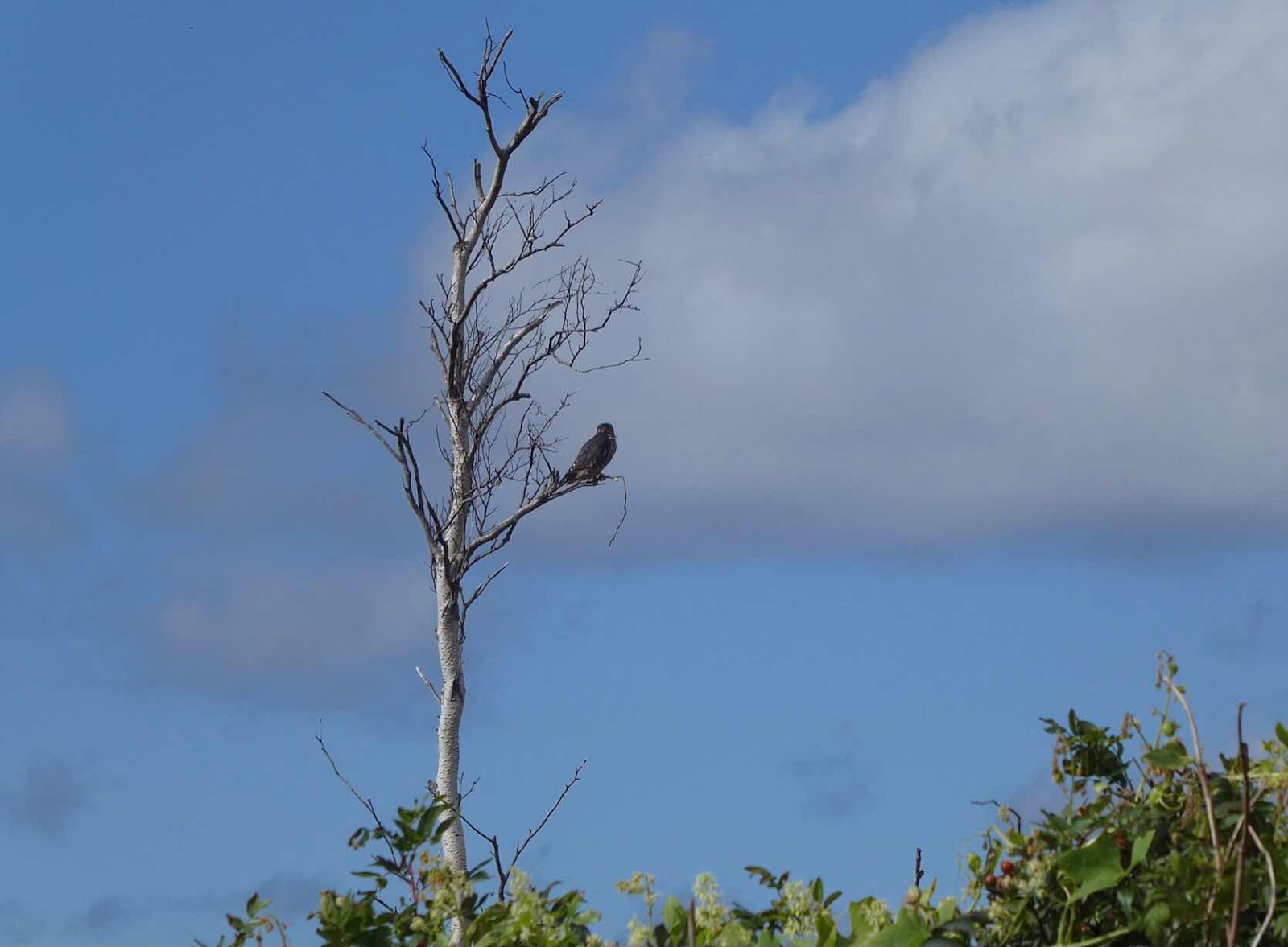
Every now and again as a birdwatcher, you happen upon a bird you haven’t seen before, referred to as a lifer among birdwatchers. This can be an exciting find and if you are lucky enough, a photo or two is the result. If you are exceptionally lucky, you can observe the bird for a time, which is rare indeed. Recently, my husband and I were fortunate enough to experience such an exception and we marvelled at the happenstance which brought us to the experience.


It was a average day on the boardwalk. The approaching low tide brought us down to the beach to search for shorebirds, however, none were around that morning. We headed along the boardwalk for some exercise when I spotted what I thought from a distance was a crow in a snag. As I approached the area, I realized this wasn’t a crow.


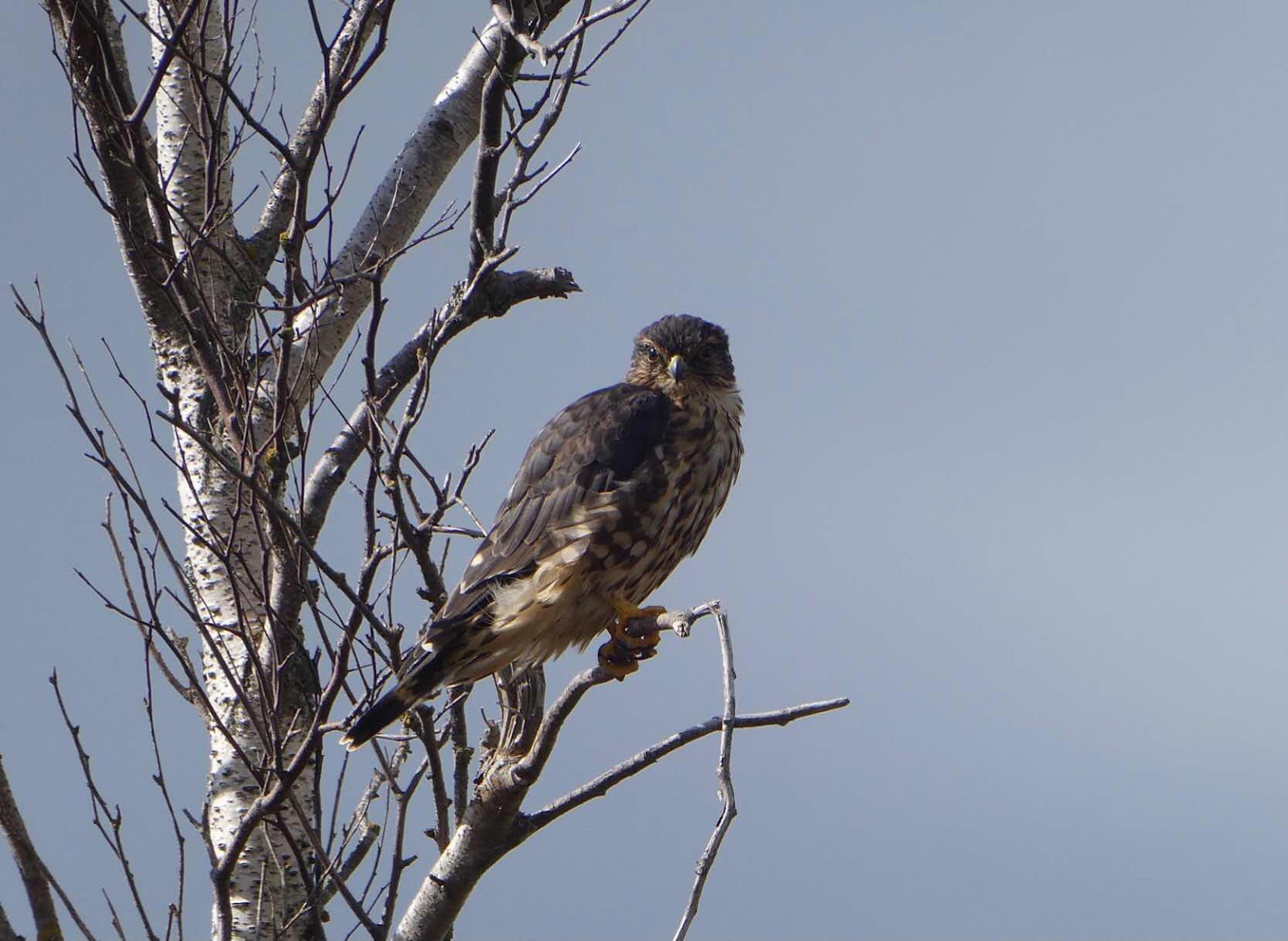
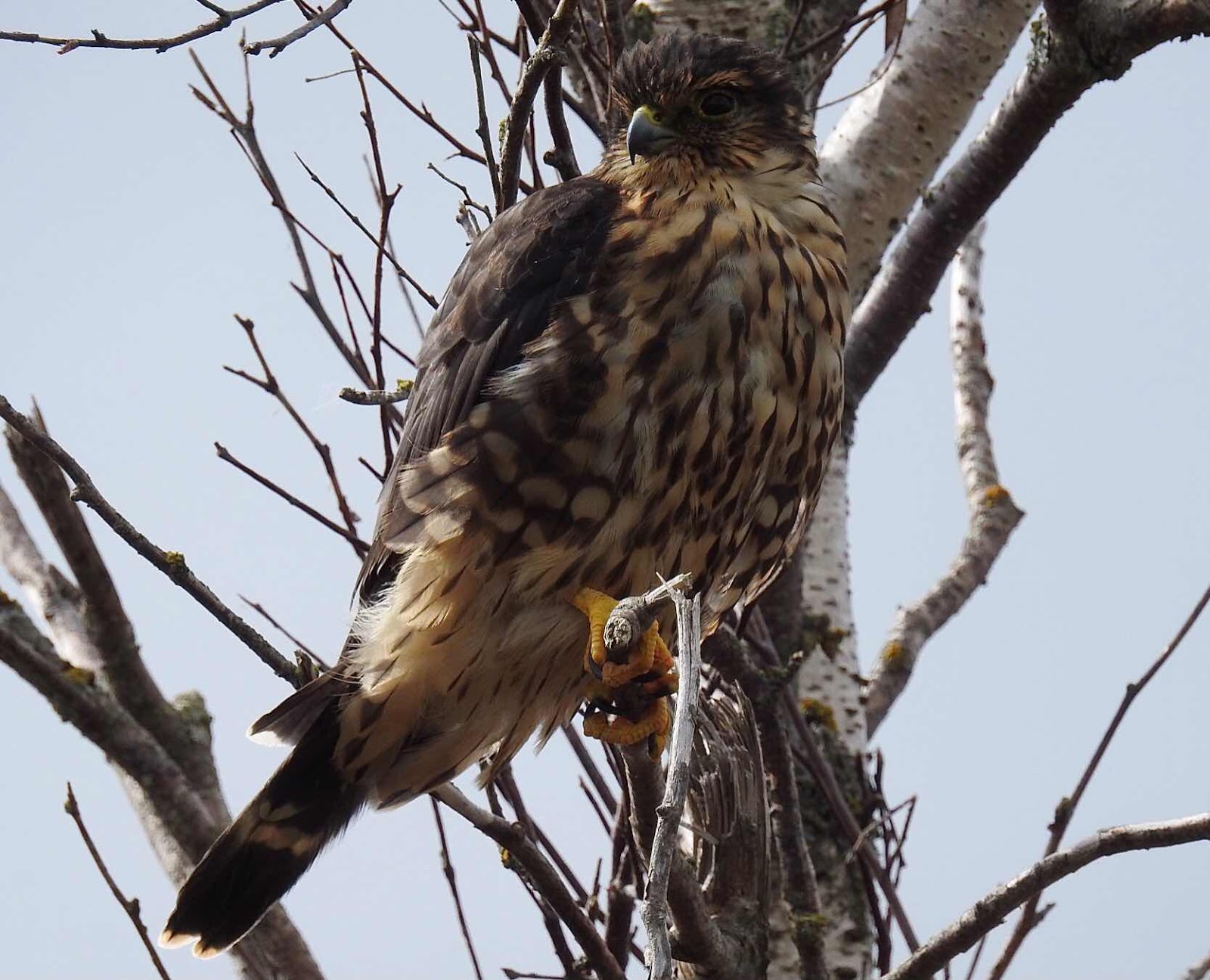
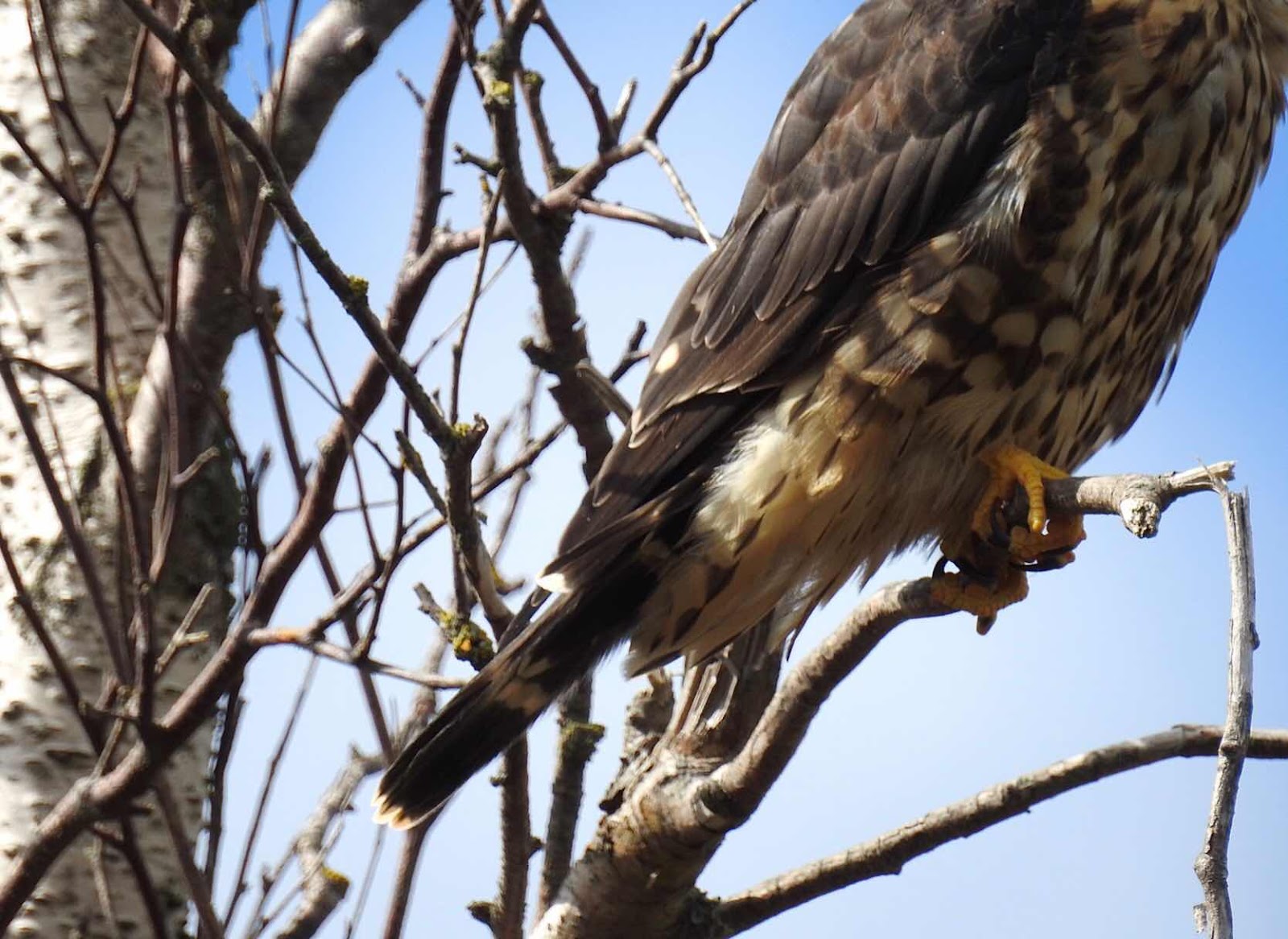
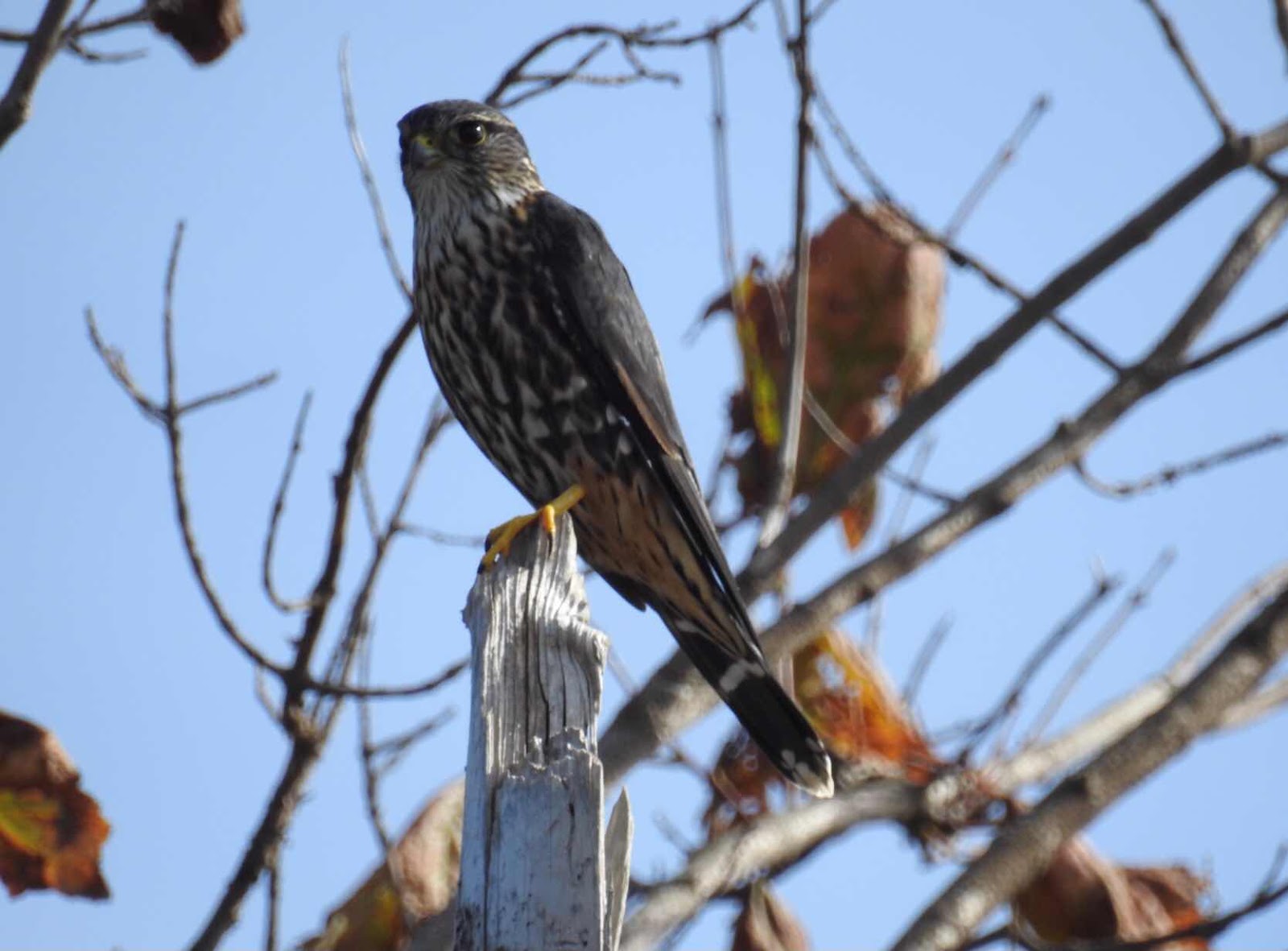
The bird moved to another branch and settled in there for a time, facing the boardwalk rather than the beach. This gave us the opportunity to take some photos from various angles. Later, I identified it as a Merlin, probably a female from the look of the chest and abdominal feathers. 


The bird with its hooked beak, the markings on the feathers and the orange feet was fascinating to observe. 


It scanned the area below but was turned away from the beach where its prey would have been. Like us, it knew there weren’t any small shorebirds on the beach that day.


Merlins are small falcons, once known as pigeon hawks since they resemble pigeons in flight. In the Middle Ages, they were used in falconry to catch Skylarks in flight as the ladies of the court watched. 


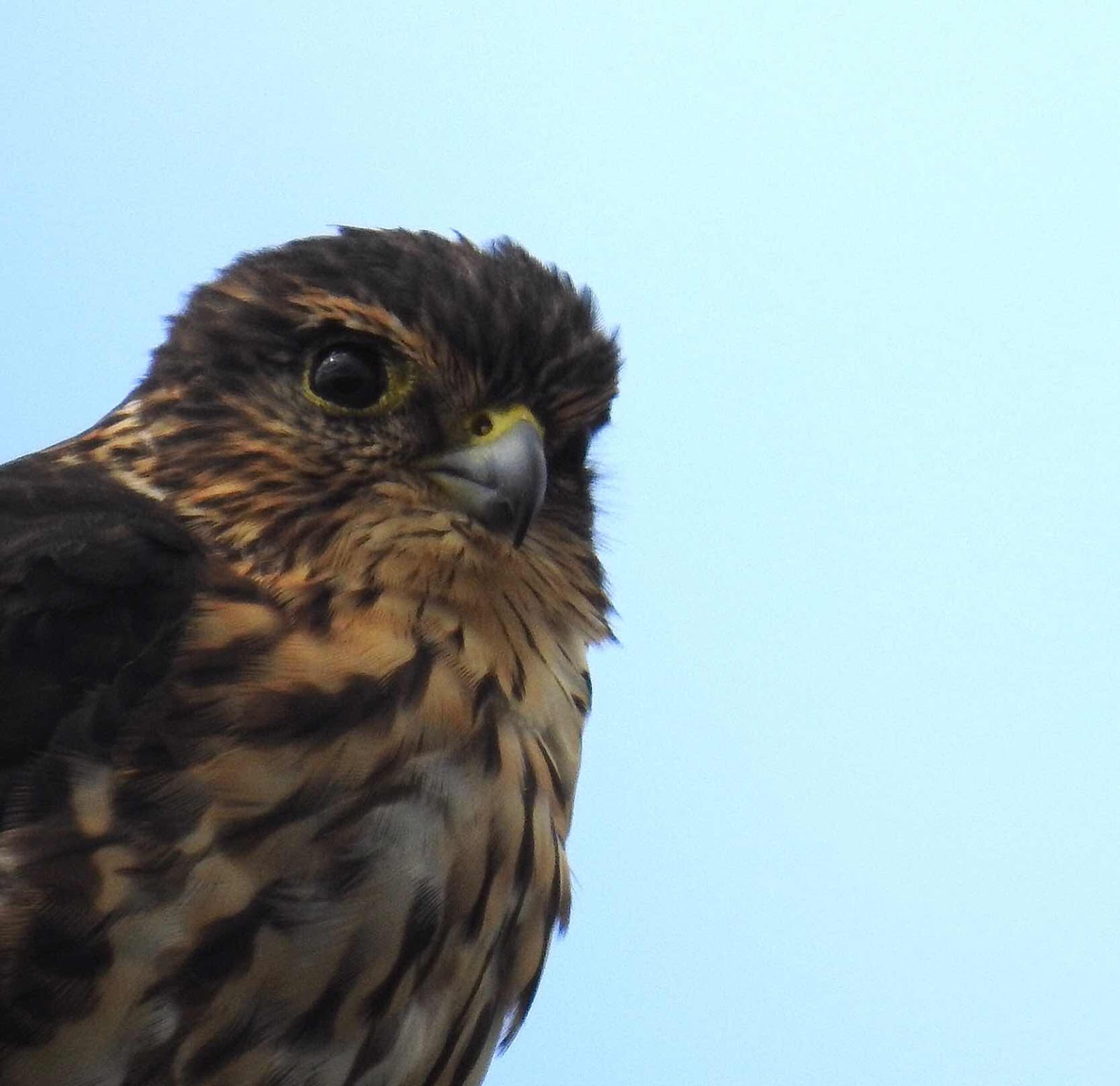
A close-up of the head shows the external nares, nostrils, on the upper part of the beak and those all-seeing eyes.


A look at the tail shows the small band of white which rims its feathers.


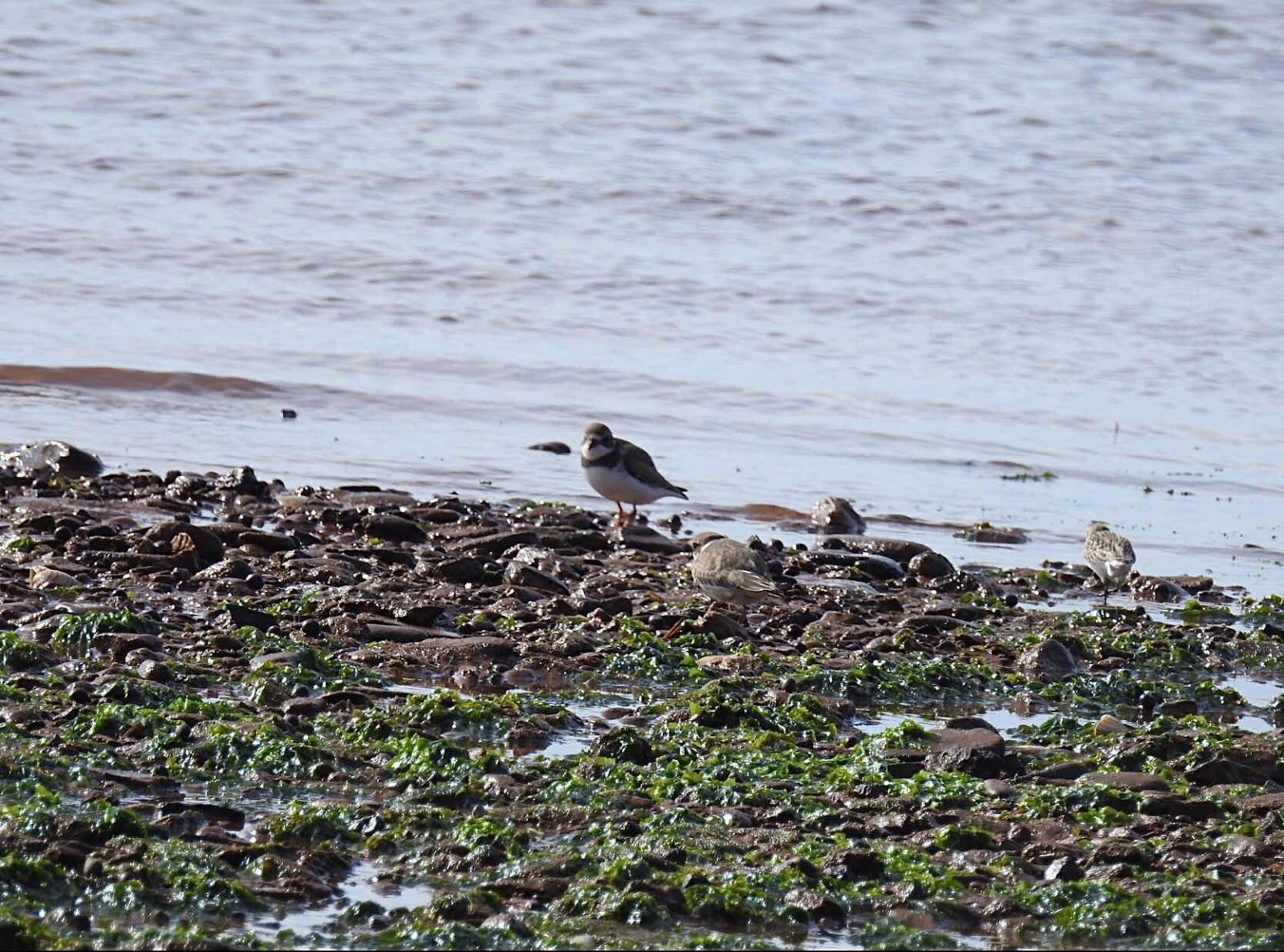
Two days later, we were back on the beach again, this time, small shorebirds were there too. 


I watched for sometime and heard the calls of raptors in the area. Scanning the trees, I spotted another Merlin, in an old snag bordering the beach.


It was focussed on the shoreline this time. It saw those tiny birds too. It flew to an nearby stand of trees as I watched.


A look at the tail feathers of this one makes me think this is a different bird from the last one we saw, maybe a male, with darker feathers. It looked smaller than the female as well.


I didn’t stay around to watch the Merlin pick the Plovers and Sandpipers out of the air when they flew off. It’s one thing to know about the possibility, another to actually witness it. It’s not realistic but I like to think they all survived.


Sunday, 19 September 2021

On the Trail again

It is almost a month since my husband and I rode our bikes. I had hit my hip on one of the gates on the Confederation Trail and finally, on Saturday, my hip felt better. It was a slow recovery but all fells well again.


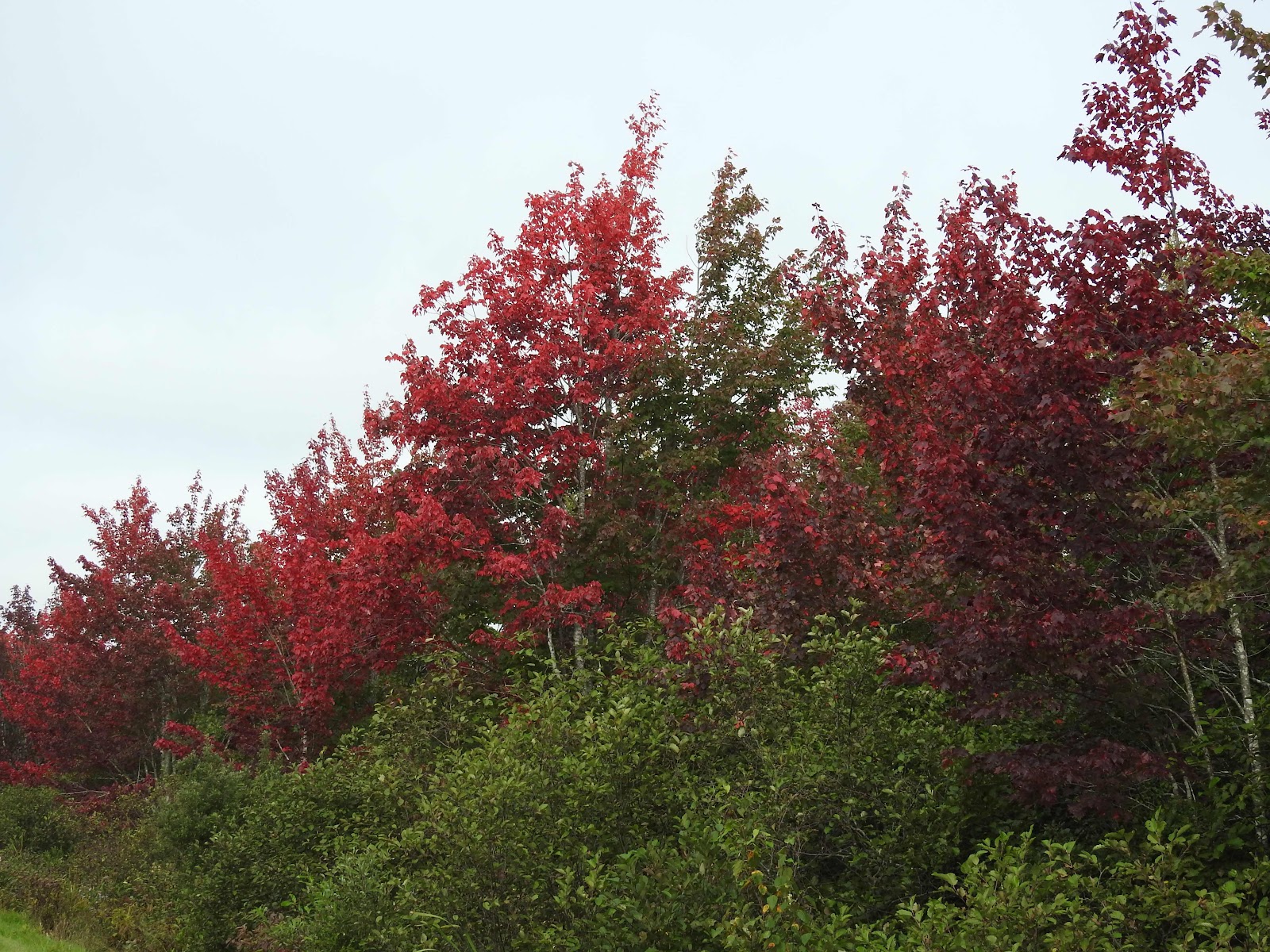
Autumn is underway along the trail though it hasn’t arrived with any certainty in our neighbourhood yet. Maple trees along the trail are in their red autumn glory and caused us to stop numerous times along the way. 


The dark green of pre-autumn colour lines the trail where other trees dominate.


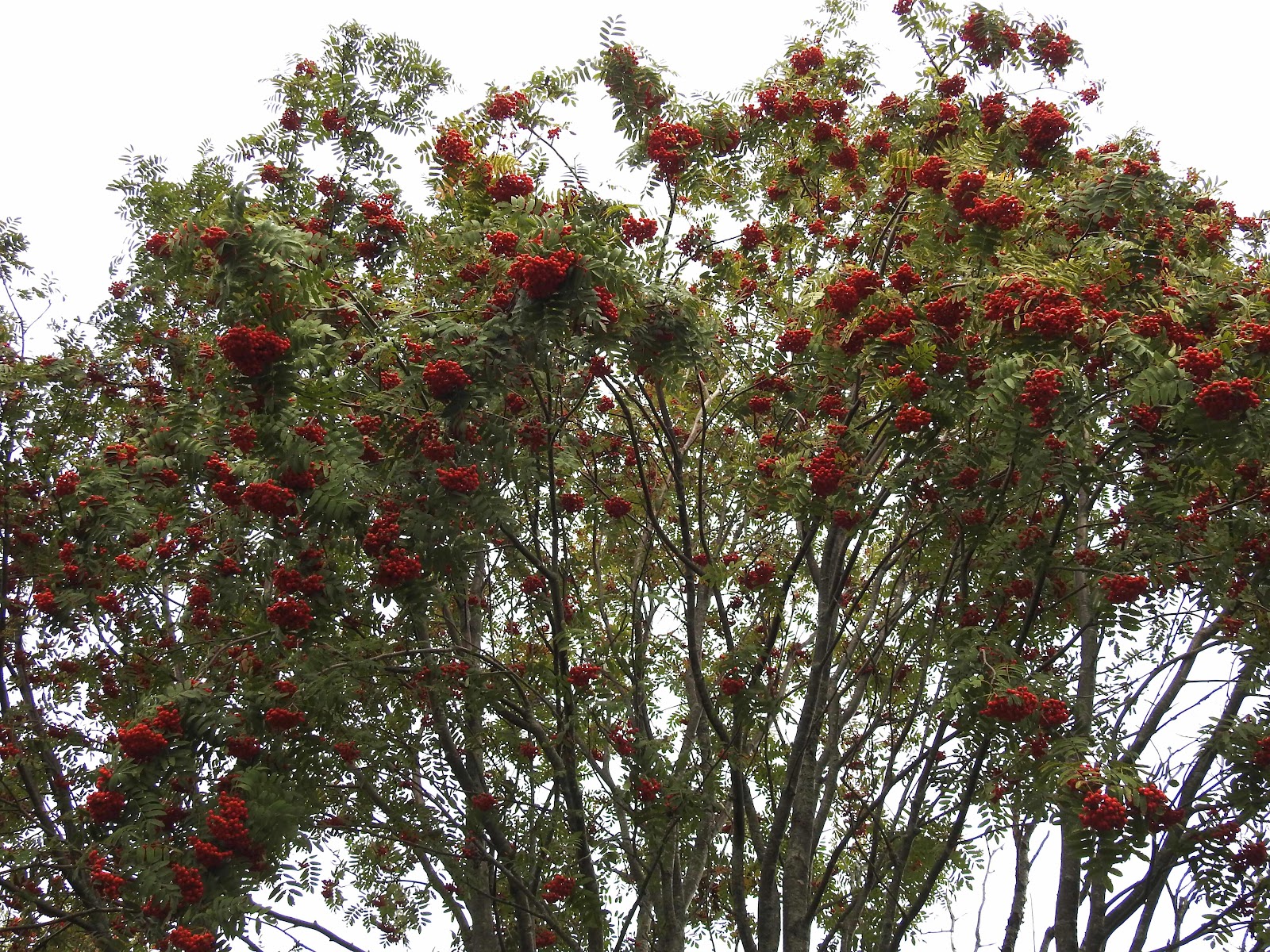
The Mountain Ash trees are loaded with berries this year, probably the most we’ve ever seen. The orange berries hang from the trees tempting one to pick a few though they don’t have much taste.


Some time ago, Judee at https://www.realfoodblogger.com mentioned Mountain Ash was also known as Rowan and has folklore associated with the trees which goes back centuries. 


I had only known Mountain Ash/Rowan as Dogberry trees. The only folklore I knew was the Newfoundland weather lore which maintains that a year with a lot of orange dogberries on the trees meant a bad winter was in store. By the look of the trees this year, there will be a terrible winter.


Further along the trail, the horses were out in the barnyard again and were too busy eating to pose for photos.


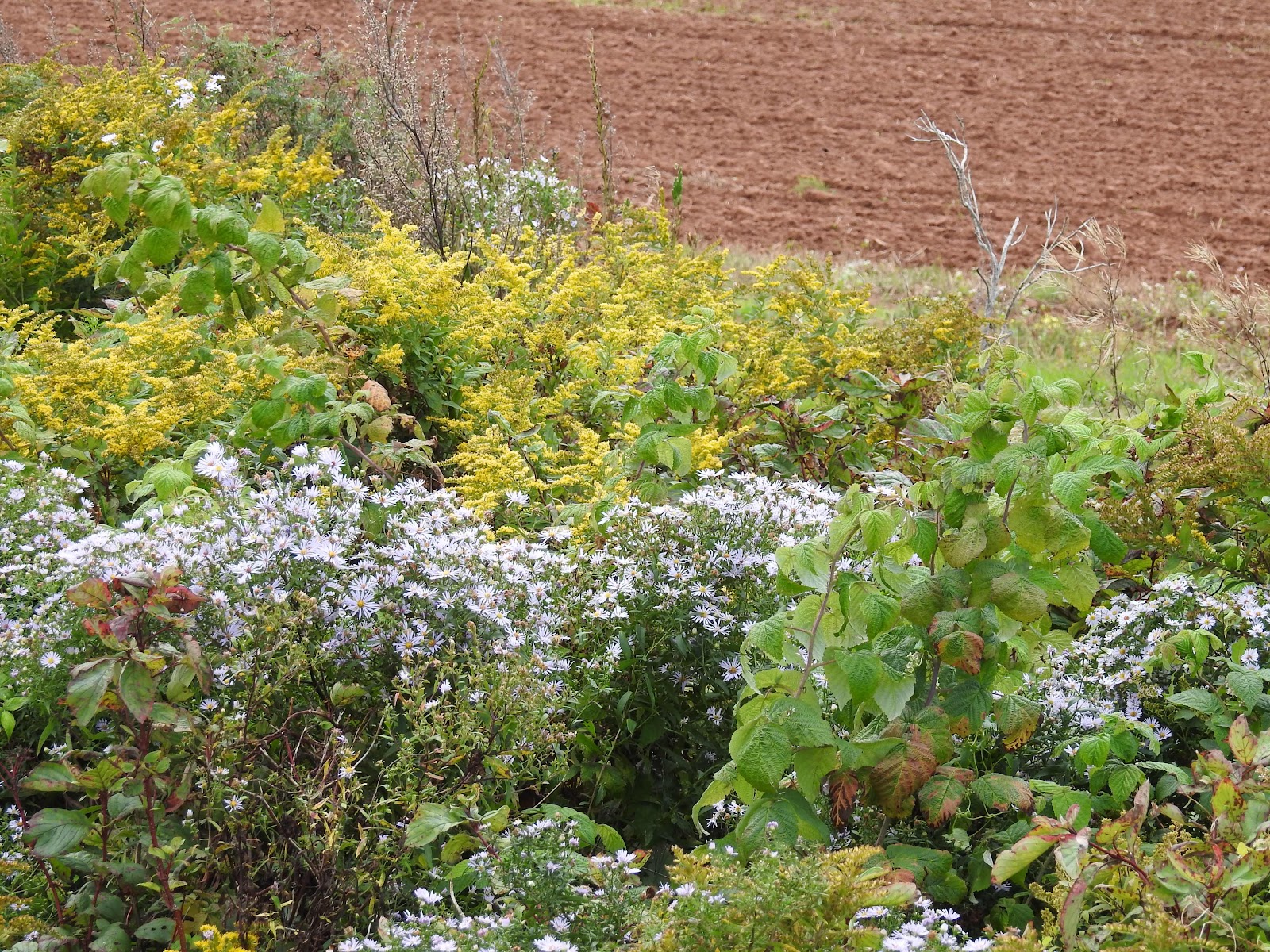
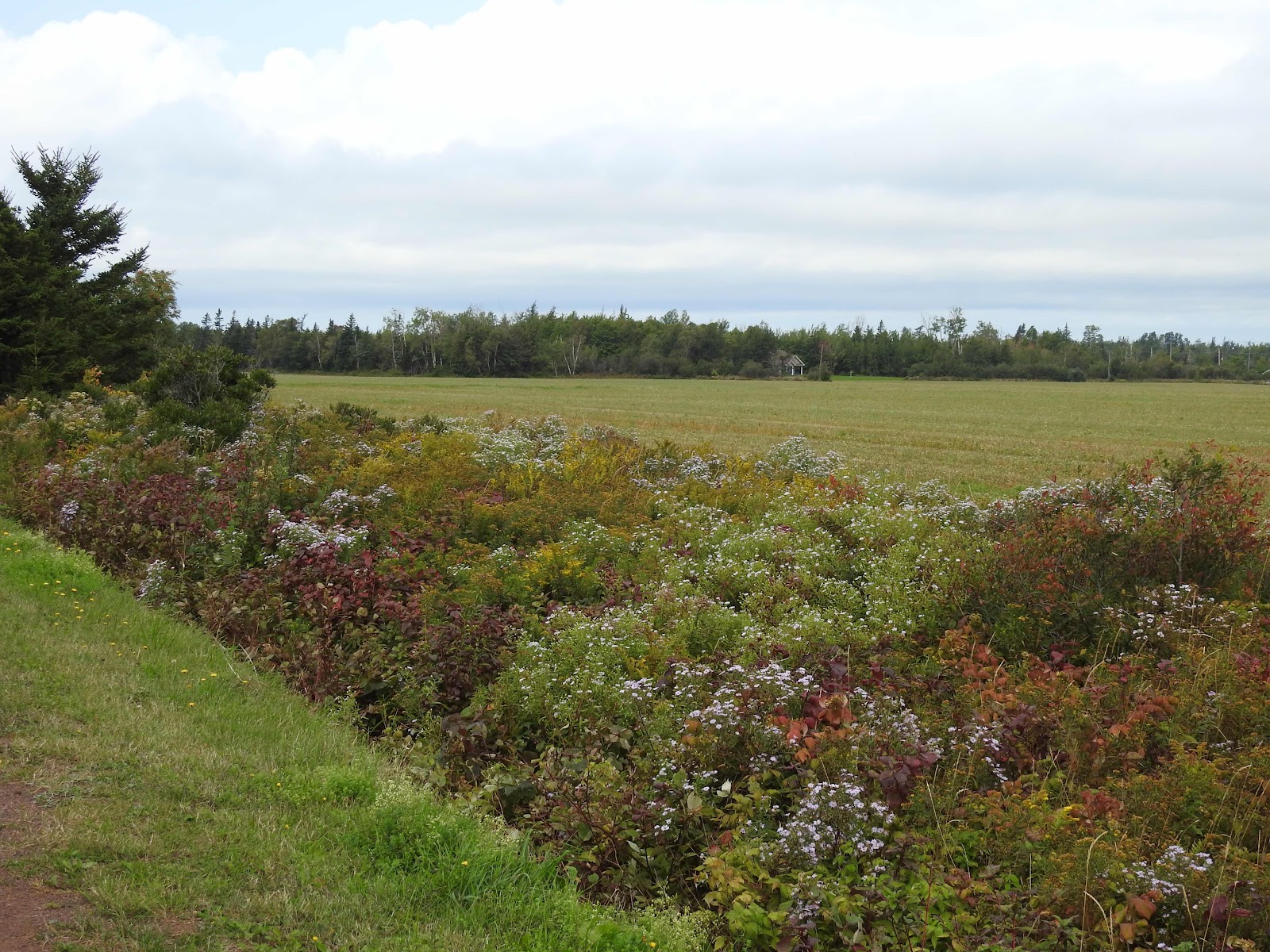
The last of the wildflowers fill the hedgerows. Asters and Goldenrod take up much of the area. 


However, the bright greens of summer are rusty now as darkness encroaches upon the daylight of summer.


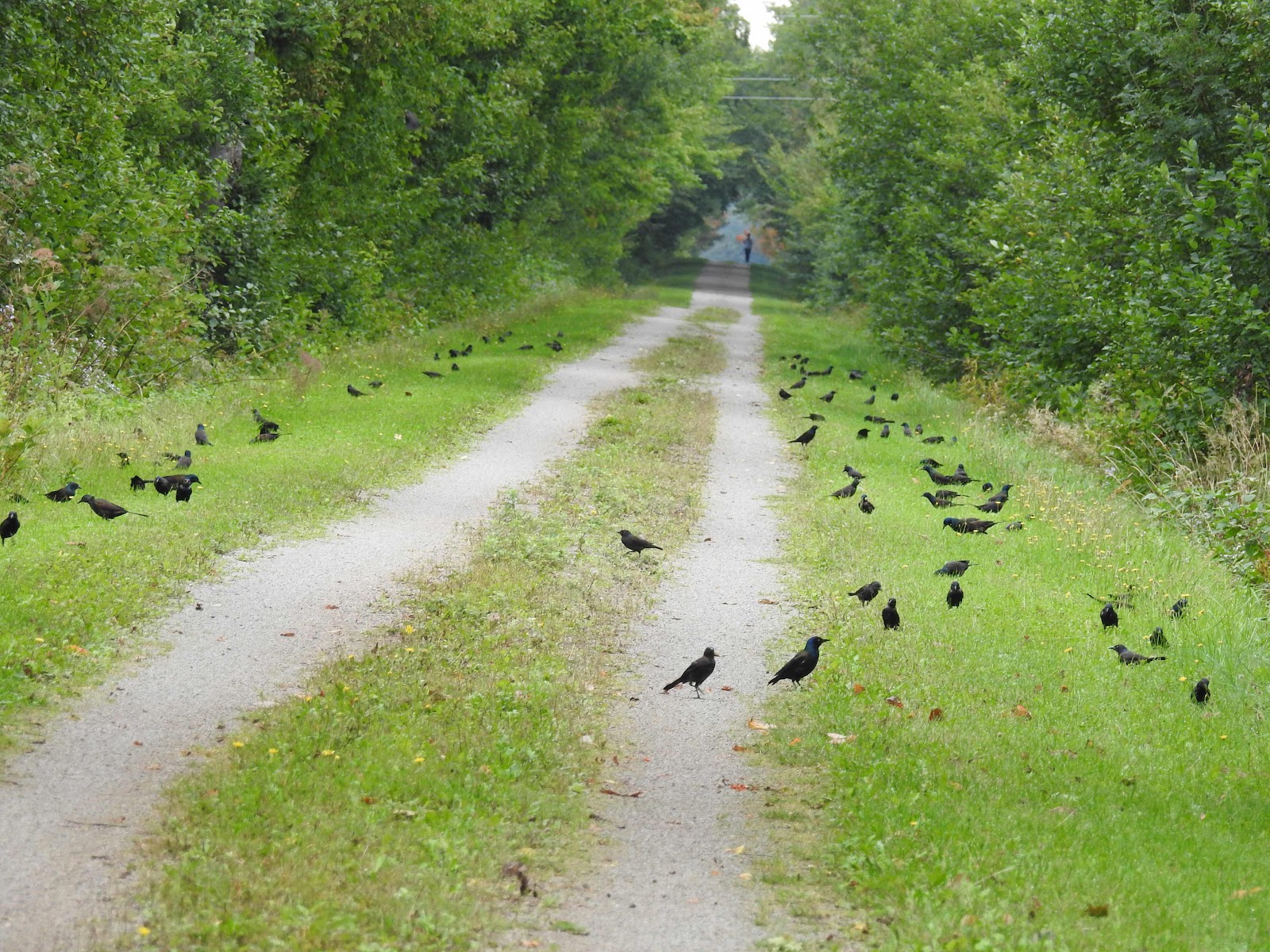
It is difficult to describe one of the experiences we had during that recent ride. We were on the home stretch and noticed dark coloured birds ahead on the trail. I thought they were European Starlings which usually travel in a flock. We approached the birds but they stayed as they were which was strange indeed. My husband rang the bell on his bike and the trees around us came alive with birds, which flew over the trail, then ahead of us along the trail, as we followed them and those which had been on the ground. After thirty seconds or so, the huge flock disappeared into the trees again.


On closer examination of the photos, we discovered they were Common Grackles. I couldn’t take a photo quickly enough but it was a phenomenal experience to have the large flock flying ahead of us as we rode along. Later, we realized our daughter was the runner visible in the distance in this photo.


It is good to be back on our bikes again on the Confederation Trail with its wonderful surprises.